Buyer Fit Snapshot
| Best fit | Poly Mailers Comparison projects where brand print, material claims, artwork control, MOQ, and repeat-order consistency need to be specified before quoting. |
|---|---|
| Quote inputs | Share finished size, material target, print colors, finish, packing count, annual reorder estimate, ship-to region, and any compliance wording. |
| Proofing check | Approve dieline scale, logo placement, barcode or warning zones, color tolerance, closure strength, and carton packing before bulk production. |
| Main risk | Vague material claims, crowded artwork, missing packing details, or unclear freight terms can make a low unit price expensive after revisions. |
Fast answer: Poly Mailers Comparison: Choose the Right Mailer should be specified like a repeatable production item. The safest quote records material, print method, finish, artwork proof, packing count, and reorder notes in one written spec.
Production checks before approval
Compare the actual filled-product size with the drawing, then confirm tolerance on folds, seals, hang holes, label areas, and retail display edges. Reserve space for logos, QR codes, warning copy, and material claims before decorative graphics fill the panel.
Quote comparison points
Review material grade, print process, finish, sampling route, tooling charges, carton quantity, and freight assumptions side by side. A quote is only useful when the supplier can repeat the same color, closure quality, and packing count on the next order.
Most brands think they’ve done a solid poly mailers comparison because they found a mailer that “looks fine.” I’ve watched that habit cost companies real money: one apparel client in Los Angeles was using a 12" x 15.5" mailer for every SKU, even the XS tees that fit in a 10" x 13" bag, and they were paying for wasted material, extra air, and avoidable postage on thousands of shipments. Their annual volume was roughly 48,000 units, and the difference between the two sizes worked out to about $0.07 per shipment before postage even entered the conversation. I remember standing at their packing table and thinking, with a little frustration, “We are literally paying to ship emptiness.” That is exactly why a serious poly mailers comparison matters.
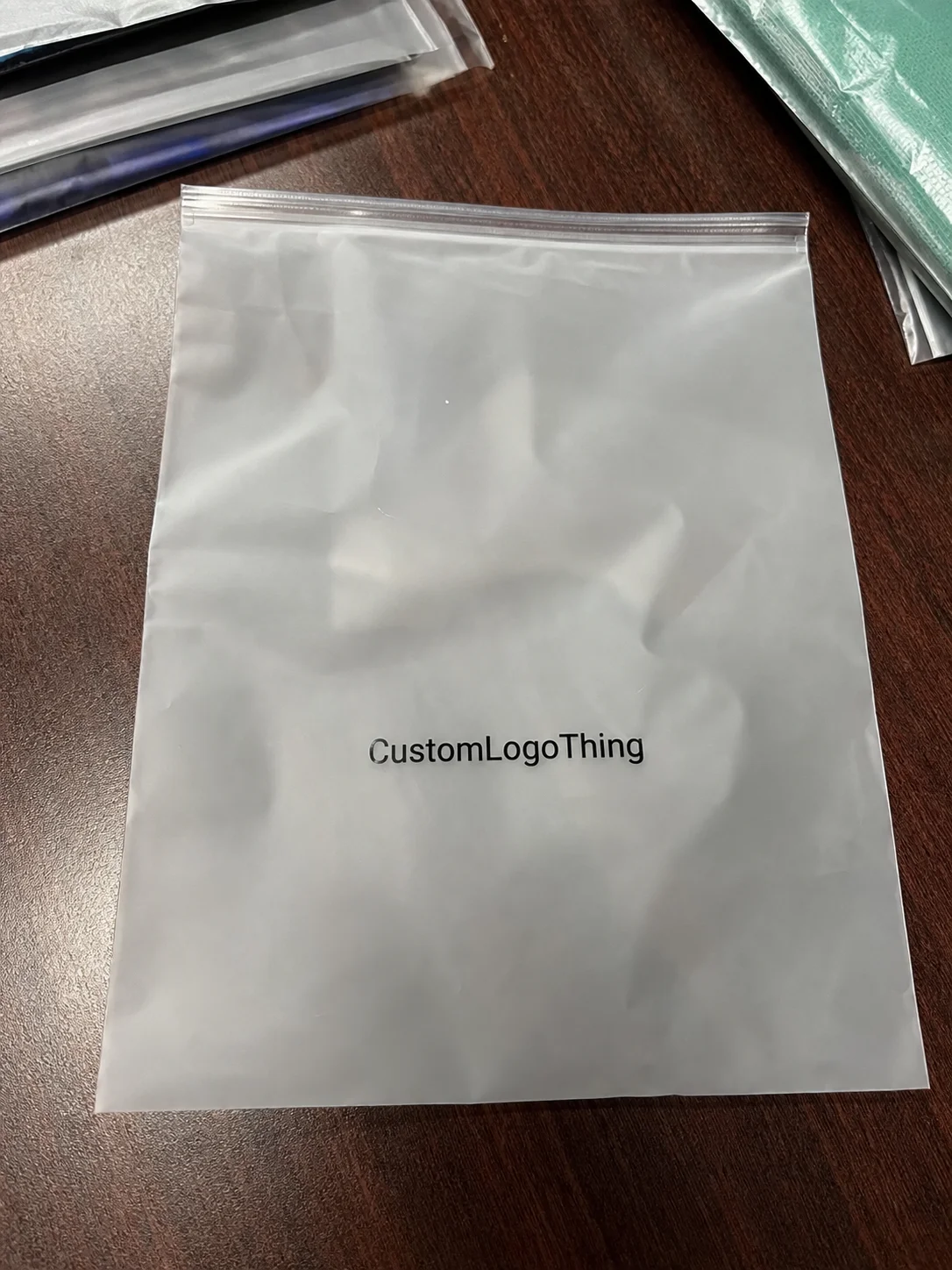
Poly mailers are lightweight plastic shipping envelopes used for apparel, soft goods, and other low-fragility items. They’re fast to pack, inexpensive relative to boxes, and easy to customize with logos, color, and messaging. A standard clear or white stock mailer might cost $0.06 to $0.10 per unit at 5,000 pieces, while a custom printed version from a factory in Dongguan or Ningbo can land closer to $0.15 to $0.28 per unit depending on film thickness, print coverage, and freight. The wrong choice can trigger higher dimensional weight, slower packing, more damage, and a weaker unboxing moment. A proper poly mailers comparison gives you a clearer answer than habit ever will, and honestly, habit is usually the sneaky expensive one.
When I sit down with fulfillment teams, I usually hear the same three concerns: cost, speed, and brand presentation. Those are only the beginning. The best poly mailers comparison also looks at film thickness, seal quality, fit, puncture resistance, water resistance, printing, and what the local recycling system can actually handle. That last part gets ignored more often than it should, especially in cities like Phoenix, Atlanta, and Toronto where curbside acceptance can differ by municipality, which is funny in a grim little way because everyone suddenly becomes very interested in recycling right after the wrong order ships.
Poly Mailers Comparison: What They Are and Why They Matter
A poly mailer is basically a thin shipping envelope made from polyethylene film, usually with a pressure-sensitive adhesive strip on the flap. In plain terms, it’s a flexible, lightweight package for products that do not need rigid crush protection. Most production lines use LDPE or co-extruded PE film in thicknesses like 2.0 mil, 2.5 mil, or 3.0 mil, and many factories in Jiangsu, Guangdong, and Zhejiang run blown-film extrusion before converting the web into finished mailers. That makes them a common choice for folded tees, leggings, socks, tote bags, small accessories, and soft home goods. In a practical poly mailers comparison, they sit between paper mailers and boxes in terms of structure and protection, which is exactly why they can be so useful when they’re chosen for the right job.
Here’s the surprising part: many brands overpay for packaging because they choose by habit, not by shipping data. I’ve seen teams order the same poly mailer style for three years because “it’s what we’ve always used,” even after their product mix shifted and half the orders became lighter by 20% to 30%. One Denver-based activewear label I reviewed still carried a 12" x 15.5" bag for every order, even though 7,500 monthly shipments were really just 9" x 13" tees and leggings. That’s not a packaging strategy. That’s inertia dressed up like certainty, and it tends to hang around longer than it should.
Why compare them so carefully? Because the wrong mailer can raise postage, increase returns, and create a poor unboxing experience. A mailer that is 1 to 2 inches too large may force a parcel into a higher carrier bracket, and on a UPS or USPS route that can mean an extra $0.45 to $1.20 per shipment depending on service level and zone. A thin 2 mil bag might be fine for a single folded tee, but not for a denim jacket with a rough zipper edge or a hoodie shipped with a hangtag and insert card. A strong poly mailers comparison catches those mismatches before they become expensive, annoying, and the sort of problem everyone suddenly “had a feeling about” after the fact.
It helps to Compare Poly Mailers with other packaging types.
- Boxes: better for rigid, fragile, or premium products that need crush resistance and structure, especially when products ship from hubs in Chicago, Dallas, or Savannah where parcels see more stacking pressure.
- Paper mailers: better for brands that want a fiber-based option and do not need much stretch, though they often perform best with flat items like books or art prints.
- Padded mailers: useful for smaller items that need a little cushioning, like cosmetics, books, or electronics accessories, and they often include 3/16" or 1/4" bubble lining.
- Poly mailers: best for soft goods where low weight, speed, and moisture resistance matter most, especially when the product can be folded to under 2 inches thick.
I’ll say this plainly: if your product can be folded flat and does not need corner protection, a poly mailer often makes more sense than a box. If you are shipping framed merch, ceramic mugs, or layered gift sets, a box earns its keep quickly, especially if it uses 32 ECT corrugated board or a 350gsm C1S artboard insert for presentation. A smart poly mailers comparison is really a packaging-fit exercise, not just a material choice, and I’d much rather see a brand make that decision with data than with optimism and a shrug.
The main categories in this article are cost, thickness, size, durability, branding, and sustainability. Those six factors tell you far more than a product photo ever will. If you’re comparing suppliers, ask for film specs, seal construction details, and freight assumptions, including whether the quote assumes FOB Shenzhen, CIF Los Angeles, or domestic delivery from a warehouse in New Jersey. Those numbers matter more than a glossy sales sheet, no matter how dramatic the mockup looks in a PDF.
How Poly Mailers Work in Real Shipping Operations
Inside a fulfillment line, a poly mailer is simple but efficient. The structure usually includes one or more film layers, a flap with pressure-sensitive adhesive, and sometimes extras like a tear strip, double seal, or document pocket. In factories around Shenzhen and Suzhou, the bags are often cut and heat-sealed on automated converting lines that can output 20,000 to 40,000 pieces per shift depending on width and print complexity. In a fast-moving pack station, those small details affect labor time almost as much as they affect package integrity. That is why any serious poly mailers comparison should include the actual packing workflow, not just the sample you can hold up under office lighting.
When I visited a third-party logistics facility in Ohio, the difference between two mailer styles was obvious within 20 minutes. The team packed 240 orders per hour with a basic 2.5 mil mailer, but the rate dropped when they switched to a heavy custom version with a stiff flap and hard-to-peel liner. The better-looking sample had a stronger print finish, but it added 6 to 8 seconds per pack because the liner pulled unevenly in cold weather. The material looked premium. The line speed did not. In a poly mailers comparison, production reality beats marketing language every time, and the packing table tells the truth faster than any sales rep ever will.
The packing process usually runs like this: product insertion, flap alignment, seal closure, label application, and then handoff to carrier sortation. If the mailer is too flimsy, the packer slows down to double-check the closure. If the bag is too large, the product slides around and needs an extra fold or filler sheet. Multiply that by 5,000 units, and you can feel the labor cost, especially if your average labor rate is $18 to $24 per hour in a warehouse outside Chicago or Charlotte. Multiply it again by peak season pressure, and suddenly everybody is “just a little behind,” which is corporate language for chaos.
Carrier behavior matters too. Dimensional weight is often the hidden tax in a bad poly mailers comparison. A flexible bag can save you from box-like dimensional billing, but only if the filled package stays compact. Thickness also matters because a mailer that bulges beyond carrier tolerance may get sorted like a small parcel rather than a flat, and that can move a shipment from a 1 oz or 4 oz mailing class into a pricier bracket. That is one of those details nobody notices until the invoice arrives, which is a rude little tradition the shipping industry seems unwilling to retire.
Different products behave differently in a mailer:
- Folded apparel: usually ideal for mailers, especially tees, leggings, and light knits, provided the folded stack stays under about 1.5 to 2 inches thick.
- Accessories: belts, hats, scarves, and small bags work well if edges are smooth and hardware is taped or tucked.
- Soft home goods: pillow covers and linens are often efficient candidates, particularly for 12" x 15.5" and 14.5" x 19" sizes.
- Small kits: good for low-fragility bundles, though internal organization may be needed with 4" x 6" or 6" x 9" inserts.
There’s also a functional split between plain, branded, padded, and recyclable mailers. Plain mailers are cheap and fast. Branded mailers add marketing value. Padded versions add cushioning but raise cost and weight. Recyclable or recycled-content versions may help with sustainability goals, but only if their claims match the material and the local recycling stream. A good poly mailers comparison keeps those use cases separate instead of treating them like interchangeable SKUs, because that’s how teams end up with packaging that checks a box but misses the job.
For sourcing and packaging planning, I often point clients toward broader references like the ISTA test standards and the Packaging School/PMMI ecosystem for practical packaging education. Standards do not pick the mailer for you, but they do keep you honest when testing, and frankly, honesty is underrated in procurement.
Poly Mailers Comparison: The Key Factors That Change Performance
If I had to boil down a poly mailers comparison into the variables that actually move performance, I’d start with film thickness, size fit, puncture resistance, branding, sustainability claims, and pricing structure. Each one affects a different part of the cost-and-service equation. Miss one, and you may not notice until returns or customer complaints start creeping up, usually right when you thought the project was “basically done.”
Thickness and film strength
Poly mailers are often measured in mils, where 1 mil equals 0.001 inch. Common ranges are around 2.0 mil, 2.5 mil, and 3.0 mil, though this is not a universal standard across every supplier. A thinner bag can be fine for a single lightweight garment. A thicker bag usually earns its keep when you have zippers, hardware, corners, or double-folded items that can create stress points. In a poly mailers comparison, the right thickness is about the product edge profile, not just the weight, and a supplier in Guangdong may quote 3.0 mil while a factory in Vietnam measures a slightly different finished gauge after printing and sealing.
I once sat through a supplier negotiation where the buyer wanted the “strongest” mailer available, but the sample they chose was so thick and stiff that the fulfillment team hated it. Their packing staff had to fight the opening, and their seal rate fell during the first week by nearly 9%. Stronger is not always better. Better fit is better, and a mailer that makes your crew mutter under their breath every afternoon is not doing its job.
Size fit and wasted space
Size is one of the easiest things to get wrong. If the bag is too small, it stresses seams and can pop at the seal. If it is too large, the item shifts, the package looks sloppy, and you waste material. In a high-volume poly mailers comparison, even a 1-inch change in width can alter postage, folding behavior, and presentation. A 10" x 13" bag may be ideal for a kids’ tee, while a 12" x 15.5" bag may fit a hoodie better, especially if the product is shipped with a thank-you card or insert. At 20,000 units, a $0.01 material difference becomes $200, which is a number procurement teams can actually feel in a monthly review.
Puncture resistance, stretch, and water resistance
Polyethylene film is valued because it resists moisture better than paper and can flex around soft products. But not every bag handles abuse equally. A good poly mailers comparison should ask how a bag behaves when dropped, scuffed, compressed, or snagged on a pallet edge. Stretch helps with overstuffed product profiles. Water resistance matters if your network includes porch delivery in rainy climates like Seattle or cross-dock transfers in open yards near Houston or Jacksonville. I’ve seen a brand lose a quarter of a shipment’s perceived value because wet outer packaging made the product feel compromised, even though the contents were technically fine. Customers are funny that way: the garment can be perfect, but if the outside arrives looking like it fought through a storm drain, the emotional score drops anyway.
Branding and visual impact
Custom printing can turn a package into a marketing touchpoint. Logos, color blocking, and typography create a more deliberate first impression than plain clear or white bags. A single-color print from a plant in Shanghai might add $0.03 to $0.06 per unit at 10,000 pieces, while a full-bleed matte finish with white ink often costs more because of extra screens, ink coverage, and slower curing time. The branding has to be evaluated against lead time and minimum order quantities. A four-color print on a 30,000-unit run tells a different financial story than a stock poly mailer ordered in 500-piece packs. In a poly mailers comparison, branding should be scored as a return on repeat exposure, not as decoration.
One client I worked with in the direct-to-consumer fashion space changed from plain gray bags to a matte black custom mailer with a white logo. The packaging cost rose by about $0.11 per unit on a 25,000-piece order, but their social media mentions from unboxing posts increased in the same quarter, especially from customers in New York, Austin, and Miami who were posting flat-lay videos within 48 hours of delivery. Was the package the only reason? No. But packaging was part of the perceived value stack, and that matters more than people admit. I’m not saying a mailer is a miracle, because it absolutely is not, but it can quietly help the whole brand look more intentional.
Sustainability claims and what they really mean
This area gets messy fast. Some poly mailers use recycled content. Some are marketed as recyclable. Some are both. The issue is that “recyclable” does not always mean accepted in curbside systems, and local access varies widely from Los Angeles County to Toronto to smaller regional programs in the Midwest. A supplier may cite PCR content or store-drop-off compatibility, but your customer’s city may have different rules. A responsible poly mailers comparison checks documentation, not just green-colored branding, and it should ask for the exact post-consumer recycled percentage, such as 30% PCR, 50% PCR, or 100% PIR regrind where relevant.
If you are evaluating claims, ask for material composition, recycled content percentage, and how the product is intended to be collected after use. For broader environmental context, the EPA recycling guidance is a decent starting point, though local programs still vary. I tell clients to treat sustainability as a data question, not a vibe. Green ink on a box does not make the end-of-life story magically coherent, no matter how much the marketing deck wants it to.
Pricing structure and supplier terms
The unit price is only one line item. Your real pricing picture includes custom print setup, freight, minimum order quantity, storage, and the labor it takes to pack the product cleanly. A basic poly mailers comparison should compare all of that, especially if you are weighing domestic and overseas sourcing. I’ve seen a “cheaper” offshore quote lose its advantage once freight and 8-week transit were added in. The quote looked beautiful. The landed cost did not.
| Mailer Type | Typical Use | Indicative Unit Cost | Strength | Branding |
|---|---|---|---|---|
| Stock plain poly mailer | Basic apparel and low-fragility soft goods | $0.05–$0.12/unit | Moderate | Low |
| Custom printed poly mailer | Branded DTC shipments and repeat-order programs | $0.10–$0.28/unit | Moderate to high | High |
| Heavy-duty poly mailer | Bulkier garments, denim, and edge-prone items | $0.12–$0.22/unit | High | Low to moderate |
| Padded poly mailer | Small items needing cushioning | $0.08–$0.20/unit | Moderate | Low to moderate |
Poly Mailers Comparison by Cost, Pricing, and Total Value
The cheapest mailer on the quote sheet is not always the cheapest package in practice. That’s the first rule of a real poly mailers comparison. The second rule is that labor, damage, and postage can erase small savings very quickly. A difference of $0.03 per unit feels tiny until you multiply it by 25,000 shipments and add 1% damage-driven replacements. Then it starts to look less like a savings plan and more like a tax on wishful thinking.
Let’s break the total cost stack into parts:
- Material cost: the base price of the bag, often quoted per unit at a given volume, such as $0.15 per unit for 5,000 pieces on a matte custom run.
- Custom print cost: plates, setup, color count, and proof revisions, which can add $150 to $600 depending on whether the factory is in Shenzhen, Ho Chi Minh City, or a domestic plant in Ohio.
- Labor time: how fast a packer can fill, seal, and label the mailer, often measured at 6 to 12 seconds per unit in a trained line.
- Postage impact: weight and dimensional behavior that can affect carrier charges, sometimes by $0.35 to $1.50 per shipment on larger parcels.
- Damage risk: tears, punctures, moisture exposure, or failed seals, especially when shipments cross hot summer docks in Texas or humid warehouses in Florida.
- Returns and service: customer complaints, replacements, and support time, which can cost $8 to $18 per incident once labor and reshipment are counted.
In a supplier meeting last spring, a retailer argued for a mailer that was $0.04 cheaper than the one they were using. That sounds smart until you do the math. Their current mailer had a 0.6% damage rate. The cheaper option increased the damage rate to 1.4% in a small test because the adhesive strip was weaker and the film stretched unevenly. The replacement cost alone wiped out the material savings. That’s a classic poly mailers comparison mistake, and it’s exactly the sort of thing that makes procurement people stare into space for a second.
Here’s a simple way to think about cost per shipment instead of cost per mailer:
- Start with the unit price of the mailer at your order volume.
- Add freight, duty if applicable, and any print setup fees spread across the order.
- Estimate labor time per pack and convert it to hourly wage cost.
- Add expected damage or re-ship costs using your historical return rate.
- Compare the result against your current packaging cost per shipment.
For smaller brands, stock mailers can make sense because they reduce cash tied up in inventory and eliminate artwork setup. For mid-size brands, custom mailers can pay off when reorder volume is steady and brand presentation matters. For high-volume shippers, the best poly mailers comparison often comes down to finding the lowest total landed cost with acceptable performance, not the prettiest option. Pretty is nice. Predictable margin is better.
There’s also a timeline cost that people overlook. A Custom Printed Mailer might be quoted at 12 to 15 business days from proof approval, plus freight time that can add 3 to 7 days if it’s moving from Ningbo to the West Coast or 5 to 10 days for cross-country domestic freight. If artwork revisions add a week, the “cheap” option may delay a product launch or a seasonal campaign. In packaging, time is money in a very literal sense, and I’ve seen more than one launch date wobble because someone underestimated proofing by just enough to hurt.
Honestly, I think the smartest brands build a threshold. If the mailer saves less than $0.02 per order but adds more than 20 seconds of packing time or raises damage by even 0.5%, it is probably not worth the switch. A disciplined poly mailers comparison keeps those tradeoffs visible.
If you’re sourcing a broader mix of packaging, our Custom Packaging Products page is a useful place to compare related formats, especially if you’re deciding whether to stay with mailers or expand into other shipping materials. If you already know you need branded mailers, our Custom Poly Mailers category is the faster path.
Step-by-Step Process for Choosing the Best Poly Mailers
A good poly mailers comparison becomes much easier once you turn it into a repeatable process. I’ve watched teams stall for weeks because everyone had a different opinion about “the right bag.” A scorecard and a sample test end the argument faster than a slide deck ever could, and they save everyone from that awkward meeting where nobody wants to say the sample feels cheap but absolutely everyone is thinking it.
Step 1: map what you ship most
List your top 10 SKUs and record the folded dimensions, weight, and any sharp or stiff components. A tee pack at 9" x 11" behaves differently from a hoodie at 11" x 14". If you ship mixed orders, note the most common combinations too. That is the foundation of any real poly mailers comparison, and it helps if you include actual pack-out weights like 6.8 oz, 9.4 oz, or 1.2 lb instead of guessing by eye.
Step 2: identify the pain points
Are you seeing torn seams, wet packages, slow packing, or weak branding? One client told me their real issue was not damage; it was the dull customer perception caused by gray bags that arrived dented and creased. Your pain point may be physical, visual, or operational. Sometimes it is all three, and sometimes it’s the irritating fourth thing no one wrote down because everyone assumed “someone else” would.
Step 3: compare samples side by side
Get at least three samples and test them with the same product, folded the same way, by the same packer. Use identical label placement. Measure how long it takes to pack 20 units, then repeat the test for a second round so you can see whether fatigue changes the result. Score seal strength, opening ease, and how the package looks after a drop test from table height, ideally 30 inches onto corrugated board. A thoughtful poly mailers comparison needs controlled conditions, not guesswork.
Step 4: check lead times and artwork process
Sampling, artwork proofing, production, and freight all take time. For custom items, build in room for one or two proof revisions. If your supplier says 12 business days but your internal approvals take 8 more, that lead time is really 20 days or more, and if the bags are coming from a factory in Guangzhou or Xiamen, add another week if ocean or consolidated air freight slips. In procurement, fantasy schedules are expensive, and I have yet to meet the team that magically gets faster after the order is already late.
Step 5: test in actual fulfillment
Have the pack team use the mailers during a normal shift, with real volume and real interruptions. A sample that feels fine at a desk may feel terrible under line pressure. One warehouse manager in Texas told me their preferred mailer changed after the lunch rush test because the adhesive liner was too hard to peel with gloved hands, especially when the room sat at 58°F near the dock door. That is exactly the kind of detail a live poly mailers comparison reveals.
My practical recommendation is simple: run a pilot order on your top-selling product first. Do not switch every SKU at once. That creates noise in the results and makes it hard to see whether the packaging is helping or hurting. If the pilot works, expand from there. If it doesn’t, you’ve only irritated one product line instead of the entire warehouse, which is a much more survivable kind of mistake.
For quality control and transit protection, it can also help to reference industry test methods such as those published by ISTA. You do not need a lab for every decision, but you do need a consistent way to test what your customers will experience.
Common Mistakes in Poly Mailers Comparison
The most common mistake in a poly mailers comparison is choosing by appearance alone. A matte black mailer may look premium, but if the flap seal fails on overstuffed orders, the aesthetic win becomes a service problem. I’ve seen that exact outcome more than once, and it is always annoying because the team thought they had “found the one” after looking at one nice sample in a conference room.
Another mistake is ignoring carrier rules or label performance. Some glossy or heavily textured surfaces do not play nicely with certain adhesive labels, especially in damp or cold environments. If the label lifts, you get sorting delays and missed scans. A mailer can be beautiful and still be operationally awkward, which is a very specific kind of headache nobody warns you about at the beginning, particularly if your parcels move through carrier hubs in Memphis, Louisville, or Newark where scan integrity matters every hour.
Lead time is another trap. Custom print projects often have proof approvals, minimum order quantities, and production queues that stretch longer than expected. Brands that rush the decision sometimes pay rush fees of $150 to $500 or accept an imperfect print because the launch date is fixed. Good poly mailers comparison work includes scheduling, not just SKU review.
Oversizing is another expensive habit. A bigger bag is not always safer. It can waste film, create shipping bulk, and make the parcel look careless. Unless you need extra room for inserts or a second garment, fit it tightly and cleanly. That reduces material use and usually looks better on arrival. Also, customers notice more than brands think they do; they may not measure the bag, but they absolutely feel when it seems sloppy, especially when the mailer is a full inch larger than the folded product on all sides.
Finally, do not assume all eco-friendly claims mean the same thing. Recycled content, recyclable construction, and compostable claims are not interchangeable. A supplier can describe a product as more sustainable while still leaving out the exact recovery path. In a real poly mailers comparison, the documentation has to match the claim. If it doesn’t, you’re just buying adjectives.
“The best mailer is not the one with the strongest sales pitch. It’s the one that survives your product, your pack line, and your carrier network without making the invoice or the returns report worse.”
That line came out of a client meeting in Chicago after we reviewed 14 samples and rejected 10 of them. Half the battle is having the discipline to say no. The other half is saying no without accidentally offending the sales rep who brought the nicest-looking sample (which, to be fair, happens).
Expert Tips for Smarter Poly Mailers Comparison and Next Steps
If you want a cleaner poly mailers comparison, build a scorecard. Keep it simple: fit, price, durability, branding, sustainability, and ease of packing. Give each category a 1 to 5 score, and weight the categories based on what matters most to your operation. A fashion brand might weight branding and pack speed. A low-margin basics seller might weight cost and durability. I’m partial to scorecards because they stop everyone from arguing in circles like it’s a personality contest.
Ask suppliers for the details that matter: film thickness, adhesive type, recycled content percentage, printing method, and minimum order quantity. If they cannot provide basic specs, that is a signal. Good suppliers usually know their materials down to the practical level because they hear the same questions from experienced buyers every week. If they can’t answer plainly, I start wondering what else they’re hoping nobody asks about.
Start with samples, not a full commit. A pilot order on your highest-volume product will tell you more than a full SKU rollout. Use the same carton count, the same packing team, and the same carrier route. That keeps the poly mailers comparison fair, whether your supplier is in Southern California, northern Mexico, or a contract converting plant in Vietnam.
Keep a review cycle. Product mix changes. Order sizes change. Carrier rates change. A mailer that made sense for 8,000 orders a month may not be the right choice at 20,000. I’ve seen brands stay locked into an old mailer for too long simply because no one owned the review process, and that “we’ll revisit it next quarter” promise tends to age badly.
My recommended next steps are straightforward:
- Collect three samples with different thicknesses or finishes, such as 2.0 mil, 2.5 mil, and 3.0 mil options.
- Test one shipping week using actual orders, not staged samples, ideally across at least 200 shipments.
- Record packing time, damage, label performance, and customer feedback.
- Compare total cost per shipment instead of unit price alone.
- Reorder only after the results are clear.
When brands do that, the decision gets easier fast. They stop arguing over whether the bag “feels better” and start looking at the numbers. That is where a poly mailers comparison becomes useful: it turns packaging from a guess into a measured choice, and that is a lot more satisfying than repeating the same mistake with nicer branding.
If you are expanding into a broader packaging lineup, pairing the mailer decision with your other formats can save even more money. If branded shipping presentation matters to your customer experience, custom print deserves a serious look, especially if you can get a proof cycle done in 3 to 5 business days and production moving within 12 to 15 business days from proof approval. The right mailer does more than hold product; it supports margin, speed, and perception in the same shipment.
For brands evaluating the next order, I’d keep the process tight: compare three options, test one real week, and choose the mailer that performs best in your actual operation. That is the practical core of any reliable poly mailers comparison.
What should I compare first in poly mailers comparison?
Start with product fit, because size mismatch affects protection, shipping cost, and packing speed. Then compare thickness, seal quality, and how the mailer performs with your most fragile or heaviest soft goods, using real sample sizes like 10" x 13" or 12" x 15.5" rather than rough estimates.
Are custom poly mailers worth the extra cost?
They are worth it when branding matters, repeat orders are important, or you want a more polished unboxing experience. For example, a custom mailer at $0.15 per unit for 5,000 pieces can still make sense if it reduces complaints and lifts repeat purchase rates, while a stock mailer may be the smarter short-term choice for test products.
How do poly mailers compare to boxes for shipping?
Poly mailers usually cost less, weigh less, and pack faster than boxes. Boxes are better for rigid, fragile, or high-value items that need structure and crush protection, especially when using 32 ECT corrugated or 200# test board for heavier shipments.
What lead time should I expect for custom poly mailers?
Lead time depends on artwork approval, order size, and whether the supplier has stock materials ready. A common timeline is 12 to 15 business days from proof approval for production, plus 3 to 7 business days for freight, so build in time for sampling and revisions so you do not discover fit or print issues too late.
How do I compare eco-friendly poly mailers properly?
Check for material composition, recycled content claims, and whether the mailer is recyclable in your customers' local systems. Do not rely on green branding alone; ask for documentation, such as the exact PCR percentage and collection method, and compare performance against standard mailers in a real shipping test.
Choose the bag that fits the product, the line, and the customer. That is the real lesson from any serious poly mailers comparison. If you get the fit, seal, and total landed cost right, the rest gets easier: packing speed improves, damage falls, and the customer receives a package that feels intentional instead of improvised. That’s the finish line worth aiming for, and it’s usually built one sample test at a time.