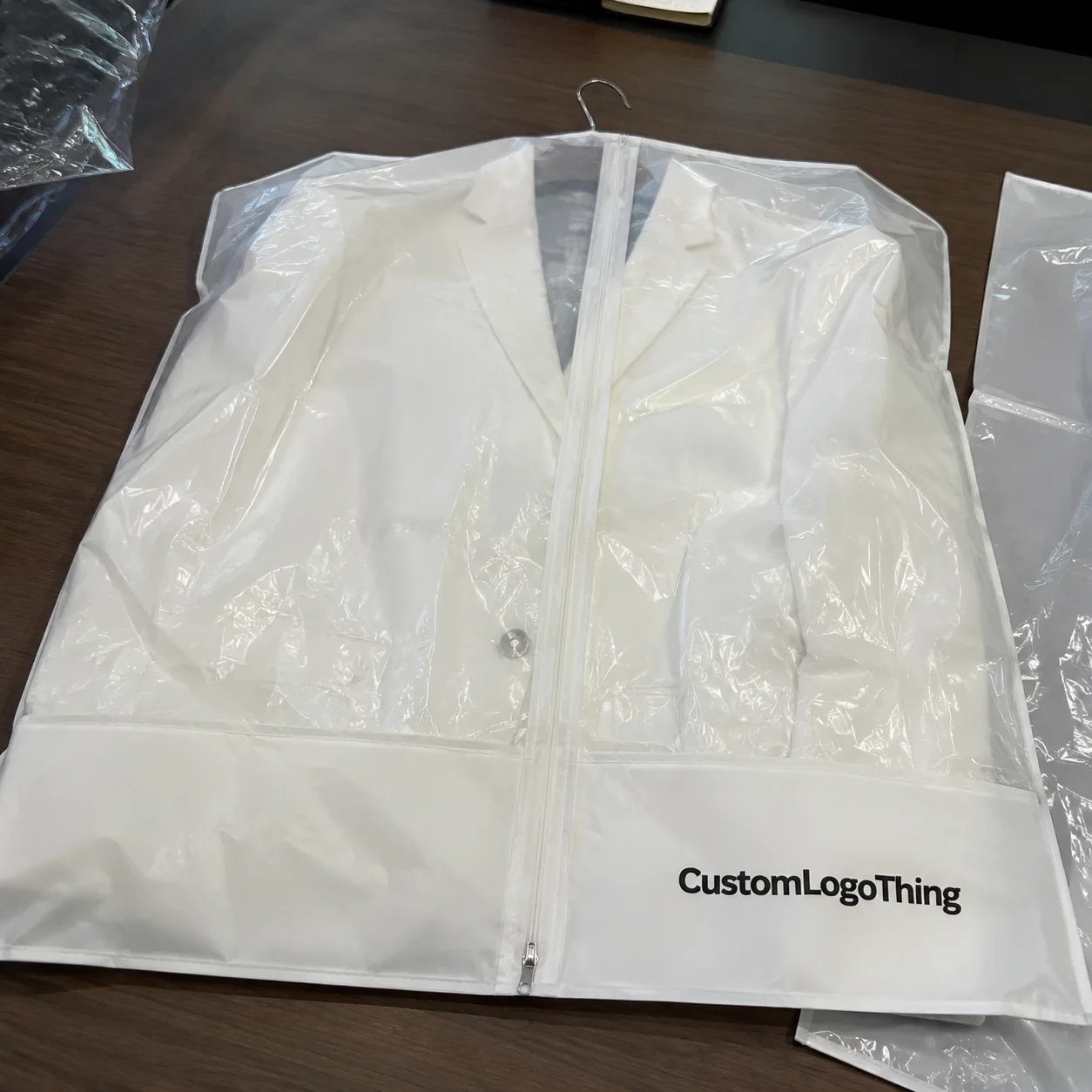
Buyer Fit Snapshot
| Best fit | Poly Mailers for Emergency Relief Kits projects where brand print, material claims, artwork control, MOQ, and repeat-order consistency need to be specified before quoting. |
|---|---|
| Quote inputs | Share finished size, material target, print colors, finish, packing count, annual reorder estimate, ship-to region, and any compliance wording. |
| Proofing check | Approve dieline scale, logo placement, barcode or warning zones, color tolerance, closure strength, and carton packing before bulk production. |
| Main risk | Vague material claims, crowded artwork, missing packing details, or unclear freight terms can make a low unit price expensive after revisions. |
Fast answer: Poly Mailers for Emergency Relief Kits: Quote Scope, Sample Proof, MOQ, and Lead Time should be specified like a repeatable production item. The safest quote records material, print method, finish, artwork proof, packing count, and reorder notes in one written spec.
Production checks before approval
Compare the actual filled-product size with the drawing, then confirm tolerance on folds, seals, hang holes, label areas, and retail display edges. Reserve space for logos, QR codes, warning copy, and material claims before decorative graphics fill the panel.
Quote comparison points
Review material grade, print process, finish, sampling route, tooling charges, carton quantity, and freight assumptions side by side. A quote is only useful when the supplier can repeat the same color, closure quality, and packing count on the next order.
On one relief packing run I watched in a warehouse just outside Atlanta, the line lost more time wrestling with folding cartons than it did filling Poly Mailers for Emergency Relief kits. That surprised the client, but the numbers did not surprise me; in a deployment moving 2,000 kits a day, even 18 extra seconds per unit becomes a full labor hour every 400 kits. I remember standing there with a clipboard and a stopwatch, thinking, “We are losing speed to cardboard, which feels like a very 2007 problem.”
A lot of people still picture packaging for relief work as a simple box-and-tape decision, but the reality is messier. poly mailers for emergency relief kits are not just thin bags for shipping clothes; they are a practical format for light, flat, moisture-sensitive kit components that need to move quickly from a warehouse floor to a distribution point without paying for unnecessary corrugated weight or storing oversized cartons on pallets. In a 5,000-unit run, switching from cartons to mailers can free up roughly 20 to 30 pallet positions, which matters in a regional hub in Atlanta, Dallas, or Newark where floor space is counted in square feet, not optimism.
At Custom Logo Things, we talk about packaging in terms of speed, protection, and clarity. For emergency relief, those three things matter at once. poly mailers for emergency relief kits can support hygiene kits, PPE bundles, multilingual outreach packets, food-adjacent nonperishables, and folded instructions for field teams, but only if the size, thickness, print, and closure are chosen with real handling in mind. A 2.5 mil mailer with a 1.5-inch adhesive strip behaves very differently from a 1.8 mil stock bag with a short seal, and that difference shows up on a busy line in Phoenix or Philadelphia within the first hour.
Poly Mailers for Emergency Relief Kits: Why They Matter
I still remember a client meeting where a nonprofit buyer kept asking why they should change from a 200-pound-test carton to a 2.5 mil mailer for a kit that weighed less than 12 ounces. The answer was sitting on the pallet right in front of us: cartons were taking up roughly 40% more cube in storage, and the packers were spending extra seconds per unit taping flaps that never needed that level of rigid protection. For that program, poly mailers for emergency relief kits cut pack-out friction in a way the team could feel by the second day, especially after we moved from 12 x 15 cartons to 10 x 13.5 mailers.
In plain language, a poly mailer is a flexible bag made from polyethylene film, usually LDPE or a co-extruded blend, with a self-seal adhesive strip and heat-sealed seams. Compared with corrugated cartons, paper envelopes, or padded mailers, it gives you a lighter, flatter, more moisture-resistant package that is easy to store, easy to open, and easy to handle at scale. A common spec for this category is 2.0 to 3.0 mil film, 1.5-inch flap seal, and a matte or gloss exterior depending on print needs. That is why poly mailers for emergency relief kits fit so well in disaster-response programs where the contents are not fragile enough to need a rigid box but still deserve a clean, controlled package.
The practical value is straightforward. If the kit includes soap, wipes, masks, brochures, batteries, socks, or other low-profile items, poly mailers for emergency relief kits often reduce shipping weight, lower freight volume, and speed up pack stations. A thousand units at 0.8 ounces less per package saves about 50 pounds of outbound weight, which can affect parcel rates, pallet counts, and even how many kits fit in a 53-foot trailer. When you are sending relief through multiple distribution nodes, those savings matter as much as the packaging cost itself.
Common use cases include:
- Hygiene kits with soap bars, sanitizer sachets, and wipes
- PPE bundles such as masks, gloves, and face shields packaged flat
- Outreach packets with printed instructions, maps, and contact information
- Food-adjacent nonperishables that are already boxed or pouch-packed
- Multilingual information packs for shelters, clinics, and mobile distribution teams
Here is what most people get wrong: they assume all relief kits need the same package. They do not. poly mailers for emergency relief kits make sense when speed, moisture resistance, and low shipping cost matter more than crush protection. If the contents have sharp corners, rigid bottles, or breakable components, the format may still work, but only after you build in internal protection or choose another structure. A mailer is a tool, not a miracle, and a 3.0 mil bag in a Houston warehouse will still fail if you stuff it with a box that has a jagged edge cutting into the seam.
“We stopped thinking of the package as a shell and started thinking of it as part of the packing workflow,” a warehouse manager told me during a FEMA-adjacent fulfillment project. “That is when we finally got the line moving.”
That line stuck with me because it gets to the heart of the matter. poly mailers for emergency relief kits are not just about the outer package; they are about how the whole operation moves from pick list to packed carton to pallet to truck, whether the truck is leaving Atlanta at 6:00 a.m. or rolling out of Riverside at 9:00 p.m.
For organizations comparing formats, it helps to keep your packaging options visible. Our Custom Packaging Products and Custom Poly Mailers pages are a good starting point if you are sorting through stock and custom choices. A quote for 5,000 units can look very different from one for 25,000, and unit pricing often shifts from $0.22 to $0.15 when the order jumps into the five-digit range.
How Poly Mailers for Emergency Relief Kits Work in Real Packing Lines
When I visited a contract packer in the Midwest that was building hygiene kits for a regional relief group, I watched 14 packers move from one station to the next with a rhythm that would have fallen apart if they had needed to build and tape cartons for every unit. The poly mailer station was set up with pre-counted contents, a stack of 14 x 19 inch mailers, a barcode label printer, and a small inspector table at the end. That layout mattered. poly mailers for emergency relief kits perform best when the line is designed around them, not when they are treated like an afterthought, and the difference between a 90-unit-per-hour line and a 120-unit-per-hour line often starts with the work surface.
Construction is simple but worth understanding. Most mailers use a single film layer or a co-extruded multi-layer film. A standard light-duty bag might be 2.0 mil, while a heavier custom run could be 3.0 mil or more. The side and bottom seams are heat sealed, and the closure is usually a pressure-sensitive adhesive strip protected by a release liner. Some versions include tamper-evident closure features or second seals for extra security. In a relief setting, that simple structure gives you consistent pack speed and decent resistance to scuffs, rain, and humid storage, especially in coastal areas like Miami, Charleston, or New Orleans where moisture can creep into ordinary packaging fast.
On a live line, poly mailers for emergency relief kits are usually filled manually or with a semi-automated insertion setup. The packer opens the mailer, inserts the contents, presses the closure, and sends it to labeling or bundling. I have seen teams apply a tracking barcode directly onto the mailer, then bundle 25 or 50 units into a master carton for pallet shipping. That reduces handling and keeps inventory visibility clear all the way to the distribution site. A 250-count master carton with a 14 x 19 mailer can be easier to stage than four smaller cartons, and it also cuts the chance of mixed SKUs wandering off to the wrong zone.
Still, there are limits. Poly film gives you moisture resistance and good scuff resistance, but it does not protect like a rigid box when a corner gets crushed under a pallet or when a hard item punches outward against the seam. If the relief kit includes metal tools, glass, batteries with exposed terminals, or dense boxed goods, you need to test carefully before assuming poly mailers for emergency relief kits are enough on their own. A 3.0 mil bag in that situation may help, but it is not a substitute for actual drop and compression testing.
Warehouse efficiency is where these packages often shine. A carton stack can hog floor space; mailers compress flat. That means you can stage 5,000 or 10,000 units in a much smaller storage footprint, which matters when the warehouse also needs room for inserts, gloves, wipes, or PPE sleeves. The pack-and-ship workflow is also simpler: fewer folds, fewer tape rolls, fewer carton sizes to manage, and less chance of packers making a sizing mistake under pressure. In a Dallas fulfillment center, that can mean the difference between two aisles of staging and one.
For relief organizations, that cube reduction can translate into real freight savings. Even a difference of a few ounces per unit becomes meaningful when the shipment count climbs into the tens of thousands. poly mailers for emergency relief kits help here because they are light, flat, and easy to stage in master cartons of 100 or 250 units, depending on your operation. At 10,000 units, saving 0.6 ounces per package removes nearly 375 pounds from the outbound load, and those pounds are not theoretical once the trailer door closes.
Key Factors to Spec Before You Order Poly Mailers for Emergency Relief Kits
The best way to spec poly mailers for emergency relief kits is to start with the contents, not the packaging catalog. Measure the fully packed kit, and measure it after it has been folded, sleeved, or arranged exactly the way packers will handle it on the line. I have seen buyers choose a 9 x 12 mailer from a product photo only to discover their folded brochure plus hygiene items needed 10 x 13.5 just to close comfortably without stressing the adhesive strip. That is the kind of mistake that feels tiny in procurement and enormous on the floor, especially if the order is already in transit from a plant in Guangzhou or Dongguan.
Size selection should account for closure overlap, not just content size. If the kit is 8.75 inches wide and the mailer is 9 inches wide, you may technically fit it, but your packers will hate it, and the seam will suffer if the package is overstuffed. Leave space for folded instruction cards, corner clearance, and slight expansion from soft goods. With poly mailers for emergency relief kits, a half inch in each direction can make the difference between a smooth seal and a damaged seam, and that half inch matters even more when the outer label has to fit beside a QR code and routing panel.
Film thickness matters more than many purchasing teams realize. Here is a practical comparison based on factory-floor experience and common supplier specs:
| Mailer Type | Typical Thickness | Best For | Tradeoff |
|---|---|---|---|
| Light-duty poly mailer | 1.5–2.0 mil | Flat printed inserts, soft clothing items, low-abrasion kits | Lower puncture resistance |
| Standard relief mailer | 2.0–2.5 mil | Hygiene kits, PPE bundles, mixed flat contents | Moderate protection, still not crush-proof |
| Heavy-duty poly mailer | 3.0–4.0 mil | Denser kits, sharper corners, higher handling stress | Higher material cost and slightly more stiffness |
For print, think beyond branding. poly mailers for emergency relief kits can carry logos, handling instructions, multilingual routing labels, QR codes, and bold “open here” markers that help volunteers move faster in the field. A relief pallet may pass through three organizations before it reaches a household, and a simple, high-contrast instruction panel can prevent mistakes. I prefer dark ink on a light film for readability, especially if the kit will be used under warehouse LEDs or in dim shelter intake areas. A package printed in black on white or black on kraft-style film usually reads better than a busy, full-coverage design.
Cost should be evaluated as landed cost, not unit price alone. A mailer quoted at $0.18 each for 5,000 pieces may look better than a $0.22 option, but if the cheaper one causes a 7% rework rate or adds 30 seconds per pack station, you have not saved money. When quoting poly mailers for emergency relief kits, I ask suppliers to include material, print setup, freight, and carton pack count, because hidden labor savings can easily outweigh a small unit-price difference. On a 20,000-piece order, even a $0.03 swing per unit changes the budget by $600 before freight enters the picture.
For relief programs that care about sustainability, ask whether recycled-content film, recyclable PE structures, or FSC-certified inserts are part of the broader packaging plan. The mailer itself is typically plastic, so expectations must stay practical, but surrounding components may still align with environmental goals. If you need a reference point for environmental packaging standards and recycling guidance, the EPA has useful resources at EPA recycling guidance, and the Packaging & Protective Design community at packaging.org offers industry context.
One more detail that gets overlooked: tamper evidence. If kits contain medications, sensitive inserts, or items that should not be opened before distribution, ask for a closure style that makes tampering visible. Not every relief program needs it, but when it does, it should be specified up front. poly mailers for emergency relief kits can include these features without a major redesign, provided you discuss it before tooling starts. A tamper strip added in the proof stage is cheap; adding it after a run has started usually is not.
Step-by-Step: Choosing and Ordering Poly Mailers for Emergency Relief Kits
Step one is a contents audit. Lay out everything that goes into the kit and measure the fully assembled bundle, not the loose parts. If the kit includes a folded brochure, two packets, a bar soap, and a mask, pack one complete sample exactly as a volunteer or line worker would. poly mailers for emergency relief kits should be sized against the real packed form, because real packing is where the problems show up, not in a clean CAD drawing or a buyer’s inbox.
Step two is writing a simple spec sheet. I prefer one page, plain and specific: dimensions, thickness in mil, closure style, print colors, quantity, art placement, master carton count, and target date. If your mailer needs a logo on the front and a bilingual instruction panel on the back, say that clearly. If you need the bags packed 250 per carton, include it. That kind of clarity helps suppliers quote accurately and keeps revision rounds from dragging on for days, whether the supplier is in Shenzhen, Ho Chi Minh City, or Monterrey.
Step three is sampling. Do not approve a mailer from a screen rendering alone. I have watched buyers approve artwork in a conference room, only to discover on the packing table that the adhesive strip sat too close to the fold and packers had to pinch the bag awkwardly to seal it. Request physical samples and test them on a real table, with the real contents, with the real pace you expect on the line. That is the only honest way to evaluate poly mailers for emergency relief kits. Screen mockups are nice, but they do not have hands.
Step four is supplier comparison. Look at lead time, print method, minimum order quantity, and how well the supplier handles replenishment. A stock mailer might ship in 7 to 10 business days, while a fully custom printed run could take 12 to 15 business days after proof approval, depending on inventory and print capacity. For some emergency organizations, stock is enough. For others, custom is worth the extra time because the printed instructions reduce confusion in the field. If the supplier can deliver from a plant in Los Angeles, Chicago, or Dallas, that can also cut transit time by two to four days compared with an overseas move.
Here is a practical comparison of common approaches:
| Option | Typical Unit Cost | Lead Time | Best Use |
|---|---|---|---|
| Stock poly mailer | $0.09–$0.16 | 7–10 business days | Fast replenishment, generic relief kits |
| One-color custom mailer | $0.14–$0.24 | 12–15 business days | Branded kits, simple messaging, moderate volume |
| Fully custom printed mailer | $0.22–$0.38 | 15–25 business days | High-visibility programs, multilingual instructions, special handling |
Step five is timeline planning. I always tell clients to work backward from the distribution window, not the order date. If the kits must leave the warehouse on the 20th, you need proof approval, print production, inbound inspection, and pack-out time built into the calendar first. poly mailers for emergency relief kits are simple items, but they can still become the bottleneck if artwork changes at the last minute or freight gets caught in a weather delay from Savannah, Norfolk, or Long Beach.
One negotiation I remember well involved a supplier in Shenzhen and a client who wanted to save $600 by shaving the bag thickness by 0.5 mil. The factory floor samples looked fine on a desk, but once we ran them through a 300-unit test pack with folding brochures and wipes, the corners started stressing the seams. The client paid the higher spec, and the rework costs they avoided were several times the difference. That is why I always say: cheap packaging is only cheap if it actually survives your workflow. Otherwise it is just a future invoice with worse timing.
Process, Timeline, and Production Details That Affect Relief Readiness
The production workflow for poly mailers for emergency relief kits usually follows a familiar sequence: artwork prep, proofing, plate setup or digital setup, film pull or inventory allocation, printing, converting, packing, quality inspection, and freight booking. Each step is simple on paper and easily delayed in practice if approvals are slow or the art file is not print-ready. A plant in Dongguan may be ready to run a 20,000-piece order, but if the proof sits untouched for 48 hours, the calendar slips immediately.
From the factory floor perspective, the most common hold-up is proof approval. A client may love the layout at first glance, then ask for a color shift, a wording change, and a QR code move all at once. That sounds harmless, but every change can require a new proof round. I have seen a two-day print job become a ten-day delay because three people needed to sign off on the exact same line of copy. For emergency work, that is the kind of delay that hurts, and it usually shows up right when everyone says, “We thought this part was easy.”
Color matching also deserves attention. If your relief program uses a bright safety orange or a specific brand blue, confirm whether the supplier is matching to a Pantone reference or just approximating on press. On poly film, ink can shift slightly depending on substrate, print method, and drying conditions. poly mailers for emergency relief kits do not need luxury color perfection, but they do need readable, consistent print that does not rub off in transit. A quick rub test on 50 sample pieces can reveal more than a polished presentation deck.
Stock versus custom is a real decision, not a style preference. Stock mailers work well if you need fast availability, minimal print, and a flexible distribution plan. Custom mailers make sense when you need instruction panels, routing marks, branding for donor visibility, or bilingual content that helps volunteers and recipients identify the kit quickly. The right choice depends on how much information the outer package must carry, and whether you need a mailer that can still perform after 500 miles of trucking and one warehouse transfer.
From the quality-control side, I look for four things: seam strength, seal integrity, print registration, and carton count accuracy. Seam testing does not need to be elaborate; a simple pull test and a few filled-drop trials will reveal a lot. For relief programs that require more formal validation, packaging labs can reference standards from organizations like ISTA, especially if the kits will travel through rough distribution chains or mixed freight. The point is not to over-engineer every bag. The point is to know where your risk lives, whether that is the seal edge, the print panel, or the master carton count.
Planning for emergency stock is another area where experienced buyers save themselves headaches. I recommend setting a reorder trigger that considers your lead time plus a buffer for freight and inspection. If you use 10,000 mailers per month and your supplier needs 15 business days after approval, a reorder point that leaves you with only one week of inventory is too thin. Relief demand can spike without warning, and poly mailers for emergency relief kits should be on hand before the surge hits, not after. A safer trigger is often 1.5 months of usage plus one production cycle.
One more practical note: master carton sizing matters. A 250-count carton that is easy to lift and stack will move better through a warehouse than an oversized carton with loose fill or awkward dimensions. The packaging is part of your internal logistics system, so specify carton counts and packing efficiency right along with the mailer itself. A carton that fits neatly on a 48 x 40 pallet is easier to stage in Columbus, Atlanta, or Indianapolis than one that creates awkward overhang and unstable stacks.
Common Mistakes When Using Poly Mailers for Emergency Relief Kits
The first mistake I see is choosing a mailer that is too small. The bag may technically accept the contents, but the closure line gets stressed, the corners bunch up, and the seam takes a beating during handling. That problem multiplies when relief kits are packed by volunteers who are trying to keep pace with a distribution deadline. poly mailers for emergency relief kits need enough room to close cleanly, or you invite split seams and messy rework. If the flap needs to overlap by 1.25 inches and you only budgeted 0.75, the seal will punish you for it.
The second mistake is under-specifying film thickness. If your kit includes boxed items, denser pouches, or anything with a hard edge, a 1.5 mil mailer may feel fine in your hand and still fail in the truck. I have seen this happen in a warehouse in Texas where a charity tried to save a few cents per unit and ended up replacing 1,200 damaged kits because the lower spec could not handle the abrasion from palletized transport. A 3.0 mil mailer would have added roughly $240 to the order, while the replacement labor and rework cost several times that amount.
Another common problem is unclear labeling. Generic packaging can work, but in relief distribution it often creates confusion. If a bag is plain and unlabeled, a volunteer may not know whether it belongs to a hygiene kit, a PPE kit, or a special-needs packet. Better labeling on poly mailers for emergency relief kits speeds handoffs and reduces the chances of incomplete distribution. A one-line instruction such as “Hygiene Kit, Open This Side” saves more time than a decorative design ever will.
Here are the cost traps I see most often:
- Oversize freight because the package is bigger than the contents require
- Excessive void space that forces more master cartons than needed
- Rush charges caused by late artwork changes or missed approvals
- Rework costs from damaged seams or incorrect print placement
- Waste from testing too late, after the order has already run
The last big mistake is skipping sample testing. Office samples do not behave like warehouse packages. A kit that looks neat on a conference table may fail under vibration, compression, or repeated handling. poly mailers for emergency relief kits should be tested on a live packing table, then moved through a short internal route, dropped into a carton, and checked again. A 250-unit pilot in a warehouse in Charlotte or St. Louis can reveal seam stress, label curl, and pack-speed issues before you commit to 25,000 units.
This is where packaging teams earn their keep. A good spec does not just look tidy; it survives the actual line. I know that sounds obvious, but somehow obvious things are the ones people keep paying to relearn.
Expert Tips for Better Poly Mailers for Emergency Relief Kits
Design for gloved hands. Relief work often means gloves, dust, humid weather, and hurried packers who do not want to fight with tiny tear notches. I like larger opening cues, bold instruction panels, and closure strips that are easy to peel without extra fingernail work. poly mailers for emergency relief kits should help people move fast, not slow them down, especially during a 6-hour pack shift in July heat.
Standardize where you can. If your organization runs hygiene kits, PPE kits, and outreach kits, try to keep the number of mailer sizes to two or three at most. That reduces SKUs, simplifies procurement, and makes emergency replenishment much easier. On the purchasing side, standardization also tends to improve pricing because your order quantity per size is stronger. A 500-piece test might cost $0.24 per unit, while a 5,000-piece repeat order can drop to $0.15 per unit if the spec stays constant.
Use high-contrast print for multilingual content. Short instructions in English, Spanish, or French can fit neatly on a mailer if you keep the wording concise and the type large enough to read at arm’s length. For field use, that is more valuable than decorative artwork. poly mailers for emergency relief kits work best when the outer package communicates clearly and quickly, with type that still reads under warehouse LEDs in Newark or under a generator lamp in a shelter corridor.
Reduce damage by thinking about how the contents sit inside the bag. Flat items should be nested so the sharpest corners do not press against the seam line. Where needed, add an inner pouch or a simple insert card to stabilize the load. I have watched a team in North Carolina solve a recurring seam issue just by rotating two boxed items 90 degrees and moving the heavier side away from the closure. That kind of fix costs nothing and can save a full pallet of rework.
If the relief program is large, run a pilot first. A 250-unit test is often enough to see whether the mailer packs well, labels stay legible, and distribution staff can open and identify the kit easily. That pilot should be tracked with simple metrics: pack speed per unit, damage rate, and user feedback from the receiving team. When you measure those things, your poly mailers for emergency relief kits decision becomes a data-backed one rather than a guess, and the numbers usually tell a sharper story than opinions do.
For organizations that want packaging materials aligned with broader sustainability goals, ask whether the print, film, and insert materials can be chosen with recovery and recycling in mind. If you need a source for FSC-certified paper inserts or related materials, FSC is a useful reference point. That will not change the film itself, but it can improve the full package story around it, especially for donor-facing programs in Seattle, Boston, or San Francisco.
One practical habit I have kept for years: I ask the packer who struggles the most with the sample to explain exactly why. If that person says the tear strip is hard to find, or the seal catches too early, I listen closely. The person on the floor often spots the issue long before the procurement spreadsheet does, and a 30-second conversation can spare a 30-hour cleanup.
Next Steps for Specifying Poly Mailers for Emergency Relief Kits
If you are ready to move, start with three simple actions. Measure the finished kit. List every component, including inserts and labels. Then decide whether you need stock or custom poly mailers for emergency relief kits. Those three choices shape everything else, from unit cost to lead time to the clarity of your outer packaging, whether the next shipment is 2,000 kits or 20,000.
Next, build a one-page spec sheet. Keep it plain and complete: size, film thickness, closure type, print colors, quantity, carton count, budget, and target delivery date. A supplier can quote from that quickly, and your internal team can review it without guessing what “standard mailer” means. In my experience, the cleaner the spec, the fewer surprises later. If you can add a sample photo and a target carton count of 250 per case, do it.
Then test two or three sample options on a live packing table. Run them with the actual relief kit contents, not substitutes. Time the pack-out, note any seal failures, and ask the distribution team whether the package is easy to identify and hand off. That short trial tells you more than a dozen emails ever will. A 15-minute test in a warehouse in Baltimore can save a 15-day correction cycle later.
Finally, set a reorder point that respects your lead time and your relief forecast. If current demand is stable, build safety stock anyway; if demand is volatile, build more. poly mailers for emergency relief kits should be available before the need spikes, because packaging delays have a habit of becoming distribution delays. If your supplier’s normal cycle is 12 to 15 business days from proof approval, your reorder trigger should assume that full window plus freight and one day of inspection.
The best poly mailers for emergency relief kits balance speed, durability, and clarity in a way the packing crew can actually live with. If you compare a few options against your real kit contents, you will usually Find the Right fit faster than you expect, and that is the kind of packaging decision that pays off on the factory floor and in the field. A clean spec, a realistic timeline, and a material choice such as 2.5 mil film or a 3.0 mil upgrade can make the whole program more predictable. Start with one pilot run, then lock the spec before you scale—gonna save yourself a lot of grief later.
FAQ
What size poly mailers work best for emergency relief kits?
Choose the smallest size that fits the fully packed kit without forcing the closure or stressing the seams. I also like to allow room for folded inserts, instruction cards, and soft goods that may puff out a bit during packing, because a tight fit can slow the line and increase seal failures. For many relief kits, 10 x 13.5 or 14 x 19 inches works better than a cramped 9 x 12 bag.
Are poly mailers for emergency relief kits strong enough for shipping?
Yes, for lightweight kits that do not need crush protection, especially when the contents are flat or softly packed. They are not the right choice for sharp, rigid, or breakable items unless you add internal protection or switch to a stronger package format. A 2.5 mil or 3.0 mil mailer is usually a better fit than a 1.5 mil bag for palletized distribution.
How much do custom poly mailers for emergency relief kits cost?
Pricing depends on size, thickness, print coverage, quantity, and whether you use stock or fully custom production. In many supplier quotes, a 5,000-piece one-color custom run lands around $0.15 to $0.24 per unit, while smaller runs can sit closer to $0.22 to $0.38. The lowest unit price is not always the lowest total cost once freight, waste, and packing labor are included.
How long does it take to produce custom poly mailers for emergency relief kits?
Timing depends on proof approval, printing method, order quantity, and supplier inventory, with stock options usually moving faster. Fully custom orders typically take 12 to 15 business days from proof approval, and larger or heavily printed runs can stretch longer if freight or color revisions are involved. Build in extra time for artwork revisions and inbound inspection so the packaging does not become the bottleneck.
Can poly mailers for emergency relief kits be printed with instructions or multilingual labels?
Yes, they can include handling instructions, identification panels, branding, and multilingual messaging. Keep the copy short, high contrast, and easy to read in low-light or fast-distribution environments so the outer package does its job in seconds, not minutes. A black-on-white layout with a QR code and a simple open-here cue usually works well.