Buyer Fit Snapshot
| Best fit | Poly Mailers Prototype Ordering projects where brand print, material claims, artwork control, MOQ, and repeat-order consistency need to be specified before quoting. |
|---|---|
| Quote inputs | Share finished size, material target, print colors, finish, packing count, annual reorder estimate, ship-to region, and any compliance wording. |
| Proofing check | Approve dieline scale, logo placement, barcode or warning zones, color tolerance, closure strength, and carton packing before bulk production. |
| Main risk | Vague material claims, crowded artwork, missing packing details, or unclear freight terms can make a low unit price expensive after revisions. |
Fast answer: Poly Mailers Prototype Ordering: Specs, Pricing, Timeline should be specified like a repeatable production item. The safest quote records material, print method, finish, artwork proof, packing count, and reorder notes in one written spec.
Production checks before approval
Compare the actual filled-product size with the drawing, then confirm tolerance on folds, seals, hang holes, label areas, and retail display edges. Reserve space for logos, QR codes, warning copy, and material claims before decorative graphics fill the panel.
Quote comparison points
Review material grade, print process, finish, sampling route, tooling charges, carton quantity, and freight assumptions side by side. A quote is only useful when the supplier can repeat the same color, closure quality, and packing count on the next order.
Poly mailers prototype ordering is usually the fastest way to catch a sizing miss, a weak adhesive line, or a print mismatch before a full run turns those issues into freight charges, repacking labor, and customer complaints. One sample can save a brand from a 5,000-piece correction job, which is why the first prototype deserves the same attention as the final artwork. I have seen small packaging errors snowball into real money problems, and they almost never look dramatic at the start.
For Custom Logo Things, the real question is not whether to sample. The better question is how to make poly mailers prototype ordering precise enough that the quote, the proof, and the production order all point to the same result. That means checking film thickness, closure style, opacity, print coverage, and the actual item going inside the mailer before anyone signs off. If those pieces are fuzzy, the sample is gonna be fuzzy too.
Poly Mailers Prototype Ordering: Why the First Sample Saves Money
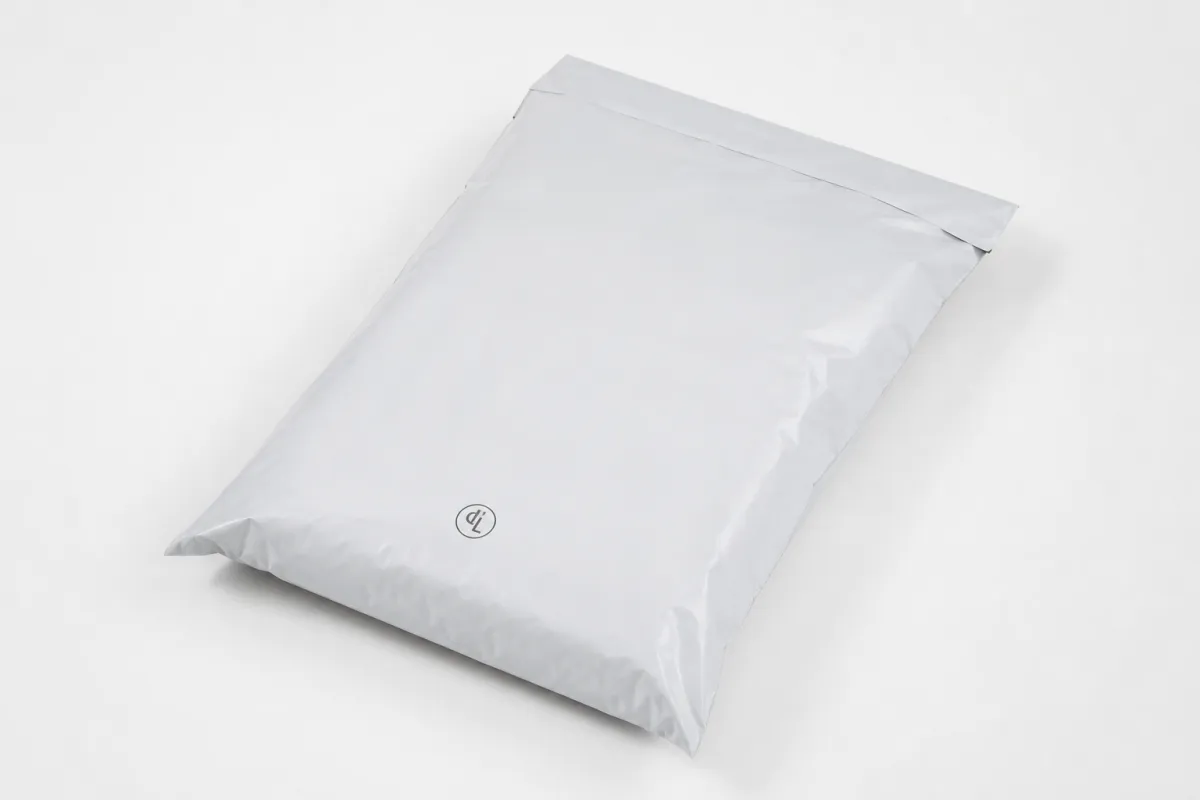
Most packaging mistakes are not dramatic. They are small, quiet, and expensive. A mailer that is 0.5 inch too short can crush the edge of a product. A seal that looks fine on screen can peel open during transit. A print file that reads cleanly on a monitor can shift once ink meets film. Poly mailers prototype ordering turns those unknowns into something measurable, and measurable problems cost less to fix.
From a packaging buyer's point of view, the hidden cost is not the sample fee. It is the chain reaction that follows a bad assumption. If the product needs to fit a folded garment, a boxed set, and one or two inserts, then the mailer is doing three jobs at once. Skip sampling, and the first bulk run becomes the test. That is the wrong time to find out that a 12 x 15.5 bag fits better than a 10 x 13 bag, or that a 2.0 mil film feels too soft for a heavier load.
Poly mailers prototype ordering matters most when a team is trying to balance speed and control. A low-cost prototype gives room to compare fit, print clarity, and closure performance before the order scales. It also gives operations and marketing the same physical reference, which matters more than most brand decks admit. In my experience, the teams that slow down for one clean sample usually move faster later because they are not revisiting the basics every other day.
A sample is not a small order. In poly mailers prototype ordering, it is the least expensive mistake you can buy before a full run locks in the wrong spec.
The first sample should answer a short list of practical questions: Does the product fit without stressing the seam? Does the adhesive close cleanly after one press? Does the branding still look sharp once the mailer is handled, folded, and labeled? If the answer to any of those is no, the prototype has already paid for itself.
There is another angle that buyers often miss. Fulfillment teams do not care how polished the concept looked during design approval. They care whether the mailer stacks well, seals quickly, and survives courier handling. Poly mailers prototype ordering protects that part of the process. It reduces reprints, lowers the risk of delayed launches, and gives procurement something concrete to compare against a quote.
In practice, the first prototype saves money by exposing the expensive problem early. A design correction at the sample stage may cost a few days. A correction after production can cost thousands of units, plus storage, plus rework. Those are not comparable numbers, and they definitely do not feel the same on a budget sheet.
Poly Mailers Prototype Ordering: Product Details That Shape the Sample
The sample only tells the truth if the brief is complete. Poly mailers prototype ordering should start with the basics: finished size, material type, closure method, opacity, and print coverage. Leave out one of those, and the prototype may be accurate in a narrow sense but wrong for the real shipment.
Plain prototypes and printed prototypes solve different problems. A plain sample is best when the priority is fit, seal strength, and handling. A printed prototype matters when the brand wants to check logo placement, color balance, barcode readability, or a message panel that must stay readable after tape, shipping labels, and warehouse handling. For subscription boxes, promo kits, and direct-to-consumer apparel, the printed version usually earns the slot in the review process.
Branding choices change the sample more than buyers expect. A single-color logo on a white mailer is simple. A full-coverage artwork design on glossy film is not. Inside printing adds a second layer of complexity because it can affect opacity and show-through. Outside printing is more visible, but it also has to survive scuffing and contact with labels. Poly mailers prototype ordering should make those tradeoffs visible before the bulk order is approved.
If the project involves garments, fold the actual product the same way it will ship. If it involves boxed goods, include the box. If it involves accessory kits, pack the insert set exactly as operations will pack it later. The mailer is not being tested in theory; it is being tested against the real load. That is the point of poly mailers prototype ordering, and it is the part that gets skipped when people get too focused on the artwork.
Use this checklist before requesting a sample:
- Product dimensions: length, width, and filled thickness of the item as shipped.
- Target mailer size: internal opening and total flat dimensions, not just a catalog description.
- Material preference: standard LDPE, co-extruded film, recycled content, or a heavier gauge for extra puncture resistance.
- Closure style: pressure-sensitive adhesive, tamper-evident strip, or an alternate seal request.
- Print plan: one-color logo, full coverage, inside print, outside print, or no print.
- Shipping reality: domestic parcel use, warehouse-to-store transfer, or subscription fulfillment.
- Insert needs: packing slip, return card, coupon, or barcode sheet.
- Quantity target: sample-only, pilot run, or a production commit after approval.
That list may look basic, but it prevents a lot of waste. Poly mailers prototype ordering works best when the sample mirrors the true packing condition, not an idealized one. The more exact the brief, the less time gets lost on reproofing or second-guessing what the original request really meant.
Specifications to Confirm Before You Approve a Sample
Most buyers focus on nominal size. They should pay even closer attention to usable interior size. If a mailer is listed as 10 x 13 inches but the seal and side tolerance cut into practical room, the product may still fit on paper and fail on the packing line. In poly mailers prototype ordering, the right spec sheet names the internal size, the seal flap length, and the tolerance band. For standard converting work, a tolerance of plus or minus 1/8 inch is common enough to discuss, though the right tolerance still depends on the film and the print method.
Film gauge matters just as much. A 2.0 mil mailer can be fine for light apparel. A 2.5 to 3.0 mil film is often a safer starting point for medium-weight items. Heavier kits may need more. If the mailer must resist puncture, cold storage, or repeated handling, the sample should be tested under those conditions, not just held in hand for a quick approval. Poly mailers prototype ordering is supposed to answer the hard question: will this hold up after packing, sortation, and transit?
Material choice changes the feel and the performance. LDPE is soft, flexible, and familiar. LLDPE gives more stretch and better puncture resistance. Co-extruded films can improve strength or opacity by building layers with different properties. Recycled content may affect clarity, gloss, and print behavior, so a sample is the only honest way to judge the tradeoff. If the mailer uses a matte or corona-treated surface, print adhesion often improves. If it is slick and glossy, the ink may behave differently than the artwork file suggests.
Functional details need to be checked before approval:
- Tear resistance: confirm the mailer does not split when folded or overfilled.
- Moisture protection: make sure the film and adhesive protect the contents during parcel handling.
- Seal performance: test whether the adhesive closes securely with one pass.
- Opacity: check whether contents or inner labels show through.
- Print placement: verify margins, bleed, and the safe area around the artwork.
- Readability: confirm barcodes, compliance copy, or promo messaging remain legible.
For shipping validation, packaging teams often look at ISTA test methods to understand how parcels behave under drop, vibration, and transit stress. That is not overkill when a product will move through parcel networks. If the shipment includes paper inserts or outer cartons, FSC-certified paper can be part of the conversation as well, especially for brands that want proof of responsible sourcing on the paper side of the package system.
Document the approved sample against a written spec sheet. Keep photos of the front, back, seal flap, and packed condition. Store one physical sample with the exact revision noted. Poly mailers prototype ordering works best when the approved version becomes the production reference, not just another file in a folder nobody opens twice.
My rule is simple: if the sample cannot be measured, photographed, and matched back to a spec sheet, it is not approved yet.
Cost, Pricing, and MOQ for Poly Mailers Prototype Ordering
Prototype pricing usually comes down to four things: setup, print complexity, material choice, and whether the sample is plain, digitally printed, or fully press-made. A plain stock sample can be inexpensive. A printed prototype that needs color matching and custom film conversion will cost more. That does not make it expensive in context. In poly mailers prototype ordering, the real cost is the mistake the sample prevents.
Here is a practical way to think about sample pricing and what each option is best for:
| Prototype Type | Typical Sample Cost | Typical Lead Time | Best Use | Main Watchout |
|---|---|---|---|---|
| Plain stock sample | $15-$40 plus freight | 3-5 business days | Fit, seal, and basic handling checks | No print validation |
| Digital printed prototype | $80-$150 | 5-8 business days | Logo placement, layout, and early color review | Ink behavior may differ from final production |
| Press-made printed prototype | $120-$250 | 10-15 business days | Closer match to final appearance and finish | Higher setup cost |
| Custom-engineered sample | $150-$300+ | 10-18 business days | Special film, inside print, or tamper-evident requests | Reproofing can add time |
Those ranges are not promises. They are useful anchors. A simple one-color sample may sit on the lower end. A mailer with full-coverage graphics, recycled material, or inside print may move up quickly. Freight matters too. A quote without shipping is not a complete quote, and in poly mailers prototype ordering that detail can change the comparison more than people expect.
MOQ usually shifts after sample approval. For simpler printed mailers, minimum order quantities often land between 1,000 and 5,000 pieces. For more complex films or multiple print stations, the floor can be higher. Some suppliers credit the sample fee toward the production order. Others treat the prototype as a separate service charge. Ask that question before artwork is finalized, not after the proof is already in motion.
Compare quotes line by line. Look at unit price, plate or setup fees, freight, reproofing charges, and whether the sample cost gets credited later. If one quote is low because it leaves out setup or transit, it is not a lower quote. It is an incomplete one. Poly mailers prototype ordering should make the full cost visible, not just the headline number.
The cheapest sample is rarely the cheapest decision. In poly mailers prototype ordering, hidden fees matter more than the first line on the quote.
There is one more buying rule worth using. If the sample price is low but the production assumptions are vague, slow down. A slightly higher prototype fee is often easier to justify than a rushed bulk order that misses the mark on size or print. The sample stage should buy certainty, not just a carton in transit.
Process and Timeline for Prototype Approval and Production
Poly mailers prototype ordering usually follows a predictable workflow, even if the exact timing changes from job to job. The sequence is straightforward: inquiry, brief, artwork review, prototype build, delivery, feedback, and approval. The real variable is how long each step takes. A buyer with clean artwork and quick internal feedback can move quickly. A buyer who needs three departments to sign off can lose a week without changing the sample at all.
- Brief submitted: The buyer sends product dimensions, target mailer size, print files, quantity target, and special requirements.
- Artwork review: The supplier checks bleed, safe area, color count, and any technical issues in the file.
- Prototype creation: The sample is produced as plain or printed depending on the request.
- Transit and receipt: The sample is shipped to the buyer and delivered for review.
- Internal approval: Operations, branding, and procurement confirm the sample or request revisions.
- Production lock: The approved reference is used to confirm bulk specifications.
Plain samples are usually faster than printed ones because they do not need color matching or print setup. Printed prototypes often need more time because the artwork has to be checked, adjusted, and made production-ready. In many cases, plain samples can ship in 3 to 5 business days, while printed prototypes often take 7 to 15 business days from proof approval, plus transit. If the design needs a revision, add another proof cycle. Poly mailers prototype ordering moves faster when the artwork is ready before the first request goes out, not halfway through it.
Shipping location matters too. Domestic delivery is usually easier to forecast. Cross-border freight can add time that has nothing to do with the sample itself. That is why a good timeline should separate build time from shipping time. Ask for both. Then ask what happens if the proof is changed after the first round. Those two questions prevent a lot of confusion later.
If a launch date is fixed, ask for an expedited path only when the artwork and dimensions are already settled. Speed helps when the variables are stable. It hurts when the brief is still moving. That is the part of poly mailers prototype ordering that gets missed. Faster approval often matters more than faster production because it removes back-and-forth before the run starts.
Practical timeline framework: same-day brief review, 1-2 business days for proof comments, 3-10 business days for sample creation depending on print complexity, and 2-7 business days for delivery depending on the shipping lane. That is a normal planning window, not an aggressive one. The more revisions needed, the longer the cycle, so leave a little breathing room if the launch is tied to a hard date.
Keep one rule in mind: the sample clock and the production clock are linked. When the sample is approved quickly and clearly, bulk lead time usually gets cleaner. When the sample sits in email for days, the order does too. Poly mailers prototype ordering gives teams a way to control that first delay instead of letting it control them.
Why Choose Us for Poly Mailers Prototype Ordering
Buyers do not pay for a prototype because they enjoy the process. They pay because certainty has value. Poly mailers prototype ordering works best with a supplier who understands size logic, print structure, and material behavior instead of just taking a file and sending back a price. That difference shows up in fewer errors, cleaner proofs, and less rework.
At Custom Logo Things, the value is practical. A knowledgeable partner can tell you whether your folded garment needs a wider bag, whether a 2.5 mil film is enough for a heavier kit, or whether your logo will still read clearly after a shipping label covers part of the surface. That is not sales theater. It is packaging judgment, and it comes from looking at the same kinds of samples, revisions, and production issues over and over again.
If you are comparing product paths, our Custom Poly Mailers page is a useful starting point for material and print options. For buyers exploring broader packaging lines, our Custom Packaging Products page shows adjacent formats that may fit the same fulfillment setup. If your team buys in volume, the Wholesale Programs page can help frame the larger order path. And if you want common process questions answered before you send files, our FAQ page is there for that purpose.
What most packaging buyers want is not endless choice. They want a supplier who can narrow the field to the right few options. That is where poly mailers prototype ordering becomes a business tool. It trims the spec, removes guesswork, and gives procurement, design, and operations the same approved reference.
There is also a cost angle that is easy to measure. A wrong assumption on film gauge, print method, or mailer size can create returns, waste, and a second order. A well-run sample process costs less than that, even if the prototype fee is not zero. Honest support beats a low headline price every time, and that is usually what keeps repeat buyers coming back.
Next Steps for a Fast, Accurate Prototype Quote
If you want a quick quote, send the facts first. Poly mailers prototype ordering moves much faster when the supplier receives product dimensions, target mailer size, artwork files, quantity target, and any special performance requests in the first message. Guesswork slows everything down. Specific data speeds it up.
Include these decisions before you ask for pricing:
- Color count: one-color logo, multi-color artwork, or full coverage.
- Finish: matte, gloss, or a surface intended for stronger print contrast.
- Material preference: standard film, recycled content, or a heavier gauge.
- Prototype type: plain sample, printed prototype, or a press-made version.
- Special functions: tamper-evident closure, inside print, barcode area, or insert pocket needs.
Before you approve anything, run the sample through the same review loop the final order will face. Operations should check fit and seal. Branding should check color and placement. Procurement should check MOQ and total landed cost. If those reviews happen one at a time over several days, the process stretches for no good reason. Poly mailers prototype ordering works best when the right people see the same sample in a short window and sign off with the same expectations.
Compare the sample against the shipping use case, not just the artwork. A beautiful bag that fails in transit is still a failed bag. A slightly simpler design that packs faster and holds better may be the smarter choice. That is the sort of practical decision this process is built to support, even if it is not the flashiest one.
Use poly mailers prototype ordering to validate fit, price, and turnaround before you commit to full production. That approach protects margin, protects launch timing, and protects the brand experience the customer sees when the package arrives. If there is one takeaway to carry forward, it is this: approve the sample only after it matches the product, the process, and the shipping lane, because that three-part check is what keeps a mailer from becoming an expensive surprise.
How long does poly mailers prototype ordering usually take?
Plain prototypes are usually faster than printed versions because they do not need press setup or color matching. For poly mailers prototype ordering, artwork readiness, revision count, and shipping destination are the biggest variables in turnaround. Ask for both build time and transit time so the schedule is clear before you approve the proof.
What information do I need before requesting a poly mailers prototype ordering quote?
Provide product dimensions, target mailer size, quantity, artwork files, and any special protection or closure needs. Include whether you want plain or printed samples, since that changes pricing and production steps. The more specific the brief, the more accurate the quote and the better the poly mailers prototype ordering result.
Can prototype costs be applied to the final order?
Some suppliers credit the sample fee toward production, while others treat it as a separate service charge. That policy should be confirmed before the sample is made so there are no surprises later. Always ask whether artwork changes or reproofs trigger additional charges in poly mailers prototype ordering.
What should I check when reviewing the sample?
Check fit, seal strength, opacity, print quality, and how the mailer performs with the actual product inside. Confirm that labels, barcodes, and branding remain readable after packing. Document any changes so the approved sample becomes the production reference for poly mailers prototype ordering.
Does MOQ change after poly mailers prototype ordering is approved?
Yes, the MOQ can change based on film type, print method, and packaging specifications. Ask for the production MOQ in the same conversation as the sample quote so planning stays aligned. If demand is uncertain, request options for smaller test runs versus standard bulk ordering. That is why poly mailers prototype ordering belongs before any bulk commit, not after the artwork is already frozen.


