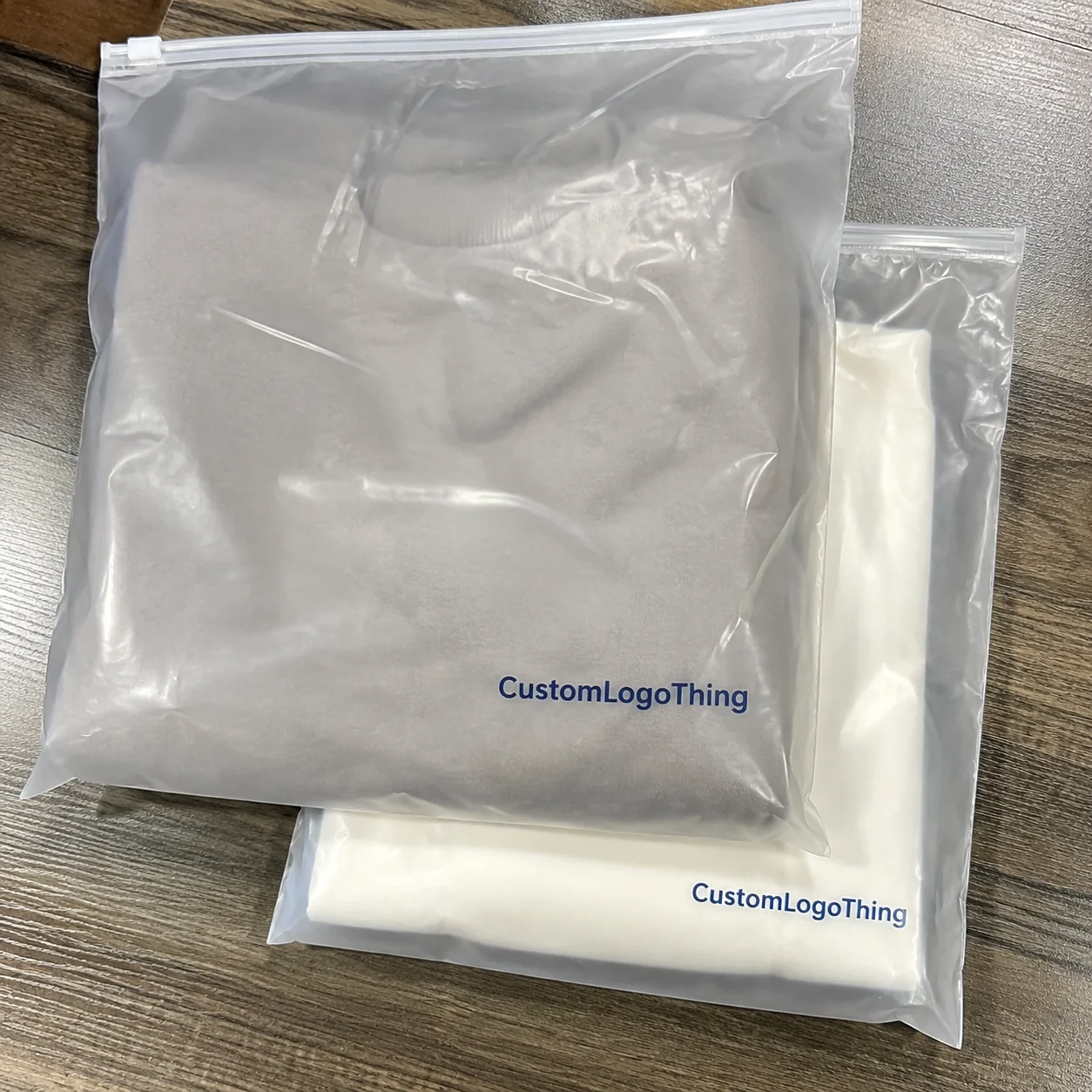
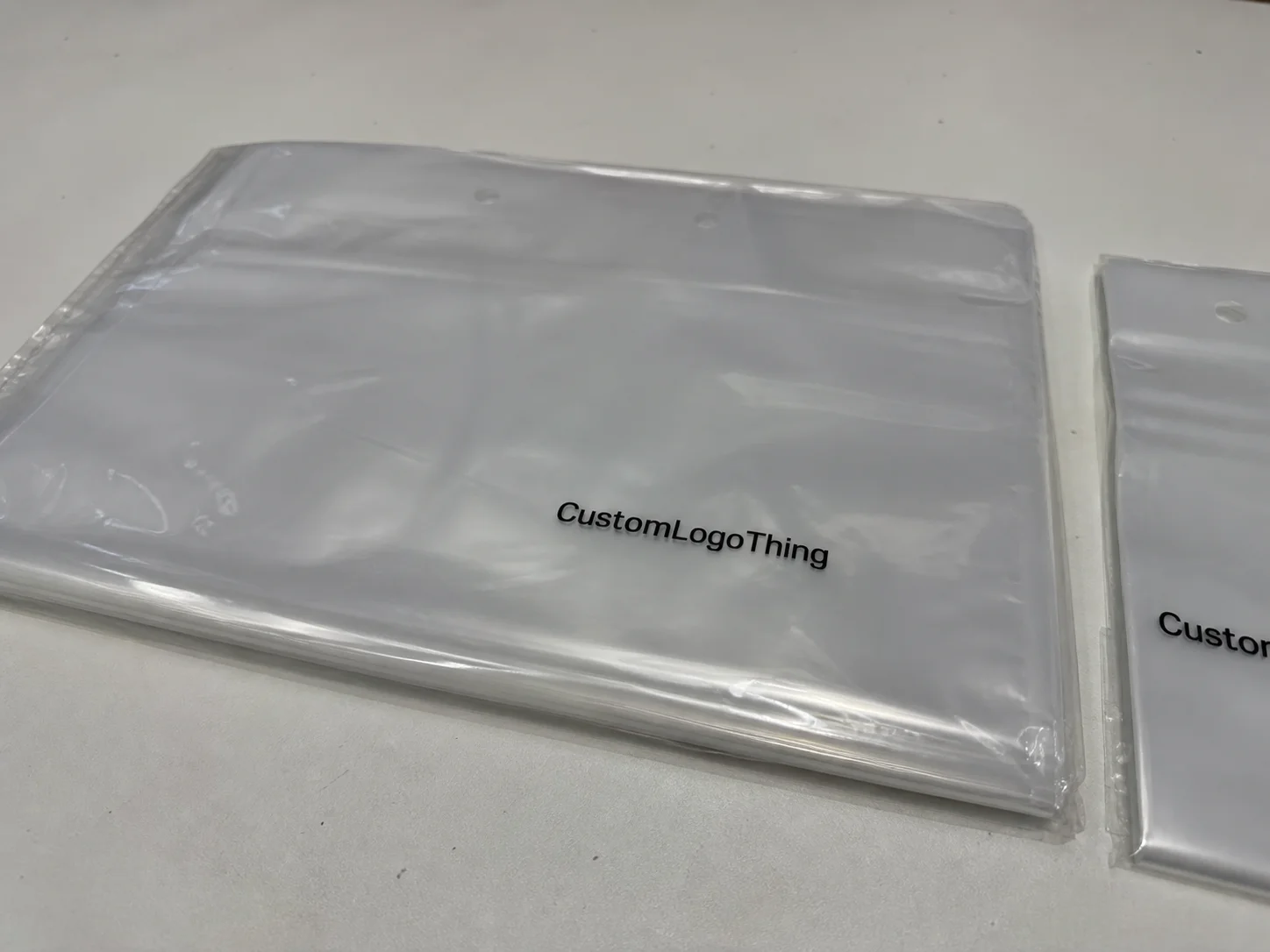
Buyer Fit Snapshot
| Best fit | Poly Pouches Price Quote projects where brand print, material claims, artwork control, MOQ, and repeat-order consistency need to be specified before quoting. |
|---|---|
| Quote inputs | Share finished size, material target, print colors, finish, packing count, annual reorder estimate, ship-to region, and any compliance wording. |
| Proofing check | Approve dieline scale, logo placement, barcode or warning zones, color tolerance, closure strength, and carton packing before bulk production. |
| Main risk | Vague material claims, crowded artwork, missing packing details, or unclear freight terms can make a low unit price expensive after revisions. |
Fast answer: Poly Pouches Price Quote: Film, Print, MOQ, and Carton Packing should be specified like a repeatable production item. The safest quote records material, print method, finish, artwork proof, packing count, and reorder notes in one written spec.
Production checks before approval
Compare the actual filled-product size with the drawing, then confirm tolerance on folds, seals, hang holes, label areas, and retail display edges. Reserve space for logos, QR codes, warning copy, and material claims before decorative graphics fill the panel.
Quote comparison points
Review material grade, print process, finish, sampling route, tooling charges, carton quantity, and freight assumptions side by side. A quote is only useful when the supplier can repeat the same color, closure quality, and packing count on the next order.
Poly Pouches Price Quote: What Buyers Should Know
A poly pouches price quote can look simple at first glance and still hide a surprising number of cost drivers underneath. Two pouches that seem identical from the outside can land in very different price brackets once film gauge, zipper style, print coverage, seal design, pack-out, and delivery assumptions enter the picture.
Many packaging buyers find that gap only after quotes start coming in. Outer dimensions matter, sure, but suppliers are pricing the substrate, the conversion method, the decoration method, the order quantity, and the assumptions behind freight and approval. If those inputs are vague, the poly pouches price quote you receive will be vague too.
For Custom Logo Things, the goal is not to chase the lowest number in isolation. The goal is to get a quote that tells you what you are actually buying: shelf appeal, puncture resistance, print consistency, fill speed, and repeatability from run to run. That is the difference between a number that looks attractive and a number that supports a real packaging program.
Why a poly pouches price quote can reveal more than a unit price
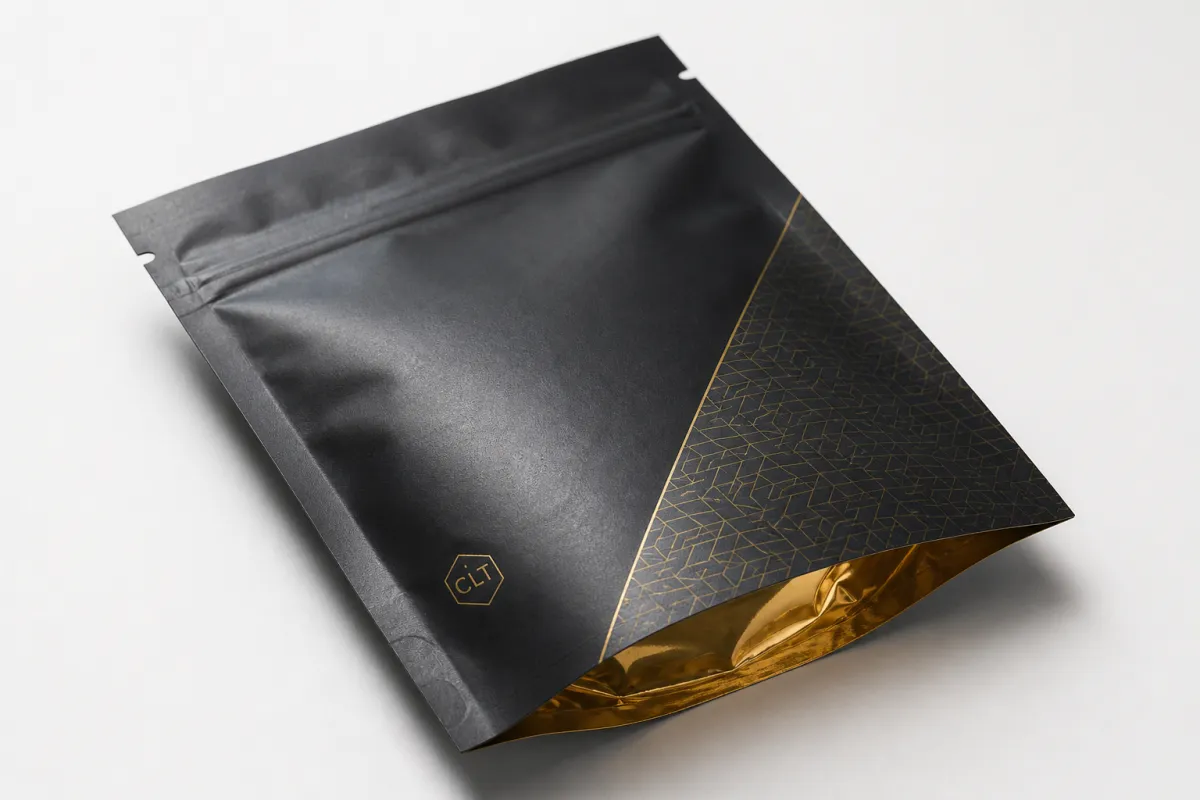
Picture two pouches sitting side by side on a buyer's desk. Same width. Same length. Same general look. One quote lands at a number that fits the budget cleanly; the other is noticeably higher. That gap is rarely random. It usually comes from differences in film structure, print coverage, closure style, seal geometry, or whether the supplier is quoting stock material versus a custom conversion.
From a packaging buyer's point of view, that mismatch is where trouble starts. Many teams compare outside dimensions first and assume the rest will line up. Suppliers do not price that way. They price on the build. A poly pouches price quote may include low-density polyethylene, high-density polyethylene, polypropylene, or a blended film, and each one carries different material cost, clarity, stretch, and sealing behavior.
That is why a strong poly pouches price quote should tell you more than unit price. It should spell out the material type, thickness, seal configuration, artwork setup, production method, and whether freight is included. If your product needs a zipper, tear notch, hang hole, or tamper-evident feature, the quote should show that too. Otherwise, you are not comparing options. You are comparing guesses.
What buyers really need is clarity. Not just a lower number. A clear quote helps you see where the money goes, which features matter, and which details you can adjust without hurting performance. That matters if you are buying for retail presentation, shipping protection, or in-house handling. A pouch that is a penny cheaper but tears on a conveyor is not a saving.
"The strongest quote is the one that tells the truth early. If the material, print, and MOQ are explicit, the buying decision gets easier and the risk of revision drops fast."
There is another benefit that gets overlooked: better quotes make supplier comparisons fair. If three vendors quote the same build, same quantity, same artwork assumptions, and same delivery terms, you can compare them with confidence. If not, the lowest number may simply be the least complete one. That is a costly mistake, and it happens more often than most teams admit.
For additional context on packaging selection and industry resources, the Packaging Manufacturers Association offers useful technical material, while transit validation discussions often point buyers toward ISTA test methods for shipping performance. Those references matter when the pouch is part of a larger shipping or protection system.
Product details that shape every poly pouches price quote
Start with the pouch format. A flat poly pouch is not priced the same way as a gusseted pouch. Add a zipper, and the construction changes again. Add a hang hole for retail display, and another pricing variable appears. When a buyer requests a poly pouches price quote, the format should be named clearly, because each style affects material usage and conversion time.
Application matters just as much. Shipping and logistics customers often care most about puncture resistance, slip behavior, and whether the pouch holds up under stacking and handling. Retail buyers care more about print quality, clarity, and how the bag presents on shelf. A poly pouches price quote for a warehouse use case may prioritize function; a quote for a branded retail bag may add decoration and finish expectations that raise the cost.
Material choice is one of the largest pricing levers. LDPE gives a softer feel and better stretch. HDPE tends to feel crisper and can be more economical in certain applications. Polypropylene offers a cleaner, stiffer look and is often chosen when clarity and presentation matter. Blended films can balance strength and appearance, but pricing depends on the resin mix and the target performance.
Closures and finishing details move the number as well. Heat seals are common and usually basic from a cost standpoint. Zip locks add convenience and often improve consumer usability. Tear notches make opening easier, but they also affect tooling and line setup. Anti-static treatments, moisture resistance, and freezer performance all require specific material behavior, so they may push a poly pouches price quote upward more than a buyer expects.
Print method is another major factor. Unprinted stock is the least complex. One-color branding is a step up. Multi-color decoration, full-surface coverage, and fine registration increase setup time and the chance of waste during make-ready. If the design uses large solids, gradients, or edge-to-edge coverage, that should be disclosed before the quote is finalized. A supplier cannot price accurately if the artwork load is unclear.
Special requirements deserve early mention. Food-contact suitability, migration limits, tamper evidence, or warehouse conditions such as cold storage can alter both documentation and pricing. If the pouch must align with a standard such as ASTM material testing or transit validation under ISTA methods, say so early. A poly pouches price quote that ignores compliance needs is not complete.
In practice, the best quote conversations are the simplest ones. The buyer describes the end use. The supplier translates that into a specification. The number follows the spec, not the other way around. That is how a poly pouches price quote becomes a useful buying tool instead of a rough estimate.
Specifications buyers should lock in before requesting a poly pouches price quote
The fastest way to clean up a poly pouches price quote is to standardize the request. A supplier should not need to infer the basics. The RFQ should include width, length, gusset depth if relevant, thickness in mil or microns, closure style, print area, and how the order should be packed per carton or roll.
Thickness needs a careful explanation. Buyers often think gauge alone tells the story. It does not. Two pouches can both be labeled at the same thickness and still behave differently because the resin blend, seal strength, and layer structure are not identical. Mono-layer film and multi-layer film can carry different costs and different performance profiles. That is why a poly pouches price quote should name the build, not just the gauge.
Dimensional tolerance belongs in the request as well. A pouch that is off by a few millimeters may not matter for hand packing, but it can matter on automated lines or when the pouch must fit an insert, shipper, or retail tray. Buyers who specify acceptable variation reduce the chance of an expensive revision later. They also get a more honest poly pouches price quote, because the supplier can price against the right production tolerance.
Artwork details should be sent up front. That means file format, number of colors, bleed, registration expectations, and whether the files are production ready. If a brand team is still developing artwork, the quote should say so. Prepress support takes time. It affects price. It affects approval flow. It affects the schedule. Leaving it out creates confusion and often makes the final poly pouches price quote look different from the first one.
Testing and compliance needs should also be stated clearly. If the pouch is meant for food, ask for the relevant documentation. If the pouch will be exposed to cold warehousing, say that. If it needs to survive transit vibration, compression, or drop risk, flag that as well. Buyers who work this way get a more accurate quote and fewer surprises after approval.
- Dimensions: width, length, gusset, and any usable fill space.
- Material: LDPE, HDPE, polypropylene, or a blend.
- Thickness: mil or microns, plus any tolerance requirement.
- Closure: heat seal, zipper, tear notch, hang hole, or other feature.
- Print: one color, multi-color, full coverage, or no print.
- Pack-out: carton count, pallet pattern, and labeling needs.
- Compliance: food contact, shipping tests, or temperature performance.
Operational details matter too. If your line runs at speed, the pouch has to behave consistently through filling and sealing. If your warehouse uses automated packing, the pouch format needs to match the system. If the product is seasonal, you need a quote that reflects timing, not just price. A complete poly pouches price quote should give the supplier enough information to price the order the way it will actually ship.
That is the practical lesson here: the more precise the spec, the less room there is for quote drift. Standardized inputs save time. They also protect budgets. A poly pouches price quote based on assumptions is rarely the one that survives the purchase order stage unchanged.
Pricing, quote structure, and MOQ for poly pouches
A good poly pouches price quote should be itemized. If the supplier only sends a lump sum, you lose visibility into what drives cost and where savings may be possible. At minimum, the quote should show substrate cost, conversion or printing cost, setup charges, tooling if needed, packaging, palletizing, and freight assumptions. That level of detail is not bureaucracy for its own sake. It is how serious buyers compare offers.
MOQ matters because setup costs do not shrink just because the order is small. On a low-volume run, setup, changeover, plate work, proofing, and waste are spread across fewer pieces. That raises the unit cost. On larger orders, those same fixed costs are diluted. This is why a poly pouches price quote for 2,500 units can look sharply different from one for 10,000 or 25,000 units, even if the pouch spec stays constant.
Stock and custom runs also behave differently. Stock bags usually cost less upfront because they do not require the same branding setup. They can be a good fit if you need speed or if the packaging program is still being tested. Custom-printed pouches are more specific and often more effective for shelf presence, but they bring setup work and, in some cases, plate or tooling fees. That is where a thoughtful poly pouches price quote pays off: it shows the tradeoff instead of hiding it.
Here is a simple comparison framework buyers can use when reviewing a poly pouches price quote. The numbers are illustrative and will vary by artwork, thickness, and delivery terms, but the pattern is consistent across the market.
| Option | Typical MOQ | Indicative Unit Price | Best For | Common Cost Drivers |
|---|---|---|---|---|
| Clear stock flat pouch | 5,000+ | $0.04 - $0.08 | Basic packing, short lead time | Material only, minimal setup |
| Custom one-color printed pouch | 10,000+ | $0.09 - $0.16 | Branding with moderate cost control | Artwork setup, print changeover |
| Multi-color zipper pouch | 10,000+ | $0.18 - $0.32 | Retail presentation and repeat use | Ink coverage, zipper hardware, make-ready |
| Heavy-gauge gusseted pouch | 5,000+ | $0.22 - $0.38 | Durability and product protection | Thicker film, higher resin load, larger format |
Hidden costs are where buyers get burned. Plate fees can appear if the printing method requires them. Proofing charges may apply if artwork is not press ready. Sample runs can cost extra when the team wants to validate fit before committing to volume. Rush production and split shipments often change the freight line. A revised design after approval may create a second setup charge. A transparent poly pouches price quote should say whether those items are included or excluded.
Negotiation should focus on value, not just unit price. If a slightly higher quote gives you more stable print registration, a stronger seal, or tighter delivery confidence, that may be the better purchase. Packaging is not just a cost line. It is a performance line. The right poly pouches price quote protects margin in more ways than one.
For buyers who want to compare pouch programs against other formats, it can be useful to review broader Custom Packaging Products and see whether the application might also suit a different bag style or shipper. Sometimes a lower-cost structure elsewhere solves the same problem with less complexity. That is the kind of comparison that keeps procurement honest.
Process and timeline: how a quote becomes an order
A poly pouches price quote is only one step in the buying process. The actual workflow usually follows a predictable path: inquiry, spec review, artwork check, quotation, proof or sample approval, production, quality control, and shipping. When the process is handled well, each step confirms the last one instead of reopening it.
Delays usually start with incomplete input. If dimensions are unclear, print files are not ready, or the buyer changes the build after the quote is issued, the timeline stretches. That may not sound dramatic, but it often turns a clean poly pouches price quote into a revised estimate with a different lead time. Packaging teams that move quickly tend to provide complete information on the first pass.
Lead time also depends on product type. Stock pouches can move faster because the materials are already on hand. Custom printed pouches need more preparation, especially when color matching or registration is involved. Specialty pouches may require additional review if the build includes cold-chain needs, tamper evidence, or compliance documentation. A realistic poly pouches price quote should explain which stage is driving the schedule.
Approvals are another pressure point. If a customer signs off on artwork the same day, the project can move. If the proof sits in a queue for a week, the order slips. That is not a supplier problem alone. It is a project management issue. Strong buyers ask for a quote that shows when the proof is due, when production can start, and when dispatch is expected.
Current manufacturing capacity matters too. A supplier with a busy print schedule may still be competitive on price, but the timing might change. That is why it helps to ask about production windows early, especially when the pouch needs to arrive before a launch, a seasonal shipment, or a packaging conversion. A poly pouches price quote that arrives with a realistic timeline is more useful than one that only looks cheap.
Buffer time is not wasted time. It protects the launch. It absorbs freight variation. It gives prepress and purchasing a little breathing room. Buyers who build in that margin usually have fewer emergency shipments and fewer expensive last-minute changes.
Here is the kind of communication a supplier should provide during the process:
- Confirmation that the spec sheet is complete.
- Note on any missing artwork or approval items.
- Written poly pouches price quote with assumptions listed.
- Proof approval deadline and revision window.
- Estimated production start and dispatch date.
- Shipping method and carton or pallet details.
If you also need a mailer-style option for comparison, reviewing Custom Poly Mailers can help you see whether a different format better supports shipping, branding, or carton density. In some programs, that comparison changes the economics more than the pouch spec itself.
Why choose us for your poly pouches price quote
Custom Logo Things is built for buyers who want straight answers. A strong poly pouches price quote should be readable, itemized, and tied to the actual build. That means no vague language, no padded assumptions, and no guessing about what is included. If the order needs a specific thickness, print treatment, or pack-out format, we treat those as pricing inputs, not afterthoughts.
For packaging buyers, that approach has real value. It shortens the revision cycle. It reduces surprise costs. It helps teams compare suppliers on the same line items instead of comparing marketing language. In a market where a few cents can matter on large volume programs, quote quality is not cosmetic. It is operational.
We also understand that durability and consistency matter more than clever wording. Shipping and logistics applications can punish weak packaging. Retail programs can expose small print defects immediately. A poly pouches price quote should reflect those realities. If the project needs a more durable film, a simpler print layout, or a different MOQ strategy, we will say so directly.
There is also a practical support angle. Buyers often need help deciding whether to change thickness, reduce color count, or adjust quantity tiers to improve pricing without damaging performance. That is the kind of conversation that pays for itself. A quote that solves the right problem is better than one that only chases a lower unit number.
We keep communication consistent during prepress and production, because avoidable delays usually begin when nobody is sure who approved what. Clear checkpoints reduce rework. They also make the final poly pouches price quote easier to verify against the order. That matters when procurement, design, and operations all need the same version of the truth.
If you want to compare pouch options alongside other branded formats, start with our Custom Packaging Products page and narrow the request from there. If the project is shipping-led, our Custom Poly Mailers may also be worth a look. Either way, the same principle applies: the more complete the brief, the stronger the quote.
One final point. Trust is measurable. You can see it in the spec sheet. You can see it in the line-item breakdown. You can see it in the timeline. A poly pouches price quote that is understandable on first read is usually the one that performs best during execution too.
Next steps: how to request a poly pouches price quote
If you want a better poly pouches price quote, send a better request. Keep it focused, but do not leave out the details that change price. The strongest RFQs are short and specific. They tell the supplier what the pouch must do, how many you need, and when you need them.
At minimum, include pouch dimensions, material preference, thickness, closure type, print needs, target quantity, and delivery window. If there is artwork, attach it. If the file is not final, send a brand brief and say so. If there are compliance needs, list them. If you want to compare stock and custom options, ask for both in the same response. That is how a poly pouches price quote becomes a decision tool instead of a loose estimate.
It also helps to ask for two or three pricing tiers. For example, compare a lower MOQ option against a higher-volume option, or compare one-color print against multi-color print. That reveals where savings flatten out. It also shows whether the higher quantity is actually worth it. Buyers who request tiered pricing tend to make faster, cleaner decisions because the breakpoints are visible.
Make the assumptions explicit. Freight included or excluded. Proofing included or not. Sample allowance. Pallet pattern. Carton count. Lead time from approval, not from inquiry. Those are small details, but they shape the final number. A good poly pouches price quote will not hide them.
- Prepare a concise RFQ with dimensions, material, thickness, closure, print, and quantity.
- Attach artwork or a brand brief before asking for final pricing.
- Request side-by-side options so you can compare MOQ and unit cost fairly.
- Confirm freight, proofing, and sample assumptions in writing.
- Ask which specification changes can reduce cost without hurting performance.
If you are ready to move, send the spec sheet, ask for the line-item breakdown, and request the variables that can be adjusted to improve the poly pouches price quote without weakening the pouch. That is the fastest path to a purchase decision that holds up in production, in transit, and at the point of use.
FAQ
What details do I need for a poly pouches price quote?
Provide dimensions, thickness, material, closure type, print requirements, quantity, and your target delivery date. If the pouch has to meet food-contact, handling, or automation needs, include those too. A complete brief makes the poly pouches price quote more accurate and reduces revision time.
Why do two poly pouch quotes come back with different prices?
Quotes differ when the material grade, gauge, print coverage, setup, or MOQ is not the same. Freight terms and packaging format can also shift the final number. The cleanest comparison comes from asking each supplier to quote against the same specification sheet so the poly pouches price quote is truly comparable.
How does MOQ affect the unit price of poly pouches?
Lower MOQs usually carry a higher per-unit cost because setup and changeover are spread over fewer pouches. Larger quantities often reduce the unit price until the production efficiencies level off. Request tiered pricing so the MOQ impact is visible inside the poly pouches price quote.
How long does it take to get a poly pouches price quote?
Simple stock requests can often be priced quickly once the specs are confirmed. Custom printed or specialty pouches usually take longer because artwork and production details must be reviewed. The fastest poly pouches price quote usually comes from a complete RFQ with dimensions, quantities, files, and delivery expectations.
Can I lower the cost without changing the pouch size?
Yes. You can simplify print coverage, adjust thickness, compare stock options, or change the order quantity. You can also review alternate finishes and packaging formats. Ask which changes reduce cost without weakening performance, then fold that into the poly pouches price quote.
When buyers treat the quote as a spec document instead of a price line, they make better decisions. That is the real value of a well-built poly pouches price quote: it shows what the number buys, what it does not, and where the smartest adjustments sit.