For lightweight beauty SKUs, the question is not whether a rigid box looks nicer. It is whether the outer package protects the product, fits the fulfillment flow, and keeps unit cost under control. For refills, sample kits, and flat bundles, a soft-touch mailer often does that job with fewer components and less labor.
The useful way to evaluate the format is by landed value, not by sticker price alone. A mailer that replaces a carton, insert, and extra packing step can cost a little more per piece and still lower the total order cost. That is especially true when damage rates and warehouse time are part of the equation.
For buyers comparing options, the real test is simple: does the package help the order move faster, arrive intact, and still support the brand? If the answer is yes, the format deserves a close look.
Why Soft-Touch Mailers Can Beat Rigid Beauty Packaging
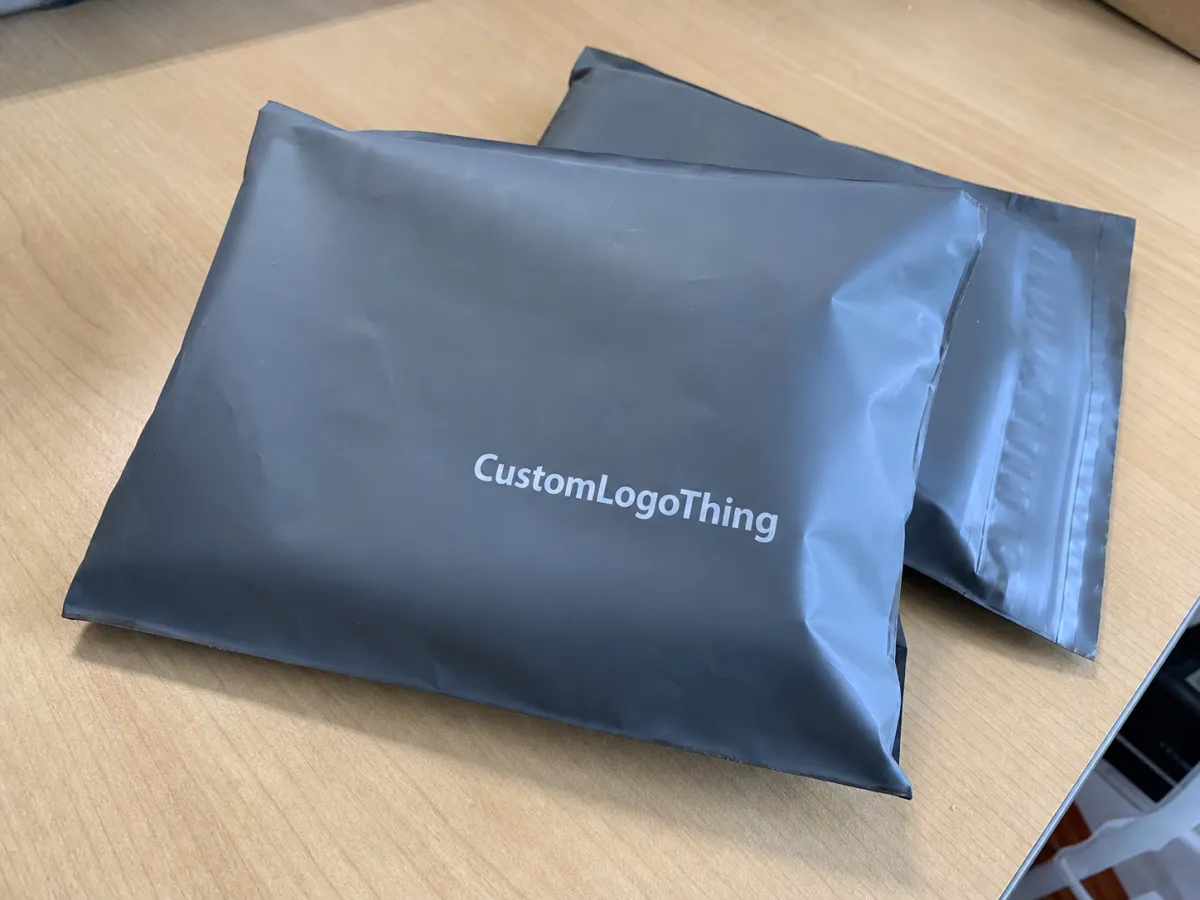
Rigid packaging still makes sense for fragile glass, gift sets, and display-heavy launches. But many cosmetic orders are flatter and lighter than teams assume. Refill pouches, skincare bundles, and sample assortments often do not need a full carton stack with inserts and void fill.
A soft-touch mailer can cover the same shipping job with less material and fewer touchpoints. That matters because direct-to-consumer fulfillment is judged on speed, appearance, and damage rate. A package does not earn points for looking premium if it slows the line or fails in transit.
In practice, the advantage shows up in three places: fewer components for the packer, less cube in storage and shipping, and fewer replacements when orders are damaged. None of that is flashy, but all of it affects margin.
A buyer checklist helps keep the decision grounded:
- What does the order cost to pack, ship, and replace if it fails?
- Does the outer package support the brand without paying for structure you do not need?
- Will the format hold up through sorting belts, compression, and last-mile handling?
That is why a cosmetics soft touch poly mailers Unit Cost Review should be treated as a packaging system review, not just a price check. If the mailer removes an inner carton, saves labor, and still protects the product, it may be the better commercial choice even when the raw unit price is not the lowest.
“A package that looks premium but slows the line is expensive twice: once in material, once in labor.”
Finish, Print, and Seal Choices That Change Shelf Appeal
Soft-touch finish changes how a package feels in hand. The surface reads matte, controlled, and less disposable than a plain gloss bag. It also reduces glare, which helps logos and color blocks look more deliberate under retail lighting and in unboxing photos.
The finish is only one part of the decision. Seal style changes speed, security, and return handling. Pressure-seal mailers are quick and economical. Tamper-evident closures add trust for higher-value skincare or regulated items. Resealable options support returns and reuse, but they usually raise the quote because the construction is more complex.
Print should match the job, not the mood board. A simple one-color logo works for replenishment and lower-friction fulfillment. Full-bleed graphics make more sense for launches, kits, and influencer drops where the outer pack needs more visual impact. If the bag also needs to carry carrier labels or SKU stickers, reserve a clean label zone instead of forcing everything into the art.
Color control matters more than many buyers expect. Soft-touch surfaces reduce glare, but weak ink systems can still scuff during transport or at the packing station. Ask how the supplier handles repeat-run consistency, especially if your brand depends on one signature shade. Light blush and skin-tone palettes usually need tighter prepress control than dark artwork.
- Pressure-seal: fastest and most economical for straightforward fulfillment.
- Tamper-evident: better for premium skincare and higher-value kits.
- Resealable: useful for returns, subscriptions, and reuse programs.
For teams comparing several packaging formats, the broader range of Custom Packaging Products makes it easier to benchmark mailers against cartons, labels, and inserts before locking in a structure.
Material Specs, Sizes, and Performance Checks Buyers Should Verify
The material spec is where quotes start to separate. For beauty shipments, buyers should ask for the full build: film gauge, opacity, tensile strength, seal width, adhesive type, and whether the bag uses virgin resin, recycled content, or a blend. A supplier that only quotes the face size is not quoting enough.
For many cosmetic mailers, a film in the 2.5- to 4.0-mil range is common, but the right thickness depends on product shape and shipping lane. A flat pouch is one thing. A bottle with hard shoulders or a compact with sharp edges is another. Puncture risk rises quickly once rigid corners or pumps press into the film during transit.
Size the mailer around the packed product, not the wish list. Oversized bags waste film, increase freight cube, and can arrive looking sloppy. Undersized bags create seal stress and slow operators. In real production, fit usually matters more than a heroic spec sheet.
Before approval, verify a few basics:
- Actual packed dimensions, not carton dimensions from another format.
- Seal width that stays consistent across the full edge, including corners.
- Opacity level if the contents should not show through.
- Puncture and tear behavior under handling and drop stress.
- Moisture resistance if the product can sweat, leak, or change temperature in transit.
For shipping performance, ask whether the supplier uses ISTA transit testing standards or a similar abuse-test method on the final pack-out. That is the difference between a sample that looks good on a table and a bag that survives a real carrier network.
If the program includes sustainability claims, the documentation should be specific. Recycled content, paper components, and certified fibers all require proof. If the supplier cannot back the claim with a document trail, treat the claim as incomplete and price the package as standard material until proven otherwise.
For a faster starting point, review Custom Poly Mailers after you have the product weight, closure preference, and target ship method nailed down. That gives the supplier something usable to price against instead of a vague request for a premium-looking bag.
Cosmetics Soft Touch Poly Mailers Unit Cost Review: MOQ and Quote Drivers
A proper cost review should break the quote into moving parts instead of chasing the lowest number on the page. Size, film thickness, print coverage, closure style, and carton configuration all influence the final price. So do overrun allowance, pack-in requirements, and whether artwork has to be rebuilt for press.
MOQ changes the math fast. Setup charges, prepress work, and any tooling fees have to be spread across the run. A short order can look expensive even when the design is simple because the factory is still recovering fixed work. Material is only one line on the invoice.
In beauty packaging, the per-piece cost usually improves once the order crosses a practical threshold. A 1,000-piece pilot may be fine for a test launch, but 5,000 or 10,000 pieces often unlock stronger bulk pricing. The tradeoff is inventory risk. A launch test should not be priced like replenishment, and replenishment should not be bought like a one-off promo.
| Run Type | Typical MOQ | Indicative Unit Cost | Best Fit | What Pushes Price Up |
|---|---|---|---|---|
| Simple logo mailer, standard size | 1,000-3,000 | $0.14-$0.24 | Replenishment, low-color branding | Small quantity, rush proofing, special packing |
| Full-bleed printed soft-touch mailer | 3,000-5,000 | $0.22-$0.38 | Launches, seasonal sets, premium DTC | More colors, tighter registration, more waste allowance |
| Tamper-evident or resealable format | 5,000+ | $0.30-$0.55 | Higher-value skincare, returns-sensitive programs | Special closure parts, added inspection, more setup charges |
Those ranges are directional, not a promise. They assume a beauty-friendly mailer size, a standard film spec, and production in a normal queue. Freight, duties, and last-mile handling can move the landed number enough to change the decision. That is why headline pricing and landed pricing should never be treated as the same thing.
To get cleaner quotes, send the supplier enough detail to price correctly the first time:
- Exact bag dimensions and finished product size.
- Product weight and whether the contents have hard edges.
- Print colors, coverage, and whether artwork is full bleed or logo-only.
- Finish type, closure preference, and whether a label zone is needed.
- Target quantity tiers, shipping ZIP, and requested delivery window.
Ask for pricing in line items. Material, print, freight, and setup should be visible separately. If a supplier cannot split those costs, margin control gets sloppy fast. Short runs also deserve a note on overrun and under-run tolerance, because that can change your usable quantity more than people expect.
Production Process, Proofing, and Lead Time Expectations
Speed matters, but only after the spec is right. A clean process usually follows the same sequence: inquiry, sample request, artwork prep, prepress review, proof approval, manufacturing, inspection, packing, and shipment. Each step can be quick. Each step can also turn into a delay if the brief is incomplete.
The biggest schedule risks are predictable. Late artwork changes force another proof. A vague size request creates back-and-forth. A new closure or special finish may require material reservation before approval. Once the queue is set, changes cost time. Packaging teams often underestimate how much time is lost to tiny corrections that trigger a full recheck.
For most custom beauty mailers, a reasonable production window after proof approval is often 12 to 20 business days, with shipping added on top. Simple runs can move faster. Full-bleed jobs, tight color matching, and special packing instructions slow things down. If the launch depends on a seasonal campaign or influencer drop, buffer the schedule instead of hoping for an early line opening.
A practical timeline looks like this:
- Sample or spec review: 1-3 business days.
- Artwork and proofing: 2-5 business days depending on revisions.
- Production: 10-15 business days for standard jobs.
- Final inspection and dispatch: 1-3 business days.
There is also a cost angle here. Tight artwork, decisive approvals, and one clear owner on the brand side can save days. In packaging, days matter more than a small price gap if the cheaper quote misses the launch window and forces a scramble. A late ship can cost more than a slightly richer unit price ever would.
If the shipment goes into a regulated channel or a high-volume fulfillment center, ask whether the supplier can align paper-based components with FSC chain-of-custody guidance where applicable and provide clear pack labeling instructions. Production discipline usually shows up in documentation first.
What a Reliable Beauty Packaging Supplier Should Prove
Promises are cheap. Proof is the part worth paying attention to. A reliable supplier should be able to show repeatable seal quality, clean registration, and stable gauge control across more than one run. One good sample is not enough. Buyers need confidence that the second order will look like the first.
Ask direct questions about testing and defect handling. What happens if a lot falls outside spec? How are reprints handled? What inspection method is used? How are scuffed bags, weak seals, or print drift sorted before shipment? Those are normal procurement questions, not hostile ones.
Responsiveness matters too. A supplier that answers sample requests quickly and returns quote revisions without confusion usually performs better under deadline pressure. That is especially true for beauty launches, where one color change or size correction can affect the entire campaign calendar. Slow quoting often signals slow problem-solving later.
Strong suppliers also make hidden costs visible. They explain when the price includes overrun allowance, when it does not, whether freight is built in, and how much extra setup is needed for a short run. That clarity reduces surprise charges later, which is where margin tends to disappear.
A useful filter is simple:
- Do they quote by size, film, print, and closure separately?
- Do they provide a printed sample and a blank structural sample?
- Can they explain the inspection standard in plain language?
- Do their quantity breaks actually improve the unit cost?
- Do they understand shipping stress, not just artwork approval?
That last point is the one teams often learn the hard way. A supplier that understands packaging for transit, not just packaging for photos, is the one most likely to reduce rework and customer complaints.
Next Steps: Build a Quote-Ready Spec Sheet Before You Order
If you want clean pricing, give the supplier a clean brief. Start with exact dimensions, product weight, closure preference, finish type, print colors, and target quantity. Then state the use case: launch, replenishment, or promotion. That one line changes how much inventory risk a buyer should accept.
It also helps to request two samples, not one. Ask for a printed sample to judge finish and brand impact, and a blank structural sample to verify fit, seal behavior, and handling. One sample tells you how it looks. The other tells you how it works. That separation saves a lot of bad assumptions.
Before approval, compare the mailer against the full fulfillment stack. Does it replace a carton and insert? Does it reduce labor? Does it survive the shipping lane without excess damage? If the answer is yes, the package is doing its job. If the answer is no, a lower unit price will not rescue it.
If you are still comparing formats, review the broader assortment of Custom Packaging Products first, then narrow to the structure that fits the pack-out. If you already know the format, move straight to Custom Poly Mailers and build the spec from there.
That is the cleanest way to approach a cosmetics soft touch poly mailers Unit Cost Review: line-item the quote, verify the spec, compare landed cost, and buy the format that protects margin instead of just dressing up the shipment.
Frequently Asked Questions
What affects cosmetics soft-touch poly mailers unit cost the most?
Size, film thickness, print coverage, closure style, and MOQ usually move the quote fastest. Freight and setup charges can matter even more on small runs because the fixed costs are spread over fewer pieces. If the supplier includes extra packing steps, that can move pricing too.
What MOQ should I expect for custom beauty mailers?
MOQ depends on bag size, print method, and finish requirements. Smaller runs are possible, but the per-piece price usually rises as the order gets shorter. For better bulk pricing, buyers often move toward 5,000 pieces or more, especially if the art is complex.
How long does production usually take after proof approval?
Simple runs usually move faster than full-bleed, multi-color jobs. A typical window is 12 to 20 business days after proof approval, then add shipping time to your warehouse or 3PL. Tight artwork and special closures usually add a few more days.
Can soft-touch poly mailers protect skincare bottles and jars?
They work best for flat kits, pouches, and lightweight items with secondary wrapping. Fragile glass or sharp corners may still need internal cushioning or a stronger shipper, especially if the lane is rough. The product shape matters more than the category label.
What should I send for the fastest cosmetics mailer quote?
Send size, quantity, print colors, finish, closure, shipping ZIP, and target delivery date. If you are unsure on dimensions, include product photos and measurements so the supplier can size correctly the first time. A clear use case helps too.


