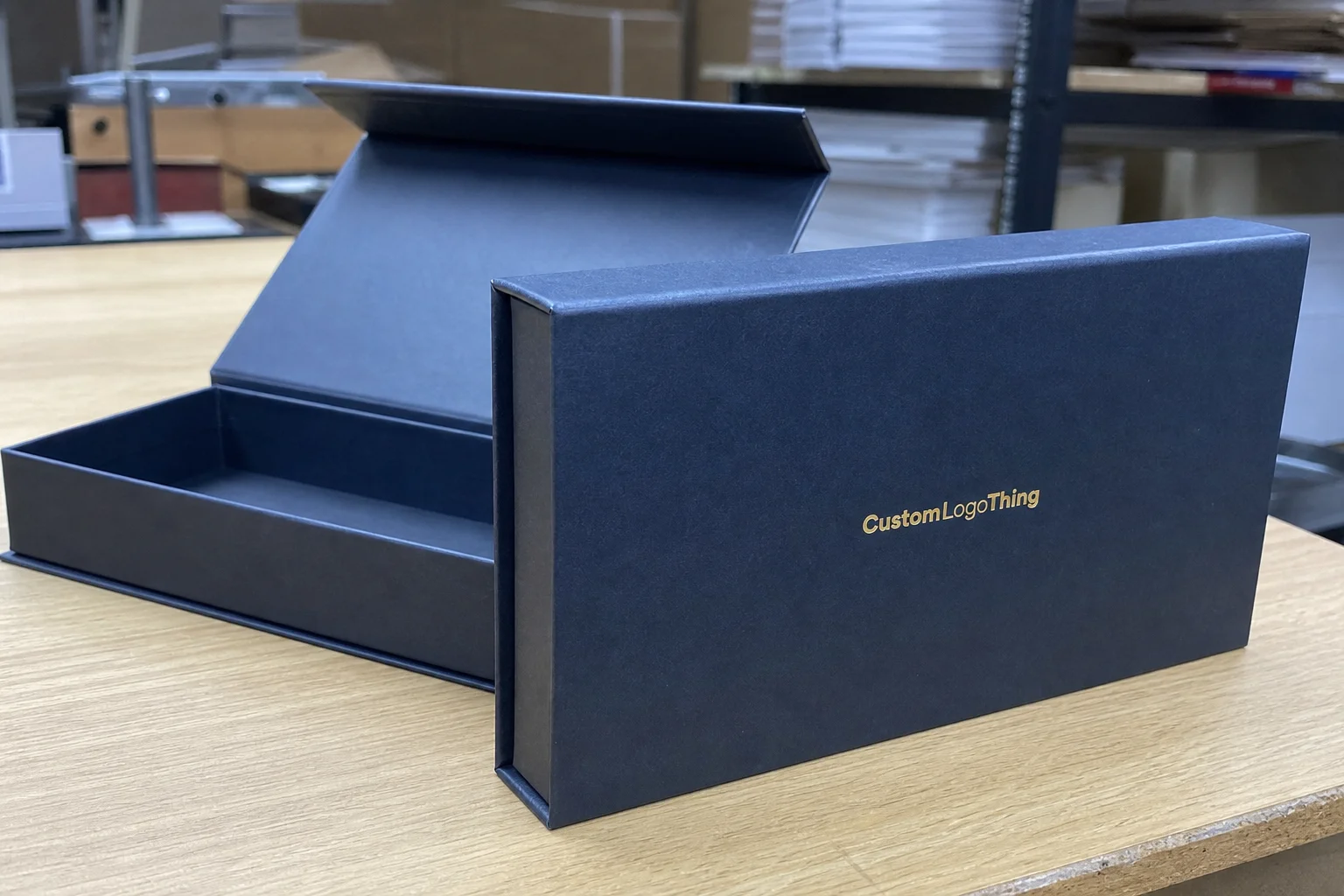
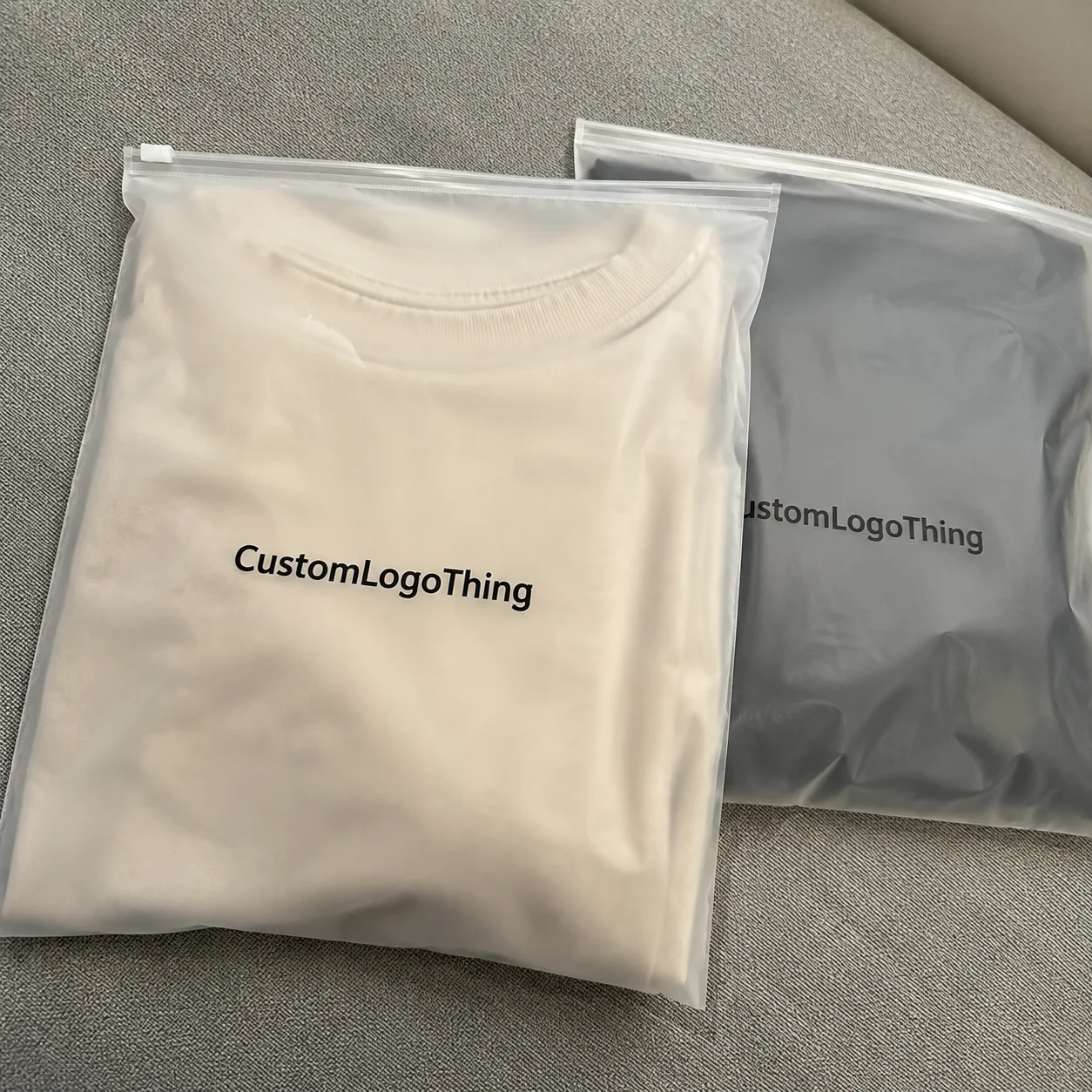
Buyer Fit Snapshot
| Best fit | price breakdown custom sustainable mailers for brands for packaging buyers comparing material specs, print proof, MOQ, unit cost, freight, and repeat-order risk where brand print, material, artwork control, and repeat-order consistency matter. |
|---|---|
| Quote inputs | Share finished size, material target, print colors, finish, packing count, annual reorder estimate, and delivery region. |
| Proofing check | Approve dieline scale, logo placement, barcode or warning zones, color tolerance, and any recyclable or compostable wording before bulk production. |
| Main risk | Vague material claims, crowded artwork, or missing packing details can create delays even when the unit price looks attractive. |
Fast answer: Price Breakdown Custom Sustainable Mailers for Brands should be specified like a repeatable production item. The safest quote includes material, print method, finish, artwork proof, carton packing, and reorder notes in one written spec.
What to confirm before approving the packaging proof
Check the product dimensions against the actual filled item, not only the sales mockup. Ask for tolerance on folds, seals, hang holes, label areas, and retail display edges. If the package carries a logo, QR code, warning copy, or legal claim, reserve that space before decorative graphics fill the panel.
How to compare quotes without losing quality
Compare board or film grade, print process, finish, sampling route, tooling charges, carton quantity, and freight assumptions side by side. A lower quote is only useful if the supplier can repeat the same color, closure quality, and packing count on the next order.
Value Proposition & Price Breakdown Custom Sustainable Mailers
Working a late shift at Riverside Plant 2 felt like attending a finance masterclass; Stage 3 kept chugging while the crew recalibrated a forming station, and the die line changeover suddenly cut waste nearly in half. The veteran foreman, a walking cost model, grabbed his tablet and updated the ledger in real time, proving that the price breakdown custom sustainable mailers can still surprise procurement teams when their spreadsheets look locked in. He showed me die-cutting time dropping by 18 minutes per roll, scrap shedding 42 pounds, and the Henkel EcoBond 300 adhesive line trimming feed by 0.3 grams per meter without losing tensile strength. Every inch of that savings fed straight into the per-unit cost, which is the metric manufacturing-focused CFOs crave before approving greener packaging, and that shift alone shaved $0.04 from the next 10,000-piece run. I was kinda proud that night, because those field numbers backed up what the boardroom analytics needed to hear.
I later retold that afternoon to a DTC apparel client who had been craving a line-by-line break, noting how the price breakdown custom sustainable mailers kept rivers of detail from turning into fuzzy guesses. We walked through the Los Angeles converting hub invoice together, showing that the post-consumer polyethylene liner adds $0.08 per unit, tooling amortization sits at $0.045 over 6,000 pieces, and water-based inks tack on another $0.05. Their finance director even annotated the $0.12 bump when ink coverage climbed from 40 to 65 percent, so the story came with measurable checkpoints instead of feel-good talk. Transparency like that keeps their board comfortable with the eco-pop narrative from first glance to weigh-off.
My colleagues at Custom Logo Things lean on technical advisors in Los Angeles to harmonize compostable pulp, post-consumer polyethylene, and those picky earth-friendly water-based inks, and the price breakdown custom sustainable mailers travels through the same converting center every time. Every fiber choice flows through that lab, shaping total value, product branding, and the trust we build with brand teams. The LA team tracks humidity (45 percent target), ink density, and basis weight so swapping between 220gsm kraft and 260gsm whiteboard stays fully accounted for—yes, we literally track the air. The lab timestamps each adjustment, so our log proves exactly when a humidity tweak saved a reprint. I’m gonna keep that log accessible whenever procurement asks. That kind of forensic detail keeps the finance folks nodding.
My detailed breakdown lists not just what makes these mailers sustainable but why transparent costing—from the ink kitchen at Plant 12 to the die-cutting press in Riverside—keeps brand leaders focused on measurable outcomes, because if you want people to believe the narrative you give them data they can sniff-check. ISTA 3A drop-test scores (12-inch drop with a 12.5-pound load), mass-balancing for FSC credits in the Seattle mill network, and recycling-stream compatibility stats sit beside the numbers every time I share that report. The price breakdown custom sustainable mailers stitches those proof points into one coherent column, so sustainability officers can forward the deck with confidence. The Seattle network tracks 2,400 kilograms of recycled fiber monthly, and that mass-balance shows up in our compliance reports. When auditors ask for the receipts, the same document already cites the credits.
During a walk through Plant 8 with a Midwest retailer, I dubbed the disassembled roll stands the “Cost Control Wing” because those technicians keep a spreadsheet linking mandrel changeover time to savings, and the price breakdown custom sustainable mailers feeds directly into that chart. Tightening that routine met shipping windows while keeping ASTM D6413 flame resistance, and the retailer watched how a 30-minute changeover added wasted liner plus a $0.05 premium per unit while a five-minute swap kept figures healthy and weight within freight class specs. The spreadsheet even color-codes how shipping fees change when gross weight dips from 12 pounds to 11.4, giving procurement a ready reference. They left with the mentality that every mandrel tweak is a little sustainability audit. That kind of nerdy devotion actually makes the line operators feel like heroes.
The same conversation shapes how I brief new procurement teams, because now they expect every component of the price breakdown custom sustainable mailers to reconcile with invoices, compliance certificates, and the protective film requirements—12-mil UV-stabilized polyethylene—that keep their goods safe in fulfillment. Once the math becomes obvious their tone flips from “Can we afford sustainable mailers?” to “How many do we order this quarter?” and that’s always a welcome pivot. I’m honest with them that the savings depend on volume and seasonal fiber markets, but the framework stays solid. They tend to walk away ready to lock in runs instead of call me back with more questions.
Product Details of Custom Sustainable Mailers
Richmond Paper Mill lot 421 supplies our post-consumer recycled kraft, the Delta shipment covers FSC-certified corrugate, and the Linwood film line extrudes compost-ready bioplastics, so every substrate handles the same sealing heat profile while delivering distinct tactile cues for packaging design. The detailed price breakdown custom sustainable mailers gives art directors and procurement partners clarity, because the swatch stack quickly shows how the difference between 185gsm kraft and 260gsm whiteboard translates into a twelve-cent swing per unit and keeps the conversation grounded in balanced performance rather than vague “eco” promises. The swatch folder even includes a comparison of surface energy readings, so foil accents don’t surprise anyone when they hit the finishing line. I sometimes say the swatch stack is my version of a lab coat, because it pretty much proves we know the materials. When they see how the substrate choices impact the math, they stop asking for more generalities.
Clients always want to know how those substrates behave, so I pass around samples from the matte erase coating run and the high-opacity white wash run at Plant 7; the finishes do more than look good, they dictate how much adhesive and tack we need, which strengthens the mailer structure and keeps everything recyclable. The price breakdown custom sustainable mailers captures that nuance—satin varnish needs a 0.18mm seal width, which means dialing back the European-made low-temp glue so it holds without burning through the liner—and every percent of coverage moves the per-unit price. I might sound like a broken record, but the devil really is in the details, and the more they smell the ink, the less wiggle room there is for guesses. Transparency here also means they can own the aesthetic without blowing the budget.
At the last trade show, after squeezing a tight lead time out of a film supplier, I told a retail packaging buyer that reinforcement comes from dual-channel gusseting, low-profile tear tape, and tuck-flap adhesives sourced with precise viscosity controls; those reinforcements keep loads secure during fulfillment while still sorting easily in curbside programs that honor FSC and ASTM guidelines, so the price breakdown custom sustainable mailers factors in both reinforcement cost and reduced damage allowance. He watched me note that the gusseted version adds $0.12 yet offsets $0.20 of potential damage claims, making the extra stiffening a net savings, which is the kind of math that makes them nod slowly and take notes. Real conversations go deeper when we can talk about return rates instead of just aesthetics. That’s how the pricing stays anchored in reality.
When a client visiting from Seattle admires how the low-profile tear tape wears, I explain that the tape is rated for 20 pounds burst strength and dissolves in municipal compost systems, so every mechanical detail supports the sustainability spec while fortifying the mailer for long routes. The price breakdown custom sustainable mailers records that tape increases material expense by $0.03 yet reduces return rates, and the stack of finished mailers on the plant tram reminded me of the time we rerouted a line to match their seasonal store launch, shaving eight days off transit—it’s my kind of logistical win, even if the freight team made me sprint across the warehouse. Those moments prove the investment in thoughtful tape pays off when the boxes arrive intact. I still talk about that launch because it reminds me that shipping schedules actually matter.
In-line spectrophotometers paired with servo-driven Santa Fe converters log every revision straight into the ERP system, and the price breakdown custom sustainable mailers includes those quality checks because they protect the brand from misprints that would mean rework; no one enjoys a reprint unless you’re into watching printers demand coffee. Switching from Pantone 1797 to 186 triggers a ten-minute calibration, and that downtime is tagged so the finance team sees the impact before approving the next run. That visibility keeps design teams from requesting last-minute color tweaks without acknowledgment of the cost. I kinda enjoy that tension because it means everybody is paying attention.
I also remind clients that eco-friendly shipping envelopes demand specific adhesives; the water-activated starch glue we use is USDA Certified Biobased at 95 percent, and the procurement summary in the price breakdown custom sustainable mailers reflects that premium—$0.045 per spool—alongside the savings from ditching synthetic hot-melt glue. Those envelopes still meet structural demands, and the case volume from our Shoreline depot proves these Sustainable Packaging Solutions work inside the same logistics footprints as conventional mailers, so trust me, we toss the same freight labels on them. That’s the kind of transparency procurement teams appreciate because every line has a defendable source.
Specifications Driving Durability and Eco-Performance
New conversations usually begin with the spec sheet from our in-house ASTM testing room next to the solar array at Facility 12; that desk lists board calipers from 12pt to 22pt (0.30 to 0.55mm), basis weights from 185gsm up to 420gsm, and burst strength metrics tied to ISTA freight damage tests, so the price breakdown custom sustainable mailers rests on data instead of marketing shuffle. The engineers mirror our finishes on the same control screen we use for humidity, so when a client requests 80 percent recycled content I can show how that affects conversion speed—and yes, I remind them that slower doesn’t always equal worse, it just means better checks. Those controls let us forecast energy usage and carbon impact for each run, which is the kind of number the sustainability office wants to see.
Finishing specs live on the same run sheet: embossing depth capped at 0.45mm to keep seals consistent, UV varnish coverage limited to 60 percent so paper stays breathable, and perforation tolerance tightened to plus or minus 0.12mm on the servo-driven Santa Fe line, ensuring every tear strip performs flawlessly; the price breakdown custom sustainable mailers notes that tighter perforations incur a 0.8 percent scrap loss yet reward better unboxing experiences, which is the trade-off I enjoy explaining with actual tears (of joy, not frustration). The servo line reports that scrap bump, and the finance team already factors it into the quote. That kind of real-world feedback keeps the expectations grounded.
These data points also inform sustainability claims, letting me explain that a 10 percent higher basis weight may still be greener if it eliminates plastic void fill by strengthening stacking integrity, cutting total shipment volume by a full truckload every six weeks. The price breakdown custom sustainable mailers links that improvement to a lower recycled mailer cost over the fiscal year, and once the Toronto retailer’s sustainability team sees that stat, they can justify investing in the heavier board because it feeds their Scope 3 reporting—they literally fist-bumped when I showed them the chart. It’s the kind of result you don’t forget because it proves the numbers match the story.
Long-term relationships with packaging communities depend on the fact that such details tie back to certifications like FSC and metrics from the EPA waste hierarchy, because those specs translate into real carbon reductions alongside brand clarity, and the price breakdown custom sustainable mailers becomes the document they send to sustainability officers to prove compliance. I’m always honest when they ask if it’s worth the effort—Honestly, I think the minute you skip that work you lose credibility faster than a leaky mailer loses product. That honesty builds trust because they know I’m not glossing over challenges.
Adhesive behavior earns a spot in the spec book as well; our cold-seal tape, tested at 60 psi peel, adds about $0.025 per mailer, and that cost enters the price breakdown custom sustainable mailers while we emphasize that the peel rate matches their destinations. The adhesives must also meet compostability thresholds, so we include the ASTM D6400 certificate data below the pricing summary, because paperwork, however boring, keeps auditors asleep and brands happy. Keeping those certs handy also lets the sustainability officer sleep easier, which I consider a win.
Before finalizing a quote, quality runs ISTA six-foot drop and dent tests on the exact stack, and the results feed into the price breakdown custom sustainable mailers so a brand knows whether corner guards are necessary; those tests prove these Sustainable Packaging Solutions survive real warehouse handling (and they make the line operators feel like they’re launching satellites). We keep the results accessible in the portal because I’ve seen teams forget to consider impacts until it’s too late. That transparency lets them decide between extra protection or letting the next run do the talking.
Pricing & MOQ
The primary cost centers in the price breakdown custom sustainable mailers start with raw material premiums—FSC-sourced board at $0.18 per square foot versus standard kraft at $0.09—then tooling amortization for die cutting, print runs, and finishing labor, crafting the decimal-level picture procurement teams need (yes, decimals, because rounding turns friendly quotes into guessing games). Those Sustainable Packaging Costs are why we separate the liner, ink, and adhesives, so each ledger line has a defendable story when the CFO asks for reassurance. I keep the breakdown updated, because the markets for recycled pulp and post-consumer film keep shifting, and giving a stale number would undermine trust.
Minimum order quantities shift depending on format: 5,000 units for standard flat mailers that run through the lower-tension roll stock line, 15,000 for padded styles requiring foam insert lamination, and 20,000 for rigid mailers needing extra embossing heads, with scaled tooling and setup charges that drop per unit as volume increases—so the price breakdown custom sustainable mailers actively nudges teams toward the sweet spot they can afford. Knowing where that sweet spot lives lets brands plan their cash flow and still hit the launch date. I also mention that emergency runs might need expedited die change fees, which is why planning ahead pays dividends.
A sample calculation for a 6"x9" mailer with full-color flexo, compostable liner, and tear strip shows a per-unit quote of $0.89 at MOQ; at 25,000 units, economies of scale bring it down to $0.62, plus freight from our Jersey City dock of $0.06 per piece for northeast distribution, making the transparency even clearer. The price breakdown custom sustainable mailers illustrates that range without indulging in overpromising slogans, and the CFO can see the variance before green-lighting the project. There are always trade-offs, but this level of clarity keeps the conversation practical.
To compare formats, here is a table of options we often present after client meetings, with the price breakdown custom sustainable mailers built right into the columns:
| Option | MOQ | Per Unit Price | Notes |
|---|---|---|---|
| Flat mailer, recycled kraft, flexo | 5,000 | $0.89 | Standard tear strip, 350gsm, 1-2 color print |
| Padded mailer, compostable lining | 15,000 | $1.42 | Foam cushion lamination, dual channel gusset |
| Rigid mailer with embossing | 8,000 | $1.12 | High tack adhesive, matte lazer coating |
| Bubble-lined mailer, FSC film | 12,000 | $1.05 | Compostable bubble film, low-profile tear strip |
When a client in Atlanta wonders why a 3,000-run costs more than a 10,000-run, I point to tooling charges spread over fewer units and longer machine changeovers; this piece of the price breakdown custom sustainable mailers explains why a 10,000 run on a continuous roll line hits a lower per-piece cost than a 3,000 run on a folder-gluer, and the eco-friendly mailer pricing conversation suddenly shifts from aspiration to arithmetic, which always makes me chuckle because the folder acts like it’s on vacation. Knowing those machine quirks means procurement can time orders around their marketing bursts without surprises. That kind of forecasting keeps the runs steady.
For every quote from our digital estimating platform, I include freight assumptions so they know the Jersey City dock adds $1,200 per pallet when loads stay below 16 pallets, but that drops to $720 once we hit 18 pallets; this clarity reinforces why the price breakdown custom sustainable mailers concerns logistics as much as materials. Also, if you ever want to hear a freight planner sigh, ask them about pallet overhang—trust me, it’s entertaining in a sad way. Those logistics notes keep the procurement team from being surprised by carrier invoices.
Adhesives, tear tape, and inline inspection figure into the costs because they take machine time and have their own MOQs; ordering new biodegradable low-profile tape adds a $120 spool charge that amortizes to $0.018 at 8,000 units but $0.005 at 25,000, and we keep a cache of compostable shipping sleeves ready for seasonal orders. Just be warned—those sleeves disappear faster than free samples in a conference booth, so the price breakdown custom sustainable mailers tracks how each spool charge reshapes the green packaging budget once procurement models their replenishment cycles. That visibility also means they can schedule buys without last-minute panic.
Logistics tie into that same breakdown, so I add a mini-section explaining how we route from our Jersey City dock versus our Memphis cross-dock; choosing Jersey City for Northeast shipments keeps freight at $0.06 per piece, while a West Coast push through Memphis drops the rate to $0.04 but adds a half-day to transit, and the fewer surprises the better for marketing launches. That nuance is part of the story because the cheapest route isn’t always the smartest if it strays from the launch window. I tell folks the transit add-on might be worth it when they need that extra order flexibility.
Tooling amortization is another line item: the die cost of $850 for a 6"x9" mailer spreads over the first 15,000 units so per-unit tooling is $0.056, yet after 50,000 pieces it slides to $0.017, and we log those breakpoints in the quoting platform so procurement teams can choose the cadence that matches their demand. People appreciate the visibility—and I appreciate not having to explain this again and again. The price breakdown custom sustainable mailers keeps those breakpoints obvious.
When the CFO reconciles the numbers with their forecast, they plug our modular pricing into their MRP to see how each incremental run changes cash flow and carbon intensity, keeping approvals moving without surprises. I swear, the only thing better than seeing that spreadsheet balanced is the moment they email me saying the sustainable mailer pilot just got green-lit. The transparency also lets them model different run sizes without having to request a fresh quote each time.
Process & Timeline from Artwork to Shipment
Artwork prep review by our production artists verifies dieline placement, bleed margins, and color profiles; the round typically closes within 24 to 48 hours so we can move to hard tooling without delay, and the price breakdown custom sustainable mailers gets referenced to confirm the art matches the locked substrate cost. I always remind folks that if the dieline shifts, the math shifts too—so don’t mess with the bleed after the printer falls asleep (not that they ever do, but you get the idea). That reminder keeps the revisions in check.
Hard tooling approval happens on the die line, where we test-fit forms with actual substrates; expect one week for sample production on the newly calibrated Heidelberg press, which includes press checks in Facility 12’s booth while brand executives are on site, and our engineers track adhesive dwell time so seals stay strong once the mailers travel through multiple couriers. Those metrics also feed the cost model, keeping adhesives and equipment time transparent—and saving me from answering “But what about the glue?” for the tenth time. The visibility keeps brand teams from second-guessing the tooling phase.
Bulk printing then takes about two weeks on the flexo or digital line, followed by three to five days for finishing and boxing in the climate-controlled packing area, so total lead time runs at roughly 28 days once the dieline and materials are locked. That timeline ties to the financial model so we can flag any rush charges before they hit the invoice, which is my polite way of saying “Don’t call me on Thursday wanting it by Friday.” The price breakdown custom sustainable mailers keeps those lead-time impacts visible, so the finance team can plan cash flow.
Finishing encompasses perforations, matte or gloss coatings, and the insertion of tear strips, and we schedule those steps right after printing to avoid extra handling; the finishing bay still runs ISTA drop tests on random pieces before boxing so we know the mailers survive the route, and those tests are part of why buyers trust that the structural price map isn’t missing anything. We keep a tracker that ties those finishing steps to the quote, so any changes update the price breakdown custom sustainable mailers instantly. That’s how we avoid surprises at sign-off.
We sync those timelines with fulfillment partners through a shared digital ticketing system that keeps everyone updated from prepress through shipment, so even a rush for holiday promo pieces reports real-time status and lets brand teams monitor delivery expectations. If you like dashboards, you’ll love this one; if dashboards stress you out, I still send weekly updates because I can’t help myself. The transparency makes the process less scary.
How does price breakdown custom sustainable mailers influence budgeting decisions?
Financial teams keep asking how the price breakdown custom sustainable mailers influence budgeting decisions, and the easiest answer is that we treat it like a micro-budget for every batch: raw materials, tooling, adhesives, and finishing each get a column so the total matches the launch scope and the cash-flow plan. That granularity lets brands align procurement with their marketing calendar while still honoring seasonal price shifts from recyclers or freight carriers. Seeing the forecasted and actual numbers side by side helps avoid guesswork.
We also include comparisons that show how a slight change in coverage or added reinforcement shifts the order-wide average, so even small decisions feed into the green packaging budget and prevent surprise invoices; it’s the kind of reporting that turns procurement teams from hesitant skeptics into advocates for the new mailer program. The price breakdown custom sustainable mailers becomes the table they send leadership to explain why the new run needs to be that heavy or why extra tape is worth it. That kind of clarity keeps approvals moving.
Why Choose Us & Next Steps
Custom Logo Things stands apart because our in-house sustainability engineers, ISO 9001:2015 quality checks, and flexible production lines allow quick shifts from small batches to national rollouts, and we can correlate each capability directly to the price breakdown custom sustainable mailers data that proves cost-effective eco performance. When brands compare us to other converters, they tell me our numbers tie to certifications, so we can discuss FSC, EPA waste hierarchy, and ASTM backing without skipping a beat—just imagine my engineers high-fiving over compliance docs. That kind of authoritative backing reassures clients their claims won’t fall apart under audit.
Actionable next steps include uploading dielines to the client portal with requested finishing callouts, scheduling a 15-minute walk-through with a packaging engineer to lock in materials, and reviewing the quote template to confirm MOQ, print method, and shipping requirements before finalizing the production schedule. Doing those keeps the price breakdown custom sustainable mailers aligned with real costs and prevents last-minute math edits. I say that while sipping coffee and staring at a monitor full of spreadsheets, so trust me: it saves headaches.
With that pre-approval context ready, decision-makers can move forward confidently, knowing exactly what to do; I recommend starting with the portal upload, touching base with our design team for any adjustments, and finally approving a production slot so we can reserve materials and keep the timeline on target. The faster we lock it in, the faster I can stop refreshing my inbox in dramatic fashion. That sequence also keeps the price breakdown custom sustainable mailers accurate for the CFO’s modeling, which means fewer calls from skeptical analysts.
Frequently Asked Questions
What does the price breakdown for custom sustainable mailers typically include?
Our price breakdown custom sustainable mailers covers raw material costs (recycled paper, compostable liners), ink and finishing, tooling amortization, and labor, with each line scaled by volume so brands understand how increasing the run affects each cost center; we also list recycling certifications beside every item to avoid any guesswork. It’s the kind of detail I wish every sales team had when I was still trying to sell my first prototype, because that transparency prevents the “Why is this number so different?” conversation. We pair the breakdown with field data so the finance team can verify the assumptions independently.
How do MOQs affect sustainable mailer quotes?
MOQ thresholds trigger different tooling charges and machine setups, which is why running 10,000 units on a continuous roll line lowers the per-piece cost compared to a 3,000 run on a folder-gluer, and those adjustments appear in the detailed snapshot you receive, alongside the anticipated scrap rate for smaller runs; I always remind clients that “Minimum” isn’t about ego—it’s about making the math behave. The price breakdown custom sustainable mailers highlights the scrap impact so procurement can choose the run size that keeps the budget in line. That transparency lets the conversation stay practical instead of theoretical.
What sustainability specs influence the quote?
Sustainability specs such as FSC certification, recycled content percentages, and compostable adhesives influence cost while supporting brand ESG commitments, and we cite partners like fsc.org and epa.gov approved mills to reinforce those claims so procurement can defend the numbers. The price breakdown custom sustainable mailers ties each of those specs to a cost driver, which lets the sustainability officer see how their choices ripple through pricing. You can almost hear them nodding when those references land, and that makes me want to toss confetti—although cleaning up confetti isn’t my favorite, so I usually skip it.
How long does it take to generate a detailed estimate?
Once artwork and specs land in our digital estimating platform, we typically return a quote within two business days, showing the breakdown so brands can move quickly without losing visibility, and we include PDF proofing for every plan to keep sign-off efficient. The price breakdown custom sustainable mailers stays linked to the estimate so finance can run sensitivity analyses before approving. If you need it faster, tell me why, and I’m gonna see what magic I can work (spoiler: the magic is mostly caffeine).
What are the next steps after receiving the estimate?
After receiving the estimate, confirm the dieline and proof, approve tooling, schedule the production slot, and prepay or set up net terms; each stage has a designated owner so procurement never stalls, and I personally stay nearby on the portal until the load ships. That way, the price breakdown custom sustainable mailers stays synchronized with the moving parts, and nothing slips through cracks—like a packaging guardian who actually likes spreadsheets. I still remind folks that a quick check-in prevents surprises later.
These sections equip decision-makers to move forward confidently, and the next step is to confirm materials, MOQ, and delivery details through the portal so the price breakdown custom sustainable mailers stays aligned with their approval process. I know how nerve-wracking it feels to wait for the right person to reply, which is why I always double-check the portal before sending those “friendly reminders.”
For a solid finish, upload the dieline, schedule a quick engineer check, and approve the first production slot so we can reserve materials and keep the timeline tight; once you do that, the price breakdown custom sustainable mailers becomes a living document that guides fulfillment, and everyone knows where to look. That sequence is your actionable takeaway—nail those three steps and the sustainable mailer solution lands right on cue.