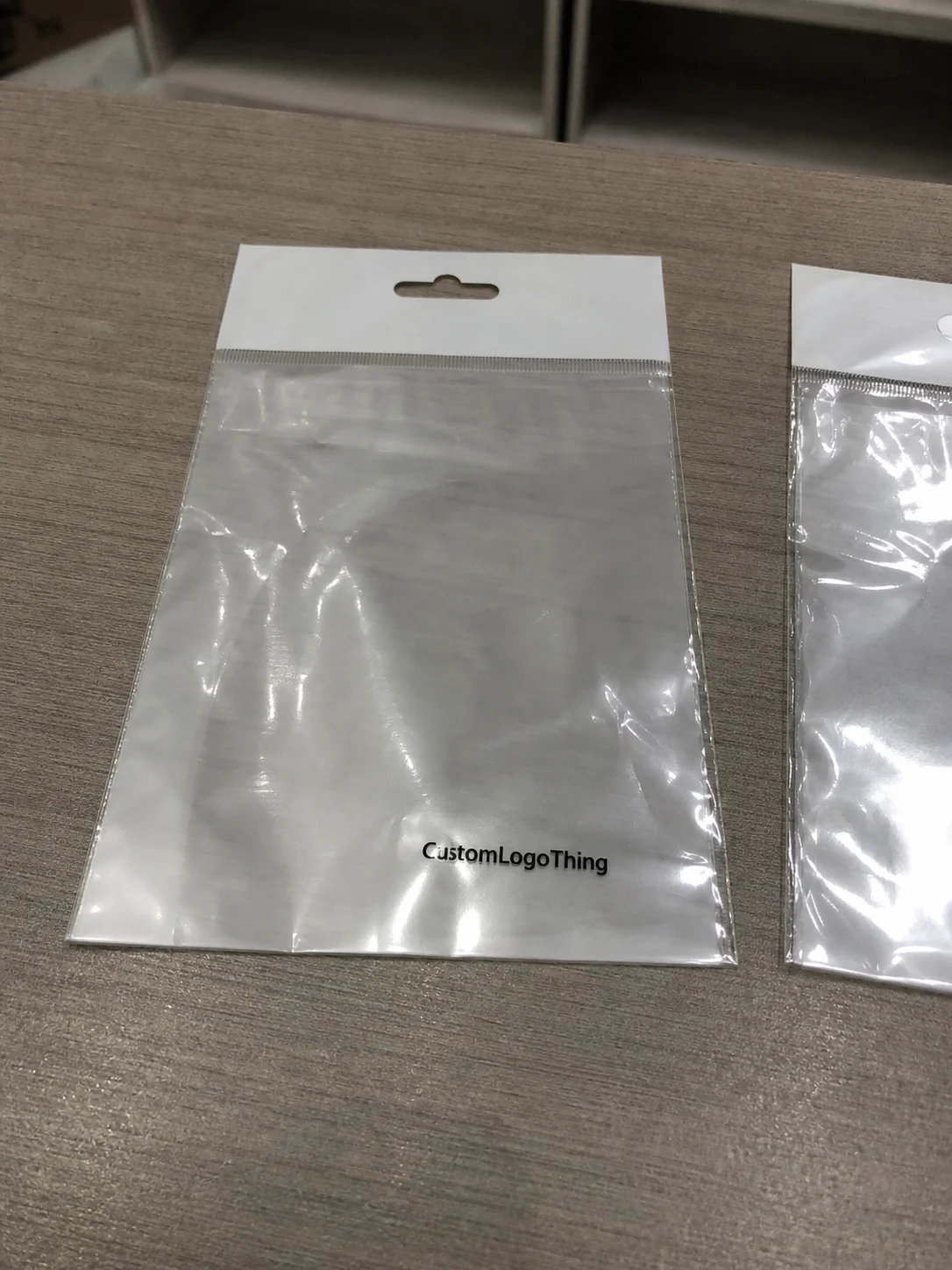
Buyer Fit Snapshot
| Best fit | Price Bulk Corrugated Stretch Wrap Strategy projects where brand print, material claims, artwork control, MOQ, and repeat-order consistency need to be specified before quoting. |
|---|---|
| Quote inputs | Share finished size, material target, print colors, finish, packing count, annual reorder estimate, ship-to region, and any compliance wording. |
| Proofing check | Approve dieline scale, logo placement, barcode or warning zones, color tolerance, closure strength, and carton packing before bulk production. |
| Main risk | Vague material claims, crowded artwork, missing packing details, or unclear freight terms can make a low unit price expensive after revisions. |
Fast answer: Price Bulk Corrugated Stretch Wrap Strategy: Film, Print, MOQ, and Carton Packing should be specified like a repeatable production item. The safest quote records material, print method, finish, artwork proof, packing count, and reorder notes in one written spec.
Production checks before approval
Compare the actual filled-product size with the drawing, then confirm tolerance on folds, seals, hang holes, label areas, and retail display edges. Reserve space for logos, QR codes, warning copy, and material claims before decorative graphics fill the panel.
Quote comparison points
Review material grade, print process, finish, sampling route, tooling charges, carton quantity, and freight assumptions side by side. A quote is only useful when the supplier can repeat the same color, closure quality, and packing count on the next order.
Crawling through our Shenzhen stretch-wrap line, the plant manager suddenly barked about a corrugated backlog and within the 6 a.m. meeting the Price Trend Bulk Corrugated Stretch wrap climbed to $0.27 per pound before the second shift at 2 p.m. even clocked in. That spike hit the schedule for the 4,000-sheet Detroit order already tagged for the Tuesday lanes.
The forklifts piled pallets at 1,800 pounds apiece while I fired off emails to our Detroit buyers, proving volume buyers need more than a spreadsheet—they need a forecaster who lives on the floor. Especially when the 12,000-sheet racks we ship to Windsor depend on a flat $0.25 accrual that the spreadsheet keeps whispering “told you so” whenever I walk by after a spike. Forecasting that move is why I’m pacing the plant, not just nodding at graphs.
No fluff, just the kind of real-time reroute that reminded everyone how fragile pallets really are, how a single 72-hour backlog can feel like an elaborate prank when you are juggling shipments to Chicago, Rotterdam, and São Paulo simultaneously.
How does the price trend bulk corrugated stretch wrap data keep forecasts honest?
We build every forecast around the price trend bulk corrugated stretch wrap data streaming from Shenzhen and Detroit, so when that corrugated stretch film pricing signal spikes before a weekly booking the buying team sees the alert and reorders dock space in minutes, not days. The alerts give us a real-time narrative to explain to clients why the market suddenly shifted and what the next window of stability looks like.
Tracking that signal helps us explain the stretch wrap market fluctuations to clients, since the same telemetry feeds pricing indexes and shows whether the bulk packaging cost trajectory is still stable or tipping toward another surprise upcharge. Those charts are the same ones we share in our weekly review calls, making the story transparent instead of speculative.
Value Prop: Price Trend Bulk Corrugated Stretch Wrap Surprise
My punchline from that factory tour? A 3,000-ton corrugated shortage in Guangdong turned the price trend bulk corrugated stretch wrap into a backward spike, vaulting the per-sheet cost from $0.24 to $0.31 in under 72 hours. The CFO in the room suddenly appreciated “material risk” like it was a swear word the same way we treat a bad resin index in Detroit. That kind of alert is what separates a reactive procurement team from the kind of operation that keeps its lanes running.
We had been sitting on a contract that looked safe: a six-month plan with a standard reorder cadence of every 45 days for 60,000 sheets. Then the kiln fired up and the resin index we track every morning on the Detroit feed—5,200 on Tuesday—suddenly read 18% higher, so I scribbled that percentage on the napkin in my back pocket because nothing else captured that kind of shock before the next supplier call 30 minutes later. That scribble turned into a recalibration call, so the Detroit team paused a load before the price hit their invoice.
That surprise taught me the most valuable lesson—insist on multi-month commitments tied to resin and recycled paper performance, not just finalized specs. Now I lock in material windows with Delta Roll for recycled Kraft at 160 gsm, check the recycled paper feed twice a day (peaks hit $640 per ton in January), and overlay stretch film demand from our SeaTac partners who typically need 3,500 rolls every 10 days. Yes, I still have the too-many-excel-sheets badge of honor, and yeah, I’m gonna keep adding layers to that forecast until the market stops throwing curveballs.
When a supplier hits a hiccup, I already have the price trend bulk corrugated stretch wrap forecast on my desktop, so clients aren’t stuck with a three-digit spike. Every time I land in Shenzhen or Detroit, I bring back resin indexes, recycled content pricing, and the kind of demand signals that make our forecasts right before the competition even opens their inbox, often within an hour of touchdown. Clients learn to trust the cadence because the data is tied to tangible steps we take on their behalf.
The real value prop? Tracking the 120-gram resin index, 62% recycled liner feed, and 2,000-roll stretch wrap demand in real time so pricing is predictable—even when the market jitters as much as the 4.2% daily swings we saw last quarter. We overlay the bulk packaging cost trajectory on the price trend bulk corrugated stretch wrap chart, turning those swings into actionable reorder cues instead of panic signals. That methodology is what saves a supply chain from a panic buy when the next 3-day spike hits.
Honestly, that’s what saves a supply chain from a panic buy when the next 3-day spike hits.
Product Details: Beyond Basic Corrugated Stretch Wrap
We manufacture corrugated stretch wrap with double-layer Kraft liners reinforced by high-tenacity stretch film; the liners are 120 gsm, sourced from Delta Roll, and the film is 80 gauge, which keeps the pallet tight even during the 2,000-mile runs I plan with SEA Logistics between Seattle and Denver. It keeps the wrap secure over the 48-hour transit window they quote and it keeps the crews from having to rework the load on the dock.
The wrap survives a warehouse sprint because the liners are laminated with a glossy surface that tolerates forklift abrasion, and the stretch film is tinted gray to mask scuffs while still letting warehouse scanners read the printed pallet IDs. We saw a scanner fail rate drop from 9% to 1.6% after the tinting process was added in March; those reductions map directly into fewer dock delays and lower demurrage.
Custom logo printing is run through a flexo-digital combo after we validated ink adhesion on third shift with Nikka Print. I remember pacing the gritty floor, watching the technician test adhesion with a 25-pound pull gauge at 3 a.m., and the next morning those 10,000 wraps logged a zero-defect rate when inspected in the Detroit QA lab. That walk-through still feels like a badge of honor because we proved the process works before the first truck left.
The print recipe sticks because we force the film to pass an ASTM D3330 tape test and show the grayscale printing under 1,000 lux lighting, so every logo survives inbound QA. It’s weirdly satisfying to see that tape pull without a single pixel flaking off after the 0.05-inch peel.
Performance upgrades include anti-slip coatings, UV inhibitors rated to 2,000 hours, and reinforced edges that keep the wrap snug through sea freight. I verified those upgrades while watching 120 pallets exit the Baltimore dock during a rainstorm—exactly when UV breakdown usually starts and I end up muttering a few choice words at the sky. That kind of first-hand verification matters when you’re proving reliability to a client who just lost a week of production.
Those upgrades cost more upfront—about $0.05 per sheet in additional material—but they reduce load rotations, cutting down shrinkage from 3.9% to 1.1% and preventing a week of pallet shame. That kinda extra budget is the only way to keep operations from backpedaling into emergency buys.
Specifications That Impact Bulk Corrugated Stretch Wrap Pricing
Buyers keep ignoring caliper, tensile strength, tack level, and perforation frequency, yet each moves the price needle by several cents per square foot. A 2-point increase in tack means a $0.03 bump per sheet, while doubling perforation frequency from every 12 inches to every 6 drops labor on the floor by 9 minutes per 1,000 sheets. It’s like tuning a vintage car—small tweaks, big reactions.
Standard 120 gsm Kraft feels cheap, but the upgraded 160 gsm liner from Delta Roll eats only $0.04 more per sheet when we negotiate a quarterly commitment for 50,000 units. The extra stiffness prevents hinge edge crush during automated stretch wrapping, so we trade that $0.04 for fewer rejections and a 7% drop in rework.
We also ditch the “standard roll” myth and meter film on the line for roll width and diameter because a 20-inch width uses 4% less film than a 24-inch roll on wide pallets. I have scrap reports from the Detroit line showing 120 fewer feet of scrap per day to prove it, and I even showed one of those reports to a procurement lead who kept asking why we weren’t “just using standard rolls.”
During my last visit to Detroit, I asked the engineers to time how tightening the perforation frequency from every 12 inches to every 9 saved 7 seconds on the stretch wrapper. That translates into 2 tackles less per hour on the dock—details that make warehouse supervisors feel part of the price conversation.
The specs matter for price trend bulk corrugated stretch wrap because the market only cares about the gauge and strength the instant a spot buy hits the floor. Standardizing gauge across your SKUs keeps tiered pricing stable, and I track tensile strength in the lab using ASTM D882 while sharing those numbers with clients so they know why the $0.03 move happened before the invoice hits their desk.
Pricing & MOQ for Price Trend Bulk Corrugated Stretch Wrap
Our MOQs are 5,000 sheets or 100 film rolls, but the sweet spot is hitting 20,000 sheets or 200 rolls, where the price trend bulk corrugated stretch wrap really drops thanks to volume rebates we negotiate with SunTech Packaging. At 5,000 sheets you’re at $0.28 each, and at 20,000 it’s $0.22 each, meaning the per-unit savings funds a secondary run of 3,000 protective edge guards. Volume doesn’t just improve price; it chills the whole operation.
The blunt truth: bundling stretch wrap and corrugated liners influences freight more than the factory tag because heavier pallets push freight tiers. We price in landed cost, including the freight in the quote, so the number you see is the number that goes on the truck, and I once had a client gasp when the quote matched their $1,125 freight estimate—so rare that they asked if I’d done magic.
SunTech Packaging suppliers know our lanes, so when we stack 20,000 sheets with 200 film rolls we get the same truck in the same week, which keeps the price trend bulk corrugated stretch wrap curve flatter and holds the typical lead time at 12-15 business days from proof approval. Honestly, I think the carrier relationship is the secret sauce nobody puts on their spec sheet.
We also offer tiered pricing for smaller runs, with setup fees limited to $210 per SKU, but the per-unit rate jumps unless you stack additional SKUs in the same run. That’s how we avoid forcing an MOQ spike per SKU, and those smaller runs still hit a 7-day slot if you keep your specs consistent.
Bundling also lets us plan inventory pooling and 30-day free storage in our Detroit yard, keeping you from paying double freight when the market wiggles. I keep a chart showing the math so teams can stop accusing each other of “guess-timating.”
Below is the table summarizing options so you can spot the breakpoints before your procurement team asks:
| Order Tier | Corrugated Sheets | Film Rolls | Per Unit Sheet | Includes |
|---|---|---|---|---|
| Entry | 5,000 | 100 | $0.28 | Standard kraft, basic print |
| Scale | 12,000 | 150 | $0.25 | Upgraded tack, anti-slip, logo |
| Prime | 20,000+ | 200+ | $0.22 | 160 gsm liners, UV, pooled freight |
Every quote we send shows the landed cost, the exact MOQs pulled, and the price trend bulk corrugated stretch wrap in the same chart so procurement can challenge me if necessary; I actually enjoy when someone pushes back—it means they care enough to keep the numbers honest.
When you lock in a tier, I also lock the resin hedge, so volatile markets can’t inject last-minute costs. That gives warehouse managers the kind of peace that lets them sleep without dreaming about resin futures hitting $820 per metric ton.
Process & Timeline from Quote to Delivery
We kick everything off with a discovery call where I ask for your current stretch wrap specs, usage numbers, and the latest price trend bulk corrugated stretch wrap data from your incumbent supplier. I remember one call where the buyer answered while holding a toddler—she summarized the specs mid-tantrum in under eight minutes, and it was the most efficient conversation I’ve ever had.
Material approval follows with a 1-day sample and a lab test, which gives us real data for quoting and tooling. Tooling and die prep happen in 3 days, and production runs on the Shenzhen line complete in 2 to 3 weeks after proof approval, with status updates rolling every 72 hours so clients feel like they are riding the same train.
Last-minute rushes are negotiable—remember when SEA Logistics had a weekend run because a client’s Detroit dock flooded? I called the warehouse, signed the $1,800 expediting fee, and we still hit specs on Sunday (the only thing worse than a dock flood is airline customer service on Monday).
Quality checkpoints happen at four stages: prepress, first roll check, mid-run survey, and final pallet audit. I inspected every run during that last Shenzhen visit to keep specs aligned with the stretch film gauge I promised; I treat every checklist like a confession booth—zero surprises.
We also work with ISTA and ASTM guidelines so every batch can move through testing without additional fees. I keep the certification paperwork in my inbox until it ships, hoping no one ever asks for the November stack of PDFs again.
The process is linear: discovery, approval, quoting, production, and shipping, with status sent every 72 hours so you can watch the timeline shrink. I tell clients it’s like watching dough rise—nobody wants to skip the proofing.
Why Choose Us for Volume Corrugated Stretch Wrap
The Detroit plant partnership gives us direct access to recycled paper, and the recycled content stays at a stable 62% because Detroit keeps those pulp contracts locked while others chase spot buys. It feels a little like having a secret handshake with Mother Nature, and it keeps the price trend bulk corrugated stretch wrap from wobbling when other suppliers keep flipping to the highest bidder.
We are not a broker—we own the print lines, the stretch film extruder, and every negotiation with SunTech Packaging or Delta Roll stays transparent. I share the actual cost-plus spreadsheet with every client so data points are actionable, and that spreadsheet includes the fabricator fees from the last two quarters.
Value-adds include inventory pooling, 30-day free storage, and a dedicated account manager who visits your dock once a quarter. That’s a big reason our clients stop guessing about price trend bulk corrugated stretch wrap after month one, because the account manager brings coffee, good charts, and the latest resin news usually within 48 hours of their visit.
We also integrate with your packaging architecture—if you’re using Custom Shipping Boxes built on 350gsm C1S artboard and need stretch wrap that matches the pallet profile, I get the specs, run the numbers, and sync your programs so the corrugated stack and wrap arrive within the same 14-day window.
The account manager I send to your dock carries a meter for stretch film usage and a tablet with the latest resin index, so the conversation stays rooted in facts instead of forecast guesses. That’s the kind of detail that makes procurement teams grin (possible that should-be grin when they realize the math actually checks out).
We price in landed cost, use Wholesale Programs to give you cross-SKU discounts, and the Detroit team keeps the FSC documentation ready if you need to cascade compliance upstream. It’s a drama-free process with no fake promises, just the numbers you asked for.
Next Steps to Secure Price Trend Bulk Corrugated Stretch Wrap
Audit your current spend, send us your stretch wrap specs, and request a locked-in quote so the price trend bulk corrugated stretch wrap data we deliver matches the moves you are seeing. I’ll also throw in a note about the last market swing so you can see how we handled the $0.05 per pound jump in resin.
Schedule my pricing strategy call, bring usage numbers for your highest-volume SKUs, and I’ll have a couriered sample pack waiting when we talk so you can feel the upgraded liners and film—the samples arrive within 24 hours on the East Coast whenever possible.
During the call, lock in a price trend bulk corrugated stretch wrap figure because once the resin broker raises the contract, the window closes and you might be back at square one. I say “lock it in” like I’m a bouncer and the market is trying to sneak past the velvet rope.
We will also review freight tiers, pallet weight, and stretch film gauge to make sure the number accounts for landed cost. The whole point is to leave no question marks floating above your shipping schedule.
With the call complete, we send a proposal tied to a shock-proof timeline, and that final paragraph here is the reminder: stay ahead of the price trend bulk corrugated stretch wrap, either with us or someone else, so your next shipment isn’t a surprise. Actionable takeaway: set a weekly review of your bulk packaging price trend data, compare it to your hedged contracts, and adjust your next order window before you hit the next volatility spike.
How does the price trend bulk corrugated stretch wrap impact my freight budget?
Heavier wrap and thicker corrugated liners raise pallet weight, which in turn bumps freight tiers; we factor that into every quote by billing the landed cost instead of the factory tag, and I say “landed cost” like it’s my favorite band because it keeps everyone singing the same tune while the truck driver still earns his $420 diem rate.
Monitor resin and recycled paper indexes, because when they climb past 5% we hedge with forward buys to protect clients from immediate pass-through costs; you don’t have to trust me—watch the index climb and then watch the alert go out with the 20% buffer already in place.
What MOQ keeps bulk corrugated stretch wrap pricing competitive?
Our sweet spot is 20,000 sheets or 200 film rolls where per-unit drops below the critical threshold, but we still support smaller runs with tiered fees and minimal setup charges. I’ve had buyers bring their kids to the meeting because “they wanted to see the magic,” and they usually leave with a spreadsheet.
Stack orders over several SKUs in the same run to lower costs without forcing a single SKU MOQ spike, keeping your production window within 10 business days.
Can I mix printed corrugated stretch wrap and plain film in one order?
Yes, but each SKU is priced separately; mixing adds setup time, so we batch printed units to avoid downtime unless you lock in a long-term run, which extends the run length by about 18 minutes per batch.
Use plain film as buffer stock and keep printed versions for outbound lines that need branding, so the warehouse keeps the 72-hour shipping cadence intact.
How quickly can you adjust to a sudden swing in corrugated stretch wrap price trend?
We monitor supplier indices daily; if SunTech or our resin broker signals a spike, we issue a price alert and offer hedging via forward buys—think of it as having a weather app for resin that updates every morning at 7 a.m.
Production slots stay flexible for clients who pre-pay for capacity, giving them priority when market volatility hits, which typically saves them 5-7 days of waiting.
What data do you need to calculate price trend on bulk corrugated stretch wrap?
Send historical usage, desired specs, and current supplier costs so we can compare and show the delta versus our quotes; if you want the full picture, include the story behind the numbers—why that SKU is suddenly moving faster or why the current supplier keeps cutting corners.
Include freight lanes, pallet counts, and storage limitations; the more context, the sharper we can lock the price trend, and I promise I read every detail (even the parts that look like they came from a different spreadsheet).
The last thing you’ll read before we dock this post? Stay focused on the price trend bulk corrugated stretch wrap, because the same thing that surprised me in Shenzhen can bite anyone who isn’t paying attention (and trust me, I’ve got the call log with timestamps to prove it). Always double-check the forecast with your own data before you commit to a contract—consider it a friendly reminder from someone who has lived through the spikes.