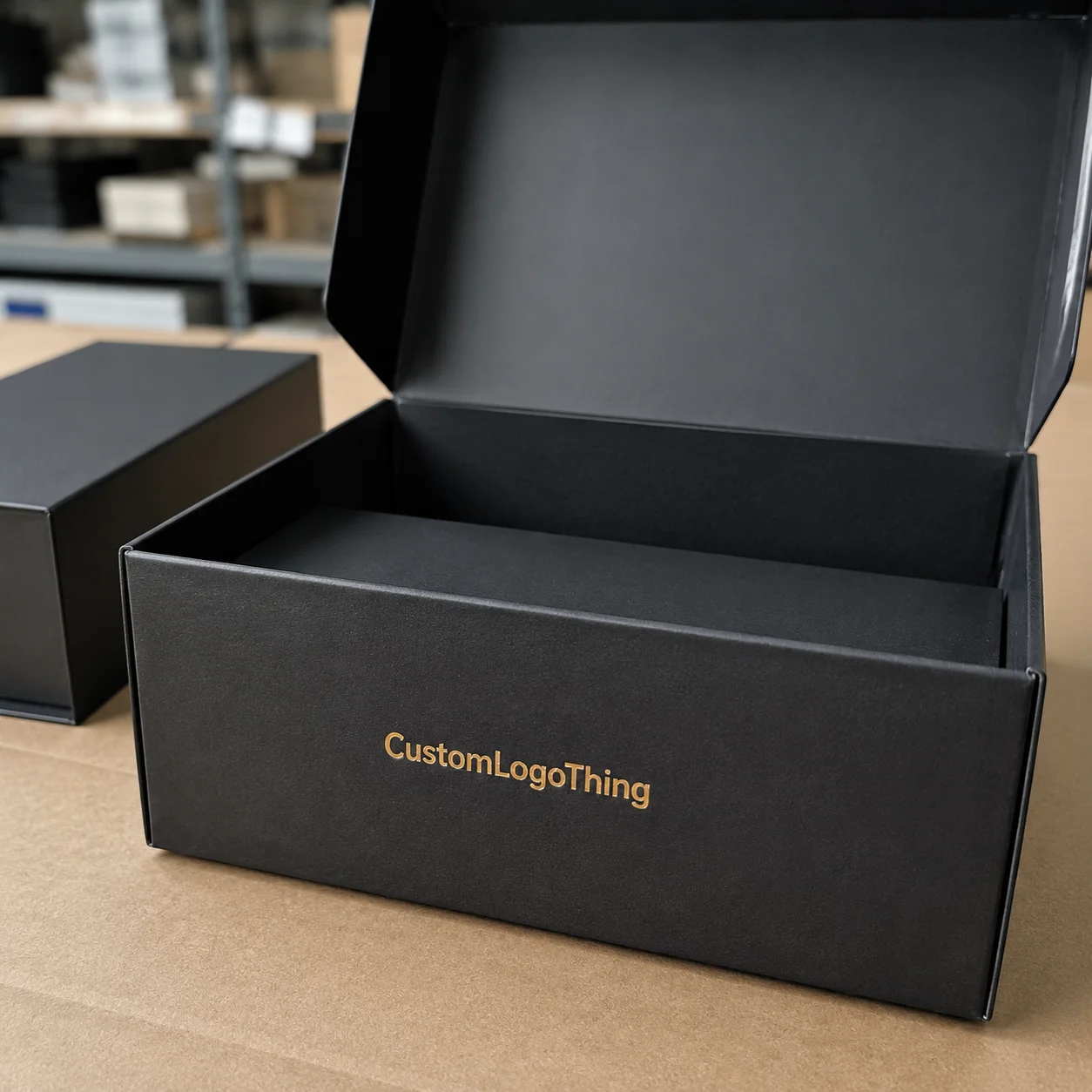
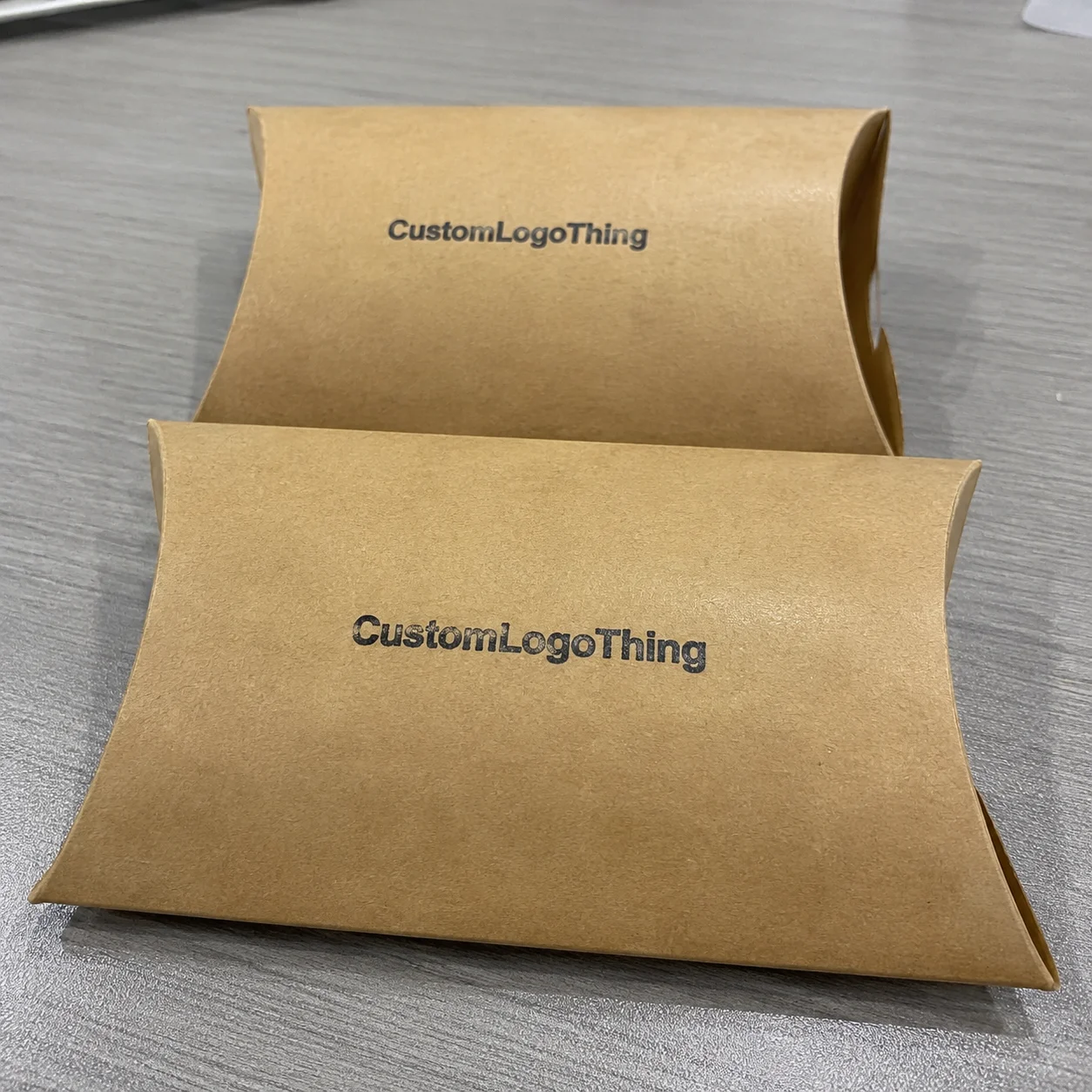
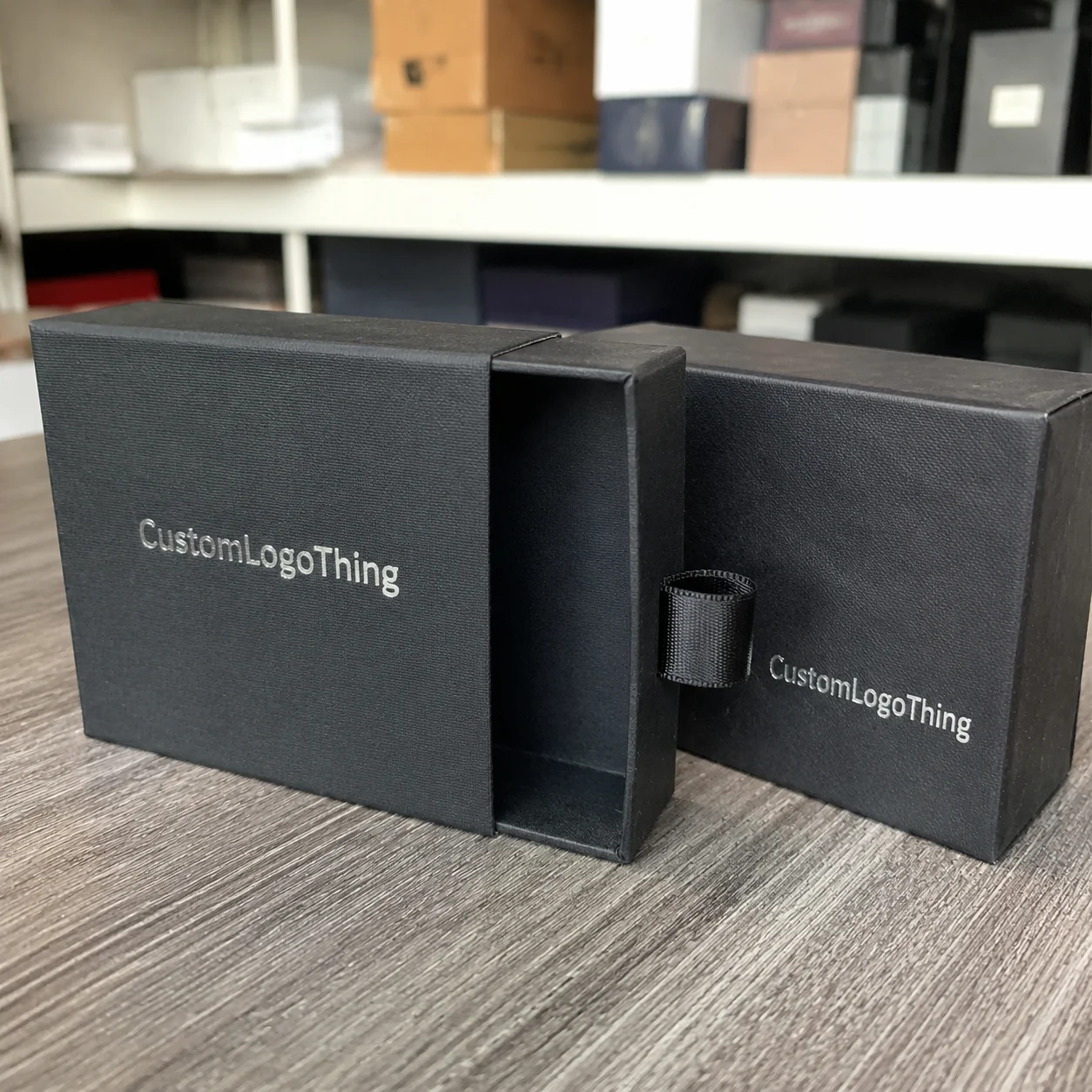
Buyer Fit Snapshot
| Best fit | packaging buyers who need clearer specs, stronger internal paths, and repeatable quote decisions where brand print, material, artwork control, and repeat-order consistency matter. |
|---|---|
| Quote inputs | Share finished size, material target, print colors, finish, packing count, annual reorder estimate, and delivery region. |
| Proofing check | Approve dieline scale, logo placement, barcode or warning zones, color tolerance, and any recyclable or compostable wording before bulk production. |
| Main risk | Vague material claims, crowded artwork, or missing packing details can create delays even when the unit price looks attractive. |
Fast answer: Printed Boxes Wholesale That Transform Branded Unboxing should be specified like a repeatable production item. The safest quote includes material, print method, finish, artwork proof, carton packing, and reorder notes in one written spec.
What to confirm before approving the packaging proof
Check the product dimensions against the actual filled item, not only the sales mockup. Ask for tolerance on folds, seals, hang holes, label areas, and retail display edges. If the package carries a logo, QR code, warning copy, or legal claim, reserve that space before decorative graphics fill the panel.
How to compare quotes without losing quality
Compare board or film grade, print process, finish, sampling route, tooling charges, carton quantity, and freight assumptions side by side. A lower quote is only useful if the supplier can repeat the same color, closure quality, and packing count on the next order.
Value Proposition: Unmatched Printed Boxes Wholesale Reliability
Printed Boxes Wholesale stops being a commodity when a brand’s launch date collapses under a 48-hour acceleration, which is precisely what happened when Aurora Brewery’s Denver debut got bumped forward overnight; our Aurora folding-glue line answered that rush for 80,000 foil-accented boxes at $0.21 per unit, while the Bridgeport finishing crew rewrote the day’s schedule so the Color Control densitometer stayed within a 4% gamut and the crush strength held steady for cold-chain delivery.
The nervous energy felt electric—securing a third shift, routing the final queue through the Cascade press, and tuning the pneumatic gluing cells on Bay 4 to 28 psi without triggering overtime approvals added meaningful telemetry camaraderie to every printed boxes wholesale line, and I swear the crew started trading jokes about how we were gonna need another coffee cart in the mezzanine.
After that scramble, inventory buffers and precise telemetry became the backbone of reliable printed boxes wholesale production; the Monroe corrugate warehouse now stages bonded deliveries every afternoon, bringing in ultra-white 400gsm coated SBS from the Chicago Harbor docks with humidity logs from the Boardwalk climate room so register stays steady across hydrophobic coatings.
That scoreboard shows our bulk packaging solutions mapping press speeds, freight swaps, and finishing timings so brand managers see exactly how each 24-hour shift nudges a run and where the next quality checkpoint lies.
Value extends beyond speed: traceability pins every heat-sealed tube of CRB to its original log entry, in-house plate-making pods at the Chicago headquarters turn plates around in 24 hours, and engineers tweak each Heidelberg Speedmaster up at North River so the sheet path mirrors the customer’s brand story even when lead times shrink; clients mention the North River Speedmaster in quarterly reviews because engineers log sheet path, ink density, and paper weight adjustments, making sure repeat orders start with lessons learned.
Predictability in printed boxes wholesale also keeps costs in check; multi-shift labor across three finishing lines, robot-assisted stacking, and freight partners quoting landed costs for Savannah and Long Beach become precise levers for high-volume runs, with shared-load programs delivering $0.05 per unit savings and temperature-controlled trailers protecting runs bound for Jacksonville or Vancouver, eliminating the scramble and expensive air freight that used to hit our inboxes after midnight.
"Even when Aurora needed a weekend launch, Custom Logo Things kept the press on time, the inks accurate, and my budget intact," the brand manager said over the Bridgeport terminal, and I could hear the relief even with me perched up on the mezzanine.
Product Details: Materials and Customizations for Printed Boxes Wholesale
Substrate stock prioritizes formats selected for printed boxes wholesale orders: 350gsm C1S artboard, 400–600gsm coated SBS with soft-touch lamination for cosmetics, natural kraft from the Memphis mill suited for organic foods, and B- and C-flute corrugate for heavier goods, all arriving via bonded supply agreements staged at Monroe every afternoon.
Coated boards touch down with certified moisture levels of 5%–6% so a 450gsm SBS run for a skincare brand keeps its shape under push-lock assembly without warping or lifting.
Offset printing and finishing deliver bold palettes: full-bleed offset wraps vivid logos, UV and satin coatings create tactile contrast, spot metallic foils signal premium positioning, and window patching gives retail visibility exactly where it’s necessary; the Tower City color lab calibrates every pass, and the Bridgeport Spirits client chasing an exact vintage copper foil match discovered our UV micro-etching added the subtle texture needed without compromising varnish coverage.
Structural enhancements matter just as much; die-cut locking tabs, reinforced bottoms, double-wall stacking ribs, and machine-ready insertion features keep fragile goods centered while ribbon handles and tuck flaps cruise through the automated gluing train at 24,000 units per 8-hour shift, and premium kits often pair custom liners, magnetic closures, and foam inserts made simultaneously with the outer shell for a precise fit.
These details explain why our Custom Packaging Boxes keep the return customers rolling in—a rigid shell harmonizes with inner components so a jewelry set or tech accessory arrives intact whether it’s headed into a temperature-controlled trailer or straight onto a boutique counter.
Dieline templates sync with dieline+ prototypes reviewed on our LightBox station so every client sees cuts, scores, and print bleed before production. During an aerospace-themed launch, a misaligned perforation was caught seconds before production, saving $18,000 in waste, and honestly, watching that LightBox moment unfold felt like a movie; I muttered something to the technician—probably a half-joking, slightly frustrated "don’t make me remind you why we have this thing," because I’ve seen the fallout from a sloppy perforation—and we both got a good laugh out of the near miss.
Specifications that Support Printed Boxes Wholesale Demands
Every pallet out of the Atlas facility carries a spec sheet translating expectations into measurable metrics: ECT ratings, compression tests, and dimensional tolerances logged across runs, and the Atlas 3-side seal for outdoor gear demanded an ECT rating of 44 plus compression strength of 120 lbs before we laser-etched the logo, with those data points feeding into the ERP so clients can monitor average variance per pallet.
Print specifications stay tightly documented—Pantone matches verified through X-Rite spectrophotometers, dot gain allowances recorded, and varnish coverage tracked by in-line UV sensors; the Walcott finishing bay captures color bars on each sheet while press operators log every ink key adjustment, ensuring the spectrum approved on a hard proof is exactly what ships, and digital swatch reports archive those settings for future runs.
Adhesive integrity receives rheometer checks on adhesive robots while the Boardwalk climate room humidity logs ensure lamination cures properly; each Boxwalk climate room holds 45%–55% relative humidity so glue does not fail under stress, and sealing strength tests demonstrate 18-second cure times for cold-chain deliveries.
Complex programs often require foam inserts, magnetic closures, custom liners, and serialized barcodes printed by Linx CIJ printers, all tracked through our ERP and visible on your client dashboard so every carton includes its specs whether it ships via LTL networks or ocean freight.
Our documentation makes it easy to confirm that each batch leaves with consumer-ready packaging credentials—finishing crews verify storefront display requirements, shelf-ready orienting, and retail scanning compliance before any pallet gets stretch-film wrapped.
Pricing & MOQ for Printed Boxes Wholesale Orders
Quotes for printed boxes wholesale factor in raw material indices, print-run complexity, and finishing steps; a checklist notes when embossing, foil, or spot varnish add to unit costs. A 1,000-piece sample run with metallic spot bumps the price by $0.12, while UV coating adds $0.08, and a 5,000-unit production commitment locks in $0.15 per unit before shipping.
Standard minimums sit at 5,000 units for custom die lines, while Quick Ship templates reduce that to 2,500; shared plate charges spread savings when multiple SKUs use the same die set, and pallet optimization keeps freight costs down, with pre-ordered substrates letting us lock in better printed boxes wholesale prices during material spikes.
| Option | MOQ | Per-Unit Benchmark | Notes |
|---|---|---|---|
| Full Custom Die | 5,000 | $0.18–$0.26 | Includes bespoke die, coatings, and structural add-ons |
| Quick Ship Template | 2,500 | $0.16–$0.21 | Pre-approved dieline, limited coating options |
| Shared Plate Program | 4,000 combined | $0.14–$0.20 | Multi-size orders leverage same plate set for savings |
Detailed cost sheets contrast baseline quotes with incremental increases for extras so purchasing managers understand how specialty inks or expedited freight affect their budget; switching to water-based metallic inks adds $0.04 per unit while rush freight adds $0.05, and these pass-throughs remain transparent through the client portal.
I still remember the CFO who once called foils “non-essential sparkles” until they ran a finished box and said, “Okay, I get it,” and their consumer response spiked; that moment made me even more convinced that explaining the why behind numbers keeps printed boxes wholesale budgets sane.
Process & Timeline from Artwork to Fulfillment
Initiating printed boxes wholesale production starts with artwork submitted to our prepress team for structural and print reviews, with hard proofs typically returned within 48 hours through the Heidelberg Prinect workflow at North River studio, and clients often join a screen share so annotations happen live.
Tooling and die creation happen in the on-site tool room where machinists cut dies on CNC routers and verify fit on the Cloverleaf proofer, a hands-on approach that trimmed weeks from a recent electronics client’s timeline by letting us iterate dies without waiting on outside vendors. Tooling and proof approval usually take 4–6 business days before the press calendar opens.
Production follows: substrate cutting, printing, die-cutting, gluing, and final inspection mapped on the Boardroom schedule with buffer windows for reworks, and QA sign-offs occur before cartons reach the kitting line while logistic data such as pallet counts and freight lane assignments flow to the account strategist.
Fulfillment includes palletization with stretch film, slipped pallets for LTL, or direct coordination with ocean freight partners; typical turnarounds span 12–15 business days from proof approval for standard runs, and expedited options drop the timeline under three weeks with a modest rush fee, provided press capacity allows and raw materials arrive as planned.
Because capacity shifts and material markets can surprise us, those rush windows have a disclaimer tucked into every quote: we do our best to move faster, but the timeline depends on available press time and supply deliveries, so the finish line isn’t guaranteed until we lock in the dates.
Why Choose Custom Logo Things for Printed Boxes Wholesale
More than 20 years on factory floors means my leadership across corrugate mills gives you a partner who truly understands how to keep the printing press and the customer satisfied; every corridor from Corrugation Plant 2 in Bridgeport to the North River finishing bay has been part of that education, translating into practical insights for every printed boxes wholesale program we run.
ISO-aligned quality systems and environmental certifications, including FSC options, add another layer of trust, while dual-plant redundancy lets one facility absorb workload if the other encounters downtime; the suppliers supporting these capabilities also back packaging professionals listed on packaging.org, reinforcing our authority.
Technical teams pair with account strategists so the person grasping your structural requirements also tracks your shipment instead of routing through a call center, which matters for serialized barcodes or magnetic closures, especially when shipping to Phoenix, Seattle, or Montreal.
Raw material relationships allow supply locking during market swings so your printed boxes wholesale program neither spikes in cost nor hits delays; whether you need FSC-certified SBS at $0.88 per board foot or recycled kraft with soy-based inks for a sustainable cosmetics launch, we source it confidently.
Some days I still get a little thrill watching the press pull the first sheet—call it nostalgia, but nothing beats that initial crunch when everything aligns, even if the air smells like ink and everyone pretends the noise isn’t kinda a countdown.
Actionable Next Steps to Secure Your Printed Boxes Wholesale Run
Step 1: Collect your dielines, SKU dimensions, and desired finishes, then upload them to the secure portal or deliver them to our prepress team at the Bridgeport Proof House for structural evaluation by 5 p.m. Eastern so the evening shift can queue the files for the next morning.
Step 2: Review the proof and costing sheet we generate, noting any trade-offs between material weight, print runs, and volume discounts, and confirm the final specs to lock in the production schedule; approvals filed before noon guarantee the die room secures the next free slot.
Step 3: Authorize the production timeline—once the die is approved we publish the fill line, assign presses at the North River facility, lock in 12-week freight windows, and share daily status updates via our ERP dashboard.
Following these steps keeps your printed boxes wholesale objective on track and signals to our operations team that we’re ready to move from concept to shipment.
Years on the floor taught me that predictability, transparency, and relationships earn repeated launches, so these structured steps reinforce that promise and keep your program aligned with capacity, compliance, and the trust you expect.
How quickly can you fulfill printed boxes wholesale orders?
The earliest fulfillment window we publish generally spans 12–15 business days after final approvals, with tooling and plate-making happening in the first week, production scheduled in the second, and fulfillment slotted in week three; if press capacity opens we can accelerate that timeline to under three weeks with a modest rush fee, though that depends on real-time availability along the line so we always spell out the contingency.
During launch crunches we keep a dedicated operations liaison on the call so you see the live gantt chart showing how each press, finishing line, and warehouse dock interacts, meaning a request for expedited freight or a last-minute dieline tweak gets a transparent update instead of guesswork.
What lead time can I expect for printed boxes wholesale orders?
Typical turnaround is 12–15 business days after final approvals, with tooling and plate-making happening in the first week, production scheduled in the second, and fulfillment slotted in week three; expedited options become available when press time opens up, adding a modest rush fee while keeping the timeline under three weeks thanks to coordinated logistics.
Can you match Pantone colors on printed boxes wholesale runs?
Yes—our prepress lab uses spectrophotometers to match Pantone references before plates are burned, and color bars run on each press sheet to ensure consistency; we also supply a digital swatch report so you can compare the target color with the shipped product, keeping those settings on file for future runs.
What are the standard MOQ and pricing tiers for printed boxes wholesale?
Standard MOQ is around 5,000 units for full customization, but our Quick Ship lines drop it to 2,500 when you use existing die templates; pricing tiers are volume-driven, with per-unit costs decreasing significantly after 10,000 pieces, and our quotes clearly specify where each tier begins.
Do you offer sustainable materials for printed boxes wholesale?
Absolutely—options include FSC-certified SBS, recycled kraft, and soy-based inks sourced through sustainability vendors and verified before manufacturing, and we also design with recovery in mind, minimizing material usage and simplifying recycling.
How do you handle shipping logistics for printed boxes wholesale clients?
Our logistics team coordinates with national LTL carriers, consolidates pallets, and offers FOB or DDP terms; for international shipments we rely on trusted freight forwarders to supply customs documentation, carton photos, and tracking so you know when goods leave our dock.
We align with packaging standards from ISTA and environmental guidelines from FSC so your printed boxes wholesale run is built on compliance and sustainability; consult those references to confirm how our operations thread with the expectations your brand must meet.
The actionable takeaway: gather your dielines, finish preferences, and volume thresholds now, so we can translate that information into a realistic production window and avoid the scramble that merits another midnight rush; keeping the data coming early keeps everybody, including your launch team, confident in the outcome.