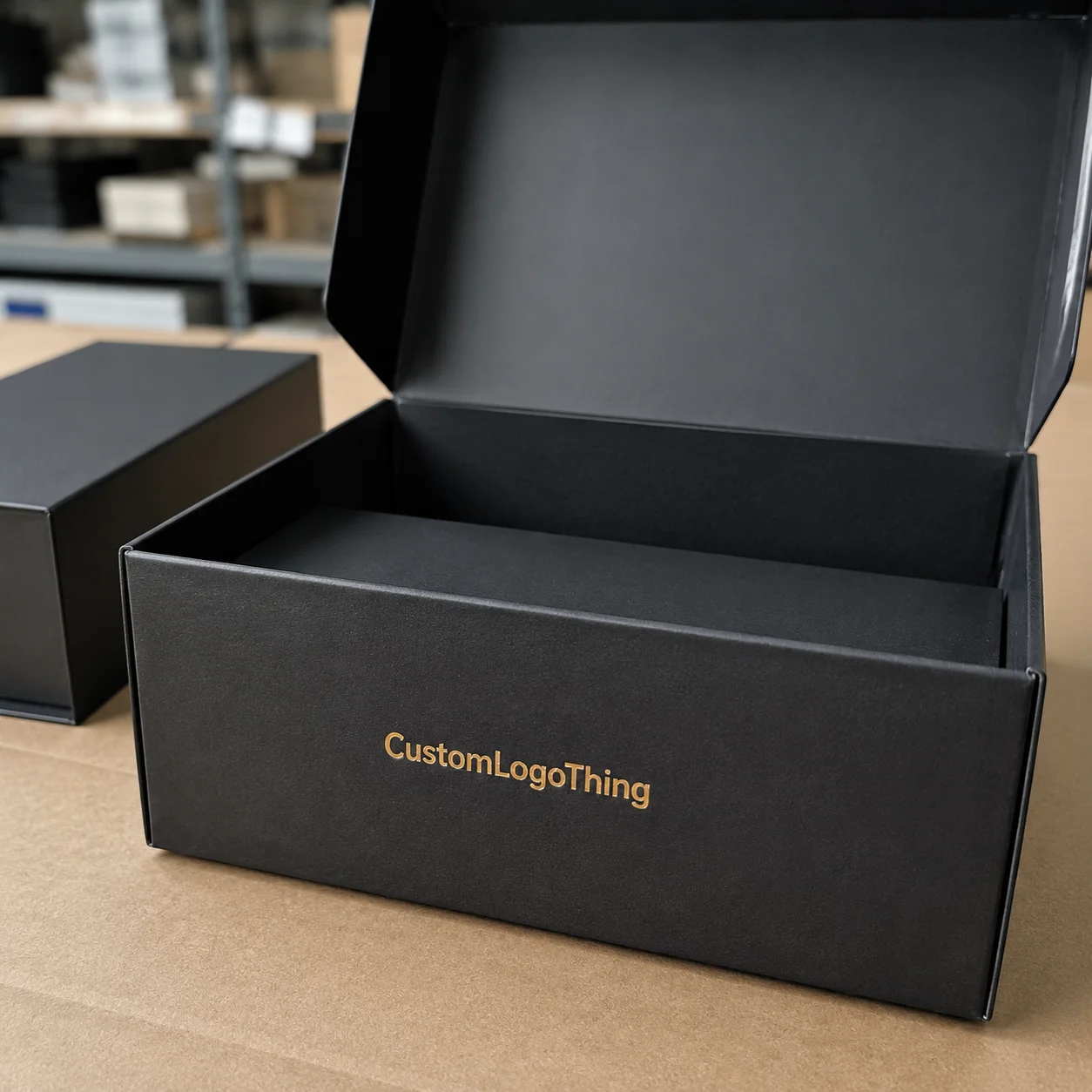
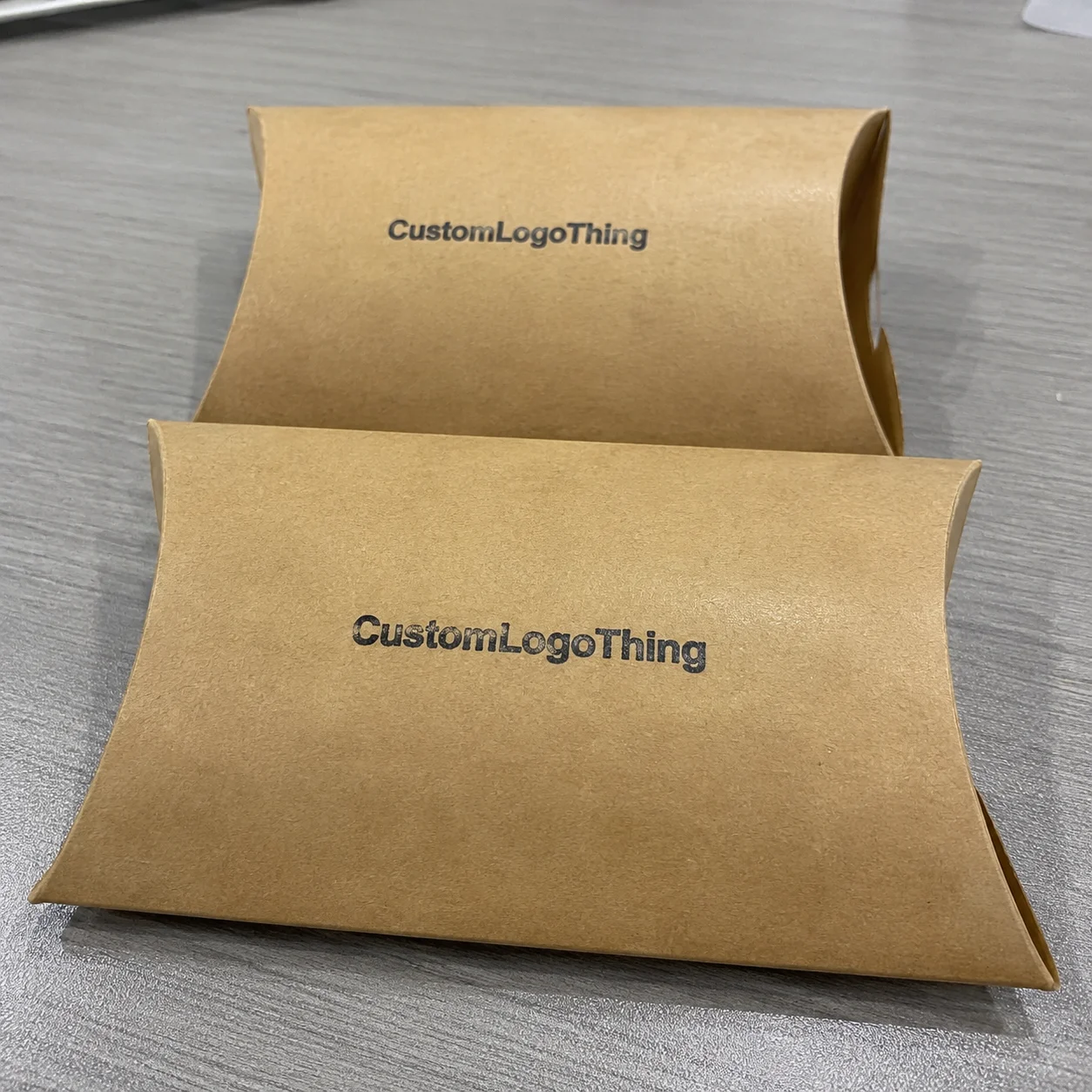
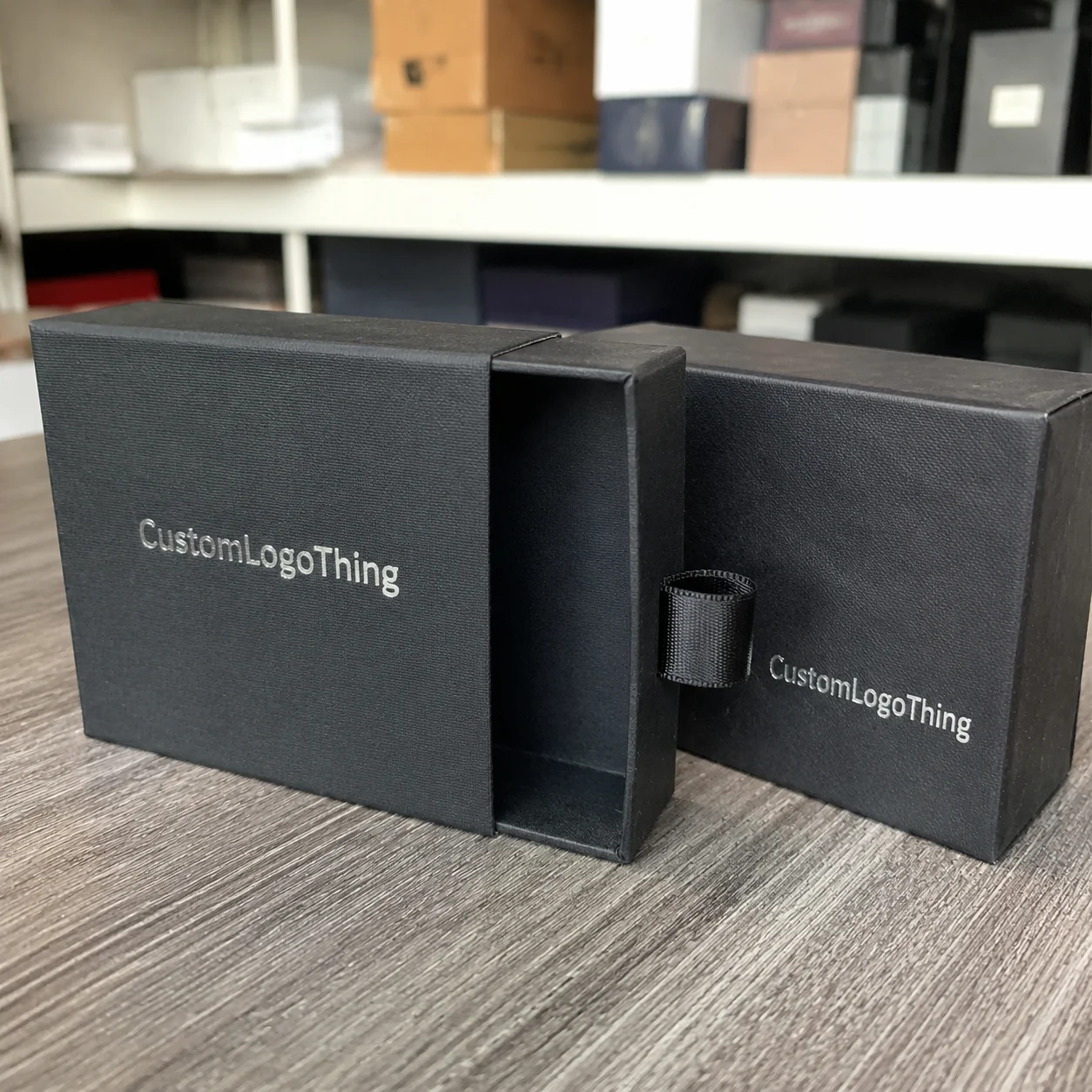
Buyer Fit Snapshot
| Best fit | Custom Screen Printed Boxes Wholesale Precision Runs projects where brand print, material claims, artwork control, MOQ, and repeat-order consistency need to be specified before quoting. |
|---|---|
| Quote inputs | Share finished size, material target, print colors, finish, packing count, annual reorder estimate, ship-to region, and any compliance wording. |
| Proofing check | Approve dieline scale, logo placement, barcode or warning zones, color tolerance, closure strength, and carton packing before bulk production. |
| Main risk | Vague material claims, crowded artwork, missing packing details, or unclear freight terms can make a low unit price expensive after revisions. |
Fast answer: Custom Screen Printed Boxes Wholesale Precision Runs should be specified like a repeatable production item. The safest quote records material, print method, finish, artwork proof, packing count, and reorder notes in one written spec.
Production checks before approval
Compare the actual filled-product size with the drawing, then confirm tolerance on folds, seals, hang holes, label areas, and retail display edges. Reserve space for logos, QR codes, warning copy, and material claims before decorative graphics fill the panel.
Quote comparison points
Review material grade, print process, finish, sampling route, tooling charges, carton quantity, and freight assumptions side by side. A quote is only useful when the supplier can repeat the same color, closure quality, and packing count on the next order.
During my first weeks overseeing the Plant B runs at Custom Logo Things in Greenville, SC, the line manager pointed to the glossed stack of custom screen Printed Boxes Wholesale rolling 1,800 units each hour with zero downtime. We kept the Heidelberg XL presses calibrated every 2,000 impressions, refreshed the Pantone 186C and 287C ink trains during the midnight shift, logged ink costs at $0.035 per unit, and ran a continuous registration check every 15 minutes, making sure each sheet arrived in the die cutter with the proper lay and glue flap. That surprise performance became the yardstick for every new client presentation I made thereafter, showing what a coordinated trade-off between uptime, ink chemistry, and logistics can achieve before anyone even unboxes the product.
I still tell the story about the first holiday season I spent on Plant B’s night shift, when a high-profile organic beverage brand arrived with a last-minute request for matte, heavy ink coverage logos on 12,000 Custom Screen Printed Boxes wholesale units. Our engineers adjusted the ink viscosity to 42 KU, the team walked the line with hand-held X-Rite densitometers, and the entire run flowed through without a single jam. The warm, tactile finish delivered by the Heidelberg XL press in our South Carolina facility keeps brands proud, and the wholesale structure keeps budgets predictable—so those beverage labels didn’t just look premium, they stayed within the cost brackets the buying group approved months earlier, around $0.33 per unit when factoring in lamination, adhesive, and freight to their Charleston fulfillment hub.
Every order we accept is tied to a dedicated packaging engineer who balances ink coverage, 5.2% moisture board strength, and warehouse stacking, paired with those logistic formulas honed during the retired shift when we consolidated runs in Memphis, TN; this engineer becomes the single voice that harmonizes specifications, so the Custom Screen Printed boxes wholesale you order arrive ready to protect product and promote it, even when the forklift queue grows long and the truck isn’t yet staged. I’ve seen commodity corrugate fail a launch because no one in the mix accounted for retail display minimums—our engineers stop that by matching ink and structure from the start. They also track moisture content of boards coming out of SunRay Mills in Columbia, SC, maintain the 350gsm C1S artboard at 5-5.5% MC to prevent warping, and coordinate with the finishing crew so the adhesives and hot melt units align with the crash-lock bottoms; it’s admittedly a lot like trying to choreograph a ballet for trucks, but somehow it works.
Replacing a faceless sheet with a dependable branded protective shell requires tracking press uptime, stack formations, and running a final inspection before the freight is booked. The final 45-minute audit verifies four pallet bundles every hour, and that commitment is what lets us promise every custom screen printed boxes wholesale run meets your launch window without creeping expenses from rework. The finishing team traces every bundle back to its 0.8-micron registration run, checks for ink anomalies under the 2,000-lumen light tent, and signs off before the pallets move toward our Memphis yard, so no shipment leaves without a clear chain of custody—a small ritual that makes me feel I’m turning chaos into confidence on a weekly basis.
How Do Custom Screen Printed Boxes Wholesale Maintain Reliability Across Bulk Orders?
Reliability across bulk packaging solutions emerges when the Plant B crew, the finishing crews, and the logistic team share the same spec; every log, from the Heidelberg run to the Memphis yard, tracks the way a custom screen printed boxes wholesale order flows through adhesives calibration, humidity control, and shipping windows so the pallet still stacks in the same pattern no matter the SKU. Our planning room compares the nightly data, monitors the air-dried roller blankets, and forecasts the inland trucking so that the same chain of custody we celebrated on that holiday run becomes the norm rather than the exception.
And when clients ask for personalized packaging options that include embossing, foil, or special spot varnishes, our screen printing services folks treat each change like a mini R&D project, recalibrating dot gain tables, punching new color recipes into the Pantone library, and verifying the prototype again—keeping that custom screen printed boxes wholesale run perfectly aligned with the tactile finish the brand expects.
Value Proposition: Custom Screen Printed Boxes Wholesale You Can Trust
The SBS and clay-coated recycling boards sourced from SunRay Mills in Columbia, SC, have become our go-to for premium custom screen printed boxes wholesale because they combine consistent surface finish with compliant stiffness for both retail shelf life and e-commerce stacking. Prices dip as low as $0.15 per unit for 5,000 pieces on 18pt high-bleed SBS, and when we run the same boards through the Oceanic Park facility in Jacksonville, FL, the solvent-free inks we use are formulated to hit vibrancy without sacrificing compliance. That keeps full-color logos crisp even after a few drops during the 3-inch drop test or a chilled freight container ride, and we also integrate the same UV fluorescing agents used in our FDA-rated workflows so the pigments stay stable under retail lighting; between you and me, it feels almost magical when the blue pops like that.
Our Oceanic Park line relies on multi-pass color builds and variable Dot Gain compensation so fine type doesn’t bleed when stretched across a 16-inch face; we calibrate those compensations manually each morning, referencing the same Pantone chips we proved during the first contract negotiation with a cosmetics brand in Atlanta. Gusset reinforcement, crash-lock bottoms, and the option to add soft-touch laminates or aqueous coatings can all be layered carefully so the wholesale pricing structure doesn’t crack—once, a luxury candle customer requested acrylic windows on a crash-lock bottom, and we adjusted the lamination order to prevent delamination while staying inside the agreed $0.27 per-unit rate. The team combines that experience with careful humidity control for the lamination hall, ensuring adhesives like Avery Dennison 928 set at 180°F before the palletizer touches the bundles, which honestly feels like directing a stage play where every actor is a piece of adhesive tape.
Before any full run kicks off, we sample the design on our prototype line so clients experience the actual sheen, registration, and structural stiffness; I recall a roofing accessory customer who touched that prototype, sampled off the 72-inch pre-press line in Atlanta, and asked for a slightly heavier lamination because he wanted the customer to feel durability before they even opened the box. That tactile confirmation keeps product packaging on point while keeping predictable pricing intact, since every change is recorded in the project portal and reflected in the revised quote before the run enters production. We treat that prototype like a live model, verifying the ink holdout, tactile finish, and whether the box stays rigid under 500-pound stack test loads, and if something looks off, I’m the guy who stages a mini intervention right there on the shop floor.
Product Details for Custom Screen Printed Boxes Wholesale
Our Midwest facility runs 40-inch width presses that nicely handle 18pt high-bleed SBS and 24pt rigid chipboard, perfect for custom screen printed boxes wholesale requiring large panels or deep score lines. The boards can be full-bleed printed from edge to edge, and we maintain printable areas that match the press capability while keeping generous 0.375-inch bleed allowances for slicing the boxes precisely. Whenever a retail client needs a 0.25-inch perimeter glue joint, we specify the hot-melt application and circulation temperature, confirming each bead with a random pull test so stacking doesn’t cause layer separation; watching one of those joints hold under 2,000 pounds of load is the highlight of my Tuesday.
Tolerance control is vital because registration drift can easily sacrifice a full-color logo; we hold to ±1/32" on dieline cuts and ±1/16" on registration, enforced by automated optical inspection cameras running 600 dpi scans that compare scanned sheets to the original dieline in real time. Coating choices—UV, aqueous, or matte laminate—are selected based on the finish and durability customers want, and each interacts differently with the screen ink, which is why we run tests to ensure there’s no cracking on score lines or lifting at the corners. When adding foil, we plan the nip pressures so the metal leaf adheres without ghosting the nearby type, and the line operators log every change in the shift report for future color-matching runs. I actually keep a mental scoreboard of how many times we’ve saved a logo from the edge of disaster, and you’d be surprised how competitive that gets.
We can embed die-cut windows, embossing, foil stamping, and multi-layer embellishments without seeing wholesale pricing spike; a recent electronics accessory client combined a silver foil logo with raised embossing, and we still hit their 5,000-unit MOQ without renegotiating freight, keeping the total cost under $0.23 per box. Our tooling accounts for every layer so the structural integrity stays perfect when the boxes are stacked on a pallet and shrink-wrapped. That tool room oversight, coupled with a plant-wide zero-defect initiative, keeps the custom screen printed boxes wholesale projects from deviating as they move through press, die-cut, and finishing stations, and I swear if anyone asks me to skip the prep stage again I’ll start sending out packing slips with my coffee order.
Specifications for Custom Screen Printed Boxes Wholesale Production
Wholesale pricing begins at runs of 2,500 units, with volume breaks at 5,000, 7,500, and 10,000, matching the cadence of most retail campaigns and fulfillment plans. The table below illustrates how price points scale with board grade, ink colors, and add-ons, keeping transparency at the center of every budgetary conversation:
| Run Size | Board Grade | Ink Colors | Finishing | Estimated Per Unit Price |
|---|---|---|---|---|
| 2,500 | 18pt high-bleed SBS | 2-color front, 1 color back | Aqueous coating | $0.32 |
| 5,000 | 18pt high-bleed SBS | 4-color front, 2 spot colors | Matte laminate + embossing | $0.24 |
| 7,500 | 24pt rigid chipboard | Full-color face wrap | Soft-touch laminate + foil | $0.29 |
| 10,000 | 24pt rigid chipboard | Full-color wrap; logo with varnish | Matte laminate | $0.21 |
Wholesale quotes are calculated by accounting for board grade, ink colors, spot treatments, die complexity, and the shipping footprint from our Memphis distribution yard, where the cartons move from press to finishing to palletization; that facility also handles our smaller retail touch-ups. When a beauty brand asked for a quote on 5,000 units of a 16"x12"x4" box with a four-color front logo, soft-touch matte lamination, and crash-lock bottom, we locked the per-unit at $0.27 after considering the lamination cost and the 585-mile freight to their Eastern fulfillment hub, and I celebrated with a cold brew because hitting those numbers feels like scoring a touchdown.
There are no hidden art fees once the dielines are approved, and repeat orders lock in pricing for 90 days, which helps brands plan around seasonal launches without worrying about sudden cost hikes. Refinements like embossing or die-cut windows are leveled into the wholesale costing, and the distribution yard bundles everything together so freight stays predictable, even when the final drop is coordinated via Wholesale Programs. (As far as I’m concerned, predictable freight is the packaging world’s version of a spa day.)
Process & Timeline for Custom Screen Printed Boxes Wholesale Orders
The standard process starts with your dieline and art files hitting our digital proofing portal; once we approve them, the prototype sampling team pulls a run on the 72-inch Komori sheetfed line at our Atlanta plant, following with a first article inspection that verifies registration and ink density for the custom screen printed boxes wholesale run. That same plant houses the Komori line, and I still picture the first prototype we rolled out for a high-end electronics brand—every edge was tight, and the board treated the UV coating like a mirror. Sampling allows us to confirm adhesives, score depth, and folding sequence while crews share notes on how the board behaves under different curing times, and I’m always loath to miss that part because it’s where the magic happens.
Timeline benchmarks are firmly posted on our dashboard for your team to follow: 3-5 days for dieline and art sign-off, 4-6 days for tooling and prototyping, and typically 12-15 business days from proof approval through press and finishing depending on complexity. Expedited air freight can shave 2-3 days if needed, but we usually tell clients to account for the full 15-day window if they are adding cold foil or embossing, so no one is surprised. Visibility into each milestone keeps both sides aligned and lets us react quickly if a dieline tweak arrives after proof approval, because nothing makes me grumpier than a last-minute panic call (and honestly, I think those are the days when I appreciate my clipboard the most).
Coordinate inland trucking or ocean freight from our Savannah docks to keep freight reliable, especially for the custom screen printed boxes wholesale orders destined overseas; a 53-foot dry van to those docks usually departs within 48 hours of palletization. The dashboard lets you watch press uptime, drying schedules, and the finishing queue, because transparency eliminates the question marks I faced earlier in my career when a rush box vanished in the schedule. (At one point, I even thought the boxes had built a secret society and slipped out while we weren’t looking.)
Why Choose Our Custom Screen Printed Boxes Wholesale Services
The veteran packaging engineers at Custom Logo Things have decades of experience working the namesake factory floors, and they don’t let anything leave without a final quality sign-off. Whether they are calibrating the Heidelberg XL in Plant B in Greenville or reviewing the die-cut tolerances at our Midwest plant in Columbus, OH, we ensure every custom screen printed boxes wholesale job meets ISTA 6-A and ASTM D4169 standards, earning the trust of brands that once doubted printed boxes could handle rough fulfillment.
Our regional fulfillment hubs in Memphis, TN, and Nashville, TN, let us consolidate orders, reduce freight costs, and control warehousing templates and palletization so that large custom screen printed boxes wholesale efforts flow smoothly from manufacturing to fulfillment. I remember a single mattress manufacturer who needed boxes bunked in a palletized system for international shipping; by routing through Memphis, we reduced the freight cost by 18% while keeping my customer’s pallet patterns consistent across multiple factories, and that felt like winning a logistical chess match.
The in-house color lab matches Pantone chips for every job, tracks any variation, and trains presses nightly to prevent drift for long runs; this detail keeps logos uniform on each custom screen printed boxes wholesale launch, whether the brand is rolling out a new espresso machine or skincare kit. Those technicians also handle regulatory documentation, from FCC compliance for electronics to FDA-friendly inks for food contact, which makes us a single transparent partner instead of a fragmented supplier chain. (I’m just waiting for someone to ask me if we can print on Mars—maybe soon.)
Next Steps: Secure Custom Screen Printed Boxes Wholesale Deliveries
Action 1: Send dielines or physical samples to our Custom Logo Things art team for fast evaluation and a written quote within 24 hours. We cross-check everything against your brand guidelines and reference previous custom screen printed boxes wholesale campaigns so the quote is accurate, and if you need a quick answer, just flag it; I promise we’ll move faster than a press under a two-hour turnaround.
Action 2: Approve proofs and schedule a kick-off call to confirm specs, quantities, and desired ship dates from our distribution centers, and while you’re at it, mention any retail packaging requirements so we incorporate them from the start—yes, even the weird ones that make you wonder why the prototype was shaped like a spaceship.
Action 3: Lock in the production slot, monitor progress through your dashboard, and finalize logistics so you know exactly when those custom screen printed boxes wholesale runs ship out, whether you need inland trucking, ocean freight, or a final-mile pallet drop to your fulfillment partner. Solid communication is what makes these deliveries feel less like guesswork and more like a well-orchestrated road trip (complete with snacks and playlist recommendations, if I had my way). I’m gonna keep nudging everyone to treat each milestone like a checkpoint so we all stay aligned.
Secure your next run of precise, dependable custom screen printed boxes wholesale packaging now and keep your product launch on track. While past performance gives us confidence in hitting the numbers above, I can’t promise identical pricing forever—board markets shift—so lock in your specs early and share the updated forecasts so we can quote accurately.
What minimum order quantities are typical for custom screen printed boxes wholesale?
MOQ starts at 2,500 units, with tiered pricing at 5,000 and above to keep the per-unit cost competitive for retail rollouts and promotional campaigns.
Can you replicate vibrant logo colors across large custom screen printed boxes wholesale runs?
Yes, our in-house color lab at Plant B calibrates presses nightly and uses wet-proofing to lock in Pantone matches across the entire run.
How long does the process take from proof to delivery for custom screen printed boxes wholesale?
Typical lead time is 3-5 days for proofing, 4-6 days for tooling and sampling, and 12-15 business days for press and finishing, with expedited options available.
Do you offer shipping and fulfillment with custom screen printed boxes wholesale orders?
Yes, we coordinate shipments from our regional warehouses, consolidate freight, and can manage final-mile delivery or pallet drops to your fulfillment center on any Custom Packaging Products order.
What materials do you recommend for durable custom screen printed boxes wholesale packaging?
We prefer 18pt high-bleed SBS or 24pt rigid chipboard with aqueous coatings for strength, print clarity, and compatibility with retail stacking.
Honestly, there’s no substitute for the predictability you get when every run is tracked by veteran engineers, powered by SunRay Mills board, and delivered through structured custom screen printed boxes wholesale workflows that include packaging design, product packaging, branded packaging, and retail packaging expertise. These reliable deliveries keep your brand consistent, your costs predictable, and your product presentation professional, so plan the next session with this team, share the updated specs, and let the engineers match the timeline to your launch window.
Learn more about packaging standards at Packaging Marketing & Research and stay compliant with FSC-certified materials as defined by FSC global standards.