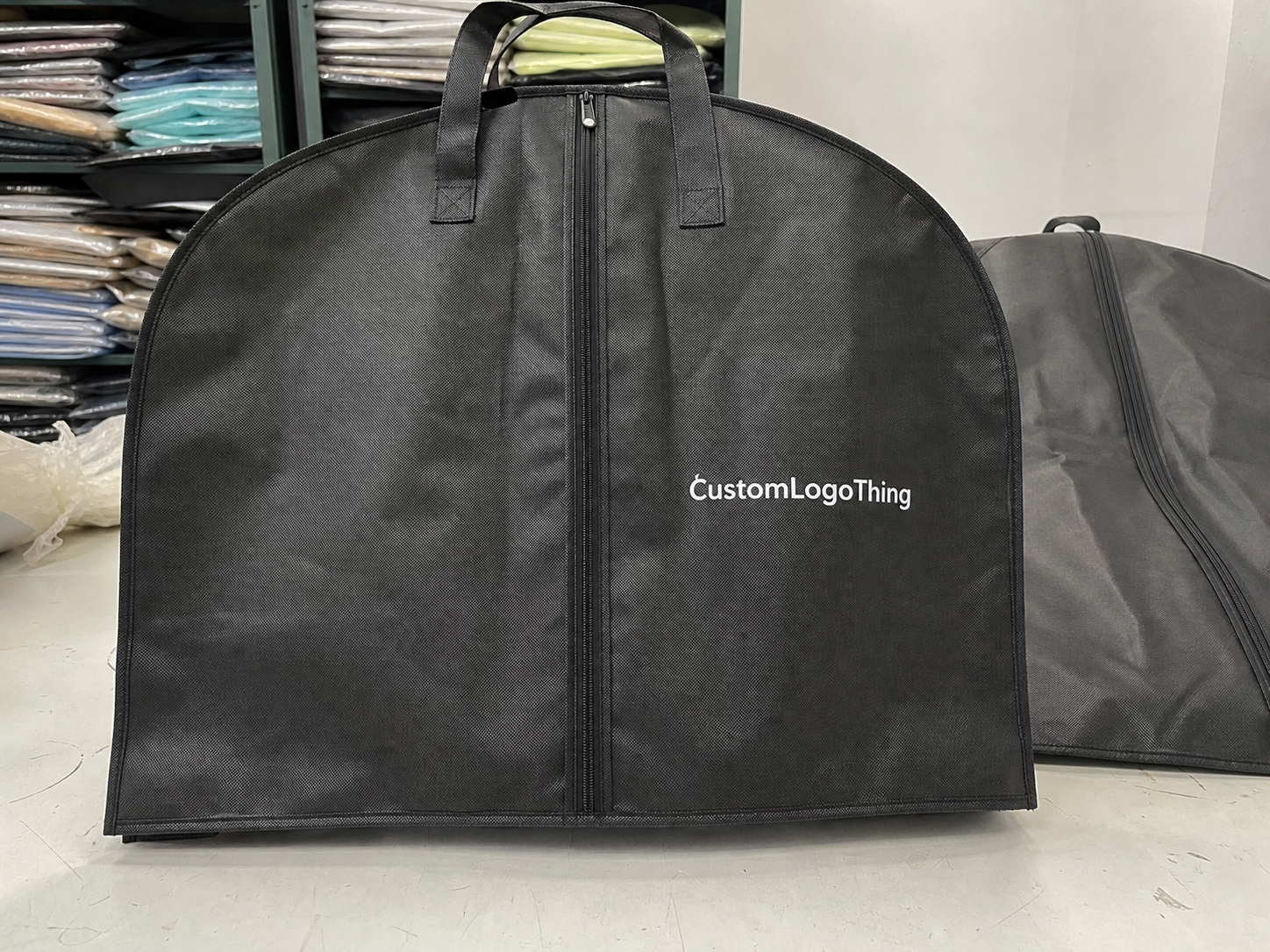
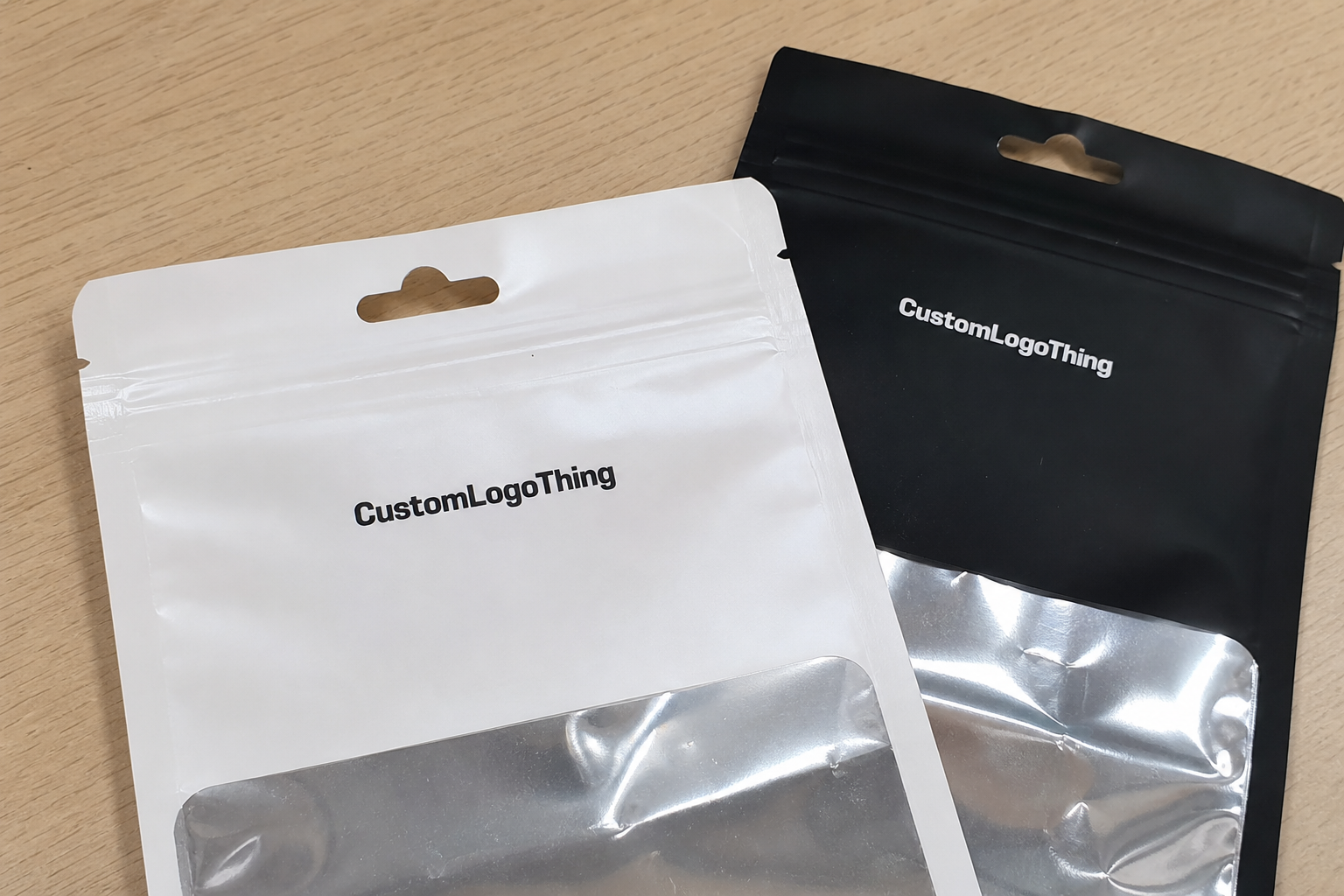
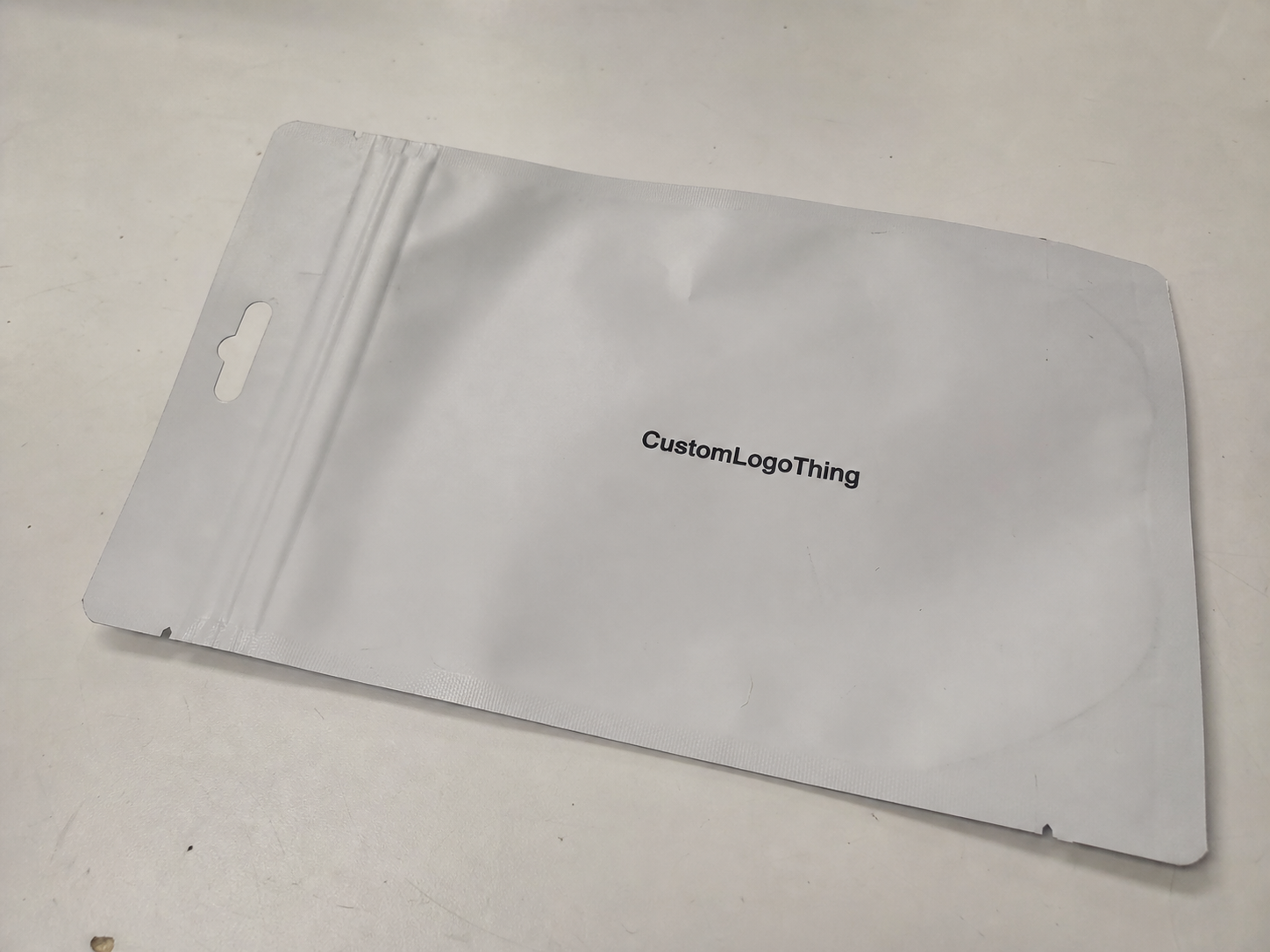
A garment can be well made and still arrive looking underwhelming if it is packed in a flimsy sleeve. That is where Logo Printed Garment Bags do useful work: they protect the item, keep it organized, and put the brand in front of the buyer before the fabric is even inspected.
The challenge is that a bag is not just a printed surface. Film gauge, size, venting, hanger access, closures, and print method all affect how it performs and how it looks. A bag that is too light, too short, or poorly sealed can wrinkle, split, or make the logo look low-grade. Buyers notice those failures quickly, and so do customers.
Why logo printed garment bags pull double duty on the rack
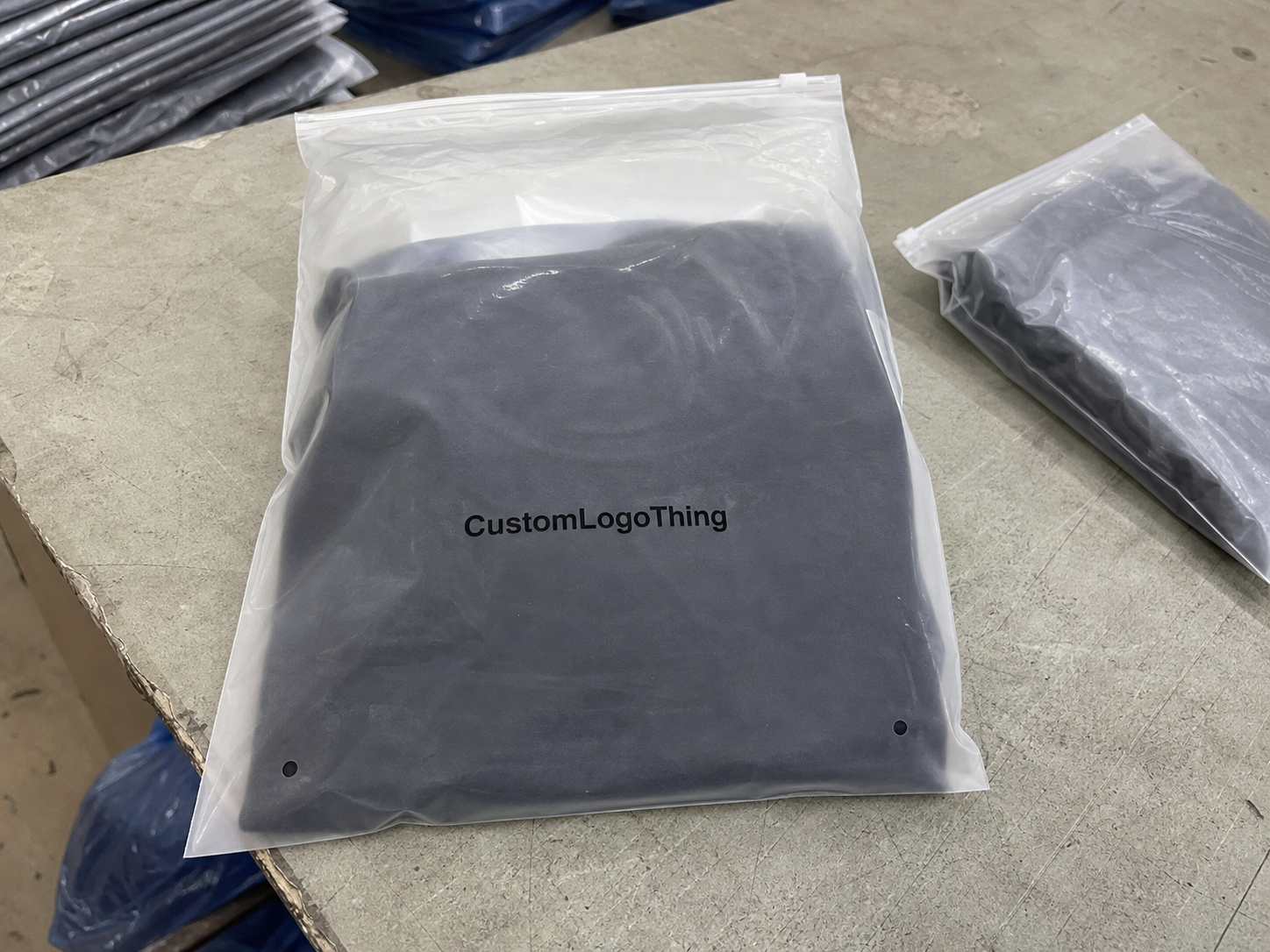
From a packaging buyer’s perspective, these bags serve two jobs at once. They protect garments during storage and transport, and they present the brand in a format that is visible the moment the bag goes on a rack or into a wardrobe. That is why they show up in retail, dry cleaning, uniforms, hospitality, and event apparel. One component handles both presentation and handling.
Functionally, the bag reduces dust, handling marks, and scuffing during movement between production, storage, and delivery. Visually, it creates a more finished first impression than a plain cover. A printed bag can make the same garment feel intentional and organized, but only if the layout matches the bag shape and the print remains readable at a glance. The logo does not need to dominate the panel. It needs to be placed where it reads cleanly and supports the level of the product inside.
There is also a workflow reason these bags remain standard. Retail teams want consistent presentation. Laundries want speed. Hotels want tidy wardrobe service. Uniform programs want repeatable handling. So the useful question is not whether to print the bag. It is whether the bag matches the garment, the storage conditions, and the amount of handling it will face.
A thin bag can save a few cents and then tear at the hanger slot, wrinkle at the seam, and tell the customer the brand cut corners. That is not savings. That is a problem moved downstream.
One common mistake is starting with the artwork and only later thinking about use. A strong logo can still look wrong if the bag is too small, too light, or too rigid for the garment. In most cases, a simpler mark on the right bag spec performs better than a crowded layout forced onto a weak sleeve.
Materials, print methods, and closure options that matter
Most Custom Garment Bags are made from LDPE or HDPE film. LDPE is softer and more flexible, so it tends to drape better and feel less rigid in use. HDPE is crisper and often lower cost, but it can feel noisier and less premium. Thickness matters just as much as material. A 1.5 mil bag behaves very differently from a 2.5 mil bag around the hanger slot, bottom seal, and fold lines.
Clear film is useful when the garment needs to be seen for retail display or warehouse sorting. Opaque film hides the contents and gives more visual emphasis to branding. For short-term protection, a lighter gauge may be enough. For repeated handling, tighter packing, or higher-value apparel, thicker film is usually the better decision. If the bag is expected to move through stock rooms, carts, or trucks, material selection should reflect that reality rather than the lowest possible price point.
Print method depends on the artwork and quantity. Simple one-color logos are commonly a good fit for flexographic printing because setup is efficient and repeatability is strong on larger runs. More detailed branding, multiple colors, or frequent design changes can require a different print process, which affects both price and schedule. In practice, clean contrast usually matters more than trying to fit too much detail into a small print area.
Closures matter because they affect both protection and usability. The most common options are:
- Hanger openings for quick loading and display.
- Zipper or flap closures for dust protection and repeated access.
- Vent holes to reduce trapped moisture and improve airflow.
- Gusset depth for bulkier garments or layered packing.
- Bottom seals that resist splitting when the bag is full.
Transit and storage change the spec. A bag used only on a showroom rack can prioritize appearance. A bag that will be folded, stacked, or shipped needs more resistance to stress. If you expect rougher handling, it is reasonable to ask whether the construction has been tested for shipping abuse, not just shelf use. References such as ISTA and the Packaging Association are useful starting points when you want to compare handling expectations.
Cost, MOQ, and quote drivers you need to compare
Price is driven by a short list of variables: size, thickness, print colors, print coverage, closure style, and total quantity. If one quote is much lower than the rest, one of those variables has probably changed. Compare the same spec against the same spec, not a vague email against an assumption.
MOQ matters because custom print setup is real labor. Smaller runs are usually possible, but unit cost rises when setup is spread across fewer pieces. For seasonal programs, hotel openings, event wear, or trial quantities, a lower MOQ can be worth paying for. For recurring programs, larger runs usually bring the per-unit cost down enough to justify stock.
Unit price is only part of the landed cost. Freight, cartons, proof charges if they apply, samples, and pricing terms all affect the final number. Ex-works, FOB, and delivered pricing can make the same bag look cheaper or more expensive depending on what is included. A bag that is $0.03 lower per unit can still cost more once shipping and packing are added.
| Spec option | Typical use | Approx. unit price at 5,000 pcs | Buyer takeaway |
|---|---|---|---|
| 1.5 mil clear LDPE, one-color print | Retail cover, light storage | $0.18-$0.28 | Lowest entry cost, but not the best choice for heavy handling |
| 2.0 mil opaque LDPE, one- or two-color print | Branded apparel, dry cleaning, uniforms | $0.24-$0.36 | Good middle ground for presentation and durability |
| 2.5 mil gusseted bag with closure upgrade | Bulkier garments, repeated use, premium presentation | $0.32-$0.52 | Costs more, but usually feels more premium and survives harder handling |
Compare quotes only after confirming film gauge, dimensions, print method, number of colors, packing count per carton, and whether samples are included. If those differ, the quotes are not equivalent. The cheapest offer is often just the bag with the least material in it.
Production process: artwork, proofing, and timeline
The production sequence is straightforward: spec confirmation, artwork submission, digital proof, sample approval if needed, production, packing, and shipping. The tighter the brief at the start, the fewer corrections later. That matters for logo printed garment bags just as much as any other branded packaging item.
Most delays come from avoidable buyer-side issues: missing dimensions, low-resolution artwork, no Pantone target, or a late change to the closure after proof approval. If the logo uses fine type or thin lines, ask how the chosen film handles detail before the order is locked. A polished mockup does not guarantee the print will hold cleanly on the actual material.
Timeline is usually quicker for proofing than for production. A digital proof may come back fast, but setup and line scheduling still take time. For straightforward custom runs, a typical cycle is often 12-15 business days after approval, with transit added on top. Larger quantities, special film colors, or custom closures can extend the schedule. Rush orders are possible in some cases, but only if the supplier already has stock material, clean artwork, and no pending changes.
Proof review should be treated as a quality control step, not a formality. Check placement, logo scale, spelling, line weight, and viewing distance. If the bags will hang in a store or showroom, the mark needs to read clearly from a few feet away. Zooming in on a screen does not show how the brand will read in the room.
Before volume production starts, confirm these points:
- Print placement relative to the hanger opening and seams.
- Color match if the logo depends on a specific brand tone.
- Seal strength at the bottom and around the gusset.
- Bag count per carton so packing density does not crush the film.
- Sample consistency if the run must match an approved prototype.
That review catches the failures that matter: misaligned logos, type that disappears into folds, seals that split under load, and carton counts that damage the bags before they even leave the warehouse.
How to size and spec bags for suits, dresses, and uniforms
Garment type should drive the dimensions. A suit jacket needs a different width and length than a full-length dress, and neither should be forced into a generic sleeve because that was the first quote available. For jackets and suits, the key measurements are shoulder width and enough length to cover the hem without bunching. For dresses, especially formal pieces, the bag needs extra drop so the lower fabric does not compress.
Gusset depth becomes important quickly. A flat bag can work for a slim shirt or a light coat, but once you add padding, layered fabric, or repeated folding for transport, the extra room keeps the garment from being crushed. For uniforms, especially hospitality or service pieces that are handled often, easy access matters as much as appearance. If the bag fights every opening and rehanging cycle, it will not stay in use long.
Before requesting quotes, measure four things:
- Garment length from hanger top to hem.
- Shoulder width at the broadest point.
- Hanger style and the size of the hook opening.
- Folding method if the bag will be used in transport or storage.
Storage and distribution are not the same use case. A retail display bag can prioritize clarity and a neat hang. A bulk shipment bag may need thicker film, a stronger seal, and a closure that survives stacking. If the bag will be used in hotel wardrobes or dry cleaning operations, repeated handling and speed matter more than a glossy finish.
The cleanest spec is the one that matches the workflow in the building, not the one that sounds safest on paper. Buyers often overbuy length just in case, then pay for extra material they do not need. Extra length is not free, and neither is the bulk that comes with it.
Common mistakes that make the logo look cheap
The fastest way to make logo printed garment bags look low-end is to overload the print area. Oversized logos, tiny legal text, too many colors, or a layout that fights the bag shape create clutter instead of clarity. Simple is not a compromise here. It is usually the better choice for distance, cost, and legibility.
Low contrast is another common failure. If the logo is dark blue on a dark translucent film, or white ink is printed too lightly on an opaque bag, the mark reads muddy instead of crisp. Good contrast matters more than decorative detail. A strong, readable brand mark will outperform clever elements that disappear once the bag is hung.
Material choice can also undercut the appearance. Some buyers choose the thinnest film available because the quote looks attractive. Then the bag wrinkles badly, tears near the hanger slot, and makes the print look uneven. Thin film can work in the right application. It is not a good fit when the garment is heavy, handling is rough, or the brand needs a more substantial feel.
The last mistake is approving the proof too quickly. Check scale, spelling, color, and viewing distance. Confirm where the logo sits relative to seams and closures. Make sure the print does not disappear into folds when the bag is hung. A few extra minutes at approval time can prevent an entire run from looking off-brand.
If the proof looks “close enough,” that usually means someone is about to pay for “close enough” in full production.
Next steps before you request samples and quotes
Before asking for pricing, write the spec in plain language: bag size, material, thickness, closure, print colors, quantity, and target ship date. Include the intended use, whether that is retail display, dry cleaning, uniforms, hotel service, or event wear. The clearer the brief, the less time gets lost in revision loops and vague back-and-forth.
Ask for a digital proof first. If the artwork includes fine lines, small text, gradients, or a logo close to an edge or seam, request a sample before volume production. That matters even more when the bag is expected to feel premium in hand. A flat mockup on a screen does not tell you how the film will behave once it is printed, folded, packed, and hung.
Compare suppliers on three things: spec accuracy, lead time, and proof quality. Not just the headline price. A clear quote with defined assumptions is worth more than a cheaper one that hides missing details. If a supplier cannot state the film gauge, print method, or packing count per carton, then the number is not really a quote. It is an estimate with missing parts.
A practical decision path usually works: define the garment, choose the bag size, pick the film type, keep the print restrained, and verify the proof before ordering volume. That is enough to keep the bag functional and the branding clean.
What are logo printed garment bags usually made from?
Most are made from plastic films like LDPE or HDPE because those materials balance cost, clarity, and strength. Thicker film feels sturdier and resists tearing better, but it also adds cost and can reduce flexibility. Opaque bags hide contents better, while clear bags work well for retail display or distribution.
How many colors should I use on printed garment bags?
One color is usually the safest choice for clean branding and better unit cost. Two colors can still work if the logo is simple and contrast is strong. More colors raise setup complexity and can make a small print area look crowded fast.
What drives the price of logo printed garment bags the most?
Size, thickness, print colors, print coverage, and order quantity are the main cost drivers. MOQ and shipping can matter just as much as unit price if the run is small. If two quotes look wildly different, check whether the specs are actually the same before comparing numbers.
How long does production take for custom garment bags?
Simple runs can move quickly after proof approval, but custom jobs still need time for setup and production. Artwork problems, color changes, and sample revisions are the usual reasons timelines slip. Ask whether the quoted lead time includes proofing, manufacturing, and transit.
What should I check before approving a proof for garment bags with a logo?
Check logo placement, size, spelling, and color contrast first. Confirm the bag dimensions, closure type, and any hanger or vent openings next. If the logo includes fine lines or small text, ask for a sample or a close mockup before you approve volume production.