Buyer Fit Snapshot
| Best fit | Printed Mailer Envelopes Bulk projects where brand print, material claims, artwork control, MOQ, and repeat-order consistency need to be specified before quoting. |
|---|---|
| Quote inputs | Share finished size, material target, print colors, finish, packing count, annual reorder estimate, ship-to region, and any compliance wording. |
| Proofing check | Approve dieline scale, logo placement, barcode or warning zones, color tolerance, closure strength, and carton packing before bulk production. |
| Main risk | Vague material claims, crowded artwork, missing packing details, or unclear freight terms can make a low unit price expensive after revisions. |
Fast answer: Printed Mailer Envelopes Bulk: Pricing, Specs, Lead Times should be specified like a repeatable production item. The safest quote records material, print method, finish, artwork proof, packing count, and reorder notes in one written spec.
Production checks before approval
Compare the actual filled-product size with the drawing, then confirm tolerance on folds, seals, hang holes, label areas, and retail display edges. Reserve space for logos, QR codes, warning copy, and material claims before decorative graphics fill the panel.
Quote comparison points
Review material grade, print process, finish, sampling route, tooling charges, carton quantity, and freight assumptions side by side. A quote is only useful when the supplier can repeat the same color, closure quality, and packing count on the next order.
Printed mailer envelopes bulk are rarely bought on impulse. The decision sits at the crossroad of cost, transit performance, and brand presentation, which is why even a small spec change can matter more than it looks on paper. A plain mailer does one job and disappears. A printed one keeps working after it leaves the dock, carrying your name across doorsteps, desks, stockrooms, and sometimes a phone camera or two.
Most buyers ask the same questions first: what do printed mailer envelopes bulk cost, which specifications actually move the number, and how long will production take? Fair questions. The snag is that a quote can look appealing while hiding the details that determine whether the order is usable. A low number with missing specs is not a bargain. It is a guess with a price tag.
I once reviewed a launch where the brand saved a little on unit cost by choosing a lighter mailer, then spent more than that on reprints after the adhesive failed in humid transit. That sort of thing is why packaging people get a bit obsessive. They have seen the math go sideways fast. And once you ship 20,000 units, even a three-cent change is not tiny anymore - it is $600 before freight.
Brands do not need packaging theater. They need printed mailer envelopes bulk that look deliberate, survive transit, and fit a unit-cost target that still leaves room for margin. That balance is not glamorous, but it is where packaging stops being decoration and starts doing actual work.
Printed Mailer Envelopes Bulk: Why the Switch Pays Off
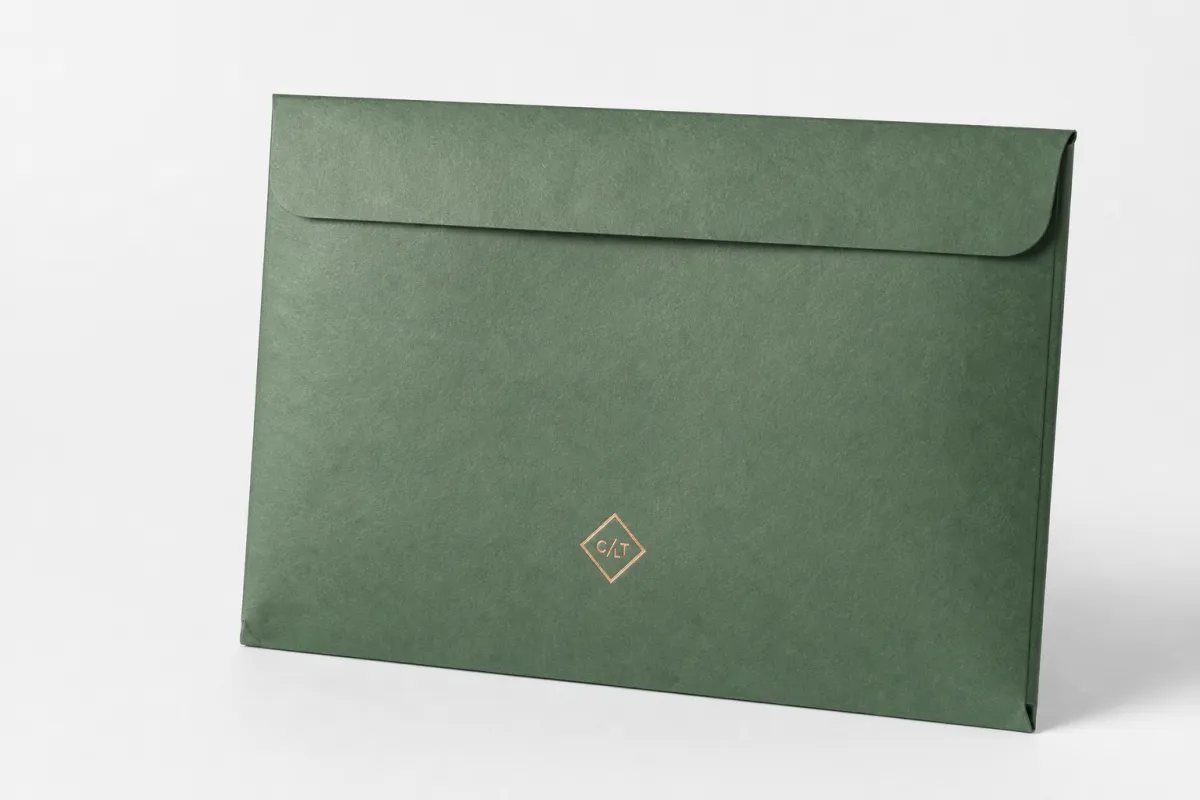
Plain mailers perform one task. Printed mailer envelopes bulk can do three at once. They protect the contents, they introduce the brand, and they keep the shipment from looking like it rolled out of a warehouse with no marketing input at all. That bluntness matters because buyers tend to remember the package before they remember the invoice.
The switch pays back fastest in shipments that are opened in front of other people. Gifting, subscription boxes, influencer packages, wholesale samples, launch kits, seasonal drops, and event mailers all benefit from a surface that carries a message. A package does not need to shout to be noticed. It only needs to look intentional. Printed mailer envelopes bulk often buy that effect for less money than inserts, stickers, and random promo items that end up in the trash anyway.
There is a less romantic reason too. If the envelope itself carries the logo, campaign art, website, or return guidance, the brand can reduce its reliance on separate labels and extra inserts. Not every order will justify that move, but the math shows up fast when a company ships hundreds or thousands of units every week. A few cents saved on one line item may not sound dramatic until you multiply it by 20,000 shipments.
Smaller teams usually feel the gain in consistency before they feel the gain in cost. One approved print spec can stay in circulation for a quarter or longer, which cuts down on packaging churn. Less churn means fewer errors at the packing table. Fewer errors mean fewer damaged cartons, fewer mismatched orders, and fewer angry notes from customers who noticed the package before they noticed the product. Printed mailer envelopes bulk help calm that part of the operation.
"If the envelope does not carry the brand, you are paying to ship a blank surface."
That line sounds severe because it is. The outer mailer is the first physical contact in the customer journey, and first contact tends to matter more than the marketing deck admits. A generic outer layer makes the whole shipment feel cheaper, even when the product inside is not cheap at all. Printed mailer envelopes bulk let a brand control that first impression without adding extra steps to fulfillment. That is the kind of practical advantage people miss when they focus only on color and logo size.
Channel flexibility is another reason the switch pays off. A design built for direct-to-consumer shipping can often be adapted for retail sampling, PR kits, trade show handouts, and wholesale outreach. One layout can travel across several uses with only minor changes. That turns printed mailer envelopes bulk into a reusable brand asset instead of a one-off purchase. I have seen that kind of reuse save teams from redesigning packaging three times in the same year, which is a headache nobody wants.
Volume also changes the optics of the operation. A steady printed mailer envelope suggests a stable process, even when the back end is more chaotic than anyone would like to admit. Buyers react to that stability. So do recipients. A package that looks settled tells a small story about the brand: this company knows what it ships, knows how it ships, and did not improvise the order five minutes before pickup.
Bulk buying matters for a simpler reason too. Setup costs do not disappear; they spread out. Once those costs sit across thousands of units, the unit price gets much more manageable than a one-off custom run. That is why printed mailer envelopes bulk show up so often in e-commerce, subscription commerce, and launch planning. The envelope becomes part of the margin strategy instead of a decorative afterthought.
Printed Mailer Envelopes Bulk Specs That Actually Matter
Printed mailer envelopes bulk are bought by specification, not instinct. If a supplier cannot explain the stock, seal style, print method, and size tolerance without slipping into vague language, the quote is not ready for production. A clean spec sheet does more than make purchasing easier. It cuts the odds of discovering a problem after the first pallet arrives.
Construction comes first. Paper mailers usually feel warmer and more premium, and they fit neatly into packaging stories centered on recyclability or lower plastic use. Poly mailers are lighter, resist moisture better, and often land at a lower cost when the volume is high enough. Padded or reinforced versions belong in shipments that need more crush protection than a thin envelope can deliver. Printed mailer envelopes bulk need the right body, not the prettiest sales brochure.
Size deserves more attention than first-time buyers usually give it. A 6 x 9 inch mailer works well for documents, small accessories, and other flat items. A 9 x 12 or 10 x 13 option handles apparel, soft goods, and bundled goods with less wrestling at the packing station. Larger formats may need gussets or stronger seams so the load does not turn the envelope into a balloon. Oversizing wastes postage. Undersizing damages the product or slows the line. Both outcomes cost money, which is the opposite of why printed mailer envelopes bulk get ordered in the first place.
Print coverage comes next. Some brands only need a logo, a return panel, and a clear message. Others want a full-panel design that turns the opening moment into part of the campaign. Printed mailer envelopes bulk do not need to be complicated to work. A strong logo, one disciplined color choice, and a message with some restraint can outperform a crowded layout that tries too hard.
Design can also tip a quote into a different price bracket. Large ink coverage can increase cost, especially when the layout requires more screens, more passes, or tighter color control. That is why simple layouts often win in printed mailer envelopes bulk. They print cleanly, age well, and keep the conversation focused on the product instead of on how many extra accents the design team wanted to add.
Finishing details deserve a hard look. Adhesive strength, tear strips, tamper evidence, moisture resistance, and barcode placement all change how useful the mailer really is. If the envelope will pass through fulfillment centers, scanning stations, or return processing, the layout needs to support that route. A beautiful mailer that jams a label printer or tears at the seam still fails. A pretty failure is still a failure.
Artwork readiness is one of those hidden variables that shows up late and costs more than expected. Vector files remain the standard because they stay sharp and make color handling easier. A blurry logo slows proofs, invites revisions, and drags the schedule. Buyers who want printed mailer envelopes bulk to move quickly should send production-ready art from the start. Good suppliers can clean up small issues. They should not be asked to rescue a file that was never fit for press.
Another practical point: do not design the mailer like a poster. Large dark fields, tiny reverse text, and overly delicate lines often look elegant on screen and difficult on paper or film. Printed mailer envelopes bulk need to survive printing, folding, sealing, stacking, and shipping. That is the real environment. A mood board does not see transit vibrations.
Size, Material, and Print Specs for Printed Mailer Envelopes Bulk
Before you request pricing for printed mailer envelopes bulk, get the spec sheet in order. A complete brief reduces back-and-forth and makes the quote more useful on the first pass. The essentials are straightforward: dimensions, material, print sides, color count, and seal style. Leave one of those out and the supplier starts guessing. Guessing is expensive.
Material changes feel and performance at the same time. Kraft paper carries a warmer, more natural look and usually works well for apparel, stationery, and mailers that want to signal lower plastic use. Poly film is stronger against moisture and usually lighter in transit. Mixed builds, including paper exteriors with reinforced seams, make sense when the shipment needs more protection than a thin mailer can deliver. Printed mailer envelopes bulk should match the shipping risk, not just the brand palette.
For paper stock, ask about GSM. For poly, ask about thickness in mils or microns. Those numbers sound small until you compare them in the real world. A mailer that feels fine in a sample room can behave very differently after a month in a hot trailer or a damp warehouse corner. That is not theory. It is the part of the job that gets invisible until something fails.
Print method matters just as much. Flexographic printing is common for larger runs because the setup cost becomes easier to absorb as volume rises. Digital printing can work well for shorter runs, intricate graphics, or faster art revisions. Screen printing still has a place in simple spot-color jobs. Each method shifts setup time, color flexibility, and the order size where the economics start to make sense for printed mailer envelopes bulk.
In plain language, the math changes with the design. A one-color logo on a standard size usually keeps setup clean and unit cost under control. Full-panel art, inside print, and specialty finishes need more preparation and usually raise the price. That is not a supplier trick. It is the cost of doing more work. The quote is simply telling you where the labor is hiding.
- Low-complexity option: one-color logo, standard size, basic seal, quicker approval path.
- Mid-range option: two to three colors, custom panel layout, tear strip, stronger adhesive.
- Premium option: full-coverage print, inside branding, matte or specialty finish, return-ready design.
Brand strategy affects the spec as well. A budget-sensitive order may only need a logo, a website, and one short message. A premium unboxing program may call for edge-to-edge graphics and an interior print that rewards opening the envelope slowly. Both can work. The point is to match the package to its job. Printed mailer envelopes bulk do not need to be loud to earn attention. They need to be consistent, readable, and fit for the route they will travel.
Quality control is where a buyer protects the budget. Ask for a digital proof, and if the order is large enough, ask for a physical sample before production moves ahead. Check seal strength, print placement, panel dimensions, and the actual fit with the intended product inside. If the sample fails, stop and correct it. One extra review now is cheaper than replacing a pallet of misprinted mailers later.
For teams shipping through rough handling, it helps to test the final spec against recognized distribution methods. The packaging industry commonly uses ISTA procedures and ASTM-based test logic to understand transit stress. Not every order needs full certification. It does need enough testing to reflect the bumps, drops, compression, and stacking that happen in real fulfillment. A mailer that passes a desk check but fails a shipping lane is just a nice-looking mistake.
Sustainability claims deserve documentation, not adjectives. If a kraft mailer is part of the brand story, ask for the paper source and chain-of-custody records. FSC certification is one way buyers verify that a paper claim has substance. Printed mailer envelopes bulk can support a clean narrative, but only if the materials are traceable and the story holds up under scrutiny. A vague green claim is usually where trust starts to leak.
Printed Mailer Envelopes Bulk Cost, MOQ, and Quote Factors
Printed mailer envelopes bulk pricing depends on a handful of variables, and most of them are wonderfully unglamorous. Size, material, number of colors, print coverage, seal complexity, and quantity all affect the quote. If a supplier gives you a number without asking about those inputs, the number is not a quote. It is a placeholder.
MOQ is where a lot of buyers stall. Smaller quantities cost more per unit because setup, proofing, and press preparation are spread across fewer pieces. Larger quantities lower the per-piece cost, but now the brand is carrying more inventory. That tradeoff matters when demand is uneven or seasonal. Printed mailer envelopes bulk should reduce spending without creating a storage problem in the back room.
A practical buying rule helps here: request at least three quantity breaks. Ask for 2,000, 5,000, and 10,000 units, or a similar spread if your volumes are different. Seeing the pricing curve side by side reveals where the savings flatten out. Sometimes the middle tier is the sweet spot. Sometimes the higher tier wins because the unit cost drops enough to justify the extra stock. You only know once the numbers are visible next to each other.
| Option | Best For | Typical MOQ | Unit Price at 5,000 | Lead Time |
|---|---|---|---|---|
| Kraft paper mailer, one-color print | Apparel, stationery, eco-positioned brands | 2,000-5,000 | $0.22-$0.38 | 10-15 business days |
| Poly mailer, one- to two-color print | General e-commerce, moisture-sensitive shipments | 3,000-5,000 | $0.18-$0.31 | 8-14 business days |
| Padded or reinforced mailer | Fragile flat goods, sample kits, small accessories | 3,000-6,000 | $0.35-$0.70 | 12-18 business days |
| Premium full-coverage custom print | Launch kits, seasonal promos, retail presentation | 5,000+ | $0.40-$0.85 | 14-21 business days |
Those figures are not fixed rules. They move with artwork complexity, material market pricing, freight distance, and any finishing options folded into the spec. Even so, the pattern stays the same. Printed mailer envelopes bulk get cheaper per piece as the run gets larger, but the move from simple print to premium coverage can erase some savings if the design becomes too ambitious.
Buyers often overlook the extra charges. Freight is not free. Samples may carry a fee. Rush production usually costs more. Color matching takes time. Specialty adhesive, reinforced seams, tear strips, and custom panel layouts can all show up in the final number. A real budget for printed mailer envelopes bulk includes the product, the sample, the freight, and the approval time. Leaving out any of those gives a false sense of savings.
If you are comparing quotes, compare landed cost rather than unit price alone. Landed cost means product cost, freight, any insert cost, and the storage impact if the order requires extra inventory. The lowest quote is sometimes the most expensive choice once all those pieces are counted. That is not dramatic. It is bookkeeping. It is also the difference between a tidy procurement decision and a surprise on the balance sheet.
One more useful question: what change affects the price least? Sometimes increasing quantity by 20 percent costs less than adding a second print color. Sometimes simplifying the seal saves more than shrinking the size. Printed mailer envelopes bulk are easier to buy well when the supplier explains the real drivers instead of hiding behind a single bottom line.
Process and Timeline for Printed Mailer Envelopes Bulk Orders
The ordering process should feel predictable. For printed mailer envelopes bulk, the normal sequence is inquiry, spec confirmation, artwork review, digital proof, sample approval, production, packing, and shipment. If a supplier cannot explain those steps clearly, the delay usually appears later, after everyone has already committed time and money.
Most delays come from avoidable mistakes. Missing dimensions. Low-resolution logos. Slow proof approval. Late-stage changes to color. Repeated revisions to the seal location. None of those problems is dramatic by itself, but together they add days and sometimes weeks. Printed mailer envelopes bulk move faster when the buyer sends clean information on the first attempt. If the file is messy, the schedule is gonna slip.
Lead time varies with complexity. A simple one-color run on a standard size usually moves faster than a multi-color, specialty-finish, custom-dimension order. A reasonable planning window is often 8-15 business days for simpler builds and 14-21 business days for more involved ones, freight excluded. That range leaves room for reality without pretending every job behaves the same way.
If the order has a hard deadline, send final artwork early and confirm the destination before production starts. A surprising amount of delay comes from questions that should have been settled before the purchase order went out. Printed mailer envelopes bulk are much easier to manage when the design, quantity, and ship-to location stop changing midstream.
Rush orders are tempting, and they can save a launch date. They also reduce the room for proofing. Less proofing means less time to catch a weak bleed, a bad seam, or a size issue that only appears when the product is actually packed. When the order matters, build in time for sample review. One calm check now beats one angry apology later.
Here is what a clean timeline often looks like:
- Day 1-2: Inquiry, sizing, and spec review.
- Day 2-4: Artwork check and digital proof.
- Day 4-6: Sample or mockup approval if needed.
- Day 7-15: Production, depending on print method and quantity.
- After production: Packing, freight booking, and delivery.
That is the calm version. Real projects add a revision or two, and sometimes a freight question, and occasionally a last-minute address change. Even then, printed mailer envelopes bulk stay manageable when the buyer stops moving the target. Decide the size. Decide the finish. Decide the quantity. Then let the factory do the work it was hired to do.
One useful planning trick: if the shipment has to arrive by a fixed date, subtract at least five business days from the deadline and treat that as your internal cutoff for proof approval. It sounds conservative, but the extra buffer often disappears into freight scheduling, color adjustments, or a delayed sign-off from the marketing team that swore it would review the art "by lunch." Packaging timelines are not dramatic until they are.
Why Choose Us for Printed Mailer Envelopes Bulk
Buyers do not need a packaging sermon. They need a supplier that answers directly, quotes clearly, and does not turn a simple request into a three-day email maze. That is the standard printed mailer envelopes bulk should meet, and it is the standard we try to keep in view every day.
At Custom Logo Things, the focus is on procurement confidence. Clear specs. Honest pricing. Practical guidance about what the mailer can do and what it cannot do. If a layout is likely to push the cost upward, we say so. If a simpler structure will perform just as well, we say that too. Printed mailer envelopes bulk should not be sold with fog around the numbers. Buyers deserve straight answers, even when the answer is "the cheaper option is probably fine."
Consistency matters more than shiny claims. A sourcing team wants print quality that holds across the run, MOQ options that fit the business, and a quote that does not change every time someone clarifies a detail. That is why specification review gets real attention. It prevents the kind of surprise that makes buyers draft a sharp email they should never have needed to write.
For brands comparing formats, our Custom Poly Mailers page is a useful starting point if moisture resistance and lighter weight matter more than a paper feel. Buyers who need volume pricing and more structured purchasing support can start with the Wholesale Programs page to sort out larger order logic without guessing at the economics.
Not every brand is ordering the same thing, and that matters. A retail-facing mailer may need a cleaner finish and a stronger presentation. A shipping-first mailer may care more about adhesive performance, packing speed, and freight cost. Printed mailer envelopes bulk only help when the structure fits the actual use case. Otherwise, the brand is paying for packaging performance art.
From a buyer's perspective, the real value is not only the envelope itself. It is the reduction in back-and-forth, the cleaner approval path, and the ability to reorder without rehashing the spec from zero every time. That is what makes printed mailer envelopes bulk easier to manage across seasons, promotions, and replenishment cycles.
Packaging problems usually do not start with packaging. They start when design, cost, and operations stop talking to each other. We try to keep those three aligned from the beginning. That saves time, and it saves money that can stay in the margin instead of leaking out through avoidable revisions. It also keeps the marketing team from falling in love with a finish that the warehouse will hate.
How to Order Printed Mailer Envelopes Bulk Without Delays
If you want printed mailer envelopes bulk without the usual delay cycle, come prepared. The most useful thing you can do is send complete information in the first message. Size, quantity, material preference, print colors, artwork file type, and the shipping ZIP code or destination country all belong there. Not later. Right away.
Start with size and product fit. What is going inside the mailer? Flat apparel, documents, soft goods, a small boxed product, sample sets? If the answer is fuzzy, the envelope spec will be fuzzy too. Printed mailer envelopes bulk are much easier to quote when the contents are defined. Packaging is arithmetic with consequences. Weak inputs lead to weak outputs.
Next, compare two or three spec options. A standard paper mailer, a heavier-duty build, and a premium print version can reveal the cost jump caused by material and coverage changes. Buyers waste a surprising amount of time requesting only one version, then learning later that a minor adjustment would have saved real money. Compare before you commit.
Approval priorities should be set early as well. What matters most: color accuracy, seal performance, return functionality, or presentation? If those priorities are not ranked, every revision turns into a debate. Printed mailer envelopes bulk move faster when the supplier knows which feature must be exact and which one can stay simple.
Here is the kind of checklist that keeps orders moving:
- Dimensions: finished size and whether gussets are needed.
- Material: kraft, poly, padded, or mixed build.
- Print: one-color, multi-color, inside print, or full coverage.
- Artwork: vector file, PMS references, and safe margin notes.
- Logistics: quantity, ship-to address, and target delivery date.
When the proof arrives, review it like a production manager, not just a designer. Check the logo placement, barcode area, seam line, and closure zone. A proof can look clean and still fail once the product is packed. That is where printed mailer envelopes bulk prove their value: they need to function in the packing area, not just in a mockup file.
Sample approval is the right move when the order is large or the contents are sensitive. A sample catches fit errors, seal issues, and awkward layout decisions before they turn into expensive waste. If the sample is off, fix it before full production starts. That is not being picky. That is protecting the order.
Once the order is approved, plan replenishment before stock gets tight. A repeat order is less stressful than an emergency one, and it usually costs less in the long run because there is time to plan the spec instead of rushing through it. Printed mailer envelopes bulk should be treated like a supply line, not a last-minute rescue.
The smoothest order is the one with no mystery. Clear specs. Clean art. One proof cycle. Defined quantity. Defined destination. With those pieces in place, printed mailer envelopes bulk become easier to buy, easier to approve, and easier to repeat.
Printed mailer envelopes bulk are worth doing properly because the package does marketing work every time it leaves the dock. Gather the specs, compare the quantity breaks, and request the quote before you start estimating. Estimating is how people pay more than they need to. Also, if you only remember one thing, make it this: lock the finished size and landed-cost target first, then build the print spec around those numbers. That keeps the decision grounded in reality instead of kind of wishful thinking.
What is the minimum order for printed mailer envelopes bulk?
MOQ varies by material and print method, but bulk orders usually begin where setup costs can be spread across enough units to keep pricing sensible. Ask for multiple quantity breaks so you can see how the unit cost changes before you commit to one number. In practice, many buyers start somewhere around 2,000 to 5,000 units, though the exact floor depends on the build.
How much do printed mailer envelopes bulk usually cost per unit?
Unit cost depends on size, material, number of print colors, and order volume, so there is no honest single price. Simple one-color orders in larger quantities usually come in lower than full-coverage custom print jobs with multiple finishes. Freight and sampling can shift the total enough to matter, so use landed cost instead of sticker price alone.
How long does production take for printed mailer envelopes bulk orders?
Lead time depends on artwork readiness, proof approval speed, and the complexity of the envelope spec. Clean files and fast approvals shorten the schedule; changes after proofing are what usually add time. A simple run can often move in 8-15 business days, while more involved builds usually need more runway.
Can I get samples before ordering printed mailer envelopes bulk?
Yes. Sample approval is the smart step if fit, print quality, or shipping performance matters. A sample can catch size mistakes, seal issues, and color problems before you place a larger order. If the contents are fragile or oddly shaped, a sample is not optional in my book.
What file format works best for printed mailer envelopes bulk artwork?
Vector files are usually the best choice because they keep logos sharp and make color adjustment easier during proofing. Send the final artwork with clear dimensions and any color references so production can quote and proof accurately. If the file is only a screenshot, expect delays.


