Buyer Fit Snapshot
| Best fit | Printed Poly Mailers Comparison projects where brand print, material claims, artwork control, MOQ, and repeat-order consistency need to be specified before quoting. |
|---|---|
| Quote inputs | Share finished size, material target, print colors, finish, packing count, annual reorder estimate, ship-to region, and any compliance wording. |
| Proofing check | Approve dieline scale, logo placement, barcode or warning zones, color tolerance, closure strength, and carton packing before bulk production. |
| Main risk | Vague material claims, crowded artwork, missing packing details, or unclear freight terms can make a low unit price expensive after revisions. |
Fast answer: Printed Poly Mailers Comparison: Materials, Costs, Uses should be specified like a repeatable production item. The safest quote records material, print method, finish, artwork proof, packing count, and reorder notes in one written spec.
Production checks before approval
Compare the actual filled-product size with the drawing, then confirm tolerance on folds, seals, hang holes, label areas, and retail display edges. Reserve space for logos, QR codes, warning copy, and material claims before decorative graphics fill the panel.
Quote comparison points
Review material grade, print process, finish, sampling route, tooling charges, carton quantity, and freight assumptions side by side. A quote is only useful when the supplier can repeat the same color, closure quality, and packing count on the next order.
I’ve stood at enough packing tables to know this: two mailers can look nearly identical in a sample drawer and still behave very differently once they hit a conveyor, a cold loading dock, or a wet porch after a thunderstorm. I remember a buyer sliding two glossy samples across a table in Chicago and saying, “Same thing, right?” No. Not even close. That’s why a Printed Poly Mailers comparison is never just about color or a logo; it’s about real-world performance, shipping cost, and how your customer feels when the package lands in their hands. A 3.0 mil bag that survives a 1,200-mile route is not the same product as a 2.5 mil bag that splits at the first overpack.
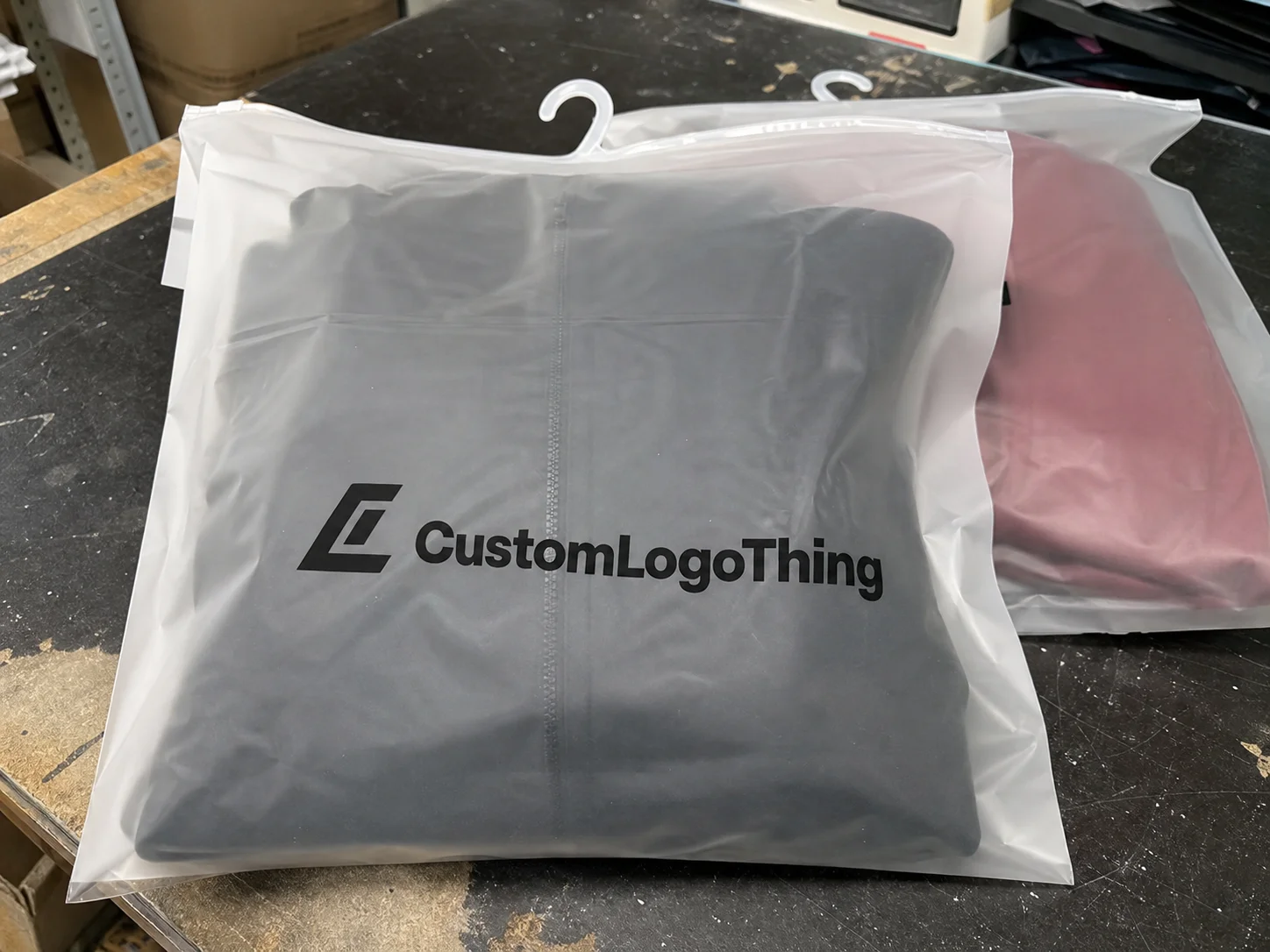
Printed poly mailers are lightweight plastic shipping envelopes made from polyethylene, usually LDPE or a co-extruded film structure, and custom printed with branding, handling instructions, or simple retail messaging. A strong printed poly mailers comparison helps buyers separate durability, print quality, order volume, and total cost of ownership, which is a fancier way of asking, “What will this really cost me after freight, damage claims, and reorders?” In practical terms, the difference between a $0.15 per unit mailer at 5,000 pieces and a $0.28 per unit option at 2,000 pieces can disappear or widen once you add plate charges, freight from Shenzhen or Dongguan, and the cost of replacements after a torn seam. Honestly, that’s the question that matters most, even if nobody says it out loud in the first meeting.
I’ve seen them used everywhere from apparel brands shipping folded tees in 12 x 15.5 inch mailers, to cosmetic companies sending small boxed sets in opaque pink bags, to subscription businesses that want the unboxing to feel more polished than a plain kraft envelope. The right choice depends on what you ship, how far it travels, and whether your customer is opening it at home, in a retail back room, or on a front porch in bad weather. That’s the heart of any honest printed poly mailers comparison. And yes, the porch matters more than people think, especially in places like Seattle, Atlanta, and the Gulf Coast, where humidity and rain can punish weak adhesive strips within minutes.
Printed Poly Mailers Comparison: What They Are and Why It Matters
Let me put this in plain plant-floor language. A printed poly mailer is a flexible shipping envelope, usually made from polyethylene film, with a self-seal adhesive strip and custom artwork printed on the outside. In a good printed poly mailers comparison, you are not just choosing a bag; you are choosing a small piece of your shipping system that affects speed, protection, and presentation at the same time. I know that sounds a little dramatic, but after watching a packing line in Ohio stall because of weak adhesive on a Tuesday morning, I’ve stopped pretending the bag is “just packaging.”
One story sticks with me. At a Midwest fulfillment center I visited years ago, the buyer had two samples on a table that looked nearly the same: both white, both glossy, both with a two-color logo. One was a 2.5 mil mono-layer mailer that split at the fold when the packers overstuffed it with denim, and the other was a 3.0 mil co-extruded mailer that flexed better and held seal integrity through a rough parcel sortation line. That is exactly why a printed poly mailers comparison matters; the differences often hide in the film structure, not the artwork. A 350gsm C1S artboard sample in the same office can feel premium, but it won’t tell you how a polyethylene film behaves after 14 seconds of belt friction and a 4-foot drop.
These mailers are common for e-commerce shipments, subscription boxes, apparel, accessories, cosmetics, and lightweight returns packaging. If you are shipping a soft cotton tee or a folded scarf, you may not need the same construction that a beauty brand uses for a bottle-and-insert kit. A smart printed poly mailers comparison helps you match the mailer to the product instead of forcing the product to fit a generic bag. For example, a 9 x 12 inch mailer might work for jewelry cards and socks, while a 14 x 19 inch bag is better for hoodies shipped from a warehouse in Dallas or Newark.
Many buyers start with print graphics and stop there. That’s backward. The better order is product first, transit second, brand third. If a mailer looks gorgeous but fails on a rainy dock in Minneapolis or gets scuffed in a sorter in Louisville, the customer experience takes the hit. A proper printed poly mailers comparison keeps that balance in view. I’ve seen too many teams fall in love with a beautiful mockup and then act surprised when physics shows up. Physics, as usual, does not care about the mood board.
“The sample that photographs best is not always the one that survives the route through the carrier hub.” — a warehouse manager in New Jersey after a summer of delayed claims
For a buyer, the best choice depends on product weight, transit conditions, print complexity, and order volume. A 500-piece seasonal drop may justify digital printing, while a 20,000-piece repeat apparel run often makes more sense with flexographic printing and a standard film gauge. That’s why I always push teams to treat printed poly mailers comparison as a technical buying exercise, not a color selection contest. If it starts sounding like a mood board meeting, I gently try to drag it back to reality. One California brand I worked with saved nearly $1,100 on a 12,000-piece run by switching from a five-color setup to a two-color design that still looked sharp on a matte white film.
How Printed Poly Mailers Are Made and How They Work
The base material is usually LDPE, sometimes blended or co-extruded with other polyethylene layers to improve toughness, opacity, or seal performance. In a co-extruded structure, one layer can be tuned for print adhesion, another for puncture resistance, and another for seal strength. That layer-by-layer design is one of the biggest reasons a serious printed poly mailers comparison should always include film construction, not just thickness. Thickness alone can be misleading, which is annoying, but packaging has never been obligated to be simple. A 2.75 mil three-layer film can outperform a 3.0 mil mono-layer bag if the seal layer and outer skin are engineered properly.
On the shop floor, film extrusion matters more than people realize. I remember walking a line in southern China near Dongguan where the operator was adjusting die temperature by only a few degrees because a slight shift was changing gauge consistency across the web. That one adjustment affected how the mailer folded, how the seal edge sat, and how the finished bag felt in hand. Buyers rarely see that process, but it shows up later in a printed poly mailers comparison when one sample feels crisp and another feels thin at the corners. A plant in Vietnam or Jiangsu can produce excellent results too, but only if the extrusion controls are tight enough to hold spec from the first roll to the last.
Printing methods also matter. Flexographic printing is common for larger runs because plate setup spreads well over volume and gives solid color on polyethylene film. Gravure can deliver extremely consistent laydown and fine tone control, but the cylinder cost makes it harder to justify for smaller jobs. Digital printing is useful for shorter runs, frequent artwork changes, and more complex designs, especially when a brand wants 8 or 10 SKUs without paying for a fresh plate set on each version. In a practical printed poly mailers comparison, that print method choice can shift both lead time and unit cost. A flexo run might be quoted at $0.17 per unit for 10,000 pieces, while a digital short run might sit closer to $0.34 per unit for 1,000 pieces, with proof changes adding one or two extra business days.
Here’s how the workflow usually goes: artwork approval, proof review, plate creation or digital prep, film extrusion, printing, converting, sealing, and final quality inspection before shipment. Depending on the vendor and the order size, that can mean 7 to 15 business days for simple jobs and longer if there are revisions, custom colors, or rush freight. When someone asks me to do a printed poly mailers comparison with a launch deadline, I always ask for the proof approval date first, because that date controls everything downstream. A typical schedule from proof approval is 12 to 15 business days for production in Guangzhou or Ningbo, then 3 to 7 business days for ocean or cross-border air freight depending on the destination. I’ve watched too many “urgent” launches get torpedoed by one missing sign-off from a marketing manager who was on vacation in Cabo.
Common finishing details include self-seal adhesive strips, tear notches, matte or gloss surfaces, gussets for bulkier items, and tamper-evident closures. A matte finish can hide scuffs better, while gloss often gives stronger color pop. Gussets are handy if you are shipping hoodies, small boxes, or bundled items that need a little extra depth. Those details sound minor until you’re dealing with 10,000 units and a carrier network that punishes weak seals. That’s why a thorough printed poly mailers comparison should include finishing, not just dimensions. In many factories, the adhesive strip is 1.5 inches wide, and a 30 mm tear notch can make a measurable difference in how quickly a picker opens the bag at 6:30 a.m. on a cold shift.
The core job of the mailer is simple: protect the contents from puncture, moisture, and abrasion while staying light enough to keep postage down. Compared with corrugated cartons, mailers often reduce shipping weight and waste, especially for soft goods. Still, they are not magic. If the product has sharp edges, heavy corners, or fragile packaging, a mailer may need internal cushioning or a different format altogether. A good printed poly mailers comparison should say that out loud instead of pretending every product belongs in a bag. A pair of metal belt buckles inside a soft mailer in Phoenix is asking for trouble; a foldable cardigan in the same bag is usually fine.
One of my favorite reminders from a packaging engineer at a New Jersey converter was this: “The bag is only as good as the seal and the stretch in the film.” That’s the truth. Seal width, adhesive quality, and film memory all influence real performance. Buyers who ignore those details often get surprised later, and not in a good way. Usually right after someone in the warehouse says, “Uh, we’ve got a problem,” which is never a sentence that improves anyone’s afternoon. If the seal width is only 8 mm and the product is overfilled by half an inch, the risk climbs fast.
Printed Poly Mailers Comparison: Key Factors to Evaluate
If you are building a real printed poly mailers comparison, start with thickness, usually described in mils. A thicker mailer can improve puncture resistance and tear strength, but it also adds material cost and can make the bag slightly stiffer to fold. In practice, a 2.5 mil bag may be fine for a lightweight T-shirt, while a 3.0 to 4.0 mil structure can be a smarter choice for heavier apparel, bundled items, or shipments that get tossed around in high-volume sortation. A 3.5 mil mailer from a converter in Vietnam may also outperform a 3.0 mil bag from another plant if the film formulation is tighter and the seal layer is better calibrated.
Print quality comes next. I look at color vibrancy, registration accuracy, edge sharpness, and whether the finish supports premium branding or just a simple one-color logo. A dark navy logo on a white bag is easy; a six-color gradient over a glossy surface is a different animal. In a meaningful printed poly mailers comparison, the question is not “Can it print?” but “Can it print consistently across 20,000 pieces without banding, blur, or color drift?” That’s the part that separates a pretty proof from a usable production run. If the vendor can hold a Pantone match within Delta E 2 to 3 on polyethylene film, that’s a much stronger signal than a mockup rendered in a design file.
Durability deserves its own check. Seam strength, film stretch, and tear resistance are what keep the bag alive during packing, conveyor movement, and final-mile handling. I once saw a warehouse in Texas lose half a day because a low-cost mailer kept splitting at the side seal when packers added tissue, a thank-you card, and a poly insert. That kind of problem shows up fast in a printed poly mailers comparison, especially if you test with the actual product and not just an empty sample. Empty samples are liars, frankly. A loaded bag with a 2.2-pound item tells the truth in a way an air-filled pouch never will.
Size and fit matter more than many buyers expect. A mailer that is too large wastes film and often increases freight because you are paying to ship air. A bag that is too tight can stress the seal, distort the print, and create product damage. Good sizing is part math, part experience, and part knowing how your pickers actually pack. When I review a printed poly mailers comparison, I always ask for the product dimensions, the inserted height, and whether the item includes folding, tissue, or cardboard backing. If somebody shrugs and says “about this big,” I usually reach for a ruler and a coffee. A 10 x 13 inch mailer might be perfect for a folded polo, while a 14 x 17 inch option may be needed for a fleece hoodie with a hangtag and return card.
Sustainability is another factor, but it needs honest treatment. Recycled-content options, source reduction, and lightweighting can all help, though the best choice depends on your brand goals and the recycling access in the customer’s region. Some mailers carry a higher recycled content claim; others focus on downgauging the film to use less material overall. A balanced printed poly mailers comparison should also consider how heavy print coverage affects recyclability perceptions, even if the technical recyclability stays the same in local systems. If your customers are in California, Oregon, or British Columbia, the messaging can matter almost as much as the material spec.
Compatibility is the final practical issue. Will the mailer carry inserts, return labels, barcodes, routing stickers, or carrier documentation without peeling or smearing? If the answer is no, the print spec is incomplete. I’ve seen brands choose a beautiful mailer, then discover their thermal label adhesive lifts on the glossy finish after cold storage. That is the kind of mistake that turns a clean printed poly mailers comparison into a field fix. And field fixes are never cute; they are usually expensive and a little embarrassing. A label that works in a 72-degree showroom can fail at 38 degrees in a Chicago trailer yard.
For teams that want a side-by-side view, here is a simple matrix I use when I’m helping buyers narrow options:
| Option | Typical Thickness | Print Method | Best For | Relative Cost | Notes |
|---|---|---|---|---|---|
| Basic one-color mailer | 2.5 mil | Flexo | Apparel, simple branding | Low | Good for repeat runs and tight budgets; often around $0.15 to $0.19 per unit at 5,000+ pieces |
| Premium multi-color mailer | 3.0 mil | Flexo or gravure | Retail presentation, strong brand impact | Medium to high | Works well when the artwork needs strong visual lift and tighter registration control |
| Short-run digital mailer | 2.5 to 3.0 mil | Digital | Seasonal campaigns, SKU variety | Medium | Less setup overhead, flexible for smaller volumes; often 7 to 10 business days for proof-to-ship on simple artwork |
| Gusseted heavier-duty mailer | 3.5 to 4.0 mil | Flexo | Bulkier items, boxed goods | Medium to high | More material, better for depth and stretch; useful for hoodies, multi-piece kits, and hard edges |
If you want a broader sourcing view while comparing packaging formats, our Custom Packaging Products page is a helpful place to start, and for bag-specific specs you can also review our Custom Poly Mailers options. A buyer comparing a 12 x 15.5 inch apparel bag against a 14 x 20 inch shipping pouch will usually find the decision gets easier once the actual dimensions are side by side.
For buyers who want to check standards and sustainability references, I often point teams to the ISTA site for transit testing information and the EPA for broader packaging and waste guidance. Those references won’t Choose the Right bag for you, but they do help frame the questions. They also keep the conversation from drifting into pure opinion, which happens fast when three people in a room all “just have a feeling” about the right mailer. A 100-foot drop test is not the same as a gut instinct.
Printed Poly Mailers Comparison: Cost, Pricing, and Order Volume
Cost is where a lot of printed poly mailers comparison discussions get fuzzy, so let’s make it concrete. The main cost drivers are material thickness, number of print colors, number of sides printed, order quantity, custom sizing, and any special features like tamper evidence or metallic inks. A plain 2.5 mil one-color mailer at 10,000 pieces will usually price very differently from a custom-sized, full-bleed, three-color mailer at 2,000 pieces, because setup and material usage are not remotely the same. If the factory is in Shenzhen, Ho Chi Minh City, or Foshan, freight routing and carton loading density can also move the final number by several cents per unit.
As a rough market pattern, small custom runs might sit in the range of $0.18 to $0.42 per unit depending on specs, while larger repeat runs can drop much lower as plate costs and setup are spread across volume. I’m being careful here because every converter quotes differently, and freight, country of origin, and film market swings all affect pricing. Still, a strong printed poly mailers comparison should absolutely ask for price breaks at 1,000, 5,000, 10,000, and 25,000 pieces so you can see the curve. I always want the ugly truth of the pricing ladder, not the prettiest number in the first email. A quote at $0.21 per unit for 10,000 pieces can become $0.26 landed after a $380 freight line, a $95 plate charge, and a palletization fee in Los Angeles or Savannah.
Low-volume economics work differently from high-volume economics. On a short run, setup costs can matter more than raw material cost, especially if the vendor needs plates, color matching, or special handling. At scale, unit pricing improves and the savings can be meaningful, sometimes enough to justify locking in a standard size for the year. I’ve sat in supplier negotiations where a buyer saved only two cents a bag on paper, but that small number became more than $4,000 across annual usage. That is the kind of detail a disciplined printed poly mailers comparison should uncover. A 12-month run of 200,000 bags means a $0.02 reduction is real money, not spreadsheet confetti.
One-color branding is usually more budget-friendly than a full-coverage, multi-color design, especially when the printer charges by plate count or impression area. Simple logo placement on the front panel often gives you the best blend of cost and visibility. If your artwork includes gradients, photo images, or multiple versions for seasonal campaigns, digital may make more sense for flexibility even if the unit price is a little higher. In a real printed poly mailers comparison, the cheapest print method is not always the best value. Cheap and good are not the same thing, despite what procurement wishes. A $0.23 mailer that avoids a $7 replacement shipment is often cheaper than a $0.18 bag that tears in transit.
There are hidden costs too. Freight from the factory to your warehouse can be significant if the order is palletized overseas. Proofing, artwork revisions, and rush production all add expense. Some buyers also forget about storage cost, especially when they buy 50,000 mailers to chase a lower unit price but then have nowhere dry and clean to stage them. I’ve seen a customs delay turn a bargain order into a headache because the warehouse had to lease extra racking space for three months. That belongs in any honest printed poly mailers comparison. A 40-foot container landing in Long Beach or Newark is not free just because the unit price looks attractive on a PDF.
Here is a practical cost-oriented view:
| Order Size | Typical Cost Behavior | Best Print Approach | Buyer Priority |
|---|---|---|---|
| 500 to 2,000 pieces | Higher setup impact per unit | Digital or very simple flexo | Flexibility and proof speed |
| 5,000 to 10,000 pieces | Balanced pricing | Flexo | Cost control with consistent branding |
| 20,000 pieces and up | Lower unit cost | Flexo or gravure | Efficiency and repeatability |
Another point that gets missed: the cheapest mailer is not always the lowest-cost option. If a bargain bag causes a 1.5% damage rate, and each replacement shipment costs you $8 in postage plus labor, the “savings” disappear quickly. A thorough printed poly mailers comparison should connect unit price to damage claims, returns, and customer satisfaction, not just invoice cost. A retailer shipping 30,000 units a quarter can lose more to returns than it saves on a lower-priced bag, especially if the bag fails on corner protection or closure strength.
For brands with stable volume, I usually recommend building a 12-month usage estimate and then testing where the best annual price breaks sit. A 15,000-piece order might not be the lowest risk if you only ship 900 per month and your creative changes every quarter. The smartest printed poly mailers comparison blends finance, operations, and marketing instead of treating them as separate decisions. It’s a little messy, but so is real commerce. One Atlanta retailer I advised saved more by standardizing on a single 14 x 19 inch format than by squeezing a lower quote out of a second supplier.
Step-by-Step: How to Choose the Right Printed Poly Mailer
Step 1 is to identify what you ship. Weight, shape, fragility, and moisture sensitivity all matter. A flat cotton tee is not the same as a boxed serum kit, and neither one behaves like a bundle of soft accessories wrapped in tissue. If you start your printed poly mailers comparison with actual product dimensions and a weighed sample, you will make better choices from the beginning. A 14-ounce shipment and a 2.4-pound shipment do not belong in the same bag spec, even if the inventory system groups them together.
Step 2 is matching the mailer style to the product. Flat mailers work well for apparel and other soft goods. Gusseted options help with bulkier items. Higher-opacity films make sense for privacy-sensitive products or premium branding where you do not want contents showing through. In one client meeting in Austin, a cosmetics brand switched from a translucent white bag to an opaque silver co-extruded mailer and immediately reduced customer complaints about “seeing too much” through the packaging. That kind of detail belongs in a real printed poly mailers comparison. A 95% opacity spec can make a bigger difference than a louder logo.
Step 3 is deciding on print goals. Do you want pure brand awareness, shipping instructions, seasonal promotion, or a premium unboxing moment? A simple one-color logo can feel clean and reliable. A more elaborate design can look exciting, but only if it stays readable after handling and transit scuffs. The right printed poly mailers comparison asks what the print must do, not just how it looks on screen. If the recipient needs to identify a return address from six feet away, contrast matters more than decoration.
Step 4 is reviewing samples under real conditions. Request physical samples and check them in the actual warehouse lighting, not just under a bright design studio lamp. Test seal closure, tape performance, opacity, and how the bag feels after folding around the product. If possible, ask a fulfillment associate to pack five to ten units using the same motion they use every day. That kind of practical testing is one of the most valuable parts of a printed poly mailers comparison. I’ve seen beautiful bags fail because they were impossible to seal quickly at the packing station—gorgeous, yes; practical, no. A sample that takes 14 seconds to close may not survive a line expected to handle 400 orders per hour.
Step 5 is estimating monthly usage and comparing pricing tiers. If your volume is stable, a larger order can lower the annual packaging cost. If your artwork changes often, a shorter-run digital option might save you from obsolete inventory. In some factories, I’ve seen buyers save money by standardizing on one mailer size for three product lines instead of ordering separate custom bags for each SKU. That is a packaging decision that pays back all year, and it often emerges during a smart printed poly mailers comparison. A company shipping from Nashville or Salt Lake City can usually simplify operations by trimming from four sizes to two.
As a quick field checklist, I like to ask these questions:
- Does the product fit with at least 0.5 to 1 inch of breathing room?
- Will the film resist puncture from corners, zippers, or hardware?
- Is the adhesive strong enough for your packing speed and climate?
- Does the print survive scuffing on a belt or sorter?
- Will the final bag still look good after a 300-mile parcel ride?
Common Mistakes in Printed Poly Mailers Comparison
The biggest mistake I see is choosing based on appearance alone. A bag can look sleek on a white countertop and still fail in the warehouse because the seal is weak or the film is too thin for the product weight. In a true printed poly mailers comparison, visual appeal is only one line item. A glossy black mailer from a factory in Shenzhen can look luxurious, but if the seal peels after 48 hours in a humid trailer, the brand image takes a hit fast.
Another common error is overlooking timeline. Custom printed orders need artwork approval, proofing, production scheduling, and freight planning. If you are launching a holiday campaign and leave only two weeks for sourcing, you are asking for trouble. I once watched a retail buyer miss a seasonal window because the art team revised the logo spacing three times after the plate order had already been queued. That kind of delay is painful, and a good printed poly mailers comparison should account for it from day one. A typical production run after final proof approval is 12 to 15 business days, and that does not include ocean freight or customs clearance.
Oversized mailers are another issue. People think, “Bigger is safer,” but too much extra room can make the package look sloppy, increase freight, and waste film. For lightweight apparel, a well-sized mailer usually performs and presents better than an oversized one. That simple sizing decision is often one of the easiest ways to improve a printed poly mailers comparison. A 16 x 20 inch bag for a folded T-shirt can look sloppy and ship like a pillow; a 12 x 15.5 inch bag often looks tighter and costs less to move.
Some buyers also choose too many print colors or overly complex artwork without a clear business reason. Yes, a six-color design can look impressive, but if three of those colors are decorative and do not help brand recognition, you may be paying for complexity that never earns its keep. A disciplined printed poly mailers comparison should ask whether each design element improves recognition, customer experience, or sales. One brand I saw in Minneapolis cut from four inks to two and saved $0.03 per unit on 25,000 pieces, which added up quickly.
Ignoring automation is another expensive mistake. If the mailer will be folded, packed, or labeled by automated equipment, the size tolerance and film behavior need to fit the machinery. I’ve seen bags catch on guides because the gusset was cut a few millimeters off spec, which sounds tiny until you have a line stoppage and a room full of packers waiting. That is the sort of operational issue a thoughtful printed poly mailers comparison can prevent. A 2 mm tolerance problem can become a 2-hour problem on a line moving 500 units an hour.
And please test the real product. A sample with air inside is not a true test. Put in the insert, the hangtag, the return card, and the label you actually use. Close it the way your team closes it. Then ship a few to yourself or another office and see what happens. That is probably the simplest and most overlooked part of any printed poly mailers comparison. A parcel that survives a ride from Atlanta to Charlotte will tell you more than ten empty samples on a conference table.
Expert Tips and Next Steps for a Smarter Comparison
Start with a comparison matrix. Score each option on price, durability, brand impact, sustainability, and lead time, and use the same scale for every quote. If one vendor quotes a 2.5 mil mailer and another quotes a 3.0 mil mailer, you are not comparing the same thing, even if the logo looks identical. A fair printed poly mailers comparison depends on apples-to-apples specs. I like to lock thickness, dimensions, adhesive width, print count, and shipping origin before I even look at the per-unit price.
Ask for side-by-side samples printed on the same substrate when possible. That removes a lot of bias. One bag may feel shinier, but if the other has better seal quality and cleaner registration, it may be the stronger choice. In my experience, the most useful sample review happens when operations, marketing, and finance all sit around the same table and look at the same three mailers. That group exercise usually produces a better printed poly mailers comparison than a dozen email comments do. A 20-minute in-person review in Portland can save two weeks of back-and-forth.
Build in realistic approval time. Artwork, proofs, and production do not happen on wishful thinking. If a campaign needs to hit a dock by the 15th, I would want the final art signed off well before that, with freight already planned. A surprising number of shipping headaches come from compressed timelines, not flawed materials. Good planning is part of a strong printed poly mailers comparison. If you can get final proof approval by Monday, a typical factory in Guangdong or Zhejiang may still need until the following Thursday or Friday to finish a standard run.
Talk with your packaging partner about the exact product profile. An experienced converter can often recommend a better gauge, seal width, closure style, or print process than a catalog page can. I’ve had conversations where a buyer wanted a heavier bag, but after seeing the actual product, we moved them to a slightly lighter co-extruded structure that performed just as well and saved material. That kind of recommendation is exactly why a working printed poly mailers comparison should involve someone who has spent time around the converting line. A well-run plant in Suzhou or Ho Chi Minh City can often suggest a better solution in five minutes than a spreadsheet can in five pages.
Use a pilot run to collect feedback from fulfillment staff and customers. Ask the packers if the mailer opens cleanly, seals reliably, and folds well. Ask customers whether the package arrives looking neat, protected, and on-brand. One apparel client I worked with switched from glossy black to matte white after customer feedback showed fewer visible scuffs in transit. That was a small change, but it improved their post-purchase response rate. Small details like that often surface only after a pilot printed poly mailers comparison. A 1,000-piece pilot in January can save a 30,000-piece headache in March.
If you want to make the next step easy, gather these four items before requesting quotes:
- Product dimensions and average weight
- Monthly order count and peak season volume
- Desired print style, colors, and finish
- Target ship date and approval deadline
Then send the same specification sheet to every vendor. That one move removes a lot of confusion and gives you a cleaner printed poly mailers comparison. It also makes negotiations easier because everyone is quoting the same thickness, the same dimensions, and the same print requirements. If one quote comes back at $0.19 per unit for 10,000 pieces and another lands at $0.24, you can finally ask the right question: what, exactly, explains the difference?
FAQ
What should I compare first in a printed poly mailers comparison?
Start with product size, weight, and fragility because those determine the minimum strength and format you need. Then compare thickness, seal type, print method, and total landed cost so you are judging real performance, not just the sample look. If your product is 11 inches long and 2 pounds with a hard corner, a 2.5 mil flat mailer may not be enough. That first pass in a printed poly mailers comparison should also include transit conditions, because a calm local route is not the same as a cross-country parcel journey.
How do printed poly mailers comparison choices affect shipping cost?
Lighter mailers usually reduce shipping weight, while the right fit can avoid oversized packaging costs and wasted material. A better-fitting mailer can also reduce damage claims and returns, which lowers your true shipping cost over time. Even a $0.02 difference per unit can matter when you ship 25,000 bags a quarter. In a practical printed poly mailers comparison, landed cost matters more than the quote alone, because freight, storage, and replacement shipments can erase a “cheap” price quickly.
Which print method is best for printed poly mailers comparison shopping?
Flexographic printing is often ideal for larger runs and repeat jobs because it balances quality and cost well. Digital printing can be useful for shorter runs, frequent artwork changes, or more complex graphics. If you need a 3,000-piece seasonal run in 8 business days, digital may be the more practical choice. The best method in a printed poly mailers comparison depends on volume, design complexity, and how often you expect the artwork to change.
How long does the printed poly mailers comparison and production process usually take?
The timeline depends on proof approval, print method, and order size, but custom jobs typically need time for artwork setup and production scheduling. If you need a launch-ready deadline, build in extra time for revisions, sampling, and freight. A standard timeline is often 12 to 15 business days from proof approval, plus transit time from cities like Ningbo, Dongguan, or Los Angeles. Any printed poly mailers comparison worth doing should account for that calendar before the order is placed.
What is the most common mistake buyers make in printed poly mailers comparison decisions?
They focus on price alone and ignore seal strength, fit, and print durability. Testing a sample with the actual product is one of the best ways to avoid costly problems after the full order arrives. A mailer that costs $0.03 less can easily become more expensive if it creates even a 1% return or replacement rate. That is why a printed poly mailers comparison should always connect appearance, function, and total cost, not just the lowest quote.
Here’s my honest take after years of standing in conversion plants, fulfillment centers, and buyer meetings: the best printed poly mailers comparison is the one that treats the mailer as part of the shipping system, not as a decoration. If you compare materials, costs, uses, lead times, and real-world performance with the same discipline you would use for corrugated cartons or labels, you will make a better decision, spend money more wisely, and protect the customer experience at the same time. For the next step, gather your dimensions, usage volume, print goals, and target ship date, then compare quotes against one clear spec sheet so your printed poly mailers comparison actually tells you something useful. And if a sample looks amazing but peels open after one rough test, toss it aside without guilt. I’ve done the same, usually with a sigh and a very unprofessional mutter.