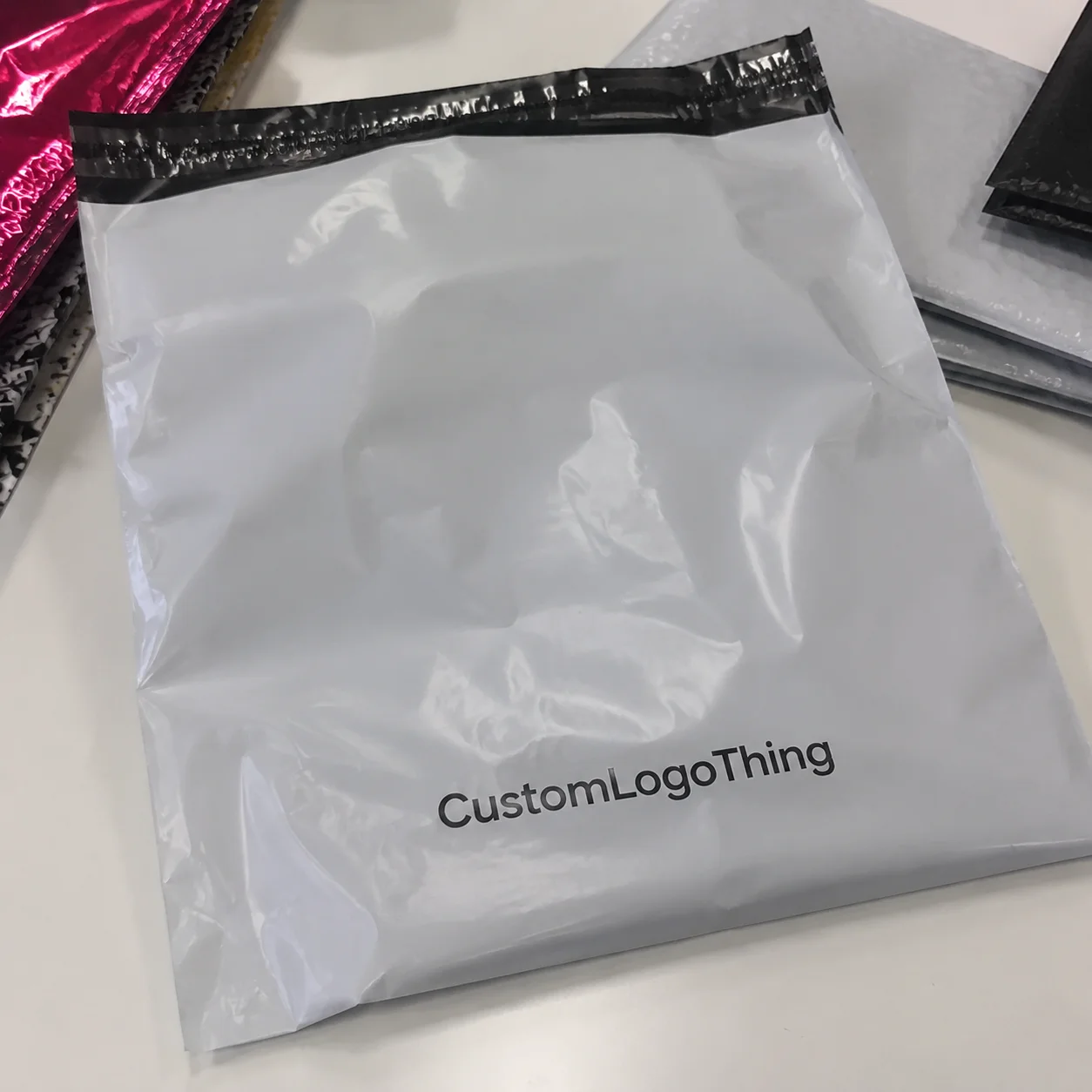
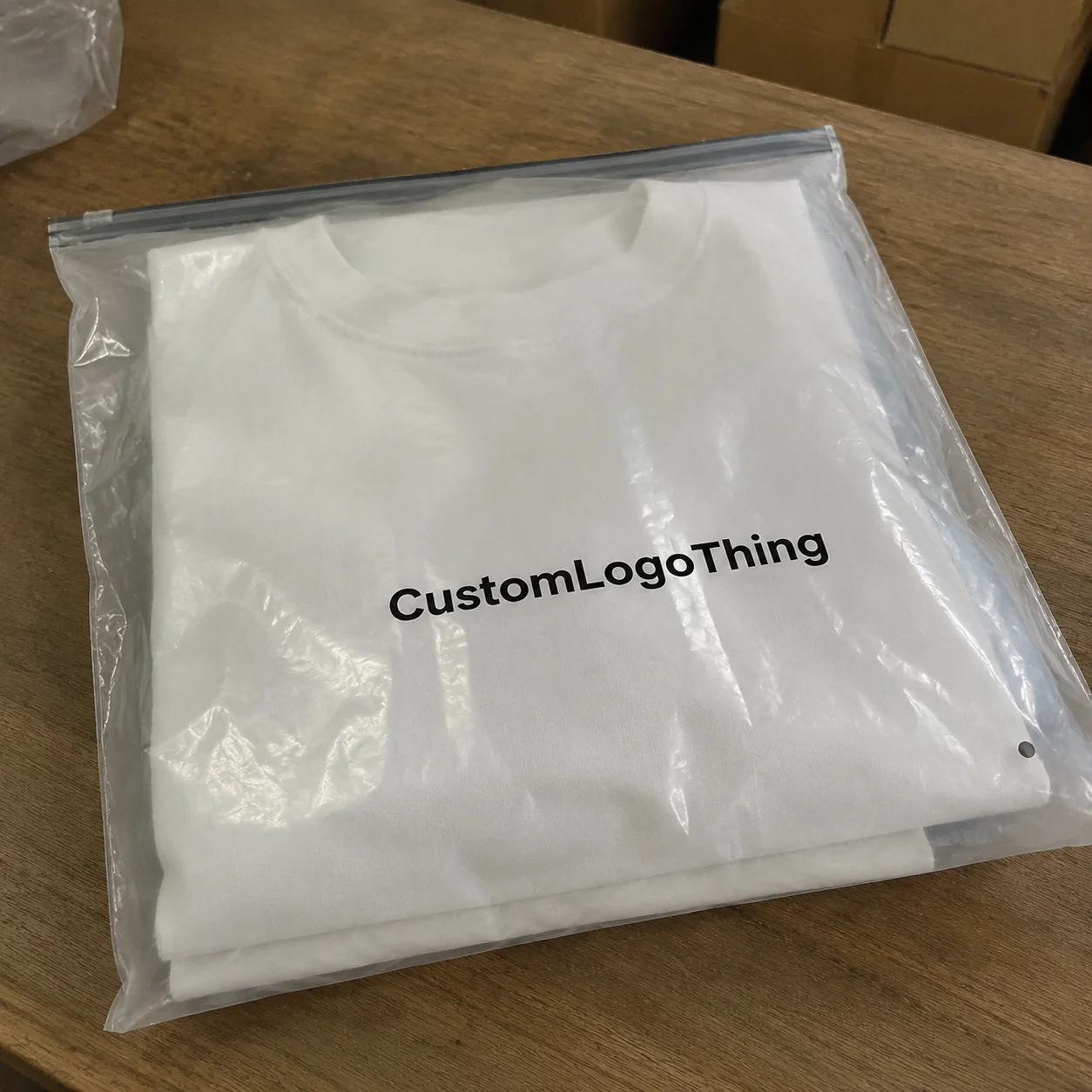
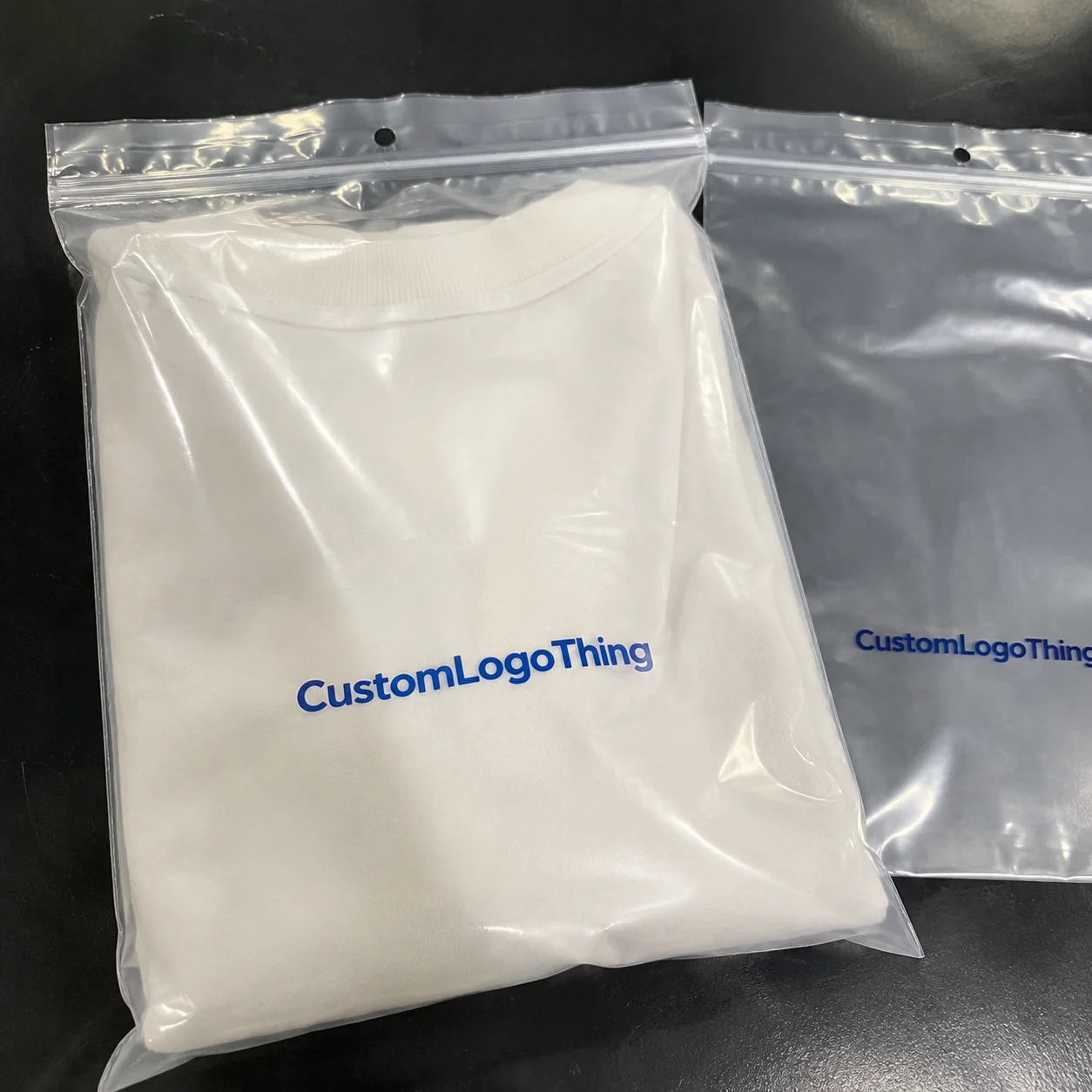
Buyer Fit Snapshot
| Best fit | Packaging Design Selection Fit projects where brand print, material claims, artwork control, MOQ, and repeat-order consistency need to be specified before quoting. |
|---|---|
| Quote inputs | Share finished size, material target, print colors, finish, packing count, annual reorder estimate, ship-to region, and any compliance wording. |
| Proofing check | Approve dieline scale, logo placement, barcode or warning zones, color tolerance, closure strength, and carton packing before bulk production. |
| Main risk | Vague material claims, crowded artwork, missing packing details, or unclear freight terms can make a low unit price expensive after revisions. |
Fast answer: Packaging Design Selection Fit: Material, Print, Proofing, and Reorder Risk should be specified like a repeatable production item. The safest quote records material, print method, finish, artwork proof, packing count, and reorder notes in one written spec.
Production checks before approval
Compare the actual filled-product size with the drawing, then confirm tolerance on folds, seals, hang holes, label areas, and retail display edges. Reserve space for logos, QR codes, warning copy, and material claims before decorative graphics fill the panel.
Quote comparison points
Review material grade, print process, finish, sampling route, tooling charges, carton quantity, and freight assumptions side by side. A quote is only useful when the supplier can repeat the same color, closure quality, and packing count on the next order.
Packaging design how to choose is one of those decisions that looks straightforward until you’ve stood beside a folding-gluing line at 6:40 a.m. and watched a box that looked flawless on screen start arguing with the machine because the glue flap was 1.5 mm too narrow. I’ve seen that problem in a corrugated plant outside Shenzhen, and I’ve seen a prettier sample lose money because it crushed in transit on a retail replenishment run from Guangzhou to Los Angeles. The truth is plain: packaging design how to choose is never only about appearance. It is a working balance of structure, materials, print method, finishing, product protection, and cost, usually under a lead time of 12 to 15 business days from proof approval for a simple carton and 20 to 30 business days for a rigid box with inserts.
Buyers often ask me about packaging design how to choose, and I usually tell them to stop thinking about the box as a picture and start treating it like a system. A carton board caliper, an insert pocket, a tuck flap, the glue area, the fill method, even the way the product nests in the tray can change the outcome more than a mockup ever will. The best packaging is not always the flashiest sample. It is the one that runs cleanly, survives the lane it has to travel, and still makes the brand look worth paying for, whether that lane is a 500-unit Shopify launch from Austin or a 50,000-unit retail rollout from Toronto.
I remember one launch where the team kept describing the package as “simple.” Which is marketing code for “we want premium but don’t want to pay for it” (I say that with love, sort of). The first sample looked clean, but the inner product rattled like spare change in a jacket pocket. That’s the problem with packaging design how to choose: the wrong decision often looks fine until the box meets reality, and reality usually arrives on a pallet with 36 cartons, a freight bill, and one very honest warehouse supervisor.
Packaging Design How to Choose: Why the First Decision Matters
The first decision in packaging design how to choose usually sets off a chain reaction, because structure and material affect almost everything else. Choose a 400gsm paperboard carton for a 2.2 lb skincare set with glass jars, and you may need a custom insert, thicker board, and a different closure style than you would for a 6 oz cosmetic item. Choose a rigid chipboard setup box for a lightweight candle, and you may end up paying for stiffness you do not need. I’ve watched brand teams fall in love with a magnetic closure sample, then realize it added $0.48 to unit cost before print coverage even entered the conversation, with another $175 to $300 in tooling depending on the factory in Dongguan or Ningbo.
Two boxes can look nearly identical on a render and still behave very differently in the plant. One may have enough crush resistance for a parcel sorter, while the other folds fine on paper but splits along the score line once the humidity rises to 72% in a warehouse. Another may look clean on the shelf, yet the glue flap area causes a slight bow because the board caliper is too heavy for the folder-gluer settings. That is why packaging design how to choose is really a production decision as much as a visual one, especially when the board is 350gsm C1S artboard on one option and 450gsm SBS on another.
Packaging design, in practical terms, is the combination of structure, graphics, materials, print method, and finishing choices that work together to protect the product and communicate the brand. If one of those pieces is off, the whole package feels weaker. I learned that early while helping a beverage client Compare Folding Cartons for a limited-edition gift set in Chicago. The artwork was beautiful, but the first prototype had a shelf-ready display tear because the perforation pattern conflicted with the chipboard grain direction, and the board was only 300gsm when the transit carton needed 380gsm minimum.
“A package that photographs well but fails in shipping is not good packaging. It’s just an expensive mistake in a nicer coat.”
The smartest buyers treat packaging design how to choose like a decision tree. What is the product? How fragile is it? Where will it be sold? How many hands will touch it before the customer opens it? What kind of customer experience do you want in the first 10 seconds? Once those answers are clear, the structure and graphics stop being random creative choices and start becoming controlled business decisions, especially if you’re comparing a $0.15-per-unit folding carton at 5,000 pieces against a $1.20-per-unit rigid set at 2,000 pieces.
How Packaging Design Works From Concept to Production
Packaging design how to choose becomes much easier once you understand the path from concept to production. The process usually starts with discovery, where the supplier collects product measurements, pack-out details, order quantity, shipping method, and brand goals. Then comes dieline creation, which is the structural blueprint. A dieline shows folds, scores, cuts, glue points, bleed, and safe zones. Without a correct dieline, even strong artwork can fail because the print may not line up with the folds or the closure may not sit square. For a standard folding carton, that dieline is often built around 0.25 mm to 0.35 mm score allowances and a glue flap of 12 mm to 16 mm.
After the dieline is set, the artwork team prepares graphics to spec, usually in Adobe Illustrator or InDesign, with exact panel measurements and print-ready color profiles. Then the shop produces samples. I’ve seen three sample types used most often in a plant: a white sample for size and fit, a printed comp for visual review, and a pre-production prototype that reflects the final material and finishing as closely as possible. Each one solves a different problem. A white sample checks whether the insert cradles the product correctly. A printed comp checks whether the brand colors feel right. A pre-production prototype checks the whole package as a system, usually on the same board stock that will be used in final production, such as 350gsm C1S artboard or 157gsm coated art paper laminated to 2 mm chipboard.
In a folding carton facility I visited in Dongguan, the production manager kept a worn notebook full of notes on glue tack times, board memory, and score depth. He told me, “The art department sells the box once. The line has to sell it ten thousand times.” That line still holds up, because it captures packaging design how to choose with uncomfortable accuracy. A nice concept is only the beginning; the package has to be manufacturable at scale, whether the factory is in Dongguan, Shenzhen, Ho Chi Minh City, or Wenzhou.
Design teams and production teams need to talk early, especially when the job includes offset printing, digital proofing, lamination, foil stamping, embossing, die-cutting, and folding-gluing. If the team waits until artwork is final before asking about press constraints, they may have to rework the file because of trap limits, foil registration, or varnish knockout areas. A good supplier will flag those issues before production, not after, and should be able to quote exact setup charges such as $85 for a new die or $120 to $240 for a foil plate depending on size and complexity.
Timeline matters too. Packaging design how to choose is often tied to whether the project needs new tooling, custom inserts, specialty coatings, or unusual structural work. A simple graphic update on an existing dieline might move through sampling in 5 to 7 business days, while a fully custom rigid box with molded pulp insert, soft-touch lamination, and foil stamping can take 15 to 25 business days before final production even starts. Those numbers vary by factory load and material availability, so I always tell buyers to confirm the schedule in writing, with proof approval as the anchor date and freight from Yantian or Shanghai added separately.
If you want to see where packaging design connects to real product choices, a helpful starting point is the range of Custom Packaging Products available for different formats, from branded folding cartons to rigid presentation boxes. That is where the abstract idea becomes a concrete structure you can hold, measure, and test, usually with samples turned around in 7 to 10 business days and full production following in 12 to 18 business days for standard runs.
Key Factors in Packaging Design How to Choose Materials, Structure, and Branding
People who ask me for packaging design how to choose guidance usually want a quick answer. I start with protection before branding. Protection is not glamorous, but it is the first job the package has. If your product is fragile, heavy, moisture-sensitive, or likely to be stacked in a warehouse, the material and structure must answer those conditions first. A 12 oz glass candle in a 350gsm paperboard sleeve might look elegant in a showroom, yet fail miserably if it is tossed into an ecommerce carton without a cushioning insert. A molded pulp insert often costs less than EVA foam, too, sometimes by 18% to 35% on medium runs of 3,000 to 10,000 units.
Here is the practical material breakdown I use with clients. Paperboard works well for cosmetics, supplements, small electronics, and many retail packaging applications. Corrugated board is the better choice for transit strength, multi-pack shipping, and protective secondary packaging. Rigid chipboard suits premium branded packaging, gift boxes, and luxury presentation. Kraft gives a natural, earthy feel and can support food, wellness, and sustainable positioning. Coated stock performs well when sharp graphics and color accuracy matter. Specialty substrates can work too, but they usually add cost, longer lead time, and more testing, especially if the board comes from a mill in Guangdong or Zhejiang and requires FSC documentation.
Structure matters just as much as substrate. A tuck-end carton is efficient and familiar. A sleeve gives quick branding exposure and can pair well with an inner tray. A magnetic rigid box creates a premium opening moment, though it adds material and assembly cost. A mailer-style box works for ecommerce because it combines decent strength with strong unboxing impact. Packaging design how to choose means matching the structure to the actual journey, not just the shelf photo, whether that journey is a 20-mile retail restock or a 2,000-mile parcel route from Portland to Miami.
Branding decisions sit on top of the structure. Matte lamination feels calmer and more premium to many buyers, while gloss can make colors pop under retail lighting. Foil stamping draws attention to logos and seals. Embossing adds tactile depth, especially on minimalist package branding. Spot UV can highlight a mark or pattern, though it requires tighter registration. Soft-touch coating creates a velvety feel that works beautifully for luxury cosmetics and electronics, but it can scuff if the handling is rough. Window patches help show the product, yet they need careful placement so the package still feels balanced. For a 5,000-piece run, foil and embossing together can add roughly $0.12 to $0.30 per unit depending on area and plate size.
Channel matters more than many teams expect. Ecommerce packaging needs stacking strength, drop resistance, and clean opening. Retail packaging has to compete on shelf and survive store handling. Subscription packaging needs a memorable reveal sequence without creating packing delays. Food-contact packaging may need specific inks, coatings, or compliance checks depending on the application. Packaging design how to choose gets easier once you map the channel first, because a mailer for San Diego subscription shipments has different demands than a cosmetics carton for pharmacy shelves in London.
Pricing is where many projects get difficult, so I like to discuss it early. Board grade, print coverage, quantity, tooling, custom inserts, and finish complexity all affect cost. A 2-color kraft carton with no coating will be far cheaper than a full-bleed CMYK box with foil, embossing, and an EVA insert. That difference can be dramatic. I’ve quoted projects where the structural change alone shifted pricing by 18% because the die-cut layout used more sheet area and reduced yield. A 350gsm C1S artboard carton with one-color black print might sit near $0.14 to $0.18 per unit at 10,000 pieces, while a rigid wrapped box with magnetic closure can land around $1.05 to $1.80 per unit at 3,000 pieces.
| Packaging option | Best for | Typical cost impact | Typical lead time |
|---|---|---|---|
| Folding carton, 400gsm | Cosmetics, supplements, small retail goods | Lower setup, moderate print cost | 7-12 business days after proof approval |
| Corrugated mailer | Ecommerce shipping, subscription boxes | Moderate, depends on flute and print coverage | 10-15 business days after proof approval |
| Rigid chipboard box | Luxury gifts, premium branded packaging | Higher due to board, wrap, and hand assembly | 15-25 business days after proof approval |
| Custom insert system | Fragile or multi-piece products | Adds material and tooling cost | Depends on insert type and testing |
For packaging design how to choose, one honest rule matters: the “best” package is the one that serves the product and the business together. If a beautiful rigid box adds 40 seconds of hand labor per unit and you ship 20,000 units monthly, the labor cost alone can become painful. I’ve seen buyers approve expensive finishes because they loved the sample, only to discover later that the unit economics didn’t survive a spreadsheet. Good packaging design has to earn its keep, and it has to do so in cities like Shenzhen, Shanghai, and Ho Chi Minh City where labor, freight, and assembly costs show up on the invoice in plain numbers.
For standards and testing, I often point clients toward recognized references like the ISTA shipping test protocols for transit performance and the FSC framework if they want responsibly sourced fiber claims. Those references do not design the box for you, but they help anchor decisions in something more reliable than opinion alone. If you are using recycled or fiber-based materials, always verify the specific claim with your supplier and documentation, including the mill certificate and the exact board grade, such as 350gsm recycled C1S or 1.5 mm greyboard with printed wrap.
Packaging Design How to Choose Based on Budget and Pricing Tradeoffs
Budget should never be an afterthought in packaging design how to choose, because price influences every other decision. I like to split budget into four buckets: unit cost, setup cost, sample cost, and freight cost. A buyer who only looks at unit cost may choose a cheaper box that costs more overall once you add die tooling, proofing, and shipping. The pricing conversation works best when the supplier shows the full picture, ideally in a quotation that separates $65 to $180 for tooling, $25 to $60 for samples, and the freight from factory to destination port or warehouse.
Volume changes everything. In custom packaging, die-making, plate setup, press registration, and finishing changeovers get spread across the run, so a 5,000-piece order is often priced very differently from a 25,000-piece order. I once helped a client compare two quotes for custom printed boxes: the 5,000-unit run landed at $0.82 per box, while the 20,000-unit run dropped to $0.41 per box because the same plate and die costs were diluted over more pieces. That does not mean bigger is always better, but it does show how scale shapes the math. At 50,000 pieces, that same format might dip to $0.28 per unit if the print coverage stays simple and the factory is in a low-setup region like Foshan or Xiamen.
Some choices push cost up quickly. Rigid construction, full-color interior printing, magnetic closures, specialty laminations, metallic foil, embossed logos, and multiple inserts all add expense. Even small changes matter. Moving from a standard matte aqueous coating to soft-touch lamination can add a noticeable amount per unit, especially if the design also uses heavy ink coverage. A custom EVA insert may cost more than a paper pulp insert, but it may also protect a delicate item more reliably during shipping, and often by a margin of $0.07 to $0.22 per unit depending on cavity depth and density.
If you need to save money, do it where the package can absorb the change without hurting performance. Simplify the finish before you weaken the structure. Standardize insert sizes before you remove critical protection. Reduce unused print coverage before you compromise the brand logo. I’ve seen teams save 12% by switching from full-coverage soft-touch to a matte aqueous coating with one foil accent, and the box still looked premium enough for retail display. On a 10,000-piece order, that can mean a difference of roughly $900 to $1,400, which is not small when the launch budget is already tight.
The real metric is total cost of ownership, not just per-box price. A carton that damages products, slows packing, or disappoints customers can cost far more in returns, labor, and brand perception than it saves in print. I remember a meeting with an importer who wanted the cheapest possible folding carton for a kitchen gadget. The cartons were fine on paper, but the product shifted inside because the insert pocket was too loose. Damage claims wiped out the savings in less than a quarter. Packaging design how to choose has to factor in the cost of failure, and that cost can be measured in a 3% return rate, not just in a quote line.
If you are building a budget model, use a simple framework like this:
- Base structure: carton, mailer, rigid box, or corrugated shipper
- Decoration: one color, full color, foil, embossing, spot UV
- Protection: no insert, paper insert, molded pulp, EVA, foam
- Operations: hand assembly time, packing speed, warehouse handling
- Risk: damage rate, return rate, shelf failure, transit loss
That framework makes packaging design how to choose much easier because it separates visible expense from hidden expense. A lower quote is only a win if the package still performs at the factory, in the warehouse, on the shelf, and in the customer’s hands. If a supplier in Ningbo quotes $0.32 per unit but the assembly adds 15 seconds of labor, the real cost may rise faster than a $0.41 unit that packs in 6 seconds.
Step-by-Step Process: Packaging Design How to Choose the Right Path
Here’s the process I recommend for packaging design how to choose, especially if you are comparing custom packaging vendors or building a new product line. Keep it practical, because the best decisions come from clean inputs, not guesswork. A good brief is usually one page, plus a product sample and a target budget, and it can save two revision cycles right away.
-
Define the product requirements and brand goal first. Write down the product weight, dimensions, fragility, target price point, and what the packaging should communicate. A premium candle box does not have the same job as a shipping mailer for vitamins. If the product weighs 480 grams and includes glass, the box needs different support than a 90-gram powder compact.
-
Gather measurements, shipping details, and compliance needs. Include product depth, width, and height, plus any insert clearance, barcode location, warning copy, and distribution method. If the item ships through parcel networks, build for the drop and crush environment, not just the retail shelf. A typical parcel test uses drops from 30 inches, and a corrugated outer can be specified at E-flute or B-flute depending on the route.
-
Choose the format and material family. Decide whether the package should be folding carton, rigid box, corrugated shipper, sleeve, or tray system. Then match the substrate to the function. This is one of the most important parts of packaging design how to choose because structure drives both cost and performance. For example, a 350gsm C1S artboard carton may be ideal for cosmetics, while a 2 mm greyboard rigid box wrapped in 157gsm art paper suits a premium gift item.
-
Review dielines and prepare artwork to spec. Confirm bleed, safe area, folds, scores, and any panel that may sit inside or overlap a closure. I always tell clients to look at the dieline in grayscale first. It is amazing how many spacing mistakes show up before the color even goes in. In some cases, a 3 mm shift in the logo position is enough to avoid a fold line collision.
-
Request a physical sample and test it honestly. Put the product in and out at least ten times. Shake it. Stack it. Open it with gloves if that is how it will be handled in a warehouse or factory. If the sample does not feel right in hand, it will not magically feel right in production. I’ve seen a sample pass visual review and fail because the tuck tab needed another 2 mm of length to hold under vibration.
-
Approve production only after checking all the details. Print accuracy, closure strength, insert fit, finish quality, and timeline expectations should all be confirmed. Do not let a beautiful render rush you past the real checks. Ask for the final proof, the signed-off dieline, and a production start date in writing, ideally with 12 to 15 business days listed for standard cartons and 18 to 28 business days for specialty builds.
In one client meeting, a cosmetics team was ready to approve a tray-and-sleeve box after seeing the mockup. I asked them to load the full set of glass jars into the sample and turn it upside down twice. One jar shifted enough to scrape the inside panel. That tiny test changed the design, saved a return problem, and probably saved the launch from a wave of complaints. Packaging design how to choose gets much easier when you test the package like the customer, the picker, and the shipper all at once, especially if your shipping lane runs through Memphis, Chicago, or Rotterdam.
If the project involves custom inserts, ask for material options side by side. Paperboard inserts are lighter and often cheaper. Molded pulp feels more sustainable and performs well for many transit applications. EVA foam offers excellent hold for premium electronics or tools. Each one changes the user experience, assembly method, and cost. That is why packaging design how to choose is never just about outer graphics. A molded pulp tray might add 8 to 14 cents per unit, while EVA can range from 15 to 35 cents depending on cavity depth and tooling.
Common Mistakes to Avoid When Choosing Packaging Design
The biggest mistake I see in packaging design how to choose is designing for looks alone. A package can look spectacular in a PDF and still fail because the opening sequence is awkward, the insert is too tight, or the board scores crack under pressure. The customer does not care how elegant the mockup looked if the first opening tears the carton flap. In one Shanghai project, a beautiful black matte carton looked perfect until the white ink underprint was omitted; the logo vanished under the coating on press.
Skipping prototype testing is another expensive mistake. This matters especially for fragile items, premium goods, or products with irregular geometry. I once watched a brand approve a sleeve pack for a ceramic item without testing the bottom retention. The insert was 3 mm short. That tiny gap created movement, and movement created broken pieces. A $14 sample can prevent a $14,000 problem, and in some cases a single pallet of breakage can exceed $9,000 before freight is even counted.
Artwork errors are just as dangerous. If you approve the design before confirming bleed, safe zones, barcode size, and finishing tolerances, you can end up with clipped copy or unreadable codes. I’ve seen foil stamp areas placed too close to a fold, and once the board wrapped in production, the foil broke along the crease. Good packaging design how to choose means respecting the technical file, not just the visual comp, especially when the printer is working from a Pantone spot color and a 0.125-inch bleed.
Chasing the cheapest material is another trap. A low-cost board may seem attractive at first, but if it crushes corners, distorts the print, or makes the product feel cheap, the hidden cost lands somewhere else. Often it lands in brand perception. In retail packaging, the box is part of the product story. If the package looks weak, the product can seem weaker too, even if the item itself is excellent. A carton that saves $0.04 per unit but increases damages by 2% is not saving money.
Lead time gets underestimated all the time. Sampling, revisions, finishing, and factory scheduling can add up quickly. If foil stamping requires a special plate, or the supplier has to source a specific rigid board, the calendar can stretch. I always advise buyers to leave room for at least one revision cycle, and two if the structure is truly custom. Packaging design how to choose works best when the timeline is treated as part of the design, not an afterthought between design approval and a shipping booking in Shanghai.
- Do not approve artwork without a dieline check.
- Do not skip sample testing for transit or closure strength.
- Do not assume a quote includes all setup, tooling, and freight.
- Do not choose a finish just because it looks expensive.
Honestly, the brands that avoid trouble are the ones that ask slightly annoying questions early. They want to know whether the glue flap is wide enough, whether the board will scuff in carton-to-carton contact, whether the print will hold up on the exact substrate, and whether the box can be packed at speed without slowing the line. That habit saves money and stress later, especially on jobs moving through factories in Shenzhen, Guangzhou, and Suzhou where speed and rework both cost real money.
Expert Tips, Timeline Expectations, and Next Steps for Packaging Design How to Choose
If you want my practical advice on packaging design how to choose, start by asking for a sample kit. There is no substitute for holding the board thickness in your hand, seeing how the coating catches light, and checking whether the closure feels reassuring or flimsy. A spec sheet might say 350gsm C1S artboard, but your fingers will tell you more in five seconds than a PDF can tell you in five pages. If the supplier can’t send a sample to New York, Berlin, or Sydney within 3 to 5 business days, that is useful information too.
Ask the supplier to print on the exact substrate you plan to use. I’ve seen artwork approved on coated stock only to look dull on kraft because the ink absorbed differently. I’ve also seen a gold foil read beautifully on one rigid wrap stock and look muddy on another with a more textured surface. Packaging design how to choose gets more accurate when you compare real material, not assumptions, and the difference often shows up in the first proof rather than in final production.
Timeline expectations should be realistic. A simple update to an existing box structure may take 7 to 12 business days from proof approval to production. A new custom structure with inserts, specialty coating, and finish review may need 15 to 25 business days or more. If tooling is new, add time for sampling and approval. If the factory is in a peak season, plan for an extra buffer. That is not pessimism; that is how production actually works, especially if your factory is in Shenzhen, where May and October order spikes can add several days to the queue.
I suggest building in time for one or two revision cycles. Those revisions are where the good package becomes the right package. Maybe the logo needs 2 mm more breathing room. Maybe the insert pocket needs a tighter radius. Maybe the matte finish should be slightly less dark so the branding stays readable under warm retail lighting. Those small changes matter. I’ve seen a package turn from acceptable to excellent because the inner tray shifted by just 1.8 mm and the lid closed with a cleaner line.
Here is the next-step checklist I give clients who are serious about packaging design how to choose:
- Collect exact product dimensions, weight, and photos.
- Define where the package will be sold and shipped.
- Set a target budget range and identify where flexibility exists.
- Choose two or three material families to compare.
- Request a dieline and sample approval plan from the supplier.
- Prepare print-ready assets with correct bleed and safe zones.
- Test the sample under real handling conditions before approving.
That process is simple, but it works. It keeps packaging design how to choose grounded in reality instead of wishful thinking. It also helps you speak the same language as your supplier, which reduces back-and-forth and makes the project move more cleanly. If your quote includes a 10% overage for spoilage, ask why; if it does not include freight from Ningbo or Shenzhen, ask where that line appears.
At Custom Logo Things, I’d rather see a buyer make one smart tradeoff than three flashy ones. Maybe the right choice is a paperboard carton with one foil accent instead of a full rigid box. Maybe it is a corrugated mailer with a printed insert instead of a fancy exterior and weak internal protection. There is no universal winner. The right answer depends on the product, the channel, the budget, and the story you want the package to tell. That is the heart of packaging design how to choose.
For readers who need a broader product starting point, reviewing Custom Packaging Products can help clarify which structures fit your launch plan, and comparing options there often makes the final decision much cleaner. Once the structure is chosen, the graphics and finishes can do their job properly. That is the part most teams want: packaging that protects, sells, and packs without drama, whether the run is 2,500 units or 25,000 units.
Packaging design how to choose becomes much easier when you stop chasing the prettiest sample and start choosing the package that fits the product, the line, the lane, and the customer. My practical takeaway is simple: define the product’s risk first, test a physical sample second, and only then lock in the finish. That order keeps the box honest, and honestly, it saves a lot of headache later.
How do I decide which packaging design to choose for my product?
Start with the product’s weight, fragility, and sales channel before thinking about graphics. Match the structure and material to protection needs, then refine the branding and finish choices. Request a physical sample so you can test fit, feel, and shipping performance before production. For example, a 480-gram glass product usually needs a stronger insert than a 90-gram cosmetic item.
What should I ask a supplier when comparing packaging design options?
Ask about material grade, print method, finishing options, Minimum Order Quantity, and sample lead time. Request a breakdown of setup costs, unit pricing, and expected production timeline. Confirm whether they can provide dielines, structural guidance, and testing support. Ask for the exact board spec, such as 350gsm C1S artboard or 2 mm greyboard, and the city of manufacture, such as Shenzhen, Dongguan, or Ningbo.
How does packaging design affect pricing?
More complex structures and premium finishes generally increase both setup and unit cost. Custom inserts, specialty coatings, and rigid materials usually cost more than standard paperboard options. Larger order quantities often reduce per-unit pricing because tooling and press setup are spread out. A 5,000-piece run may price at $0.82 per unit, while a 20,000-piece run can fall to $0.41 per unit for the same format.
How long does it take to choose and produce custom packaging design?
Simple artwork updates on an existing structure can move faster than fully custom packaging. New structures, sample approvals, and specialty finishing usually add time to the process. Allow time for prototype review, revisions, and production scheduling so you do not rush approval. A standard carton may take 12 to 15 business days from proof approval, while a rigid box with inserts can take 20 to 30 business days.
What is the biggest mistake people make when choosing packaging design?
The most common mistake is prioritizing visual appeal without testing real-world performance. Another frequent issue is underestimating how the product will be packed, shipped, and handled. Skipping samples often leads to expensive fixes after production starts. A $14 sample can prevent a $14,000 loss if the insert fit, closure strength, or transit resistance is wrong.