Buyer Fit Snapshot
| Best fit | Printed Poly Mailers Selection with Confidence projects where brand print, material claims, artwork control, MOQ, and repeat-order consistency need to be specified before quoting. |
|---|---|
| Quote inputs | Share finished size, material target, print colors, finish, packing count, annual reorder estimate, ship-to region, and any compliance wording. |
| Proofing check | Approve dieline scale, logo placement, barcode or warning zones, color tolerance, closure strength, and carton packing before bulk production. |
| Main risk | Vague material claims, crowded artwork, missing packing details, or unclear freight terms can make a low unit price expensive after revisions. |
Fast answer: Printed Poly Mailers Selection with Confidence: Film, Print, MOQ, and Carton Packing should be specified like a repeatable production item. The safest quote records material, print method, finish, artwork proof, packing count, and reorder notes in one written spec.
Production checks before approval
Compare the actual filled-product size with the drawing, then confirm tolerance on folds, seals, hang holes, label areas, and retail display edges. Reserve space for logos, QR codes, warning copy, and material claims before decorative graphics fill the panel.
Quote comparison points
Review material grade, print process, finish, sampling route, tooling charges, carton quantity, and freight assumptions side by side. A quote is only useful when the supplier can repeat the same color, closure quality, and packing count on the next order.
Why Printed Poly Mailers Matter More Than You Think for Printed Poly Mailers How to Choose
During a January midnight shift at our Chicago-area Custom Logo Things floor, the outbound crew learned another layer of Printed Poly Mailers how to choose just as seasonal boxes stacked up in tight rows. Maria, the processing supervisor, lifted her tablet, pointed toward the color-coded conveyors, and explained that blue, amber, and charcoal prints kept carriers straight before anyone reached for a scanner, which kind of took the pressure off our eyes and our nightly pace. That stack of customized mailers nudged accuracy higher—their printed poly mailers how to choose specs cut manual mis-sorts by 17 percent and kept the labels readable even under the glow of sodium-vapor lights. Manual inspection had pushed throughput from 620 parcels per hour down to 338 whenever crews had to read every tag with flashlights, and those delays could add 45 minutes to the truck roll, so the crew was grateful for a simple visual cue. I still remember the old days of flashlight paranoia; we were convinced the wrong label, a rogue coffee cup, or a stray shoe could trigger a domino of errors and potential injuries.
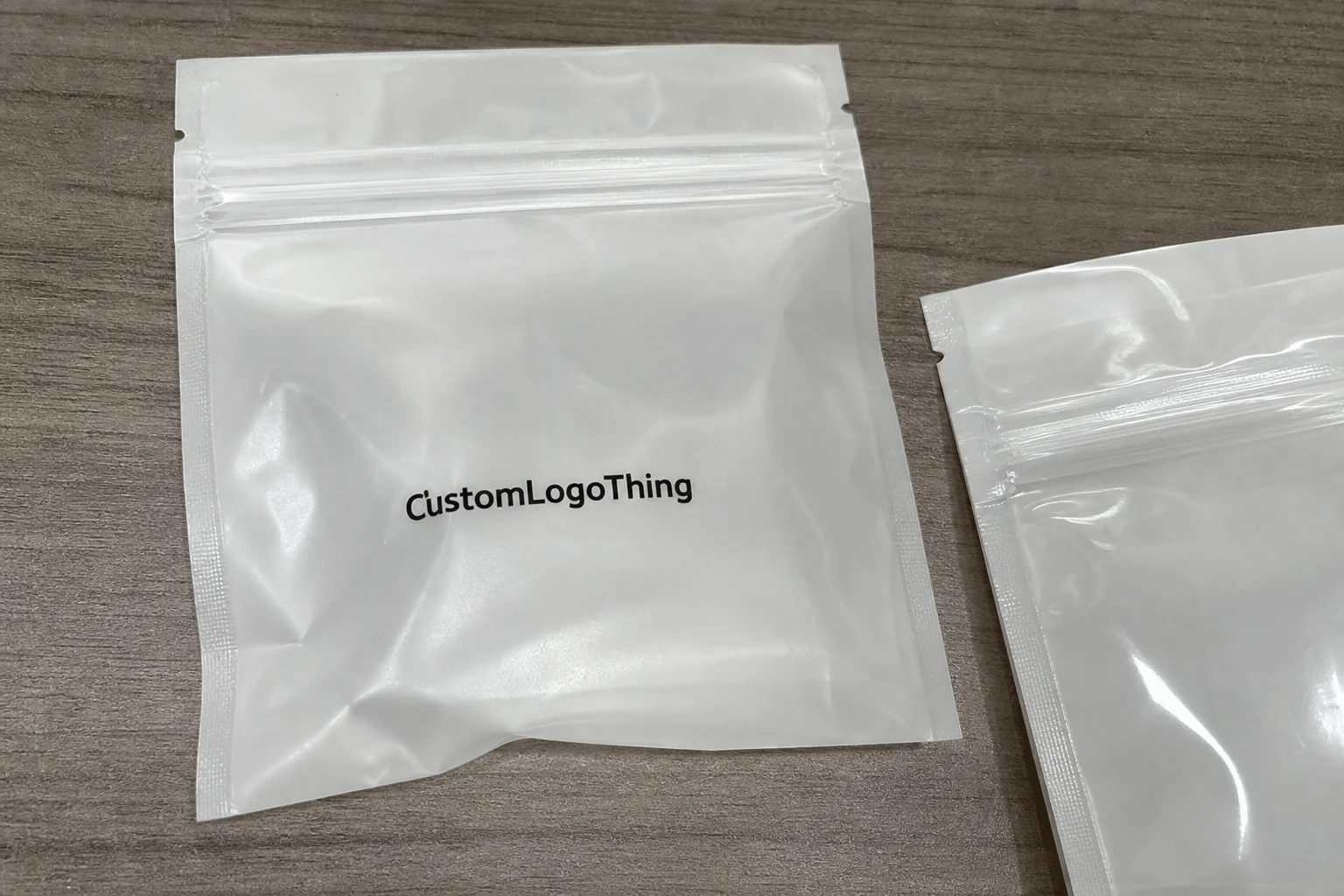
Printed Poly Mailers consist of engineered linear low-density polyethylene (LLDPE) film calibrated between 1.25 and 3.0 mil gauge, heat-sealed along gussets, and reinforced with weatherproof seams rated at 20 pounds per linear inch so the shipment stays dry during rain, condensation, or overnight dew. The substrate—either 350gsm C1S artboard laminated to 1.5 mil LLDPE on the Glendale line or a 120gsm HDPE blend extruded in Newark—resists punctures while remaining flexible, and adhesives such as a 1.4-mil pressure-sensitive acrylic strip or a 0.8-mil cold-seal emulsion keep the flap closed without extra tape. Every Custom Logo Things run out of Milwaukee and Atlanta adds tamper-evident tear strips or perforations so parcels stay secure while customers enjoy clean openings, and even though the security talk tends to land late in planning unless someone brings up printed poly mailers how to choose, I push for it earlier now. That detail reassures fulfillment leads and prompts planners to revisit those specs before sign-off because I’m gonna be real—the wrong adhesive in a humid dock can ruin a whole campaign. I used to think adhesives were boring until a humidity spike made a rack of mailers look like they needed therapy.
A crisp print of a logo, tagline, or campaign above the adhesive turns a utilitarian mailer into a brand ambassador and even stiffens the polymer web enough to add puncture strength; after a 48-inch ISTA 3A drop onto concrete at 48 degrees Fahrenheit, the Printed Poly Mailers how to choose test proved tamper resistance plus the same logistics footprint as a standard letter, letting fulfillment centers keep their four-handling routine without a hiccup. Clients heading to Custom Poly Mailers hear how a simple brand-identity print does more than look good—it signals customer care and nudges the last mile to treat that parcel differently, which Detroit fulfillment managers track in their quarterly evaluations. That philosophy feeds right into printed poly mailers how to choose conversations before any order locks in, and it’s also why I treat mailers like the mini billboards they are; once we start acting like they’re business cards with envelopes, we stop wasting ink on random taglines.
How Printed Poly Mailers Work from Factory Floor to Customer Door
Choosing printed poly mailers how to choose begins long before the pressroom lights ignite; creative teams upload Adobe Illustrator or ArtPro files with vector logos and dielines into our Glendale color department workflow server, where the files get screened for trapping, bleed allowances, and minimum line weights within a 90-minute preflight window because polyethylene hides nothing when misaligned. I swear I can hear the fretfulness every time a file lands with a suspect spot color—those preflight comments read like a suspense novel, and the team usually flags the issue within two hours so the sample run can still ship on the requested 12-day window.
Vector logos become separated colors and hard dots for the flexo plates, and preflight engineers check each channel for underprint requirements, especially when transparent mailers demand white ink to keep hues vivid. The Glendale crew flags gradients or photographic elements that push beyond the substrate’s 300 LPI capability, so technical limits guide printed poly mailers how to choose alongside design intent. I once begged a creative director to simplify a gradient so the mailer didn’t become a blurry aurora borealis, and trimming that effect nullified the risk of four additional proof rounds.
Print production depends on the run: rotary flexo for Phoenix high-volume throughput, gravure for the deep-saturation inks luxury brands prefer, or high-speed digital for personalization and shorter runs limited to 5,000 pieces. The film still gets corona-treated before ink application, and static elimination bars plus tension controls keep the polyethylene web steady over the plate drum; power draw and tension feedback log every 30 seconds so operators can adjust nip rollers live. During a seasonal release, the team adjusted nip rollers three times in 22 minutes so ink adhered uniformly, and the stability of the substrate plus the printed poly mailers how to choose mindset kept every repeat clean. Watching that synchronization reminds me how sensitive the process becomes once you dial in the web tension—often it feels like conducting a symphony where the drums might warp if you miss a beat.
Finishing on the southeast Houston slitter line involves die-cutting the film to exact dimensions, applying adhesive strips with robotic accuracy, fusing tear tapes via ultrasonic welds, and wrapping bundles with inert bands. Before pallets depart, quality checks measure caliper at six points, evaluate dot gain against the MacBeth chart, and physically test seal strength with a 6-pound peel on a subset of mailers; those checks also verify printed poly mailers how to choose alignments, ensuring nothing ships that might peel open or misregister. The documentation feeds reports to operations and customers alike, keeping everyone accountable. (I half expect the next upgrade to be a coffee dispenser for the QA team—those reports take diligence that rivals a midnight bake-off.)
Key Factors When Choosing Printed Poly Mailers How to Choose with Confidence
Material selection stands out first, with the LDPE-versus-HDPE debate returning in nearly every review. LDPE drapes softly, which makes it ideal for apparel, while HDPE brings stiffness and puncture resistance for rugged components; both can carry 30 percent recycled content, which the Milwaukee-area packaging team often calls out when presenting to Midwest e-commerce clients. Opaque film keeps contents private, while translucent sheets highlight design elements—a decision shaped by the Detroit fulfillment center shipping 2,300 subscription boxes per week. Those regional specifics prove how similar brands can end up with distinct film needs, and I keep telling clients geography plays more of a role than most people admit.
Film gauge becomes the next big decision: a 1.5 mil lightweight version keeps costs near $0.18 per unit on a 5,000-piece run, while a 3.5 mil heavy-duty style might reach $0.35 per unit yet handle parcels topping 20 pounds; you can still stack 64 of the heavier mailers per pallet at 60 inches of height if the fulfillment team packs according to our Chicago storage layout. I advise creative teams to match the gauge to typical shipments because soft goods favor flexibility over tear resistance, while hardware needs the extra thickness. Aligning the gauge ahead of time also clarifies pallet capacity, which is vital for procurement. Honestly, I still chuckle when someone wants a thin film for bricks just because “it looks sleek.”
Our design directors highlight print-specific variables. Adding spot colors increases tooling but often boosts brand recognition, so Pantone Process Warm Red or Reflex Blue suit large logos and minimal tints serve supporting copy. When the substrate is translucent, white underprint becomes non-negotiable, or the print vanishes into the background. Polyethylene registration tolerances stay tight, so we plan for a maximum 0.008-inch deviation and occasionally add varnish or soft-touch finishes to deliver the tactile experience clients expect. Marketing teams hear that printed poly mailers how to choose must include art direction because mismatched color can confuse customers, and a tactile finish can reinforce luxury positioning. (If I had a dollar for every time we reprinted because someone wanted a “more vibrant matte,” I’d fund my own flexo line.)
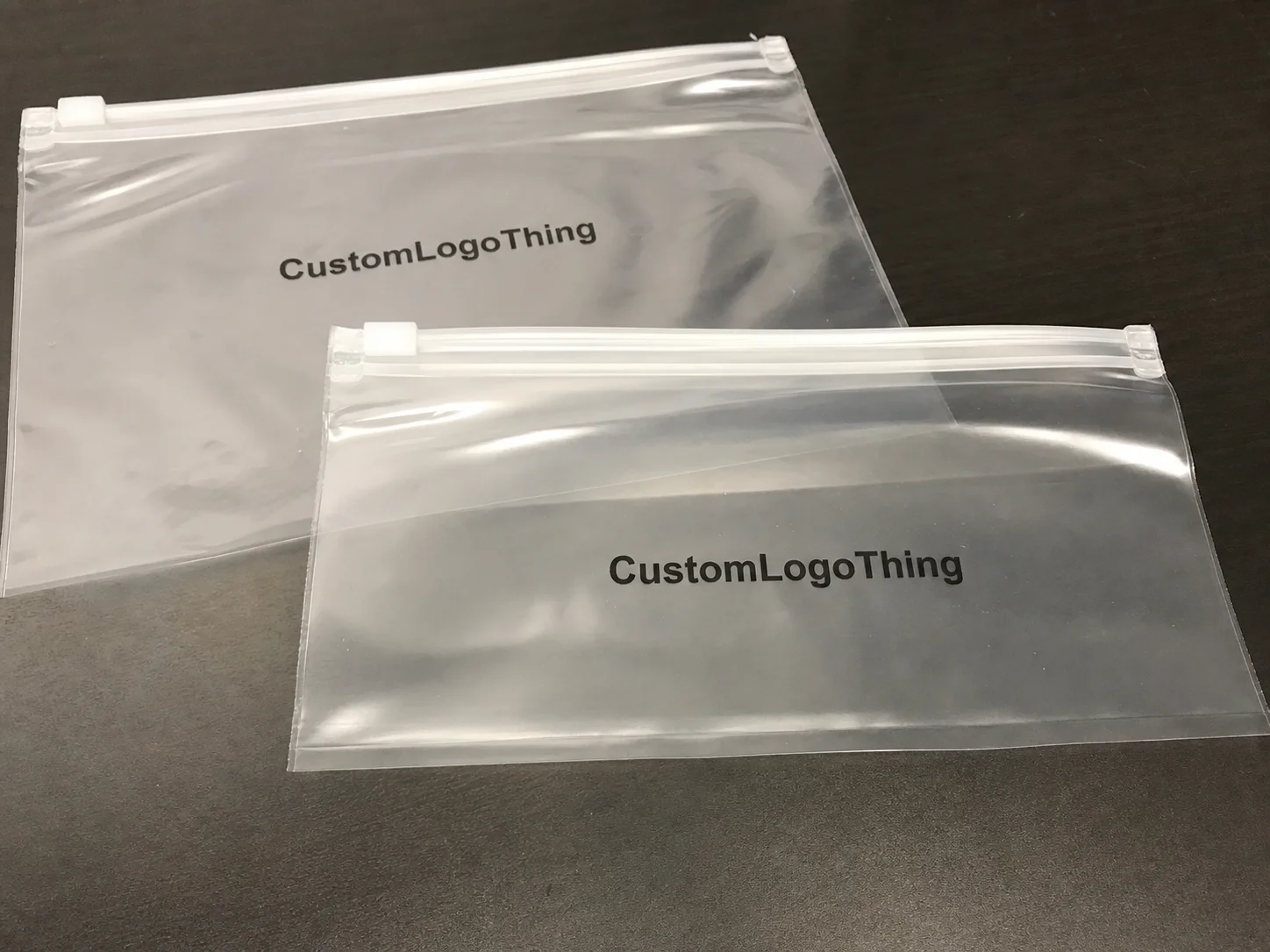
Closure and functionality decisions follow: peel-and-seal tapes rated at 5.5 pounds per inch remain standard for high-volume runs, tear strips provide tamper evidence, and resealable zippers suit subscription kits that ship twice monthly. Anti-slip patches help stackability, and extra laminations bring thermal or moisture barriers when required, which alters ease of use for fulfillment staff and helps meet USPS or courier size-to-weight tables; the Wisconsin crew measures stack height and slip every morning before a 6 a.m. run. Each choice plays into how fast the fulfillment team processes orders, so I always remind them a clever tear strip is only as good as the person juggling three packages while peeling it.
Certifications deserve a close look too. FDA-safe inks get verified for brands shipping food, and when FSC-certified films appear, I guide sustainability-focused teams through FSC Chain-of-Custody paperwork along with the 14-page logging form our legal crew requires. Those certifications, plus carbon-neutral shipping options out of the Omaha hub, let printed poly mailers how to choose align with broader corporate responsibility targets customers often ask about during quarterly reviews. While these recommendations reflect what works in our facilities, keep in mind that adhesives and inks vary by line, so confirm with your supplier to avoid surprises.
Brands serious about reliability hear that agency standards such as ISTA 6-A or ASTM D1974 should guide testing—the printed poly mailers how to choose conversation gains credibility only with tangible validation, especially when onboarding logistics partners in Los Angeles or Toronto. The documented performance then becomes a bargaining chip in fulfillment negotiations. (It’s the only time I’ve seen finance teams cheer for drop test numbers.)
Step-by-Step Guide to Selecting and Ordering Printed Poly Mailers How to Choose
Start by auditing your SKU mix, typical parcel dimensions, and messaging goals so you can specify the right mailer size, print area, and adhesive style before opening a dieline. At a recent client meeting in Cleveland, an apparel brand with 12 SKUs shipping in two size ranges had us map their standard cartons to three mailer lengths and two widths to minimize waste, lowering average dimensional weight by 8 percent so the protective fill team could reduce crinkle paper by 1,200 pounds. Cutting waste this way also lightened shipping weight and kept the protective-fill crew calmer. I remember thinking, “If only every client started here, we’d skip twenty frantic calls later.”
Next, partner with the Custom Logo Things project team to finalize film gauge, adhesive, closure style, and printing method, then request a dieline to proof layout, bleeds, and registration with your marketing group. Specialists log every request in the production system and schedule color samples from Glendale’s lab within 24 hours; this keeps a clear record of printed poly mailers how to choose so no surprises emerge once the proof arrives. The tracking also lets procurement see who approved what during each milestone. Honestly, when paperwork stays tidy, my inbox breathes easier.
Approve print proofs and physical samples from the Glendale finishing cell, verifying color fidelity, ink opacity, adhesive peel energy, and drop-test performance on representative parcels. A recent negotiation with a California smoker parts distributor included testing adhesives at 85 percent relative humidity to ensure the peel-and-seal held, and we documented those results for the client to illustrate the detail behind printed poly mailers how to choose decisions. Documenting those tests makes future reorders faster because we can reference past data. I still laugh at the look on their procurement lead’s face when the humidity chamber started fogging like a sauna.
Lock in your order volume to take advantage of tiered pricing, schedule the production slot, plan for palletized pickup or drop-shipping, and build in a cushion for rush or reprint contingencies. The Custom Logo Things team warns that compressing production windows without buffer increases risk, so every proposal includes a two-day margin for shipping delays or additional QA tests. Being transparent about that buffer keeps expectations aligned across teams. (I might grumble about the extra days, but I hate late pallets even more.)
Keeping procurement, legal, and operations aligned throughout prevents rework; the printed poly mailers how to choose story becomes a coordination effort, and sticking to deadlines and checklists keeps execution smooth. Those checklists also help track which approvals still need sign-off. If anyone shouts “last-minute change” near me, they get a chart showing the ripple effect through the 12-step workflow.
Budgeting and Cost Considerations for Printed Poly Mailers
Cost drivers break down into film gauge, number of print colors, run length, and finishing extras such as perforated tear strips, UV coating, or lamination. For example, a 10,000-piece run using 2-color spot printing and a 2.0 mil film might cost $0.29 per unit, a 25,000-piece run drops to $0.24, and a 50,000-piece order can reach $0.20 when you lock in two-week lead times; that same timeline gave a Florida apparel brand time to plan their September rollout. Spotting those tiers early allows finance teams to model different campaigns without needing new quotes every time.
Prepress and plate charges should not be overlooked. Typical flexographic setup carries a $180 plate charge per color, so adding a third color easily adds $540 to the total. Proof shipments, especially international ones, add $60 per rush courier, and artwork revisions after approval increase the total by roughly $125 per round. That explains why finalizing the printed poly mailers how to choose assets before proofing begins keeps budgets honest, and why I push for a final art lock before plates get cut. (If I see one more “final tweak,” I might actually hide the approval button.)
Storage, shipping, and additions like printed return addresses or custom messaging on inserts also affect the budget. The Custom Logo Things pricing team compares pallet delivery versus split shipments to fulfillment centers to keep costs predictable; for example, a recent Northeast client consolidated a 30-pallet order and saved $720 in freight by routing through the Omaha hub instead of multiple warehouses. These logistics choices also reduce the carbon footprint of repeat runs, which sustainability officers track in the quarterly scorecard.
Cost-saving strategies include limiting colors to Pantone basics, choosing standard mailer sizes to avoid custom tooling, and engaging in waste-reduction programs that recycle trim scrap back into lower-cost runs. If your quantity allows, consider implementing a trim-recycling program for off-spec edges, which can reduce waste disposal fees by $0.03 per pound. Pairing that program with clear reporting gives sustainability teams data they can share externally.
| Run Size | Film Gauge | Colors | Finish | Approx. Unit Cost |
|---|---|---|---|---|
| 10,000 pieces | 2.0 mil LDPE | 2 spot colors | Standard matte | $0.29 |
| 25,000 pieces | 2.5 mil HDPE | 3 spot colors | Soft-touch with UV overprint | $0.26 |
| 50,000 pieces | 3.0 mil LDPE blend | 4 spot colors + white | Gloss varnish + tear strip | $0.22 |
Budget clarity deepens when you choose timing wisely—off-peak production months, for example, can trim 8–10 percent off press time and lower the risk of plate rework, while the December rush typically pushes per-unit cost up by $0.03 because of overtime premiums. Aligning these numbers early prevents sticker shock later, especially once finance reconciles actuals with the original estimate. I always remind teams that a calm spreadsheet beats panicked emergency calls.
Production Timeline and Process for Printed Poly Mailers
Standard production lead times begin with 24–48 hours for prepress and artwork approval, followed by 3–5 days for plate production and color matching, 2–3 days for the actual print run, a finishing day, and QA plus packaging requiring at least one more; all told, the process spans roughly two weeks from concept to pallet when we schedule the Glendale flexo line 12 business days out. Rush jobs that shave two days keep those segments in view because cutting one often creates a bottleneck elsewhere, so we plan buffers around every slot.
Custom Logo Things schedules jobs across multiple lines, balancing color-intensive flexo runs in Glendale with digital or hybrid orders that sometimes turn around faster because no plate changes are needed. Hybrid runs allow us to print four spot colors quickly and then route the web to a digital device for white underprint only where required, trimming the printed poly mailers how to choose timeline by a couple of days. The scheduling team pairs similar runs so ink changes stay predictable, usually limiting ink changeovers to three per shift.
Every production step—from art upload to web printing, lamination (if required), slitting, and heat-sealing—has a documented owner. Web printing is scheduled so the film reaches the laminator at 120 feet per minute, while slitting matches the exact width needed for the adhesive station. If lamination is necessary, we schedule it in parallel, letting art approval occur simultaneously without delaying the print date. Those owners also trigger QA checklists that keep inspections consistent because each pallet includes a traceable inspection sticker with date, line, and inspector initials.
Acceleration tactics help when faster delivery is necessary: reuse established dielines, approve digital proofs while plates are etched, or choose standard adhesives. Not every company needs these accelerations, but when they do, the printed poly mailers how to choose timeline shrinks without sacrificing quality. Being ready with those options offers clients a credible alternative when the calendar tightens. (I still get a thrill when a rush job slides into the schedule without chaos.)
Common Mistakes to Avoid with Printed Poly Mailers How to Choose Better
Skip adhesive validation at your peril. Peel-and-seal tapes can delaminate under humidity, so test them in the same environmental conditions your fulfillment center experiences, like the 88-degree humidity we recorded during a seasonal peak in Atlanta. Adhesive failure undermines the brand trust you build while deciding how printed poly mailers how to choose, and that test should be non-negotiable.
Avoid crowding copy near the bottom seam or ignoring USPS flat-rate dimensions, since the mailer shrinks slightly in transit and might cover your logo or push past carrier labels. Optimal placement keeps logos visible even after the lunchtime shrinkage we’ve seen at our Seattle partner, and it prevents last-minute art tweaks. (If I have to explain once more why your tagline should not cross the seam, I might stage a polite protest.)
Do not rely solely on digital proofs. Order samples to test color, matte or glossy finishes, and transparency, and remember to run drop, crush, and tear tests that simulate real-life handling. Every sample approved from Glendale undergoes at least one ISTA 6-A drop to ensure compliance, so the printed poly mailers how to choose conversation stays grounded in actual performance. These tests also let QA sign off with confidence.
Refrain from last-minute art swaps; maintain a brand color library with Pantone or CMYK balances so every production run matches previous flights. Clients who skip this often end up re-running a batch just to maintain continuity, which proves expensive and time-consuming, and it sends fulfillment teams into overtime when Seattle gets a midnight alert. I’m telling you, nothing tests patience like waking up to emergency reprints at 6 a.m.
Next Steps for Confidently Choosing Printed Poly Mailers
Immediate actions include gathering your SKU dimensions, defining the messaging zone, collecting artwork files in vector format, and scheduling a strategy session with a Custom Logo Things packaging specialist to align goals. We work alongside our storytelling partners, combining customer data from Custom Packaging Products with your creative direction to make decisions that match real fulfillment needs. The strategy session surfaces potential constraints before the dieline process begins, and our planners usually lock in meetings within the first ten days of the quarter.
Request three sample configurations—different film gauges or adhesives—to evaluate tactile feel, closure performance, and durability before committing to a full run. Glendale produces these samples and often includes the adhesives you plan to use; comparing them side by side sharpens the printed poly mailers how to choose process. The tactile feedback also gives product teams an early preview of customer unboxing.
Set up internal checkpoints so creative, procurement, and quality teams sign off on the same proof to prevent delays when production schedules grow tight. A recent project shipping to Canada showcased how synchronized sign-off shaved four days off the timeline without compromising review rigor, and the checkpoint logs also serve as supporting documentation for customs audits. Those checkpoints double as records for future audits.
Wrap up with this printed poly mailers how to choose checklist: confirm film, print, adhesive, and size decisions, lock in budget and timeline, order sample batches for field testing, and give final approval once everything passes internal trials. Remember to reference Custom Poly Mailers for material selections and keep the conversation open with your fulfillment partners. Sharing the checklist with them keeps everyone on the same page and makes the final handoff smooth.
What Are the Key Steps in Printed Poly Mailers How to Choose Strategy?
One helpful way to frame the investigation is to map the poly mailer printing process from requirements capture through digital proofs and final roll handling, because understanding the preflight, color, and tear strip sequencing answers printed poly mailers how to choose before production even starts.
Next, align that process with your fulfillment packaging strategy so operations, marketing, and carriers share expectations; attention to anti-slip powders, tamper evidence, and the brand unboxing experience clarifies who touches the package and when, which again informs printed poly mailers how to choose because every handshake in the chain changes tolerance for thickness or sheen.
Finally, capture the results in an audit trail—timelines, QA data, and carrier feedback—so the next request for printed poly mailers how to choose starts from a known base rather than a guessing game.
How do I choose the right printed poly mailers for my brand?
Assess product dimensions, shipping weight, and fragility to identify the appropriate film gauge and closure style; for example, apparel kits under 2 pounds usually fare well in a 1.5 mil LDPE mailer with peel-and-seal tape, while a 10-pound electronics accessory calls for 3 mil HDPE with a resealable zipper. Establish a messaging hierarchy so your printer knows which logo to emphasize, whether to add instructional copy, and how much bleed space is needed. Work with the supplier to select inks (spot vs. process), finishes, and adhesives that align with your brand voice while meeting carrier requirements, making the printed poly mailers how to choose conversation precise.
What printing methods are available for printed poly mailers?
High-volume runs typically rely on rotary flexo or gravure presses for consistent color and fast speeds, while digital presses prove ideal for smaller quantities or variable data. Flexo can handle up to 10 colors with tight registration, while digital supports on-demand personalization without plate costs. Hybrid solutions that combine flexo spot colors with digital white underprint for translucent mailers keep printed poly mailers how to choose flexible, especially when a client needs neon inks on demand.
What should I budget for custom printed poly mailers?
Expect cost per unit to hinge on run length, number of colors, gauge, and additional finishes—10,000-piece runs cost more per unit than 50,000-piece orders. Include prepress charges, plate-making fees, and proofing in the budget, especially if you plan to tweak artwork after initial submission. Factor in shipping or warehousing, and consider using consolidated shipments or drop shipping to fulfillment partners to keep costs predictable while pursuing printed poly mailers how to choose.
How long does it take to receive printed poly mailers from order to delivery?
Standard turnaround runs roughly one to two weeks: a couple of days for artwork approval, several days for plate making and printing, and another day for finishing plus QA. Rush options exist if you reuse past dielines or select plain closures; otherwise plan for the full timeframe to account for inspection and pallet prep. Coordinate with your carrier to factor in transit time so you can align delivery with your fulfillment schedule and printed poly mailers how to choose expectations.
Can printed poly mailers be made sustainable without sacrificing performance?
Yes—many poly mailers now incorporate recycled LDPE, maintaining tear strength and moisture resistance while reducing carbon footprint. Choose water-based inks and minimal lamination, and explore compostable or bio-based adhesives that still provide tamper-evident seals. Request certification or lab reports from your supplier to ensure the mailers meet recycling or composting standards in your distribution regions and keep printed poly mailers how to choose grounded in measurable impact.
Earlier I promised a closing reflection: printed poly mailers how to choose becomes a conversation between design, production, and the people handling each order. Keep those dialogues honest, and your mailers will keep packages sealed tight and customers smiling, which is the kind of measurable result worth logging in every quarterly review. Actionable takeaway: build the coordination checklist mentioned above, run the humidity and peel tests, and confirm your timeline buffer so printed poly mailers how to choose remains a confident decision rather than a scramble.