A printed pouch can look perfect in a flat PDF proof and still fail the first time someone fills it, hangs it, scans it, or tries to close it with powder on their gloves. A practical printed zip lock Bags Sample Approval Checklist is built for that gap between artwork approval and real packaging performance. It moves the review past color and logo placement into the parts of the bag that decide whether it actually works.
For a packaging buyer, sample approval is not a ceremonial yes-or-no step. It is the last useful checkpoint before a production run gets tied to film, ink, zipper profile, seal settings, packing cartons, and freight plans. Once 10,000 custom resealable bags are made, a 3 mm zipper shift or a logo sitting too close to the heat seal is no longer a small note on a proof. It is finished inventory with a defect.
Printed Zip Lock Bags Sample Approval Checklist: What You Are Really Approving
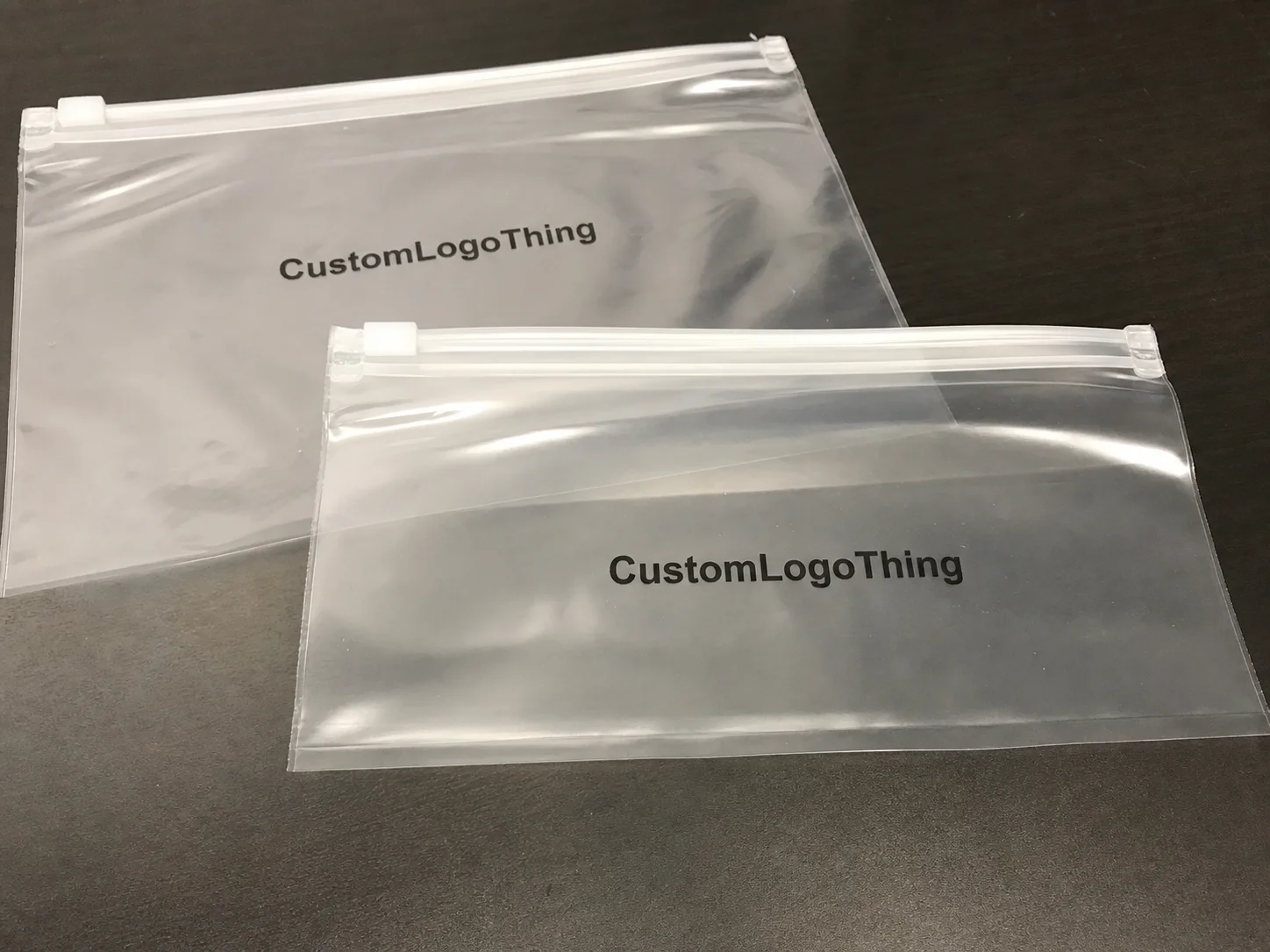
Sample approval should confirm the whole bag, not just the artwork. You are approving structure, material feel, zipper closure, print placement, opening direction, finish, usable space, and the way the bag behaves with the real product inside. Printed Zip Lock Bags are unforgiving because the zipper, lip, seal width, film gauge, gusset, and print zone all compete for space on a small piece of plastic.
The word "sample" can hide several different things. Buyers should define it early. A blank stock sample helps you check size, hand feel, clarity, stiffness, and product fit, but it says little about ink opacity or print registration. A digital printed sample can show layout and general appearance, often useful for short runs or early review. A pre-production sample is closer to the final bag because it uses the intended film structure and print method. A color drawdown or printed proof may focus only on ink match, usually against a Pantone target or approved physical reference.
Plain poly bags are more forgiving. Printed resealable bags are not. If the zipper track feels weak, if the bottom gusset is measured as outside depth rather than usable depth, or if a nutrition panel sits across a fold, the bag may match the artwork file and still fail in use.
Apparel, snacks, supplements, cosmetics, cannabis accessories, parts kits, and promotional sets all ask the same basic question: can this package survive filling, storage, retail handling, and repeat opening without looking tired after two touches?
Practical callout: Treat sample approval like incoming inspection before production starts. Measure the bag, fill it, scan it, close it, photograph it, and write down exactly what you are accepting.
How Sample Approval Works Before Full Production
The approval path usually starts with a quote built around clear specifications: bag width, height, gusset, film type, thickness, zipper style, print colors, finish, quantity, packing method, and shipping terms. Artwork files are then checked against a dieline or safe print zone. The supplier prepares a proof or sample, the buyer reviews it, revisions are documented, and final written approval is issued.
A digital proof and a physical sample answer different questions. The proof shows layout, panel orientation, barcode location, copy position, and basic color intent. The physical sample tells you what the film feels like, whether the zipper has enough grip, how opaque the white ink appears, whether the bag stands or slumps, and whether the seal areas stay clean under normal handling.
Print method changes the review standard. Flexographic printing is widely used for larger runs of printed poly and laminated pouches because it is efficient once plates are made. Gravure printing is usually reserved for very high volumes or premium detail, with cylinder costs that only make sense at scale. Digital printing can fit lower quantities, multiple designs, or faster artwork changes, although material choices, ink systems, and maximum bag sizes may be more limited.
Some approvals happen in stages. You might approve the blank bag size first, then the artwork, then a pre-production proof after plates, cylinders, or digital setup are ready. That sequence is normal. The weak point is vague approval language. "Looks good" does not confirm zipper style, matte finish, white ink backing, barcode grade, or accepted tolerance.
Packaging teams can also borrow recognized testing language instead of relying on loose opinions. ASTM methods cover many packaging and plastic film properties, while distribution testing programs from ISTA help frame transit risks for packed goods. Most zip lock bag projects do not need formal lab testing. Still, standards give buyers and suppliers better words for real failure modes: puncture, seal failure, compression, scuffing, leakage, and barcode readability after handling.
What Should a Printed Zip Lock Bags Sample Approval Checklist Include?
A printed zip lock bags Sample Approval Checklist should include the bag's physical construction, print details, product fit, closure performance, compliance-sensitive copy, packing instructions, and written approval status. In practical terms, that means size, usable fill area, film type, film thickness, zipper function, side seals, bottom seals, gusset shape, print placement, color target, barcode scan quality, finish, carton pack, and revision history.
It should also identify the sample type. A blank structural sample, a digital visual sample, and a true pre-production sample are not equal evidence. If the project involves custom resealable packaging for retail, a resealable pouch sample made with the intended material and print process carries more weight than a screen proof. The checklist should say what the buyer has accepted and what remains conditional.
The best version is short enough that a busy buyer will use it. One page can do the job. The point is not paperwork for its own sake. The point is to stop the kind of ambiguity that sounds harmless in email and expensive on a packing line: approved color but not opacity, approved size but not usable space, approved art but not zipper placement.
A practical checklist usually includes these fields:
- Project name, revision date, supplier quote number, and approved quantity.
- Sample type: blank stock sample, digital printed sample, color drawdown, or pre-production sample.
- Outside width, outside height, gusset depth, lip size, and usable fill area.
- Film structure, thickness, finish, barrier requirement, and stiffness expectation.
- Zipper type, zipper position, opening force, and repeated reclosure result.
- Side seal, bottom seal, hang hole, tear notch, and header checks where applicable.
- Artwork version, print method, color targets, white ink backing, barcode scan result, and lot code location.
- Packing count per inner pack and carton, carton labeling, and freight assumptions.
- Approved tolerances, open exceptions, required revisions, and final approval signature or written authorization.
Key Specs to Check: Film, Zipper, Size, Seals, and Print
A strong checklist separates physical checks from visual checks. Buyers naturally stare at the logo first. The larger risk is often quieter: a side seal too narrow for the product weight, a film that wrinkles badly during filling, or a zipper lip too short for gloved hands.
Film and material structure
Start with film type and thickness. LDPE and LLDPE are common for flexible, economical zip bags, often in the 2 mil to 4 mil range for light retail, apparel, small parts, and sample kits. CPP can add clarity and stiffness in some structures. Laminated PET/PE is common when the bag needs sharper print appearance, better puncture resistance, or stronger barrier properties, often around 3 mil to 5 mil total thickness depending on the product.
Matte films, frosted films, clear films, metallized structures, and high-barrier laminations change both cost and performance. Snacks, aroma-sensitive goods, supplements, and powders may need moisture or oxygen barrier that a basic mono-layer poly bag cannot provide. A soft goods bag might only need clarity, flexibility, and a clean zipper. A dry food pouch may need much more.
Sustainability claims need close checking too. FSC information is available through FSC, but FSC applies to forest-based materials, not ordinary plastic film. A paper hang tag and a plastic pouch do not carry the same claim logic. Recyclable, compostable, post-consumer recycled, and bio-based claims each require different support, and the claim may vary by market, collection stream, and final material structure.
Size, gusset, and usable space
Measure outside width and height first. Then measure usable inside space below the zipper. They are not the same number. Check the lip above the zipper, bottom gusset depth, side seal width, header area, hang hole position, and whether the product fits without pushing the zipper open. A bag listed as 6 inches by 9 inches may lose 0.5 inch or more to zipper placement, seal allowance, and rounded bottom folds.
Use the actual product. Fill weight matters. A 200 g soft apparel item behaves very differently from 200 g of metal parts or fine powder. Product thickness matters too. A coiled cable, a stack of wipes, and a pouch of seasoning may share the same net weight while stressing the package in completely different places.
If the bag will be hand packed, test hand packing. If it will run through semi-automatic filling equipment, check opening width, film stiffness, and mouth access against that process before approving the sample. A bag that performs beautifully on a desk may slow a packing line if operators have to fight the mouth open on every cycle.
Zipper, seals, and closure feel
Open and close the zipper at least 10 to 20 times. Listen and feel for uneven engagement. The track should align cleanly from edge to edge, and the opening force should be comfortable without feeling loose. Dry goods deserve a special check: small particles can sit in the zipper and block reclosure. Powders, seeds, tea, and granular parts expose weak opening geometry quickly.
Side seals and bottom seals deserve the same attention. Look for wrinkles, channels, weak edges, burn marks, or thin spots. Heavy products may need wider seals, stronger laminated film, or a different bag format. Child-resistant requirements, where applicable, belong in a compliance project. They should never be treated as a casual zipper preference.
Print, barcode, and finish
Check logo sharpness, fine text, color match, registration, print orientation, bleed, safe margins, and varnish or matte coating. White ink opacity is a major variable on clear or metallized film. Weak white ink can make brand colors look dull, gray, or oddly transparent.
Barcodes should be scanned from the actual sample, not approved only by sight on a screen. For retail work, barcode contrast and quiet zones can decide whether checkout is painless or a relabeling job starts in the warehouse. Also confirm that the barcode is not distorted by a gusset fold, zipper track, hang hole, matte coating, or curved fill shape.
Cost, Pricing, MOQ, and What Sample Changes Can Affect
A disciplined printed zip lock bags sample approval checklist helps control cost because late changes are rarely free. Once plates are made, cylinders are engraved, film is ordered, or a production line is scheduled, a small revision can create setup charges, material waste, or a delayed ship date.
Pricing for custom printed zip bags usually depends on bag size, film thickness, resin type, lamination, print colors, ink coverage, zipper profile, gusseting, surface finish, quantity, and packing method. For a simple digitally printed stock-size resealable bag, a small run might land around $0.35 to $0.90 per unit depending on size and coverage. A larger flexographic run may fall closer to $0.08 to $0.28 per unit at higher quantities, but plates, minimums, and freight can change the real landed cost.
| Approval Choice | Typical Use | Cost Impact | Buyer Risk to Check |
|---|---|---|---|
| Blank stock sample | Fit, hand feel, zipper trial | Often low cost, sometimes only shipping | Does not confirm final print color or opacity |
| Digital printed sample | Short runs, visual review, fast design checks | May add proof or sample fees of $25-$150 | May not match flexographic or gravure production exactly |
| Pre-production sample | Custom film, custom size, serious retail launch | Can involve setup, plate, or tooling charges | Best chance to catch structure and print issues before the run |
| Color drawdown | Pantone match, brand color approval | Usually moderate, depending on inks and substrate | Shows color only, not zipper or bag performance |
MOQ deserves a plain explanation. Lower quantities may be possible with digital printing or standard bag sizes, sometimes starting around 500 to 2,000 pieces. Custom dimensions, flexographic plates, specialty zippers, laminated barrier film, or heavy print coverage can push minimums into 5,000, 10,000, 25,000 pieces, or more. That pattern appears often because setup and material ordering carry fixed costs, even though every supplier and production route has its own threshold.
Compare quotes using the same details. A 3 mil LDPE bag is not the same as a 4.5 mil PET/PE matte laminated pouch, even if the outside dimensions match. Freight terms matter. So do cartons, inner packs, tolerances, color proofing, and whether the supplier documents what was approved before release.
Process Timeline, Lead Time, and Turnaround Expectations
Lead time begins before production. A typical path includes inquiry, specification review, quote, artwork check, proofing, sample creation if needed, buyer review, revision, written approval, production, quality inspection, packing, and shipping. Each step can move quickly when information is clean. The same step can stall if the team is still debating bag size, label copy, or where the lot code will live.
For standard materials with ready artwork, digital proofing may take 1 to 3 business days, while a physical sample can take several additional days plus transit. Custom printed production might run roughly 10 to 20 business days after proof approval for simpler jobs. Laminated structures, specialty zippers, high color counts, overseas production, and freight scheduling can extend that timeline.
Buyers can save time by sending final artwork in vector format, usually AI, EPS, or print-ready PDF with outlined fonts and linked images handled correctly. Confirm barcode size early. Send the real product for fit testing when the dimensions are new. Choose standard material structures when performance allows it. Most of all, combine comments into one clear revision list. Scattered feedback from sales, design, compliance, and operations can add a full round of delay even when every comment is reasonable.
Rushing approval is tempting. It is also expensive. If the sample is approved before anyone tests fill volume, zipper feel, and print location, the production run may reproduce a preventable problem at scale. The fastest projects are rarely the ones pushed hardest at the end. They are the ones with clean specifications and decisive sample approval at the beginning.
Common Sample Approval Mistakes That Cause Revisions
The most common mistake is approving artwork on screen without measuring the actual sample against the product, fill weight, and packing method. A PDF can make a 4 inch bag look roomy. The product disagrees quickly.
Color mistakes come next. RGB screen color will not match ink on plastic film. Pantone targets, physical color references, and approved samples are far more reliable. Clear film, frosted film, matte coating, and metallized substrates all change the way ink appears. White ink underprint can make colors brighter, flatter, or more opaque depending on coverage and press setup.
Structural mistakes are quieter and often more expensive. Buyers underestimate product thickness, choose film that is too soft for shelf display, pick film that is too stiff for easy packing, place artwork across a gusset fold, ignore the zipper lip, or allow a heavy product to strain side seals. A half-inch gusset difference can decide whether a bag stands neatly or rocks forward on a retail shelf.
Compliance and retail details need their own pass. Warning labels, ingredient panels, nutrition facts, lot code areas, recycling claims, and cannabis-related statements where allowed by law all need review by the responsible party. Barcode contrast, hang hole interference, and copy trapped near the zipper or heat seal should be caught before approval. The EPA is a useful starting point for broader environmental claim awareness, but packaging claims still need to be checked against the rules that apply to the product and market.
Documentation mistakes create confusion after everyone thinks the sample is approved. Vague emails, unmarked revisions, multiple comment threads, no retained sample, and failure to define whether approval covers layout only or full construction can all lead to disputes later. A good printed zip lock bags sample approval checklist should leave a paper trail that production, purchasing, quality, and receiving can all understand.
Next Steps Before You Approve the Final Bag Sample
Before final approval, fill the bag with the real product and leave it packed long enough to see how the film settles. Open and close the zipper repeatedly. Measure usable space. Inspect every printed panel. Scan the barcode. Check color under normal office, warehouse, and retail-style lighting if appearance is brand critical. Photograph concerns with a ruler or marked reference so the supplier can respond without guessing.
Create a short approval note. It should list approved size, usable fill area, film structure, thickness, zipper style, print method, color targets, finish, quantity, packing instructions, freight assumptions, and accepted tolerances. For plastic bags, a dimensional tolerance of a few millimeters may be normal depending on process and structure, but the tolerance should be understood before the order is released.
Separate must-fix items from preferences. "Barcode must scan at final size" is different from "we would prefer the logo 2 mm higher." One may stop the job. The other may affect plates, dielines, or schedule depending on timing. Clear priority helps the manufacturer quote revisions accurately and keeps the approval process from turning into an open-ended design meeting.
Keep one signed, dated, or otherwise clearly identified approved sample as the reference standard for incoming inspection. When cartons arrive, compare production bags against that sample for size, film feel, zipper function, print position, color, finish, and packing count. The approved sample is your best practical reference if a question comes up later.
The final approval should leave you with a bag that fits the product, protects the contents, prints cleanly, closes reliably, and is ready for production without loose assumptions. Used properly, the checklist is not extra paperwork. It is the buyer's simplest tool for preventing avoidable defects before they become cartons of finished inventory.
FAQ
What should a printed zip lock bag sample approval checklist include?
A printed zip lock bags sample approval checklist should include size, usable fill space, film type and thickness, zipper function, seal strength, gusset shape, print placement, ink color, barcode scan quality, finish, packing instructions, and written approval status. It should also state whether the sample is a visual proof, blank structural sample, or true pre-production sample made with the intended material and print process.
Do I need a physical sample before ordering printed resealable bags?
A physical sample is strongly recommended when the bag size, film structure, zipper style, or product fit is new to you. For repeat orders with unchanged artwork and specifications, a digital proof may be enough, but the approved previous sample should still be used as the production reference.
How do I check print color on custom zip lock bags?
Review the sample under consistent lighting, compare it against a Pantone reference or approved physical sample, and remember that clear, frosted, matte, or metallized films can change how ink appears. Check white ink opacity, color registration, fine text, and barcode contrast, especially when printing on transparent or tinted plastic.
Can sample changes affect the pricing or MOQ for printed zip bags?
Yes. Changes to size, film thickness, lamination, zipper type, print colors, coverage, finish, or quantity can affect unit cost and MOQ. Artwork-only changes are usually simpler, but changes after plate making, material ordering, or production setup may add cost or delay the schedule.
How long does sample approval take for custom printed zip lock bags?
Timing depends on artwork readiness, sample type, print method, material availability, revision rounds, and shipping time. Buyers can shorten approval time by submitting final artwork, confirming exact specs up front, testing the bag with the real product quickly, and sending all revision notes in one clear response.