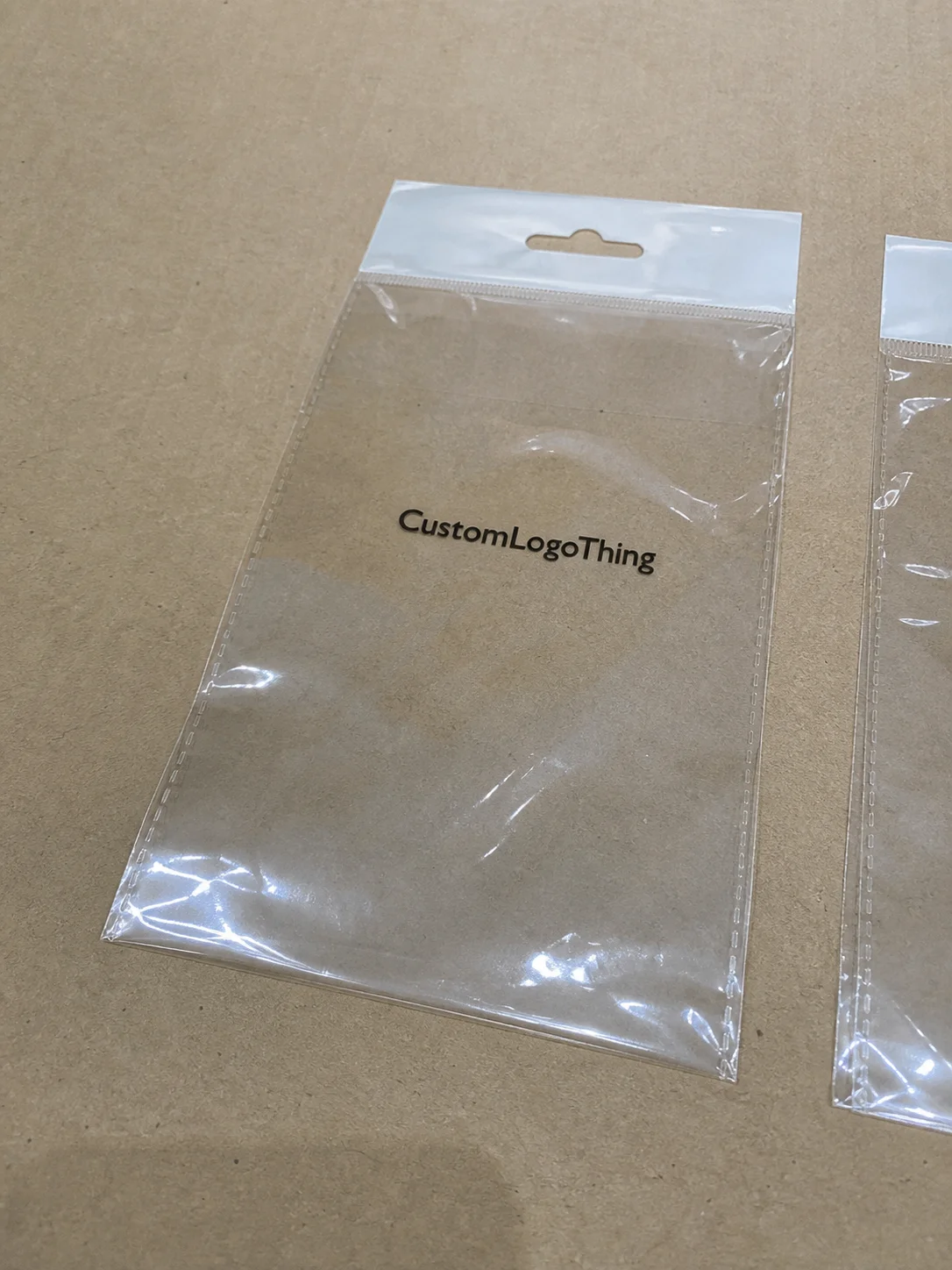
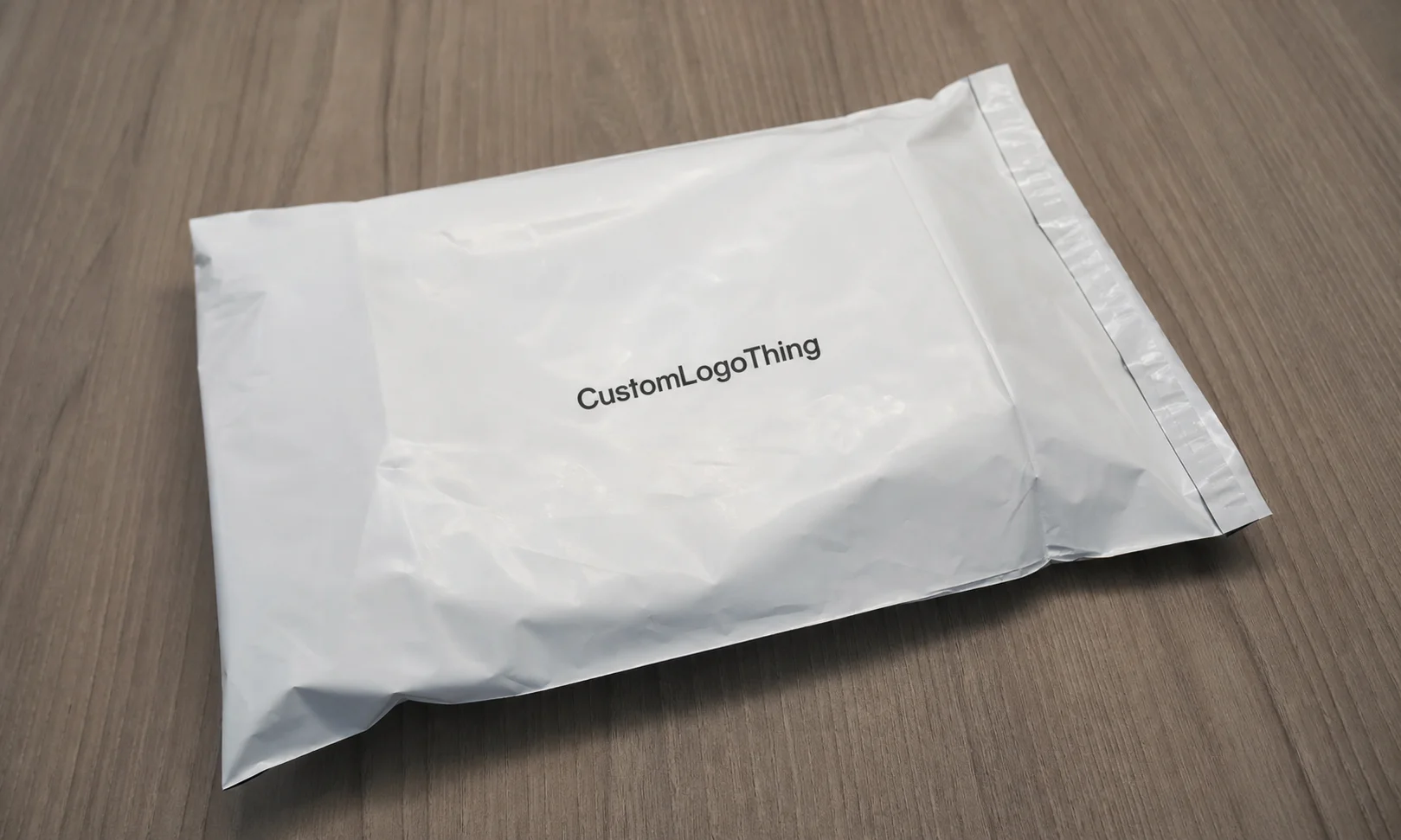
Why a Two-Cent Bag Can Become an Eight-Cent Bag
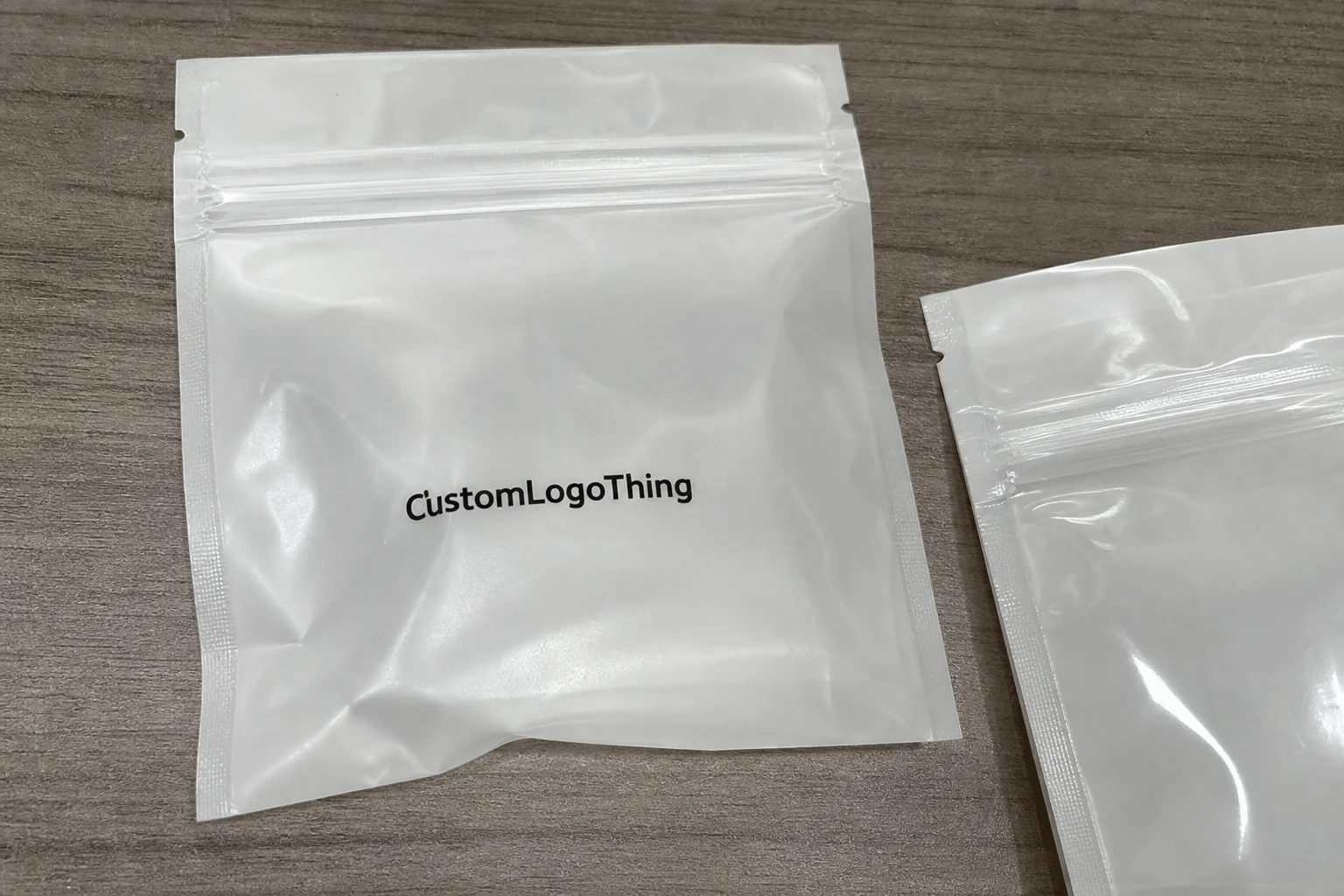
Two suppliers quote what appears to be the same 4 x 6 inch printed resealable bag. One price lands near $0.025 per piece. The other comes back at $0.075. The buyer asks for a Printed Zip Lock Bags unit cost breakdown because the visible difference looks irrational.
Usually, it is not irrational. It is buried in the spec.
A 2 mil LDPE bag with a one-color logo, standard press-to-close zipper, bulk carton packing, and domestic ground delivery is not the same product as a 4 mil frosted bag with heavy ink coverage, reinforced zipper profile, counting into inner packs, and air freight. The outline may match. The economics do not.
The lowest quoted bag price is rarely the full landed cost. A serious estimate includes film resin, extrusion or film purchase, converting, printing, plates or cylinders, artwork checks, make-ready waste, cartons, freight, duties if applicable, storage impact, and inspection. Leave one bucket out and the cost per piece starts to look cleaner than it really is.
The useful question is not “why is this bag expensive?” It is “which part of the bag is creating the cost?” Sometimes the answer is film thickness. Sometimes it is a zipper choice. Sometimes the quote is carrying a $400 plate charge across only 2,000 bags, which adds $0.20 per bag before the first piece of film is converted.
Custom Logo Things helps buyers separate the cost stack before production approval. That matters because the obvious savings are not always the largest savings. Reducing a bag from 3 mil to 2 mil may save more than deleting a second logo color, but it may also make screws poke through the side seal or make a cosmetics refill pouch feel cheap. In flexible packaging, a one-mil film change can matter more than a logo color change. A zipper upgrade can shift both cost and perceived quality.
Best-fit uses are broad: sample kits, small parts, apparel accessories, cannabis-adjacent packaging where permitted, cosmetics, craft supplies, hardware, documents, retail refill packs, promotional inserts, and product bundles. The correct bag is not always the thickest. It is the bag that protects the product, carries the brand, survives handling, and still makes financial sense at reorder volume.
Buyer rule: do not compare printed zip lock bag pricing until film gauge, zipper style, print method, quantity, packing, and freight terms are aligned.
Printed Zip Lock Bags Unit Cost Breakdown: What Changes the Quote
A useful printed zip lock Bags Unit Cost breakdown starts with physical inputs, then moves into production economics. The main buckets are film material, bag size, zipper style, print method, number of colors, print coverage, setup charges, production waste, packing format, and freight.
Film usually comes first because it is the largest physical input. LDPE is common for flexible, soft-feel zip bags. HDPE can feel crisper and may reduce material use in some applications, though clarity and hand feel change. CPP, OPP, and laminated structures can improve clarity, stiffness, or shelf appearance. They also tend to raise material cost and add converting complexity. A plain LDPE bag sits in a different price band than a laminated reverse-print bag built for retail presentation.
Size changes the math quickly. A 3 x 4 inch bag uses far less film than a 10 x 12 inch bag, but both may carry artwork checks, machine setup, and proofing time. That is why a small order of tiny bags can still show a surprisingly high unit cost. Setup is being spread across fewer saleable pieces.
Zipper choice has its own price curve. Standard press-to-close zippers are usually the low-cost baseline. Heavy-duty zippers, double-track closures, slider zippers, tamper-evident tear strips, and child-resistant features increase material needs and calibration demands. Child-resistant packaging may also require testing, documentation, or compliance review, depending on the product category and market.
Printing can be the biggest swing after film. One-color surface printing is typically cheaper than four-color process print. Full-coverage artwork runs heavier on ink and may slow production because registration has to stay tight across the web. Laminated reverse print protects graphics and looks more premium, but it adds layers, adhesive, and process steps.
| Cost Driver | Lower-Cost Direction | Higher-Cost Direction | Typical Buyer Impact |
|---|---|---|---|
| Film gauge | 2 mil LDPE for light items | 4 mil or laminated film | Can shift unit cost by 15% to 45% depending on size |
| One spot color, limited coverage | Full coverage, process color, white underprint | Raises setup, ink use, registration waste, and proofing time | |
| Zipper | Standard press-to-close | Slider, child-resistant, tamper-evident, double-track | Affects both material cost and perceived quality |
| MOQ | Higher run with repeat artwork | Small trial run with custom setup | Setup costs are spread across fewer or more bags |
| Freight | Planned ground or ocean freight | Expedited air freight | Can erase savings from a lower factory price |
Setup costs deserve their own line. Plates, cylinders, color matching, proofing, prepress checks, and test runs may be one-time expenses or repeat-order expenses if artwork changes. A transparent quote lets the buyer decide where to act: reduce gauge, resize the bag, increase MOQ, simplify print, or change freight mode. Guessing is expensive. Seeing the stack is useful.
What Should a Printed Zip Lock Bags Unit Cost Breakdown Include?
A printed zip lock bags unit cost breakdown should include every cost that turns raw film into delivered, usable packaging. The short answer: material, dimensions, film gauge, zipper type, printing method, color count, print coverage, setup or tooling, make-ready waste, packing, freight, duties, and quantity tier. If the quote omits any of those, the buyer is not seeing the real packaging cost analysis.
The most revealing line is often not the bag itself. It is the relationship between setup cost and quantity. A $400 plate or proofing charge spread across 2,000 bags adds $0.20 per bag before film, zipper, ink, or freight enter the calculation. Spread that same charge across 40,000 bags and it adds one cent. The tooling did not change. The denominator did.
Freight behaves the same way, but with a different disguise. A compact carton of small 2 mil bags can travel cheaply. Larger bags, thicker gauges, and retail pack-outs consume carton space and raise shipping weight. Air freight compresses the calendar and inflates the landed unit cost. Ocean or ground freight usually rewards planning.
For custom printed zip lock bags, ask suppliers to separate recurring costs from one-time costs. Film, zipper, printing, converting, packing, and freight usually recur. Plates, cylinders, artwork cleanup, and first-article samples may not recur if the reorder uses the same specification. This distinction matters when comparing a first order with a reorder. A first-run quote can look high, while the repeat price may be much more efficient.
A clean breakdown also names assumptions. Is the price based on one-color flexographic printing or digital print? Are cartons bulk packed or counted into inner sleeves? Does the quote include a physical sample? Is delivery included or estimated separately? Are duties included for imported goods? Each answer can move the final cost by fractions of a cent or several cents.
Those fractions count. A half-cent savings on 100,000 bags is $500. A two-cent mistake on the same program is $2,000. Unit cost analysis in flexible packaging should be boring, specific, and written down before purchase approval.
Bag Specifications That Move Price Before Printing Starts
Before asking for bulk pricing, define the bag. Width and height are only the start. A complete RFQ should include lip or header, bottom gusset if required, film thickness, material type, zipper style, hang hole, vent hole, write-on panel, seal requirements, pack count per carton, and any retail labeling needs.
Gauge is easy to underestimate. A 2 mil film may work well for stickers, paper inserts, lightweight apparel tags, jewelry findings, or sample cards. A 3 mil to 4 mil film often makes sense for hardware, small tools, powder samples, heavier cosmetics components, or parts with corners. Thicker film improves puncture resistance and shelf feel, but it increases resin usage and carton weight. Freight follows mass. So does storage.
Product stress varies wildly. A small packet of vitamin tablets pushes differently against the seals than a bag of screws. Powder needs seal discipline and sometimes extra headspace. Apparel accessories may need clarity and a smooth zipper more than brute strength. Documents may need a lay-flat bag with good optical clarity. Retail refill packs may need a stronger side seal, better print, and repeatable dimensions so they sit consistently in bins or cartons.
Finish also sends a price signal. Clear film is practical because the buyer can see the product. Frosted or matte film can feel more premium, although it may slightly reduce visibility. Opaque white film can make printed colors pop, but it changes the substrate cost. Colored films are useful for product families or kits, yet they can limit flexibility if a brand later wants one shared inventory bag across multiple SKUs.
Compliance-sensitive specs should be named before quoting. Food-contact material, suffocation warnings, recycle marks, child-resistant features, state-specific labeling, and product safety text can affect artwork and production checks. For transit performance, buyers can reference ISTA procedures when the filled bag ships inside an ecommerce parcel or master carton. For material and packaging guidance, ASTM test methods are often used by packaging engineers to discuss seal strength, puncture resistance, and film properties.
Sample testing is not optional if the product changes weight, shape, or closure requirement. A spreadsheet cannot show whether a 2 mil bag feels flimsy in a customer’s hand or whether a zipper pops open after three cycles. Many buyers overspend later because they saved $0.006 up front and paid for returns, repacking, or relabeling after launch.
RFQ Specification Checklist
- Bag width and height, measured in inches or millimeters
- Lip, header, hang hole, vent hole, or bottom gusset requirement
- Film type, such as LDPE, HDPE, CPP, OPP, or laminated film
- Film thickness, such as 2 mil, 3 mil, or 4 mil
- Zipper style, including standard, double-track, slider, tamper-evident, or child-resistant
- Print colors, Pantone references, artwork coverage, and print location
- Product weight, product shape, and expected fill quantity
- Compliance text, recycle marks, suffocation warning, or food-contact requirement
- MOQ target, reorder estimate, ship-to ZIP code or port, and target delivery date
The checklist protects the cost comparison from false precision. If one supplier quotes 2 mil LDPE with bulk packing and another quotes 3 mil laminated film with retail counting, the lower number is not automatically the better offer. It may simply be a different bag.
Printing Options, Artwork Choices, and Hidden Waste
Printing choices can make a calm quote turn noisy. Simple spot-color printing is usually the most efficient route for a logo, URL, instructions, or clean retail branding. Digital printing can support shorter runs, variable artwork, or SKU tests, but the cost per piece may stay higher at volume. Flexographic printing is often efficient for repeat orders and larger quantities. Rotogravure or laminated reverse print can deliver premium shelf impact for high-volume retail programs, though tooling fees and minimums tend to be higher.
Artwork coverage matters more than many buyers expect. A small centered logo may run faster and use less ink than a flood-coated design covering 80% of the bag surface. Tight registration costs attention, too. Each added color increases setup time, proofing complexity, and waste before the line stabilizes. The first saleable bag is rarely the first bag off the machine.
White ink underlayers can be useful on clear or colored film because they help graphics look opaque. Metallic effects, matte varnish, and window designs can also improve shelf presence. Price them deliberately. A premium visual effect that adds $0.018 per bag may be sensible for a $38 cosmetics refill, but not for a free screw kit in a hardware box.
Bad files add cost without improving the bag. Low-resolution logos, missing dielines, unconverted fonts, unclear Pantone references, and art placed too close to zipper seals can trigger rework. A 0.125 inch movement away from the zipper may prevent distortion. A clean vector logo can remove a full round of prepress correction.
Print repeat and bag orientation are less visible but still important. Artwork has to nest efficiently on the film roll. If the design forces awkward spacing, waste can rise. If the logo must face a specific direction relative to the zipper, that should be stated before proofing. A buyer who wants the product visible through a front window should define the fill orientation as well, because a nice window in the wrong spot is just expensive decoration.
Quality control starts before production. Confirm the print-safe area, zipper clearance, side-seal allowance, barcode quiet zone if used, and any regulatory text. Flexible film stretches. Ink sits differently on clear LDPE than it does on white paper. Pantone matching is possible within practical tolerance, but a backlit screen is not a production standard.
Ask for two numbers: the preferred artwork and a simplified version. That single comparison can reveal the branding premium inside the quote. In many cases, reducing from four colors to two colors or limiting flood coverage can save more than arguing over a half-cent on base film.
MOQ, Pricing Tiers, and the Real Landed Unit Cost
MOQ exists because machines need time before saleable bags come off the line. Film rolls have to be loaded. Ink has to be prepared. Zipper feed has to be calibrated. Print registration has to be checked. Operators have to inspect early output. That make-ready time is real even if the order is only 1,000 bags.
A printed zip lock bags unit cost breakdown should show quantity tiers, not just one number. Low quantities carry more setup cost per bag. Higher runs spread plates, proofing, machine setup, and waste across more units. A 2,500-piece order may look expensive at $0.18 to $0.32 per unit, while a 25,000-piece order with the same spec may fall into the $0.055 to $0.11 range. The exact number depends on size, film, print, closure, and freight, but the pattern is consistent.
Landed unit cost is the number that matters. It includes the quoted bag price plus setup charges, plates or cylinders, sample fees, carton packing, freight, duties if applicable, storage impact, and inspection if required. A bag quoted at $0.06 may become $0.082 landed after freight and setup. Another bag quoted at $0.07 may land at $0.076 if setup is already paid and cartons ship efficiently.
Request three quantity breaks: trial run, reorder quantity, and annual-use quantity. For example, ask for 2,500, 10,000, and 50,000 pieces if that fits your sales plan. If the program has multiple SKUs, ask whether shared film, shared zipper, or shared dimensions can reduce cost. Standardizing two bag sizes across six products may save more than pushing for a small discount on six custom sizes.
Do not cut the wrong corners. Dropping film thickness too far can create punctures. Weakening the zipper can cause product loss. Removing suffocation warnings, recycle marks, or compliance text can create retailer problems. Real savings usually come from standard sizes, combined SKUs, repeat artwork, fewer print colors, lower ink coverage, and better reorder timing.
For buyers monitoring packaging sustainability claims, the EPA sustainable materials management hierarchy is a useful reference point. Less material can be good. Too little material can be wasteful if the bag fails and the product is replaced. Packaging reduction only works when performance remains intact.
Cost discipline is not the same as buying the thinnest bag. The best unit cost protects the product, supports fulfillment, and avoids preventable rework.
Custom Logo Things treats the quote as a decision tool. A cost breakdown should show what changes the unit cost, not just a single line that says “custom printed zip bags.” That transparency makes tradeoffs visible before purchase orders are issued.
Production Steps, Proofs, and Lead Time Buyers Should Expect
The production path is straightforward, but every step has a decision hiding inside it. Inquiry. Specification review. Artwork check. Quote. Sample or proof approval. Material sourcing. Printing. Bag converting. Quality inspection. Packing. Dispatch.
A repeat order with approved artwork and standard material is usually faster than a first run with a new custom size, new print tooling, or a revised zipper. Typical simple printed bag programs may need 12 to 20 business days after proof approval for production, then freight time. More complex laminated work, custom tooling, or high-volume orders can run longer. Rush jobs are possible in some cases, but expedited freight can erase the savings gained from negotiating a lower factory price.
Proof type matters. A digital proof checks layout, dimensions, print position, warning text, and logo placement. A color proof helps set expectations for ink, substrate, and Pantone matching, though flexible films do not always behave like paper. A physical sample checks fit, zipper feel, product compatibility, clarity, gauge, and seal strength. If the bag is holding powder, sharp parts, oily goods, or anything compliance-sensitive, a physical review is worth the time.
Lead time variables include film availability, print method, tooling, order quantity, seasonal factory load, inspection requirements, and freight choice. A standard 4 x 6 inch 2 mil LDPE bag with one-color print is a different scheduling problem than a custom gusseted matte pouch with full-coverage print and a child-resistant closure.
Buyer delays are common. Missing Pantone colors, incomplete compliance copy, uncertain delivery address, and artwork still being “almost final” can stall a quote or proof. Provide final dimensions, artwork files, product weight, compliance text, ship-to details, and target in-hands date before asking for firm pricing. If a launch date is fixed, say so early.
Inspection should be practical, not decorative. For many programs, checks include overall dimensions, film gauge, zipper alignment, side-seal strength, print placement, color tolerance, carton count, and random open-close cycles. For retail or regulated categories, barcode readability, warning text, child-resistant performance, or documentation may matter more than a tiny color drift no shopper will notice.
A reorder calendar prevents expensive emergencies. If bags support monthly fulfillment, retail launches, sample campaigns, or kitting operations, forecast usage. A simple reorder point based on weekly consumption and lead time can prevent air freight. For example, a program using 1,500 bags per week with a 20-business-day replenishment timeline should not wait until 3,000 bags remain before reordering.
Next Steps to Get a Clean Quote Without Overpaying
A clean quote starts with clean inputs. Confirm bag dimensions, product weight, film preference, zipper requirement, print colors, artwork coverage, quantity range, destination ZIP code or port, and target delivery date. If you have a current bag you want to match, send photos and measurements. Better yet, send a physical sample for gauge, clarity, zipper feel, and seal strength comparison.
Ask for one base quote and one optimized quote. The base version should match your preferred spec. The optimized version can test alternate gauge, simpler print, higher MOQ, or a standard size. That side-by-side comparison turns cost control into a factual decision instead of a guessing contest.
Use a simple priority order. Protect product function first. Preserve brand-critical print second. Optimize pack-out and freight third. A bag that fails in transit is not cheaper. A bag that makes the brand look generic may not be right either. A bag with a slightly smaller logo, cleaner one-color print, and a standard zipper may be the smartest buy if it protects the product and fits the channel.
Custom Logo Things can return spec confirmation, pricing tiers, setup notes, proofing requirements, estimated lead time, and practical cost-saving alternatives that do not compromise the use case. That may include changing from 4 mil to 3 mil, moving from full flood print to partial coverage, combining SKUs under one bag size, or shifting from rush freight to a planned reorder schedule.
For a buyer, the commercial value is evidence. A printed zip lock bags unit cost breakdown gives buyers the evidence needed to approve the right bag, not merely the cheapest bag.
FAQ
What is included in a printed zip lock bag unit cost estimate?
A serious estimate should include material, bag size, film thickness, zipper type, print method, color count, setup or tooling, packing, freight assumptions, and quantity tier. Ask whether plates, samples, proofing, and delivery are included or listed separately, because those items can move the landed unit cost by several cents on small runs.
How can I lower the unit cost of custom printed zip lock bags?
The most practical levers are increasing MOQ, using a standard size, reducing print colors, limiting ink coverage, selecting a common film gauge, and combining similar SKUs. Do not reduce film strength or zipper quality below what the product needs, because returns and repacking can cost more than the original savings.
What MOQ should I expect for printed resealable plastic bags?
MOQ depends on size, material, printing method, and tooling requirements. Short-run digital orders may support lower quantities, while flexographic or laminated print runs usually need higher volumes to make unit pricing efficient. Many buyers should request three tiers so they can compare trial volume, reorder volume, and annual-use volume.
Why do setup fees affect my printed zip lock bags pricing?
Setup fees cover prepress, plates or cylinders, machine preparation, color matching, test runs, and waste before full production begins. These costs have a heavier impact on small orders because they are spread across fewer bags. On repeat orders with unchanged artwork, some setup or tooling expenses may be lower or already paid.
How long does it take to produce custom printed zip lock bags?
Lead time depends on proof approval, material availability, print method, order quantity, inspection needs, and freight mode. A repeat order with approved artwork is usually faster than a first run requiring new artwork checks or tooling. For planning, buyers should confirm the estimated production window and transit time before approving the purchase order.