Buyer Fit Snapshot
| Best fit | Printed Poly Mailers Premium Quality projects where brand print, material claims, artwork control, MOQ, and repeat-order consistency need to be specified before quoting. |
|---|---|
| Quote inputs | Share finished size, material target, print colors, finish, packing count, annual reorder estimate, ship-to region, and any compliance wording. |
| Proofing check | Approve dieline scale, logo placement, barcode or warning zones, color tolerance, closure strength, and carton packing before bulk production. |
| Main risk | Vague material claims, crowded artwork, missing packing details, or unclear freight terms can make a low unit price expensive after revisions. |
Fast answer: Printed Poly Mailers Premium Quality: Material, Print, Proofing, and Reorder Risk should be specified like a repeatable production item. The safest quote records material, print method, finish, artwork proof, packing count, and reorder notes in one written spec.
Production checks before approval
Compare the actual filled-product size with the drawing, then confirm tolerance on folds, seals, hang holes, label areas, and retail display edges. Reserve space for logos, QR codes, warning copy, and material claims before decorative graphics fill the panel.
Quote comparison points
Review material grade, print process, finish, sampling route, tooling charges, carton quantity, and freight assumptions side by side. A quote is only useful when the supplier can repeat the same color, closure quality, and packing count on the next order.
The first time I handled Printed Poly Mailers premium quality samples side by side in a Shenzhen QC room, the difference hit me in under 30 seconds. Two bags looked almost identical online. One had crisp seal edges, clean ink laydown, and a closure strip that actually bit into the film. The other stretched like cling wrap and lost its edge print the moment I rubbed it with a glove. That gap is why printed Poly Mailers Premium quality is not just a product label; it is a performance standard, and in that factory near Longgang District, the good sample was built from 2.5 mil LDPE while the weak one came in closer to 2.1 mil with sloppy side-seal alignment.
At Custom Logo Things, I’ve seen buyers obsess over artwork mockups and ignore the part that matters after the parcel hits a conveyor, a van, or a wet porch. Good packaging is quiet when it works. It simply arrives intact, looks intentional, and keeps the brand memory strong. That is the real job of Printed Poly Mailers premium quality. Honestly, I think a lot of people fall in love with the mockup and forget the mailer has to survive actual humans doing actual shipping things. Wild concept, I know, especially when a $0.02 difference per unit can decide whether a parcel looks polished or like it got dragged through a puddle in Dongguan.
Printed Poly Mailers Premium Quality: What It Really Means
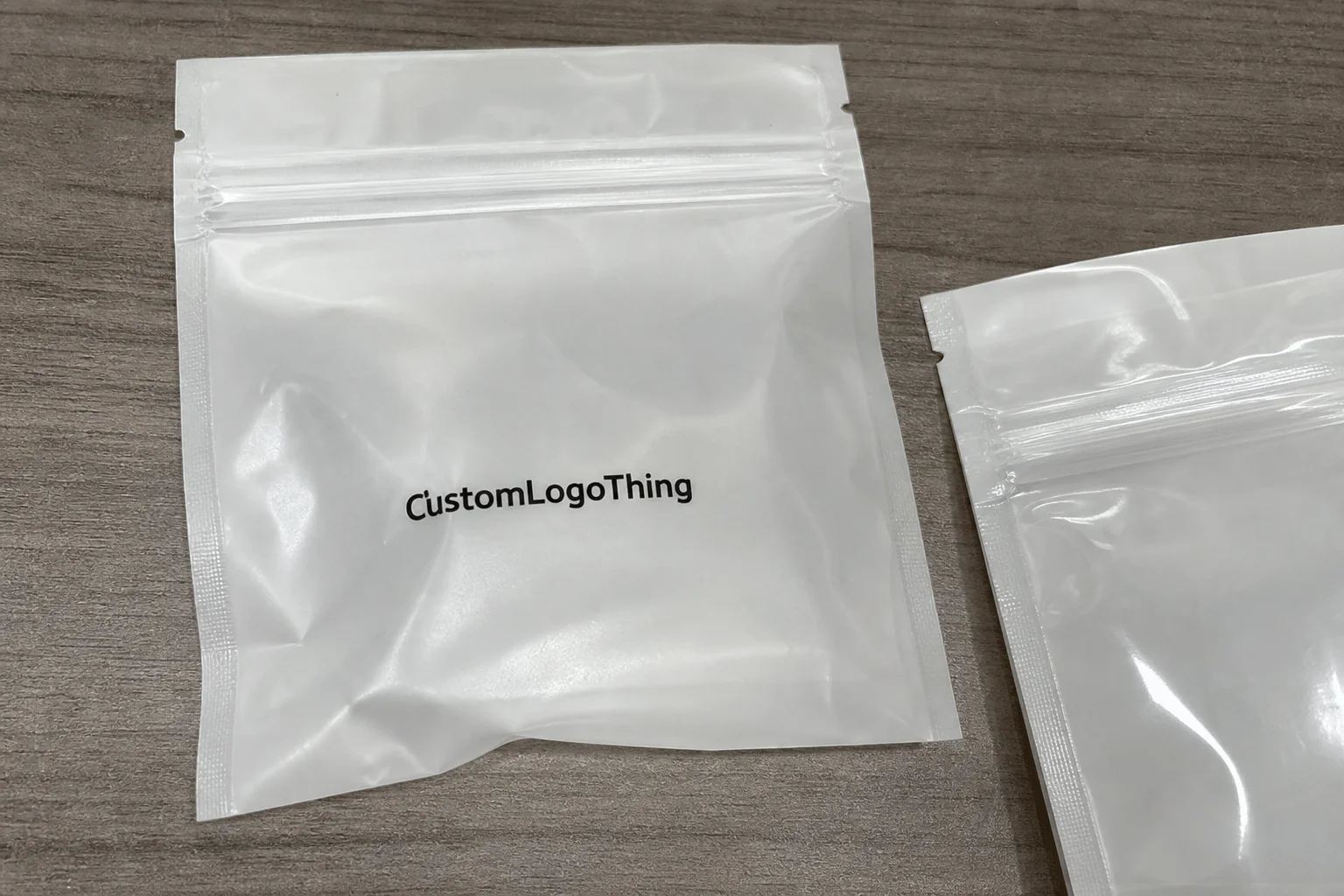
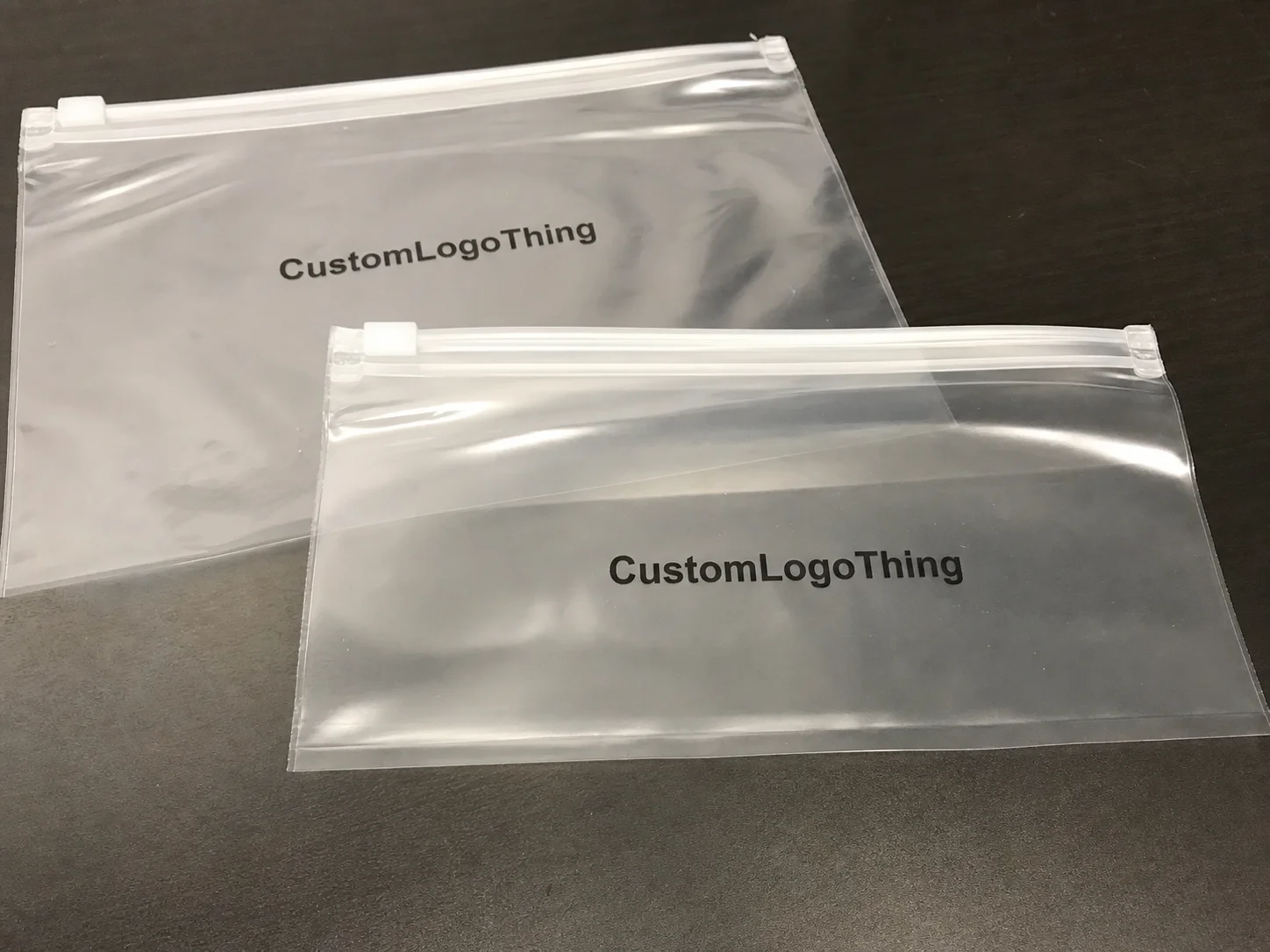
Printed poly mailers are Lightweight Shipping Bags made from polyethylene, usually LDPE or a blend designed for mail-order fulfillment. They can carry logos, bold colors, product messaging, barcodes, or full-coverage graphics. In plain language, they are the plastic envelope your customer sees first, and sometimes the only branded surface they touch before opening the package. For fashion brands shipping from Yiwu, Hangzhou, or Shenzhen, that one surface often does more brand work than the website header.
A lot of buyers get this wrong. They assume every mailer in the same thickness band behaves the same. It does not. Printed Poly Mailers premium quality usually means the film is more consistent across the roll, the seams are better controlled, the adhesive closure performs in real shipping conditions, and the print stays sharp after abrasion. I’ve watched a 2.5 mil mailer outperform a 3 mil competitor because the weaker option had inconsistent film stretching and sloppy registration. Thickness matters. Control matters more, and that control starts with extrusion tolerances that stay within roughly ±5% across the batch instead of drifting like a tired forklift driver after lunch.
Premium quality also shows up in the customer’s hands. A mailer that opens cleanly, resists puncture from corners, and keeps its color after truck sorting sends a simple message: this brand pays attention. That perception is worth money. It is also why printed poly mailers premium quality can cut avoidable damage claims and returns, which often cost more than the packaging itself. I’ve seen a beauty brand in Los Angeles save nearly $1,200 a month in reshipments after switching to a 3.0 mil bag with a stronger hot-melt seal and a wider 40 mm adhesive strip.
When I review samples with a client, I look at four things immediately: film consistency, seal strength, print durability, and closure performance. If even one of those is weak, the package feels cheap no matter how good the logo looks on screen. Honestly, that is the main mistake in this category. People buy a design. They should be buying a shipping system. I also check whether the factory is using a clear spec sheet, because a serious quote should say things like 2.5 mil thickness, 500 x 660 mm size, matte finish, and one-sided 3-color printing, not “good quality” and a smiley face.
For buyers comparing options, I also suggest thinking in terms of brand optics. A mailer is not a box, but it still acts like a billboard. The exterior surfaces of printed poly mailers premium quality carry more than graphics; they carry trust, especially for apparel, accessories, cosmetics, and direct-to-consumer brands where the parcel may be the first physical brand touchpoint. If your order ships from Guangzhou or Ningbo and lands on a customer’s porch in Chicago or Manchester, that first visual impression has already done half the selling.
“A mailer can look beautiful in a PDF and still fail in a real warehouse. I’ve seen that happen more than once.”
Premium quality is a mix of measurable specs and field performance. It is not always the thickest film, and it is not always the most colorful print. It is the combination that survives the sort belt, the shelf, the van, and the customer’s first pull at the tear strip. That is what separates standard packaging from printed poly mailers premium quality, and that standard is usually defined by details like 3-layer co-extruded film, a 25 mm side seal, and ink that survives a 72-hour rub test without smudging.
How Printed Poly Mailers Premium Quality Are Made
The production flow is straightforward on paper and unforgiving on the factory floor. First comes film extrusion, where polyethylene resin is heated and formed into a thin sheet or tube. Then the bag is formed, printed, sealed, cut, and inspected. The steps sound simple. The tolerances are not, especially in factories around Dongguan and Foshan where one line might be running 18,000 bags per shift while another is held back because the film gauge drifts by 0.1 mil.
I still remember a production walk in a Guangdong facility where the operator paused the line because one side seal was drifting by 1.5 mm. That tiny shift would have been invisible in a product photo. On the pallet, it would have turned into a customer complaint. That is why printed poly mailers premium quality depends on process control, not just materials. The factory had already set the machine to a 28-second cycle, but the supervisor still stopped it because a 1.5 mm error on a 500 mm bag can turn into crooked stacking and a reject rate north of 4%.
Print method matters too. Flexographic printing is common for large runs because it is efficient and handles repeat orders well. Rotogravure gives very consistent detail and rich solids, which is why some high-volume brands prefer it for complex artwork. Digital printing works best for shorter runs, frequent design changes, or versions with variable data. Each method has tradeoffs in setup cost, lead time, and color consistency. No method is “best” in every case, and anyone telling you otherwise is probably selling one process too hard. If you want one practical benchmark, flexo usually makes sense above 5,000 pieces, while digital starts making financial sense for 300 to 2,000 pieces with multiple SKUs.
Here is the part many buyers never see: before mass production, artwork goes through color separation, file checks, proofing, and plate or file setup. If your logo has a fine stroke or your brand uses a tricky red, that stage can decide whether the final mailer looks premium or muddy. Printed poly mailers premium quality depends on how well the printer translates digital artwork into ink on film, and film is less forgiving than paper because it stretches and rejects certain ink systems. On one order I reviewed in Shenzhen, a client’s PMS 186 red shifted too far toward orange because the proof was approved without a material swatch, and the correction cost them an extra 2 days plus a replate fee of about $120.
Ink adhesion is another hidden battlefield. If the ink does not cure correctly, it can smear during packing, rub off in transit, or crack at fold lines. Add edge sealing, gusset formation, and cut accuracy, and you can see why quality is won in a dozen places, not one. I’ve negotiated with suppliers who wanted to reduce curing time by a few seconds to increase output. That tiny saving can ruin the final product. Premium packaging rarely survives shortcuts, especially when the ink is laid onto a 55-micron film and then folded, stacked, and shipped through humid ports like Shenzhen or Xiamen.
Customization options that change the final result
Customization is where buyers can push a good product into a better one, or accidentally create a headache. Matte finish usually feels more restrained and modern, while glossy finish can make colors pop. Tamper-evident strips add security and a cleaner “first open” experience. Recyclable material choices can help brands meet sustainability targets, but only if the construction actually supports local recycling streams. In other words, the claim has to match the infrastructure, whether the bags are shipping into California, Berlin, or Sydney.
For sustainability context, I often point buyers to the EPA’s materials and recycling guidance at EPA recycling resources, because environmental claims are only useful when they are grounded in real collection and recovery conditions. For standards-minded brands, the International Safe Transit Association at ISTA is a useful reference point for transport testing ideas. Those references matter because printed poly mailers premium quality should survive not only a design review, but also a transit test, ideally a 1-meter drop test and a 30-minute compression check before you approve a 10,000-piece run.
One more thing: if you are comparing broader packaging options for your operation, our Custom Packaging Products range can help you match mailers with labels, inserts, and other branded items. If your core need is a shipping bag, our Custom Poly Mailers page is the most direct place to start, especially if you want a quote based on 5000 pieces, 2.5 mil film, and a matte exterior with one-color print.
Key Factors That Shape Quality and Performance
Material thickness is the first spec people ask about, and for good reason. Mil count affects puncture resistance, stretch behavior, and how confidently a bag handles corners. But thicker is not automatically better. A 2.5 mil film with strong orientation and clean seal integrity can outperform a heavier film that was extruded poorly. I’ve seen this in actual drop tests, especially with soft goods and folded apparel, where a 2.25 mil mailer in Shenzhen beat a 3.0 mil sample from another plant because the cheaper bag had uneven gauge across the web.
For printed poly mailers premium quality, thickness should match the item, not inflate it. Light apparel might be fine in a lighter gauge, while shoes, boxed accessories, or items with sharp corners usually deserve more film body. Too thin, and you get tears at the corner or a stretched seal. Too thick, and you may raise freight cost without improving the outcome enough to justify it. Nobody wants to pay extra just to get a bag that feels like overkill. I’ve had more than one buyer proudly request “the thickest possible mailer,” then wonder why their freight bill suddenly looked like it had taken up a gym membership, especially on cartons shipping from Ningbo to New Jersey at volumetric rates that punish every unnecessary millimeter.
Print quality is the second major pillar. Sharp logos, stable color, and good contrast all matter. Dark backgrounds can look gorgeous if the printer manages ink density well. They can also look streaky if the press control is weak. Fine text is especially revealing. If your social handle or support URL blurs, the whole piece feels cheaper. In my experience, printed poly mailers premium quality is often judged by the smallest type on the bag, not the biggest graphic. If the factory can hold text down to 6 pt without feathering and keep registration within 0.3 mm, you are probably looking at a serious supplier.
Closure performance is where many “nice-looking” mailers fail. Self-seal adhesive should close securely with one pass, hold through handling, and resist lifting in real storage conditions. If your fulfillment center is cold in the morning and humid by afternoon, that adhesive has to keep working. I’ve had clients in coastal warehouses see poor performance because the seal strip was never tested in humidity. The problem was not the design. It was the assumption. A good supplier should tell you whether the adhesive is pressure-sensitive acrylic or hot-melt and whether it has been tested at 5°C, 25°C, and 35°C.
Size and fit are equally important. A bag that is too large wastes film and shipping space. A bag that is too tight can stress the seam, distort the print, or make packing slower. Good fit means the product lies naturally without excessive movement. That keeps the shipment tidy and helps the printed surface look better when it reaches the customer. For printed poly mailers premium quality, fit is a performance metric, not just a sizing detail. I usually tell clients to leave 15-25 mm of clearance on width and 20-30 mm on length for soft goods, then reduce that buffer for boxed items.
Sustainability has become part of quality, and buyers are right to ask about it. Recycled content, downgauged film, and mono-material construction can all improve environmental performance, but only when verified properly. FSC is relevant for paper-based components, not plastic film itself, so brands need to be precise about what they are claiming. If a supplier cannot explain the actual material structure, I treat the claim cautiously. Premium should mean honest, not just attractive. A serious quote should say whether the film is virgin LDPE, 30% PCR, or a blend, and whether the zipper or adhesive strip is compatible with local recycling rules in regions like Ontario, Victoria, or Nordrhein-Westfalen.
| Option | Typical Use | Strength | Tradeoff |
|---|---|---|---|
| 1.5-2.0 mil mailer | Light apparel, low-risk items | Lower material cost | Less puncture resistance |
| 2.5 mil mailer | Most DTC apparel and accessories | Balanced durability and cost | May be insufficient for sharp corners |
| 3.0 mil+ mailer | Heavier or higher-risk shipments | Better tear resistance | Higher freight and unit price |
Printed Poly Mailers Premium Quality: Cost and Pricing Breakdown
Pricing is not mysterious once you break it into its parts. The big drivers are material thickness, bag size, number of print colors, finish type, quantity, and special features like a tear strip or dual adhesive seal. A plain one-color mailer in a standard size can be economical at scale. Add full-coverage art, matte lamination, and a second adhesive strip, and the cost rises fast. That is normal. A 350 x 450 mm bag with 2.5 mil film and one-color printing from a factory in Dongguan will price very differently from a 450 x 600 mm mailer with 4-color gravure and a die-cut handle from Jiangsu.
For example, a custom order might land around $0.15 per unit for 5000 pieces on a simple one-color design, while a more complex 4-color, full-bleed version can move materially higher depending on size and setup. I’m being careful there because pricing always depends on country of origin, resin market conditions, and packaging specs. Still, the direction is predictable. More features equal more cost. Printed poly mailers premium quality rarely comes from the lowest bid on the spreadsheet, and if a supplier quotes $0.11 for a 4-color full-bleed bag with a tear strip, I would ask what part of the specification they forgot to mention.
Short-run orders carry higher unit cost because prepress, setup, and machine adjustment are spread over fewer bags. Bulk pricing usually improves once the press is running long enough to dilute those fixed costs. I’ve seen buyers shocked that 1,000 pieces cost disproportionately more than 5,000. That is not a trick. It is the math of setup. Packaging people are very good at making this sound glamorous. It is mostly math, resin, ink, and a machine that would rather keep moving than stop for your last-minute change to the logo. On a typical Shenzhen line, proof approval on Monday and a 5,000-piece run can move out in 12-15 business days, while a 1,000-piece rush order often gets hit with a higher per-unit cost because the press still needs the same calibration, plate setup, and color matching.
Here is a simple comparison that I use in supplier conversations when a client is trying to decide whether to invest in premium features:
| Specification | Basic Custom Mailer | Printed Poly Mailers Premium Quality |
|---|---|---|
| Film consistency | Acceptable | Controlled, more uniform |
| Print clarity | Good for simple logos | Sharper text and better color control |
| Closure strength | Standard seal | Stronger adhesive and better hold |
| Damage tolerance | Moderate | Higher puncture and tear resistance |
| Brand impact | Basic recognition | More polished unboxing experience |
There are hidden costs that buyers overlook. Freight can move the landed price more than the unit cost. Artwork revisions can add delay and expense if files are not ready. Sampling is worth paying for, especially on a first order. If you need storage because you are buying in volume, that also belongs in the budget. I have had clients save $0.01 per unit only to lose it in higher freight and avoidable reprints. That is not savings; that is accounting theater. I once watched a brand in Melbourne save $50 on the order and then spend $280 fixing a color mismatch because they skipped the printed proof and approved a screen mockup instead.
For brands that ship consistently, premium quality can lower total cost over time. Fewer damaged shipments mean fewer replacements. Better presentation means stronger repeat purchase potential. I cannot tell you the exact payback for every brand, because a jewelry company and an oversized activewear brand will not see the same failure rate. But I can say this: printed poly mailers premium quality should be judged by landed cost plus outcome, not unit price alone. If you are buying 10,000 pieces at a time from Zhejiang or Guangdong, the cheapest quote can become the most expensive outcome once chargebacks, reships, and support tickets show up.
I also recommend asking suppliers whether overrun and underrun tolerances are built into the quote. A transparent quote should separate unit cost, plate or setup charge, shipping, and art fees. If a quote is too vague, it is usually hiding something. That is one of the oldest lessons in packaging procurement. Ask for exact tolerances too: ±10% on quantity, 1-2% on defective allowance, and a clear reprint policy if the print is out of register by more than 0.5 mm.
Step-by-Step Guide to Choosing the Right Mailer
Start with the product, not the packaging. What does the item weigh? Is it soft, rigid, sharp, fragile, or moisture-sensitive? Does it already sit in a carton, or will it go directly into the mailer? Those answers drive the spec. A 180-gram T-shirt has a very different need profile from a boxed cosmetic set with hard corners. If you are shipping from a warehouse in Austin or Manchester, the local carrier handling conditions matter too because a soft item sent through a light parcel network behaves differently from one routed through a heavy-sort hub.
When I visited a fulfillment operation that shipped 8,000 apparel orders a day, their biggest issue was not print quality. It was movement inside oversized bags. The products slid around, corners caught the seal, and the packaging looked tired by the time it left dock. Once they resized the mailer by just 20 mm in width, their complaint rate fell. That is the kind of fix buyers miss when they focus only on graphics. Printed poly mailers premium quality begins with correct fit, and on that site in Suzhou, the change reduced packing time by about 3 seconds per order because the team stopped wrestling with extra slack.
Match the mailer to the use case. Apparel often works well in lighter, flexible bags because the product itself is soft. Accessories, boxed goods, and multi-item packs may need a thicker film and stronger adhesive. If the package is likely to be stacked, sorted, or compressed, give yourself margin. I usually tell buyers to think about the worst-handled parcel in the shipment run, not the ideal one. A 250-gram cosmetics kit may seem harmless until it rides under a 12-kilo carton in a warehouse near Tianjin.
Then request samples and test them in real conditions. Pack your actual product, close the bag, press the seal, and simulate handling. Drop it from a bench. Rub the print lightly. Leave a sample in a warm room and another in a colder space. Those simple checks often reveal more than a one-page spec sheet. Printed poly mailers premium quality should survive customer-like treatment before you approve anything in bulk. I’d go further: do a 3-day hold test, tape a sample to a carton, and leave one in a 90% humidity room if your customers live in coastal regions like Miami, Manila, or Singapore.
Artwork review matters just as much. Make sure logo placement is correct, brand colors are approved, and text size is large enough to read at arm’s length. If the design uses low-contrast elements, ask for a proof printed on the actual film type. A file that looks elegant on a monitor can disappear on a gray or black background if the ink density is off. That is why pre-production proofing is worth the extra day or two. I usually ask for a hard proof or a photo proof from the actual run, because a 24-hour delay is better than 10,000 bags with your web address printed like it was scared of being seen.
Finally, confirm lead time and planning details. A production schedule might include proof approval, printing, curing, packing, and shipping. For many custom jobs, you may see 12-15 business days from proof approval, though that depends on order size, print method, and current factory workload. Build safety stock if your promotion calendar is tight. Premium packaging is only premium if it arrives before you run out. If your supplier is in Ningbo and your sea freight cutoff is Thursday, that “few extra days” can become a very real problem very fast.
Common Mistakes Buyers Make With Printed Poly Mailers
The biggest mistake is buying on price alone. That sounds obvious, but I see it constantly. A low quote can hide weak seams, inconsistent film, poor color registration, or adhesives that fail in colder storage. The order arrives, the first complaints come in, and suddenly the “cheap” bag costs more than the premium option would have. I once saw a client in Toronto save $400 on the order and then eat $1,100 in reshipments because the adhesive started lifting in a 7°C warehouse.
Another common error is ordering the wrong size. If the mailer is oversized, you pay for extra material and extra freight. If it is too small, the packout gets messy and the product is more likely to stress the seal. I had a client shipping small beauty bundles who chose a bag 30 mm too narrow. The product fit only by compressing the contents, which made the package look lumpy and inconsistent. That hurt the whole unboxing experience. In one plant visit in Shenzhen, the difference between a 260 x 330 mm bag and a 240 x 300 mm bag changed the pack line speed by 11%, which is a painfully expensive way to learn about size selection.
Adhesive testing gets overlooked all the time. Buyers assume the seal is fine because the demo sample closed in the office. Then the production batch sits in a warm warehouse, the glue edge softens, and the strip starts lifting. I’d rather see a supplier test for real environment performance than promise theoretical strength. Printed poly mailers premium quality should be validated under the conditions your parcels actually face, whether that means 2°C winter trucks in Chicago or 38°C summer docks in Dubai.
Design overload is another trap. Too many colors, tiny text, and low contrast can make even good printing look messy. Simpler artwork often performs better because it reduces registration risk and improves readability. I often advise clients to keep the logo dominant, add one support message, and stop there unless there is a real business reason for more. A single strong logo on a matte black mailer from Guangdong usually looks more expensive than a crowded 5-color layout with three taglines and a QR code no one can read without squinting.
Skipping sample approval is the final mistake I see too often. A sample costs time, but a bad production run costs more. You should be able to inspect print clarity, seal behavior, film feel, and bag fit before committing. Premium quality is a repeatable result, not a lucky accident. If a supplier says “no sample, just trust us,” that is not confidence. That is a red flag with a shipping label on it.
- Do not approve artwork from a screen alone.
- Do not ignore shipping environment data.
- Do not assume thicker film means fewer problems.
- Do test real product fit.
- Do ask for a written specification sheet.
Expert Tips for Getting Premium Results Every Time
Keep the design hierarchy simple. The strongest logo should be first, the secondary text should be readable, and the rest should support the message rather than crowd it. A crowded mailer looks busy even when the print quality is excellent. In my opinion, restrained artwork often feels more premium because it gives the material room to do its job. A clean two-color design on a 2.5 mil mailer from Shenzhen can look far better than a noisy six-color layout produced on cheaper film in a plant that never bothered to calibrate the press.
Ask for a production proof or pre-production sample whenever the order is color-sensitive or the quantity is large. If your brand uses a specific PMS tone, say so. If your logo depends on a tight alignment between text and icon, point that out early. A supplier can only control what you specify. That is true for printed poly mailers premium quality as much as it is for cartons, labels, or inserts. If the proof approval happens on Tuesday, keep the reference file locked and ask the factory to retain the same ink lot for the full run if the order spans multiple days.
Tell the supplier about the shipping environment. Hot storage, cold transit, humid regions, and long distribution lanes all affect bag behavior. One customer I worked with shipped winter apparel through a cold Midwest route, and their first adhesive formula was too stiff in low temperatures. The supplier revised the closure system, and the return rate improved. Simple detail, real impact. If you know your parcels sit in a warehouse in Atlanta for 6 hours before pickup, say that; if they go straight into containerized freight out of Qingdao, say that too.
Build a quality checklist before production approval. I like five items: seal integrity, print consistency, surface finish, edge alignment, and count accuracy. If the supplier is open, ask them to document those checks in a QC report. That gives you a record if something drifts later. A serious packaging relationship should feel a bit like an audit trail, not just a purchase order. I once had a factory in Dongguan send a 12-point QC sheet with photos of side seams, adhesive width, and carton counts; that order ran clean because everyone knew what “good” meant in millimeters, not vibes.
My last tip is to treat the supplier as a long-term technical partner. The best results come from honest testing, clear specifications, and repeat orders that allow the process to stabilize. Printed poly mailers premium quality is easier to maintain when both sides know the exact target. That kind of discipline is boring. It is also why good packaging keeps showing up on time, intact, and on brand, whether the factory is in Shenzhen, Guangzhou, or Wenzhou and the buyer is placing 3,000 pieces or 30,000.
For brands building out a larger packaging system, pairing mailers with the right inserts, labels, or shipping accessories can improve the full customer experience. That is one reason I often point clients back to Custom Packaging Products when they are standardizing fulfillment across multiple SKUs. The mailer does not exist alone; it is part of the shipment architecture, and a tidy system often starts with one well-specified bag and a clear packing list.
Next Steps: How to Evaluate Your Options and Place a Smarter Order
Start by drafting a one-page specification sheet. Include bag size, thickness, quantity, number of print colors, closure type, finish, and any special features like tear strip or tamper evidence. If you can, include a photo of the product that will ship inside the mailer. A visual helps suppliers quote more accurately and often speeds up the first round of sampling. If the product weighs 320 grams and ships flat, say that; if it is a boxed item measuring 210 x 140 x 40 mm, put that in writing too.
Next, gather two or three samples from different vendors and compare them under the same conditions. Use the same lighting, the same product, and the same packing method. One supplier may win on print clarity, another on seal quality. The goal is to understand where the real tradeoffs sit. Printed poly mailers premium quality should emerge from that comparison very quickly, especially if one sample uses 2.25 mil film and another uses 3.0 mil with a wider adhesive strip and cleaner registration.
Ask each supplier for a written quote that separates unit cost, setup, shipping, and art fees. If they can also list lead time from proof approval, even better. Transparent quotes make it easier to compare apples to apples. Vague quotes make cheap options look better than they really are. I like to see a line item for plates, a line item for proofing, a line item for export cartons, and a clear note on whether the ship date is FOB Shenzhen, EXW Guangzhou, or another trade term.
Test the mailer with your actual product. Not a sample shirt from the office drawer. Not a filler item. Your real packout. This matters more than most people think because packing tension, surface texture, and product shape all affect performance. If the bag survives the real item in a realistic workflow, you are much closer to the right decision. I’ve seen a cosmetic brand in London discover that a glossy mailer looked premium but was too slippery for their conveyor setup, which added 4 seconds per pack until they changed the finish.
Set a reorder threshold and a lead-time buffer. If your sales fluctuate or promotions spike, do not wait until the last carton is open to reorder. Build enough cushion so production lead time does not interrupt shipping. I have watched brands lose a week of momentum because they treated packaging like a commodity that could appear instantly. It cannot. If your current usage is 2,000 pieces a month, reorder at 6,000 if your lead time is 15 business days and your peak season lands in November. That is basic math, not rocket science.
And if premium quality matters to your brand, make durability, print clarity, and consistency the center of the decision. Not the cheapest quote. Not the prettiest mockup. The best printed poly mailers premium quality are the ones that do three things at once: protect the product, present the brand well, and keep fulfillment simple. That is the real standard, whether the order is 500 pieces for a startup in Austin or 50,000 pieces for a mature DTC brand shipping from Jiangsu.
If you are ready to compare options, review our Custom Poly Mailers range, or browse the broader Custom Packaging Products catalog to build a more complete branded shipping setup. The right mailer will not solve every packaging problem, but it will remove one of the most visible ones, and that visibility is exactly why buyers notice the difference between average and truly printed poly mailers premium quality.
“Good packaging disappears when it works. Great packaging improves the shipment without asking for attention.”
FAQ
What makes printed poly mailers premium quality instead of standard?
Premium quality usually means better film consistency, stronger seals, sharper printing, and more reliable adhesive closure. The bag should also hold up better during sorting, stacking, and final-mile delivery, which is where weaker products tend to fail. In practice, that often means 2.5-3.0 mil film, a clean side seal, and print registration tight enough to keep text readable after handling.
How do I know which thickness is best for printed poly mailers premium quality?
Match thickness to product weight, fragility, and shipping conditions instead of assuming thicker is always better. Request samples and test for puncture resistance, seal strength, and flexibility with your actual items. For many apparel orders, 2.25-2.5 mil works well, while heavier or sharp-edged shipments may need 3.0 mil or more.
Are printed poly mailers premium quality more expensive to produce?
Usually yes, because better materials, more precise printing, and stronger closures raise production cost. The higher upfront cost can often be offset by fewer damaged shipments and a stronger customer presentation. A 5,000-piece run might price around $0.15 per unit for a simple design, while more complex specs cost more depending on print colors and finish.
How long does production usually take for custom printed poly mailers?
Timeline depends on artwork approval, print method, order size, and whether samples or proofs are required. Always confirm lead time before final approval so the order fits your shipping schedule. For many custom jobs, production is typically 12-15 business days from proof approval, then a few extra days for packing and export shipping from places like Shenzhen or Ningbo.
What should I test before ordering printed poly mailers premium quality in bulk?
Test seal strength, print clarity, size fit, shipping durability, and whether the adhesive performs in your storage conditions. Also check that the design remains legible and the mailer still looks polished after handling. A simple real-world test with your actual product, a 1-meter drop, and a 24- to 72-hour storage check will tell you far more than a glossy sample sheet.