Buyer Fit Snapshot
| Best fit | Printed Poly Mailers Practices Shipping projects where brand print, material claims, artwork control, MOQ, and repeat-order consistency need to be specified before quoting. |
|---|---|
| Quote inputs | Share finished size, material target, print colors, finish, packing count, annual reorder estimate, ship-to region, and any compliance wording. |
| Proofing check | Approve dieline scale, logo placement, barcode or warning zones, color tolerance, closure strength, and carton packing before bulk production. |
| Main risk | Vague material claims, crowded artwork, missing packing details, or unclear freight terms can make a low unit price expensive after revisions. |
Fast answer: Printed Poly Mailers Practices Shipping: Film, Print, MOQ, and Carton Packing should be specified like a repeatable production item. The safest quote records material, print method, finish, artwork proof, packing count, and reorder notes in one written spec.
Production checks before approval
Compare the actual filled-product size with the drawing, then confirm tolerance on folds, seals, hang holes, label areas, and retail display edges. Reserve space for logos, QR codes, warning copy, and material claims before decorative graphics fill the panel.
Quote comparison points
Review material grade, print process, finish, sampling route, tooling charges, carton quantity, and freight assumptions side by side. A quote is only useful when the supplier can repeat the same color, closure quality, and packing count on the next order.
Quick Answer: Printed Poly Mailers Best Practices That Actually Matter
The cheapest mailer can turn into the most expensive one fast. I’ve watched a brand save $0.02 per unit on film cost, then lose the margin right back when ink scuffed in transit, seams split on a 9-ounce apparel shipment, and customers posted photos of wrinkled branding that looked like it had already survived a returned order. That is exactly why Printed Poly Mailers best practices are not just about looks; they’re about protection, consistency, and how the package performs after 300 miles of sorting belts and a couple of rough conveyor drops.
My short answer: Choose the Right film thickness, verify print adhesion, match seal strength to product weight, and test the mailer under real shipping conditions. Those four checks solve most of the problems I’ve seen on factory floors and in client receiving rooms from Shenzhen to Los Angeles. If you’re shipping apparel, beauty items, accessories, or other lightweight soft goods, Printed Poly Mailers best practices should treat the mailer as both a branding asset and a shipping system, because one without the other creates avoidable cost.
Honestly, I think many buyers make the same mistake: they approve a beautiful proof on a screen and assume that’s the product. It isn’t. A mailer can look excellent in a sales sample pack and still fail after an automation machine heats the seal, a route truck compresses the parcel stack, or a barcode label sticks over a glossy ink panel. The better approach is practical and a little unsentimental. Judge the mailer by print quality, seal reliability, puncture resistance, and how it behaves when handled by actual fulfillment staff on a 42-inch packing table at 7:00 a.m.
For most brands, the best starting point is a custom logo mailer with 2.25 mil to 3 mil film, a strong pressure-sensitive closure strip, and print artwork that uses high contrast with generous edge clearance. Recycled-content options can work well too, especially if your supplier can show real seal and adhesion data. Compostable-look alternatives may suit a marketing story, but I’d only choose them after testing, because appearance alone doesn’t tell you whether they survive the sortation line in Dallas, Texas or a humid receiving dock in Atlanta, Georgia.
Here’s the expectation I’d set before buying: compare price, print method, thickness, and lead time, then weigh those against damage rate, reprint risk, and the customer experience. If you want a broader packaging selection alongside mailers, I’d also look at Custom Packaging Products early in the planning stage so the mailer doesn’t become an isolated decision. A branded insert card, tissue, or outer box can change the spec, and that change is usually what kills a “simple” quote.
What Are Printed Poly Mailers Best Practices?
Printed Poly Mailers best practices are the rules that keep a branded mailer from becoming a flimsy, expensive apology. The goal is simple: the package should protect the product, carry the brand cleanly, and survive the trip without looking beat up. That means choosing the right film gauge, closure type, print method, opacity, and artwork layout before you think about the pretty mockup.
In practical terms, the best practices for printed poly mailers cover three things: material performance, print durability, and fulfillment-friendly design. Material performance is about whether the bag can handle the product weight and rough handling. Print durability is about whether the ink rubs off, fades, or scratches. Fulfillment-friendly design is about whether the team packing orders can seal it quickly without fighting the adhesive strip like it owes them money.
I’ve seen brands get tripped up because they treated mailers like disposable wrappers. Bad idea. A mailer is part of the shipping system and part of the brand experience. That is why printed Poly Mailers Best practices also include testing, proof approval, and landed-cost checks. If you skip those, you usually pay later in returns, reprints, and customer complaints. Fun times. Not.
Top Printed Poly Mailers Compared: What Wins in Real Use
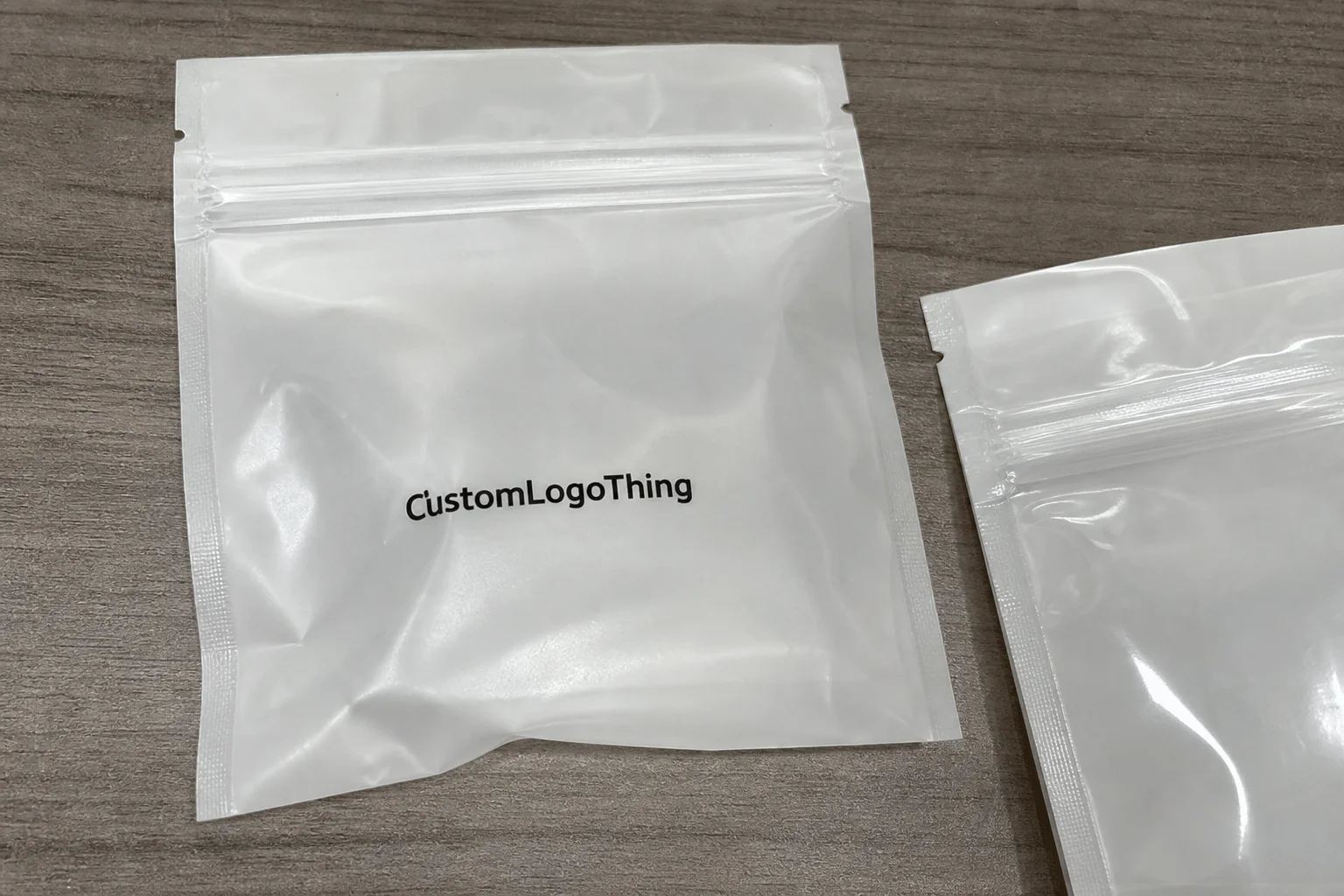
In client meetings, I usually lay out five options on the table: plain printed film mailers, custom logo mailers, recycled-content mailers, compostable-look alternatives, and high-opacity premium mailers. They all sound similar in a catalog. In actual shipping, they behave differently enough to affect damage rate, brand appearance, and reorder confidence. That’s why printed poly mailers best practices start with comparing real-world use, not just the sales sheet from a factory in Guangdong or a broker in Ho Chi Minh City.
Plain printed film mailers are the most straightforward. They are usually the lowest-cost route when you need a logo or one-color branding on a standard polyethylene body. They can work well for apparel and promotional shipments, but if the ink system is weak or the film is too thin, I’ve seen them show abrasion at the corners after a single carrier sort. Custom logo mailers are the stronger branding play. They cost more, but the visual return is immediate when your fulfillment center wants a package that looks consistent across 5,000 or 50,000 orders, especially if your warehouse ships from Reno, Nevada and your customers are spread across the Midwest.
Recycled-content mailers deserve a serious look. I’ve handled batches with 30% to 100% post-consumer content that held up surprisingly well, but the spread between suppliers is real. One run may seal cleanly and print sharply; another may have slightly lower opacity or a softer feel that makes sharp-edged items more likely to telegraph through the film. Compostable-look alternatives are often chosen for presentation, yet they can be the most misunderstood category. Some are just styled to look eco-friendly, while others use genuinely different materials, and not every “green” claim performs the same way under moisture, heat, or pressure. When a supplier says eco-minded, I ask for the test data, not the adjective.
High-opacity premium mailers win when privacy and appearance matter. Beauty brands, intimate apparel, and higher-end boutique labels often prefer them because the contents do not show through, and the surface usually supports cleaner graphics. In my experience, the matte finish often photographs better for DTC brands, while glossy finishes can feel louder and more promotional. Neither is automatically better. I’ve had customers reject a glossy run because the reflections made the logo hard to read in product photos, which was an expensive lesson for a team that had optimized only for shelf impact. A mailer that looks good in Brooklyn studio light can still look messy on a porch in Phoenix.
| Mailers Type | Typical Thickness | Print Clarity | Durability | Best Use Case | Typical Reality Check |
|---|---|---|---|---|---|
| Plain printed film mailers | 2.0-2.5 mil | Good with simple logos | Moderate | Budget apparel, promo shipments | Can scuff if print ink is undercured |
| Custom logo mailers | 2.25-3.0 mil | Very good | Good to strong | Scaling DTC brands | Sample quality can hide bulk variation |
| Recycled-content mailers | 2.25-3.0 mil | Good, sometimes slightly muted | Variable by blend | Sustainability-led brands | Must verify seal strength and opacity |
| Compostable-look alternatives | Varies widely | Often strong visually | Can be inconsistent | Marketing-driven launches | Not all are equally tough in transit |
| High-opacity premium mailers | 3.0 mil+ | Excellent | Strong | Beauty, luxury, privacy-sensitive orders | Costs more, but tends to reduce damage complaints |
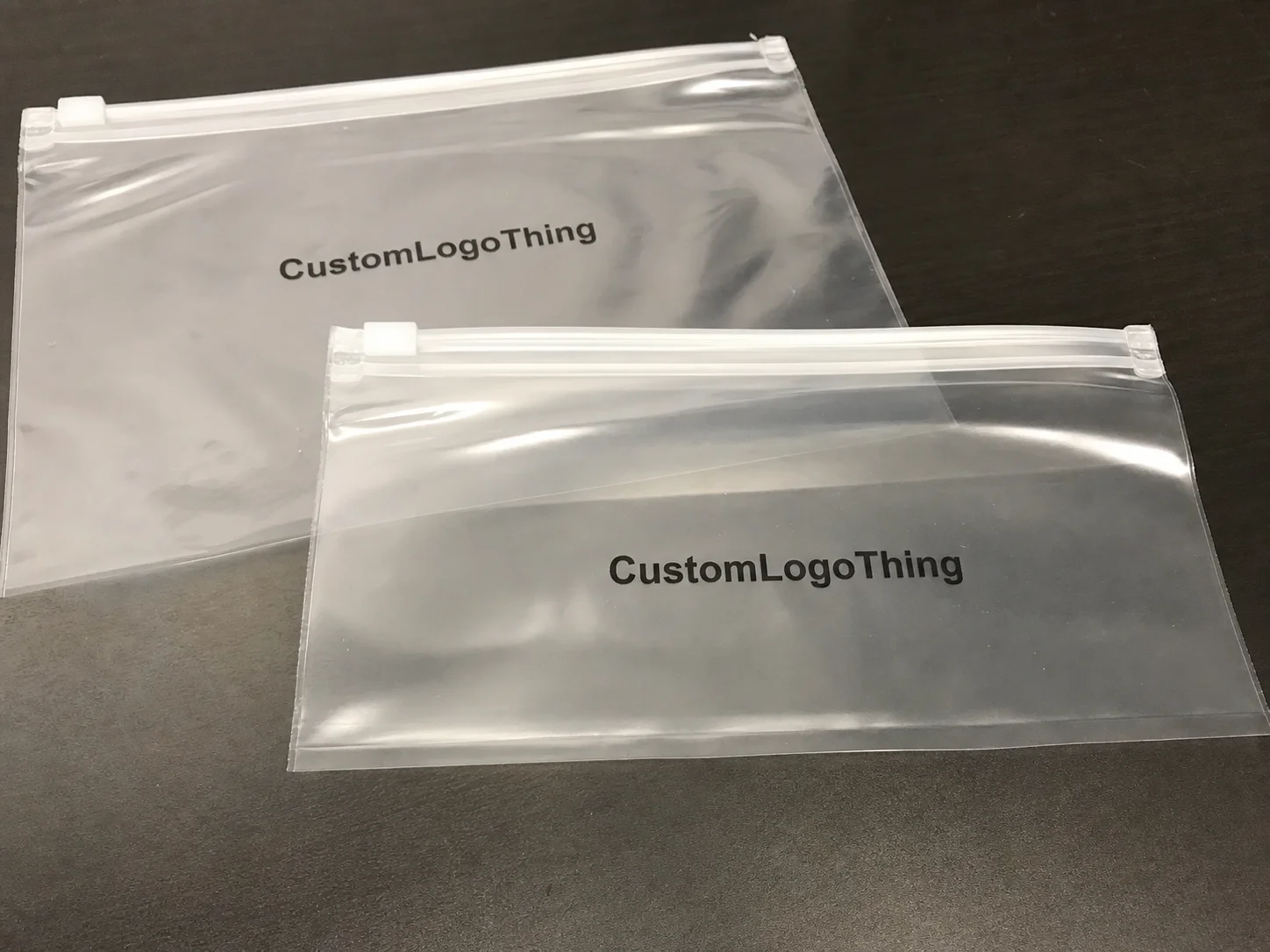
Closure type matters more than most buyers think. A peel-and-seal strip is convenient, but adhesive quality varies wildly. A weak strip can fail in a warm warehouse or get contaminated with dust during slow packing shifts. Self-seal closures are still the default for many ecommerce brands because they’re fast, yet a strong adhesive line with a clean release liner is what keeps the package secure. Finish options matter too. Matte can hide small print blemishes better. Glossy can make colors pop, but it can also exaggerate scuffs. That tradeoff shows up in nearly every printed poly mailers best practices conversation I have with operators in Chicago, Monterrey, and Bangkok.
If you want a more direct product route, Custom Poly Mailers are usually where I’d start browsing. The important part is not choosing the prettiest sample. It’s choosing the option that survives the journey and still looks like your brand when it arrives. A bag that survives a 2-foot drop test and a 45-pound carton stack is worth more than a glossy mockup sitting on a conference table.
Detailed Reviews of Printed Poly Mailers Best Practices by Material and Print Method
When I walk a converter’s floor, I’m usually looking at three things before I even inspect the artwork: film consistency, seal quality, and ink transfer behavior. That sequence has saved me from recommending too many pretty-but-fragile packages. Printed poly mailers best practices begin with material selection, because the film determines how the bag feels, how it seals, and how much punishment it can take before a customer sees a tear. On a good day, you can see the difference in 30 seconds by flexing the film by hand and checking the seam line under bright LED lights.
Low-density polyethylene remains the workhorse. It is flexible, relatively forgiving, and easy to print on. For standard apparel shipments, it usually hits the right balance of cost and performance. If you’re packing a folded T-shirt, leggings, or a lightweight hoodie, a 2.25 mil LDPE mailer can be enough, provided the seam weld is clean and the adhesive strip is trustworthy. Once you move into bulkier or sharper contents, I prefer a thicker film or a better coextruded structure. A flimsy mailer may save fractions of a cent, but that advantage disappears the moment one damaged parcel triggers replacements, support time, and a refund that costs $18 to $42 in labor and shipping.
Recycled blends have improved a lot. I remember standing beside a converting line in the Shenzhen Longhua district while a supplier ran a recycled-content batch that looked almost identical to virgin film on the first pass. The issue appeared later, during seal testing. The material accepted heat a little differently, so the operator adjusted the dwell time by a few tenths of a second to keep the seam uniform. That tiny change mattered. It’s a good example of why printed poly mailers best practices require process control, not just material claims. If the supplier cannot tell you how the film behaves on the sealing line, I get cautious.
Higher-opacity films are one of the most practical upgrades for premium brands. They do a better job hiding the product silhouette, which matters more than people admit. Customers notice when items show through in a way that makes the package look underfilled or messy. Higher-opacity film also makes the printed artwork read more cleanly, especially with bold one-color or two-color graphics. If your logo uses thin strokes or fine text, though, I’d avoid placing those details near folds or seals. Keep the critical branding away from stress points by at least 0.5 inch, and if the design has a border, give yourself even more room. On a 10x13 inch bag, that spacing can be the difference between a crisp logo and a warped corner mark.
Print method is the second half of the equation. Flexographic printing is still common for high-volume runs because it delivers good value and consistent output once the plates are set. Rotogravure can give beautiful results on larger programs, but it tends to make sense only when volume and complexity justify the tooling cost. Digital print is useful for shorter runs and faster design changes, especially for multi-SKU launches, but I’d still ask for abrasion testing before assuming the first-day sample represents the shipping outcome. I’ve seen digital-printed mailers look excellent in a launch photo shoot, then show visible rub marks after being sorted alongside corrugated cartons in Louisville, Kentucky.
“The proof looked perfect. The first 2,000 parcels did not.”
That line came from a brand manager after a spring launch, and she wasn’t exaggerating. The issue wasn’t the artwork. It was the interaction between print surface, warehouse humidity, and a rough transit route. Good printed poly mailers best practices always make room for that kind of reality. A mailer is not a static sample; it’s a moving object that gets grabbed by humans, compressed by machinery, and exposed to moisture and friction. In Miami, where humidity can sit above 70%, that matters even more.
Design best practices are simpler than many agencies want to admit. Use strong contrast. Keep the logo large enough to survive motion blur and light scuffing. Avoid tiny taglines that disappear when the bag folds. If you need detailed artwork, place it away from fold lines, closure flaps, and the lower corners where sorting damage tends to show up first. I’ve seen one-color black on white outperform a complicated four-color pattern because the simpler version stayed legible under bad warehouse lighting and photographed better on the doorstep. For most brands, a logo height of 1.25 to 2 inches on a 12x15 inch mailer is a good starting point.
Here’s my honest verdict on the three most common choices: standard LDPE is the safest value play, recycled-content mailers are smart if the supplier can prove consistent performance, and premium high-opacity films are worth it for brands that care about presentation enough to pay for fewer complaints. That’s the core of printed poly mailers best practices: pick the structure that protects your product first, then polish the branding. A nice print on a weak film is just expensive disappointment.
Printed Poly Mailers Best Practices for Pricing, MOQ, and Hidden Costs
Pricing is where buyers get lulled into false confidence. A quote of $0.18 per unit for 5,000 pieces looks clean on paper, but that number can shift quickly once you add artwork changes, plate fees, freight, proof revisions, and rush production. I’ve sat through supplier negotiations where the headline price looked competitive, then the final landed cost rose by 14% because the buyer had not asked about artwork setup and pallet shipping from Ningbo to Long Beach. That’s why printed poly mailers best practices need a full cost picture, not a shortcut.
Typical budget mailers can land around $0.10 to $0.16 per unit at scale if the design is simple and the size is standard. Mid-range custom logo options often sit around $0.16 to $0.28 per unit, depending on thickness and print coverage. Premium branded or recycled-content mailers with stronger film and more complex artwork can reach $0.28 to $0.45 per unit or higher. Those are broad benchmarks, not promises. Size, quantity, and region matter. A 10x13 mailer with a one-color logo is a different quote from a 19x24 mailer with full-surface print and a matte finish. If you ask for 1,000 pieces, the unit price may be 20% to 35% higher than a 10,000-piece run.
| Pricing Tier | Approx. Unit Range | Typical MOQ | What You Usually Get | Watch Out For |
|---|---|---|---|---|
| Budget | $0.10-$0.16 | 1,000-3,000 | Simple print, standard film, basic closure | Thin material, weak adhesive, limited customization |
| Mid-range | $0.16-$0.28 | 3,000-10,000 | Better film, sharper logo, more size options | Setup fees and freight can still move the total |
| Premium | $0.28-$0.45+ | 5,000-20,000 | High-opacity film, better print, stronger presentation | Higher minimums and longer lead times |
Hidden costs deserve a separate line item in your spreadsheet. Sample packs may cost little or nothing, but shipping them can add $20 to $60 depending on origin and speed. Plate charges for flexo work can range from $50 to $250 per color, sometimes more for complex jobs. Digital proofs may be included, while physical proofing can add a week and a fee. If the artwork needs revisions, that delay can push a launch back by several business days, which is why printed poly mailers best practices always include a proof calendar. I’ve seen a March 12 launch slide to March 28 because the brand changed its logo outline after the first proof.
Freight matters, especially on bulky sizes. A shipment of 10,000 poly mailers is light compared with corrugated packaging, but the volume still adds up. If your supplier packs loosely, dimensional weight can sting. I’ve seen a quote with a great unit price lose its edge after air freight and residential delivery surcharges were added. That’s not a supplier problem alone; it’s a buying problem. Ask for the landed cost at your warehouse ZIP, not just the ex-factory number. If your warehouse is in Orlando and the factory is in Dongguan, the freight math changes fast.
One more thing most people miss: reprints. If your artwork has a Pantone-sensitive logo and the first run lands slightly off, you may be stuck negotiating replacement stock. That’s why I like requesting a signed proof with the exact ink target, film type, and closure style listed. It sounds formal. It saves arguments. In my experience, the cheapest price is only cheap if the final cartons match the approved sample. A vendor that gives you a quote with no spec sheet is basically asking you to gamble with 5,000 little reminders of a mistake.
How to Choose the Right Printed Poly Mailer: Process, Timeline, and Testing
I usually tell brands to begin with three numbers: product weight, finished pack size, and monthly shipment volume. Those three numbers narrow the field quickly. If the item weighs under 8 ounces and folds flat, a standard custom mailer may be enough. If the product has sharp edges, mixed SKUs, or a return insert, the film and seal need more margin. That is the practical side of printed poly mailers best practices that marketing decks rarely mention. A 6.8-ounce sweater in a 12x15 bag is a different animal from a single tee in a 9x12 bag.
The selection process should follow a simple order. First, measure the actual packed dimensions, not the product dimensions. I’ve watched teams order mailers based on the garment alone, only to discover the hang tag, tissue wrap, and thank-you card turned the pack into a tight fit. Second, define the brand goal. Do you want a clean minimalist look, an eco signal, or a high-visibility printed panel? Third, choose thickness and closure type. Fourth, confirm the print method. Only then should you finalize artwork. Reversing that sequence causes preventable redraws, and those redraws are how a one-week project becomes a three-week headache.
Timeline planning matters more than buyers expect. A standard run can move from artwork prep to digital proof in 2 to 4 business days. Production often takes 12 to 15 business days from proof approval, depending on the supplier’s queue and print method. Ocean freight can add weeks; air freight can compress the schedule but may erase margin. If your launch date is tied to a promotion, build in buffer time. If you have not approved a physical sample, assume something will change. That’s not pessimism. It’s packaging reality. A factory in Foshan may tell you “two weeks,” but I plan as if it is closer to three.
For testing, I want to see four things: seal strength, scuff resistance, drop performance, and label adhesion. A good internal test is simple. Fill the mailer with the real product, seal it, and drop it from waist height onto concrete or a hard shop floor five times from different angles. Then rub the printed surface against another mailer or a carton edge for 20 to 30 seconds. If the ink shows smearing or the seam opens, you have your answer before the full order ships. For more formal validation, standards from groups such as ISTA and materials references from the EPA can help frame your testing expectations.
I also recommend a live fulfillment trial. Send 100 to 200 orders through the actual warehouse process, not just a desk test. Watch how packers handle the adhesive strip, whether the film clings in dry winter air, whether labels anchor cleanly, and whether the mailer fits your shelving or auto-bagging system. One of my strangest but most useful experiences came in a small New Jersey warehouse where the issue wasn’t the mailer at all; it was that the pack station lighting made it impossible to see the seal line clearly. A simple workflow change solved a “product defect” that was really an operations problem.
Supplier choice matters just as much. I want someone who can tell me the substrate spec, the seal tolerance, the print method, and the reorder consistency from one batch to the next. Ask about FSC claims if paper inserts or hybrid components are involved, and verify any environmental statements through the actual certifying bodies such as FSC. If the supplier gets vague when you ask for test results, I move on. The best printed poly mailers best practices rely on specificity, not sales language. Give me the spec sheet, the sample date, and the factory location, whether it’s Jiangsu or Binh Duong.
Our Recommendation: The Best Printed Poly Mailers for Most Brands
If I had to choose one all-around winner, I’d go with a 2.5 mil to 3 mil custom logo mailer in a high-opacity or recycled-content film, printed with a simple, high-contrast design and a reliable peel-and-seal closure. That combination gives the best balance of cost, presentation, and shipping resilience. It is not the cheapest route. It is usually the least troublesome. In my experience, that matters more once a brand passes the first few thousand orders and starts caring about repeat consistency. A supplier in Guangzhou can make this work well if the spec is tight and the proof is signed.
For startups, I’d prioritize standard custom logo mailers with clear artwork and a straightforward matte finish. That keeps cost under control while still giving the package a branded feel. For scaling brands, I’d step up to a stronger film and test recycled-content options if the supplier can prove seal performance and opacity. For premium packaging programs, I’d prioritize thicker film, cleaner print coverage, and a sample approval process that includes transit testing. Those extra steps are the difference between a nice-looking mockup and a dependable shipping format. If your average order value is $48 or higher, the extra $0.04 to $0.08 per bag is usually easier to justify.
Not every option deserves your budget. I would skip ultra-thin promotional mailers for anything heavier than a light tee. I would also be careful with any “eco” option that sounds good but comes without testing data. And I would not pay for elaborate artwork if your shipments are likely to be handled roughly, because ornate designs do not compensate for weak seams. Here’s the best practice rule I keep repeating to clients: buy for the shipping condition first, then optimize for brand presentation. That rule is the heart of printed poly mailers best practices. If the bag doesn’t survive a 3-foot drop, the logo is not the problem.
There is one category I’m cautious about: overly decorative, low-opacity mailers with delicate finishes. They can look expensive in a studio, but I’ve seen them show scratches and crease marks too quickly. If your customer touches the package and immediately sees wear, the branding impression drops. A tougher, cleaner mailer usually beats a fragile showpiece. That may sound less glamorous, but packages are judged on arrival, not in the mockup folder. A matte 3 mil bag from Vietnam can beat a shiny 2 mil option from anywhere if it arrives looking like it still has a job to do.
Action Plan: What to Do Before You Order Printed Poly Mailers
Before you place an order, start with a short checklist. Confirm the packed dimensions, not just the product size. Weigh a fully packed unit to the nearest 0.1 ounce. Request a sample in the exact thickness and print style you plan to buy. Then inspect the proof line by line, because one incorrect Pantone, one shifted logo, or one wrong flap direction can cause a whole run to look off. These small checks are a practical extension of printed poly mailers best practices. If the proof says 350gsm C1S artboard for an insert card, verify it before the mailers are printed around it.
Next, run a test with your fulfillment team. I want to see the real packers handling the sample because the people actually closing the bags will reveal problems a designer will never catch. Maybe the seal liner is hard to peel with gloves. Maybe the bag is too slippery for a fast pack station. Maybe the closure strip grabs too early and wrinkles the top edge. Those are real-world failures, and I’ve seen all three in different facilities, including one apparel client in Las Vegas where the solution was as simple as changing the pack order and trimming the insert card by 15 mm.
Then compare at least three suppliers on total cost, lead time, and consistency. Do not compare unit price alone. Ask for sample cost, artwork fee, plate charge, freight, and reorder lead time. If one supplier promises a lower price but cannot describe how they control print consistency from batch to batch, that quote is not as strong as it looks. I’ve spent enough time in supplier negotiations to say this plainly: reliability is a cost item. It just doesn’t show up in the first spreadsheet column. A factory in Qingdao that ships on time every month is worth more than a cheaper option that changes ink density on run two.
Document your preferred thickness, print method, seal type, and finish so reorders stay consistent. Keep a spec sheet with size, film gauge, closure adhesive, logo placement, and acceptable color tolerance. That way, when a new buyer or ops manager takes over, they do not have to reconstruct the standard from old emails. It also helps if you scale into multiple fulfillment centers, where one site may prefer a matte finish and another may need a stronger adhesive strip because of temperature swings. I’ve seen a Seattle warehouse and a Houston warehouse need two different adhesive profiles for the same bag.
My final framework is simple. Measure the product. Test the sample. Verify the proof. Check the shipping route. Compare landed cost. If all five steps look good, order the minimum viable run first, usually 1,000 to 5,000 pieces, then re-evaluate after the first live shipment wave. That is how I’d approach printed poly mailers best practices if I were running a brand and spending my own money. A six-figure packaging budget is not the time to wing it.
FAQs
What are the most important printed poly mailers best practices for small brands?
Choose the Right size and thickness first, because fit and durability matter more than flashy artwork. Request a physical sample and test it with your real product before placing a full order. Keep artwork simple, high-contrast, and edge-safe so the print stays readable after shipping. Those three steps solve most early-stage problems without adding much cost, and they are central to printed poly mailers best practices. A 2.25 mil bag with a strong seal often beats a prettier 2 mil option that splits on a 6-ounce shipment.
How thick should printed poly mailers be for clothing shipments?
Lightweight apparel often works well with standard film thickness, but heavier or sharper items need more puncture resistance. A thicker mailer can reduce split seams and customer complaints, especially for multi-item orders. Use sample testing to confirm the right balance between protection and material cost, because a 2.25 mil bag may be fine for a single tee but too light for bundled orders. For a 2-pack hoodie order, I’d usually start at 3 mil.
Are recycled printed poly mailers as durable as standard ones?
Some recycled-content mailers perform nearly as well as standard options, but quality varies by supplier and blend. Check for seal strength, opacity, and print adhesion rather than assuming all recycled materials behave the same. Request transit testing data or run your own shipping test before switching entirely, especially if your cartons travel long routes or move through busy sortation hubs. A recycled bag made in South China can outperform a virgin bag from elsewhere if the line control is tighter.
What affects the timeline for custom printed poly mailers?
Artwork approval, proof revisions, production queue, and shipping distance all affect turnaround time. Complex designs and special finishes usually take longer than simple one-color prints. Build in extra time if you need samples, revisions, or a launch date tied to a promotion. A practical timeline is often 2 to 4 business days for proofing and 12 to 15 business days from proof approval for production, depending on the supplier. If the factory is in Shenzhen and the port is congested, add a few more days.
How do I keep printed poly mailers looking professional during shipping?
Use strong contrast, avoid overcrowded designs, and keep critical text away from folds and seals. Choose a finish and print method that resists scuffing and moisture exposure. Test labels, barcodes, and adhesive strips together so the finished package looks polished on arrival. That is the difference between a mailer that feels branded and one that feels like a rushed afterthought. A clean 10x13 matte mailer with a centered logo will usually age better than a busy full-bleed design that scratches on the first conveyor belt.
If you want my blunt takeaway, it’s this: printed poly mailers best practices are about discipline more than decoration. Pick the film that holds up, verify the print that survives handling, and buy from a supplier who can repeat the same result twice. That’s how you protect the product, control returns, and keep your branding looking intentional from the packing table to the customer’s front door. I’d rather have a boring bag that arrives intact than a pretty one that costs me three replacement shipments and a bad review from Austin.
So here’s the move: define the packed size, choose a 2.5 mil to 3 mil structure, test the sample in your own warehouse, and lock the spec sheet before you reorder. Do that once, and you’ll save yourself a pile of nonsense later. And honestly, that’s the whole point.