Buyer Fit Snapshot
| Best fit | Printed Poly Mailers with Logo projects where brand print, material claims, artwork control, MOQ, and repeat-order consistency need to be specified before quoting. |
|---|---|
| Quote inputs | Share finished size, material target, print colors, finish, packing count, annual reorder estimate, ship-to region, and any compliance wording. |
| Proofing check | Approve dieline scale, logo placement, barcode or warning zones, color tolerance, closure strength, and carton packing before bulk production. |
| Main risk | Vague material claims, crowded artwork, missing packing details, or unclear freight terms can make a low unit price expensive after revisions. |
Fast answer: Printed Poly Mailers with Logo: Material Claims, Seal Quality, and Freight Cost should be specified like a repeatable production item. The safest quote records material, print method, finish, artwork proof, packing count, and reorder notes in one written spec.
Production checks before approval
Compare the actual filled-product size with the drawing, then confirm tolerance on folds, seals, hang holes, label areas, and retail display edges. Reserve space for logos, QR codes, warning copy, and material claims before decorative graphics fill the panel.
Quote comparison points
Review material grade, print process, finish, sampling route, tooling charges, carton quantity, and freight assumptions side by side. A quote is only useful when the supplier can repeat the same color, closure quality, and packing count on the next order.
The first thing many customers touch is not the product. It’s the shipping envelope. In my experience, Printed Poly Mailers with logo do more brand work in 3 seconds than a homepage banner does in 30. I watched that happen on a packing line in New Jersey, where a fashion brand’s plain gray mailers got swapped for matte black printed poly mailers with logo. Customer service started hearing, “The package looked expensive before I even opened it.” Which, frankly, is the kind of compliment every packaging team wants taped to the wall. The first trial run was 5,000 pieces at about $0.16 per unit, and the founder admitted the uplift in perceived value was worth more than the extra 9 cents.
That reaction is not fluff. It’s a signal. A mailer is a small piece of packaging, usually made from polyethylene film in the 2.5 mil to 4.5 mil range, but it carries a brand message across the last mile, the porch drop, and the first unboxing moment. For apparel, beauty, books, supplements, and subscription shipments, Printed Poly Mailers with logo can make a routine delivery feel deliberate. Honestly, I think that matters more now because customers compare you with every other parcel on their doorstep, not just with your direct competitors. They’re judging your bag next to a candle, a dog toy, and some mystery box from a company with terrible taste in fonts. In Los Angeles, where one cosmetics brand I visited shipped 12,000 orders a month, the mailer was the only part of the order every customer saw before the product was touched.
At Custom Logo Things, the practical question is never only “Can we print it?” The better question is “Will this mailer protect the product, fit the brand, and hold up to shipping abuse?” That’s the lens I use when I talk about Printed Poly Mailers with logo. Pretty packaging that tears in transit is expensive theater. Solid packaging with a clean print is something else entirely. On a recent supplier call in Dongguan, Guangdong, I got a quote for a 3 mil matte mailer with one-color print at $0.14 per unit for 10,000 pieces, and the only reason that number worked was because the spec sheet was tight.
Printed Poly Mailers with Logo: What They Are and Why They Matter
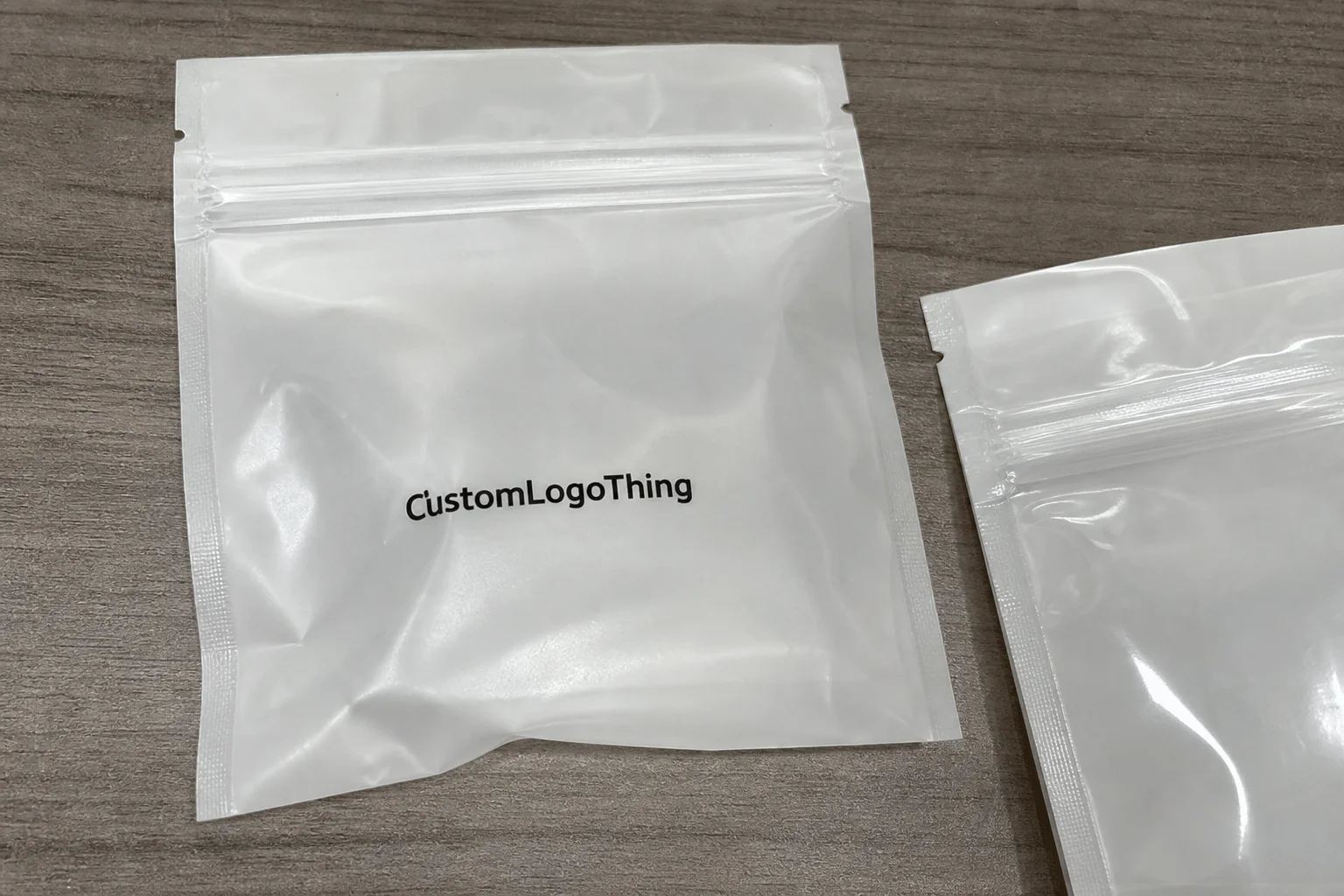
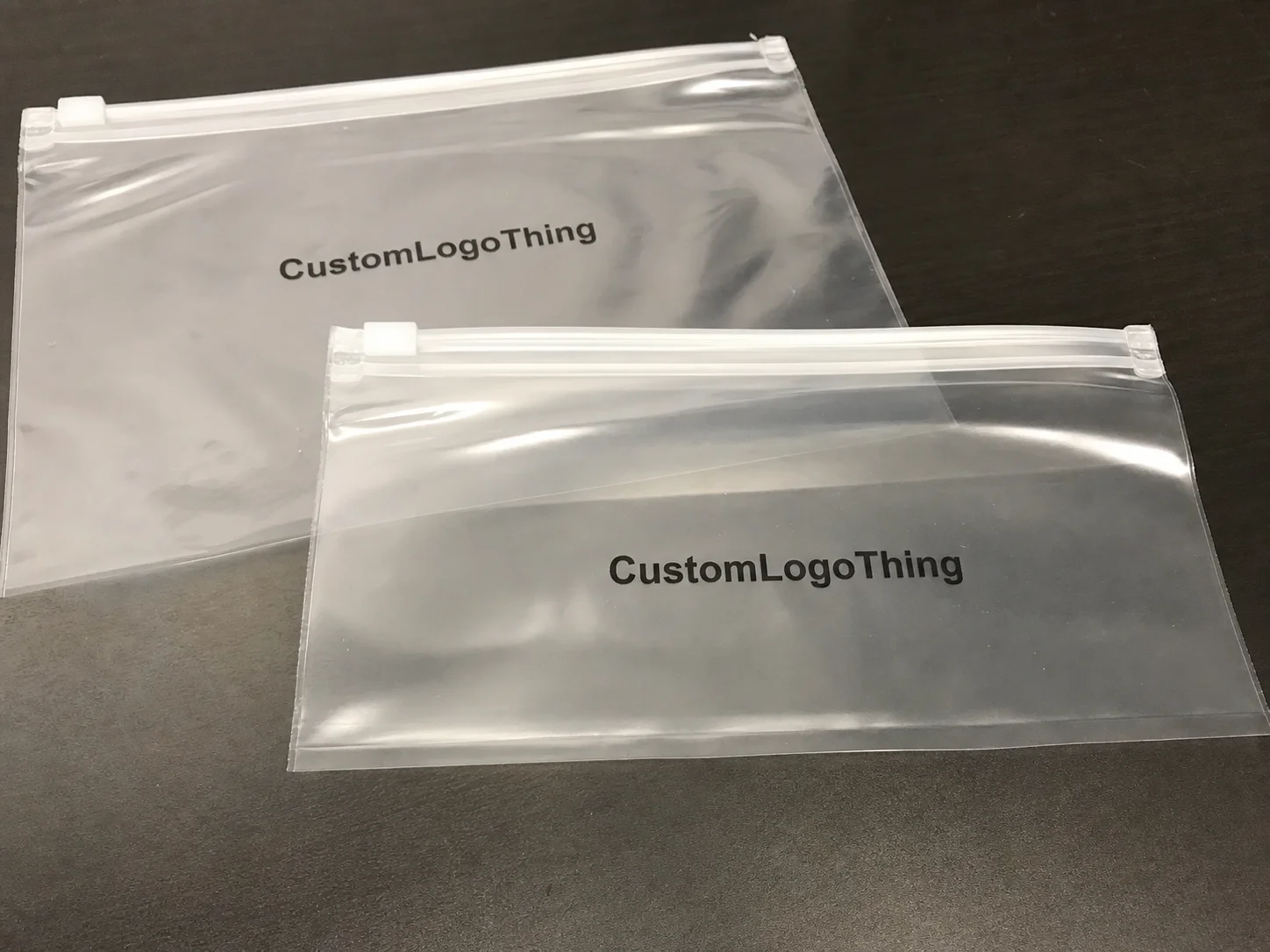
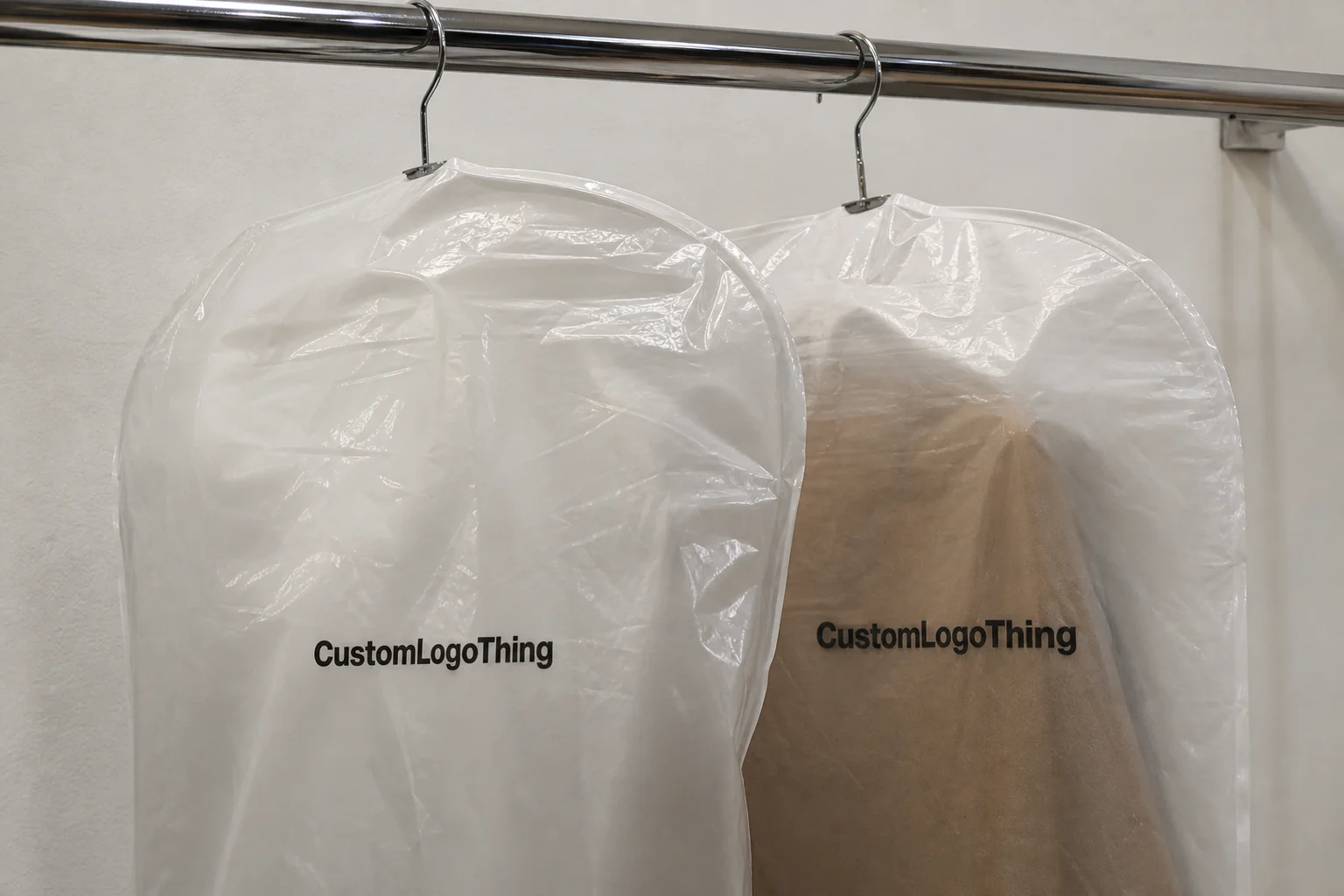
Printed poly mailers with logo are lightweight plastic shipping bags customized with brand graphics, a logo, a pattern, a slogan, or sometimes a simple one-color mark. They’re typically made from layered polyethylene film, sealed on the sides, and finished with a peel-and-seal adhesive strip. The outer layer handles print, the inner layer supports strength, and the whole unit is built to survive conveyor belts, sorting hubs, and a few rough hands along the way. Most suppliers I’ve worked with in Shenzhen and Ningbo build them with a co-extruded structure, which is one reason the bags can stay flexible without feeling flimsy.
I’ve seen brands treat packaging as an afterthought until the numbers tell a different story. One client in beauty sold a $24 serum in a plain white mailer, then switched to printed poly mailers with logo with a soft pink brand repeat. Return rates didn’t change because of the mailer, but repeat purchase comments did. Customers mentioned “cute package” in reviews within 60 days. That is not magic. That is memory. And yes, I still remember the founder grinning like she’d just stolen a secret from the universe. The switch cost her about $0.13 more per unit on a 7,500-piece order, which is a very small price for being remembered.
The difference between plain mailers and branded mailers is mostly perception, but perception affects behavior. A plain mailer says “shipment.” A branded mailer says “brand.” That difference can influence recall, social sharing, and whether a customer keeps your name in mind the next time they reorder leggings, earrings, or vitamins. Printed poly mailers with logo also help create a more consistent shipping presentation, especially when your products go out from multiple teams or warehouses. I’ve seen the same brand ship from a warehouse in Atlanta, Georgia, and a third-party facility in Phoenix, Arizona, and the mailer was the only thing that made both parcels feel like they came from the same company.
These mailers are common in:
- Apparel and athleisure
- Beauty and personal care
- Accessories and jewelry
- Books and media
- Supplements and wellness products
- Subscription boxes and direct-to-consumer shipments
What most people get wrong is assuming packaging only matters at retail shelf level. Shipping packaging matters too, especially for ecommerce. The customer may never see your warehouse, your picking system, or your freight costs. But they do see the mailer. That’s why printed poly mailers with logo are more than a container. They’re a brand signal, a damage buffer, and a quiet salesperson. In a fulfillment center outside Chicago, I watched an operations lead switch from generic mailers to branded ones and immediately stop using handwritten “fragile” stickers because the presentation finally matched the product price point.
How Printed Poly Mailers with Logo Work
Structurally, printed poly mailers with logo are simpler than a carton, but there’s still real engineering behind them. Most use a multi-layer polyethylene construction. That layered film can be tuned for puncture resistance, opacity, and flexibility. A standard mailer may be around 2.5 to 3 mil thick, while heavier-duty options can move up to 4.5 mil or more. That thickness affects how the bag feels in the hand, how easily it resists tears, and how much confidence the customer gets before opening it. For heavier apparel or shoe soft packs, I usually see brands settle around 3.5 mil because anything thinner starts to feel too optimistic.
The closure is usually a pressure-sensitive adhesive strip hidden under a peel-away liner. Some versions add tamper evidence, tear strips, or dual-seal features. On a fulfillment line, those details matter. I once walked a third-party logistics operation in Dallas where workers were stuffing oversized hoodies into a mailer that was 2 inches too small. The seam stress was obvious before the bag even left the station. The fix was not “better tape.” The fix was choosing the right bag size for the product stack. That’s packaging basics, but it gets ignored constantly with printed poly mailers with logo. A 14 x 19 inch mailer behaves very differently from an 11 x 15 inch one when a folded sweatshirt and insert card are inside.
Printing can happen in a few ways. Digital printing suits shorter runs and more complex graphics because setup is lighter. Flexographic printing is common for larger volumes and simpler color counts, especially when a brand uses one to four spot colors. Gravure can deliver sharp, high-volume output, though it usually makes more sense for large orders where setup costs can be spread across many thousands of units. Each method has a different economics profile, and that’s where suppliers sometimes oversimplify the conversation. They’ll say “easy” and “affordable” with a straight face, which is always a little suspicious. In practice, digital can make sense at 2,000 to 5,000 pieces, flexo often starts paying off around 10,000 pieces, and gravure is usually the play for 30,000 pieces and up.
Artwork preparation is where many delays start. For printed poly mailers with logo, the supplier typically wants vector files such as AI, EPS, or PDF. Why? Because vector art scales cleanly without losing edge sharpness. If the logo has thin text or a small tagline, those details can blur if the file is not set up correctly. I’ve sat in approval calls where a brand loved the mockup on screen, then hated the first physical proof because the type was too thin to read against a dark background. The file wasn’t the whole problem; the contrast was. A supplier in Hangzhou once warned me that anything under 7 pt on a black film was asking for trouble, and he was right.
Mailers also need to be sized around real product thickness, not wishful thinking. A flat tee is one thing. A hoodie with a hangtag, tissue wrap, and insert card is another. Good sizing reduces wasted material, keeps items from sliding around, and lowers the odds of wrinkles that make premium branding look sloppy. For printed poly mailers with logo, correct sizing is part protection, part presentation. If your packed item measures 10 x 13 x 1.5 inches, ordering an 11 x 15 bag may work on paper but fail the moment the warehouse adds a thank-you card and polybag.
Two technical details deserve more attention than they usually get: opacity and shipping-label adhesion. Opacity matters because customers should not see product shadows, and nobody wants a visible silhouette of a garment in transit. Label adhesion matters because the best-looking mailer is useless if the carrier label peels at the edges. Most high-quality mailers accept standard shipping labels well, but low-surface-energy films or heavy coatings can create problems if the supplier hasn’t tested the finish properly. I’ve seen a batch from Vietnam reject labels after 48 hours in humid storage because the film surface had been treated for looks, not for shipping.
For packaging standards and transit testing, I often point clients to the broader industry ecosystem, including ISTA packaging test resources and the material guidance available from EPA sustainable materials management. Those references won’t choose your bag size for you, but they help frame the difference between marketing language and real performance. If a supplier in Guangzhou claims the film has been drop-tested, ask whether they mean 1 meter on concrete or an actual ISTA protocol.
Key Factors That Affect Quality, Cost, and Performance
If you’re comparing printed poly mailers with logo, the price tag only makes sense when you look at the variables behind it. The first is material thickness. A 2.5 mil mailer is usually cheaper than a 4 mil version, but lower cost does not automatically mean better value. Thicker film often resists punctures better and feels more substantial. That extra heft can be worth it for sharp-edged items, heavier garments, or anything that moves through rough handling networks. A 3 mil mailer in a 10,000-piece run might land around $0.12 to $0.15 per unit, while a 4 mil version can push closer to $0.17 or $0.20 depending on the factory in Guangdong or Zhejiang.
The second variable is print complexity. A one-color logo on a white bag is easier and cheaper than a full-coverage graphic on a black film with multiple ink layers. Ink coverage, registration accuracy, and color consistency all affect the result. If your brand color is specific, say Pantone 186 or a custom teal, ask how closely the supplier can match it on polyethylene film. Some colors shift more on plastic than they do on paper. That is normal, not a defect. The trick is knowing what tolerances are acceptable before production starts. On a recent order from Suzhou, the approved color target was within a Delta E of 3, which is good enough for most ecommerce shipping bags.
The third factor is minimum order quantity. Higher-volume print methods often require larger runs, which can make sense if your SKU volume is stable. For a brand shipping 8,000 units a month, locking in a 10,000-piece run of printed poly mailers with logo may be reasonable. For a startup testing products, that same commitment can trap cash in inventory. I’ve seen founders get seduced by a lower unit price, then discover they’re sitting on nine months of mailers after a rebrand. Very chic. Very expensive. One client in Austin saved $0.03 per unit by doubling the order, then paid more than that in warehouse storage for six months.
Here’s the cost logic I usually explain in client meetings: unit cost drops as order volume rises, but total cash outlay rises too. A supplier might quote something like $0.18 per unit for 5,000 pieces, $0.14 per unit for 10,000 pieces, and $0.11 per unit for 25,000 pieces, depending on size, thickness, and color count. Those are only example ranges, not a promise. Add foil accents, custom sizing, or expedited production, and the numbers move quickly. That’s why I tell buyers to compare the full landed cost, not just the headline unit price for printed poly mailers with logo. Freight from Qingdao to Los Angeles can add another $0.02 to $0.05 per unit depending on mode and carton count.
| Option | Typical Use | Approx. Unit Cost | Pros | Tradeoffs |
|---|---|---|---|---|
| Plain poly mailer | Low-visibility shipping | $0.04 to $0.09 | Lowest cost, easy to source | No brand impact, generic presentation |
| Printed poly mailers with logo, one-color print | Most ecommerce brands | $0.10 to $0.18 | Good branding, moderate MOQ, simpler setup | Limited design flexibility versus full-color options |
| Printed poly mailers with logo, multi-color print | Brand-led campaigns | $0.14 to $0.28 | Strong visual impact, better shelf-like recognition | Higher setup cost and tighter artwork control needed |
| Recycled-content poly mailer | Sustainability messaging | $0.12 to $0.22 | Better material story, often acceptable performance | Availability varies, print finish may differ |
| Compostable-looking mailer | Eco-positioned brands | $0.16 to $0.35 | Strong visual sustainability cue | Functional claims must be checked carefully; not all are truly compostable |
Recycled, recyclable, and compostable-looking options deserve careful scrutiny. A mailer that looks eco-friendly is not the same as one that performs or certifies that way. Ask for documentation. If a supplier claims FSC alignment for printed paper components or inserts, verify it through FSC certification resources. If the packaging is plastic film, clarify what the material actually is and how your customers should dispose of it locally. Claims need proof. That’s not cynicism. That’s compliance. In Europe, I’ve seen brands get tripped up by vague “eco” statements that looked fine in a pitch deck and terrible in a retailer audit.
One more variable: finish. Matte film can make printed poly mailers with logo feel higher-end, while gloss finishes can intensify colors and help graphics pop. Soft-touch effects are less common on mailers than on rigid cartons, but some specialty films can produce a more tactile experience. I’ve negotiated with suppliers who sold the idea of a luxury finish, then delivered a surface that scuffed too easily in transit. Ask for abrasion testing or at least a sample that has been rubbed, flexed, and handled, not just admired under showroom light. A 350gsm C1S artboard box can hide more sins than a thin plastic mailer, so the film choice has to do real work.
Step-by-Step Process for Ordering Printed Poly Mailers with Logo
Ordering printed poly mailers with logo gets much easier when you treat it like a packaging project, not a style decision. I’ve seen brands rush the order because the launch date was fixed, then spend twice as long fixing avoidable mistakes. A simple six-step process keeps the project grounded, especially if your factory is in Shenzhen, your fulfillment team is in New Jersey, and your design team is answering emails from three time zones.
Step 1: Audit what you ship most often
Start with product reality. Measure your top three shipment types: folded tees, denim, shoes, cosmetics, books, whatever moves the most volume. Record length, width, and thickness after packing, not just product dimensions. Then choose the mailer size around those numbers with a small buffer. A mailer that fits one SKU beautifully may fail on your second-best seller. That’s why the best printed poly mailers with logo programs usually begin with the order history, not a design mood board. If 70% of your orders fit in a 10 x 13 inch bag and the rest need 14 x 19 inches, that tells you more than any creative meeting does.
Step 2: Decide what belongs on the mailer
Some brands print only a logo. Others print a website, social handle, reorder message, or a repeating pattern. I usually advise restraint. If the bag is small, a clean logo often outperforms clutter. If the brand is already strong, a minimal design can feel more premium than a busy one. The question is not how much space you can fill. It’s what the customer should remember after seeing the package for five seconds. With printed poly mailers with logo, less often reads as more polished. A single bold logo in white ink on a black film can do more than three slogans and a QR code nobody scans.
Step 3: Prepare artwork the right way
Use vector art whenever possible. Keep text at a readable size, usually no smaller than 6 to 8 points for fine copy on a mailer, though that depends on contrast and print method. Build safe margins so no key element sits too close to the seal edge or side seam. Ask the supplier for the exact bleed and live area specifications. If they can’t give you a spec sheet, that’s a yellow flag. Artwork errors are expensive because once you print printed poly mailers with logo, the mistake repeats thousands of times. I’ve seen a typo on a 20,000-piece run force a reprint in Ningbo that pushed delivery back 12 business days. Nobody enjoyed that meeting.
Step 4: Review proof samples
Always ask for a digital proof, and if the run is meaningful, request a physical sample or pre-production proof. Check logo placement, panel orientation, color legibility, and how the design looks when the bag is fully stuffed. A flat proof can hide distortion that appears after packing. One client I worked with approved a beautiful centered logo, then discovered that when the mailer was filled, the logo sat under the fold line and disappeared in a photo. That was not a printing problem. It was a layout problem, and it could have been caught in proofing for printed poly mailers with logo. If you can, test the proof with the actual product and the actual insert card before saying yes.
Step 5: Align production with inventory needs
Don’t let the mailers arrive three months before you need them if warehouse space is tight. Don’t let them arrive two weeks after launch if your campaign is already paid for. For printed poly mailers with logo, the best timing is usually tied to forecasted shipment volume and reorder cadence. If you ship 2,000 units a month, a 10,000-piece run might give you five months of cushion. If your volume swings seasonally, split the order or use a design that can last across multiple campaigns. A factory in Guangzhou can usually turn a small digital run faster than a large flexo order, but the freight time to the U.S. West Coast can still add 14 to 18 days by sea.
Step 6: Do a receiving check before fulfillment starts
When the shipment arrives, inspect 25 to 50 units from different cartons. Check seal quality, print alignment, color consistency, and label adhesion. Open and close a few bags. Pull-test the adhesive strip. It takes 20 minutes and can save you from a warehouse headache that lasts weeks. I’ve seen a pallet of gorgeous printed poly mailers with logo arrive with a weak adhesive batch, and the team had to rework 600 orders before the first customer complaint. That kind of problem is preventable if the receiving check is built into the process. If your warehouse is in Toronto or Chicago, that check is cheaper than a customer service spike.
If you need to compare packaging formats while you plan, browse Custom Packaging Products or review Custom Poly Mailers to see how different specs and styles line up with your shipping mix. A 3 mil plastic mailer and a rigid paperboard mailer can serve very different use cases, even if the logo is the same.
Timeline, Production Lead Times, and What to Expect
Most buyers underestimate lead time because they compare printed poly mailers with logo to off-the-shelf mailers. Stock bags can ship fast. Custom-printed bags cannot. A typical timeline may run like this: 1 to 3 business days for artwork review, 1 to 4 days for proof approval, typically 12-15 business days from proof approval for production, then shipping time on top. Faster runs are possible, but they usually cost more or limit your print choices. If the supplier is in China and the destination is the U.S., ocean freight can add 18 to 28 days, while air freight can cut that to 5 to 8 days at a much higher cost.
Order size affects speed. A 2,000-piece digital run may move quicker than a 30,000-piece flexographic order, but the economics may work the other way around. Revisions add time too. If your team changes the legal line, logo treatment, or website right before approval, every change can reset the clock. I’ve watched a two-day artwork review turn into a two-week delay because three departments wanted to “just tweak one more thing.” That happens more than anyone admits with printed poly mailers with logo. Everyone suddenly becomes an expert the moment the proof lands in inboxes. In one case, a brand in Seattle lost eight business days because the marketing team changed a QR code after the factory had already queued the plates.
Seasonality matters. If you’re shipping for a Q4 promotion, a product launch, or a subscription relaunch, build in a buffer of at least 2 to 4 weeks beyond the supplier’s promised schedule. That buffer gives you room for freight delays, proof revisions, and warehouse intake. I’ve had clients thank me for a conservative schedule and then, a year later, ask why we didn’t order even earlier. Because the mailer is boring until it’s late. Then it’s everything. If your peak season starts in October, place the order by late August, not mid-September, if you want a realistic shot at zero stress.
One practical planning trick: tie your order date to inventory depletion, not marketing excitement. If you know you use 5,000 printed poly mailers with logo every eight weeks, trigger the reorder when you still have 3 weeks of supply left. That sounds cautious, but packaging delays rarely announce themselves early. They show up at the worst moment, usually on a Friday afternoon. I like a 15% buffer on inventory for that exact reason. It’s boring. It also works.
There’s also a hidden schedule risk that can wreck a plan: missing specs. If the supplier asks for a PMS match, a dieline, or a print-ready vector file and your team spends four days hunting for it, the production slot can slip. Keep a master folder with logo files, approved colors, and past proof PDFs. That alone can cut back-and-forth time by half. I’ve seen teams save a full week just by storing the correct AI file, the approved Pantone number, and a dated signoff in one shared folder instead of six inboxes.
Common Mistakes Brands Make with Printed Poly Mailers with Logo
The most common mistake I see with printed poly mailers with logo is a logo that’s too small or too detailed. On screen, a delicate mark can look refined. On a 12-by-15-inch plastic bag, tiny strokes can disappear or blur. Thin text, hairline borders, and intricate gradients often look weaker on film than on paper. If the logo has to compete with shipping wear and fold lines, simplify it. A logo that is 1.25 inches wide on the bag front is often too timid unless the rest of the design is doing almost nothing.
Second mistake: choosing the wrong size because it looks cheaper on a quote sheet. A slightly smaller mailer may save a cent or two, but if it causes overstuffing, stretched seams, or wrinkled presentation, the real cost rises. Customers notice a bag that looks overfilled. So do warehouse teams. If your fulfillment crew has to force items into printed poly mailers with logo, you are not saving money. You’re paying for it later in labor, returns, and damaged impressions. I remember watching one ops manager fight a stack of sweaters like it had personally offended him. The bag won, by the way. The order was supposed to fit in a 10 x 13 inch bag; it needed a 12 x 15.
Third mistake: poor contrast. Dark navy on black. Silver on light gray. White print on a translucent film without enough backing opacity. I’ve seen branding that should have felt premium read as muddy because nobody tested it against the actual film color. Always ask for a proof on the same substrate. A design that looks clean on a monitor can disappear once the ink hits polyethylene. If the supplier in Shanghai only shows you a PDF mockup, ask for a printed sample before you approve 15,000 pieces.
Fourth mistake: forgetting the packaging has to function as packaging. That sounds obvious, but people get seduced by visuals. The seal has to hold. The film has to resist puncture. The mailer has to fit the shipping stream. If the carrier network or fulfillment center is rough on parcels, your mailer choice needs to reflect that. Printed poly mailers with logo should protect the product first and market it second. If those two things are in conflict, protection wins. A beautiful 2.0 mil mailer is still a bad idea if you’re shipping metal accessories with sharp corners.
Fifth mistake: not planning for reorder timing. A brand launches a new look, runs through the first batch, and then scrambles to source a second batch from a different supplier with slightly different color output. The brand identity drifts. The mailer gets lighter, the logo shifts, and the customer experience becomes inconsistent. That inconsistency is subtle, but it matters. The fix is to keep one approved spec sheet for your printed poly mailers with logo and reorder before the last pallet is gone. I always tell clients to keep the same film thickness, print method, and size code on the reorder PO, even if it feels repetitive.
“The package looked like we spent more than we did.” That was a comment from a DTC founder after switching from plain mailers to printed poly mailers with logo. The surprising part was not the praise. It was the fact that the packaging cost increase was only about 7 cents per unit on a 10,000-piece order. We ran that job out of a factory in Dongguan, and the landed cost still stayed below $0.19 per unit.
That quote captures the economic truth. A small packaging upgrade can create a disproportionate perception shift. But only if the execution is clean. Messy artwork, wrong sizing, and weak seals erase the upside fast. If the bag rips at the bottom seam in the customer’s kitchen, nobody is praising the logo.
Expert Tips for Better Results and Smarter Packaging Decisions
If your catalog is still changing, start with one versatile mailer size. I’ve seen brands spend months debating whether to stock three sizes when one mid-size bag would cover 80% of shipments. That doesn’t mean ignore the long tail. It means get the core SKU right first. A stable base order of printed poly mailers with logo can support growth while your assortment evolves. For many DTC brands, a 10 x 13 inch and a 14 x 19 inch combo handles most shipments without bloating inventory.
Use your logo strategically. A full-bleed design can look strong, but it can also feel busy. Sometimes a repeating brand mark or a single bold icon on a clean field does more work than a noisy pattern. I’ve noticed this in supplier negotiations too: the clients who understand restraint usually get mailers that look more expensive because they don’t overload the surface. Good packaging is edited, not crowded. A one-color print on a matte white bag from a factory in Ningbo can look more premium than a four-color design that tries too hard.
Think in systems. The mailer should fit the label style, tissue color, insert card, and maybe even the tape on your internal cartons. If the outer mailer feels playful but the insert is corporate, the experience gets mixed. Consistency matters, especially for repeat customers who can spot a mismatch instantly. That’s one reason printed poly mailers with logo work best when the whole shipping system is considered together. I’ve seen brands pair a hot pink mailer with a black-and-white insert card and wonder why the shipment felt disconnected. Because it was.
Evaluate cost per impression, not just cost per unit. If a mailer costs 6 cents more than a plain bag but increases social shares, review mentions, and repeat recognition, the real return may be far better than the raw packaging delta suggests. I’m not claiming every customer will post the box. They won’t. But enough do that the economics shift, especially in categories like fashion and beauty where presentation drives memory. One client in Brooklyn tracked 42 tagged Instagram posts in 90 days after switching to printed poly mailers with logo, which made the packaging upgrade look downright sensible.
Here’s my honest rule of thumb: if your product margin is tight and your order volume is unstable, keep the design simple and the MOQ manageable. If your brand is established and repeat recognition matters, a stronger visual treatment is worth paying for. That’s not always the case, but it’s common. The right choice for printed poly mailers with logo depends on volume, product type, and how much of your brand story the package needs to carry. A startup in Miami with 1,500 monthly orders should make a different call than a retailer in Chicago shipping 40,000 units a month.
Before you place the order, do four things: audit current shipments, gather approved artwork, compare at least two suppliers on proofing and lead time, and test a small run before scaling. If you want a more polished shipping presentation, review the broader packaging lineup at Custom Packaging Products and compare it with your current Custom Poly Mailers options. That comparison can reveal whether the bag should stay simple or whether the design deserves more visual ambition. If the mailer is your only branded touchpoint, then the print needs to do more work than a logo on a white page.
And don’t forget testing. A packaging spec should survive more than a screen preview. Ask for samples, bend them, fill them, label them, and ship a few internally if possible. A good mailer is one that survives handling, protects the contents, and still looks like your brand on arrival. That’s the real job of printed poly mailers with logo. I once sent test samples from a factory in Zhejiang to our office in New Jersey just to see how the film behaved after a rough transit route. The bags that passed that test earned their place.
Honestly, I think the best brands use packaging the way good editors use punctuation. Not too much. Never random. Just enough structure to make the message land cleanly. That’s why printed poly mailers with logo deserve more attention than they usually get. A smart mailer does not shout. It just shows up, does the job, and makes the customer think the whole order was handled by adults.
FAQ
How do printed poly mailers with logo compare to plain mailers?
They usually cost more upfront, but printed poly mailers with logo add brand recognition, a more polished unboxing experience, and a stronger first impression. Plain mailers can work for low-visibility shipments, but branded mailers help routine orders feel intentional. In many cases, the price difference is only $0.05 to $0.12 per unit depending on size, thickness, and print method.
What is the minimum order for printed poly mailers with logo?
Minimums depend on the print method and supplier. Digital runs can sometimes start at 1,000 to 2,000 pieces, while flexographic and gravure setups often need 5,000 to 10,000 pieces or more. If you’re testing a new design, ask whether sample proofs or pilot quantities are available before committing to a full run of printed poly mailers with logo. A supplier in Shenzhen may be flexible on a short digital run, while a factory in Dongguan may want a bigger commitment for flexo.
How much do printed poly mailers with logo usually cost?
Pricing is driven by size, material thickness, number of print colors, print method, and order quantity. Larger orders usually lower the unit cost, while custom sizing, special finishes, or faster turnaround can raise the total. A quote for printed poly mailers with logo should always be judged against the full landed cost, not just the per-piece number. For example, 5,000 pieces may land around $0.18 each, while 25,000 pieces can drop closer to $0.11 each before freight.
How long does it take to produce printed poly mailers with logo?
The timeline usually includes artwork review, proof approval, production, and shipping, so it takes longer than buying stock mailers. Allow extra time if your design needs revisions or if you’re ordering during a busy shipping season. For printed poly mailers with logo, a conservative schedule is usually the safer choice, and production is often typically 12-15 business days from proof approval before transit time is added.
What file format should I use for my logo on printed poly mailers with logo?
Vector files such as AI, EPS, or PDF are usually preferred because they scale cleanly and preserve sharp edges. If you only have a raster file, make sure it’s high resolution and ask the supplier to confirm print-readiness before production. That step matters more than most teams realize when ordering printed poly mailers with logo. If the logo includes tiny text or thin borders, the supplier may recommend simplifying the artwork before a 10,000-piece run.
If you’re choosing printed poly mailers with logo for the first time, keep the decision grounded in product size, print clarity, shipping strength, and reorder timing. That balance is what turns a mailer from a bag into a brand asset. I’ve seen it happen enough times to trust the pattern. So here’s the takeaway: lock the specs, proof the actual product inside the bag, and reorder before inventory gets tight. That’s how you keep the packaging looking sharp without turning it into a headache. And yeah, that boring little mailer can still steal the show.