Buyer Fit Snapshot
| Best fit | Printed Recycled Cardboard Mailers projects where brand print, material claims, artwork control, MOQ, and repeat-order consistency need to be specified before quoting. |
|---|---|
| Quote inputs | Share finished size, material target, print colors, finish, packing count, annual reorder estimate, ship-to region, and any compliance wording. |
| Proofing check | Approve dieline scale, logo placement, barcode or warning zones, color tolerance, closure strength, and carton packing before bulk production. |
| Main risk | Vague material claims, crowded artwork, missing packing details, or unclear freight terms can make a low unit price expensive after revisions. |
Fast answer: Printed Recycled Cardboard Mailers: Sustainable Packaging should be specified like a repeatable production item. The safest quote records material, print method, finish, artwork proof, packing count, and reorder notes in one written spec.
Production checks before approval
Compare the actual filled-product size with the drawing, then confirm tolerance on folds, seals, hang holes, label areas, and retail display edges. Reserve space for logos, QR codes, warning copy, and material claims before decorative graphics fill the panel.
Quote comparison points
Review material grade, print process, finish, sampling route, tooling charges, carton quantity, and freight assumptions side by side. A quote is only useful when the supplier can repeat the same color, closure quality, and packing count on the next order.
Printed Recycled Cardboard Mailers: What They Are and Why Brands Care
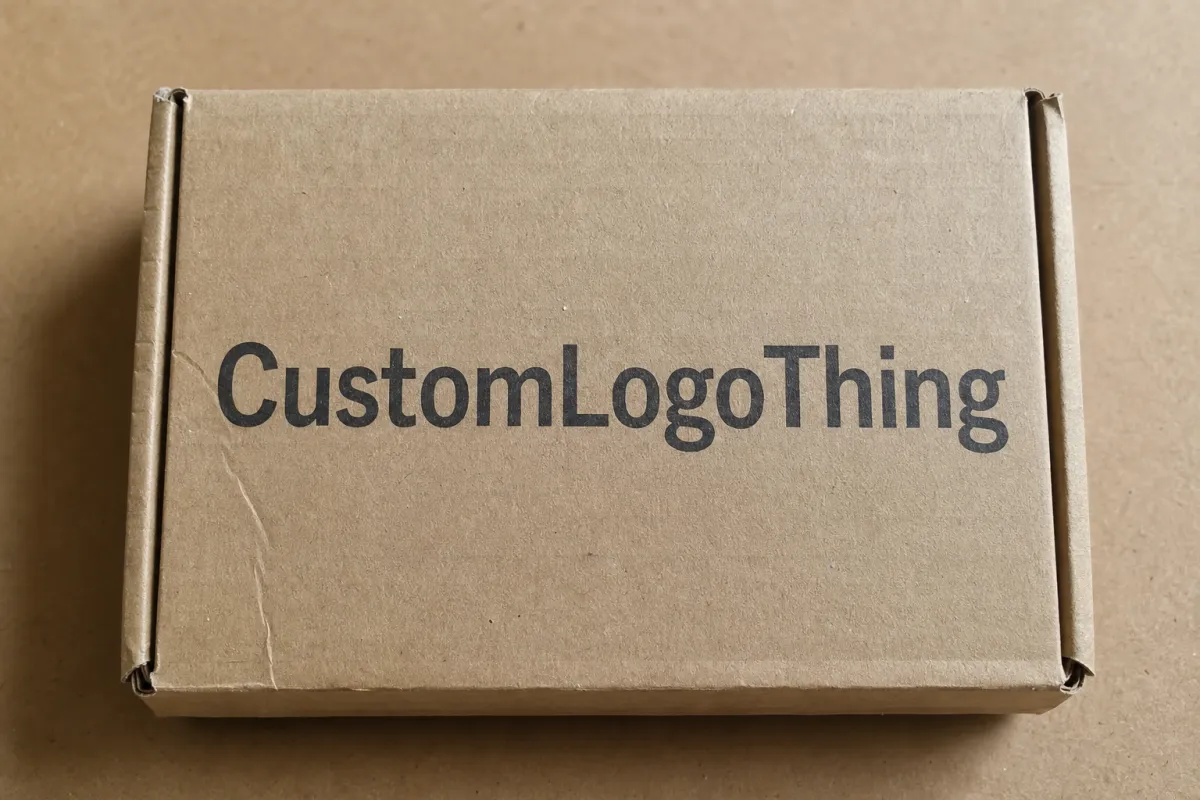
Printed recycled cardboard mailers solve a very practical packaging problem: they protect a product, carry a brand, and still look intentional without forcing you into plastic. That is why printed recycled cardboard mailers keep showing up in ecommerce, subscription, and direct-to-consumer programs. They are not trying to be glamorous. They are trying to do several jobs at once, which is more useful anyway.
In simple terms, this format uses recycled cardboard or paperboard that is printed before conversion, then die-cut and shipped flat so the fulfillment team can fold it quickly. Depending on the product, the structure may be closer to a book-style mailer, a self-locking carton, or a lightweight folding box with a tuck flap. The point stays the same: it arrives flat, assembles fast, and gives the shipment a cleaner finish than a plain brown box sealed with tape.
The printed part matters more than some buyers expect. A mailer is not just a shipping shell. It shapes the unboxing moment, and for some brands it also handles returns. That means the exterior affects customer memory, perceived quality, and how polished the brand feels after the sale. A plain recycled mailer can absolutely work. A well-printed one makes the purchase feel deliberate instead of accidental.
Sustainability claims need discipline here. Recycled content, recyclability, and print coverage are related, but they are not the same thing. A mailer can use recycled fibers and still behave differently depending on coatings, inks, labels, and adhesives. Heavy lamination or mixed-material closures can complicate recycling. A paper-based build with sensible print coverage is usually easier to explain, easier to buy, and easier for customers to understand without a lecture.
From a packaging buyer’s point of view, this format sits in a useful middle ground. It is more branded than a generic shipper, but usually less expensive than a rigid box or a high-touch presentation carton. If you are comparing plain mailers, printed mailers, and premium folding cartons, this is where the tradeoff gets interesting: decent brand impact, enough protection for lightweight to medium-weight items, and a credible recycled story without breaking the budget.
If the box has to do three jobs, make sure it is actually good at all three. A mailer that looks sustainable but crushes in transit is not sustainable. It is expensive trash with nicer typography.
For brands that want a broader packaging mix, it helps to compare this format with Custom Poly Mailers for soft goods and with Custom Packaging Products if you are building a full fulfillment system. If the item is heavier or more fragile, Custom Shipping Boxes may be the better starting point. The right choice depends on product weight, shipping distance, handling conditions, and how much damage you can tolerate before the economics stop making sense.
How Printed Recycled Cardboard Mailers Are Made
The build starts with the board. Most printed recycled cardboard mailers use recycled kraft board, recycled paperboard, or coated recycled board. The differences sound small until you try printing on them. Kraft board has a natural texture and a warmer, browner look. Coated recycled board gives you a cleaner surface and sharper print. Heavier board adds stiffness and better crush resistance, but it also raises cost and freight weight. Packaging never hands out freebies. It just lets you choose which bill you want first.
Typical board specs often fall somewhere around 16pt to 24pt for lighter mailers, or roughly 350gsm to 500gsm depending on the design and market. That is not a fixed rule. A small cosmetics mailer and a larger apparel mailer do not need the same board behavior. A buyer who picks thickness by instinct usually ends up paying twice: once for the wrong spec and again when the sample proves it was the wrong spec.
Material Choices That Change the Result
Recycled fiber content does not automatically tell you how the mailer will perform. A board made with high recycled content may have a slightly rougher surface or a softer feel. That can be good if you want an earthy, honest look. It can be a problem if you want tight solids and crisp type. The board choice should match the product and the visual goal. If you want sharp graphics and small text, coated recycled board usually behaves better than a raw kraft sheet.
There is also the question of whether the board is virgin-lined, fully recycled, or a mix. Buyers often ask for “eco-friendly board” as if that is a material spec. It is not. You want clarity on recycled content, fiber source, stiffness, caliper, and finish. If someone cannot explain those terms in simple language, keep asking until they can. Foggy sourcing is how packaging gets expensive and weird.
Print Methods and Where They Fit
The print method depends on run size, artwork complexity, and how much accuracy you need. Flexographic printing works well for straightforward graphics, repeated logos, and larger orders where setup costs can be spread out. Offset printing is the better choice when you want cleaner detail, tighter color control, and richer imagery. Digital printing can make smaller runs more realistic, especially when you are testing a new design or launching a limited campaign. Label or insert applications still make sense in some cases, but they usually add labor and are more often a workaround than a clean solution.
Full-bleed artwork changes the economics quickly. One-color branding on a recycled kraft surface is usually cleaner and cheaper. Full coverage, spot colors, inside printing, or special effects such as foil or raised coatings move the job into a different cost bracket. That does not mean you should avoid them. It means you should know exactly why you are paying for them. Decorative print on a mailer only earns its keep if it improves the experience or supports a clear brand position.
Coatings and finishes sit in the same category. A matte water-based coating can help with scuff resistance and handling, and it usually preserves a more paper-like feel than a plastic film. Soft-touch or heavy laminate options can look premium, but they also make sustainability claims messier. If recyclability matters to your audience, a simple finish is often easier to defend. For many brands, a clean matte surface is the sweet spot: protected enough for shipping, polished enough for unboxing, and not pretending to be something else.
Industry testing standards matter here too. If a supplier mentions transit performance, ask what they tested against. Parcel shipping is rougher than people like to imagine. ISTA 3A and ASTM D4169 are common reference points for distribution testing, and they are useful because they keep the discussion grounded in real shipping abuse instead of optimistic guesswork. For broader recycling claims and waste guidance, the EPA recycling basics page is a better reference than a marketing slogan, and the FSC site is useful when you need to understand certified fiber and chain-of-custody language.
Cost, Pricing, and MOQ: What Drives the Quote
The quote for printed recycled cardboard mailers usually comes down to a handful of levers: board grade, board thickness, print colors, coverage area, finishing, tooling, and freight. Once you know those variables, the numbers stop looking mysterious. They may still be annoying, but at least they are understandable, which is a welcome change for packaging purchasing.
For a small or mid-size run, you will often see unit pricing somewhere around $0.35 to $1.20 per unit, with the lower end tied to simpler print and larger quantities, and the higher end tied to smaller batches, custom dimensions, or heavier finishing. That range is not a promise. It is a working estimate. A mailer with one-color branding, standard board, and a simple tuck structure can stay quite reasonable. A full-coverage, custom-sized, special-finish version can move quickly into premium territory.
The MOQ changes everything. Setup-heavy methods reward larger runs because plate costs, die costs, and make-ready time get spread across more units. Digital print or simplified artwork can make smaller orders more realistic, but “realistic” does not always mean “cheap.” A 500-piece order can be perfectly fine for a product launch, while a 10,000-piece order might deliver a better per-unit number than you expected. The trick is to compare total spend, not just the piece price.
| Option | Typical MOQ | Typical Unit Cost | Best For | Main Tradeoff |
|---|---|---|---|---|
| Plain recycled mailer, no print | 500 to 2,000 | $0.18 to $0.45 | Low-key shipping, internal use, budget-first programs | Lowest brand impact |
| One-color printed mailer | 1,000 to 5,000 | $0.28 to $0.70 | DTC brands, seasonal drops, subscription boxes | Simple artwork only |
| Full-color printed mailer | 2,000 to 10,000 | $0.55 to $1.20 | Retail-ready unboxing, branding-led packaging | Higher setup and color control needs |
| Premium finish mailer | 5,000+ | $0.85 to $1.75 | Giftable kits, higher-margin products, launch campaigns | Finish cost and recyclability questions |
Those numbers can move up or down depending on shipping weight, regional freight, and how many design revisions you make after the proof stage. The hidden pricing trap is usually not the base carton price. It is the things that appear later: artwork fixes after proof approval, sample iterations, rush fees, special packaging requests, and transport for bulky flat-packed cartons. A buyer who watches only the unit cost can end up with a tidy quote and a messy total.
You can save real money by reducing color count, using a standard size, simplifying the closure, and staying away from unnecessary special coatings. One-color print on kraft with a clean logo can look intentional and expensive if the layout is disciplined. That is the funny part. A lot of brands spend more to look less confident.
One more practical point: freight. Flat-packed cartons are efficient, but they are still bulky. A pallet of mailers can eat more shipping budget than expected if you are not planning ahead. If your fulfillment center is far from the supplier, freight can become a bigger line item than people assume. Ask for landed cost, not just carton cost. That is the number that decides whether the spec is actually viable.
Design and Structural Factors That Affect Performance
Size first. Always size first. The most common mistake with printed recycled cardboard mailers is choosing a structure that looks right in a render but wastes filler, bends the product, or forces awkward packing steps. Measure the product, then add just enough clearance for protection and easy insertion. If the item needs an insert, sleeve, or inner tray, account for that before you lock the die line. A mailer that is two millimeters too tight becomes a labor problem. A mailer that is too large becomes a shipping and material problem. Neither one is clever.
Closure Style and User Experience
Structural choices matter because they affect both speed and customer experience. A tab-lock can be quick and reliable. A self-seal strip can help with shipping efficiency and returns. Tear strips make opening cleaner, but they need careful placement or they become a customer frustration. Tamper evidence is useful for some products, especially higher-value items, but it should not be bolted on just because it sounds secure. Each feature adds cost, complexity, or both.
For reusable or return-friendly programs, closure integrity matters even more. If the pack will be opened, resealed, and possibly shipped back, the board, glue, and flap design all need to hold up through more than one cycle. Not every recycled cardboard mailer is meant for that kind of use. Some are perfectly fine for a single outbound trip and less convincing for returns. That is normal. It is better to be honest about the use case than to overspec a feature nobody will notice.
Print Layout and Surface Behavior
Recycled texture can be beautiful, but it can also make artwork look busy if the design is not controlled. Safe zones, bleed, logo size, and dark ink behavior on kraft are not cosmetic details. They are how you keep the pack from looking cheap. Small serif type on rough board can disappear. Thin rules can break up. Large solid areas may show more texture than expected. If the brand wants a premium look, the design should work with the board surface instead of pretending the surface is a white canvas.
Branding placement also matters. The front panel is obvious, but the lid, the inside flap, and the return area are often overlooked. A simple inside message or a small secondary mark can make the experience feel more complete without adding much cost. That is especially useful for subscription programs, where the repeat unboxing experience matters nearly as much as the first one.
Strength and Shipping Reality
Once the carton leaves the packing bench, it has to survive compression, corner crush, vibration, and pile pressure. Parcel networks are not gentle. Warehouse handling is not elegant. If the mailer will be stacked, tucked into shipping totes, or run through automated distribution, ask for samples and test the real behavior, not just the visual appearance. A good-looking pack that fails under weight is a design mistake, not a shipping accident.
For products that are especially fragile, a mailer may need inserts or a shift to a box structure with better crush resistance. That is where comparing options pays off. A recycled cardboard mailer can be the right answer for apparel, printed materials, small accessories, and lightweight kits. It may not be the right answer for glass, heavy candles, or anything with sharp corners that like to punch through board. Use the right packaging category for the product, not the one that photographs best.
A sustainable pack only earns the label if it survives the trip. The customer never sees the spec sheet. They see the dent.
Production Steps, Timeline, and Lead Time Expectations
The production process is usually straightforward, but each step has a chance to slow down if the buyer is sloppy. It starts with inquiry and spec review, then moves into dieline selection, artwork setup, proofing, production, finishing, packing, and freight booking. If you know what you want before the first proof goes out, the whole job tends to move much faster. If you are still deciding dimensions while the factory is waiting, the schedule gets sticky.
- Spec review: Product dimensions, weight, fragility, and shipping method are checked first.
- Dieline selection: The structural template is chosen or customized.
- Artwork setup: Print files are checked for bleed, resolution, and layout.
- Proofing: Digital proofs or physical samples confirm fit and color direction.
- Production: Printing, die-cutting, scoring, and gluing happen in sequence.
- Finishing: Coating, special effects, or inserts are added if needed.
- Packing and freight: Flat-packed cartons are palletized and shipped.
For a simple printed run with standard specs and clean artwork, a realistic timeline is often 10 to 15 business days after proof approval, plus freight. If you are dealing with custom sizes, multiple proof rounds, special coatings, or a more complex structure, 15 to 25 business days is a safer expectation. Very intricate jobs can take longer. That is not a failure. It is just what happens when the product spec asks for more than a standard converter can produce on autopilot.
Delays usually come from the same few places. Artwork gets revised after approval. Dimensions change because the product design changed. Color corrections take another round. The supplier is waiting on a sample sign-off. Or the factory schedule is already full. None of this is exotic. It is just how packaging projects drift when the buyer treats the timeline as a suggestion instead of a sequence of dependent tasks.
If you want to shorten lead time, lock the size early, approve one clean file set, and ask whether the supplier has stock material ready to go. That last point matters more than people think. A supplier with the right board on hand can move faster than one waiting on a replenishment shipment. Also, ask for a realistic ship date, not a hopeful one. Hope is not a production plan.
A good pre-production checklist should include quantity, dimensions, print method, target ship date, destination, and whether the carton needs any assembly features or inserts. If you do not have those answers, you are not ready to request final pricing yet. You are still collecting assumptions.
Common Mistakes When Ordering Printed Recycled Cardboard Mailers
The first mistake is sizing by instinct. A lot of brands choose a mailer that looks neat in a mockup but wastes filler, bends the product, or racks up shipping cost because it is too large. Real dimensions matter. Measure the product, check the insert, and think through the packing sequence. Pretty is nice. Fit is better.
The second mistake is overdesigning the print. Too many colors, full coverage everywhere, and flashy effects can erase the recycled look that made the product appealing in the first place. If the point is to signal responsibility and clean design, the artwork should support that. Overworked graphics often make a paper-based pack look busier, not better.
The third mistake is sloppy sustainability language. Recycled content, recyclable structure, and compostable claims are different things. Mixing them up creates risk and confusion. A mailer can be paper-based and recyclable under the right local system, but that does not mean every finish, adhesive, or label will behave the same way. If the claim matters to your marketing or compliance team, make sure the spec sheet matches the language. The packaging needs to back up the copy. Fancy words do not rescue bad construction.
The fourth mistake is MOQ shock. Brands often ask for a tiny test run, then act surprised when setup-heavy print makes the unit price look ugly. Small runs are fine when the goal is learning, but they are rarely the cheapest way to buy a custom carton. If you want a low-risk pilot, ask for a simplified print version or a stock structure first. That gives you something useful to evaluate without pretending the economics are the same as a full production order.
The fifth mistake is skipping real-world testing. A mailer may look excellent on a desk and still fail when stacked in a warehouse or tossed through a courier network. If your product is heavy, fragile, or high-value, ask whether the sample has been checked against a shipping profile such as ISTA 3A or a similar distribution test approach. A drop test, compression check, or at least a practical warehouse trial can save you from a very expensive lesson.
- Do not approve the size before checking product fit with inserts and closure clearance.
- Do not assume more print coverage equals better branding.
- Do not use sustainability claims that the construction cannot support.
- Do not compare quoted unit prices without freight and sampling in the total.
- Do not skip testing if the product can crack, dent, or shift in transit.
Expert Tips and Next Steps for a Cleaner Order
If you want a cleaner order, start with a spec sheet. Not a mood board. A spec sheet. List product size, weight, fragility, shipping method, brand colors, and whether the mailer needs inserts, a self-seal strip, or a return-use feature. That one document saves time because it keeps everyone talking about the same object instead of three different guesses.
Request a plain structural sample before locking print. You want to confirm fold behavior, closure strength, and stackability before decoration enters the picture. A sample without print is usually enough to prove whether the box makes sense. Once the fit is right, the print conversation becomes easier and far less expensive to correct.
Ask for two or three quote scenarios. One low-cost version. One balanced version. One premium version. That is the fastest way to understand the real tradeoffs. Maybe the premium version only costs a little more and solves a handling problem. Maybe the low-cost version is fine because the brand impact comes from the product, not the carton. You do not know until the options sit next to each other.
A pilot run is also smart. It lets you check print quality, assembly speed, damage rates, and how the carton behaves in your actual packing line. A sample in a conference room is not the same thing as a carton moving through a busy fulfillment table with gloves, tape, and deadlines involved. The pilot tells the truth. That is why it matters.
If you are still deciding between formats, compare the mailer against your broader packaging mix. For lighter shipments, a mailer may beat a box on speed and cost. For products that need more structure, a box may be better. For soft goods, printed recycled cardboard mailers can pair nicely with a soft internal wrap, while Custom Poly Mailers might make sense for weather resistance or lower-cost shipping. If you are planning a full retail kit, start from the customer journey and work backward to the packaging choice. That approach usually prevents expensive overbuying.
The best spec is the one your fulfillment team can actually use without cursing you under their breath.
There is also a practical sourcing habit that helps a lot: request landed cost, not just carton price, and ask whether the supplier can hold material for a repeat run. If a design works, you want continuity. Reworking artwork every time you reorder wastes money and creates color drift. Stable specs usually beat constant reinvention.
For brands building out a larger packaging program, it can help to align the mailer with other materials in the line. A simple printed recycled cardboard mailer can sit beside branded inserts, tissue, labels, and outer shippers so the whole system feels intentional. If you need to compare that system to other protective formats, Custom Shipping Boxes are worth reviewing early. The right packaging mix is usually a family of solutions, not one magic carton trying to solve everything.
Final Take
Printed recycled cardboard mailers work best when the spec is honest. They should fit the product, survive the journey, and support the brand without pretending that sustainability is free or that print coverage does not affect cost. If you keep one eye on structure and one eye on the quote, you avoid the usual mess: oversized cartons, vague eco claims, expensive reprints, and shipping damage that turns a good-looking pack into a complaint.
The smartest orders are usually the boring ones in the best possible way. Clear dimensions. Realistic print coverage. Sensible board grade. Test the sample. Check the freight. Compare options before you commit. That is how you buy packaging that does the job instead of decorating the problem. If you are sourcing printed recycled cardboard mailers, use that standard: practical, measurable, and easy to defend when somebody asks why the pack costs what it costs.
Actionable takeaway: define the product size, shipping conditions, and print goals before requesting quotes, then compare at least one low-cost, one balanced, and one premium spec side by side. That will tell you quickly whether printed recycled cardboard mailers are the right fit, or whether you need a different structure altogether.
FAQ
Are printed recycled cardboard mailers strong enough for ecommerce shipping?
Yes, if the board grade, thickness, and structure match the product weight and shipping conditions. They work best for lightweight to medium-weight items, especially when the fit is tight and the closure is secure. For heavier or fragile products, ask for drop-test or compression-test guidance before you approve the spec. If the item shifts inside the pack, the mailer is doing too much work.
What affects the cost of printed recycled cardboard mailers the most?
Material grade, print coverage, number of colors, finishing, and tooling usually move the price the most. MOQ matters because setup costs are spread across the run, so small orders can look expensive fast. Freight also matters because flat-packed cartons can still be bulky and heavy. The landing cost is the number that actually matters.
How long is the typical lead time for printed recycled cardboard mailers?
Simple orders can move relatively quickly once artwork is approved and material is available. Custom sizes, special finishes, and multiple proof rounds extend the schedule. The fastest way to reduce delay is to finalize dimensions and artwork before asking for production. If those two items are still changing, the timeline is not real yet.
Can printed recycled cardboard mailers use full-color branding?
Yes, full-color print is possible, but the method and board surface affect how sharp the result looks. Kraft and recycled textures can make colors look warmer or less saturated than coated white board. If brand accuracy matters, request a printed proof or color target before production. A good-looking sample on one stock can behave very differently on another.
How do I choose the right size for printed recycled cardboard mailers?
Measure the product first, then add only the clearance needed for protection and easy insertion. Think about inserts, sleeves, and any return-use requirement before locking the die line. A too-large mailer wastes material and shipping cost; a too-small one creates damage and rework. Fit beats guesswork every time.