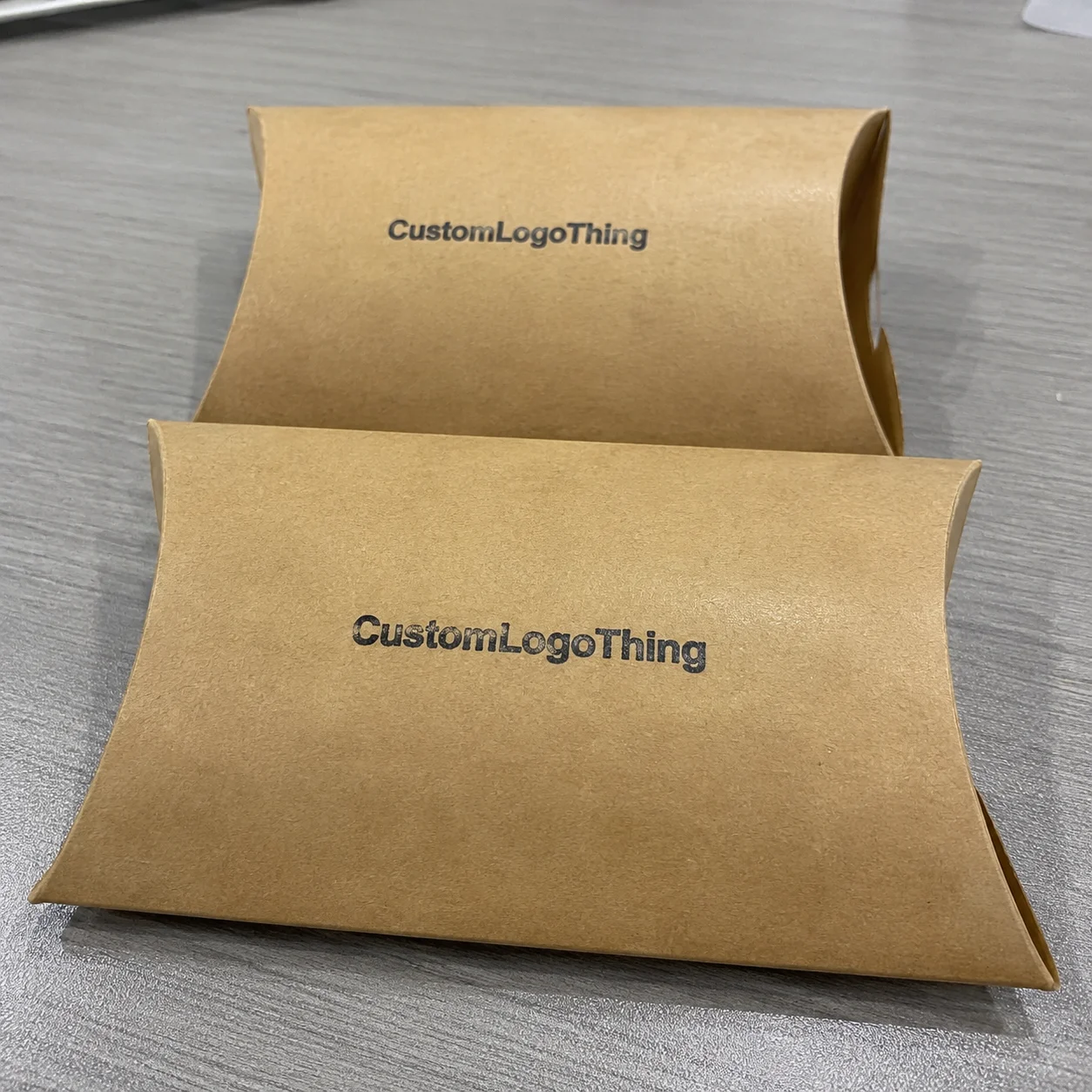
Printed soap boxes do three jobs at once: they protect the bar, explain the product, and sell the brand in a very small amount of space. That sounds simple until you start pricing stock, checking dielines, and trying to keep a scent label readable without making the carton look like a warning sheet.
Soap packaging gets judged fast. A shopper picks up a box, glances at the scent, the ingredients, the finish, and the feel of the paper, then makes a decision that is usually more emotional than most product teams want to admit. If the carton looks flimsy or overcrowded, the bar starts with a disadvantage before anyone smells it.
The practical side matters just as much. Soap can scuff, absorb odor, shed oil, or distort its carton if the size, board, or coating is wrong. A good package does not need to be fancy. It needs to be sized correctly, printed cleanly, and built for the way the product is actually stored and shipped. For structure comparisons, the options on our Custom Packaging Products page can help frame the brief.
Printed Soap Boxes: What They Are and Why They Matter
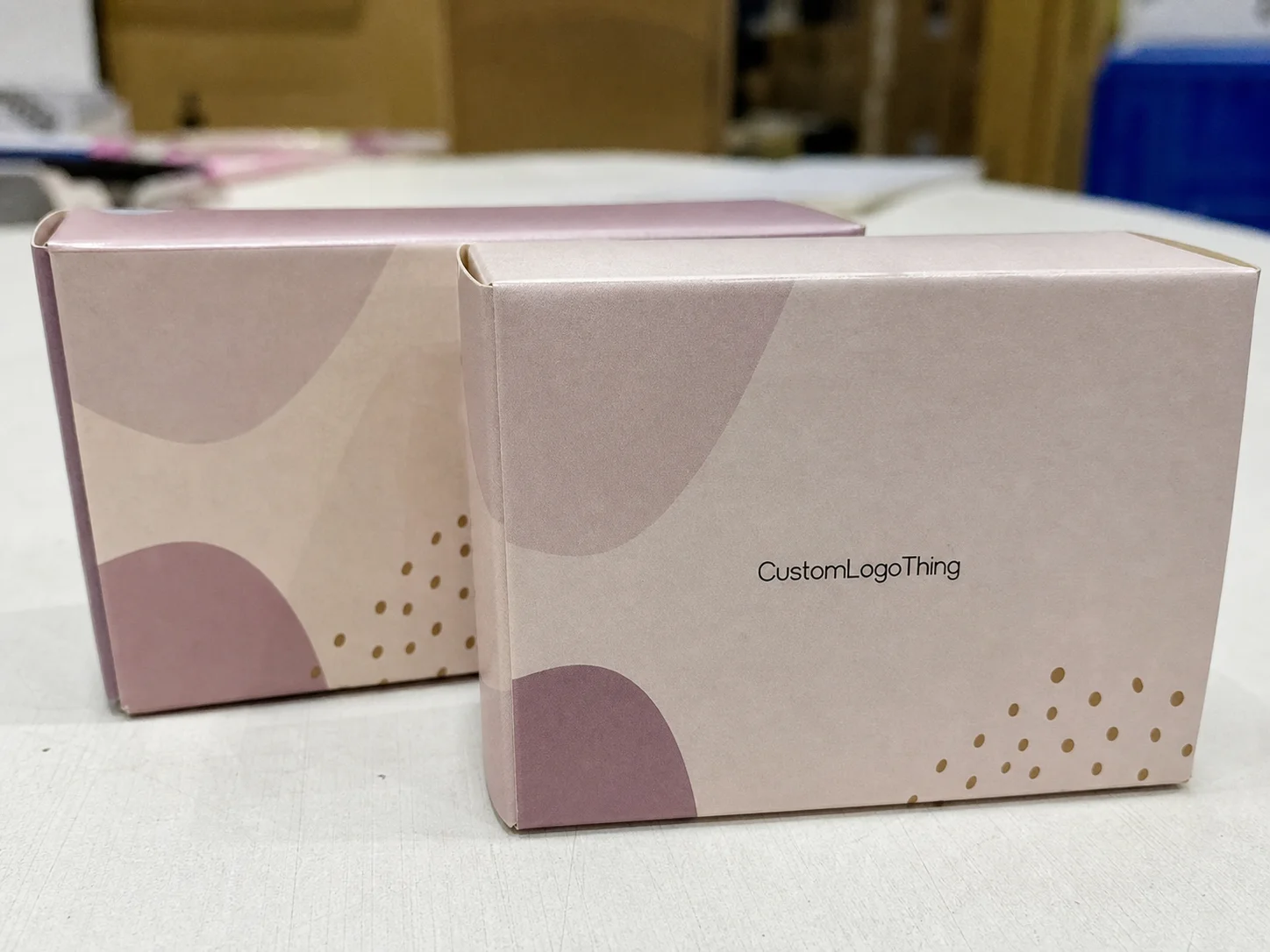
Printed soap boxes sit between the formula and the shelf. That makes them more important than they look. A carton can give a handmade line a natural, honest feel. It can make a clinical bar look clean and credible. It can also make a perfectly good soap look cheap if the copy is crammed into every panel and the paperboard feels soft enough to dent if you breathe on it.
There is a functional reason for the box beyond branding. Many soaps are wrapped only partially, or not wrapped at all. That leaves the carton responsible for protecting the surface from dust, friction, and warehouse handling. A bar that shifts inside the box will wear the corners and make the pack look tired long before it reaches the customer.
The best cartons usually balance four things: shelf presence, pack speed, product fit, and material feel. If the line is natural and artisan, kraft board can support that story. If the goal is a cleaner cosmetic look, SBS or clay-coated board gives a brighter print surface. If the soap is a gift item, a heavier stock with a controlled finish usually does more for perceived value than a pile of effects.
If the carton looks premium but fails in transit, it has only done half the job. Half the job is still a miss.
That is why the starting point should be the product, not the decoration. Size, board weight, and closure style affect how the box packs, ships, stacks, and opens. Artwork comes next. Good packaging buyers know the order matters. Designers who ignore the order tend to create beautiful problems.
How the Printing and Finishing Process Works
Every custom carton starts with a dieline. That flat template defines the panels, folds, glue tabs, and safety margins. If the dieline is off by even a little, the print can shift into a fold, the barcode can land in the wrong place, or the box can close badly. None of that is dramatic. It is just expensive.
Choose the print path
Most soap projects fall into digital or offset printing. Digital printing makes sense for short runs, quick seasonal changes, and launch tests. It is also useful if you need multiple scent variants without taking on large setup costs. Offset printing is better for larger quantities and tighter color control. The press setup takes more planning, but the unit price usually drops once the run gets big enough.
If brand color consistency is a priority, proofing needs to happen under realistic light. Creams, greens, charcoal tones, and off-whites can shift more than teams expect once they move from a screen to paperboard. The final result is influenced by stock brightness, coating, and ink density. A flat digital mockup does not tell you much there.
Finishes that actually change the box
Finish choices affect both appearance and handling. Matte coating reduces glare and gives the carton a calm, restrained look. Gloss coating makes color pop under retail lighting, though it can feel louder than a natural brand wants. Soft-touch lamination adds a velvety feel and often reads as premium, but it can show fingerprints and scuffs if the line is handled a lot.
Foil stamping, spot UV, and embossing add focus, but they should be tied to a reason. A logo highlight can be useful. Random decoration is just cost with no return. I see this mistake often: the box gets every finishing option available, then the brand still looks undecided because the hierarchy is weak.
For brands that care about responsible sourcing, board and coating choices should be checked before artwork is finalized. FSC-certified paperboard is a useful signal when the sourcing story matters. The standards reference at FSC is a reasonable place to verify what the certification covers. If transit durability matters too, common packaging testing frameworks from ISTA and technical guidance from packaging.org are worth reviewing. Soap cartons are not aerospace hardware, but they still need to survive compression, friction, and poor storage conditions.
From proof to production
Once the proof is approved, production moves through cutting, creasing, folding, gluing, and inspection. If the job includes a window patch, heavy coating, or specialty finish, the schedule stretches a bit. That is not a delay so much as the reality of extra touchpoints. Each added step creates another place where the carton can go wrong, so the press team needs time to manage it.
A clean file helps more than most buyers think. Text should stay clear of folds, the barcode should have enough quiet space around it, and panel order should match the actual construction. Production tolerances are small. They need to be. Packaging is physical, not conceptual.
Stock, Size, and Structure Choices That Affect Shelf Performance
Stock choice changes the entire impression. SBS gives a smooth, bright surface and usually handles detailed graphics well. Kraft board creates a more natural feel and works well for artisan or eco-positioned soaps. Clay-coated board improves print sharpness and supports strong color consistency. Recycled board can work too, but it needs careful planning so the texture does not fight the artwork.
Size is not guesswork
Soap box dimensions should be based on the real bar, not the ideal one. A box that is too loose lets the product move, which causes corner wear and a rattling feel when the customer picks it up. A box that is too tight slows packing and can distort bars that vary slightly from batch to batch. That extra millimeter matters more than most first-time buyers expect.
Freshly cured soap, oily soap, and heavily fragranced soap all behave differently. If the formula sweats or continues to cure after packing, the carton spec should account for that. If the team sizes the box against a perfect sample and ignores production variation, the finished line will disappoint. It is a boring mistake. It is also common.
Pick the structure for the channel
Common formats include straight tuck end, reverse tuck end, auto-lock bottom, and window cartons. Straight tuck and reverse tuck styles are easy to pack and familiar on retail shelves. Auto-lock bottoms give the carton more support, which helps with heavier bars or rougher distribution. Window cartons work well when the soap itself has visual texture, color swirls, or a shape worth showing.
Channel matters here. A box for ecommerce needs to survive case packing and shipping vibration. A box for retail needs to stand upright, read quickly, and hold its shape after repeated handling. A box for gift sets needs a better face on first look because nobody buys those for the ingredient list alone.
Humidity and fragrance oil also deserve attention. Cartons can soften in damp warehouses, and intense scents can affect the pack over time. That is why sample testing should match the actual storage and shipping route, not a perfect lab shelf. Real cartons live in real conditions.
| Option | Typical Use | Approx. Unit Cost | Notes |
|---|---|---|---|
| Digital print on SBS | Short runs, launches, seasonal scents | $0.45-$0.90 | Fast setup, useful for smaller quantities and frequent design changes |
| Offset print on SBS | Retail runs, tighter color control | $0.18-$0.38 | Usually better at scale, with sharper efficiency on larger orders |
| Kraft board with simple print | Natural, artisan, eco-positioned lines | $0.22-$0.42 | Works well for earthy branding, but fine detail needs care |
| Special finish carton | Premium gift sets, hero SKUs | $0.35-$0.85 | Foil, embossing, windows, and soft-touch raise the cost quickly |
Cost and Pricing Factors for Custom Soap Packaging
Pricing gets clearer once you break it into the parts you can actually control: quantity, board grade, print coverage, finish complexity, and structural design. Those are the main levers. A low headline quote can turn messy fast if it leaves out tooling, proof revisions, freight, or pack-out costs.
Quantity changes the math
Setup cost is the first thing to watch. If you order a few hundred cartons, the cost of press setup, file prep, and cutting tools gets spread over a small run, which pushes the unit price up. Once the order gets larger, the per-box cost usually drops because the fixed work has already been absorbed. That is why a 5,000-piece run often looks much healthier on unit pricing than a 500-piece test order.
What raises price fastest
Foil stamping, embossing, custom windows, multi-pass coatings, and heavy full-bleed artwork drive cost more than most other features. None of those are bad. They just need a reason. If the line is meant to feel calm and natural, loading the carton with three finishing effects usually works against the brief.
Some buyers compare quotes without checking assumptions. One supplier may include prepress, cutting, folding, and freight. Another may only price the printed shell and then add charges later. That is not a minor accounting detail. It changes the decision. I would rather see a line-by-line quote than a cheap number with hidden add-ons.
If you are comparing packaging styles before locking the specification, the range on Custom Packaging Products is a useful reference point. It is easier to quote a soap carton when the structure, size, and finish have already been narrowed to something real.
Cost drivers to check before you approve
- Stock grade: heavier or brighter board usually costs more.
- Print coverage: full-bleed artwork and dark solids increase ink demand and press attention.
- Finish: soft-touch, foil, and spot UV add material and labor steps.
- Structure: window patches, auto-lock bottoms, and custom inserts add complexity.
- Freight and packing: boxed cartons, palletizing, and shipping distance change the landed cost.
Step-by-Step Timeline From Artwork to Delivery
A smooth timeline depends on clean handoffs. The sequence is usually the same: confirm soap dimensions, choose the carton style, request the dieline, build artwork, review the proof, approve the final file, and release production. Delays tend to happen when one of those steps is vague or waiting on a decision that should have been made earlier.
What proofing should catch
Proofing is not just spelling and punctuation. It should confirm barcode placement, ingredient text, claims, net weight, panel order, and finish notes. If the box is going to a retailer or a specific market, the proof should also reflect the compliance language and label format that market expects. A box can be beautifully printed and still fail if the legal panel is wrong.
The smartest proof reviews usually include both marketing and operations. Marketing catches brand issues. Operations catches packing issues. If one group signs off alone, the final box tends to surprise the other group later. That surprise is almost never useful.
Realistic lead times
Simple digital orders can move quickly when the dieline is ready and the artwork is clean. Offset runs, coated cartons, and specialty finishes take longer because setup, curing, converting, and packing all add time. A typical order often lands around 12-15 business days after proof approval, though quantity and finish selection can push that higher or lower.
The fastest way to protect the schedule is to prepare the inputs early. Have the exact dimensions, target quantity, shipping address, and delivery date ready before asking for pricing. If the supplier has to chase basic details, the schedule slides. If the brief is complete, the quote is cleaner and the order usually moves faster.
Common Mistakes That Make Soap Boxes Look Cheap
The biggest mistake is overcrowded artwork. When every panel tries to say everything, the hierarchy disappears. The shopper should be able to find the scent, the product benefit, and the key branding within a second or two. If they have to hunt for it, the box starts to feel noisy instead of intentional.
Wrong board thickness is another problem. A carton that is too light can buckle in transit, especially with heavier bars or tight case packing. A carton that is too large makes the product feel generic, as if the spec was guessed instead of designed. Either way, the package loses authority.
Finish can go wrong in a more subtle way. Too much gloss can make a natural soap line feel less grounded. Too little contrast can bury the copy under store lighting and make ingredient text hard to read. The goal is not to stack effects. It is to make the product look like it belongs in its own category.
Testing matters, especially for high-oil or high-moisture bars. Some soaps stain the carton, some soften it, and some distort it over time. A sample that looks great on day one can fail after a few weeks in storage. That is the kind of failure that never shows up in the marketing deck. It shows up when the customer opens the case.
Another avoidable mistake: treating the box as an accessory instead of part of the product. The scent, formula, typography, and packaging should all point in the same direction. If the soap is calming, the carton should feel calm. If the formula is clinical or active, the design should be direct and easy to scan. Otherwise the package sends mixed signals and the brand feels less settled.
Expert Tips for a Better Quote and a Cleaner Launch
Give the supplier specifics that remove guesswork. Exact dimensions, target quantity, board preference, print sides, finish, and whether the cartons will be hand-packed or machine-packed will produce a far better quote than a vague request. Better inputs usually mean fewer revisions and fewer unpleasant surprises later.
Ask for pricing in a format that separates unit cost, setup, tooling, and freight. That makes comparisons honest. If one quote looks cheaper, check whether it is missing die charges, coating, delivery, or even basic prepress work. A fair comparison needs the same assumptions on both sides.
Before artwork is locked, choose one primary job for the carton. It should either sell the scent, reinforce a natural position, or support a premium gift look. Trying to do all three usually creates a crowded box with no clear visual purpose. A simpler layout often reads as more expensive because the structure and copy have room to breathe.
If you are producing multiple scents, keep the base structure consistent and vary the graphics or color bands where possible. That helps inventory, reduces production complexity, and keeps the line cohesive on shelf. It also prevents your soap range from turning into a collection of unrelated cartons that only share a logo.
One last practical point: confirm the proof before the run, not after the order is already in motion. If a barcode is wrong, a finish note is missing, or the net weight panel is misplaced, the fix is cheap before production and annoying afterward. The fewer unknowns at the release stage, the better the outcome tends to be.
Printed soap boxes work best when the spec is disciplined. The product should fit, the print should read cleanly, the finish should match the brand, and the carton should survive the route it actually takes. That is the job. Everything else is decoration.
What should I include when requesting printed soap boxes?
Include the exact soap dimensions, target quantity, whether the bars are wrapped or unwrapped, and the artwork files you already have. Add finish preferences, ingredient or compliance text, and the sales channel so the box can be built for retail, gifting, or ecommerce use.
Which box style works best for printed soap boxes?
Straight tuck and reverse tuck cartons work well for simple retail presentation and easy packing. Auto-lock bottoms are a better fit when the soap is heavier or the carton needs more strength, while window styles help when the buyer should see the bar or the texture.
What drives the price of printed soap boxes the most?
Quantity usually has the biggest impact because setup costs are spread across the run. After that, stock choice, special coatings, foil, embossing, custom windows, and artwork complexity can all raise the per-box cost and the proofing effort.
How long does production usually take after approval?
Lead time depends on the print method, quantity, and finishing steps. Simple orders can move faster, while coated or specialty runs need more time for printing, converting, curing, and packing. Clean files and quick proof approval are the easiest ways to protect the schedule.
Can printed soap boxes handle oily or high-moisture soap bars?
Yes, but the board and finish should be chosen with the formula in mind. A more resistant coated stock can help reduce staining, softening, and scuffing, and the safest way to confirm performance is to test the finished pack under real storage and shipping conditions.