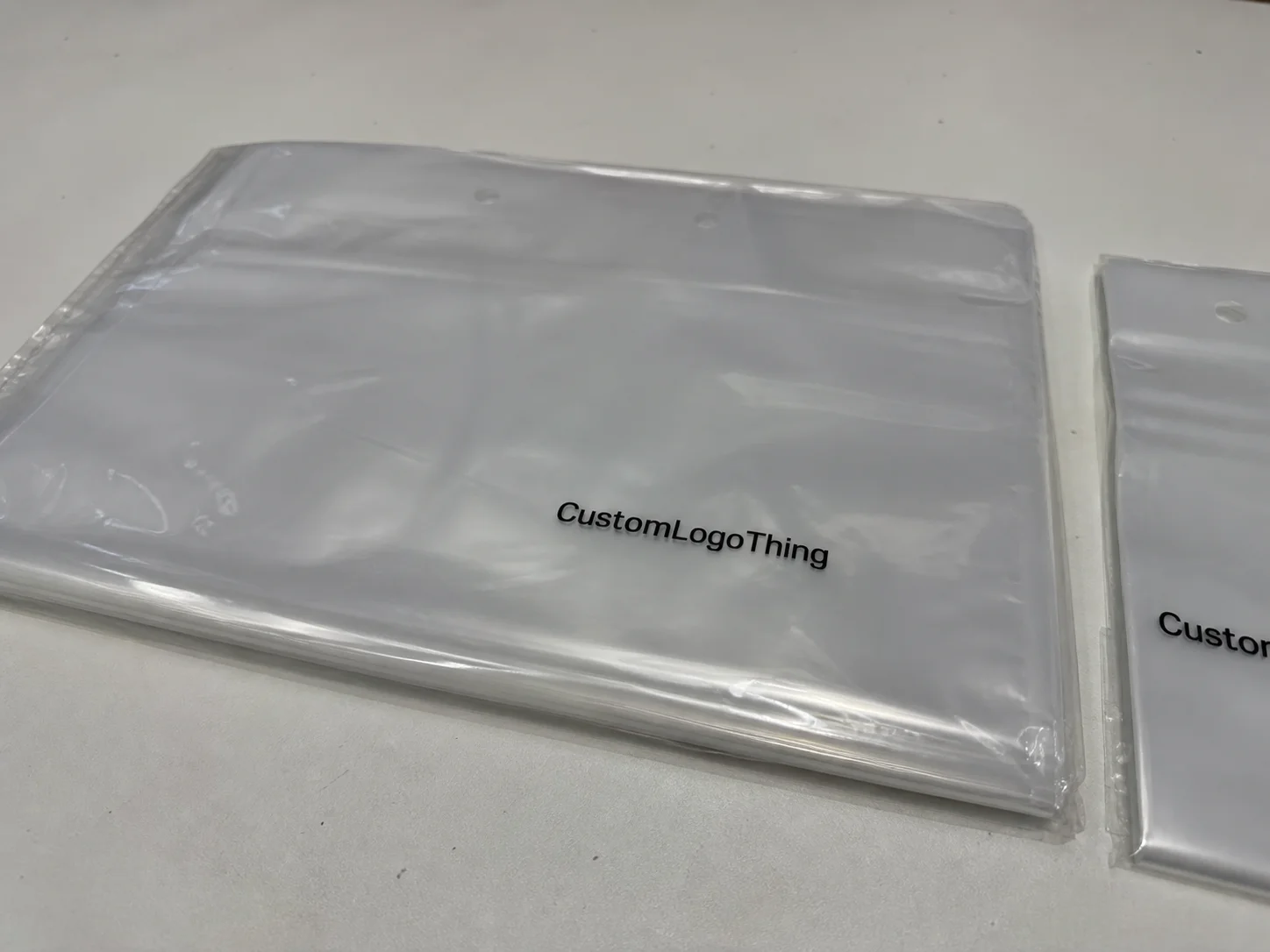
Two factory quotes can look similar and still describe different bags. That is why a printed zip lock Bags Factory Quote checklist matters. Unit price alone does not tell you film thickness, zipper strength, print coverage, seal width, pack-out, or freight terms. A bag quoted at $0.09 each may sound cheaper until another supplier shows it priced a heavier 4 mil structure, stronger zipper tracks, and two-side printing.
Most sourcing problems start before production. The RFQ goes out with loose specs, the factory prices a basic version, and the real requirements appear later: food-contact paperwork, white ink underlay on clear film, a bottom gusset, a hang hole, tighter color control, export cartons, pallet labels. Price changes, lead time stretches, and approval starts over.
Printed resealable bags are a specification-driven product. Small omissions can change performance and cost: film gauge affects puncture resistance, zipper placement changes converting steps, and heavy print coverage adds ink use and registration risk. This guide is meant to help buyers compare quotes on equal terms and make faster decisions on specs, cost, MOQ, lead time, decoration, and inspection.
Why a printed zip lock bags factory quote checklist prevents expensive mistakes

A good checklist forces every supplier to quote the same bag. Many RFQs still say some version of: custom zipper bags, around 4 x 6 inches, full color, please quote 5,000 pieces. A factory can answer quickly, but the quote will be built on assumptions.
That is where budgets go sideways. Missing technical details usually cause more damage than a slightly higher unit price. If the seals split during filling, if the artwork exceeds the printable area, or if the quote assumed loose case packing when you needed palletized export cartons, the cheap option stops looking cheap.
Custom Printed Zip Lock Bags have dimensional tolerances, seal requirements, zipper alignment limits, and handling constraints. A bag can look fine on a PDF proof and still fail in use because the zipper profile is too light, the seals are too narrow, or the usable fill area was measured from the wrong point.
A disciplined checklist improves quote comparison, reduces revision cycles, and makes internal approvals easier because the numbers are tied to actual specifications instead of guesswork.
Bag construction details that change performance before price
Define the bag before asking for pricing. Construction choices affect usability, shelf appearance, fill efficiency, and failure rate before they affect cost.
Start with geometry: bag style, width, height, bottom gusset, and usable fill area. A 6 x 9 inch bag with the zipper set below the top seal does not offer the same fill space as a 6 x 9 inch bag described only by outside dimensions. For folded apparel, snack portions, hardware kits, or sample packs, that difference matters.
Next is material. LDPE has a softer feel and better flexibility, so it is common for apparel, promotional items, and many light-duty food uses. HDPE feels crisper and stiffer. Laminated structures introduce barrier performance, better clarity, matte effects, or a stronger print surface. A laminated food pouch and a basic single-layer merch bag may both use zippers, but they should not be quoted as if they were the same product.
Zipper format deserves close review. A standard press-to-close zipper works for many products, but track quality, engagement strength, and placement matter. Some buyers want the zipper above the tear notch so the consumer breaks a tamper-evident top seal first. Others want it below the notch for a simpler open-and-reclose experience. Odor-control, child-resistant, or tamper-evident formats add complexity and cost.
Common extras also change the quote: hang holes, euro slots, vent holes, rounded corners, writable panels, and bottom gussets. Each adds setup, converting steps, or both. A vented produce bag and a flat zipper pouch for cosmetic samples may look similar in a product list, but the functional requirements are different.
End use should drive the structure. Hardware bags often need heavier gauge, commonly 3 to 5 mil, because sharp edges stress corners and seals. Promotional kits can often use lighter film. Food-contact bags may require declarations tied to resin composition and use conditions. Also specify whether you want stock-sized bags with printing added or fully custom dimensions, because that changes tooling assumptions, MOQ, and lead time.
Specifications every supplier needs to quote accurately
No supplier can quote accurately without a complete specification set. Leave out the core fields and you will either get a vague estimate or a precise-looking quote built on hidden assumptions.
The minimum specification sheet should include:
- Width and height, plus whether dimensions are outside dimensions or usable dimensions
- Bottom gusset depth if applicable
- Film thickness in mil or micron
- Material structure, such as LDPE, HDPE, or laminated barrier film
- Finish, including clear, frosted, gloss, or matte
- Print colors and whether printing is one side or two sides
- Order quantity and any volume breaks needed
Artwork details directly affect the quote. A one-color logo on a white bag is not priced like full-color graphics on clear film with a white underlay. In flexible packaging, white ink often serves as the base that makes other colors readable and consistent on transparent film. Heavy coverage on both sides can also reduce press efficiency. If artwork runs too close to the seals or zipper track, the layout may need revision before production.
Tolerances also need to be discussed early. Flexible packaging does not behave like a rigid molded part. Dimensional variation, film thickness tolerance, and print registration allowance should be agreed before approval.
Shipping and pack-out details matter more than many buyers expect. Ask the supplier to show bags per carton, inner-pack quantity, estimated carton size, case labeling requirements, and palletization preferences. If the destination country is known, include it. On larger runs, carton count and cubic volume can affect landed cost more than a one-cent difference in bag price.
Compliance should be written into the request, not assumed. Depending on the application, you may need food-safe declarations, BPA-free confirmation, recycle code preferences, or documentation related to secondary packaging through programs such as FSC. If the bags will move through e-commerce or retail distribution, testing guidance from ISTA may also matter.
Quote pricing, MOQ, and unit cost drivers buyers should compare
Bag pricing is built in layers: resin use, print setup, press time, zipper insertion, converting labor, inspection, packing, and freight terms. Compare all of them on equal footing.
The main cost drivers are usually:
- Larger dimensions use more film and carton space
- Heavier gauge raises resin weight and usually improves puncture resistance
- More print colors increase setup time and press complexity
- Double-sided graphics add coverage and tighter registration demands
- Laminated structures add process steps and material cost
- Special features such as matte finish, rounded corners, vent holes, or child-resistant closures increase converting cost
- Lower quantities raise the per-unit share of setup time
MOQ usually reflects machine efficiency more than sales policy. The factory still has to schedule press time, set up the zipper line, allocate film, inspect the run, and pack the finished bags whether the order is 2,000 pieces or 20,000. That is why unit cost drops at higher breaks.
For simple custom printed zipper bags, broad market ranges often fall around $0.08 to $0.18 per bag at 10,000 pieces for basic single-layer structures with light print coverage. Premium versions with thicker film, two-side graphics, or laminated construction may land around $0.18 to $0.45 per bag or more. These are reference ranges, not promises. Resin markets, ink coverage, and freight can shift the landed number quickly.
| Specification Scenario | Typical MOQ | Estimated Unit Cost Range | Main Cost Drivers |
|---|---|---|---|
| 4 x 6 in, 2 mil LDPE, 1-color print, one side | 5,000-10,000 | $0.08-$0.14 | Setup spread, basic resin use, light ink coverage |
| 6 x 9 in, 3 mil LDPE, 4-color print, two sides | 10,000 | $0.14-$0.26 | Larger film area, more colors, heavier gauge |
| Stand-up style with bottom gusset, laminated film, matte finish | 10,000-20,000 | $0.22-$0.45 | Multi-layer structure, finish, added converting steps |
Quotes are only comparable after the variables are normalized: same dimensions, same thickness, same print coverage, same pack-out, and same shipping terms. If one supplier quotes EXW and another includes inland delivery to port, the numbers are not equivalent. The same problem happens when one quote includes prepress or cylinder charges and another leaves them for a later email.
Ask for hidden costs line by line: plate or cylinder charges, color-matching fees, sample costs, rush premiums, export-carton upgrades, labeling charges, and reorder pricing once setup is established. Also request tiered pricing at breaks that match your demand, then weigh the savings against warehouse space, cash flow, and artwork obsolescence risk.
Production steps, lead time, and approval timeline to confirm upfront
A quote should not treat lead time as one blended number. Production has stages, and each stage depends on different approvals.
The normal flow looks like this:
- Quote review and specification confirmation
- Artwork check and dieline fit review
- Material confirmation and production planning
- Proof approval or pre-production sample sign-off
- Press scheduling and printing
- Bag conversion, including zipper insertion and seal forming
- Inspection, packing, and shipment release
For many custom runs, first-order lead time falls around 12 to 20 business days after final approval. Laminated structures, heavy scheduling, or complex printing can push beyond that. Proofing often takes 2 to 5 business days. Transit runs on a separate clock and may add days or weeks depending on mode.
Most delays start in approval loops, not on the machine floor. Missing dieline sign-off, unclear Pantone references, revised dimensions, a moved barcode, or a late decision on zipper placement can reset scheduling. Ask for both first-order and reorder timelines in writing so procurement and operations can plan around launches and replenishment windows.
Please confirm proofing time, production time after final approval, and transit time separately. Also confirm what information must be approved to avoid any schedule reset.
How to evaluate a factory beyond the lowest quoted number
The cheapest quote is not always the lowest-risk purchase. In flexible packaging, process control determines whether bags perform consistently from lot to lot.
Start with responsiveness and technical clarity. A reliable supplier should ask follow-up questions if your RFQ is incomplete. If a factory prices vaguely and never flags missing thickness, print, or pack-out details, treat that as a warning. Quoting behavior often mirrors production behavior.
Then look at measurable quality points: seal integrity, zipper alignment, print registration, ink adhesion, and lot consistency. These affect whether a bag opens and recloses cleanly, survives handling, and keeps product contained. For printed surfaces, adhesion and scuff resistance matter even more if bags will be tightly case-packed or handled in retail bins.
Ask what sample options are available: stock samples, size dummies, printed proofs, or pre-production samples that reflect final construction. Also ask how nonconforming product is handled if results fall outside agreed tolerances. A capable supplier should be able to explain inspection points and issue handling clearly.
Another useful signal is whether the supplier improves the spec instead of just repeating it. That may mean recommending a better gauge, simplifying artwork likely to misregister, or adjusting carton pack count to reduce freight cube. Not every project belongs with the same type of factory, so the right supplier fit matters as much as the quoted number.
What should a printed zip lock bags factory quote checklist include?
Faster pricing usually comes from one complete request, not several partial emails. Suppliers quote more accurately when they receive the full specification set at the start.
Use this send-to-supplier checklist:
- Bag size: width x height, plus bottom gusset if applicable
- Film thickness: mil or micron target
- Material: LDPE, HDPE, or laminated structure
- Zipper type: standard press-to-close, tamper-evident, or child-resistant if needed
- Bag features: tear notch, hang hole, rounded corners, vent holes, writable panel
- Print details: number of colors, one side or two sides, white underlay if on clear film
- Artwork status: final files ready, concept only, or existing bag to match
- Quantity: target order plus alternate volume breaks
- Packing method: bags per inner, inners per carton, case labeling, pallet requirements
- Delivery location: destination country or ship-to point
- Target in-hand date: required arrival date, not just PO date
If you are matching an existing package, attach photos and measured dimensions. Better yet, include a flat sample if one is available. That helps confirm zipper location, headspace above the zipper, bottom seal shape, and printable area.
Include three direct commercial questions in the same email:
- What is included in this quote?
- What can change the price after approval?
- What lead time applies after final artwork sign-off?
You can also request one optimized alternative, such as a different gauge, quantity, or pack-out method that lowers cost without hurting function. Used properly, the checklist shortens quote time, improves price accuracy, and exposes weak quotes before they become production problems.
FAQ
What should I include in a printed zip lock bags factory quote request?
Include bag dimensions, film thickness, material type, zipper style, print colors, print sides, order quantity, packing details, delivery destination, and artwork status. If the bag is clear and uses opaque graphics, specify whether white ink underlay is required. If the bag will hold sharp or heavy items, note the packed product weight and any puncture concerns.
How does MOQ affect the price of custom printed zip lock bags?
Lower quantities usually carry higher unit costs because setup, print preparation, and converting time are spread across fewer bags. Higher volume often reduces the per-piece price, but buyers still need to weigh warehouse space, cash flow, obsolescence risk, and how often artwork changes.
Why do two printed zipper bag quotes differ so much?
The gap usually comes from material structure, film thickness, zipper quality, print coverage, included setup charges, pack-out method, or freight terms. Two quotes may list the same outer dimensions while pricing very different constructions. A fixed checklist makes those differences visible before a purchase order is issued.
What is a normal lead time for printed zip lock bag production?
Many orders run roughly 12 to 20 business days after final approval, but that is only the production portion. Buyers should separate proofing time, manufacturing time, and transit time. Reorders can be faster if artwork, structure, and operating settings are already established.
Can I get samples before placing a bulk order for printed zip lock bags?
Many suppliers can provide stock samples, size references, printed proofs, or pre-production samples. Confirm what the sample is actually proving. A stock sample may show general feel and zipper action, while a pre-production sample is the better check for final material, printing method, seal construction, and usable fill area.