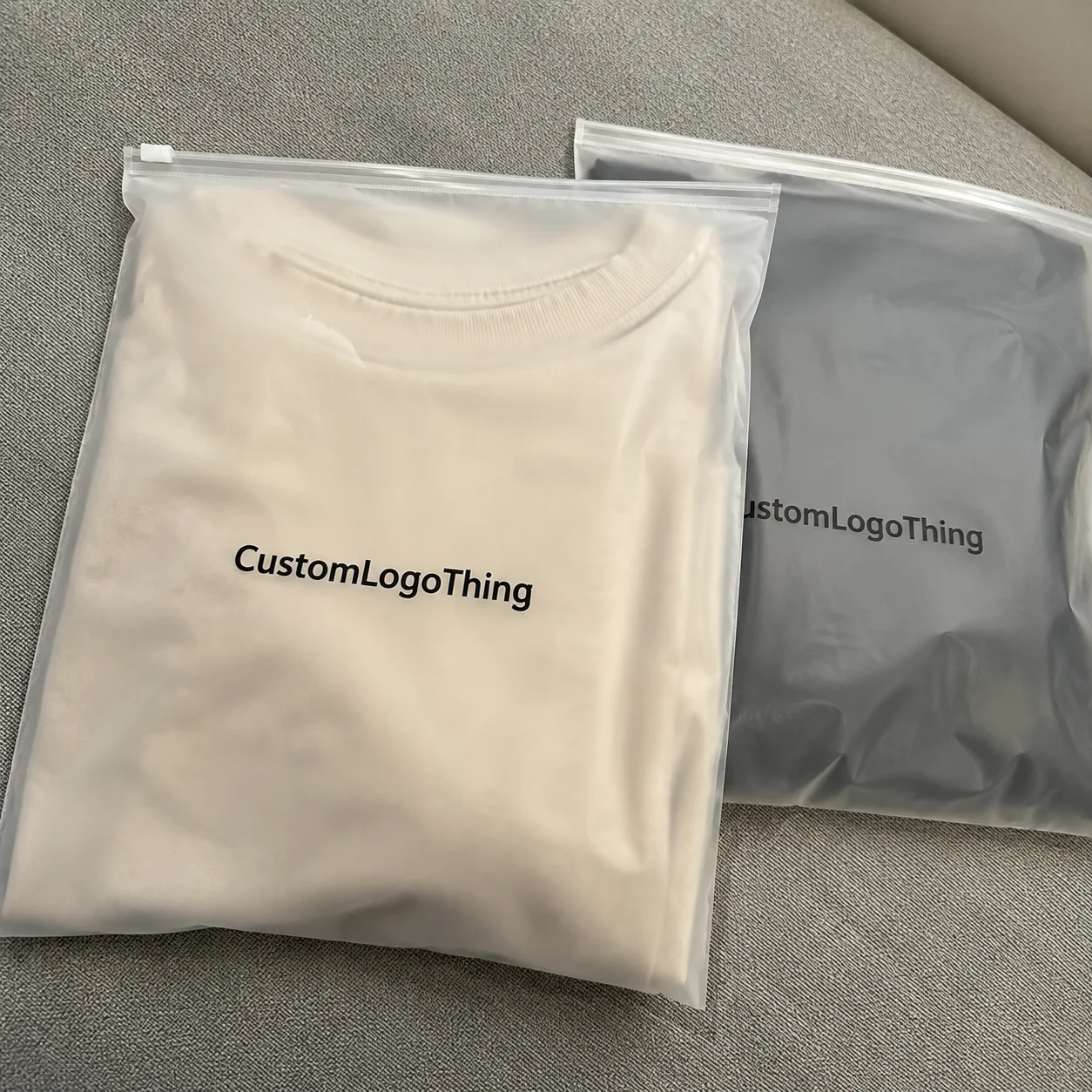
Buyer Fit Snapshot
| Best fit | product packaging practices tested work for packaging buyers comparing material specs, print proof, MOQ, unit cost, freight, and repeat-order risk where brand print, material, artwork control, and repeat-order consistency matter. |
|---|---|
| Quote inputs | Share finished size, material target, print colors, finish, packing count, annual reorder estimate, and delivery region. |
| Proofing check | Approve dieline scale, logo placement, barcode or warning zones, color tolerance, and any recyclable or compostable wording before bulk production. |
| Main risk | Vague material claims, crowded artwork, or missing packing details can create delays even when the unit price looks attractive. |
Fast answer: Product Packaging Practices Tested Work: Material, Print, MOQ, and Cost should be specified like a repeatable production item. The safest quote includes material, print method, finish, artwork proof, carton packing, and reorder notes in one written spec.
What to confirm before approving the packaging proof
Check the product dimensions against the actual filled item, not only the sales mockup. Ask for tolerance on folds, seals, hang holes, label areas, and retail display edges. If the package carries a logo, QR code, warning copy, or legal claim, reserve that space before decorative graphics fill the panel.
How to compare quotes without losing quality
Compare board or film grade, print process, finish, sampling route, tooling charges, carton quantity, and freight assumptions side by side. A lower quote is only useful if the supplier can repeat the same color, closure quality, and packing count on the next order.
Quick Answer: The Product Packaging Best Practices That Actually Matter
The prettiest box I ever saw on a production line failed for one dumb reason: the insert shifted 3 mm, and the bottle neck started rattling like a loose screw in a dryer. I remember standing there during a corrugated line visit in Shenzhen, next to a machine spitting out 1,200 units an hour while a QC tech kept shaking samples like he was checking a maraca. The carton had a 350gsm C1S artboard outer wrap, a 1.5 mm chipboard shell, and a foam insert that looked perfect in CAD but not in motion. That kind of moment rewires how you think about product Packaging Best Practices.
The short version is simple. Product Packaging Best practices start with protection, then branding, then unit cost, then assembly time. Flip that order and you usually pay twice: once for the packaging, then again for damaged product returns or labor that chews through margin. I’ve watched brands spend $1.40 per unit on hot-foil finishes and ignore a $0.06 insert that would have saved them 8% in breakage. On a 5,000-unit run, that missed insert decision can mean $300 in parts and several hundred dollars more in refunds. Painful. Completely avoidable. I still get irritated thinking about that one.
Most buyers make the same four mistakes. They overbuild packaging because “premium” sounds safe. They ignore fit tolerances and assume a 78 mm diameter jar fits a “79 mm insert” just fine. They skip drop tests because the prototype looked solid on a desk. They choose finishes that sound luxurious but push the quote from $0.62 to $1.11 per unit before freight. That isn’t strategy. That’s expensive optimism wearing a nice blazer.
Product packaging best practices are not about making the outside look pretty and hoping the inside behaves. They affect damage rates, unboxing experience, shipping cost, shelf appeal, labor time, and even how your brand feels in a customer’s hands. I’ve seen a simple 350gsm folding carton outperform a rigid setup because it packed faster and survived transit better. I’ve also seen a gorgeous magnetic box collapse under a 42 lb top-load test because the board spec was too soft. Pretty doesn’t pay refunds.
For the rest of this piece, I’ll walk through packaging formats, materials, pricing, and timeline decisions the way I’d explain them to a client who’s already burned through two sample rounds and wants the truth. If you’re ordering from Custom Logo Things or comparing quotes across suppliers in Dongguan, Ho Chi Minh City, or Ningbo, the right framework matters more than a glossy mockup. Product packaging best practices should help you ship safely, sell better, and keep assembly sane.
Top Product Packaging Best Practices Compared
Not every product needs a rigid box with foil stamping and a magnetic closure. I wish more buyers understood that before they start requesting luxury packaging for a $12 candle. The best product packaging best practices depend on what you’re shipping, how it moves, and whether it’s meant to sit on a shelf, survive parcel shipping, or both. A package built for a boutique in Brooklyn does not behave like one that has to survive a 1,200-mile courier route from Shenzhen to Los Angeles.
Here’s the practical breakdown I use when evaluating custom printed boxes and related formats.
| Packaging Type | Best For | Typical Strength | Typical Weakness | Price Range |
|---|---|---|---|---|
| Rigid box | Luxury gifts, cosmetics, electronics | Premium feel, strong presentation | Higher freight and labor | $1.20-$4.50/unit |
| Folding carton | Beauty, supplements, retail packaging | Low unit cost, strong branding space | Less shipping protection alone | $0.18-$0.75/unit |
| Mailer box | DTC brands, apparel, subscription kits | Good shipping performance | Can feel basic if over-simplified | $0.55-$1.80/unit |
| Sleeve + tray | Gifts, bundles, promo sets | Strong branding, flexible presentation | More assembly steps | $0.90-$2.80/unit |
| Protective shipper | Fragile goods, glass, electronics | Best impact resistance | Least shelf appeal | $0.30-$1.10/unit |
| Inserts/dividers | Bottles, jars, kits, multi-item packs | Stops movement, reduces breakage | Adds tooling and assembly time | $0.04-$0.35/unit |
For cosmetics, a folding carton with a well-made insert often gives the best balance of branding and cost. For candles, I usually lean toward a corrugated mailer if the product ships direct, because corners take a beating and shoppers rarely forgive cracked glass. For electronics, I want corrugated protection first and a clean insert second. For apparel, a mailer box or sleeve setup is usually enough unless the brand is explicitly selling luxury. A 280gsm SBS carton may look elegant, but if the product weighs 1.8 lbs and ships three states away, the structure needs a second thought.
The real trick in product packaging best practices is knowing when premium material is actually worth it. If the packaging is sitting on a retail shelf in a high-competition category, the extra $0.40 on a nicer board or finish may pay for itself by improving perceived value. If the package is going straight into a courier bag and only gets opened in somebody’s kitchen, spending $2.00 more on decoration is usually vanity dressed up as strategy. A better return often comes from a 2 mm board upgrade or a tighter dieline rather than a second finish.
Supplier reality matters too. Most custom manufacturers will quote lower minimums on folding cartons and mailer boxes than on rigid structures. A lot of shops can do 500-piece runs on paperboard packaging, but rigid boxes often get easier pricing at 1,000 units and up. Common board stocks include 250gsm, 300gsm, and 350gsm SBS or C1S paperboard for cartons, E-flute or B-flute corrugated for mailers, and 1.5 mm to 3 mm chipboard for rigid boxes. If a vendor claims every format is easy and cheap, I usually hear a sales pitch, not an honest production plan. In Guangzhou and Shenzhen, the factories that quote fast usually still ask for exact product dimensions within 24 hours.
During a supplier negotiation in Dongguan, I once asked why a competitor’s mailer quote was $0.22 lower. The answer was one line: “No insert, and they use a lighter flute.” That sounds tiny until the corner crush rate climbs. Product packaging best practices aren’t about finding the lowest unit price. They’re about finding the lowest total cost after waste, damage, assembly, and complaints. On a 10,000-unit campaign, a $0.02 savings that adds 3% damage can erase the entire margin win.
For brands needing a starting point, I usually recommend checking a supplier’s Custom Packaging Products lineup first, then narrowing the structure based on your actual shipping path. A box designed for shelf display behaves differently than one built for parcel abuse. Pretending otherwise is how brands end up reprinting 5,000 units and calling it “market feedback” with a straight face.
Detailed Reviews: Product Packaging Best Practices by Material and Structure
Material choice is where most packaging decisions quietly win or lose money. I’ve toured lines where a buyer insisted on soft-touch lamination for every SKU, then complained about scuffing on black boxes that were shipped in bulk with no overwrap. That isn’t a material problem. It’s a system problem. Product packaging best practices need the board, coating, and structure to work together, from the first proof in Taipei to the final carton out of a plant in Foshan.
SBS paperboard and folding cartons
SBS paperboard is a solid choice for retail packaging and lighter products. I usually see 250gsm to 350gsm in beauty, supplements, and personal care. It prints cleanly, handles detail well, and gives you enough room for spot UV, embossing, or foil stamping without falling apart in production. If your product is under about 1.5 lbs and not taking a beating in transit, this is often the smartest place to start. A 350gsm C1S artboard carton with a 1 mm paper insert is a common sweet spot for a 50 mL serum bottle or a 120-count supplement jar.
In one client meeting, a supplement brand wanted rigid boxes for every bottle. We compared a 300gsm SBS carton with an insert against the rigid option, and the carton saved them about $1.08 per unit at 3,000 units. Their damage rate stayed under 1.2% after we tightened the neck support to a 0.5 mm tolerance. That’s what product packaging best practices look like in real life: smarter structure, not louder branding.
Corrugated board for shipping protection
Corrugated board earns its keep fast. E-flute is thinner and prettier for printed mailers, while B-flute and double-wall options bring better crush resistance. For DTC brands, corrugated often gives the best protection-to-cost ratio because it reduces the need for overboxing and extra filler. I’ve seen brands save 18% on outbound dim weight simply by shifting to a tighter mailer design with fewer empty voids. A mailer sized at 9 x 6 x 3 inches can often save more than a larger 10 x 8 x 4 inch format when the product itself only needs 8.5 x 5.5 x 2.5 inches of internal space.
The one thing people miss is compression. A box can survive a drop and still fail in a stack. That matters if your cartons sit in a warehouse in Chicago, are palletized in Dallas, or get bundled for retail distribution in Rotterdam. If you’re following product packaging best practices, ask for compression data, not just a nice render. A pretty render will not keep a pallet from sagging, and a sagging pallet will not care that your brand palette used Pantone 426 C.
Rigid chipboard for premium presentation
Rigid boxes feel expensive because they are expensive. They use thicker chipboard, usually wrapped in printed paper, and they often include magnets, ribbon pulls, or Custom Foam Inserts. Great for luxury cosmetics, high-end gifts, and PR kits. Not great if your product margin is thin or your team hates hand assembly. A 2 mm rigid setup with a wrapped lid and base can add 40 to 90 seconds of pack-out time per unit if the operator has to insert a tray and align a logo panel.
Honestly, I like rigid boxes when the customer is paying for the ceremony. If your package is part of the product story, fine. If you’re only doing it because a competitor did, you’re probably buying theater. Product packaging best practices say to use rigid packaging only when the presentation value justifies the extra labor, freight, and warehousing footprint. A rigid box shipped from Shenzhen to London can take more cubic meters in the container than a folding carton run, which is why freight math matters before anyone orders 2,000 units of “premium.”
Kraft and recycled options
Kraft paperboard and recycled corrugated are practical choices for brands focused on eco-friendly packaging and cleaner visuals. They can signal honesty and simplicity, especially for food, wellness, and handmade goods. But “eco” only helps if the packaging still performs. A weak recycled board that collapses in transit is not sustainability. It’s waste with good intentions. A recycled 32 ECT corrugated mailer can still outperform a prettier but weaker board if the product weighs 14 ounces and ships across the Midwest.
If you want FSC-aligned sourcing, look for suppliers that can document chain of custody. You can also check the Forest Stewardship Council directly at fsc.org. That won’t magically improve your package, but it will keep your sourcing claims from turning into legal nonsense later. Brands selling into California, Germany, or Canada often need those documents long before the first shipment lands.
Specialty coatings and finishes
Matte lamination, soft-touch, foil stamping, embossing, debossing, and spot UV all have a place. They also all cost money and can slow production. Soft-touch is gorgeous, but it shows oil and scuff marks more easily on dark colors. Foil can elevate branding, but overused foil makes a package feel like a coupon mailer in a fancy coat. Spot UV works beautifully when used to highlight one logo or one pattern—not when every surface is screaming for attention. In many factories, a single extra finishing pass can add 2 to 4 business days to the schedule.
During a factory visit near Shanghai, I watched a line run 20,000 cartons with a deep black soft-touch finish. The customer loved the sample. The packers hated the fingerprinting. We added a matte protective varnish to the handling zones and cut visible scuffs enough to save the run. That’s one of those small product packaging best practices choices that never shows up in a mood board, which is probably why marketing forgets it exists.
Here’s the checklist I use for structure and material testing:
- Drop tests from 30 to 48 inches, depending on product weight and ship mode.
- Compression tests for stacked storage and pallet movement.
- Scuff resistance testing on dark and matte finishes.
- Moisture exposure checks for humid routes and warehouse storage.
- Assembly time measurement with real packers, not designers with clean desks.
If you want the official side of testing, the International Safe Transit Association has useful standards and methods at ista.org. I’ve pushed brands toward ISTA-style testing more than once because “it looked fine in the office” is not a shipping test. That sentence has cost people a lot of money. In some cases, a 45-minute lab run in Atlanta or Hong Kong can prevent an entire container of bad product from being shipped.
Price Comparison: What Product Packaging Best Practices Cost
Pricing is where packaging fantasies go to die. I’ve had clients show up with champagne taste and a cereal budget, then act surprised when a full-color rigid setup with inserts came in at $3.80 per unit before freight. Product packaging best practices are supposed to control cost, not inflate it with decorative nonsense. The difference between a $0.19 carton and a $1.85 presentation box is not just material; it’s handling time, finish complexity, and how many hands touch the product before it reaches the customer.
Below are rough pricing tiers I’ve seen across custom packaging projects. These are practical ranges, not promises, because size, print coverage, tooling, inserts, and finish complexity all swing the number hard.
| Packaging Scenario | Example Build | Approx. Unit Cost | Main Cost Drivers |
|---|---|---|---|
| Budget retail carton | 300gsm SBS, 4-color print, no coating | $0.18-$0.32 | Print coverage, dieline, quantity |
| Mid-range mailer box | E-flute corrugated, full-color outside, basic insert | $0.55-$1.10 | Board strength, print, insert style |
| Premium rigid box | 2 mm chipboard, wrapped paper, foil logo, foam insert | $1.80-$4.50 | Hand labor, wrapping, finish, insert |
| High-volume simplified carton | Plain structure, one-color print, no special finish | $0.12-$0.24 | Quantity, minimal print, efficient dieline |
The ugly truth: unit price drops as quantity rises, but only if the design stays efficient. A box with weird angles, oversized flaps, and five finishing steps can destroy the savings from a bigger order. I’ve seen a brand save $0.09 per unit by increasing quantity from 2,000 to 10,000, then lose $0.14 per unit because their fancy insert needed hand folding. So much for the victory lap. On a 10,000-piece run, that extra 14 cents is $1,400 disappearing into labor.
Hidden costs are where budgets get torched. Tooling for custom dies can add $120 to $350. Sampling can run $40 to $180 per round depending on structure and shipping. Freight from an overseas supplier can add $0.08 to $0.42 per unit, depending on carton density and route. Storage matters too. A rigid box takes more shelf space than a folding carton, and warehouse fees in Los Angeles, Hamburg, or Melbourne don’t care how beautiful your branding is.
Labor is the sneaky one. If your pack-out takes 25 seconds per unit instead of 12 seconds, you feel that on every 5,000-unit run. At $18 per hour labor, that extra 13 seconds can add roughly $325 in labor cost. It sounds small until you repeat it across four SKUs and two promotions. If a plant in Foshan charges $0.03 extra for hand-set inserts and you need 20,000 units, the calendar and the cash both notice.
My rule for product packaging best practices is simple. Spend where the package affects protection or perceived value. Save where the finish only looks good in a spreadsheet. For most brands, the best return comes from tighter dimensions, one smart insert, and one or two branded elements that do real work. That usually beats piling on foil, magnets, and specialty coatings like you’re trying to win a trophy for the supply chain.
One more thing. If a supplier won’t quote the same specs twice, you are not comparing pricing. You are comparing sales behavior. Ask for identical board, identical print coverage, identical finish, identical quantity, and identical insert requirements. Otherwise the numbers are theater. If one quote says 350gsm C1S and another quietly shifts to 300gsm uncoated stock, the lower price is fake savings.
How to Choose the Right Packaging Process and Timeline
Packaging development is a process, not a wish. The best product packaging best practices start with dimensions and usage conditions, then move into structure, sampling, and production. If you skip the boring steps, you pay for them later in rework. A decent supplier in Shenzhen, Dongguan, or Ningbo can move quickly, but only when the specs stop changing long enough to print.
Here’s the normal flow I use with brands that want fewer surprises:
- Lock product dimensions and weight.
- Define shipping method: parcel, retail shelf, or both.
- Choose a box structure and board stock.
- Create dielines and artwork.
- Review digital proof.
- Produce a sample or prototype.
- Test fit, assembly, and shipping durability.
- Approve final artwork and production.
- Run pre-shipment inspection.
- Ship and spot-check the first cartons on arrival.
Typical timelines depend on complexity. A simple folding carton can move from final dieline to production approval in about 7 to 12 business days if the artwork is ready. A custom mailer box with inserts might take 12 to 18 business days after sample approval. A rigid box with specialty finishes can take 18 to 30 business days, sometimes longer if the paper stock or foil needs a special source. If you keep changing dimensions, add another week. Easy math. Annoying reality. If your proof approval lands on a Thursday in Guangzhou, count the weekends and factory holidays before you promise a launch date in New York.
One client once sent me three different bottle heights during sampling. Three. Their production schedule slipped by 11 days because every insert had to be re-cut. I told them, politely, that packaging can’t solve for a product team that is still arguing about fill volume. Product packaging best practices depend on stability. If the product isn’t final, the packaging won’t be either.
Quality control is not optional. Ask for material verification, color matching against a physical standard, and a pre-shipment inspection that checks count, print registration, and board integrity. If your supplier is worth anything, they should understand ASTM-style testing language and be able to show you how they check dimensional accuracy. If they can’t explain the process in plain English, that is your cue to stay cautious. A plant that can show a signed inspection sheet from Qingdao or Xiamen usually has fewer surprises than one that only sends glamour photos.
Lead time planning matters even more for seasonal campaigns and launches. I’ve seen brands miss holiday windows because the packaging sample got approved only after the marketing team finished rewriting three headlines on the back panel. That kind of delay is avoidable. Build a packaging checklist, assign one owner, and freeze changes after sample approval. That alone can save a week or two, which is the difference between shipping in early October and missing Black Friday in the U.S. market.
One factory-floor lesson sticks with me. A pack-out line in Guangdong was losing time because the lid orientation on a rigid box was not obvious to the operator. It added 4 seconds per unit. We changed the internal notch and cut the error rate almost immediately. Product packaging best practices are often tiny mechanical fixes, not glamorous design speeches.
Our Recommendation: Product Packaging Best Practices by Use Case
If you want my honest recommendation, don’t start with “What is the fanciest box?” Start with “What outcome do I need?” That’s how I’d apply product packaging best practices for a real brand trying to protect margin and reduce complaints. A package that costs $0.22 less but creates 2% more breakage is not cheaper; it just delays the bill.
DTC shipping: I’d usually choose a mailer box with a corrugated insert if the product can move around. It packs well, ships well, and gives you enough room for branding. For lighter apparel or accessories, a simpler mailer may be enough, especially if the customer experience depends more on speed than theatrics. If your unit margin is tight, do not overdecorate the interior just to impress a camera. A kraft mailer with a one-color logo and 32 ECT board can do the job for many clothing brands.
Retail shelf display: Folding cartons are usually the smartest move for cosmetics, supplements, and compact consumer goods. They print beautifully, stack efficiently, and give you strong package branding without dragging cost into the stratosphere. A rigid box on shelf can work, but I’d only use it if the product price point supports it or the category expects premium presentation. In beauty aisles from Toronto to Sydney, a 350gsm carton with foil on the logo and spot UV on one panel often beats a bulky box that eats shelf depth.
Luxury gifting: Rigid boxes are the obvious choice if the packaging is part of the gift experience. Add a custom insert, but keep the closure and wrap choices disciplined. A $2.90 rigid box with clean branding often beats a $4.20 box overloaded with foil, texture, and magnets. Buyers love restraint when they don’t want to say “expensive” out loud. If the gifting launch is tied to a holiday window, budget 20 to 25 business days from proof approval to shipment.
High-damage-risk products: Use a protective shipper first, then add a branded outer layer if needed. Glass, fragile electronics, and heavy jars need structure before style. A brand can survive plain brown protection; it does not survive a stream of cracked returns. For bottles taller than 180 mm or items over 2 lbs, I usually want double-wall corrugated or a reinforced insert before anyone adds fancy print.
For most small to mid-size brands, the best balance is usually a well-sized mailer box or folding carton with one custom insert and one strong brand finish. That keeps assembly manageable, reduces damage, and still looks intentional. If I had to order for a team watching budget closely, that’s where I’d put the money. Not on gold foil everywhere. That stuff gets old fast. A clean 4-color print, a tight dieline, and a 0.08-inch tolerance on the insert do more than a second finish ever will.
“We stopped chasing a premium look and started chasing fewer returns. Sales went up anyway.” — E-commerce skincare client after switching to a tighter carton with a molded insert
I’ve seen this happen more than once. Better product packaging best practices usually improve perceived value because the package feels thoughtful, not noisy. Tight fit. Clean graphics. One good tactile element. That’s often enough. You don’t need to yell at the customer with five finishes and a closure that takes two hands and a small prayer.
Next Steps: Turn Product Packaging Best Practices Into an Order
If you’re ready to move, start with the boring numbers. Confirm product dimensions to the millimeter. Confirm weight to the gram. List your shipping conditions: parcel, warehouse, shelf, or gift. Decide your budget range before you ask for a quote, because otherwise every supplier will “helpfully” design you into a higher spend bracket. That’s business. Slightly irritating business. A project brief that includes exact measurements, carton count, and target landed cost usually gets better answers from factories in Shenzhen or Dongguan within the first 48 hours.
Then request two or three structure options from the same supplier using identical specs. Compare quotes only when the board, finish, insert, and quantity match. If one supplier gives you a lower number but leaves out the insert or changes the flute, that’s not a better quote. That’s a different product. Ask for the same 350gsm C1S artboard, the same matte lamination, the same 1 mm insert, and the same quantity—5,000 pieces, 10,000 pieces, or whatever your actual run requires.
I also recommend ordering a sample and running your own assembly test. Use the actual packing team if you have one. Time them. Count errors. Shake the box. Drop it on the floor from about waist height. Open it and see whether the product shifted. That little test tells you more than a polished render ever will. These are the practical side of product packaging best practices, and they’re not glamorous. They do work. A 15-minute test on a warehouse floor in Chicago can save a 15-day headache later.
Before final approval, make a short internal checklist with sales, operations, and marketing listed on it. That prevents the classic last-minute disaster where someone decides the logo should be 8 mm bigger after the dieline is already locked. I’ve watched that happen at least a dozen times. It never ends well, and it never somehow gets cheaper. If you need a rule, freeze artwork 3 to 5 business days before the proof is sent back to the plant.
Ask your supplier for a real quote breakdown: tooling, samples, unit cost, freight, and any assembly considerations. If freight is separate, say so. If sample revisions are included, confirm that. If you need FSC material or packaging claims, request documentation. Small details now save ugly conversations later. A factory in Ningbo that lists tooling at $180, sampling at $65, and unit price at $0.24 gives you something you can actually compare.
Product packaging best practices work best when they’re treated like operations, not decoration. Use the right structure. Test the fit. Protect the product. Keep assembly realistic. Then add branding with discipline. That’s how you get Packaging That Sells, ships, and survives.
What are the most important product packaging best practices for small brands?
Start with fit, protection, and shipping durability before you worry about premium finishes. Keep the structure simple enough to assemble consistently without adding labor cost. Use packaging that matches your product weight, fragility, and shipping method. That’s the foundation of product packaging best practices, and it saves a lot of avoidable rework. A 300gsm folding carton with one insert can be enough for a 10 oz cosmetic item, while a 2 lb glass bottle usually needs corrugated protection.
How do product packaging best practices reduce shipping damage?
They reduce movement inside the box with properly sized inserts or dividers. They choose materials that resist crushing, puncture, and corner impact during transit. They account for real-world handling, not just how the box looks on a desk. That’s where damage rates actually come down. In many cases, changing the insert by 2 to 3 mm or moving from E-flute to B-flute can cut breakage by several percentage points.
What is the best packaging material for product packaging best practices?
There is no single best material; it depends on weight, fragility, and brand positioning. Corrugated board is usually best for shipping protection, while rigid boxes work well for premium presentation. Paperboard is cost-effective for lighter products and retail-focused packaging. The right choice depends on the job the package has to do. For example, 350gsm C1S artboard is often enough for a lightweight retail carton, while 2 mm chipboard is better for a luxury gift set.
How long does the custom packaging process usually take?
Simple packaging can move from dieline to approved sample in a few rounds if specs are clear. Production timelines depend on material availability, print complexity, and revision speed. The biggest delays usually come from artwork changes and late dimension adjustments. Lock those early and you’ll save yourself a headache. In practice, production is often 12 to 15 business days from proof approval for a basic carton, and 18 to 30 business days for a rigid box with specialty finishing.
How can I compare pricing when following product packaging best practices?
Compare quotes using identical specs: size, material, finish, quantity, and insert requirements. Ask for separate pricing on tooling, sampling, and freight so the real total is visible. Watch for cheap unit prices that hide expensive assembly or reprint risks. Real comparison means apples to apples, not apples to a sales brochure. A quote for $0.15 per unit at 5,000 pieces means little if the next factory includes a 1 mm insert, matte lamination, and the same freight terms from Shenzhen to your warehouse.