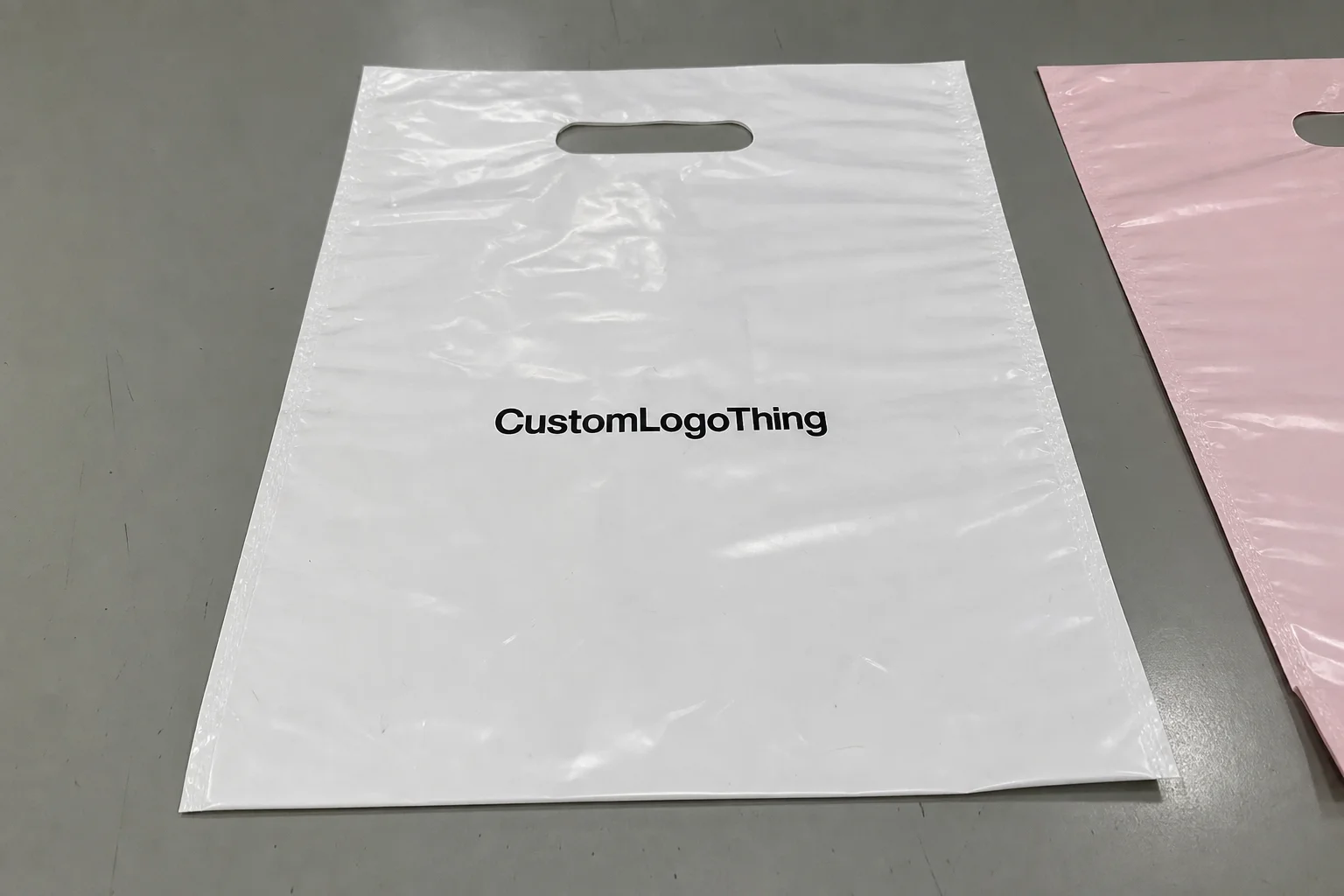
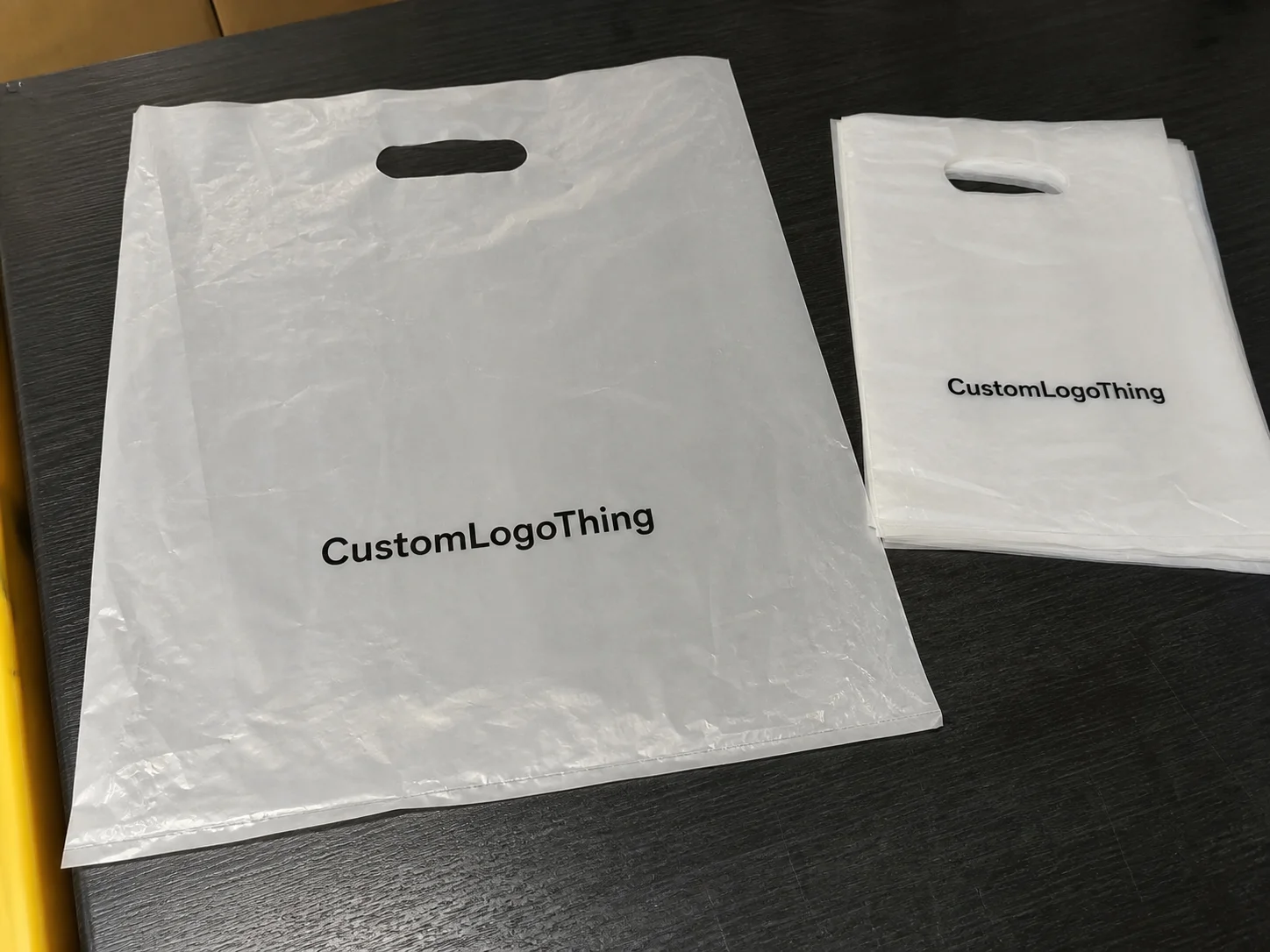
Buyer Fit Snapshot
| Best fit | Product Packaging Pricing projects where brand print, material claims, artwork control, MOQ, and repeat-order consistency need to be specified before quoting. |
|---|---|
| Quote inputs | Share finished size, material target, print colors, finish, packing count, annual reorder estimate, ship-to region, and any compliance wording. |
| Proofing check | Approve dieline scale, logo placement, barcode or warning zones, color tolerance, closure strength, and carton packing before bulk production. |
| Main risk | Vague material claims, crowded artwork, missing packing details, or unclear freight terms can make a low unit price expensive after revisions. |
Fast answer: Product Packaging Pricing: Artwork Proof, Packing Count, and Landed Cost should be specified like a repeatable production item. The safest quote records material, print method, finish, artwork proof, packing count, and reorder notes in one written spec.
Production checks before approval
Compare the actual filled-product size with the drawing, then confirm tolerance on folds, seals, hang holes, label areas, and retail display edges. Reserve space for logos, QR codes, warning copy, and material claims before decorative graphics fill the panel.
Quote comparison points
Review material grade, print process, finish, sampling route, tooling charges, carton quantity, and freight assumptions side by side. A quote is only useful when the supplier can repeat the same color, closure quality, and packing count on the next order.
If you’ve ever received three quotes for what looked like the same box and seen numbers like $0.62, $1.08, and $2.41 for the same basic size, you already know why a product packaging pricing guide matters. I’ve seen that exact situation more than once, including a cosmetics brand in Los Angeles that thought it was comparing identical cartons until one supplier had included foil, the second had excluded freight, and the third had quietly switched from 400gsm SBS to 350gsm C1S. The spread was not random. It was structural.
I remember sitting at a tiny conference table in Chicago with a buyer who stared at three estimates like they were written in ancient code. Honestly, packaging quotes have a talent for looking simple right up until they don’t. One line is missing, another line is buried, and suddenly everyone is pretending they “just assumed” the freight was included. (Ah yes, the magical quote fairy apparently visited everyone except the accountant.) That’s exactly why a product packaging pricing guide matters: it shows what you’re actually paying for, where the number can move, and which details can blow up a budget after approval. Most buyers do not need “cheap packaging.” They need packaging that protects the product, sells the brand, and doesn’t create a surprise invoice two weeks later. That is a very different goal.
Product Packaging Pricing Guide: What It Really Means
A product packaging pricing guide is not just a list of unit prices. It should help you understand the full cost stack: material, printing, tooling, setup, finishing, shipping, and the small charges that often hide in plain sight. I’ve sat in supplier meetings in Shenzhen and Dongguan where the headline quote looked attractive, but the “extras” column added 18% to the total before the cartons even reached the warehouse. The quote was technically accurate. It was also emotionally offensive.
Packaging prices can swing sharply for the same box size because a 2mm change in board thickness, a switch from one-color print to full-coverage CMYK, or a jump from 1,000 units to 10,000 units changes the economics. That’s true for custom printed boxes, folding cartons, mailer boxes, rigid boxes, labels, inserts, and specialty product packaging. A 12 x 8 x 4 corrugated mailer in kraft may land near $0.74/unit at 5,000 pieces, while a similar-sized rigid setup with a wrapped paper exterior and magnetic closure can move past $4.00/unit quickly. Those are not close cousins. They are different cost animals.
The difference between budget-friendly packaging and value-driven packaging is easy to miss. Budget-friendly focuses on the lowest immediate spend; value-driven packaging weighs failure risk, brand impact, and total landed cost. I’ve watched startups in Austin chase a $0.11/unit savings and then spend far more on replacement shipments after boxes crushed in transit during a run from Atlanta to Miami. The cheapest option is not always the lowest-risk option. Sometimes it is the most expensive mistake waiting to happen.
This product packaging pricing guide applies whether you’re buying retail packaging for shelf display, ecommerce mailers for direct-to-consumer shipping, cosmetic cartons, food packaging, inserts, or branded packaging for a subscription box. If your packaging has to look good, stack well, survive transit from a warehouse in Ontario to a retailer in Dallas, and stay within a margin target, the quote math matters.
Field note: On a factory floor visit in Shenzhen, I watched a buyer reject a quote because it was $0.09 higher per unit. The supplier later showed the reason: a stronger corrugated spec, a wider glue flap, and extra compression testing. The buyer had been comparing visual samples, not performance specs. That is how bad comparisons happen.
In the sections ahead, I’ll break down how pricing works, what pushes it up or down, and how to compare suppliers without being misled by missing details. A good product packaging pricing guide should leave you with a budget range, not a fake single number.
How Product Packaging Pricing Works Behind the Scenes
Under the hood, a product packaging pricing guide comes down to fixed costs and variable costs. Fixed costs are the parts that do not change much whether you buy 500 boxes or 50,000: die-cut tooling, plate setup, machine calibration, proofing, and prepress work. Variable costs move with volume: board, ink, labor, finishing time, glue, waste, and freight. That is why short runs can look expensive per unit. The setup cost gets spread over fewer pieces, and the math turns quickly at the 500-unit mark.
I’ve negotiated quotes where a folding carton had a $280 die charge, a $120 plate fee, and a $95 proofing charge before a single unit was printed. On 500 units, that is a meaningful chunk of the price. On 10,000 units, it fades into the background. Same carton. Same dimensions. Very different economics.
Printing method matters too. Digital printing usually makes sense for lower quantities, personalization, or fast turnaround because it avoids expensive plates. Offset printing often wins on color consistency and lower unit cost at higher volumes. Flexographic printing is common in corrugated and labels, especially where speed and repeat runs matter. Specialty methods like foil stamping, embossing, and spot UV add both setup and processing time. A product packaging pricing guide should spell out which method is in play, because “printed box” can mean a lot of different things. For example, a 5,000-piece offset carton in Chicago can run very differently from a 500-piece digital carton in Nashville, even when the artwork looks nearly identical.
Finishing changes the bill faster than many buyers expect. A box with matte varnish is rarely priced the same as a box with soft-touch lamination and foil on the logo panel. One client I worked with in San Francisco wanted premium shelf presence for a skincare launch. The quote rose by 27% after they added embossing, metallic foil, and a premium insert tray. Worth it? For them, yes. But only because the margin could absorb it and the retail price was set at $38, not $18.
Supplier margin is part of the picture too, and that is not a dirty word. Good vendors make money by managing waste, coordinating production, and keeping rework low. What you want to watch for is not whether margin exists. It is whether the quote clearly explains the cost stack. A transparent product packaging pricing guide helps you see the difference between fair margin and mysterious padding.
For buyers who want a deeper standards framework, industry groups like the Flexible Packaging Association and ISTA are useful references for material and transit-performance expectations. Not every package needs formal certification, but if your goods are fragile, temperature-sensitive, or high-value, those standards can shape pricing in real terms. A drop-test spec in Milwaukee can add $150 to the pre-production process, but it may save a $9,000 return cycle later.
Key Factors That Change Product Packaging Pricing
Material choice is usually the first and biggest lever in any product packaging pricing guide. Corrugated board tends to be more economical for shipping strength, especially in ecommerce. Cardboard or folding carton stock works well for retail presentation. Kraft can reduce cost and signal natural branding. Rigid board sits higher on the cost spectrum because it uses more material and more handwork. Specialty papers, textured stocks, and metallic substrates push pricing up again. A 350gsm C1S artboard folding carton with matte aqueous coating will price very differently from a 1.8mm rigid board wrapped in printed art paper from Guangzhou.
Size and structure matter just as much. A 1-piece mailer is simpler than a 3-piece rigid box with a telescoping lid, ribbon pull, and foam insert. Every fold, cutout, partition, and custom closure increases machine time or manual labor. Waste rises when the design does not nest efficiently on the sheet. I’ve seen a packaging design change shave 14% off a carton quote simply by adjusting the width 3mm so the dieline nested more efficiently. Small move, big impact. On a 500mm x 300mm press sheet in Suzhou, 3mm can decide whether you fit 8-up or 9-up, and that changes the whole quote.
Print and finish choices can quietly transform the budget. Full-coverage CMYK is not the same as one-color black ink on kraft. Add foil stamping, embossing, debossing, spot UV, or soft-touch lamination, and the price climbs. Finishing also affects lead time. If a vendor has to send cartons through multiple stations, the schedule stretches. A product packaging pricing guide should always show which finishing layers are truly necessary and which are decorative extras. A simple switch from full-panel foil to a 20mm logo foil band can cut finishing cost by 10% to 18% on a 5,000-unit run.
Order quantity is another major driver. Higher quantities generally lower unit cost because setup costs are diluted and machine runs become more efficient. The catch is inventory risk. If you order 25,000 units but only sell 8,000 in the first quarter, you have tied up cash and storage space. I’ve seen warehouse managers in New Jersey quietly groan when pallets of branded packaging arrive faster than sales forecasts justify, especially when pallet storage costs $18 to $24 per pallet per month.
Supplier location and shipping can move the total far more than buyers expect. Freight distance, fuel surcharges, pallet configuration, and box weight all affect the landed cost. A quote from a nearby facility in Illinois may look slightly higher on paper but still win once ocean freight, customs handling, and last-mile delivery are added. If you are sourcing internationally, remember that packaging is lightweight until it is not. Pallet density and carton count per pallet can make a real difference. A 5,000-unit run shipped from Ho Chi Minh City to Long Beach can gain or lose $0.06 per unit just on freight handling and palletization.
Compliance and use case can add another layer. Food-safe packaging may need specific inks or coatings. Cosmetic packaging often demands cleaner print registration and better finish quality. Fragile-item packaging may require crush testing, drop testing, or inserts that meet performance expectations. For environmentally conscious brands, certifications like FSC can matter too. You can read more about forest certification at FSC, and sustainability requirements often affect both material sourcing and supplier selection. A carton specified with FSC-certified 350gsm board from Taiwan can cost 4% to 8% more than a non-certified equivalent, depending on volume.
Here is a quick comparison that shows how similar dimensions can still land in very different pricing bands:
| Packaging Type | Typical Spec | Order Size | Approx. Unit Cost | Main Cost Drivers |
|---|---|---|---|---|
| Mailer Box | Kraft corrugated, 1-color print | 5,000 units | $0.68–$0.92 | Board grade, print coverage, die cut |
| Folding Carton | 350gsm C1S, CMYK, matte coat | 5,000 units | $0.22–$0.41 | Artwork complexity, coating, plate setup |
| Rigid Box | Wrapped board, ribbon pull, insert | 3,000 units | $2.10–$4.80 | Hand assembly, board thickness, finishing |
| Label Roll | BOPP, CMYK, die-cut | 10,000 units | $0.03–$0.09 | Adhesive type, ink coverage, roll format |
The point is not that one format is better. It is that the numbers reflect structure, not just size. This is why a strong product packaging pricing guide should always connect form factor to production reality.
The same packaging format can be priced differently by region. Labor rates, machine availability, import duties, and compliance expectations vary. I once saw two identical cosmetic cartons quoted within 6% of each other on raw production, but after freight and carton repacking, one landed 19% higher. The quote sheet had hidden the difference in the logistics line. That is a classic trap, especially when one factory is in Dongguan and the other is in Ohio.
Product Packaging Pricing Guide for Comparing Quotes
If you only remember one thing from this product packaging pricing guide, remember this: compare scope, not just numbers. A quote that says $0.39/unit is meaningless if it excludes freight, proofing, tooling, and assembly. I’ve seen procurement teams in New York celebrate a low number and then get hit with a second invoice that wiped out the savings.
Start with a checklist. Before comparing suppliers, confirm quantity, dimensions, board grade, print method, finish, insert type, shipping terms, and turnaround time. If two vendors are pricing the same “box” but one is quoting a 500-unit digital run and the other is quoting 10,000 offset-printed units, you are not comparing the same project. You are comparing two different manufacturing models. Ask whether the supplier is quoting FOB Shenzhen, EXW Guangzhou, or delivered to your warehouse in Memphis. That one detail can swing the landed price by double digits.
Ask for tiered pricing. A proper product packaging pricing guide should encourage pricing at 500, 1,000, 5,000, and 10,000 units when appropriate. That shows where the volume break points live. It also helps you make decisions about storage and cash flow. A startup I advised discovered that moving from 1,000 to 3,000 units cut unit cost by 22%, but 10,000 units only saved another 4% while tripling warehouse pressure. They stopped at 3,000. Smart move, especially with warehouse space costing $0.85 to $1.10 per square foot in the Phoenix area.
Always compare landed Cost Per Unit and total project cost. The lower unit cost can be deceptive if freight is higher, if minimum order quantities force overbuying, or if setup charges are split differently. Look for quotes that clarify whether the price includes packaging prep, palletization, carton inserts, and QC checks. A decent product packaging pricing guide should make those variables visible. If the quote includes 200 units per carton and the other includes 150, the freight math will not match no matter how pretty the unit price looks.
Here is a practical comparison of two quotes with the same box size:
| Line Item | Quote A | Quote B |
|---|---|---|
| Quantity | 5,000 | 5,000 |
| Unit Price | $0.44 | $0.39 |
| Setup / Plates | $260 | $420 |
| Freight | $180 | $340 |
| Finish | Matte aqueous | Matte aqueous |
| Total | $2,640 | $2,710 |
That table is a classic example of why the lowest unit price does not always win. Quote B looks better at first glance, but after setup and freight, it ends up higher overall. This is exactly where a detailed product packaging pricing guide saves money.
When possible, request notes on exclusions. I like to see a line that states: “Price excludes taxes, import duties, special pallets, and reprint costs caused by approved artwork changes.” That level of clarity matters. If a supplier cannot tell you what is excluded, the quote is incomplete. Full stop.
Step-by-Step Process and Timeline for Packaging Pricing
A careful product packaging pricing guide should also show how the pricing process unfolds. Costs do not appear in a vacuum. They are tied to decisions, proofs, and approvals. Rushing any of those steps usually creates a correction charge later, whether the supplier is in Manchester, Vietnam, or northern Italy.
Step 1: Define the project. Start with product dimensions, target audience, channel, and budget ceiling. If you are selling a 9oz candle through retail and ecommerce, for example, the packaging needs to balance shelf appeal, transit strength, and brand story. If you cannot explain the use case in one paragraph, the supplier will price assumptions instead of the real job.
Step 2: Gather specifications. Prepare your dieline dimensions, material preferences, print expectations, finish choices, and artwork files. A vendor can quote faster when the pack brief is specific. I’ve seen a two-line brief turn into a three-round clarification cycle, and each round added time. A thorough product packaging pricing guide should push for precision early. A brief that names 350gsm C1S artboard, matte aqueous coating, and a 2mm bleed is far easier to price than “nice premium box.”
Step 3: Request sample quotes. Compare scope, lead time, and assumptions line by line. Do not just ask, “What’s the price?” Ask, “What is included, what is excluded, and what changes the number?” This is where quotes become useful rather than decorative.
Step 4: Review dielines and proofs. Check structural details, bleed, barcode placement, glue zones, and finish coverage before production starts. A misplaced QR code can force a reprint. A foil area that overlaps the fold can increase waste. In one supplier negotiation in Portland, the production manager warned me that a tiny logo shift would require a new plate. He was right. The correction would have added $310 to the job.
Step 5: Approve production and track milestones. Once the job is released, keep an eye on manufacturing, finishing, packing, and dispatch. Build in time for receiving, pallet inspection, and possible reprints. A good product packaging pricing guide should make it clear that schedules are not just about factory speed. They also depend on revision cycles, shipping mode, and how quickly approvals come back.
Typical timelines vary by format. Digital carton runs might ship in 10–14 business days after proof approval. Offset-printed folding cartons may take 15–25 business days. Rigid boxes with hand assembly can stretch beyond 25 business days, especially if there are inserts, specialty wraps, or multiple finishing steps. A realistic quote from a factory in Suzhou, for example, often lands at 12–15 business days from proof approval for a straightforward digital carton run and 18–22 business days for a folding carton with matte lamination and foil.
One client meeting stands out. A subscription snack brand in Denver wanted boxes in under two weeks. The factory could do it, but only by switching from a coated specialty sheet to stock material and dropping an interior print panel. They saved time, but the unboxing experience changed. Their sales team accepted the compromise because the launch date mattered more than premium presentation. That was a business decision, not a design failure. A realistic product packaging pricing guide should help you make those tradeoffs on purpose.
Common Mistakes That Distort Packaging Costs
The first mistake is ordering before finalizing product dimensions. I’ve seen brands commit to packaging, then realize the product changed by 8mm after tooling. That triggers redesign, reproofing, and sometimes a complete re-run. It also affects postage for ecommerce brands, because dimensional weight can jump when the box grows. A solid product packaging pricing guide always begins with exact product size, down to the millimeter, not a guess from an old spec sheet.
The second mistake is focusing only on unit price instead of landed cost. Freight, storage, and damage risk matter. A lower-cost box that breaks down in transit can erase the savings instantly. That is especially true for fragile items, glass, premium food jars, and electronics. If the package fails, the cost is not just replacement packaging. It is customer service time, refunds, and brand trust. A carton that saves $0.05 per unit but increases breakage by 2% can become wildly expensive on a 20,000-unit shipment.
The third mistake is choosing premium finishes too early. Foil, embossing, and soft-touch can look excellent, but not every product needs all of them. A small beauty brand in Miami once wanted foil on every panel of a folding carton. We tested a more restrained approach: foil on the logo, matte varnish elsewhere, and a better insert. The package still looked upscale, but the cost dropped by 16%. A thoughtful product packaging pricing guide should always test impact against necessity.
The fourth mistake is ignoring minimum order quantities. If the MOQ is 5,000 and your launch needs only 1,200, you may end up holding four years of inventory. That ties up working capital and storage. I’ve seen that happen with seasonal packaging, where the design looked great in spring and felt stale by the following holiday season. Good packaging planning and good budget planning have to talk to each other.
The fifth mistake is skipping performance testing. For fragile or temperature-sensitive products, compression, drop, and transit tests can be worth the spend. Standards from organizations like ISTA help frame those tests, and ASTM methods are often referenced in material and performance discussions. If you sell glass bottles, candles, supplements, or electronics, this is not optional thinking. It is risk management. A 24-inch drop test in a lab in Illinois can save thousands of dollars in failed deliveries later.
The sixth mistake is accepting vague quotes. If one supplier says “all-inclusive” and another itemizes every line, the comparison is already broken. I’ve had to rebuild quote tables from scratch for clients because the numbers were not talking about the same thing. A good product packaging pricing guide protects you from that mess.
Here is a small rule I use in practice: if the quote cannot answer what happens when artwork changes by one spot color, it is not detailed enough to trust. That sounds strict. It is. But packaging budgets rarely fail from big errors. They fail from little omissions repeated three or four times.
Expert Tips to Lower Costs Without Cheapening the Box
The best savings usually come from design discipline, not from stripping everything until the box feels empty. Use standard sizes where you can. Custom dimensions can increase waste, complicate tooling, and raise freight costs. I’ve seen a move from a fully custom carton to a near-standard size save 12% because the supplier could nest more efficiently on the sheet. That same adjustment also reduced corrugated waste by roughly 7% on a 10,000-unit run.
Simplify print coverage and finish selection. If your logo is the strongest brand asset, place the premium treatment there and keep the rest clean. A spot UV logo on a matte carton can create more visual impact than flooding the whole box with effects. That is a classic packaging design tradeoff: spend where the customer looks first. A 20mm x 80mm foil mark in the center of a lid often does more for perceived value than full-panel embellishment.
Plan quantities around real demand. The best product packaging pricing guide is no help if your forecast is fantasy. Order enough to unlock better unit pricing, but not so much that inventory becomes a liability. In my experience, many brands save more by avoiding overbuying than by squeezing another penny out of the per-unit quote. If your sales pace is 1,000 units per month, buying 15,000 cartons may look economical and still be a poor cash decision.
Bundle projects when possible. If you need packaging plus inserts, seasonal variants, or a label refresh, ask suppliers whether combining jobs can spread setup costs across multiple SKUs. I’ve seen a skincare line in Toronto cut total packaging spend by 9% simply because the cartons and inserts were run in the same production window, reducing press changeovers and avoiding a second freight booking.
Ask suppliers where savings are possible. Sometimes the answer is a paper substitution. Sometimes it is a switch from rigid to folding carton plus sleeve. Sometimes it is adjusting the pallet configuration so freight cost drops. Good vendors should be willing to explain the tradeoffs in plain language. A proper product packaging pricing guide should encourage that conversation. If a factory in Vietnam can reduce cost by moving from 400gsm to 350gsm board without changing crush performance, that is a real saving, not a cosmetic one.
Protect brand perception while saving money. If the package is going to sit on a retail shelf next to competitors, do not cut so far that it looks thin or unstable. If it ships direct to consumer, do not remove protective features just to hit a prettier number. Brand damage can cost far more than a stronger board grade. That is especially true in branded packaging, where every texture and finish sends a signal about quality.
For brands building out their packaging line, it can help to review product options before committing to a structure. Our Custom Packaging Products page is a practical place to compare formats and think through what really belongs in the final brief.
One more tip from the supplier side: request two versions of the same quote. Ask for an ideal version and a cost-reduced version. The ideal version shows what the package can be. The cost-reduced version shows what you can live without. That contrast is often more useful than three separate vendor quotes, because it clarifies priorities immediately.
If you want a simple framework, use this:
- Keep anything that protects the product.
- Keep anything that carries the brand story clearly.
- Cut decorative extras that do not improve conversion, protection, or shelf presence.
- Test any change before approving mass production.
That approach does not make packaging boring. It makes it intelligent. And that is the difference between a decent quote and a packaging program that stays profitable.
What to Do Next With Your Product Packaging Pricing Guide
If you are ready to use this product packaging pricing guide practically, start with a one-page packaging brief. Include box type, dimensions, quantity, materials, finishes, timeline, destination, and any compliance needs. A brief that says “premium unboxing” is not enough. A brief that says “350gsm C1S folding carton, CMYK outside only, matte aqueous, 5,000 units, ship to Ohio, needed in 18 business days” is the kind of detail suppliers can price accurately.
Next, build a comparison sheet. Track unit cost, setup fees, freight, lead time, exclusions, and revision allowances. I’ve seen teams save hours by using one spreadsheet with the same columns for every vendor. It keeps the conversation grounded. It also reveals when one quote is missing a line item that the others include. A team in Minneapolis once found a hidden $190 export documentation fee only because their comparison sheet had a dedicated logistics column.
Decide which elements are non-negotiable. For some brands, that means color accuracy. For others, it means crush strength or FSC sourcing. For others still, it is the retail opening experience. Everything else can flex. That is the smartest way to use a product packaging pricing guide: not as a rigid rulebook, but as a decision filter.
Then ask for one sample quote on the ideal version and one on a cost-reduced version. Compare them side by side. The delta often tells you exactly where the value is concentrated. If a $0.14 saving costs you a broken seal, poor shelf presence, or an awkward opening experience, that is not a saving. It is a trade.
Finally, set a budget range instead of a single number. A range gives you room for material changes, supplier differences, and freight swings. Packaging quotes move. Markets move. Paper supply moves. A range is more honest and far more useful than pretending the number is fixed forever.
What I have learned after years of looking at cartons, mailers, inserts, and sourcing sheets is simple: the best product packaging pricing guide makes the invisible visible. It turns setup fees into choices, not surprises. It turns shipping into a line item, not a shock. It turns branded packaging into a planned investment instead of an anxious guess. If you use the guide that way, your next quote conversation gets easier, faster, and a lot more profitable. The actionable takeaway is straightforward: build your brief, compare landed cost line by line, and do not approve anything until the quote tells you exactly what is included and what is not.
FAQs
What should a product packaging pricing guide include?
It should explain unit cost, setup fees, materials, printing, finishes, shipping, and lead time. It should also show how quantity and design complexity change the final price, because a 1,000-unit run and a 10,000-unit run rarely behave the same way in production. A useful guide may also call out board grade, such as 350gsm C1S artboard, and freight terms like FOB or DDP.
Why do custom packaging quotes vary so much?
Different suppliers may use different materials, production methods, or freight assumptions. Small changes in finish, size, or order volume can create major price differences, especially when one quote includes tooling or delivery and another does not. A quote from Dongguan may also differ from one in Ohio because labor, machine time, and shipping lanes are priced differently.
How can I estimate product packaging pricing before requesting quotes?
Start with your box type, dimensions, quantity, and finish level. Use those specs to compare pricing ranges across similar packaging projects and request tiered estimates at several quantities, such as 500, 1,000, 5,000, and 10,000 units. If possible, note the material thickness, for example 1.5mm rigid board or 350gsm C1S, so you are comparing like with like.
What is the biggest mistake buyers make when reviewing packaging costs?
They compare only the headline unit price and miss setup, freight, or hidden charges. They also forget to factor in damage risk, storage, and reprint potential, which can make the lowest quote the most expensive option overall. A $0.39/unit carton can beat a $0.44/unit carton on paper and still lose once the $420 plate fee and $340 freight charge are included.
How do I reduce packaging cost without hurting brand quality?
Use standard dimensions, simplify finishes, and order in a quantity that matches demand. Focus premium effects on the highest-visibility areas instead of treating the entire package the same, and test any change before you commit to production. A logo-only foil treatment, for example, often preserves premium feel while cutting finishing cost by 10% to 20%.