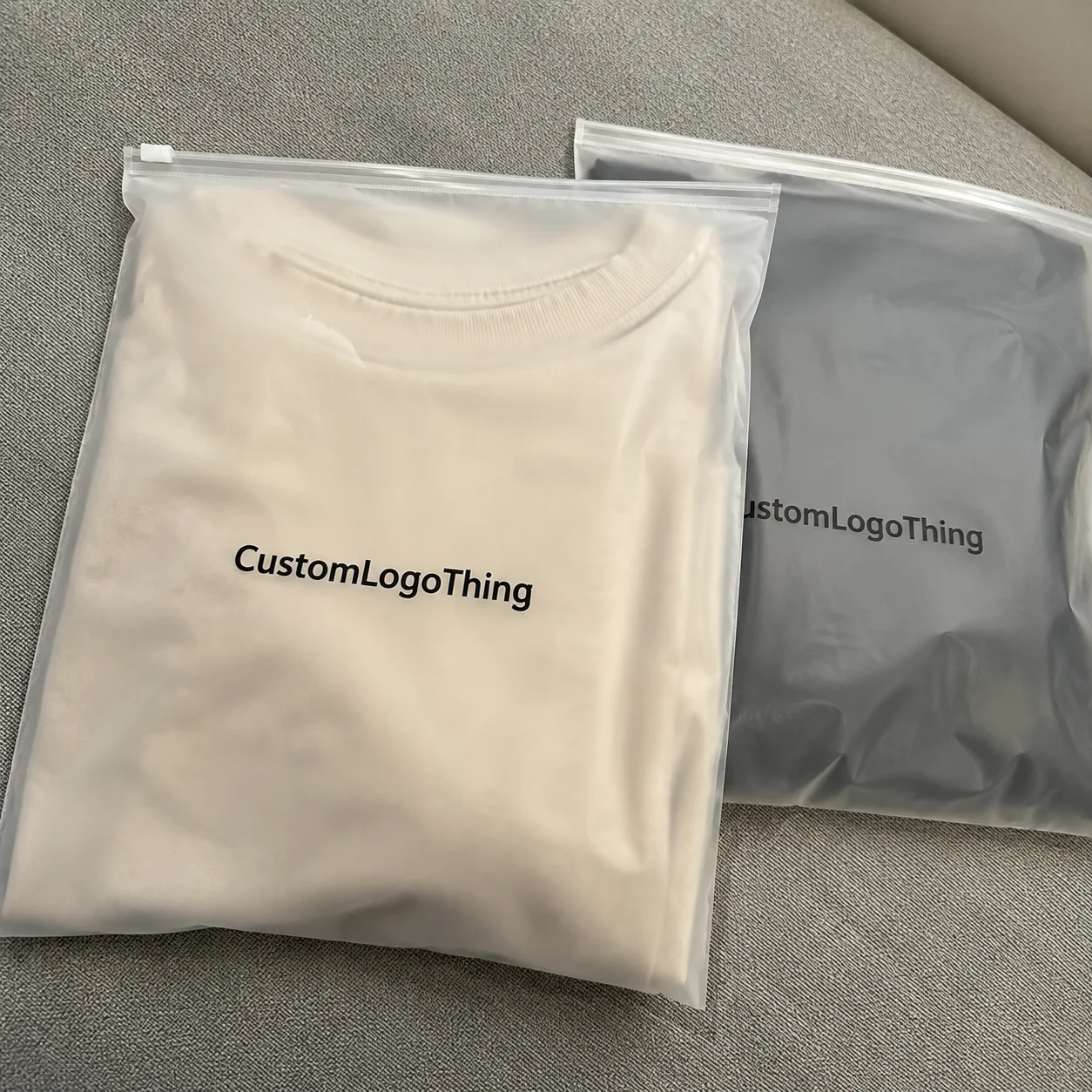
Buyer Fit Snapshot
| Best fit | Product Packaging with Logo projects where brand print, material claims, artwork control, MOQ, and repeat-order consistency need to be specified before quoting. |
|---|---|
| Quote inputs | Share finished size, material target, print colors, finish, packing count, annual reorder estimate, ship-to region, and any compliance wording. |
| Proofing check | Approve dieline scale, logo placement, barcode or warning zones, color tolerance, closure strength, and carton packing before bulk production. |
| Main risk | Vague material claims, crowded artwork, missing packing details, or unclear freight terms can make a low unit price expensive after revisions. |
Fast answer: Product Packaging with Logo: Quote Scope, Sample Proof, MOQ, and Lead Time should be specified like a repeatable production item. The safest quote records material, print method, finish, artwork proof, packing count, and reorder notes in one written spec.
Production checks before approval
Compare the actual filled-product size with the drawing, then confirm tolerance on folds, seals, hang holes, label areas, and retail display edges. Reserve space for logos, QR codes, warning copy, and material claims before decorative graphics fill the panel.
Quote comparison points
Review material grade, print process, finish, sampling route, tooling charges, carton quantity, and freight assumptions side by side. A quote is only useful when the supplier can repeat the same color, closure quality, and packing count on the next order.
Most brands still treat product Packaging with Logo like a finishing touch. I’ve seen the opposite happen on factory floors in Shenzhen, in buyer meetings in Chicago, and in a cramped sample room where a $0.03 print choice changed the entire feel of a box. Packaging is often the first physical thing a customer sees, which means product packaging with logo starts doing brand work before the product is even touched. A folding carton printed on 350gsm C1S artboard can make that first impression in 12 to 15 business days after proof approval, while a rushed low-grade mailer can undo it in one trip across a conveyor belt. Honestly, that part still surprises people even though it really shouldn’t.
That’s the part people underestimate. A logo on a carton, mailer, sleeve, label, or insert is not just decoration. It is a signal. It says the company is organized, consistent, and paying attention. If the logo is handled well, product packaging with logo can improve shelf impact, reinforce trust, and make repeat purchases easier because customers remember what they saw the first time. A buyer I met in Chicago once pointed at a sample rigid box and said she could “feel the budget” before she opened it, and the quote she later approved reflected that: $1.80 per unit for 1,000 pieces with foil, versus $0.62 for a plain carton. She wasn’t wrong.
I’ve watched packaging act like a silent salesperson. Not flashy. Just effective. When the substrate, print method, and logo placement work together, product packaging with logo can do more than a website banner ever will. A matte black mailer with a silver foil mark in a 5,000-piece run might cost $0.31 per unit more than a one-color kraft version, but the difference in perceived value can be dramatic. And unlike a banner, it doesn’t vanish after three seconds, which is rude but also true.
For brands evaluating packaging options, a good starting point is Custom Packaging Products, especially if you need to compare formats before locking in your artwork. If you are choosing between folding cartons, mailers, and insert cards, getting the structure right first can save 3 to 7 business days of back-and-forth later.
What Product Packaging with Logo Really Means
At its simplest, product packaging with logo means any packaging format that visibly carries a brand mark. That can be a folding carton, a rigid gift box, a corrugated mailer, a poly mailer, a label on a jar, a pouch with a top seal, or even a small insert card tucked inside the shipment. The logo may be centered, stamped into the board, printed in full color, or left as a subtle one-color mark. A lip balm tube in Nashville may need a 1-color wrap label, while a luxury candle box in Los Angeles may use foil on a 1200gsm rigid board wrapped in 157gsm art paper.
I’ve worked on projects where the same logo looked elegant as a blind emboss on 600gsm board and clumsy when blown up across a glossy mailer. That’s why product packaging with logo is really about fit. The mark has to match the material, the print method, and the job the packaging is doing. If it doesn’t, the box ends up looking like it was assembled during a power outage. A blind emboss with a 0.8 mm deboss depth can feel refined on a rigid lid, while the same treatment on thin 250gsm paperboard can disappear entirely.
There are several common ways the logo shows up:
- Subtle embossing or debossing for premium retail packaging on 1.5 mm to 2.0 mm rigid board.
- Full-color printing for bold ecommerce unboxing, often on 250gsm to 350gsm coated paperboard.
- Foil stamping for high-contrast brand cues on rigid boxes, usually with gold, silver, rose gold, or holographic foil.
- Spot UV to create texture against matte backgrounds on coated cartons and sleeves.
- Minimal one-color marks for clean, modern packaging design with fast 1- to 2-color press runs.
Plenty of teams still think the packaging’s job is only to hold the product. That misses the larger point. product packaging with logo is a communication tool. It can indicate category, quality tier, origin, and even whether the product is giftable. I’ve watched buyers in a retailer’s private-label team make decisions in under 15 seconds based almost entirely on the box front and the logo treatment. Fifteen seconds. Less time than it takes most people to find the right playlist.
That is why branded packaging matters across channels. In retail packaging, the logo competes with neighboring SKUs. In ecommerce, it competes with shipping fatigue and dozens of identical cartons. In subscription packaging, it competes with repeat-ship boredom. In every case, product packaging with logo helps a product feel intentional instead of generic. A 12-inch shelf run in a Target-style aisle or a 6-foot unboxing distance from a front porch makes that visual hierarchy matter even more.
How Product Packaging with Logo Works in Practice
The production path for product packaging with logo usually starts with artwork and ends with freight. In between, there are a few moments where a project can go smoothly or go sideways. The difference is usually preparation, not luck. I’ve seen both, and yes, the sideways version always costs more. A quote that looks fine at $0.22 per unit can turn into $0.39 once a late die change, freight from Ningbo, and a second proof cycle enter the picture.
First comes the dieline. That is the technical flat layout of the box or mailer. Your logo needs to sit inside safe areas, away from folds, glue flaps, and cut lines. I’ve seen a beautiful logo land exactly on a crease because someone approved a mockup without checking the dieline. It looked fine on screen. It failed on the sample. One of those classic “how did nobody catch that?” moments that make everyone stare at the table like it betrayed them.
Then comes prepress. This is where print-ready files are checked for resolution, vector quality, bleed, and color space. For product packaging with logo, suppliers usually want vector artwork in AI, EPS, or print-ready PDF format. If you send a tiny JPG, it may work for a quick draft, but it is not ideal for production. I know, the internet has made everyone a little too comfortable with low-res files. On a 300 dpi print run, even a modest 2-inch logo can expose pixelation if the source file is sloppy.
The next stage depends on the packaging format:
- Rigid boxes often use wrapped paperboard with specialty finishes, usually 1200gsm grayboard plus 157gsm art paper.
- Corrugated mailers need print methods that hold up on kraft or white liner boards, commonly E-flute or B-flute.
- Poly mailers usually rely on flexographic printing or digital print, depending on quantity and whether the run is 2,000 or 50,000 pieces.
- Pouches need careful attention to seal zones and gussets, especially on 3-side seal or stand-up formats.
- Retail cartons often balance barcode placement, copy hierarchy, and shelf visibility on 250gsm to 400gsm board.
Sampling comes before full production on most serious jobs. That sample may cost $45 to $180 depending on structure and tooling, and it usually saves far more than that in avoided mistakes. On one client meeting, I watched a brand owner approve a lavender foil on a white rigid box because the sample revealed that silver foil looked too cold under store lighting. That small switch changed the entire mood of the product packaging with logo. The box went from “nice” to “I want to keep this.”
Timelines vary, but a realistic schedule often looks like this: 2 to 4 business days for artwork setup, 3 to 7 business days for proof review, 5 to 10 business days for sample approval, 10 to 20 business days for production, and then freight on top of that. If the order is complex, add a few days. If the logo needs a new die, add more. A straightforward folding carton job in Dongguan may ship in 12 to 15 business days from proof approval, while a foil-stamped rigid box run in Zhejiang may need 18 to 25 business days. That is normal. Packaging timelines are rarely glamorous, but they are very good at humbling optimistic people.
Here is a practical comparison of common packaging formats and how they affect product packaging with logo:
| Packaging format | Logo visibility | Typical feel | Common cost drivers | Best use case |
|---|---|---|---|---|
| Rigid box | High | Premium, giftable | Board thickness, wrap paper, foil, embossing | Luxury retail and gifting |
| Corrugated mailer | Medium to high | Protective, practical | Flute type, print coverage, insert complexity | Ecommerce shipping |
| Folding carton | High | Retail-ready | Board grade, coating, inks, die cuts | Shelf display and consumer goods |
| Poly mailer | Medium | Lightweight, direct | Film gauge, print method, quantity | Apparel and low-weight shipments |
| Label or sleeve | Variable | Flexible, lower cost | Adhesive, stock, print finish | Short-run branding and product refreshes |
One more thing: product packaging with logo is not only about the outside. Interior printing, tissue, inserts, and thank-you cards can extend the brand story without increasing the exterior complexity too much. That matters when you need impact without overcomplicating production. A 1-color interior print on 17gsm tissue can cost far less than a fully printed outer carton, yet still add a polished reveal when the customer opens the box in Austin or Atlanta.
Key Factors That Shape Product Packaging with Logo
Three variables dominate almost every product packaging with logo decision I’ve seen: material, structure, and quantity. Everything else flows from those. If you choose a material with poor ink adhesion, your logo may look muddy. If the structure is too small, the mark may be forced into a corner. If the quantity is low, setup costs can distort the unit price. It’s a little like cooking: the recipe matters, but so does whether you have the right pan.
Material choice has a direct effect on print quality and perceived value. A 350gsm C1S artboard supports sharp graphics and a clean logo on folding cartons. A kraft corrugated mailer gives a more natural, recycled feel, but the same logo may appear softer because of board texture. A soft-touch laminated rigid box feels premium, yet it can show fingerprints during handling. I’ve stood at a finishing table in Guangzhou where a buyer loved the look of matte lamination until the sample picked up smudges from three fingers. That changed the spec in 10 minutes. Three fingerprints, one major opinion change.
Size and structure matter too. A large logo across a long mailer can look strong, while the same logo squeezed onto a narrow carton may feel crowded. Good packaging design keeps white space working for the brand. Good package branding does not force every surface to shout. Honestly, the box does not need to audition for a marching band.
Consistency across channels is another issue that gets missed. A brand may use one version of product packaging with logo for ecommerce, a different one for retail packaging, and a third for promotional kits. That can be fine, but only if the logo rules stay consistent: same proportions, same color references, same margin logic, same approved lockup. If not, customers notice the drift even when they cannot explain it. They may not say, “Your logotype spacing is off,” but they will feel that something is weird.
Cost is where the trade-offs become real. For example, a 5,000-piece run of a simple folding carton might land around $0.18 to $0.42 per unit depending on board, print coverage, and quantity. Add foil, and the price may climb by $0.06 to $0.15 per unit. Add embossing, and another setup charge appears. A custom die can run from $120 to $350 depending on complexity. For a 10,000-piece order in Suzhou, a plain carton might average $0.15 per unit, while a two-color logo with matte varnish may come in near $0.24 per unit. Those numbers are not fixed; they shift by supplier, region, and season. They still show how product packaging with logo becomes a budgeting exercise, not just a design one.
Sustainability is part of the conversation almost every time. FSC-certified paperboard, recyclable corrugated stock, and water-based inks are common requests. The challenge is that some premium logo effects complicate recyclability. Foil and heavy lamination can interfere with fiber recovery depending on the substrate and local waste stream. The EPA’s recycling guidance is a useful reference point for material choices: EPA recycling resources. In practice, the best product packaging with logo balances shelf appeal with end-of-life reality. A beautiful box that nobody can recycle is not exactly a victory lap.
For brands that need a cleaner chain of custody, FSC can matter as well: FSC-certified materials are often requested for paper-based packaging. I’ve seen procurement teams ask for FSC paperwork before they even review the artwork in markets like Rotterdam, Toronto, and Shanghai. That is not bureaucracy for its own sake. It is part of package branding now.
How to Plan Product Packaging with Logo Step by Step
Planning product packaging with logo works best when you treat it as a sequence, not a rush job. I learned that the hard way years ago during a beverage launch where the team had the branding ready but not the bottle dimensions. The cartons were printed, the inserts were wrong, and the launch had to wait while everyone pointed fingers. Measurements matter. A lot. I still get annoyed thinking about that one, which probably means I learned the lesson properly. That delay cost the client 9 days and a second freight bill from Vietnam to Los Angeles.
Step 1: Clarify the packaging goal
Ask what the packaging must accomplish. Is it protecting a fragile item in transit? Is it standing out on a shelf? Is it creating a giftable unboxing moment? Is it simply identifying the product quickly? A shipping box for a subscription skincare brand needs different treatment than a retail carton for a premium candle. The logo decision depends on the job. If the job is “look expensive,” the box should not scream like a coupon mailer. A $0.05 kraft label might work for a utility shipment, while a $0.35 printed rigid sleeve may make sense for a gift set.
Step 2: Audit the brand assets
Gather the approved logo files, color palette, typography rules, and any image style references. For product packaging with logo, you want vector artwork, Pantone references if available, and a clear decision on whether the logo is horizontal, stacked, or icon-only. I’ve had suppliers spend two days cleaning up unofficial logo files pulled from a website footer. That is avoidable time loss. And yes, it always seems to happen on a Friday. A proper asset package should include the exact Pantone shade, the CMYK build, and a note on minimum line weight if embossing is involved.
Step 3: Choose the packaging format and confirm dimensions
Measure the product, then measure again. Leave room for inserts, coatings, and shipping clearance. A box that is 2 mm too tight can crush corners during packing. A box that is 8 mm too loose can make the product rattle. Either way, product packaging with logo will not feel premium if the structure is wrong. If your product is 145 mm wide, 90 mm deep, and 42 mm tall, the carton must account for board thickness and insert tolerances, not just the naked product size.
Many buyers start by browsing Custom Packaging Products so they can compare custom printed boxes, mailers, and labels before they commit to a format. In many cases, a supplier in Shenzhen or Dongguan can quote three formats at once, which makes the comparison faster than requesting separate estimates a week apart.
Step 4: Decide on logo placement and finish hierarchy
This is where the visual strategy gets real. Put the logo where the eye lands first. Front panel, top flap, side panel, or inside reveal—all are possibilities. Then decide what gets emphasis. Maybe the logo gets foil while the rest stays matte. Maybe the logo gets spot UV while the background remains understated. Maybe the whole package uses a one-color print for a cleaner retail packaging look. A 0.5 mm embossed logo on a 1.8 mm rigid box lid can feel quietly expensive without adding a second finish.
One client in cosmetics chose to place the logo only on the top flap and inside insert. The outside stayed almost blank except for a small icon. That made the unboxing feel thoughtful, not loud. It also kept print costs under control by avoiding full-wrap decoration. I liked that choice a lot, honestly. It had restraint, which is rarer than it should be. At 3,000 units, that decision trimmed roughly $0.11 per box compared with full-surface print.
Step 5: Request a proof or sample and review it like a printer would
Never approve product packaging with logo from a screen alone if the job is important. Review the proof for line placement, safe area, bleed, fold alignment, barcode clarity, and color accuracy. If possible, see a physical sample under actual lighting. Store lights, warehouse LEDs, and daylight can change how foil and matte surfaces behave. A screen makes everything look polite; the sample tells the truth. If the sample is produced in Shenzhen or Yiwu, ask for reference photos under both daylight and 4000K lighting before final signoff.
Here is a simple planning checklist I’d use before sending a brief to a supplier:
- Product dimensions and weight
- Order quantity and expected reorder volume
- Logo files in vector format
- Brand color references
- Packaging format and preferred material
- Target launch date
- Any sustainability requirements
- Budget range including freight
That checklist sounds basic, but it prevents the most common delays. A missing dimension can add a week. A missing logo file can add three days. An unclear finish spec can add a second proof cycle. Every revision costs something, even if it is not obvious on the invoice. I wish that weren’t true, but packaging has a way of collecting its dues. A new dieline in Melbourne or a corrected barcode in Dallas can easily add 2 to 4 business days before the first production slot even starts.
Common Mistakes with Product Packaging with Logo
The biggest mistake is visual overcrowding. When every surface competes for attention, the logo loses authority. I’ve seen brands stack patterns, claims, seals, icons, and five different fonts onto a box, then wonder why the package looks cheap. In packaging design, restraint often reads as confidence. Noise reads as panic. A clean 1-color logo on a 300gsm carton can feel more premium than a cluttered four-color layout with seven callouts.
Another mistake is choosing a finish because it sounds premium rather than because it works on the substrate. Spot UV can look excellent on coated paperboard and awkward on textured kraft. Foil can look sharp on rigid boxes and inconsistent on flexible materials. The same applies to embossing. A deep emboss needs enough board caliper to hold the shape. Otherwise, the effect gets swallowed by the material. On 250gsm stock, a heavy deboss may flatten out; on 1500gsm rigid board, it can hold crisp edges.
People also ignore the real-life conditions the package will face. Shipping wear, warehouse scuffing, moisture, glare, and stacked cartons matter. A glossy logo that looks sharp in a mockup may become hard to read under harsh shelf lighting. A white box can show dirt in transit faster than a tinted kraft mailer. Product packaging with logo must survive contact with actual operations, not just renderings. If a carton is moving through a 3-day UPS lane from Ohio to Texas, abrasion and compression are not theoretical problems.
Ordering before confirming the dieline is a classic expensive error. I had a client once approve a logo on the front panel without realizing a side tuck flap would cut through the bottom of the mark. The result was a reorder of 8,000 units. That mistake cost more than the original design work. Dieline review is not optional. It is the part of the process that saves everyone from making a very expensive face.
Hidden costs also catch teams off guard. Sampling may cost $50 to $200. Freight might add another $60 to $350 depending on shipment size and lane. Storage can become a factor if the product packaging with logo arrives before the product fills are ready. Revision charges show up when files need cleanup. A 20-foot container from Ningbo to Long Beach can change the landed price by hundreds of dollars, especially when the schedule slips by a week.
For quick comparison, here’s how common product packaging with logo choices typically differ in cost pressure:
| Option | Setup burden | Unit cost pressure | Risk level | Comment |
|---|---|---|---|---|
| Simple one-color print | Low | Low to medium | Low | Good for clean branded packaging |
| Foil + emboss + lamination | High | High | Medium | Looks strong, but only if material suits it |
| Full-color wrap | Medium | Medium | Medium | Useful for ecommerce and subscription boxes |
| Label-based branding | Low | Low | Low to medium | Fast option for short runs and changing SKUs |
My honest view? The cheapest-looking packaging is not always the cheapest packaging. If the logo treatment fails, the product may need a discount to move. That is a far bigger cost than a $0.08 upgrade to the print method. I would rather pay a little more for a package that pulls its weight than save pennies and regret it for six months.
Expert Tips to Make Product Packaging with Logo Work Harder
If you want product packaging with logo to do more, design for distance first. I mean actual distance: 3 feet on a shelf, 6 feet in a retail aisle, or a glance from across a kitchen table. A logo that only reads when someone leans in is not doing enough work. High contrast, clean spacing, and strong hierarchy beat decorative clutter almost every time. On a 48-inch shelf bay in a big-box store, the package has less than a second to be noticed.
One trick I often recommend is testing two versions of the same design. Version A is minimal. Version B is bold. Put both on sample materials and compare them under warehouse light, daylight, and a warm retail lamp. I’ve watched a “subtle” logo disappear on a gray carton while the bolder version came alive instantly. The best answer changes by category, but the test is cheap. Cheap compared with regretting 20,000 boxes, anyway. A $75 sample set can save a $6,000 reprint.
Use the inside of the package. It is underused real estate. Interior printing, a branded insert, or a message on the inner flap can extend the brand story without raising the visual noise on the outside. That works especially well for ecommerce and subscription packaging, where the unboxing sequence is part of the customer experience. A 2-color insert card on 300gsm coated stock can do more than another full-color exterior panel.
Another tip: use one premium effect, not four. If you want foil on the logo, let the rest of the box stay matte and quiet. If you want embossing, skip the extra gloss unless there is a strong reason. A disciplined layout often looks more expensive than a crowded one. I’ve seen this in supplier negotiations too. A buyer with a clear spec and one focal finish usually gets a cleaner quote and fewer revisions. On a 10,000-piece run, that can be the difference between $0.27 and $0.41 per unit.
Consistency across package sizes also matters. If your small SKU uses a compact logo lockup and your large SKU uses a different one, the line can feel disjointed. Keep the proportions, placement logic, and brand colors aligned so the customer recognizes the family instantly. That is package branding doing its job. A shopper in Vancouver should be able to spot the same line whether the package is 90 mm wide or 180 mm wide.
For teams trying to balance budget and impact, here are a few practical moves:
- Use a cleaner substrate so the print surface does more work.
- Reserve premium finishes for the logo area only.
- Keep the outside simple and spend detail budget on inserts.
- Standardize one die size across multiple products when possible.
- Order slightly higher quantities if the unit price drop offsets storage.
ISTA testing can also matter if the package ships through multiple handling points. If a package must survive drops, vibration, or compression, ISTA testing standards are worth reviewing with your supplier. A logo that looks perfect on a sample but scuffs off in transit is not a branding win. It is a warranty headache. I’ve seen enough damaged cartons moving through Memphis and Newark to know that optimism is not a protection plan.
In my experience, the strongest product packaging with logo is not the loudest one. It is the one that feels intentional, survives shipping, and looks like it belongs with the product price. That is a narrow target, but it is achievable with disciplined packaging design and realistic specs. A $29 product in a $0.58 carton can feel credible; a $29 product in a $0.12 carton often does not.
Next Steps for Ordering Product Packaging with Logo
If you are ready to order product packaging with logo, start with the basics: define the goal, gather the artwork, select the format, estimate the budget, and request a proof. That sequence sounds simple, but it prevents a surprising number of delays. Every supplier I respect asks the same questions in some form, because the answers shape the final outcome. Packaging projects are not mysterious; they’re just unforgiving when people skip steps. A factory in Dongguan or Ho Chi Minh City will usually quote faster when the dieline, quantity, and print method are already locked.
Before you contact a packaging supplier, have these details ready:
- Exact product dimensions and weight
- Expected quantity for the first run
- Logo files in vector format
- Preferred finish choices
- Target launch date or campaign window
- Shipping destination and receiving constraints
- Any sustainability or certification requirements
When comparing quotes, separate the numbers. Unit price is only one part of the story. Setup fees, sampling, plate or die costs, freight, and storage can change the real Cost Per Unit by a meaningful margin. A quote at $0.24 per unit with $320 in setup may be more expensive than a $0.31 unit price with lower startup charges if your order is small. For 2,500 pieces shipping to Dallas, freight and warehousing can easily add $0.04 to $0.09 per unit before you even count cartons and inserts.
I also recommend setting a review calendar before production begins. Give yourself time for the proof, time for the sample, and time for one final signoff. If your launch is tied to a retailer, trade show, or ecommerce campaign, work backward by at least two weeks. That buffer matters. I’ve seen strong concepts fail on timing alone. It is maddening, but it happens more than anyone likes to admit. A 15-business-day production window in Guangzhou can turn into 22 business days if the client needs a second proof and a corrected foil plate.
Here’s the practical truth: product packaging with logo should support the product, help the customer feel confident, and tell the brand story without shouting over it. If the packaging does those three things, it earns its place. If it does not, it becomes an expensive box.
The cleanest takeaway is this: decide the packaging job first, then choose the logo treatment that fits the material, the route to market, and the budget. Get those three aligned before you approve the dieline, and the package will pull its weight instead of becoming dead inventory.
FAQ
How much does product packaging with logo usually cost?
Pricing depends on quantity, material, size, print method, and finishing choices. A small run may land much higher per unit because setup and tooling are spread across fewer pieces. For example, 1,000 rigid boxes made in Shenzhen with foil and embossing might cost $0.95 to $1.80 per unit, while 5,000 folding cartons in Dongguan could land around $0.15 to $0.42 per unit depending on the board and finish. Custom finishes like foil, embossing, or spot UV usually raise the price, but they can also increase perceived value if the material supports them.
What file type is best for product packaging with logo?
Vector files such as AI, EPS, or print-ready PDF are usually best because they scale cleanly without pixelation. If the logo includes brand color, provide Pantone or CMYK references when possible. Many suppliers will also ask for outlined fonts and high-resolution supporting artwork if photos or icons are part of the layout. A supplier in Guangzhou or Suzhou may also request a 300 dpi mockup for reference, even when the final artwork is vector-based.
How long does product packaging with logo take to produce?
Timeline varies by packaging type, proofing speed, and print complexity. A straightforward order may move from artwork setup to production in a few weeks, while more complex jobs with custom dies or specialty finishes take longer. A typical schedule is 2 to 4 business days for artwork, 3 to 7 business days for proof approval, and 12 to 15 business days from proof approval to finished production on a standard carton run. The fastest projects are the ones where measurements, artwork, and approval decisions are ready early.
What is the best packaging type for a logo to stand out?
The best choice depends on whether the packaging is for retail, shipping, subscription, or gifting. Rigid boxes and coated cartons often showcase logos well because they support sharper print and premium finishes. A 350gsm C1S folding carton can hold crisp type, while a 1200gsm rigid box can carry foil or embossing with more presence. A simpler format can still perform strongly if the logo placement, contrast, and structure are well planned.
How can I make product packaging with logo look premium without overspending?
Use one strong focal treatment instead of several expensive effects. Choose a material with a clean printing surface and keep the layout disciplined. Reserve premium finishes for the logo or one visible panel rather than covering every surface, and spend the rest of the budget on structure and print quality. On a 5,000-piece run, a single foil logo might add only $0.06 to $0.15 per unit, which is often more efficient than a full-wrap decorative system.