Buyer Fit Snapshot
| Best fit | recyclable packaging practices cost review for packaging buyers comparing material specs, print proof, MOQ, unit cost, freight, and repeat-order risk where brand print, material, artwork control, and repeat-order consistency matter. |
|---|---|
| Quote inputs | Share finished size, material target, print colors, finish, packing count, annual reorder estimate, and delivery region. |
| Proofing check | Approve dieline scale, logo placement, barcode or warning zones, color tolerance, and any recyclable or compostable wording before bulk production. |
| Main risk | Vague material claims, crowded artwork, or missing packing details can create delays even when the unit price looks attractive. |
Fast answer: Recyclable Packaging Practices Cost Review: Claims, Protection, MOQ, and Cost should be specified like a repeatable production item. The safest quote includes material, print method, finish, artwork proof, carton packing, and reorder notes in one written spec.
What to confirm before approving the packaging proof
Check the product dimensions against the actual filled item, not only the sales mockup. Ask for tolerance on folds, seals, hang holes, label areas, and retail display edges. If the package carries a logo, QR code, warning copy, or legal claim, reserve that space before decorative graphics fill the panel.
How to compare quotes without losing quality
Compare board or film grade, print process, finish, sampling route, tooling charges, carton quantity, and freight assumptions side by side. A lower quote is only useful if the supplier can repeat the same color, closure quality, and packing count on the next order.
Most brands think recyclable Packaging Best Practices begin with a leaf icon and a glossy claim. I remember standing on factory floors in Shenzhen’s Longhua District and Dongguan’s Dalang Town, watching those claims unravel under a UV coating, a mixed-material insert, or a resin blend no municipal recycler wanted. The marketing looked polished. The packaging did not behave, especially after a 1.2-meter drop test or a humid 14-day sea freight route.
The real recyclable Packaging Best Practices are less dramatic and far more useful: keep structures mono-material when you can, skip unnecessary lamination, use paper or resin grades that are widely accepted, and print disposal instructions people can understand in five seconds. I’ve seen a $0.22 mailer beat a $0.41 “eco” mailer in damage rates, customer reviews, and landed cost on 18,000-unit apparel runs. That came off the invoice, not a slide deck. Honestly, I trust invoices more than slogans; they tend to tell the truth faster.
If you’re buying product packaging for DTC, retail, or subscription shipping, the right choice depends on product weight, moisture exposure, transit distance, and the recycling system your customers actually use. A compostable-looking pack that nobody can recycle in Portland, Chicago, or Manchester is expensive theater. I say that with affection and a little exhaustion. I’ve had one buyer proudly show me a “sustainable” pack that required three separate instructions and a minor engineering degree to dispose of correctly. No one is doing that after unboxing socks or a $28 candle.
Below, I break down the formats I’ve tested, the failure points that keep showing up, and the pricing traps suppliers hide behind “eco” language. I also show how recyclable Packaging Best Practices play out in production: sampling, drop testing, print validation, and the lead times that decide whether a March launch ships in March or slides into April.
Quick Answer: Recyclable Packaging Best Practices That Actually Work
Recyclable packaging best practices are straightforward, but they demand discipline. Keep the structure as close to one material as possible. Paper stays paper. Poly stays poly. Once layers, coatings, foils, or glued-on “premium” details enter the picture, recyclability gets messy fast, especially in cities where material recovery facilities sort at high speed and reject contaminated streams.
Skip decorative extras that don’t protect the product. I’ve had clients spend an extra $0.08 per unit on soft-touch lamination that looked beautiful for two days and then turned into a recycling headache. Use materials your market already understands. Recycled corrugated, kraft paper, molded fiber, and mono-material PE or PP are common enough that buyers, warehouse teams, and recycling facilities know what to do with them in places like Los Angeles, Toronto, and Birmingham.
Label disposal clearly. A plain “recycle with paper” or “check local film recycling rules” message does more than a vague leaf icon ever will. A pack can be technically recyclable and still end up in the trash if nobody knows where it goes. That gap sits at the center of recyclable packaging best practices, and it shows up in household bins from Amsterdam to Atlanta.
The best choice still depends on the product. A 300 g vitamin bottle and a silk blouse do not need the same shipper. A beauty brand sending glass droppers from Los Angeles needs a different protection profile than a socks brand shipping two-ounce textiles from Nashville. Recyclable packaging best practices have to fit the load, not the marketing deck.
Some materials look greener on a mood board and perform worse in shipping. I’ve seen “eco” mailers split at the seams after a 900-mile ground route from Dallas to Denver. I’ve also seen a plain recycled corrugated box with one-color black print survive abuse, stack pressure, and warehouse handling like a champ. Pretty doesn’t cover replacements, and customer service sure doesn’t enjoy explaining why the “earth-friendly” box exploded in transit after 72 hours in a distribution center.
The process is usually the same: brief the supplier, approve the dieline, pick the substrate, review the print proof, request a sample, run drop tests, then release mass production. Suppliers who rush this step tend to create the landfill problem they were trying to avoid. That’s why recyclable packaging best practices are as much about process as material, whether you’re sampling in Yiwu, Ho Chi Minh City, or Monterrey.
Top Recyclable Packaging Options Compared
When I compare formats for clients, I start with four questions: protection, print quality, total cost, and how easy the end consumer can recycle the pack. That is the heart of recyclable packaging best practices. If a format scores well on only one and fails the other three, it is a bad buy dressed in green language, even if the quote comes from a factory in Shenzhen or a rep in Chicago.
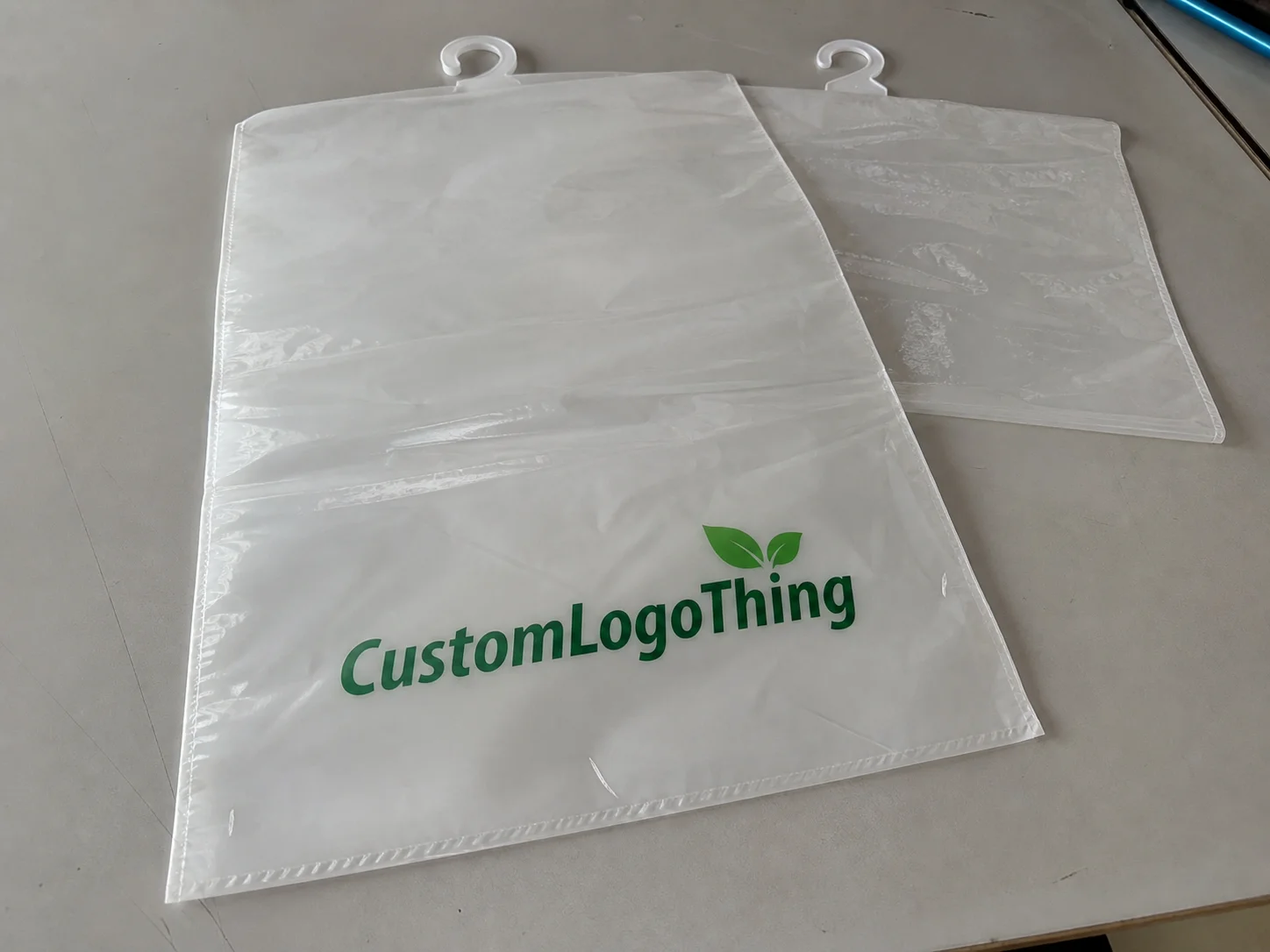
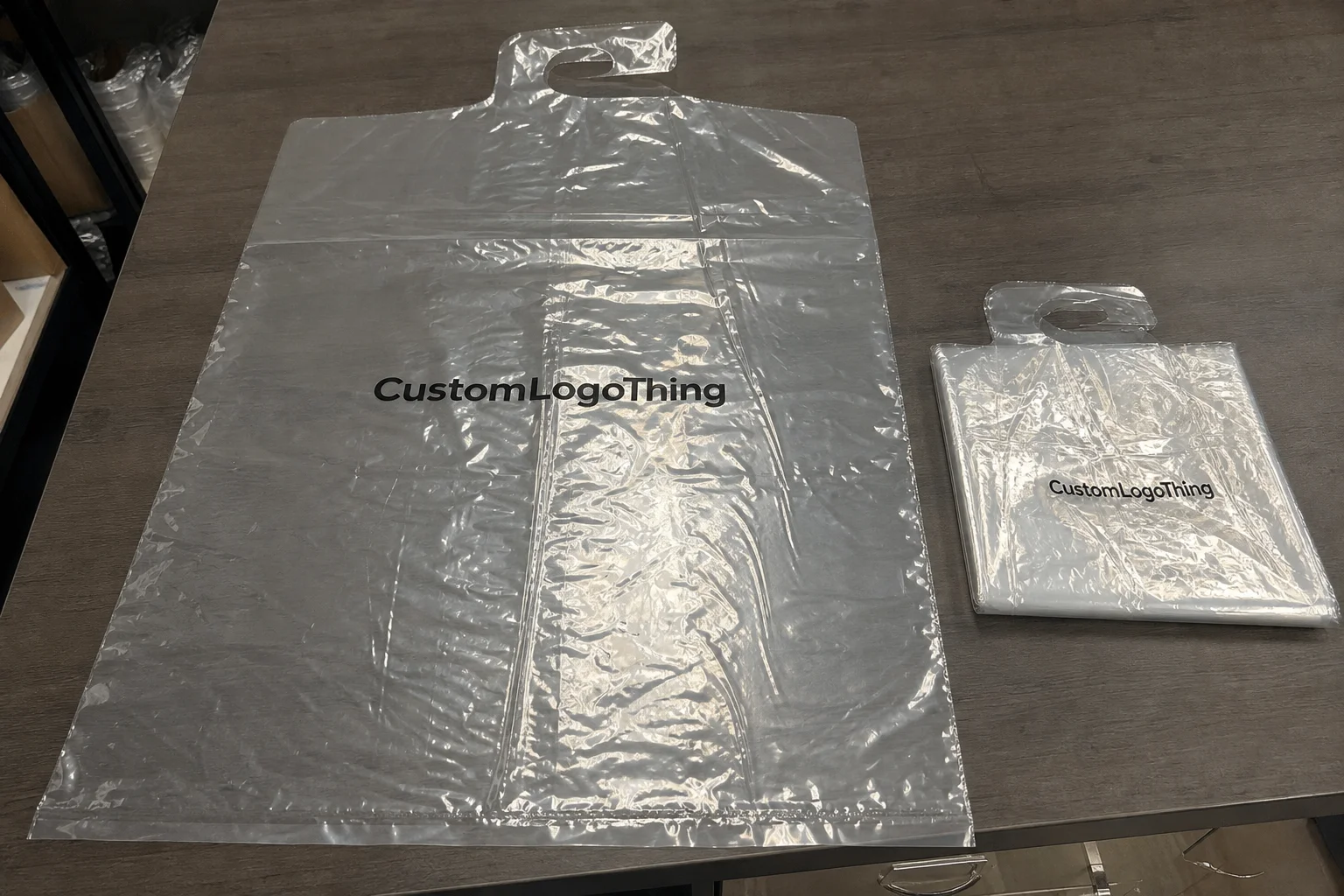
Recycled corrugated boxes are the safest all-around option. They’re strong, easy to brand with flexo or digital print, and accepted by most municipal recycling systems in New York, Vancouver, and Sydney. Kraft mailers are lighter and cheaper to ship, which matters when every ounce counts on cross-country parcel routes. Molded fiber is excellent for inserts and premium presentation. Recyclable Poly Mailers can be strong for soft goods, but only if the film is truly mono-material and clearly accepted in your target market. Paper-fiber hybrids sit in the awkward middle: attractive at first glance, questionable in practice if the coating or barrier layer complicates recycling.
Suppliers can quote “eco” materials all day. Fewer can hold consistency across 10,000 units. I visited a facility outside Shenzhen’s Bao’an District where the sales sample looked pristine, but the production run had edge crush issues because the recycled linerboard source changed mid-cycle. Pretty sample. Ugly pallet. I still remember the look on the plant manager’s face when we stacked the first full tray set and one corner folded like an accordion. That is why recyclable packaging best practices always include a production check, not just a one-off sample approval.
| Format | Best For | Typical Strengths | Common Weaknesses | Typical Price Range |
|---|---|---|---|---|
| Recycled corrugated box | Apparel, electronics, subscription, general DTC | Strong protection, broad recyclability, good print surface | Bulky, higher freight volume | $0.28–$1.10/unit |
| Kraft mailer | Apparel, books, flat goods | Lightweight, clean brand feel, simple structure | Limited protection for fragile items | $0.12–$0.35/unit |
| Molded fiber | Premium inserts, trays, cosmetics, electronics | Strong eco story, nice presentation, good cushioning | Tooling cost, longer lead time | $0.18–$0.75/unit |
| Recyclable poly mailer | Soft goods, lightweight apparel | Tough, low shipping weight, low unit cost | Recycling access varies by location | $0.08–$0.22/unit |
| Paper-fiber hybrid pack | Retail packaging, specialty branding | Premium look, strong shelf appeal | Recycling confusion, hidden coatings | $0.20–$0.85/unit |
For apparel, I usually start with recycled corrugated boxes or Recyclable Poly Mailers. For beauty, molded fiber inserts inside a simple box can look premium without turning the packaging into a chemistry project. For food, the rules get stricter because barrier performance matters. For electronics, drop protection comes first, because a damaged return destroys both margins and customer trust. That hierarchy sits inside recyclable packaging best practices, whether the shipment leaves a warehouse in Atlanta or Rotterdam.
If you need branded packaging that still respects recycling realities, start with one question: what does the pack need to survive? Compression? Moisture? Shelf stacking? The answer tells you more than any glossy sustainability brochure. Too many package branding decisions are made by people who never stood next to a stack test machine. I have, and I can confirm it is not glamorous. It is mostly tape, dust, and someone asking if “close enough” counts as a specification.
Detailed Reviews: Recyclable Packaging Best Practices by Material
Recycled corrugated boxes
If I had to pick one default winner for recyclable packaging best practices, it would be recycled corrugated. It is widely accepted, easy to print, and forgiving in transit. A well-made 32 ECT or 200# test box can handle a lot, especially for apparel, books, and accessories. I’ve shipped two-pound kits in recycled corrugated from Ningbo to California and watched them arrive looking almost boringly fine after 11 days on the water and 4 days in domestic transit. That’s the compliment corrugated deserves.
From a branding angle, corrugated is a clean canvas for custom printed boxes. Keep it simple with one ink color and it still looks sharp. If you want premium, use controlled ink coverage, not a flood of laminate and spot varnish nonsense. A typical custom run for 5,000 units might land around $0.33 to $0.48 per box depending on size, print coverage, and board grade; in many Shenzhen factories, a plain 350gsm C1S artboard tuck box for a smaller product can quote around $0.15 per unit for 5,000 pieces before freight. That is real money, so don’t waste it on weak structure. Honestly, I think some teams fall in love with packaging visuals because they’re easier to approve than supply chain reality. Reality, of course, is the thing that shows up on a freight pallet.
Kraft mailers
Kraft mailers are a strong fit when weight matters and the product is flat or soft. Clothing brands like them because they feel clean and natural without pushing the shipping bill into stupid territory. One client moved from a heavy carton to a reinforced kraft mailer and saved $0.19 per outbound shipment on 40,000 orders routed through a fulfillment center in Phoenix. That turned into real cash, not “brand awareness.” Cash.
The downside is protection. Fragile, sharp, or moisture-sensitive products need more than a standard kraft mailer. I’ve seen corners crush, seams split, and outer paper scuff in fulfillment bins after 300 units were packed too fast. So yes, they fit the spirit of recyclable packaging best practices, but only when the product is a good match. If not, the mailer becomes a very efficient disappointment, usually within the first 500 parcels.
Molded fiber
Molded fiber is where sustainability stories get stronger without feeling forced. It has a premium feel, good cushioning, and a tactile finish for inserts or trays. For packaging design, it can make a product look intentional instead of overpacked. I’ve used molded fiber in cosmetics and small electronics, and buyers notice it immediately, especially in retail environments in Seoul, Copenhagen, and Los Angeles.
The costs are real. Tooling for custom shapes can add $1,500 to $6,000, and the lead time is usually longer than a basic paperboard project. If your order volume is low, the economics get awkward fast. Not every molded fiber supplier runs the same quality, either. I once rejected a tray batch because the thickness varied enough to rattle inside the carton. That is not “natural texture.” That is a loose fit. There’s a fine line between organic-looking and “why is this wobbling like a cafeteria tray?”
Recyclable poly mailers
Recyclable poly mailers are often misunderstood. A good mono-material PE mailer can be light, tough, and cheap. For soft goods, they are one of the most efficient shipping formats available, especially for 8 oz hoodies and lightweight tees leaving a warehouse in Dallas or Memphis. The catch is end-of-life behavior. If customers can’t easily recycle film in their area, the theoretical recyclability does little.
This is where recyclable packaging best practices get practical. Do not say “recyclable” unless the structure and market support it. Add a line like “check local film collection options” when needed. I would rather be accurate than flashy. In a supplier negotiation in Dongguan, one factory insisted their mailer was “100% recyclable.” I asked for the resin spec. It was a blended film with a 70/30 mix. We walked away and avoided a future complaint spiral. I have rarely felt more justified in being the annoying person in the room.
Paper-based flexible packaging
Paper-based flexible packs look attractive because they photograph well and fit premium retail packaging aesthetics. The hidden truth is usually in the barrier layer. If the inner coating is not compatible with local recycling systems, the pack ends up in the wrong bin with a nice green sticker on it. That is the kind of claim that annoys regulators and procurement managers in equal measure, especially in the UK and parts of Canada where consumer recycling labeling gets scrutinized closely.
For dry goods, some paper-based structures can work well. For moisture, grease, or aroma protection, they get complicated. I’ve seen brands pay more for a paper-fiber pouch only to discover it failed seal integrity on a machine that had no issues with a simpler mono-film format. That is why recyclable packaging best practices are about performance first, romance second. Packaging can be beautiful, sure. It also has to survive a warehouse conveyor belt that behaves like a grumpy linebacker after a 6-hour shift.
If you want a safe starting point, compare these options against your product requirements and request material specs from day one. You can also browse Custom Packaging Products to see structures that can be adapted for branded packaging without making recyclability an afterthought. In many cases, a simple custom printed box with a 350gsm C1S artboard wrap or an E-flute recycled corrugated base will outperform a more complicated hybrid pack in both cost and recovery.
For standards and claims language, I cross-check with authority sources such as the EPA recycling guidance and ISTA testing resources. Not because every supplier needs homework. Because packaging claims get expensive when they are wrong, and the correction usually arrives as a chargeback or a rejected shipment in week two.
Recyclable Packaging Best Practices: Cost, Pricing, and Hidden Fees
Pricing is where recyclable packaging best practices either stay honest or go off a cliff. Unit price matters, sure. Landed cost matters more. A box that costs $0.31 but ships flat and reduces freight can beat a $0.24 structure that eats pallet space like it is being paid by the inch, especially on a 40-foot container from Shenzhen to Long Beach.
The main cost drivers are straightforward: material grade, print complexity, structure, tooling, MOQ, and freight. Recycled corrugated tends to be the safest value because the supply chain is mature. Molded fiber often costs more up front because of tooling and longer setup. Custom films can look cheap at high volume, but if you need special print registration or extra testing, the quote changes quickly. That is how “cheap” turns into “why is this invoice $18,400 higher than expected?” I’ve watched that exact sentence leave more than one CFO’s mouth with a tone I can only describe as spiritual disbelief.
Here are the hidden fees brands forget:
- Sampling rounds — $40 to $180 each, depending on complexity and shipping.
- Plate or die charges — often $120 to $600 for print tooling.
- Tooling for molded fiber — commonly $1,500 to $6,000.
- Overrun tolerances — usually 3% to 10%, which affects cash flow.
- Testing — drop, compression, or seal verification can add $250 to $1,200.
- Warehouse space — bulky corrugated can cost more in storage than expected, especially at $8 to $14 per pallet per month in major logistics hubs.
One brand owner told me their supplier offered a “green box” for $0.21 per unit from a plant in Guangdong. The quote looked wonderful until we added a custom insert, matte coating, and a two-color print. Final landed cost became $0.46 per unit, and the box still failed a simple corner-drop test. That is exactly why recyclable packaging best practices require apples-to-apples comparisons.
Negotiation tip: ask for three quotes on different substrates. Ask for the same dimensions, same print coverage, and same order quantity. If you do not, you are comparing apples to a forklift. If a supplier will not show recycled content percentages or exact resin and paper specs, that is a red flag, not a charming mystery. Ask for the exact substrate name, too—something like 250gsm kraft face paper over 32 ECT recycled corrugated tells you far more than “premium eco board.”
Green materials can cost more, but reduced waste and fewer damage claims often offset the difference. A client shipping glass skincare bottles saved $0.07 per unit by switching to a lighter insert, then lost $1.20 per damaged order until we rebuilt the packaging. The smarter structure cost more per unit, but the net margin improved after 3,000 orders. That is the difference between package branding and package economics.
Process and Timeline: From Sample to Production
The production path for recyclable packaging best practices is standard, but the details matter. First comes the brief. Then the dieline. Then material selection. After that, print proof, sample approval, testing, and final production. Skip a step and you will find out why packaging people drink strong coffee, usually at 7:30 a.m. in a plant office in Dongguan or Ho Chi Minh City.
Simple paperboard or corrugated projects can move quickly if artwork is final and the material is in stock. I’ve had clean runs finish in 12 to 15 business days from proof approval. Molded fiber, custom film structures, or anything requiring a new tool usually takes longer. Add 15 to 35 business days if tooling, compliance checks, or special barrier requirements are involved, and longer still if the supplier is shutting down for Lunar New Year or Golden Week.
Testing is non-negotiable. I like to check:
- Drop performance based on ISTA-style protocols, usually from 76 cm or 1.2 meters depending on pack weight.
- Compression strength for stacking in transit and warehouse storage.
- Seal integrity for mailers and flexible packs.
- Scuff resistance for branded packaging with visible print.
- Moisture behavior for paper-based structures and humid lanes.
One time, a client in beauty said the artwork was “final” after a Zoom review. The first sample came back with the logo sitting 6 mm too low because someone forgot the flap depth change. That mistake would have cost 8,000 units and delayed a launch by two weeks. We caught it because we reviewed a physical sample, not because faith was powerful. Good recyclable packaging best practices are built on boring checkpoints.
Common delays come from artwork revisions, recycled-content substitutions, and factory backlog. If a factory is busy, it may push your order behind a larger customer unless your deposit and approvals are locked. Build extra time into the calendar. I usually advise brands to add at least one reproof cycle and one shipping buffer. Sustainability goals are great. Rushed production compromises are not, especially when a supplier in Zhejiang is waiting on pulp availability or a carton mill in Ohio is running at capacity.
If you are ordering custom printed boxes for a launch, start with two sample rounds and one transit test. That is not overkill. That is insurance. The cheapest packaging is the one you do not have to remake, and a $65 sample package is far easier to swallow than 12,000 misprinted units sitting in a warehouse in Newark.
How to Choose the Right Recyclable Packaging
The best recyclable packaging best practices start with your product, not your sustainability statement. Ask four questions: How heavy is it? How fragile is it? Does it hate moisture? What does the customer expect when they open it? A 4 oz serum bottle, a 1.8 lb candle, and a fleece hoodie each ask for a different answer.
Then match the structure to the recycling access your customers actually have. If your audience is mainly urban DTC buyers in a region with strong paper recovery, corrugated or paper mailers make sense. If you ship soft goods across markets with limited paper recycling, a mono-material poly option may be the more realistic choice. It is less romantic. It is also more honest, particularly if your customers are spread across Texas, Ontario, and the Midlands.
Branding matters too. Minimalist print, uncoated finishes, and clean typography often support a better sustainability story than loud graphics and heavy coatings. For branding packaging, less is usually more. That is especially true if you are using recycled content, because heavy ink coverage can interfere with recovery and create unnecessary waste. A single-color black logo on kraft often outperforms a full-bleed gloss design from both a recycling and a cost perspective.
Operational fit is where a lot of good ideas die. If your fulfillment team uses semi-automatic sealers, do not pick a structure that needs hand-folding every third panel. If your warehouse stores cartons for 90 days, do not choose a material that warps in humidity. If labor costs $18 to $28 per hour, a few extra seconds per pack gets expensive fast. I’ve seen “small” handling changes add $4,000 to $9,000 a month without anyone noticing until the margin report looked like a crime scene.
My decision framework is simple:
- Protection first — if the product arrives damaged, nothing else matters.
- Recyclability second — choose a structure with a real end-of-life path.
- Cost third — compare landed cost, not just unit price.
Red flags? Mixed materials without a separation plan. Vague “eco-friendly” claims. No material spec sheet. No recycled content documentation. A supplier who cannot tell you whether the coating is water-based or plastic-based. Those are not minor details. Those are the details that decide whether your retail packaging belongs in the recycling bin or the trash, from Seattle curbside collection to a Chicago MRF.
I have also found that simple, well-planned packaging design beats expensive complexity almost every time. A clean structure, a sensible dieline, and honest disposal language usually outperform a branded circus with three substrates and a prayer. That may not sound glamorous, but it does save money, and money has a lovely habit of keeping businesses alive, especially when freight rates jump from $3,800 to $6,200 a container.
Our Recommendation: Best Recyclable Packaging by Use Case
If you want my straight answer on recyclable packaging best practices, here it is: for most DTC brands, recycled corrugated boxes are the strongest all-around choice. They protect well, print cleanly, and are widely accepted in recycling systems. Keep the ink coverage minimal, use simple inserts, and do not overdecorate it. A box does not need to win a beauty contest to do its job.
For lightweight shipping, recyclable poly mailers are the best option when the product is soft goods and the local recycling stream supports film collection. I would not force them onto fragile products just because the unit price is low. Cheap protection is still expensive if half the order gets returned, and a $0.09 mailer can become a $7.50 return label very quickly.
For premium eco positioning, molded fiber is the strongest option for inserts and product holds. It gives you a tactile, elevated look without relying on unnecessary plastic trays. Yes, the tooling can cost more. Yes, the lead time can be longer. But if you are building a premium unboxing experience for a $120 skincare set or a $250 electronics kit, it can earn its keep.
For brands transitioning away from plastic without a full redesign, kraft mailers or recycled paper mailers are the best low-risk starter option. They are easy to source, easy to explain, and easy to place into most packing workflows. They also keep you moving while you improve the rest of the system, whether your plant is in Columbus, Shenzhen, or Leeds.
I am not going to pretend one format wins every time. It depends on product type, shipping distance, budget, and claim risk. A beauty serum, a hoodie, and a ceramic mug deserve different answers. That is the whole point of recyclable packaging best practices: real-world fit beats generic virtue signaling.
Before you scale, do this:
- Audit your current packaging materials and note every substrate.
- Request 2 to 3 supplier quotes with exact specs.
- Sample the top 2 structures.
- Run real shipment tests, not just desk reviews.
- Confirm disposal language and claim wording before launch.
If you need help narrowing down structures for branded packaging or want to compare custom printed boxes against lighter mailers, start with Custom Packaging Products and ask for quotes based on your actual product weight and shipping lane. That is how you avoid paying for packaging theater, whether your product is leaving a warehouse in Miami or a fulfillment center in Toronto.
I have sat in enough factory meetings to know this much: the best sustainability decision is usually the one that survives production, shipping, and customer disposal without drama. That is what recyclable packaging best practices really mean, and that is what separates a nice idea from a packaging system that works in Guangzhou, Glasgow, and Grand Rapids alike.
What are recyclable packaging best practices for brands?
Recyclable packaging best practices for brands center on simple structures, accurate claims, and practical end-of-life choices. Start with mono-material designs where possible, avoid unnecessary coatings or mixed layers, and choose substrates that are widely accepted in your target markets. Then confirm that the packaging protects the product well enough to reduce returns and damage claims. A package that looks sustainable but fails in transit is not a win.
It also helps to match the format to the product and channel. Recycled corrugated often works best for heavier or fragile goods, while kraft mailers or mono-material poly mailers can make sense for lighter apparel or flat items. Clear disposal instructions matter too. A small line of text often does more than a leaf icon ever will.
FAQ
What are the best recyclable packaging best practices for small brands?
Start with mono-material structures, simple printing, and clear disposal instructions. Pick a format that fits your product and budget before chasing fancy sustainability claims. Test shipping performance with real orders so you do not learn the hard way after launch, especially if your first run is only 1,000 to 3,000 units.
How do I know if recyclable packaging is actually recyclable?
Check the exact material makeup, not just the marketing label. Avoid mixed layers, hidden coatings, and laminated structures unless the supplier can prove recyclability in common waste streams. Ask for written material specs, recycled content percentages, and recycling guidance from the manufacturer in places like Shenzhen, Ningbo, or Louisville.
Which recyclable packaging is cheapest for shipping?
Usually recyclable poly mailers or standard recycled corrugated are the lowest-cost options depending on product weight. The cheapest unit price is not always the cheapest total cost once damage, freight, and handling are included. Compare landed cost and claim risk before deciding, because a $0.11 mailer can still be the wrong answer if it causes returns.
How long does it take to make custom recyclable packaging?
Simple paperboard or corrugated projects can move relatively quickly if artwork is ready and materials are in stock. Custom molded fiber or specialized film structures take longer because tooling, samples, and testing add steps. Build in time for reproofing and transit testing to avoid rushed production mistakes, and expect 12 to 15 business days from proof approval for simpler runs when the supplier has stock on hand.
What should I ask a supplier before ordering recyclable packaging?
Ask for the exact substrate, recycled content percentage, print method, and any coatings or additives. Request sample photos, production timelines, MOQ, and landed pricing for multiple quantities. Confirm how they support testing, claims documentation, and revision rounds before mass production, and ask for a real quote at 5,000 pieces or 10,000 pieces so you can compare apples to apples.
If I had to boil all of this down, I would say recyclable packaging best practices are about choosing the simplest structure that still protects the product, prints cleanly, and fits the recycling reality of your customers. That is how you build packaging that earns trust instead of just looking good in a pitch deck. And after enough factory visits in Shenzhen, Dongguan, and beyond, that is the version that keeps your margins alive.