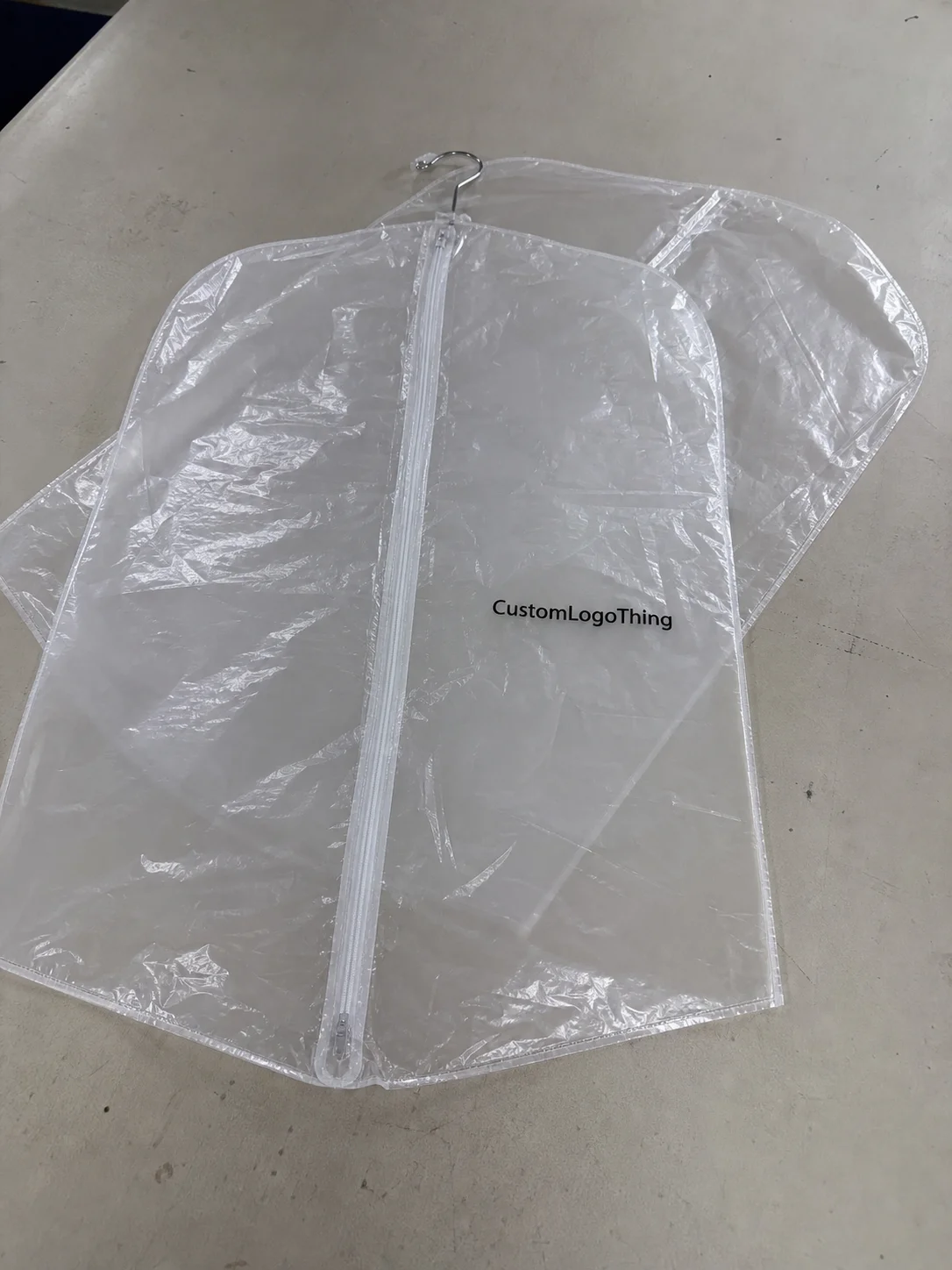
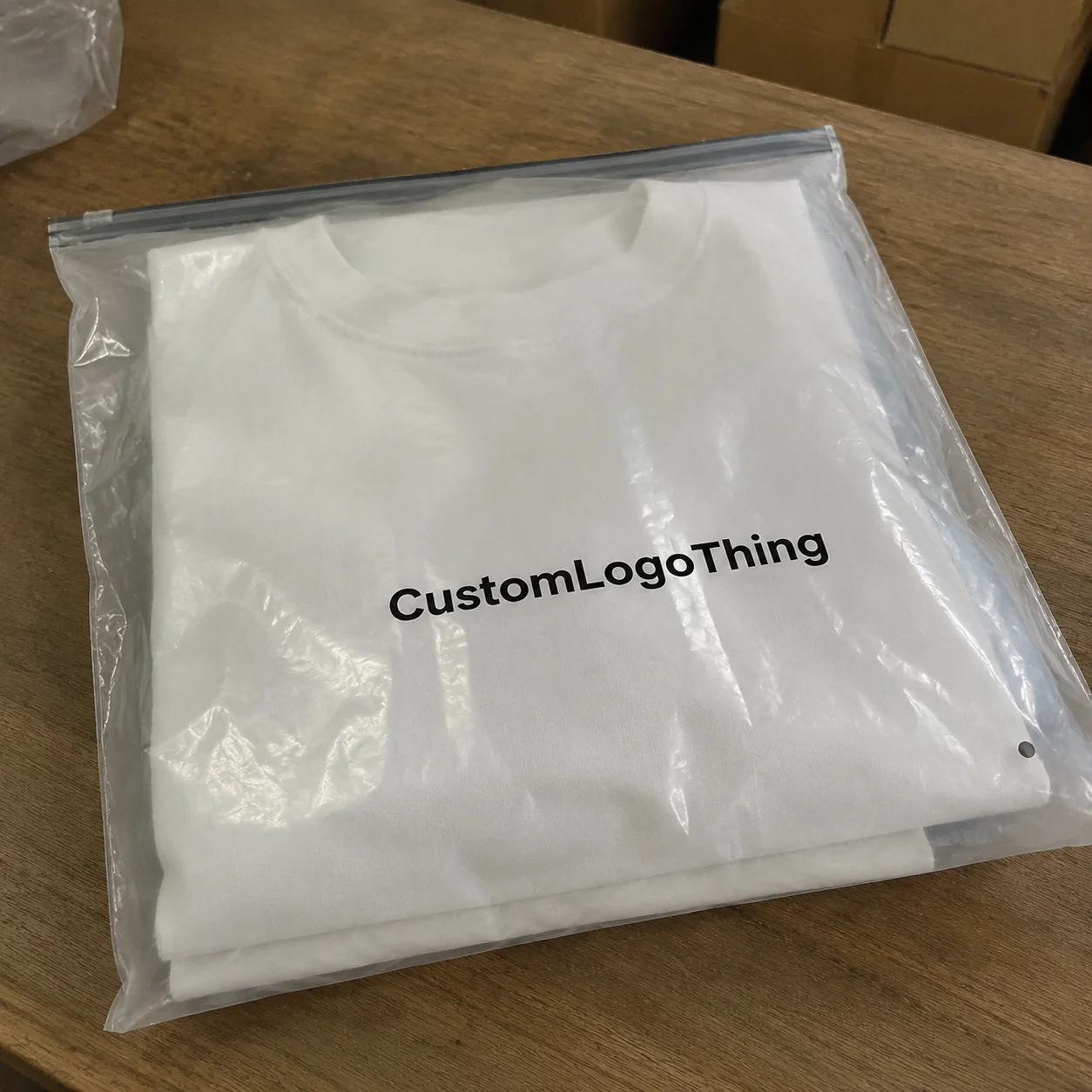
Buyer Fit Snapshot
| Best fit | Recycled Poly Mailers for Subscription Snacks projects where brand print, material claims, artwork control, MOQ, and repeat-order consistency need to be specified before quoting. |
|---|---|
| Quote inputs | Share finished size, material target, print colors, finish, packing count, annual reorder estimate, ship-to region, and any compliance wording. |
| Proofing check | Approve dieline scale, logo placement, barcode or warning zones, color tolerance, closure strength, and carton packing before bulk production. |
| Main risk | Vague material claims, crowded artwork, missing packing details, or unclear freight terms can make a low unit price expensive after revisions. |
Fast answer: Recycled Poly Mailers for Subscription Snacks: Material, Print, Proofing, and Reorder Risk should be specified like a repeatable production item. The safest quote records material, print method, finish, artwork proof, packing count, and reorder notes in one written spec.
Production checks before approval
Compare the actual filled-product size with the drawing, then confirm tolerance on folds, seals, hang holes, label areas, and retail display edges. Reserve space for logos, QR codes, warning copy, and material claims before decorative graphics fill the panel.
Quote comparison points
Review material grade, print process, finish, sampling route, tooling charges, carton quantity, and freight assumptions side by side. A quote is only useful when the supplier can repeat the same color, closure quality, and packing count on the next order.
On a fulfillment floor outside Los Angeles, I watched a snack brand ship 18,000 monthly kits and noticed something that rarely gets enough credit: the lightest pack-out often caused the fewest headaches. In that operation, recycled poly mailers for subscription snacks did more than hold products together. They cut waste, trimmed damage claims, and gave the team a cleaner way to match outer packaging to the actual contents. The surprise was not just freight savings. It was how quickly the numbers changed once the brand stopped overboxing, especially on parcels moving through UPS Zone 5 routes at roughly 9 to 13 ounces per piece.
That explains why recycled poly mailers for subscription snacks keep turning up on packing tables, from co-packers in Dallas and Houston to startup subscription brands working out of shared warehouses in Atlanta and Columbus. These are flexible shipping bags made with recycled content, built to protect sealed snack pouches, small cartons, and curated assortments without adding much weight. A lot of brands still assume paper is automatically the greener choice. Honestly, I think that assumption survives mostly because it sounds nice in a meeting. The math usually tells a different story once dimensional weight, breakage, and labor enter the picture, especially when a 10 x 13 mailer can cost $0.18 per unit in a 5,000-piece run while a box system can push the real pack-out cost far higher.
For Custom Logo Things, the packaging conversation is never only about packaging. It touches cost control, brand presentation, and line efficiency all at once. That pressure is sharper with recurring shipments because there is no room for inconsistency. If a mailer works in month one and then fails in month four when humidity rises and the pack team changes shifts, the subscriber notices immediately. And yes, they complain. Sometimes loudly. I’ve seen it in facilities from Phoenix to Newark, where a single torn outer shipper can trigger a dozen support tickets before lunch.
Recycled Poly Mailers for Subscription Snacks: Why They’re Showing Up Everywhere
I still remember a supplier meeting in a New Jersey converting plant where a snack brand asked whether paper mailers were automatically the better option. The converter pulled up a shipping comparison on a tablet and showed that switching to lighter recycled poly mailers for subscription snacks reduced parcel weight by 2.8 ounces per order. That sounds tiny until you multiply it by 40,000 shipments. The same switch also cut a measurable share of tape use and crushed-corner claims. Tiny per-order changes are funny that way: they look insignificant until finance starts circling the spreadsheet like a hawk. On a 40,000-order month, a 2.8-ounce reduction can mean several hundred pounds less moving through a carrier network.
Plainly put, recycled poly mailers for subscription snacks are shipping bags made from film that includes recycled content, usually post-consumer or post-industrial resin depending on the supplier. They are designed to resist punctures, scuffs, and moisture in transit, which is exactly what a recurring snack bundle needs after it leaves the pack table and enters the carrier network. They do not replace primary food packaging, and they should never be treated that way. Their job is to protect the outside while sealed snack packs handle food safety inside. A typical build might use a 2.75 mil to 3.5 mil film with a pressure-sensitive adhesive flap and a usable print area of about 8 x 10 inches on a 10 x 13 bag.
Subscription snack businesses are paying closer attention now because the economics are shifting. Recurring orders mean the same outer package is seen month after month, so the unboxing moment becomes part of retention. If a subscriber gets a sagging carton one month and a torn, overstuffed poly bag the next, the brand feels inconsistent even if the snacks are excellent. Recycled poly mailers for subscription snacks help tighten that outer presentation and reduce the amount of air moving through the system. In a test I reviewed for a brand shipping from Indianapolis, the move from a small box to a properly sized mailer reduced void fill by 100% because there was none left to add.
There is also a terminology problem that shows up constantly in brand meetings. Recycled, recyclable, and compostable are not the same claim, even if marketing teams like to blur the lines. Recycled content means the mailer contains recovered material. Recyclable means it may be accepted in a recycling stream if local infrastructure allows it. Compostable means it is designed to break down under specific composting conditions, which is a very different standard and usually not the best fit for high-abuse parcel shipping. For recycled poly mailers for subscription snacks, the recycled-content claim is often the most practical and easiest to document, especially when suppliers can show a 20% to 50% post-consumer resin blend on the spec sheet.
The tradeoff is real. These mailers can be cost-effective and durable, but the right gauge, seal strength, and size matter if the snack load is fragile, temperature-sensitive, or packed with rigid corners. I have seen a 3.5 mil bag perform beautifully for a single puffy-snack kit and fail when a brand added two rigid cookie tins without resizing the pouch. The material was fine. The spec was wrong. Packaging has a way of humbling everyone eventually, particularly when a 0.5 inch change in width would have solved the issue for a first production run in Seattle or Raleigh.
“We thought we needed a bigger box, but the mailer fixed the problem,” a subscription brand ops manager told me after their first pilot. “Once we matched the bag to the actual kit, our packing speed went up by about 14% and the damage claims dropped fast.”
How Recycled Poly Mailers Work in a Snack Subscription Workflow
The structure of recycled poly mailers for subscription snacks is straightforward, but the details matter. Most are built from multi-layer film that may include a recycled-content blend, then converted into flat mailers or gusseted formats with a self-seal adhesive flap. Depending on the supplier, you may see film thickness expressed in mils, material density described by resin blend, and seal style identified as peel-and-seal, pressure-sensitive adhesive, or tamper-evident closure. In production, those mailers often come off extrusion lines, move through slit-rewinding, and get finished with printing, gusseting, or die cutting before final bag conversion. A standard custom run from a plant in Shenzhen, Dongguan, or Vietnam may use a 4-color flexographic print and a 50,000-piece minimum, while domestic short runs can be built in Chicago or Dallas in smaller quantities.
In a real snack fulfillment workflow, the sequence is usually simple: snack pouches, bars, mini cartons, or shelf-stable boxes are assembled, counted, inserted into the outer mailer, sealed, labeled, and handed off to parcel carriers such as UPS, USPS, or FedEx. For recycled poly mailers for subscription snacks, the outer shipper does not need to be fancy to do its job well. What it does need is a clean fit, consistent seal, and enough tear resistance to survive the conveyor, the truck, and the front porch drop. I have watched mailers get snagged on a worn steel lip at a Midwest pack line in Columbus, and the difference between a 2.75 mil film and a 3.5 mil film was obvious within an hour. There is nothing theoretical about a busted bag on a live line; it ruins the mood immediately.
These mailers help protect outer cartons, paperboard sleeves, and printed snack packaging from moisture and grime. They are not a substitute for high-barrier food packaging, oxygen scavengers, or nitrogen-flushed primary packs when those are required for product stability. A granola cluster pouch, for example, still needs its own barrier performance; the mailer’s role is to keep the outside clean and the shipment intact. That distinction gets missed all the time, and it leads to unrealistic expectations. A brand shipping from Miami in July may still need insulated inner packs for product integrity, even if the outer mailer is doing its job perfectly.
Branding matters, too. The print quality on recycled poly mailers for subscription snacks can be surprisingly sharp when the press is dialed in, with strong color consistency and good registration across logos, QR codes, and short copy. On one run I reviewed at a Southern California converter in Long Beach, the brand used a single deep-green panel with a white logo and a brief “scan for next month’s flavor drop” message. The package looked more premium than a crowded full-coverage print, and it cost less to produce. That is a practical lesson too many teams overlook. Less can actually feel more expensive, which is annoying, but there it is. A simple one-color print on 350gsm C1S artboard for an insert often pairs well with a clean outer mailer for the same reason.
From the factory side, the manufacturing flow often includes extrusion of the film, gusseting if needed for extra depth, printing on rollstock, slit-rewinding, and heat sealing during bag conversion. If the supplier is set up well, they can hold close tolerances on layflat width and seal-zone placement, which matters more than most marketers realize. A bag that is only a quarter-inch off can slow a hand-pack team enough to add hours over a long production week. In a facility in Monterrey, Mexico, a 0.25 inch adjustment reduced repacking by almost 6% across a 12-hour shift.
Key Factors to Compare Before You Buy Recycled Poly Mailers for Subscription Snacks
If you are comparing recycled poly mailers for subscription snacks, sizing comes first. Measure the full packed kit, not just the largest snack item, and include any inserts, promotional cards, tissue, or protective dividers. I have seen a brand order a mailer that fit the snacks perfectly until they added a folded recipe card and a seasonal gift insert, at which point the seal line had to be stretched and the whole presentation looked stressed. A bag should be snug enough to control movement, but not so tight that it distorts the closure or scrapes printed panels inside. A 9 x 12 mailer might be enough for a single snack box, while a 10 x 15 gusseted bag may be the better answer for a two-item bundle with a 0.75 inch insert stack.
Thickness and film strength sit right behind size. A lighter-gauge recycled film may save money and reduce shipping weight, but heavier loads, sharp box corners, and mixed kits usually need more structure. In practical terms, many subscription snack packs do fine in the 2.5 to 3.0 mil range, while kits with rigid tins, glass jars, or dense multi-item assortments may need 3.5 mil or more depending on design. Recycled poly mailers for subscription snacks should be spec’d to the actual abuse they will see, not to a generic sustainability target. A 3.0 mil film can be perfectly adequate for a 12-ounce sealed snack assortment, but a 16-ounce bundle with corner friction may demand 4.0 mil and a wider seal zone.
Closure choice matters more than some buyers expect. A self-seal adhesive flap is fast, but not every adhesive behaves the same in a cold warehouse or a humid packing room. I once visited a facility in Atlanta where morning humidity climbed past 70%, and the team was fighting open seams on a low-cost mailer with weak adhesive. They switched to a better tack system, and the problem disappeared within the next production cycle. If your operation stores mailers near loading docks or uses chilled product staging, ask specifically about adhesive performance under those conditions. The warehouse will tell you the truth faster than a sales deck will. Ask for a seal test at 40°F and 75% humidity if your operation routinely sees those conditions.
Pricing should never be reduced to unit cost alone. Here is the mistake: a brand sees $0.18 per unit for one size and $0.22 for another, then assumes the cheaper option wins. But the lower-cost mailer may require more labor, more packing rework, or higher freight because it ships as a bigger cube. With recycled poly mailers for subscription snacks, the real math includes print setup, minimum order quantity, palletization, freight, storage footprint, and the cost of damaged deliveries. A “cheap” mailer can get expensive quickly if it slows a line by 6 seconds per pack or arrives oversized by half an inch. In one New Jersey program, the difference between $0.15 per unit for 5,000 pieces and $0.24 per unit for 1,000 pieces was wiped out by the freight and storage savings at scale.
Compliance and documentation deserve a firm look. Ask for recycled content verification, chain-of-custody details if relevant, and any test data the supplier has on seal strength, tear resistance, or recycled-content percentages. If you need to speak to sustainability teams or retail buyers, documentation matters as much as the material itself. For broader packaging sustainability context, I often point teams to EPA recycling basics and to standards organizations such as ISTA when they want to understand how shipping tests and packaging claims line up with real transport conditions. A supplier in Guangzhou that can send lot-level test reports within 24 hours is far easier to work with than one that offers only vague reassurance.
| Option | Typical Strength | Best For | Common Unit Cost Range |
|---|---|---|---|
| Stock recycled poly mailer | 2.5-3.0 mil | Simple snack subscriptions with low abrasion risk | $0.12-$0.18 |
| Custom printed recycled poly mailer | 2.75-3.5 mil | Brands that want stronger presentation and repeat ordering | $0.18-$0.32 |
| Heavy-duty recycled poly mailer | 3.5-4.0 mil | Mixed snack kits, rigid inserts, sharper corners | $0.24-$0.40 |
| Gusseted recycled mailer | Varies by build | Bulkier assortments that need extra depth | $0.26-$0.45 |
The table gives a practical starting point, but it is not a substitute for samples. A 3.0 mil bag from one converter can feel stiffer than a 3.5 mil bag from another because film structure, resin mix, and extrusion orientation all affect performance. That is why I push buyers toward real testing, especially with recycled poly mailers for subscription snacks that will be handled by multiple warehouse workers and not just packed once on a desk. Paper specs are nice. Real-world abuse is nicer, if you enjoy learning things the hard way (which I do not recommend). Even a 500-piece sample at $0.20 per unit can save thousands if it catches a seal failure before launch.
How Do You Choose Recycled Poly Mailers for Subscription Snacks?
Start with the product dimensions and shipping profile. I mean the actual packed kit, not the hero product in isolation. If your box includes a snack pouch, a sample pack, a card, and a small insert, build those into your measurements and add enough tolerance for easy insertion. For recycled poly mailers for subscription snacks, the pack should slide in without forcing the seal line to stretch or buckle, because a stressed closure is usually a weak closure. If your finished stack measures 8.5 x 11.25 x 0.75 inches, a 9 x 12.5 or 10 x 13 bag may be the smarter choice depending on seal placement.
Next, map your fulfillment environment. Are you hand packing at 40 orders per hour, or do you have a small automated line pushing 300 per hour? Is the warehouse dry, or does summer humidity swing enough to affect adhesive tack? Do you pack refrigerated snacks that warm up before parcel pickup? These details change the spec more than brand owners expect. A mailer that works beautifully in a climate-controlled pilot room may behave differently in a busy shift near a dock door with airflow and temperature swings. A site in Tampa will tell a different story than one in Salt Lake City, and your mailer choice should reflect that.
Then test samples with real orders. I like a simple pilot method: pack 25 to 50 real orders, then do a drop test, seal integrity check, label adhesion check, and a short transit simulation through the same carrier lane you will use for live orders. If the product contains fragile chips or brittle granola clusters, include those in the trial. If your service includes multipacks, test the heaviest version, not the easiest. With recycled poly mailers for subscription snacks, the first sample often looks fine in the hand, but the line test tells the truth. My favorite kind of packaging surprise is the one that happens before launch, not after subscribers start emailing photos. A 10-day pilot window is usually enough for a small brand to spot the weak link.
Branding choices come after fit and function. Decide whether the mailer should carry a bold logo, seasonal copy, QR code, or simple one-color mark. A matte finish can feel more refined, while a glossier film often pops brighter under warehouse lighting and can resist scuff marks better. If you use internal brand language, keep it short; the outer bag is not the place for a paragraph. A single panel with a logo and a clear product promise usually does more than a crowded layout. A short run printed in Chicago with one spot color can also cost less than a four-color design shipped from overseas.
Build a supplier matrix before you issue a purchase order. I recommend comparing recycled content percentage, lead time, custom print capability, documentation quality, minimum order quantity, and reorder flexibility. You can also note whether the supplier offers Custom Poly Mailers in related formats, because some brands use the same vendor for multiple shipper types and that can simplify procurement. If you are also developing the broader packaging system, take a look at Custom Packaging Products so the outer mailer, inserts, and secondary cartons stay visually aligned. A supplier in Shenzhen may quote 20,000 pieces at a lower unit price, but a factory in Dallas may win on speed if you need a rerun in 12 business days.
Sample checklist before you approve
- Mailer size fits the packed snack assortment with at least 0.5 inch of practical handling tolerance.
- Seal holds after 24 hours in a 68-72°F pack room and after a warmer dock test.
- Print stays readable after rub testing with standard parcel handling.
- Carrier labels adhere without peeling on the film surface.
- Supplier can document recycled content and provide lot-level consistency on reorders.
That checklist may sound basic, but basic is where a lot of packaging failures begin. I have sat in review meetings where a team spent hours debating design shades and 20 seconds discussing whether the mailer would survive a humid Tuesday afternoon. The mailer survived the design review; it failed the dock test. Recycled poly mailers for subscription snacks reward the teams that respect small details. A packout team in Nashville found that a 1-inch size correction eliminated nearly all edge stress on a protein-bite bundle.
Process and Timeline: From Sampling to First Shipment
The normal path from brief to delivery usually begins with artwork setup and dieline confirmation. If the mailer is custom printed, your supplier will want final artwork in the correct format, usually vector art with clear color references, and they will confirm the print area, bleed, and seal zones. For recycled poly mailers for subscription snacks, a typical custom lead time might be 12 to 15 business days after proof approval for production, plus freight transit. Stock mailers can move much faster, but custom work always adds coordination time. If the bags are shipping from a plant in Guangdong to a warehouse in Southern California, plan for ocean or air freight separately from the production clock.
Delays usually happen in familiar places. A brand revises artwork after proofing and asks for one more round of color matching. The team approves the wrong size because they tested an empty sample rather than a fully packed order. Or procurement waits until inserts are finalized, then discovers the mailer is too shallow by a quarter inch. I have seen all three happen on live programs, and each one adds avoidable cost. A well-run schedule for recycled poly mailers for subscription snacks should lock the mailer spec before finalizing the insert stack. A seven-day delay in proof approval can easily push a launch into the next carrier pickup window.
Sequencing matters a lot. Approve mailer size and material before locking in Subscription Box Inserts, because the outer shipper dictates how much room you actually have in the pack out. Then confirm print direction, seam location, and seal style so the pack team does not have to work around awkward orientation. Once that is done, train staff on sealing pressure, stack height, and storage. A stack of mailers left on a damp concrete floor can warp at the edges, and a warped stack slows the line faster than people expect. A dock area in Newark or Savannah with high humidity can turn a good spec into a bad day if storage is sloppy.
For brands planning a launch, I often recommend a buffer of at least one extra week beyond the quoted production timeline, especially if there are multiple SKUs or a holiday season involved. Freight can be predictable right up until it is not. If your launch depends on exact weekly ship dates, build a little cushion into the schedule. Recycled poly mailers for subscription snacks are not hard to produce, but custom print, approvals, and parcel timing can stretch any timeline if no one is watching the chain closely. A practical launch calendar might look like this: sample approval in week one, proof approval in week two, production in weeks three and four, and first shipment in week five.
Common Mistakes Brands Make With Recycled Poly Mailers for Subscription Snacks
The most common mistake I see is choosing a mailer that is too large. It seems harmless at first, but oversizing increases dimensional weight, allows movement in transit, and makes the customer presentation look loose and unplanned. A loose bag also invites corner scuffing if the snack kit contains any rigid elements. Recycled poly mailers for subscription snacks should fit the product like a glove, not float around it like an afterthought. A size error of just 1 inch in width can add enough slack to let a snack tin slide into the seal zone.
Another problem is skipping adhesive testing under real warehouse conditions. A seal that performs in a conference room may fail when the film is cold or the air is damp. I once worked with a brand whose warehouse sat next to a loading bay that opened fifty times a day; their low-tack seal was fine at 9 a.m. and unreliable by noon. They changed adhesive grade, re-ran samples, and the issue vanished. That is why I never trust a marketing sheet alone on recycled poly mailers for subscription snacks. Ask for a seal test at 50°F and a second test at 80°F if your facility spans seasons the way many Midwest warehouses do.
Some teams focus only on the sustainability story and ignore puncture resistance, print durability, and how carriers treat parcels in the wild. That is a risky habit. A mailer can contain recycled content and still be a poor fit if the film tears on a carton edge or if the print flakes after three hub transfers. The sustainability claim has to sit beside performance, not instead of it. A supplier in Oregon may offer a 30% recycled blend and glossy language, but if the parcel fails a 48-hour transit test, the claim does not matter much.
There is also a category mistake I see with snack assortments. Brands often assume every snack product can ship the same way, but fragile chips, dense granola clusters, and refrigerated snacks each create different risks. A chip bag may need more void control, while a dense jar may need outer reinforcement. Recycled poly mailers for subscription snacks can handle a lot, but they do not erase product-specific shipping realities. A 16-ounce jar shipped from Portland needs different care than a 4-ounce chip pouch shipped from Austin.
Finally, many buyers overlook landed cost. They fixate on unit price and ignore freight, storage space, packing labor, and damage replacement. If the mailer arrives on oversized pallets or slows packout by even a few seconds per order, the real cost picture changes fast. I have seen teams save two cents on the purchase price and lose eight cents in labor and claims. That is not savings; that is false economy, dressed up in a pretty spreadsheet. If a 5,000-piece order lands at $0.15 per unit but takes three extra seconds to seal, the labor can erase the savings in a single month.
Expert Tips for Better Performance, Lower Cost, and a Stronger Brand
Order a short-run pilot before you commit to a full production run, especially if your snack assortment changes with the season. A pilot of 500 to 1,000 units is usually enough to expose fit issues, sealing flaws, and print concerns without tying up too much cash. With recycled poly mailers for subscription snacks, a pilot often pays for itself by preventing one bad reprint or one bad month of fulfillment. I’d rather annoy procurement once than annoy a thousand subscribers. In practice, a two-week pilot in Kansas City or Charlotte can reveal more than a polished sample presentation ever will.
Use one standard mailer family across multiple subscription tiers if you can. I know brands like SKU variety, but operations teams hate unnecessary complexity. A single 9 x 12 or 10 x 13 family, for example, may cover several box configurations with small insert changes rather than multiple unique mailer sizes. That reduces inventory clutter, simplifies reorder planning, and makes training easier for new packers. In busy facilities, simple systems win. A brand in Phoenix reduced its active mailer SKUs from four to two and cut reorder confusion enough to save a full hour per week in receiving time.
Ask suppliers for hard test data instead of polished language. You want seal strength numbers, tear resistance details, and documentation showing the recycled content percentage. If the supplier can also speak to how the material performed under shipping tests aligned with ISTA methods, even better. For teams working through sustainability standards, it is also smart to compare supplier claims with FSC where paper components or inserts are involved, even though the mailer itself may not be paper-based. A supplier that can cite a 20-pound edge crush result or a 3-foot drop test is usually a safer bet than one that offers only adjectives.
Print simplification is another area where brands can save money and often improve the look. One strong logo panel with a single color message can feel cleaner than a full-coverage design trying to say everything at once. In my experience, custom mailers often look more premium when the design is disciplined. Recycled poly mailers for subscription snacks work well as a brand canvas, but the canvas should not be overcrowded. A 2-color layout from a plant in Barcelona or Ho Chi Minh City can often outperform a busier 4-color print at a lower unit cost.
Store mailers flat in a dry packing area and keep them away from direct heat sources. If the adhesive flap gets warm and sticky in storage, operators spend more time fighting the seal. If stacks bow from humidity, the line slows down because workers have to straighten each bag before loading. A few pallets saved from bad storage conditions can mean smoother packouts for weeks. Simple handling discipline makes a bigger difference than a lot of teams realize. A 65°F storage room with 45% to 55% relative humidity is a practical target for many operations in Denver, Chicago, or Minneapolis.
“The best mailer is the one your warehouse forgets about,” one operations director told me during a supplier review. “If it opens cleanly, seals cleanly, and arrives looking good, that means the system is working.”
FAQs
Are recycled poly mailers for subscription snacks safe for fragile products?
Yes, when the primary snack packaging is already sealed and the mailer is sized correctly. They protect against moisture, scuffs, and minor handling damage, but fragile items may still need inserts, dividers, or an inner carton depending on the product mix. A 3.0 mil or 3.5 mil build is often enough for many snack kits, but a glass jar or rigid tin may need more structure.
How much do recycled poly mailers for subscription snacks typically cost?
Pricing usually depends on size, thickness, recycled content, print coverage, and order quantity. A realistic planning range for many custom programs might sit around $0.18 to $0.32 per unit, but the true cost should also include freight, packing speed, and the savings from lower shipping weight and fewer damages. For example, some 5,000-piece orders land near $0.15 to $0.18 per unit for simple stock builds, while custom printed versions can run higher.
What recycled content should I look for in recycled poly mailers for subscription snacks?
Look for suppliers that clearly state the recycled content percentage and can provide documentation. The right balance is usually one that supports your sustainability goals without sacrificing seal strength, tear resistance, or transit durability. Many brands start with a 20% to 50% recycled-content target and then validate performance with real packed orders.
How long does it take to produce custom recycled poly mailers for subscription snacks?
Stock options can move quickly, while Custom Printed Mailers usually take longer because they require artwork approval, proofing, and production scheduling. Sampling, revisions, and freight planning can add time, so build a buffer before a launch or a subscription refresh. A common production window is 12 to 15 business days from proof approval, plus shipping time from the factory in places such as Shenzhen, Dallas, or Chicago.
What’s the biggest mistake when ordering recycled poly mailers for subscription snacks?
The most common mistake is choosing the wrong size or film strength before testing real packed orders. A quick pilot run usually reveals sealing issues, fit problems, and branding concerns before you commit to a large order. It is far easier to fix a 0.25 inch sizing miss during sampling than after 20,000 pieces have already landed in a warehouse.
If I had to sum it up from years on factory floors, I would say recycled poly mailers for subscription snacks work best when teams respect the packaging system, not just the sustainability label. Get the dimensions right, test the seal, compare real landed costs, and make sure the brand presentation looks intentional from the first shipment to the fiftieth. The clear takeaway is simple: sample before scaling, then lock the spec only after the mailer survives your real warehouse conditions, your real snack mix, and your real carriers. That is where recycled poly mailers for subscription snacks stop being a shipping bag and start doing their actual job.