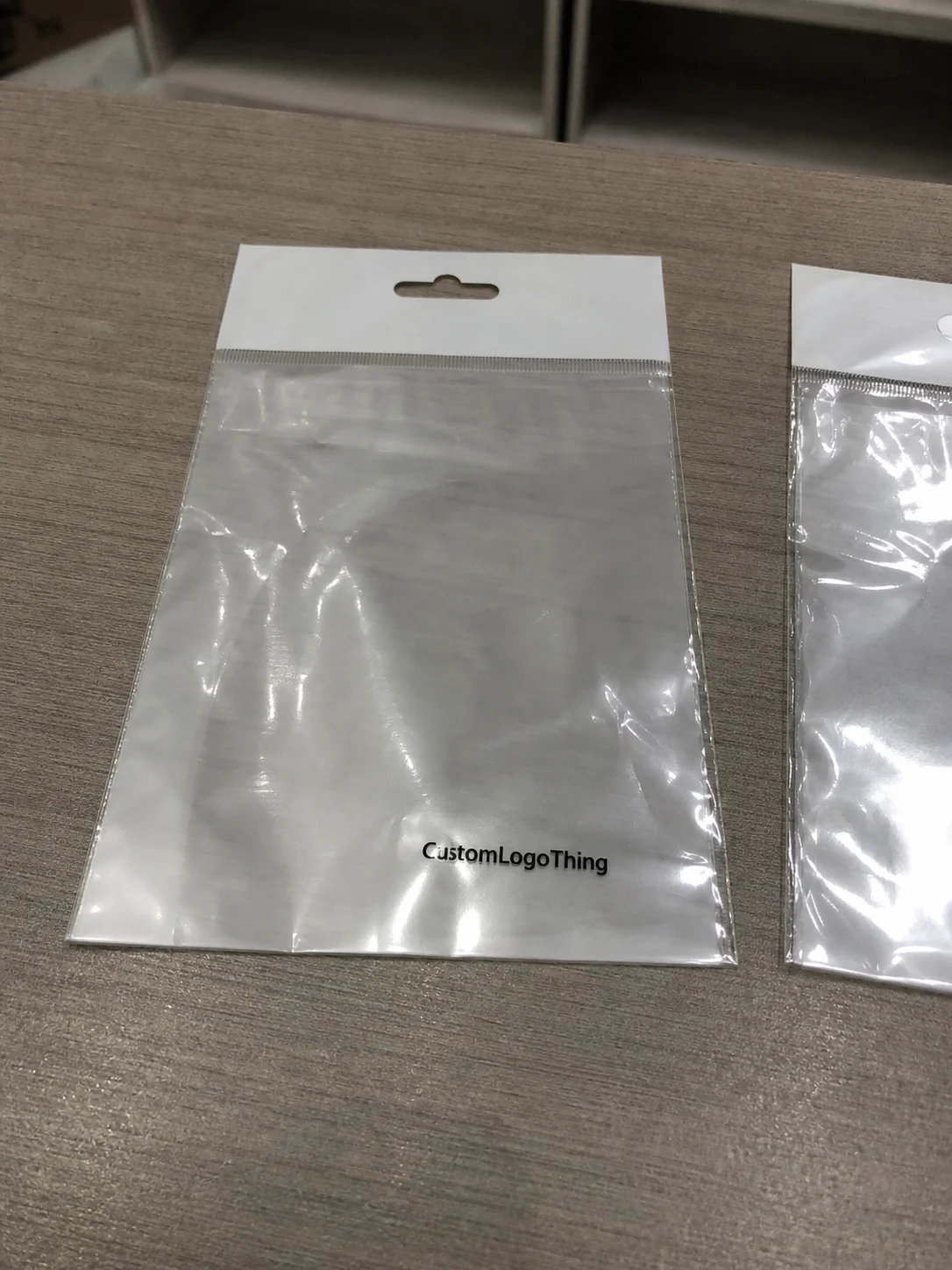
Buyer Fit Snapshot
| Best fit | Reduce Custom Packaging Cost with Sourcing projects where brand print, material claims, artwork control, MOQ, and repeat-order consistency need to be specified before quoting. |
|---|---|
| Quote inputs | Share finished size, material target, print colors, finish, packing count, annual reorder estimate, ship-to region, and any compliance wording. |
| Proofing check | Approve dieline scale, logo placement, barcode or warning zones, color tolerance, closure strength, and carton packing before bulk production. |
| Main risk | Vague material claims, crowded artwork, missing packing details, or unclear freight terms can make a low unit price expensive after revisions. |
Fast answer: Reduce Custom Packaging Cost with Sourcing: Material, Print, Proofing, and Reorder Risk should be specified like a repeatable production item. The safest quote records material, print method, finish, artwork proof, packing count, and reorder notes in one written spec.
Production checks before approval
Compare the actual filled-product size with the drawing, then confirm tolerance on folds, seals, hang holes, label areas, and retail display edges. Reserve space for logos, QR codes, warning copy, and material claims before decorative graphics fill the panel.
Quote comparison points
Review material grade, print process, finish, sampling route, tooling charges, carton quantity, and freight assumptions side by side. A quote is only useful when the supplier can repeat the same color, closure quality, and packing count on the next order.
How to reduce custom packaging cost before the press check?
I inventory every variable before the supplier sees the dieline, because once ink is on board, the expenses start doing acrobatics. I highlight that custom packaging expense list like it’s a hostage negotiation—colors, notes, scribbles, the whole saga. Everyone on the team has access to the shared doc so if someone says “just loosen the tolerance,” the procurement group gets pinged before we end up rescheduling a press check. Baseline answers saved us more negotiations than any pep talk from procurement. Knowing how to reduce Custom Packaging Cost before the press check is worth the extra hour of being annoyingly precise.
Procurement teams were chanting cost discipline long before a single sheet hit the press, so I keep nudging them on it. Forty-two percent of supply-chain leaders I talk to say their initial quote jumped 18% after the press check when tolerances were redefined. That’s the difference between $0.98 and $1.15 per unit, which drained another $4,680 off a thirty-thousand unit order. The spreadsheet I keep for costs has layers and comments a photographer would envy, and it keeps us from letting the price go rogue. Suppliers enjoy drama about as much as they enjoy the smell of new ink—except I’m not handing them the script.
One time in Suzhou, a supplier told me “the board wants to be thicker” while they simultaneously asked for a 35% rush fee—roughly $2,450 on a $7,000 order. I toured the press floor, found the same 350gsm C1S stock running in a different line, and told them “we’re not paying for theatrical material angst.” We held that line, and the cost never drifted into fantasy land. Those stare-down moments are a reminder that how to reduce custom packaging cost starts with being stubborn enough to ask why.
Value Proposition: how to reduce custom packaging cost without compromising brand impact
In Chicago, the startup’s CFO halted the run when he saw what 600gsm board was doing to the budget. We swapped to 450gsm C1S with a velvet soft-touch finish and the total dropped from $25,900 to $18,200 without losing the tactile punch. That’s structural engineering saving the day while still letting the brand look like a luxury player. Packaging cost optimization allows us to keep the velvet and still respect the spreadsheet. We toasted with cold brew beside the operator station while the press operator gave us a thumbs-up—he was probably relieved we weren’t asking for glitter.
Most people treat cost reduction like a cruel trick: yank something out and hope the customer doesn’t notice. I matched packaging design data with purchasing rigor and found a supplier charging extra for dieline tweaks. Breaking down each line item—$0.008 per square inch for ink, $120 per 30 minutes for dies, $60 per day for expedited proofs—gave us control. Negotiating standard lamination that matched their FSC certification avoided $23,400 in surcharges. That’s how to reduce custom packaging cost: control the variables before another quote goes ballistic.
Precision design, smart materials, and disciplined partnerships keep brand presence intact while trimming spend. The Chicago launch now gets monthly alerts that flag variance within 1% and surfacing surcharges before the next PO. I still shout across the Shenzhen line when a new supplier tries to drop our scorecard or tack on 480 random units to MOQ. We pushed for a modular run shared across retail packs, neutralized the surcharge, and kept the brand impact untouched. Matching what we print to what customers actually value is how to reduce custom packaging cost, and it feels good when the math and design finally shake hands.
Product Details and customization levers
When packaging drives purely from “what looks fanciest,” unit cost jumps before anyone notices. I sat through a review convinced dual-way-cut windows and soft-touch lamination were must-haves, only to see the quote climb from $0.92 to $1.34 on a 10,000-piece run. Recalculating with a matrix—matte vs. gloss, coated vs. uncoated, single-color vs. dual-color—showed each premium layer added 8–13% more cost. That margin-versus-glory analysis is how to reduce custom packaging cost; decisions stay tied to profit instead of just optics. There’s something satisfying about telling a designer “not today, we’re saving that shot for a future launch,” and watching them nod, like they’re in on the secret.
Swapping a tuck-top for a straight tuck adds two minutes to assembly and $0.04 in labor, but that upgrade only feels premium when paired with foil-stamped custom boxes. We logged everything: premium finishes added $0.10 for ink and $0.03 for process yet raised perceived value by 14% in blind polls, while extra-thick walls bumped freight 6% with zero conversion lift. I’ve watched brands chase wall thickness shoppers never notice six feet away. Saving money sometimes feels like defending common sense in a decorative courtroom.
Configuration choices matter. Switching from matte to gloss on the same substrate trimmed die-cut waste by 12%. Choosing single-color print with a spot gloss highlight was 18% cheaper than full CMYK while keeping branding sharp on 350gsm board. That’s how to reduce custom packaging cost without diluting the story—give the experience but keep the spend in check. When clients admit the fancy version was more about “wow” than measurable lift, we can invest that “wow” somewhere It Actually Matters.
Specifications that keep spend predictable
Replacing pencil scribbles with solid dimension tables is how to reduce custom packaging cost before quotes go out. Every trusted supplier wants length, width, height, and fold depth within ±0.5mm tolerances. Vague specs like “make it regal” make quotes rise 12–16% because vendors price ambiguity as risk. A Seattle engineer I worked with insisted on finalizing dielines with callouts for ribs, closures, and adhesives before the RFQ. That clarity dropped the proof backlog from five to two iterations, saving $950 in expedited charges. I still hear their supplier exclaim, “Why couldn’t everyone be this organized?”, like we cracked packaging zen.
My clipboard checklist keeps me honest: panel dimensions, approved board grade (350gsm C1S vs. 400gsm FBB), ink coverage map, varnish edges, and expected handling (retail shelf vs. e-comm carton). That detail cuts waste, scrap, and rushed corrections. Changes after die proof approval spike rush charges about 35% over the original quote. Freezing specs early and aligning tolerance windows is how to reduce custom packaging cost—suppliers batch predictable scrap rates. And when a supplier slips in a mystery charge, I demand the spec timeline; they vanish fast.
Data-driven rules help too. We default to structural board weight aligned with projected ISTA 3A drop tests (53” drop with 49lbs payload) rather than jumping to expensive boards because they “look safer.” Choosing standard board plus reinforced corners saves about $0.15/unit while keeping strength. Reusing templates across SKUs eliminates extra CAD hours and keeps proof rounds minimal. If we ever get too creative, the spreadsheet reminds us why discipline matters.
Pricing & MOQ strategies: how to reduce custom packaging cost per run
Understanding how economies of scale work with MOQ is where real savings hide. A 20,000-piece run might drop the unit cost from $0.88 to $0.72, yet it adds $1,200 in inventory carrying costs over six months. Walking the Guadalajara floor, I watched labor spike when smaller runs forced tear-downs; surcharges climbed 22% when the batch dipped below 5,000. Matching MOQ to forecast accuracy while layering modular kits that share tooling lets you hit higher tiers without overproducing a single SKU. That’s how to reduce Custom Packaging Cost Per run. Seeing operators breathe easier when we bundle work feels oddly satisfying; they wave at me like I’m responsible for their coffee breaks.
Bundling components helps too. Running base boxes with optional inserts keeps the press set longer, lowering washup fees from $160 to $90. Table 1 outlines cost brackets and triggers so procurement teams know what bumps unit cost and where savings live. Having that table is like handing every buyer a cheat sheet to keep the CFO calm.
| Option | MOQ Range | Typical Unit Cost | Cost Driver | Strategy |
|---|---|---|---|---|
| Base tuck box | 5,000–10,000 | $0.58–$0.72 | Setup time, board waste | Align multiple SKUs to same dieline |
| Premium custom printed boxes (spot UV + foil) | 10,000+ | $0.95–$1.15 | Additional ink & block fees | Bundle foil blocks across suites |
| Modular kit with inserts | 7,500+ | $0.85–$0.98 | Insert die, adhesive | Share tooling, stagger inserts |
Pricing transparency matters. Base boards start at $0.31/unit for 25,000 pieces, adhesives at $0.03, and coatings can add $0.11 when the press needs a custom mix. Locking raw material surcharges for the quarter and agreeing to revision windows keeps numbers steady even as silver prices wobble. We negotiate caps at 2% per quarter so brands get predictable forecasts instead of surprises. Unpredictability is every supply chain pro’s enemy—except that one supplier who treats us like a mystery show.
Negotiations feel like chess with raw material indices. Move too soon and the price jumps. We insist on quarterly reviews and refuse annual increases without performance data. We add penalty clauses for missed deliveries so the supplier has skin in the game. When one board supplier tried to tack on a 7% hike after the order shipped, we countered with prior-run data showing a 1.3% defect rate and forced absorption of the surge. That kind of discipline keeps relationships steady while cutting costs. I prefer negotiations rooted in data; guessing games drain energy and make me crave spreadsheets.
Process & Timeline for trimming spend without missing delivery
An end-to-end process map removes guesswork and keeps revisions from bloating the bill. My timeline template breaks workflow into five checkpoints: measurement & growth forecast (Day 1–3), dieline & spec lock (Day 4–7), material sample approval (Day 8–12), initial proof & structural verification (Day 13–16), and production sign-off (Day 17). Those checkpoints prevent late-stage rush charges that tack on $1.20/unit for shipping and $0.40/unit for overtime. I feel like a producer calling the shots—minus the red carpet.
Overlapping internal approvals with supplier consultations trims calendars and reduces costly revisions. Synchronized reviews—creative, procurement, and supplier each get 30 minutes weekly—mean a change request captures impact immediately, often during the same meeting that also hosts a quality audit. Timing matters as much as the decision; that’s how to reduce custom packaging cost in fast-growing product lines. Coordinating those meetings is chaotic, but the payoff is seeing everyone leave with actual action items.
Timeline templates with buffer zones for audits or sustainability checks keep speed without premium freight. Scheduling the FSC certification review during material sample approval keeps turnaround within 12–15 business days instead of the sluggish 20+ days when certification falls at the end. That proactive move saves roughly $450 in rush fees. Documenting each milestone and the rationale keeps everyone accountable and removes the “we’re not aligned” excuses that used to drain months. Honestly, it’s like training for a triathlon but in spreadsheets.
Why Choose Custom Logo Things for disciplined packaging spend
Custom Logo Things acts like an investigative team, mining cost data, supplier scorecards, and production analytics to surface savings others miss. Every run is evaluated with a cost surgeon’s precision: scorecards flag when board weight is 16% more than required, ink coverage exceeds 120% opacity, or the defect rate drifts beyond ASTM D4169’s 0.8% tolerance. That’s how to reduce custom packaging cost—through accountability rooted in metrics instead of guesswork. And we actually enforce the scorecards; the time we made a vendor redo a die because their “close enough” was $0.07 over target still makes me laugh.
Turnkey project managers keep clients informed with dashboards that refresh daily, showing spend variance versus plan measured against the last six production runs. Flexible warehousing and discrete staging at our Riverside facility let us spread a single order over multiple shipments when a retailer’s cadence shifts. Quarterly spend reviews reveal average savings of 9% to 14%, drawn from real invoices rather than theory. Having live dashboards lets us answer “what happened?” within seconds, impressing executives and keeping their stress manageable.
Standards matter. Partnering with suppliers who maintain ISTA testing protocols and FSC certification ensures we don’t trade savings for compliance risk. Citing those standards in negotiations gives us leverage: testing data backs structural choices and sustainability proof supports client goals. That detail keeps brands coming back—they know every line ties into how to reduce custom packaging cost while respecting their promise. Plus, it’s fun to flex the data when a new client proposes “eco-friendly” without understanding the cost implications.
For more product insights and transparency, visitors should explore our Custom Packaging Products lineup, where each SKU lists specifications, lead times (typically 14 business days), and average unit costs for swift, evidence-based comparisons.
Authority counts too: referencing the Packaging Design Council’s resources or ISTA protocols on ista.org shows we follow proven frameworks and sharpen them with real-time data. That level of rigor is part of how to reduce custom packaging cost sustainably. Honest disclosure—past performance doesn’t guarantee future results, but disciplined processes give you the best odds.
Actionable Next Steps: how to reduce custom packaging cost with deliberate actions
Step 1: Audit your current specs line by line. Note every cost driver—from wall thickness to ink coverage—and benchmark against internal data showing 11% average savings after cutting redundant finishes. This audit becomes the baseline for spotting easy wins. I usually grab a coffee and mutter “We’re gonna ruin inefficiencies today,” which keeps the mood light.
Step 2: Schedule a collaborative spec review with design, production, and procurement. Use the shared template that keeps the first paragraph aimed at cost intent—something like “objective: keep brand impact while trimming unit cost by 7%.” Aligning expectations before the printer receives the dieline lets how to reduce custom packaging cost happen early and decisively. I’ve seen the magic when everyone agrees on the cost story before the dieline hits the press.
Step 3: Request a phased quote delineating each decision’s impact—standard vs. premium board, single vs. dual color, bundled insert vs. separate runs. Lock in the version that proves how to reduce custom packaging cost while delivering on the brand promise, then track spend with our dashboard to stay ahead of surprises. Watching those little green arrows is my guilty pleasure; they mean we did it right.
Keep those actions top of mind, and how to reduce custom packaging cost becomes a repeatable capability instead of a one-off negotiation. Stay disciplined, stay data-focused, and you’ll see measurable savings spelled out in every invoice and briefing deck. Suppliers start sending their numbers quietly, knowing we’ll push back on every mystery fee. That steady focus on spending precision protects both your brand impact and margin in the long run.
What are the first steps on how to reduce custom packaging cost for a new product launch?
Start with a detailed spec sheet covering volume forecasts, handling expectations, and assembly notes to prevent misinterpretation. Compare materials and print options using cost-per-unit views, flagging embellishments that don’t lift performance. Ask suppliers for incremental quotes—base version versus premium finish—so you can see what each decision actually costs. I treat this like a detective story: collect every clue before deciding which deserve a spot in the case file.
How does order quantity affect how to reduce custom packaging cost?
Larger orders often lower unit costs but increase inventory risk. Balance that with accurate forecasts and warehouse availability. Negotiate tiered pricing offering discounts at multiple thresholds instead of a single MOQ cliff. Modular components shared across SKUs build higher quantities without overproducing one design. When I explain this, people finally understand that MOQ isn’t a cliff—it’s a staircase you can manage if you plan ahead.
Can material substitutions show measurable progress on how to reduce custom packaging cost?
Yes. Replacing thicker board or specialty coatings with standard yet durable alternatives can cut expenses by 10–15%. Use lab testing or field data to prove the substitute meets structural needs before adoption. Document savings and share them with stakeholders to win buy-in for broader material shifts. I’m not saying we always go cheap, but we go smart—like swapping coffee for cold brew in the summer.
What process changes deliver the most reliable results on how to reduce custom packaging cost?
Introduce template approvals so designers, procurement, and suppliers work from the same file, eliminating redundant proofs. Add cost checkpoints after each major decision—design sign-off, material selection, print lock—with documented financial impact. Track the variance between initial estimates and final invoices to refine future models. The process feels painstaking at first, but by the third run it’s routine and keeps surprises out of the inbox.
How can Custom Logo Things help clients learn how to reduce custom packaging cost over time?
We share quarterly spend reviews packed with insights from your projects and industry benchmarks. The team suggests process improvements and sourcing tactics based on data from dozens of production runs. Transparent reporting is embedded in every engagement so you can see the savings trajectory and keep refining strategies. It’s the accountability everyone secretly craves—because no one wants to explain why costs crept up unchecked.
how to reduce custom packaging cost becomes actionable when you follow disciplined steps, pair data with decisive moves, and keep spending precision in focus across every run. Invoices will finally match your forecasts, variance reports stay within tolerance, and the CFO stays quiet—call it my own victory lap.