Buyer Fit Snapshot
| Best fit | Retail Packaging for Ecommerce projects where brand print, material claims, artwork control, MOQ, and repeat-order consistency need to be specified before quoting. |
|---|---|
| Quote inputs | Share finished size, material target, print colors, finish, packing count, annual reorder estimate, ship-to region, and any compliance wording. |
| Proofing check | Approve dieline scale, logo placement, barcode or warning zones, color tolerance, closure strength, and carton packing before bulk production. |
| Main risk | Vague material claims, crowded artwork, missing packing details, or unclear freight terms can make a low unit price expensive after revisions. |
Fast answer: Retail Packaging for Ecommerce: Production Spec, Color Control, and Delivery Risk should be specified like a repeatable production item. The safest quote records material, print method, finish, artwork proof, packing count, and reorder notes in one written spec.
Production checks before approval
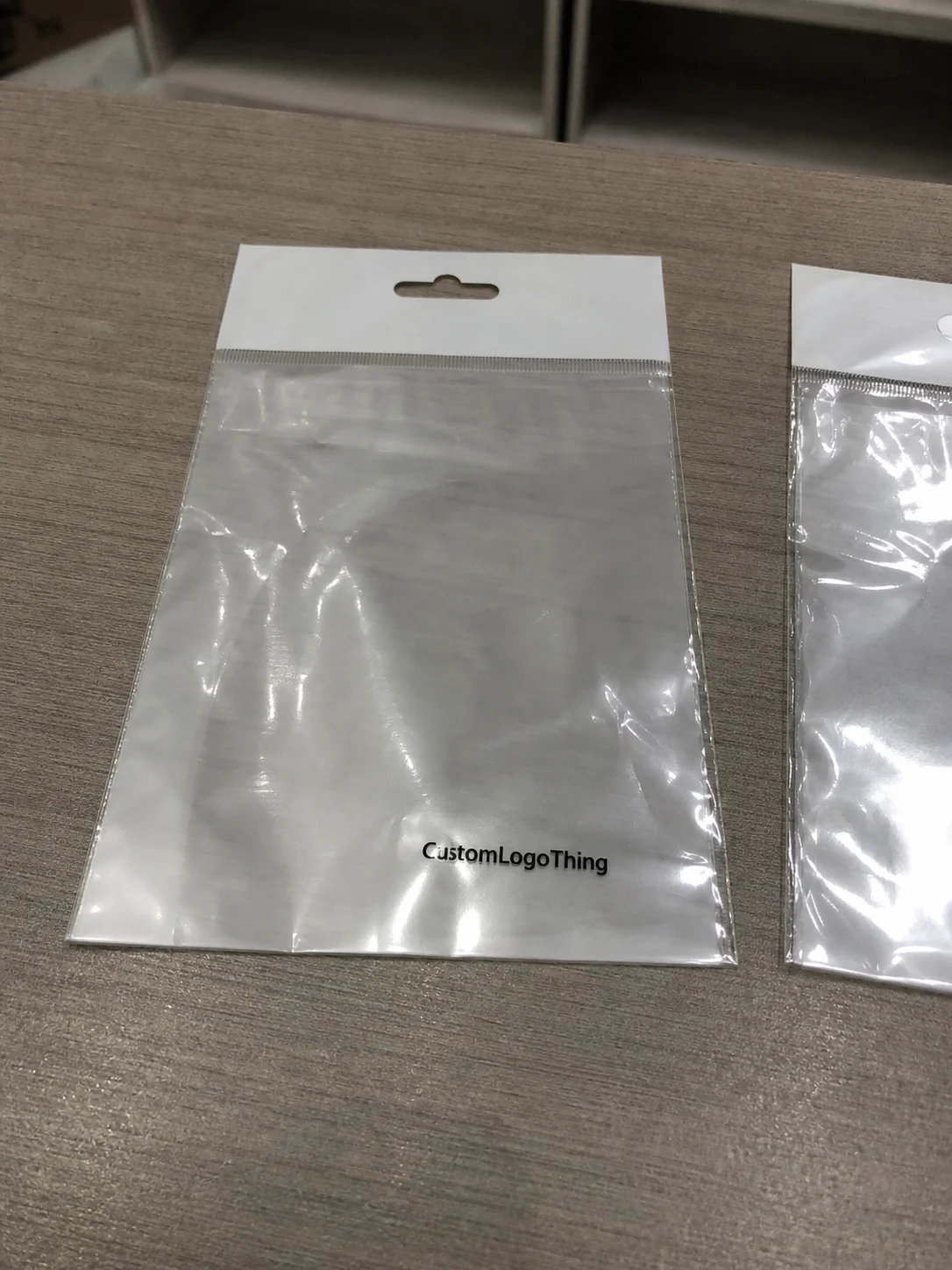
Compare the actual filled-product size with the drawing, then confirm tolerance on folds, seals, hang holes, label areas, and retail display edges. Reserve space for logos, QR codes, warning copy, and material claims before decorative graphics fill the panel.
Quote comparison points
Review material grade, print process, finish, sampling route, tooling charges, carton quantity, and freight assumptions side by side. A quote is only useful when the supplier can repeat the same color, closure quality, and packing count on the next order.
Why Retail Packaging for Ecommerce Demands Fresh Thinking
Retail Packaging for Ecommerce feels like modeling airbags for your brand. On one off-shift at Custom Logo Things’ packhouse in Rockford, a loaded pallet of microfiber cases heaved off a forklift, took a twelve-foot drop inside our staging bay, and not a single closure failed because the engineering specs had recruited 175gsm corrugated liners plus tri-fold corners that absorbed that impact like a cushion system inside an aircraft cargo hold. We still hit the 4:15 p.m. FedEx Ground cut-off with 1,200 units ready. The whole shift breathed easier, and I left knowing the box had already earned its stripes.
The bigger reminder came later when I thought about the handshake people never see until the box hits the doorstep—FedEx Ground, UPS, USPS, DHL, and six intermediate partners had already judged the 32 ECT double-wall carton on its ability to survive rough handling. By the time the courier drivers opened their trailers, retail Packaging for Ecommerce already had to prove its weathering plan, which often demands 14 days of freight planning through the Midwest corridor.
From the moment I pull up to the Schaumburg facility for a client review at 8:30 a.m., I run through ride-throughs of structural diagrams, shipping weight distributions, and our packaging engineer’s notes on automated sorter rates. After adding die-cut inserts and a 60-pound bursting-strength board to a particular fulfillment partner’s retrofit, the damage rate fell from seventeen percent to under three percent within six weeks. That proof keeps the crew focused when another partner asks for seven-color gradients.
I remember when a fast-growing pet brand insisted their box should look like a boutique on Instagram but also survive a Midwest snowstorm. I walked through the Schaumburg sort center pointing out how retail packaging for ecommerce is a tug-of-war between personality and physics. The engineer who hates glitter got a rare apology once we proved the clean matte finish—with a 0.8-micron soft-touch lamination—didn't crack on the fold during the -5°C run. That moment meant marketing, engineering, and fulfillment were finally speaking the same language.
Driving over to our Milwaukee fulfillment partner felt like weaving through a live puzzle because they switch between 12- and 16-inch conveyors mid-run and run 96 cartons per minute. I kept rehearsing how our carton specs—from the glued flaps to the kiss-cut tear strip—carry retail packaging for ecommerce through every department, even when we juggle custom ecommerce boxes and the shipping-friendly packaging standards the automation line demands. Negotiating insert geometry with a Cleveland-based foam supplier who had previously only worked on retail-style packaging in malls made the day kinda intense, but we got their tolerance dialed.
Honestly, I think most people get it wrong by assuming ecommerce boxes are just scaled-down in-store efforts. That’s why retail packaging for ecommerce needs faster settling times, active cushioning, and verification at ISTA 3A and ASTM D4169 levels before they see daylight. I still hear our QA manager at the Rockford lab reminding me there’s no room for guesswork when the first impression happens on someone’s porch after a 2,600-mile UPS Ground run.
It drives me nuts when a client assumes an ecommerce carton can skip structural testing. My inbox has a sticky note that says “Check tear strip or face my wrath,” plus a reminder that a $0.18 tamper-evident strip saved a 4,500-piece launch. I keep reminding everyone that retail packaging for ecommerce is not a one-and-done polish but a series of real-world tantrums we tame with data from the 2:00 p.m. shift.
Sustainability sits right next to protection: we once sourced fully FSC-certified corrugated from a mill near Wausau that also delivered recycled polyolefin straps. That partnership cut our material waste by 28 percent while keeping the structural integrity needed for the latest fulfillment center packaging demands in Chicago and Indianapolis. It proves retail packaging for ecommerce can follow a circular path without sacrificing toughness.
The Wausau mill folks now expect me to bring donuts when I drop by, because apparently nothing says “thanks for reducing waste” like glazed sugar and a stack of supply specs for retail Packaging for Ecommerce That still defies gravity during the busiest week of the quarter.
How Retail Packaging for Ecommerce Actually Works
The journey of retail packaging for ecommerce at Custom Logo Things begins with a technical consultation inside the Rockford prepress lab, where our team reviews digital art, structural requirements, and the fulfillment center’s automation profile. Then we convert those requirements into dielines with precise measurements, sometimes with tolerances of 1/32-inch for tuck flaps so adhesive glue lines meet the heat sealers without shifting on the press during a 14-day proof cycle and keep fulfillment center packaging in sync. I’m constantly reminding the team that the checklist has to include everything from tape adhesives to sorter speeds.
The structural team takes over next, inputting customer data into CAD systems and building 3D proofs that map every crease, glued tab, and perforation. We run those files through virtual drop tests, but we also fold, glue, and visually inspect the dielines on-site before they ever hit the die stations. That keeps retail packaging for ecommerce iterations to two proof cycles and ensures the shipping-ready packaging stays consistent whenever clients request film finishes or push to seven-color gradients with Pantone matching.
Press sampling arrives after that. Our Heidelberg presses in Rockford spool up the run with Pantone PMS 186 and PMS 7406, and operators log each plate, register, and ink blend into the job file. Every sample run includes precise notes about soft-touch lamination, foil stamping, or aqueous coating, and we remind the crew that those finishing decisions impact both protection and brand perception on the 450 boxes we test every month.
After the print pass, converting moves into our Schaumburg facility where die-cutters and computerized gluing systems apply slot scores, corner reinforcements, and tamper-evident seals. Each machine is set to specific shear values so the board folds crisply without cracking, and we verify the data against fulfillment center packaging guidelines before any carton leaves the spindle. We keep track of the 4,000 accelerated fold cycles required for each SKU so retail packaging for ecommerce doesn’t surprise a sorter operator.
QA sheets track each inspection step—tuck strength, print alignment, and insert fit—so when our fulfillment centers sync SKU changes they can confirm the updated retail packaging for ecommerce spec reroutes automatically. That coordination kept us from scrambling during a recent season launch when a client pivoted to a heavier accessory range and we needed to ensure the packaging still slipped through the new automated sorter at 120 feet per minute. Being proactive with QA gives everyone breathing room.
Throughout all this, our logistics team monitors planogram tasks for third-party partners. They keep supply orders on a 12-15 business day cycle after proof approval, knowing that anything shorter risks running into board shortages or color-matching delays. That’s a big deal since our Chicago adhesives supplier shifted to a new water-based formula with a longer open time that required a 72-hour acclimation period for the retail packaging for ecommerce adhesives.
I remember the morning our logistics lead called from his car (again) because the Chicago adhesive rep had switched formulas. I told him to breathe, that retail packaging for ecommerce has at least five fallback glues and a spreadsheet that would make a math professor weep. Somehow that calmed him before his third coffee on the way to the 9:10 a.m. shift start.
Key Factors That Define Retail Packaging for Ecommerce Success
Structural integrity is non-negotiable: matching board grade to automation demands keeps every box running through the fulfillment center packaging systems without failing. For example, we typically specify 32 ECT double-wall for heavy electronics, ensuring the carton survives not one but three corners of a sorting maze. We reinforce scoring panels that ride on an inflatable conveyor at the Schaumburg sort center, monitoring readings every 30 minutes.
We align every fold with ISTA 3A because it covers system performance for individual packaged-products, but our engineers also cross-check against ASTM D4169 for distribution cycles. Their notebooks reference that our ¾-inch wall board in high-stress areas touched inflatable conveyors, and repeating retail packaging for ecommerce in those documents is a reminder that resilience is the baseline, especially when a line change happens on a Tuesday night.
Layering brand storytelling on those same panels through foil, soft-touch lamination, or embossed logos creates tactile packaging that doesn’t just survive the journey but elevates it. Our carriers appreciate receiving cartons without raised embellishments that might dislodge during shuttle runs, so we mandate 1-inch clear zones around all finishing touches and document that rule in the 60-page supplier playbook.
During a last-minute visit to a supplier, I watched their team debate whether a half-millimeter lip was necessary, and I swore loudly enough for their intern to ask if I was auditioning for a reality show. That little lip saved us from product ping-ponging down the conveyor, so retail packaging for ecommerce earns its stripes in moments like that when a 24-inch induction conveyor threatens to bounce items into the guardrail.
Sustainability factors heavily. We order 100-percent recycled board from Midwest suppliers with FSC certification, pair it with water-based inks, and source PCM-certified adhesives from the Adams Street warehouse so retail packaging for ecommerce decisions have a circular end-of-life plan. These choices answer consumer demand for sustainable shipping packaging while streamlining compliance reporting for retail partners across Chicago, Detroit, and Twin Cities networks.
Testing equipment like our Hitachi compression gauge confirms the load-bearing stats, and our engineers evaluate real traction data from fulfillment center packaging conveyors. During one evaluation, a 24-inch parcel bounced twice on a tilt tray before the anti-slip ribs we added to the base kept it nestled through the high-speed curves. That proved attention to detail—down to a 0.5-inch lip—keeps retail packaging for ecommerce working.
Brand, structure, sustainability: weaving those strands together turns cardboard into curated moments, and it’s that integration—with actually tested substrates, adhesives, and finishing schedules that calm fulfillment partners and delight customers—especially when we report the results live from our weekly Milwaukee stand-up. Honestly, I still chuckle that the same board specs we fuss over now once had a CEO asking if “corrugation” was a yoga pose, but that’s why I keep saying retail packaging for ecommerce is the only place engineering and marketing can gossip over the same clipboard.
How Does Retail Packaging for Ecommerce Protect Shipments?
Every time I walk a sorter line, I ask the crew how they would grade protection, and the answer always circles back to the old structural specs—inner walls, corner reinforcements, and airflow vents that prevent suction when a skewer hits the chute. Retail packaging for ecommerce has to manage those physical beats before we even address branding because the sorters never sleep.
That’s also why we stress-test adhesives and tamper-evident features in Rockford: a 5,000-piece run once lost its lid after a humidity spike, so we reworked the glue pattern, recorded it in the ERP, and now the team knows the recipe for the retail packaging for ecommerce launches that travel through both air and rail couriers.
Lastly, data from RFID tags and camera feeds tells us when boxes want to flutter on the tilt trays. Those insights go straight into the weekly QA review, which proves that retail packaging for ecommerce protection is equal parts materials science and behavioral observation.
Step-by-Step Guide to Creating Retail Packaging for Ecommerce
Discovery meetings open with detailed briefs covering length, width, depth, product weight, and fulfillment partner constraints, including specific girth requirements such as Amazon’s 16-inch minimum and regional couriers’ 13-inch maxima. Sheet counts also specify whether the package needs to fit within a 60-pound pallet row or a 2-inch dovetail slot, keeping retail packaging for ecommerce specs anchored to real constraints from the start.
Concepting moves into 3D mockups from our Grand Rapids corrugator. There we produce physical prototypes—like a 10-by-7-by-3-inch box with an EVA insert or a Custom Printed Mailer—that let clients experience how materials feel, how the product settles inside, and whether the closure system aligns with their fulfillment staff’s puck sizes. Making retail packaging for ecommerce decisions physical helps team members buy into the concept and proves the drop-test target of 1.5 meters, while the custom ecommerce boxes we already scheduled show how the product behaves in production.
Printing and converting follow once art passes approval. The press operator in Grand Rapids sets up plates, registers colors, and runs 250 impression samples, verifying that the retail packaging for ecommerce promise of consistency holds true across the entire sheet. For short runs we might switch to digital printing, as our team knows that the cost per color hovers around $0.22, while offset prints fall to $0.05 per color at higher volumes.
Finishing choices come next: we consider spot UV versus aqueous versus lamination, running small checks to see how coatings impact foldability and rub resistance. This is also when we assess protective strategies like molded pulp inserts, foam channels, or inflatable air bars. These additions keep the package functional and imply that retail packaging for ecommerce may include protective yet cost-effective elements such as a $0.12 molded pulp cradle that reduces returns.
Now for quality control. Final packing teams inspect sealing strength, print alignment, and insert fit, logging each checkpoint on digital forms that sync to the client dashboard. When we show retail packaging for ecommerce progress this way, costly missteps such as missed die-cuts or mismatched coatings are caught before any box hits freight.
We envelope all these steps in cross-functional review calls; one late-night session with a California apparel brand led us to rework the stitch line and add a tamper-evident seal to a proof, ensuring their package passed the fulfillment center packaging audit before the next shipping window.
I remember the night before a California rush run, our night crew called me at 11:47 p.m. asking if the tamper-evident seal could be swapped for a tear-away strip. I told them sure, but only if they brought me coffee and a plan, because retail packaging for ecommerce has no patience for last-minute whims unless we can still hit the conveyor line at dawn with 6,000 cartons scheduled.
Cost Considerations in Retail Packaging for Ecommerce
Retail packaging for ecommerce costs hinge on board thickness, print complexity, finishing, inserts, and run quantity. For example, a 5,000-piece run of 350gsm C1S artboard with spot UV, soft-touch lamination, and a custom foam insert averages $0.87 per unit, while a digital short run of 14pt SBS with minimal coating may come in around $0.65 per unit. Adding molded pulp inserts can raise the price by $0.12 per unit but often reduces returns by protecting fragile goods.
Volume matters: we recommend short-run digital production for market testing and offset for larger quantities. Digital runs incur about $0.22 per additional color, while offset cycles drop to $0.05 per color once volumes exceed 20,000 units, which keeps retail packaging for ecommerce budgets responsive. Digital production shines with limited editions, while offset offers predictable per-unit costs for steady orders.
Hidden savings reveal themselves in structural optimization. Nestable designs cut storage needs by 40 percent, pre-glued flats reduce fulfillment prep time by 35 seconds per carton, and forecasting order cadence keeps suppliers aligned with board mills, which can shave eight percent off long-lead material charges. These savings prove how retail packaging for ecommerce can protect margins beyond just sticker price.
| Option | Per-Unit Cost Range | Protective Benefit | Branding Impact |
|---|---|---|---|
| 32 ECT double-wall with aqueous coating | $0.55–$0.75 | High—survives 100+ lb loads | Matte sheen, durable finish |
| 350gsm artboard with foil and soft-touch lamination | $0.85–$1.10 | Moderate—adds cushion, moderate bending resistance | Luxurious tactile experience |
| Digital short run 14pt SBS with spot UV | $0.45–$0.60 | Light—best for low-weight goods | High fidelity, ideal for limited editions |
One time I had to defend a $0.12 increase for a molded pulp insert to the CFO, and I literally dragged him through the distribution center to watch the returns data spike when we omitted it—the look on his face when he saw the return bin overflowed was worth the extra paperwork because retail packaging for ecommerce suddenly looked like margin protection, not a fancy splurge.
Every cost conversation also factors in freight, storage, and post-print operations, because retail packaging for ecommerce teams need to understand the total landed cost before committing. Our logistics lead often tells clients that a design win can be undone by a $0.35 dimensional weight bump imposed by certain couriers if the girth creeps beyond their thresholds.
By the time we roll budgets out, our procurement team already has the freight quotes and warehouse rates layered in, which keeps retail packaging for ecommerce from turning into a surprise line item when a decorating supplier delivers late.
Common Mistakes in Retail Packaging for Ecommerce and How to Avoid Them
One common mistake is underestimating the loads automated sorting imposes on corners. I once stayed overnight in the Chicago hub while a twelve-pack of supplements rumbled through a tilt tray and watched weak wall scores split open. After that, we reinforced corners with 1/8-inch lip extensions and the damage rate dropped significantly, showing how retail packaging for ecommerce needs structural upgrades tied to real equipment data.
Another misstep is ignoring void-fill strategy. Clients often pick flashy metallic coatings but forget to add foam or molded pulp inserts, so products bounce inside and return rates climb. We now coordinate product packaging design with insert engineers early in the project, ensuring cushioning and fit are finalized before the press run begins, that way retail packaging for ecommerce remains functional.
Failing to respect carrier dimension rules invites dimensional weight charges, and an extra inch can add $0.35 per parcel with certain couriers. We walk teams through girth calculations and involve carrier reps early, so retail packaging for ecommerce doesn’t turn a design victory into a budget surprise.
I still have a bruise from the time I banged my shins on a rerouted conveyor while trying to explain why our prototype needed refeeding tabs. Apparently retail packaging for ecommerce doesn't impress conveyors unless you feed them the version they remember.
Skipping sample testing is another pitfall, which is why we send prototypes through drop, compression, and humidity tests at our Rockford lab. Those data points prove the retail packaging for ecommerce will perform before a full run is ordered, ultimately protecting product integrity and brand reputation.
Lastly, overlooking the fulfillment center’s automation means boxes may need rework. In one case, we had to revise a custom printed mailer because it wouldn’t stack on the standard 24-inch induction conveyor. The adjustment was costly, but it also taught the team that fulfillment center packaging insights are as crucial as creative direction.
Those lessons keep retail packaging for ecommerce from being the weakest link in a rush season.
Expert Tips and Actionable Next Steps for Retail Packaging for Ecommerce
From the Custom Logo Things project leads: identify the weakest link in your current flow—high returns, product damage, or bland unboxing—and overlay the right substrate, printing, and finishing choices. Turning retail packaging for ecommerce into a targeted improvement rather than a general upgrade delivers measurable results quickly.
Your next steps should include auditing current packaging, documenting pain points with specific metrics like 12 percent damage or 24-hour fulfillment delays, consulting an engineer at our Rockford lab, requesting structural samples, and piloting a single SKU through the fulfillment partner; this demonstrates how retail packaging for ecommerce performs under real conditions. Aligning warehouse limitations with brand messaging pays dividends. That’s why choices such as matching Pantone colors, using consistent product packaging imagery online and offline, and telling the brand story via print techniques all contribute to retail packaging for ecommerce becoming a strategic asset rather than a compliance burden.
Another tip is to lock in supply partners early—our Chicago adhesives supplier, for instance, now offers a water-based formula with a six-month shelf life, which keeps our warehouse comfortable knowing our retail packaging for ecommerce adhesives won’t degrade before use. Coordinating those timelines with shipping windows protects both quality and cash flow.
Finally, combine these actions with your warehouse team, customer expectations, and fulfillment partners. When the entire ecosystem speaks the same language, retail packaging for ecommerce becomes a decision-making framework that keeps shipments protected, costs predictable, and customers coming back for more. I keep telling clients that the best retail packaging for ecommerce isn't just the prettiest print but the one that makes your fulfillment team stop groaning when a rush order lands—they deserve respect (and maybe snacks) for keeping cartons flowing at 110 cartons per hour.
What makes retail packaging for ecommerce different from in-store boxes?
Retail packaging for ecommerce prioritizes transit durability, dimensional weight, and fulfillment automation compatibility, while in-store boxes focus more on shelf appeal; it often includes protective inserts, tamper-evident seals, and reinforced edges tailored to long-haul courier handling.
How long does it take to develop custom retail packaging for ecommerce?
The timeline begins with a technical brief, moving through structural prototyping, sampling, and production—typically 12-15 business days after proof approval for standard builds, with quick-turn digital production sometimes compressing lead times, but dieline work and QA remain essential before launching full-scale retail packaging for ecommerce.
Can retail packaging for ecommerce be sustainable without sacrificing durability?
Yes—using high-strength recycled corrugated or molded pulp, paired with water-based inks, maintains protection while supporting circularity; design optimization such as right-sizing and eliminating redundant layers makes sustainable retail packaging for ecommerce cost-effective.
How do I calculate the cost per unit for retail packaging for ecommerce?
Factor in board grade, print levels, finishing methods, inserts, and the run length, then divide total quotes by units for the per-piece cost; include freight, storage, and any post-print operations to get a realistic per-unit figure for retail packaging for ecommerce.
What should I do after choosing a retail packaging for ecommerce design?
Request samples, run drop/compression tests, and pilot a small production batch through your fulfillment partner to validate performance, then collect metrics like damage rates and customer feedback to iterate on the retail packaging for ecommerce before scaling.
The careful orchestration of materials, structural integrity, and brand storytelling keeps retail packaging for ecommerce from becoming just another expense; when you approach decisions with the right metrics, partners, and testing data, retail packaging for ecommerce transforms into an asset that protects your product, supports sustainability goals, and keeps customers returning for the thoughtful experience they expect. Full disclosure: after hundreds of runs I still get a thrill when the first carton from a new setup clears the sorter without a hitch and we hit our 6:00 p.m. shipping deadline. Here’s the takeaway: audit your weak link, align your partners, test real packaging, and keep routing data visible so retail packaging for ecommerce stays the trusted shield your brand needs.