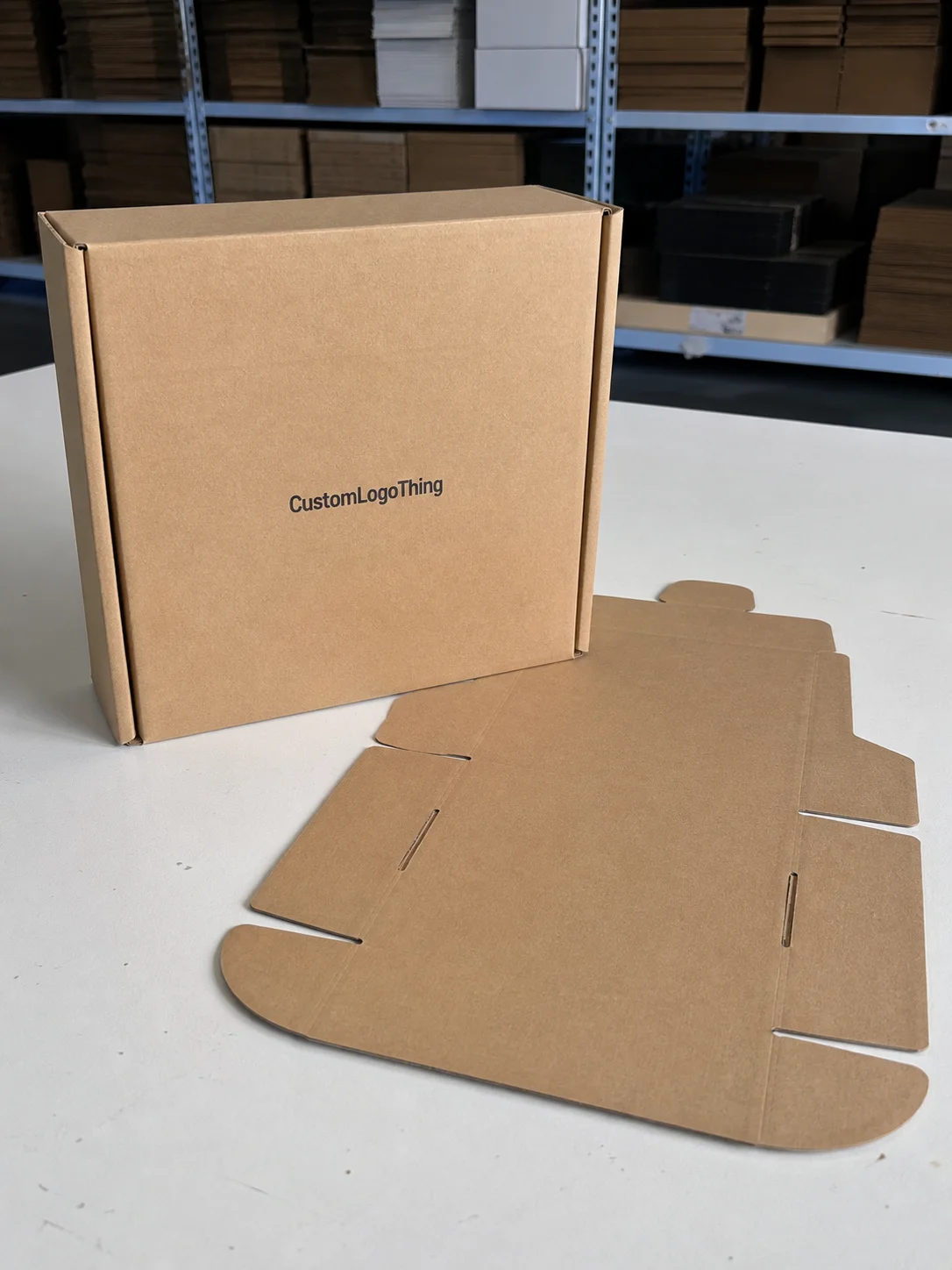
Buyer Fit Snapshot
| Best fit | Retail Packaging Supplier projects where brand print, material claims, artwork control, MOQ, and repeat-order consistency need to be specified before quoting. |
|---|---|
| Quote inputs | Share finished size, material target, print colors, finish, packing count, annual reorder estimate, ship-to region, and any compliance wording. |
| Proofing check | Approve dieline scale, logo placement, barcode or warning zones, color tolerance, closure strength, and carton packing before bulk production. |
| Main risk | Vague material claims, crowded artwork, missing packing details, or unclear freight terms can make a low unit price expensive after revisions. |
Fast answer: Retail Packaging Supplier: Material, Print, Proofing, and Reorder Risk should be specified like a repeatable production item. The safest quote records material, print method, finish, artwork proof, packing count, and reorder notes in one written spec.
Production checks before approval
Compare the actual filled-product size with the drawing, then confirm tolerance on folds, seals, hang holes, label areas, and retail display edges. Reserve space for logos, QR codes, warning copy, and material claims before decorative graphics fill the panel.
Quote comparison points
Review material grade, print process, finish, sampling route, tooling charges, carton quantity, and freight assumptions side by side. A quote is only useful when the supplier can repeat the same color, closure quality, and packing count on the next order.
If you’ve ever opened a shipment and found 200 cartons crushed at one corner, you already know why a retail packaging supplier guide matters. I’ve watched a “cheap” folding carton save a brand a few cents on paperboard, then cost them far more in damage claims, line stoppages, and reprints once the pallets reached a warehouse in New Jersey. A good retail packaging supplier guide is really about helping you avoid those factory-floor surprises before they hit your budget, your schedule, and your margins.
In my experience, the best packaging decisions are never made from a glossy rendering alone. They come from knowing how a box runs through a print line, how it stacks on a Gaylord pallet, how it survives a 36-inch drop test, and how it looks under fluorescent retail lighting on a crowded shelf. That practical side of a retail packaging supplier guide is where a lot of brands either save money or lose it, especially once materials, structure, and transit conditions start working against each other.
And yes, the rendering still matters. But if the carton jams on the folder-gluer at 2:00 a.m. or the retailer rejects the barcode placement on receiving, the beautiful mockup is kinda beside the point. That’s the part people learn the hard way.
What a Retail Packaging Supplier Actually Does
A retail packaging supplier is not just someone who prints logos on boxes. A real supplier translates your product dimensions, brand standards, retail requirements, and shipping realities into a package that can actually be manufactured, packed, transported, and sold. That distinction matters more than people think, especially when you’re comparing custom printed boxes, display trays, sleeves, or inserts that need to hold shape after hundreds of cartons pass through a line.
I’ve seen brands ask for a “premium box” when what they really needed was a structurally sound product packaging solution that could survive stacking, vibration, and warehouse handling. Honestly, I think the cheapest-looking box often becomes the most expensive one once you factor in shipping damage, slow line speeds, and reprints. That’s one reason this retail packaging supplier guide starts with what suppliers actually do on the floor, not just what they promise in a sales deck.
Most suppliers handle several formats, and each one has its own manufacturing quirks:
- Folding cartons for cosmetics, supplements, apparel accessories, and lightweight consumer goods
- Corrugated mailers and shippers for e-commerce and warehouse transit
- Rigid boxes for high-end branded packaging and presentation sets
- Sleeves for wraparound graphics and SKU differentiation
- Inserts made from paperboard, foam, or molded pulp for fit and protection
- Labels and display packaging for retail shelves, club stores, and end caps
There’s also a real difference between a manufacturer, a broker, and a design studio. A manufacturer owns or directly runs the presses, die-cutters, folders, gluers, and inspection steps; a broker sources the job through a network; and a design studio usually focuses on packaging design, branding, and artwork rather than production control. That difference affects pricing, lead time, and accountability. If something goes wrong, you want to know who owns the tooling, who approved the proof, and who is actually responsible for the carton leaving the dock.
Good suppliers also help with structural design, print methods, finishing, compliance, and pack-out planning. That might mean recommending 18pt SBS board instead of 14pt because your product weighs 9.2 ounces, or suggesting a matte aqueous coating because a high-gloss UV finish could scuff in transit. I’ve sat in meetings where a supplier saved a launch simply by pointing out that a barcode panel was too close to a fold. That sort of hands-on guidance is exactly what a strong retail packaging supplier guide should prepare you for.
“The carton looked beautiful in the render, but the first production sample told the truth.” That was a comment from a cosmetics client after we caught a glue flap issue on a 24-pack shipper, and it saved them from a costly month of manual rework.
How Retail Packaging Supply Works From Quote to Delivery
The supply process usually starts with a brief: product dimensions, target quantity, retail channel, and a desired launch date. From there, a supplier creates or reviews the dieline, checks structural fit, and confirms the print method. If you’re working with retail packaging for a shelf display or an e-commerce launch, the quote stage should include material grade, ink coverage, coatings, finishing, tooling, and freight assumptions. A serious retail packaging supplier guide should tell you to compare those details line by line, because small omissions can turn into large surprises later.
In a typical plant sequence, material selection comes first, then printing on an offset or flexographic press, followed by die-cutting, folding, gluing, inspection, and pack-out. On a paperboard job, I’ve watched a 6-color offset run move beautifully until a coating change added a drying delay of several hours. On corrugated work, flexo can be faster, but you need to watch ink laydown and board warp carefully, especially when the flute profile is E-flute or B-flute. Those choices affect not only cost but also how well your package functions in the real world.
Samples and prototypes Matter More Than most brands expect. A prototype lets you check shelf presence, fit, closure strength, and transport durability before you commit to a full run. I remember a food client who wanted a rigid presentation box for a limited set; their sample looked fantastic, but the internal insert caused the lid to bow by nearly 3 mm. We corrected it before production, which avoided a pallet of rejected goods. That kind of early testing belongs in every smart retail packaging supplier guide, because it protects both presentation and performance.
Production timelines depend on tooling, ink matching, coating choices, and substrate. A simple folding carton job might move from proof approval to delivery in 10 to 15 business days, while a rigid box with foil stamping, embossing, and custom inserts can take 20 to 35 business days, depending on material availability and line capacity. If the job requires exact Pantone matching, you may also see extra time for drawdowns and proof revisions. No one likes waiting, but a rushed proof often turns into a costly correction later.
Freight and warehouse coordination are part of the job too. A supplier should confirm carton count per pallet, pallet height, wrap method, and receiving sequence so the goods land where they’re needed. One beverage client I worked with had mixed SKU cartons arriving with no pallet labeling, and the warehouse spent half a shift re-sorting them. Since then, I’ve always recommended printing pallet tags, carton counts, and lot codes clearly. A solid retail packaging supplier guide should make that operational detail feel normal, because it is.
For brands that want a deeper view of package styles and custom options, our Custom Packaging Products page is a useful place to compare formats before you request quotes.
Retail Packaging Supplier Guide: The Key Factors That Shape Supplier Choice and Pricing
Pricing in a retail packaging supplier guide is never just about the printed carton count. Material grade, finished dimensions, print coverage, number of colors, coatings, special finishes, tooling, and order volume all push the number up or down. A 10,000-piece run of 16pt C1S folding cartons with 4-color process and aqueous coating will price very differently from a 2,500-piece rigid box with foil and embossed logos. If someone gives you a quote that feels too low, there is usually a missing piece somewhere.
Larger runs usually lower unit cost, because setup labor and tooling get spread across more pieces. But larger runs also tie up cash in inventory and storage. I’ve seen brands order 50,000 cartons to chase a lower unit price, only to discover they changed the label copy three months later and had 18 pallets of outdated stock. That is the hidden side of a retail packaging supplier guide: unit cost matters, but so does how much money is sitting on a warehouse floor.
The retail environment also shapes the package. A carton for a boutique shelf in a climate-controlled store is not the same as a shipper that will spend two weeks in humid transit and then get stacked under heavier freight. Humidity, stacking strength, abrasion, and shelf life all matter. If your packaging must support both display and transport, you may need stronger board, reinforced tabs, or a corrugated inner. That’s especially true for branded packaging with premium finishes that can scuff if they rub against neighboring cartons.
Compliance and quality are part of the decision too. Color consistency, carton construction, FSC-certified board options, and recycled content claims all require verification. If a supplier says they can provide FSC material, ask for chain-of-custody documentation. For sustainability claims, I often point people to the Forest Stewardship Council and the U.S. Environmental Protection Agency recycling resources so they can separate marketing language from certifiable facts. That’s part of trust, and trust matters when you are buying packaging in volume.
The capabilities that really matter are usually the ones you don’t see on a sales sheet: in-house prepress, structural engineering, rapid sampling, consistent repeat-run control, and a disciplined QC process at the line. I once visited a plant in Shenzhen where the prepress team had a simple but effective habit: every carton proof got checked against a physical steel-rule sample before the run released. That small step prevented color shifts and misfolds that would have cost the client two days of rework. Good suppliers build those checks into the process, not as an afterthought.
How Do You Choose the Right Retail Packaging Supplier?
Start by defining the product, sales channel, budget range, and packaging role. Is the package protecting a fragile item, selling a premium brand story, or doing both? A box for a $12 accessory has different economics than a package for a $120 skincare set. The clearer your brief, the better your retail packaging supplier guide outcome will be, because suppliers can only quote accurately when the inputs are specific.
Next, request detailed quotes using identical specifications. Same dieline, same board grade, same print coverage, same quantity, same finish, same shipping terms. Otherwise you are comparing apples to oranges, and usually one of those oranges is missing a coating fee or die charge. I’ve seen brands pick the lowest number only to discover it did not include plates, cutting dies, or freight. That is not a fair comparison, and it is exactly the sort of mistake a practical retail packaging supplier guide should help you avoid.
Review samples carefully. Don’t just look at them under office lighting for five seconds. Check the glue strength, fit, fold memory, print clarity, and how the package behaves in a real ship test. If possible, put the carton through a small internal drop test or use a lab that follows ISTA procedures. The ISTA site is a good reference point for distribution testing standards. A sample that looks beautiful but opens in transit is a failed package, no matter how nice the render was.
Ask for timeline milestones in writing. You want proof approval date, production start, finishing date, pack-out date, and delivery window. If a supplier gives you only a vague “two to three weeks,” keep asking until you get a real schedule. A supplier with strong operations can usually tell you whether a 12-business-day turnaround is realistic or whether a foil-stamped job needs 18 business days because of press availability. That level of clarity is a hallmark of a dependable retail packaging supplier guide relationship.
Then build a shortlist based on communication quality, manufacturing transparency, quality control, and scalability. Can they handle your current run, but also support a larger line extension later? Will they tell you when a design needs simplification? Are they willing to explain why a material choice helps or hurts your channel? The right supplier acts like a production partner, not just a quote machine. If you want to compare alternatives, browsing Custom Packaging Products alongside supplier quotes can help you frame the options more clearly.
Common Mistakes Brands Make When Buying Retail Packaging
The most common mistake is choosing the lowest quote without checking board specification, print method, or hidden setup costs. A cheap quote on 14pt paperboard may not perform like a quote on 18pt SBS, even if the artwork looks the same on paper. I’ve seen brands save $0.03 per unit and lose $0.40 per unit in damage and replacement costs. That math is brutal, and it’s a lesson every retail packaging supplier guide should make painfully clear.
Another frequent problem is approving artwork before confirming the dieline, barcode space, legal copy, or retailer compliance requirements. Retailers can be picky about panel size, warning statements, recycling marks, and barcode quiet zones. If you print before checking those details, you may end up with a beautiful box that cannot ship into the chain. I once saw a client redo an entire supplement carton run because the barcode was too close to a fold line by just 2 mm. Two millimeters can cost real money.
Lead time gets underestimated all the time. Custom packaging usually needs approvals, sampling, production, finishing, and freight time, and each step can stretch if someone changes copy late in the process. Specialty finishes like soft-touch lamination or foil stamping often add another layer of scheduling complexity. If your launch date is fixed, build buffer into the calendar instead of betting on a perfect run.
Some brands fall in love with a finish that looks great in a mockup but causes practical problems. High-gloss coatings can show scuffs. Soft-touch can attract fingerprints. Heavy embossing can complicate stacking. I like good packaging design as much as anyone, but I’ve seen more than one gorgeous presentation box lose shelf appeal after shipping abrasion dulled the surface. A smart retail packaging supplier guide balances aesthetics with manufacturability.
Ordering too early or too late is another trap. Too early, and you carry excess inventory or risk design changes. Too late, and you pay rush freight, overtime, or split shipments. Both hurt. The cleanest ordering plan is usually one that matches production cadence, storage capacity, and your actual launch calendar.
Expert Tips for Better Cost, Quality, and Timeline Control
Standardize packaging sizes where you can. Even a 1/8-inch change in carton dimensions can trigger new tooling, new board layouts, or new packing constraints. If three products can share one outer structure with different inserts, you often reduce changeover time and improve repeat-run efficiency. That kind of thinking belongs in every seasoned retail packaging supplier guide.
Use the right material for the channel. Corrugated works well for heavier transit stress, while SBS or coated paperboard suits premium shelf presentation and lighter product weights. If the item is both retail-facing and e-commerce bound, you may need a hybrid solution with a stronger shipper and a cleaner interior retail box. I’ve seen a lot of brands overbuild the wrong part of the package, which raises cost without improving protection.
You can save money without hurting presentation by simplifying print coverage, tightening the color count, or reducing unnecessary finishes. For example, moving from a 5-color layout with foil and embossing to a strong 4-color design with a selective matte coating can cut both setup cost and production risk. A good supplier should be able to tell you where the savings are real and where they are false economy. That honesty is what makes a retail packaging supplier guide useful instead of theoretical.
Timeline control improves when you give yourself room for color proofs, sampling, and freight. Seasonal demand spikes can slow plants down, especially when everyone is asking for the same board grades or finishing services. If your brand launch is tied to a trade show or retailer reset, start earlier than you think you need to. I’d rather see a brand with a finished sample in hand and five spare days than one waiting on a dock with 20,000 cartons still in transit.
Ask for manufacturability feedback early. A small dieline tweak, a wider glue flap, or a simpler insert can eliminate production penalties before they appear. In one supplier negotiation, we saved a client nearly 8% on the job just by moving the branding away from an edge that was causing registration issues. That is the kind of practical win a real retail packaging supplier guide should encourage.
One more thing that gets overlooked: keep a record of what actually worked. After a production run, note the board spec, coating, freight mode, and any handling problems. The next time you buy, that history is worth more than a polished proposal deck.
What to Do Next After Reading This Retail Packaging Supplier Guide
Begin with a one-page packaging brief. Include product dimensions, quantity, target budget, finish preferences, launch deadline, and whether the package is meant for shelf display, shipping, or both. If you can attach product photos and a rough sketch, even better. The more concrete your brief, the cleaner your supplier responses will be, and the easier it becomes to use this retail packaging supplier guide in a real buying process.
Gather competitor packaging samples or shelf photos. A supplier can learn a lot from seeing what you want to match, improve, or avoid. I’ve had clients bring in three boxes from a competitor aisle and a photo of a store end cap, and that was enough to align everyone on print style, construction, and package branding goals. That kind of visual reference cuts down on guesswork fast.
Request two or three sample quotes using identical specs, then compare material, timeline, setup charges, and included services. If one quote is dramatically lower, ask what is missing. Freight? Plates? Die charges? Sampling? The lowest number rarely tells the whole story. A strong retail packaging supplier guide teaches you to inspect total landed cost, not just the unit rate.
Whenever the package must ship, stack, or display in a strict retail environment, ask for a prototype or structural sample before approving full production. A sample gives you a real chance to test fit, readability, closure strength, and how the box behaves on a shelf. It’s a small step that can prevent a large and embarrassing correction later.
Finally, set up an internal approval checklist for artwork, compliance, and delivery. That checklist should include barcode review, legal copy review, proof signoff, and receiving instructions. If you build that discipline once, future launches move much more smoothly. That is the practical end of this retail packaging supplier guide: better questions, cleaner approvals, fewer surprises.
For brands ready to compare structures, materials, and custom formats, Custom Logo Things can help with Custom Packaging Products that fit retail and shipping demands without sacrificing presentation.
FAQ
What should I ask a retail packaging supplier before getting a quote?
Ask which materials, print methods, coatings, and finishing options are included in the quote. Confirm whether sampling, tooling, freight, and revision charges are separate. Request the expected timeline from proof approval to delivery so you can judge whether the supplier can meet your launch date. A strong retail packaging supplier guide always starts with those basics.
How do I compare retail packaging supplier pricing fairly?
Use the same dieline, dimensions, material grade, print coverage, and quantity for every quote. Check whether the unit price includes setup, plates, dies, and finishing or only raw production. Compare total landed cost, not just the per-piece rate, because freight and setup can change the real number fast. That is one of the core lessons in any useful retail packaging supplier guide.
What is the usual timeline for custom retail packaging?
Most projects include briefing, quote approval, structural or artwork proofing, sampling, production, finishing, and shipping. Simple jobs may move faster, while complex packaging with specialty finishes or custom inserts takes longer. Allow extra time for revisions, color matching, and freight delays. In my experience, a realistic schedule is better than an optimistic one.
What packaging materials do retail suppliers usually offer?
Common options include folding carton board, corrugated board, rigid board, labels, sleeves, inserts, and display units. The best material depends on product weight, retail presentation, shipping stress, and budget. A good supplier should explain why one substrate performs better than another for your use case, not just list material names.
How can I reduce retail packaging costs without hurting quality?
Reduce unnecessary specialty finishes and simplify print coverage where possible. Choose a material and structure that fits the distribution channel instead of overbuilding the package. Order strategically in quantities that balance unit cost with storage and cash flow. If you want the shortest version of this retail packaging supplier guide, it’s this: spend where the package earns its keep, and cut where the buyer will never notice.