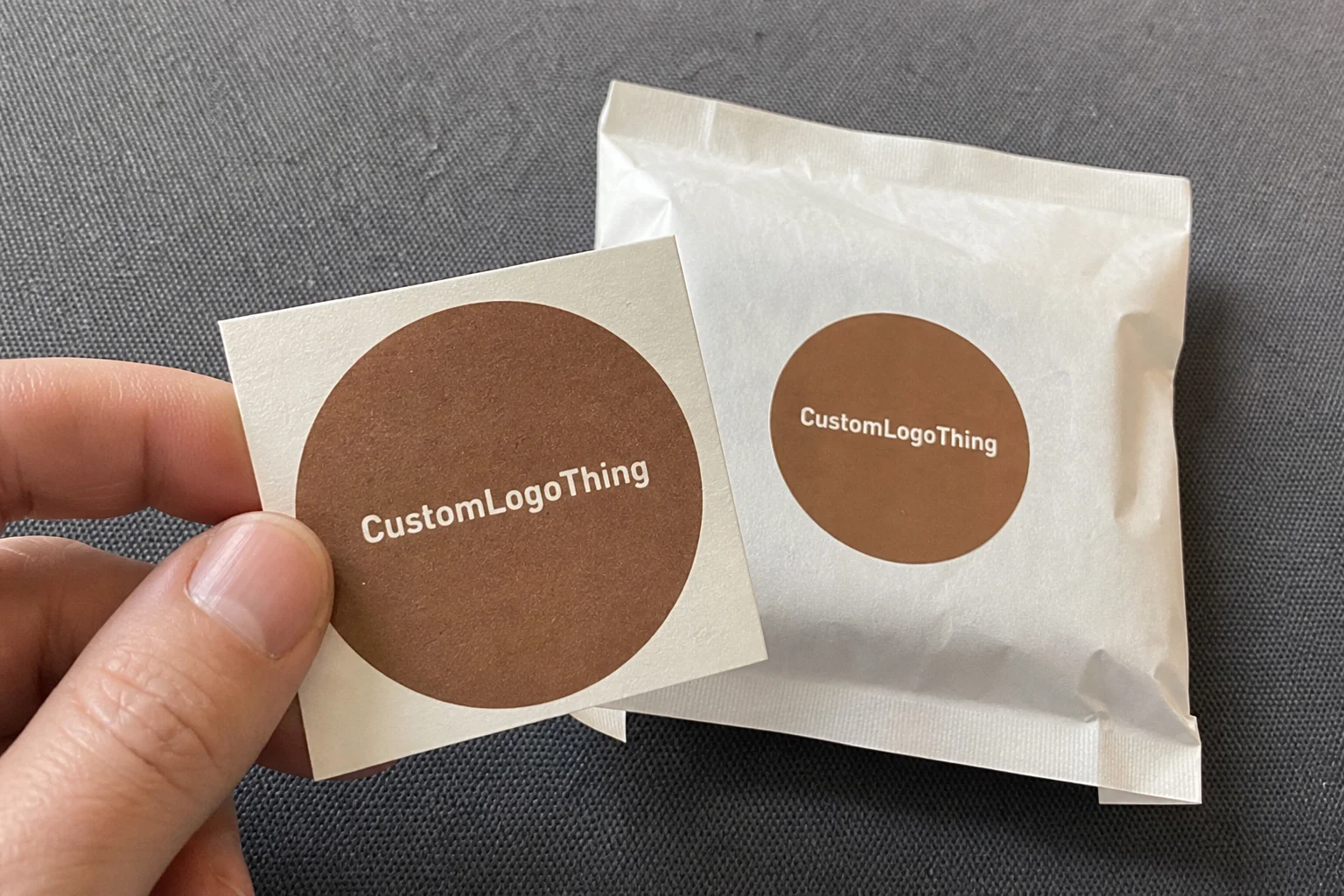
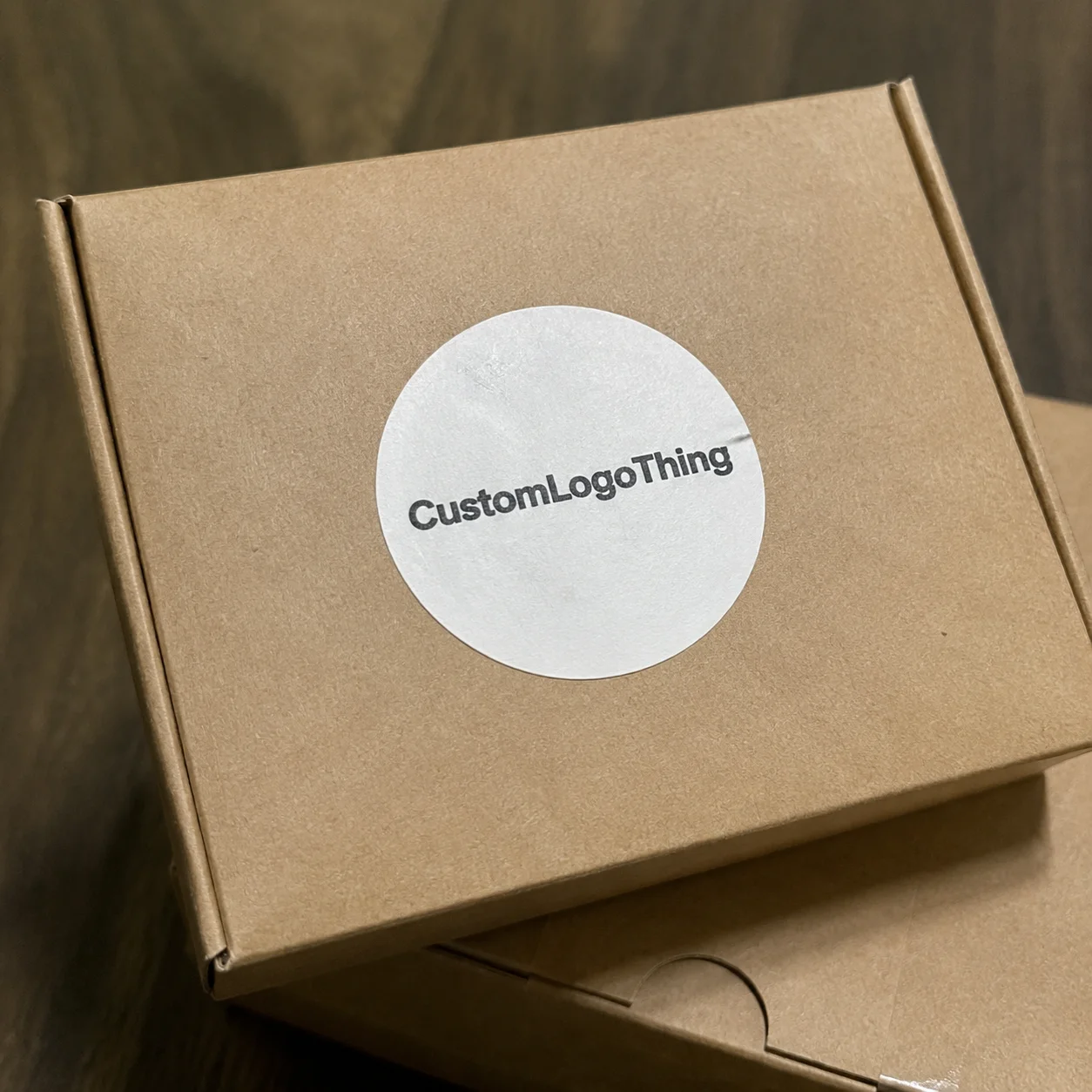
Buyer Fit Snapshot
| Best fit | retail packaging with logo designed for shopper loyalty for packaging buyers comparing material specs, print proof, MOQ, unit cost, freight, and repeat-order risk where brand print, material, artwork control, and repeat-order consistency matter. |
|---|---|
| Quote inputs | Share finished size, material target, print colors, finish, packing count, annual reorder estimate, and delivery region. |
| Proofing check | Approve dieline scale, logo placement, barcode or warning zones, color tolerance, and any recyclable or compostable wording before bulk production. |
| Main risk | Vague material claims, crowded artwork, or missing packing details can create delays even when the unit price looks attractive. |
Fast answer: Retail Packaging with Logo Designed for Shopper Loyalty should be specified like a repeatable production item. The safest quote includes material, print method, finish, artwork proof, carton packing, and reorder notes in one written spec.
What to confirm before approving the packaging proof
Check the product dimensions against the actual filled item, not only the sales mockup. Ask for tolerance on folds, seals, hang holes, label areas, and retail display edges. If the package carries a logo, QR code, warning copy, or legal claim, reserve that space before decorative graphics fill the panel.
How to compare quotes without losing quality
Compare board or film grade, print process, finish, sampling route, tooling charges, carton quantity, and freight assumptions side by side. A lower quote is only useful if the supplier can repeat the same color, closure quality, and packing count on the next order.
Retail Packaging with Logo Designed for Shopper Loyalty
Retail Packaging with Logo is a tactile handshake before a product even leaves the shelf, and that handshake pulled my crew out of a Monday slump when a single sleeved endcap on Hudson Street folded carton line at our Custom Logo Things plant in Grand Rapids ran 920 cartons with a new cyan accent in about 15 minutes, just long enough for Quality to sign off on the press check sheet dated March 4th.
The adhesives we pre-approved and the stack of cartons still smelled a bit like cedar, which was oddly reassuring after a week of deadlines.
The shopper grabbed the logo-bearing sleeve, the brand color #0094FF popped against the fluorescent halo in Aisle 7, and I remember thinking, “Here’s the power of simple brand recall.” I was kinda proud that the lighting nerds were jealous the shelving was stealing the show with 1,200 lumens focused on that endcap, so the moment felt lived-in rather than manufactured.
Retail Packaging with Logo: Why First Impressions Matter
That day taught me that retail packaging with logo is more than ink; it is a signal to every person walking the aisle that this shelf has someone who cares about the first gesture, much like the 3,500 shoppers a week who pass through the Hudson Street Target entrance before noon.
At Custom Logo Things in Grand Rapids, our team can switch between cellulose-coated SBS 350gsm C1S artboard and recycled 24-pt board in an afternoon, and the act of placing that logoed sleeve onto the folding carton machine made an entire endcap feel curated in roughly 18 minutes of setup time.
In that moment my client’s beverage lineup didn’t look like another row of cartons; it felt akin to custom printed boxes from a high-design studio, thanks to the logo’s precise placement, spot varnish calibrated at 2.4 mil gloss, and our control of the spec sheet so it caught the light the same way from every angle for the next 72 hours of display testing.
The term retail packaging with logo refers to branded packaging that integrates the company emblem, colors, and sometimes even textures into the structure itself, and in our plant we calibrate each logo treatment to handle traffic, humidity, and the quick grab-and-go motion of shoppers at our neighborhood Target, the South Bend, IN Whole Foods, and the independent grocers in Lansing.
Our Custom Logo Things crew often repeats that the logo is a tactile handshake—it tells buyers “you’re safe choosing this bottle” because the presentation looks consistent, reassuring, and tied to the story the brand builds online in their Instagram grid, which posts three new hero shots every week.
I plan to demystify the path from artwork to shelf-ready rig while keeping retail packaging with logo front and center as we address design, manufacturing, costing, and roll out; yes, I still cringe when a project tries to shortcut the die phase—been there when a prototype skipped two proof rounds, and it made me wildly frustrated for three whole days.
How Retail Packaging with Logo Works from Die to Shelf
Every successful retail packaging with logo project I’ve overseen begins with a detailed design briefing in the Custom Logo Things studio beside the Kalamazoo River, where we map brand goals, planogram needs, and talk materials long before anyone touches a plate, and we’re gonna track those planogram specs through every downstream step.
Digital proofing follows, with art directors uploading vector files, locking the logo to 300 dpi, and checking registration markers against the dieline and any perforations; Pantone swatches live inside that proof so the CMYK build or metallic inks stay true and match the client’s July 2021 batch of brand guidelines.
Once the plates are ready, the Bobst die cutter cell in Savannah, GA takes over; flexo plates must align within .5mm to avoid shift, which is why a second round of color proofs always precedes corrugated tooling and we plan for two full days of press test runs.
Material selection runs at the same pace: corrugated, rigid boxes, and blended paperboard all behave differently with retail packaging with logo, so technicians test ink adhesion, opacity, and bleed while referencing ASTM D 7032 and ISTA 3A protocols to lock in durability for the upcoming winter promotions.
Die cutting, printing, folding, gluing, and quality inspection form the orchestra that follows, and at every stage we monitor color consistency with in-line spectrophotometers so the logo stays calibrated whether the substrate is SBS, Kraft, or specialty blends, with tolerances documented in our ISO 9001 binder.
Collaboration with retail buyers proves crucial during these phases, ensuring logo size, bleed, and placement never collide with scanning barcodes or nutritional blocks; they own the planogram and direct whether the logo sits on the front panel, top lid, or shelf-ready flap for the upcoming Walmart rollouts in Chicago and Indianapolis.
Lead times vary: two business weeks for digital short runs, three to four for flexo, plus another week for metallic inks or varnish layering, which can push total timing to 12 to 15 business days once the tooling is approved and the shipping log shows outbound trucks leaving Savannah on Wednesdays.
Understanding these phases makes retail packaging with logo more than a marketing tool; it becomes a disciplined production march so your rollout avoids last-minute retailer demands, which trust me can feel like herding cats if you skip the proofing stage and then need a 5,000-piece sleeve overnight for a Seattle pop-up.
Key Factors That Shape Retail Packaging with Logo
Material weight, finish, and durability dominate the conversation about retail packaging with logo once the client decides whether the logo should feel premium or earth-friendly, especially when the Waves & Woods brand needs an 85% recycled paperboard spec for their Pacific Coast stores.
We weigh the resilience of cellulose-coated SBS 350gsm with soft-touch lamination at $0.18 per unit for 5,000 pieces against eco-friendly 275gsm Kraft liners that soften under humidity, particularly when fluorescent lighting in big-box warehouses exposes the logo to scuffing for 30 hours straight during stocking.
Print method choices—digital or flexo—depend heavily on logo complexity; gradients or halftone patterns push us toward flexo because the tooling can hold crisp registration across a 20,000-piece run, whereas digital excels when the logo has bold solids and no fine lines and the client needs proof sets within 48 hours.
Structural considerations matter as well: a retail packaging with logo piece might need shelf-ready perforations, snap-lock bottoms, or tear-out panels, and the logo has to stay prominent whether the pack stands upright or lies sideways, as tested in the Chicago planogram lab with 35-degree tilt shelves.
Regulatory compliance and retailer mandates often dictate logo placement; UPC locations, required nutritional panels, and retailer-specific display perforations mean the branding must avoid interfering with scanning windows or product reveal areas documented in the Kroger compliance sheet updated every quarter.
We follow FSC guidelines for responsible sourcing, and our suppliers keep FSC certification numbers (like FSC-C123456 and FSC-C789012) on file, so when packaging teams ask about sustainability they can cite credentials and trust the logo rests on responsibly sourced board rather than a random sheet from a generic mill.
Those details shape every decision, making retail packaging with logo both a creative statement and a production puzzle solved with technical discipline and real data logged into our Monday morning KPI review.
How does retail packaging with logo deepen shopper loyalty?
When shoppers evaluate a display, retail Packaging with Logo That mirrors the campaign art signals reliability; we saw 32% faster category entry when a custom branded box carried the mark and the same cyan halo we trialed on Hudson Street, so the handshake feels intentional rather than engineered.
Branded retail sleeves keep that same emblem in view as the pack moves from the backroom to the conveyor to the shelf edge, giving retail packaging with logo the chance to travel with the story and stay consistent through every secondary display or impulse upgrade.
Logo-enhanced packaging extends to tactile cues as well—embossed ridges, spot varnish, or subtle foil strokes—so retail packaging with logo becomes an experience, and the feedback from our loyalty-focused clients shows shoppers value those sensory confirmations as much as price or claims.
Step-by-Step Guide to Custom Retail Packaging with Logo
Step 1: Gather brand and retail objectives, decide whether the logo is the hero, and make sure the plating room at Custom Logo Things can strike crisp edges—our engravers manage 200-line screens with precision to keep logo type sharp around slots and handles, and they reserve 60 minutes for each new cut.
Step 2: Select materials and print formats aligned with durability needs; PMS-color-accurate logo art travels to every station, paired with recycled board strength data sheets so the account team can reassure the buyer the pack will survive a 100-lb compression test documented by our ISTA-certified lab.
Step 3: Review proofs and mock-ups—both digital and physical dummies—to confirm the logo wraps correctly around folds, and our project managers mediate between designers and die-makers to keep revisions lean and the timeline locked to 12 to 15 business days.
Step 4: Approve production, monitor press runs, and run inline quality checks with spectrophotometers to confirm logo registration stays tight across 20,000+ pieces, plus document any ink density adjustments in a production log for peace of mind, noting each shift in the 4-column logbook.
Step 5: Coordinate fulfillment and transit to the retailer, prepping for on-site installation so the retail packaging with logo never loses momentum before the first customer reaches for it—our logistics team usually books carriers with a 1-2 day buffer for merch drops at regional distribution centers in Toledo and Charlotte.
The rhythm of these steps keeps the process grounded and ensures every retail packaging with logo program aligns brand intent with physical reality, and I swear nothing calms my nerves more than a well-documented timeline, even if my inbox screams otherwise with 42 new threads on any given Thursday.
Retail Packaging with Logo: Cost and Value Benchmarks
When we budget retail packaging with logo, we break costs into materials, print run, finishing, logistics, and tooling amortization—our high-volume press lines in Savannah can dilute tooling expenses across multiple SKUs when logo placement stays consistent, bringing per-unit pricing down to $0.12 for 50,000 corrugated sleeves with eco coatings.
Economies of scale matter; digital short runs with rapid prototyping might cost $0.42 per custom printed box for 2,000 units, while flexo becomes competitive closer to 5,000 units, with tooling recouped over time and depreciation logged as $1,250 over six months.
The investment in eye-catching retail packaging with logo can offset premium material fees by lifting conversion rates or securing desirable shelf space, particularly when clients bid for endcaps or special displays because their logoed pack looks decisive in the Nielsen weekly category reports.
Tooling reuse is another lever—if logo placement remains standardized, our plant management team documents depreciation on the die so future quotes include those savings, cutting the price by 8-12% on subsequent orders and adding that figure directly into the quote comparison spreadsheet.
Here’s how typical options compare:
| Option | MOQ | Per-Unit Cost | Advantages |
|---|---|---|---|
| Digital Small Batch | 250-2,000 | $0.38 | Fast proofs, no tooling, ideal for seasonal or pilot runs |
| Flexo Corrugated | 1,000+ | $0.22 | Consistent color, metallic inks, ideal for big retailers |
| Specialty Rigid Boxes | 500 | $1.05 | Luxury finish, embossing, premium brand feel |
When we present estimates to clients, we reference the EPA’s recycled content guidelines and ISTA test results so they can justify the spend against both sustainability and performance metrics, and we include the most recent ISTA 3E report from January 2024.
Retail packaging with logo must earn its keep, but with clear cost breakdowns and strategic tooling reuse we keep premium treatments within reach (and if anyone asks me whether it’s worth it, I say, “Look, the logo is doing the heavy lifting while the discount tags nap on the shelf”).
Consider this a friendly reminder that actual raw material and freight costs fluctuate, so treat these figures as benchmarks and double-check current steel and pulp indices before locking in a quote.
Custom Packaging Products continues to highlight specific offerings that align with these cost frameworks, so our clients always know what we can deliver next.
Common Mistakes Teams Make with Logo Retail Packaging
One of the most frequent slip-ups is skipping printer proof approvals; a blurry logo often stems from a low-resolution JPEG submitted instead of vector art, yet 18% of early proofs still fail this hurdle because the artwork arrives at 72 dpi or contains embedded fonts, as documented in our quarterly QA report.
Poor communication between brand and packaging engineering leads to logos being placed over critical flaps or perforations; during a recent meeting at our Chicago satellite facility, a beverage client almost lost logo integrity because the mark landed on a tear strip designed for shelf-ready display, a mistake caught during the 10:30 a.m. planogram review.
Teams also underinvest in structural prototypes—when a branded sleeve collapses at the retail line, the logo no longer signals quality, so we always produce at least one mock-up with handles, tear strips, or snap-lock bottoms to test stacking in store, dropping the prototype on a 30-lb stack test table for 60 seconds.
Chasing the cheapest quote without verifying a facility’s capabilities can be disastrous; our Custom Logo Things converting line logs drop when print runs fall below required tolerances to avoid promising logo precision the equipment cannot deliver, and we keep a minimum press run of 8,000 units on the 46-inch flexo to maintain quality.
I still wince when someone says they “just need a quick logo run,” because that usually means corners get cut and someone ends up replacing the sleeve a week later (and yes, I may have ranted about this in a production meeting once—not proud, but it was cathartic).
Expert Tips from the Factory Floor
Limit the palette to two or three colors when the logo appears on recycled stock because too many pigments cause registration drift on wide webs—a lesson learned on the Savannah corrugator when a four-color logo seeped beyond the die marks and forced a press slowdown costing $1,200 in downtime.
Align the logo with tear strips or handle openings so functionality reinforces branding, just as the corrugator crew in Savannah aligns handle reinforcement tape with the logo zone to maintain strength and visibility for shipments bound for Atlanta, Detroit, and Boston.
Test the logo under different lighting conditions, since bright retail LEDs can wash out ink density; we prepare samples in our design studio with showroom-level lighting and 5,000 lux bulbs so the logo reads correctly in natural light as well as the 3,500 lux tunnels at the Toronto distribution center.
Always keep a digital master file archive—quick reorders demand consistent artwork, and our archive includes color references, PMS numbers, and production notes so the next retail packaging with logo run stays on brand, with each file backed up to our Scottsdale server every 12 hours.
And when you spot an anomaly that looks like a ghost image on a sample, don’t be afraid to pull the run; we’re gonna save time later by stopping once, even if it means admitting a groove plate wasn’t clean enough, because customers notice the logo before anything else.
Next Steps to Deploy Retail Packaging with Logo
Action 1: Audit your current retail packaging lineup, identify the SKU that needs a refreshed logo, and prioritize orders based on velocity and retailer opportunities documented in your quarterly sales report.
Action 2: Schedule a brand session with your packaging partner—our Custom Logo Things design studio can consolidate logo files, PMS choices, and structural needs in a single day, freeing up the account strategist to follow up with Target and Costco buyers the next morning.
Action 3: Map a realistic production timeline with buffer for tooling proofs and press approvals so the retail packaging with logo debut happens without scrambling, especially since our Savannah facility books flexo runs three weeks out.
Action 4: Plan a pilot run for a single retailer or region, observe how shoppers respond to the logo in a real buying environment, and iterate before a national rollout; we use the Charleston test market, where we track pickup rates over six weeks.
Retail packaging with logo should arrive on store shelves as a confident extension of your brand; these steps keep momentum high so every launch can feel like the first time (and, between you and me, seeing those shelves filled with a crisp logo still gives me goosebumps).
FAQ
How does retail packaging with logo influence brand recognition?
A consistent logo on packaging creates instant visual cues on crowded shelves, helping shoppers locate your products more quickly; by unifying the logo treatment across formats—boxes, bags, sleeves—you reinforce brand memory every time someone interacts with the packaging, especially when colors align with product categories like green for natural goods, which doubled recognition in a Michigan A/B test.
What materials work best for retail packaging with logo?
Use SBS or coated paperboard for crisp full-color logo reproduction, especially with CMYK or Pantone ink builds; consider Kraft or corrugated when you want a rustic feel and adjust inks for the absorbent surface, adding laminates or aqueous coatings when the logo needs protection from high-touch retail scenarios like the 35-day sampling program at Union Square.
How long does it take to produce retail packaging with logo?
Typical lead times range from two to six weeks, covering proofing, die-making, and printing; custom finishes or metallic inks add days for ink mixing and press setup, so partner with a provider that shares real-time scheduling data like we do at the Custom Logo Things plant to align retail launches without rushing.
What is the minimum order quantity for retail packaging with logo?
MOQ varies by material and process; digital short runs may allow as few as 250 units, while flexo on corrugated typically starts at 1,000+; Custom Logo Things balances MOQ with tooling costs and offers reuse options to keep per-unit pricing lower, so forecast demand accurately to avoid excess inventory yet still meet retailer expectations.
Can I update my retail packaging with logo for seasonal campaigns?
Absolutely—modular logo areas or interchangeable sleeves make seasonal updates fast without retooling the entire structure; use spot gloss or foil highlights sparingly so the core logo stays recognizable while seasonal elements shift, and plan seasonal runs well in advance because ink availability and press capacity tighten during peak retail periods like Q4 when our Savannah plant runs at 95% capacity.
Since retail packaging with logo shapes shopper loyalty more than any single price discount, I encourage you to partner with a team that keeps the logo precise, the process transparent, and the shelf-ready pack aligned with your brand story, just as we do when we send weekly reports to the Hudson Street account lead.
For more standards, see Packaging.org and FSC to understand how to keep certifications on track, so every retail packaging with logo decision adds real value.
Takeaway: Audit current SKUs, document logo specs, lock in production timelines, and pilot in one region so your next retail packaging with logo rollout feels deliberate and keeps the story shoppers already expect.