Buyer Fit Snapshot
| Best fit | Review Biodegradable Mailer Pack Branding projects where brand print, material claims, artwork control, MOQ, and repeat-order consistency need to be specified before quoting. |
|---|---|
| Quote inputs | Share finished size, material target, print colors, finish, packing count, annual reorder estimate, ship-to region, and any compliance wording. |
| Proofing check | Approve dieline scale, logo placement, barcode or warning zones, color tolerance, closure strength, and carton packing before bulk production. |
| Main risk | Vague material claims, crowded artwork, missing packing details, or unclear freight terms can make a low unit price expensive after revisions. |
Fast answer: Review Biodegradable Mailer Pack Branding: Material Claims, Seal Quality, and Freight Cost should be specified like a repeatable production item. The safest quote records material, print method, finish, artwork proof, packing count, and reorder notes in one written spec.
Production checks before approval
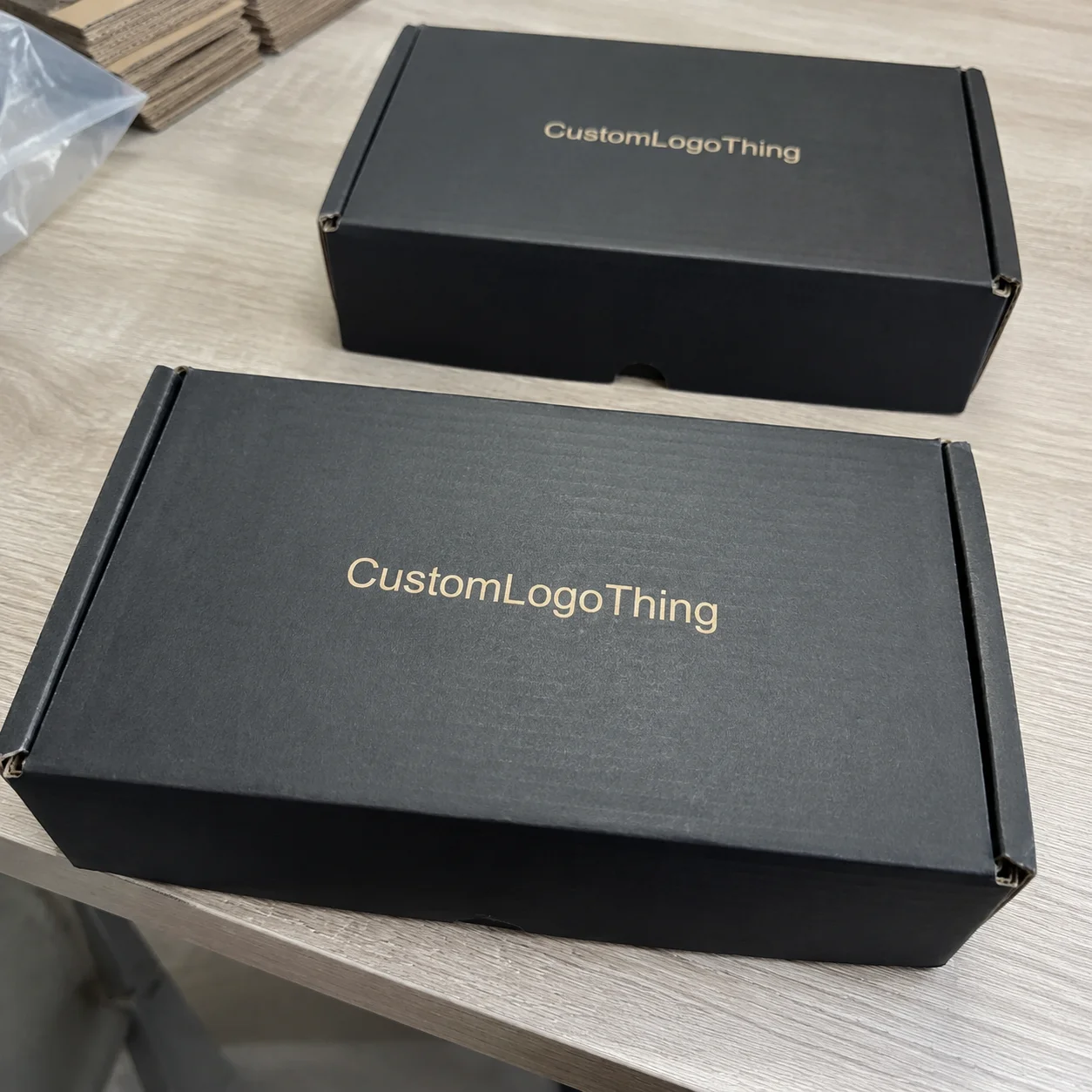
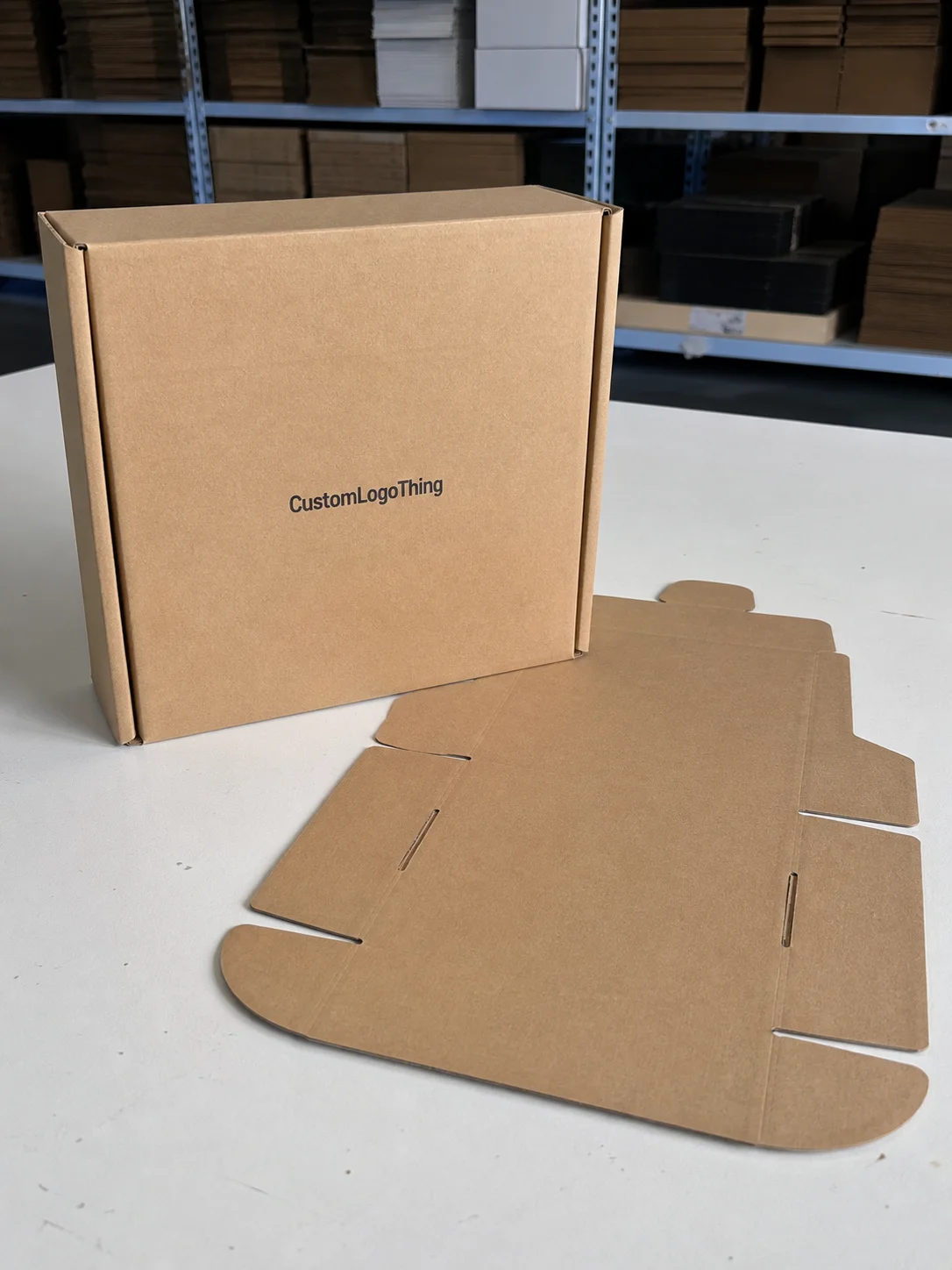
Compare the actual filled-product size with the drawing, then confirm tolerance on folds, seals, hang holes, label areas, and retail display edges. Reserve space for logos, QR codes, warning copy, and material claims before decorative graphics fill the panel.
Quote comparison points
Review material grade, print process, finish, sampling route, tooling charges, carton quantity, and freight assumptions side by side. A quote is only useful when the supplier can repeat the same color, closure quality, and packing count on the next order.
When I first started to Review Biodegradable Mailer pack branding on real packing lines, I learned fast that a mailer can look immaculate under warehouse LED lights and still come off a conveyor with scuffed corners, stretched ink, and a logo that looks tired after one truck ride. I remember one factory visit in Dongguan, Guangdong, where the sample looked gorgeous on a screen, the buyer was thrilled, and then we watched the first pallet go through staging like it had personally offended the universe. By the time it reached the dock, the “fresh eco look” had become “we tried.” In more than one plant visit, I watched “eco” mailers sail through a design review on a monitor, then buckle under a 14-inch drop test or pick up rub marks after 30 minutes in a hot staging area at 32°C. That gap between brochure promise and factory-floor reality is exactly why I take review biodegradable mailer pack branding seriously, and why a buyer should too.
For Custom Logo Things, I want this to read like the honest note I’d hand to a client after a sample run in Shenzhen or Ho Chi Minh City. If you’re comparing review biodegradable mailer pack branding methods for ecommerce, apparel, cosmetics, or subscription shipments, you need a practical answer: which option holds up, what it costs, how long it takes, and where the hidden problems show up. I’ve seen all of the usual suspects—flexographic print, digital print, pressure-sensitive labels, and stripped-back one-color logos—and each one has a place, but not every one is right for every substrate or packing workflow. Half the battle is just getting people to stop falling in love with the mockup before the samples have been dragged across a table for 20 minutes.
Quick Answer: Which biodegradable mailer pack branding actually holds up?
If you want the shortest honest answer to review biodegradable mailer pack branding, here it is: simple direct print usually wins for durability, one- or two-color flexographic branding often wins for volume economics, labels win for flexibility, and minimal monochrome artwork wins when the goal is clean brand identity without risking ink coverage problems. I’ve stood beside form-fill-seal lines in two Shenzhen facilities where full-color “green” mailers looked beautiful in cartons, then started showing rub wear after one busy morning of bagging, stacking, and pallet wrap. The package branding that survived best was almost always the one that respected the substrate instead of fighting it. Revolutionary? Apparently.
Here’s the practical split. If your brand needs premium shelf appeal, high-contrast logo visibility, and a polished unboxing experience, then digital print on compatible compostable film can look excellent at lower MOQs, provided the ink system is tested properly. If you need a low-cost, short-run solution, pressure-sensitive labels from a proper rollstock converter in Dongguan or Xiamen can be the fastest route, with typical lead times of 7-10 business days for stock material and 12-15 business days if you need custom die-cut shapes. If your mailers are going through rough courier hubs, customs cross-docks, or returns-heavy flows, a restrained one-color logo on a matte biodegradable surface often stays readable far longer than a busy full-bleed graphic.
Honestly, I think most brands get this backward. They spend the budget on extra color, gradients, and decorative patterns, then skimp on substrate testing, adhesive verification, or courier abuse checks. That is how you end up with branding that looks strong on day one but weak by the time the parcel reaches a customer in another city, whether that is Manchester, Melbourne, or Minneapolis. For review biodegradable mailer pack branding, the winning formula is usually one that balances brand identity, production speed, and actual shipping abuse, not just visual sparkle.
“We had a lovely compostable mailer sample that photographed perfectly, but after 48 hours in a humid staging room, the corners curled and the label edge lifted. We switched to a simpler print and the complaints stopped.”
— An apparel client I worked with during a fulfillment-line audit in Guangzhou
My quick verdict: for most brands, one-color or two-color direct print is the best all-around choice for review biodegradable mailer pack branding, especially if the goal is clear logo recognition, reliable line-speed compatibility, and lower total waste during setup. Labels are a useful backup for short runs or artwork changes, but they are not always the best answer for compostable claims. Full-coverage premium branding can work, but only if the substrate, ink, and adhesive package are tested together. I know, thrilling stuff. But this is the difference between a mailer that survives transit and a mailer that looks like it got in a fight with a forklift in a warehouse outside Suzhou.
Top Options Compared for review biodegradable mailer pack branding
When I compare review biodegradable mailer pack branding options side by side, I look at four things first: how the print sits on the film, how much abuse it can take, whether the line can run at speed, and whether the finished look actually matches the brand’s packaging design. A good-looking sample means little if the mailers are going through heat-sealed packing stations, drop sorters, and van loads in July in Bangkok or Dallas. The substrate matters too—PLA blends, starch-based films, kraft-poly hybrids, and compostable courier bags each behave differently. I’ve had converters in Ningbo swear two materials were “basically the same.” They were not. Not even close.
Below is the comparison I use with buyers when they ask me to review biodegradable mailer pack branding for different product packaging programs.
| Branding Method | Best For | Typical Cost Band | Durability | Notes from Real Use |
|---|---|---|---|---|
| Direct flexographic print | High-volume ecommerce, apparel, repeat SKUs | $0.08–$0.22/unit at 10,000+ pieces | Strong | Good line-speed performance; fewer smudges if cured correctly; plate setup usually adds $180–$350 per color |
| Digital print | Short runs, seasonal artwork, premium visuals | $0.18–$0.45/unit at 1,000–5,000 pieces | Medium to strong | Great for detail; can scuff if laminate or coating is weak; typical proof-to-production is 12-15 business days after proof approval |
| Pressure-sensitive labels | Fast artwork changes, small brands, multi-language packs | $0.12–$0.30/unit including application | Medium | Useful, but label lift at seams can be a real problem in humidity; adhesive testing in 60-70% RH matters |
| Monochrome branding | Low-cost, high-clarity identity marks | $0.05–$0.16/unit | Strong | Minimal coverage often lasts better than full-bleed art; works well on 35–50 micron matte compostable film |
Direct print is usually my first call for a serious review biodegradable mailer pack branding project. On a PLA blend with a properly matched ink system, it can look crisp and stay readable after rubbing against other parcels. The weakness is that not every biodegradable film accepts ink equally well, and if the surface energy is off by even a little, you can see patchy laydown or soft edges. That happened to us during a supplier negotiation in Guangdong, where a promised “universal” ink system turned out to be fine on a kraft-poly hybrid but much less reliable on a thin starch-based film. The supplier kept smiling. I did not. The sample batch was 3,000 pieces, and the bad laydown showed up after a 15-minute abrasion test with corrugated cartons from a Foshan converter.
Digital print gives you better flexibility for branding changes, limited editions, and campaigns that need multiple artwork versions. I like it for cosmetics and lifestyle brands that care about a premium look and want to coordinate mailers with custom printed boxes or inserts. The downside is that high-detail graphics can make any abrasion more obvious, especially on matte biodegradable surfaces. On one fulfillment visit in Wenzhou, a subscription brand had beautiful gradient mailers, but the postal bag rub against the shrink-wrapped cartons made the lightest areas look uneven by the time pallets reached the outbound dock. Pretty on the desk. Less pretty after a few hours with the actual distribution chain.
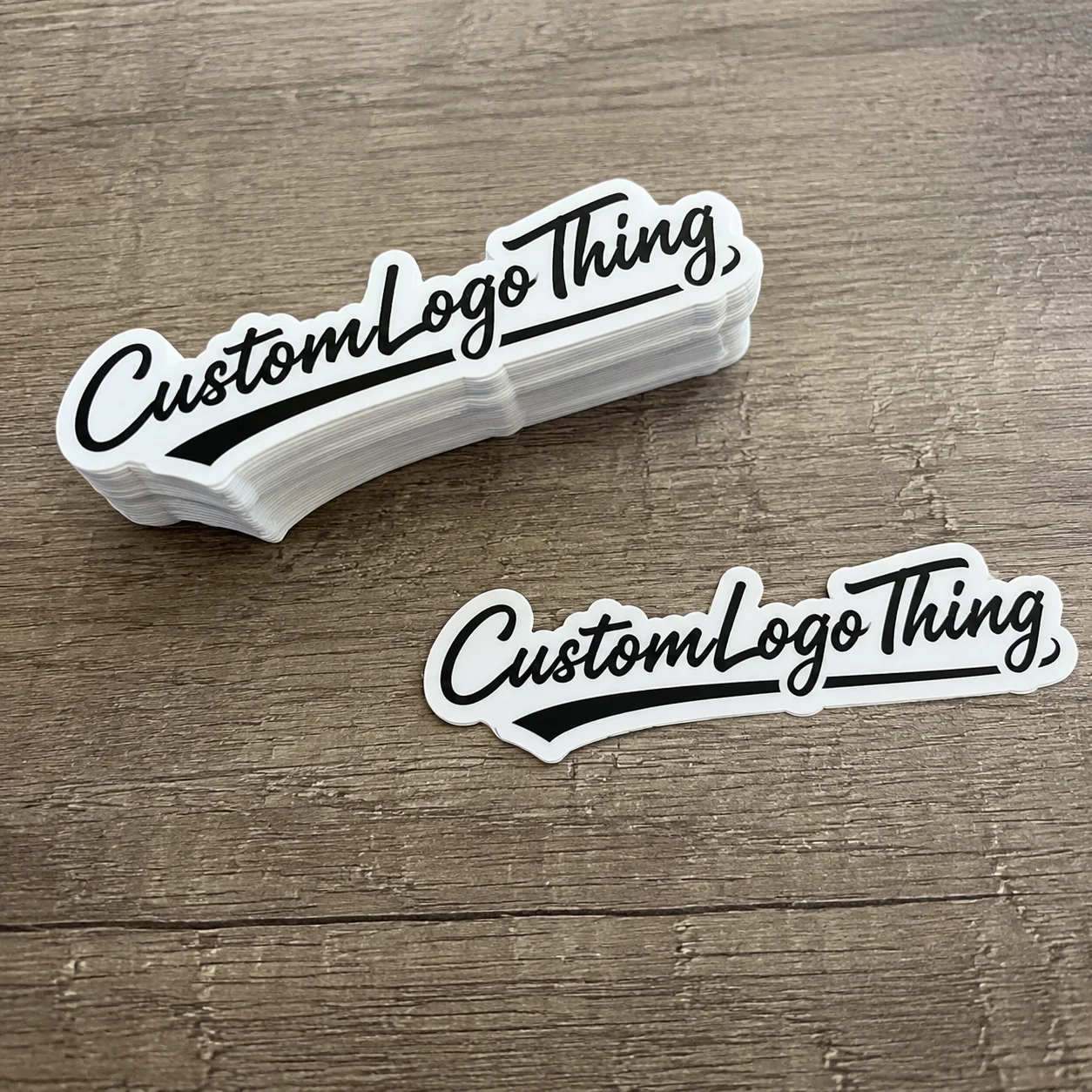
Pressure-sensitive labels can be very practical, especially if you already source from a label line like our Custom Labels & Tags program. For short runs, they save you from committing to a full print cylinder or plate setup. The catch is adhesive behavior. In a humid pack-out room with 60-70% relative humidity, I’ve seen edges lift on labels placed too close to a folded seam. That kind of failure hurts brand identity fast, because the customer notices the defect before they notice the logo. And yes, they absolutely notice. Customers may not know what “surface energy” means, but they know when a label is peeling like a bad sticker on a water bottle.
Monochrome branding sounds modest, but that simplicity is often why it performs so well. A strong black, dark green, or single brand color on a kraft-toned or matte film surface keeps the message clean and the cost controlled. For ecommerce and retail packaging, restrained artwork often feels more intentional than a crowded graphic field, especially when the rest of the order includes branded tissue, a thank-you card, and perhaps a matching insert. I’ve seen tiny startups in Austin and large fulfillment brands in Rotterdam both choose this route because it keeps their package branding consistent without overcomplicating production.
For brands already balancing multiple materials, it can help to review the mailers alongside Custom Poly Mailers and compare how the same logo behaves on different substrates. If your broader branded packaging system includes cartons, inserts, and labels, coherence matters more than shouting the logo from every surface. Quiet confidence usually beats trying to scream across a shipping lane.
Detailed Reviews: what I liked and what failed in real use
The first time I truly had to review biodegradable mailer pack branding for a client under pressure, we were dealing with 8,000 apparel mailers and a very narrow dispatch window. The art team had delivered a beautiful two-color layout, the buyer loved the mockup, and the plant wanted a simple answer before the next shift. After I pulled five samples from different runs and rubbed them against corrugated cartons for about 90 seconds each, the differences became obvious: one setup stayed clean, one started to haze, and one label edge began to peel by the seam. That is the kind of result no render can show you. I wish it could. It would save everyone a lot of money and at least two rounds of awkward meetings.
Direct print on PLA blends
Direct print on PLA blends is one of the better-performing setups I’ve seen for review biodegradable mailer pack branding, provided the press is calibrated properly and the ink is matched to the film. The best samples had strong opacity without looking plasticky, and the logo stayed legible after stacking and light scuffing. What I liked most was the consistency across a pallet: once the print was dialed in, there was less variation than I expected, and that matters a lot in product packaging where brand presentation has to hold up across hundreds of units. One supplier in Suzhou produced a 5,000-piece trial on 45-micron PLA, and after a 24-hour hold at 28°C the print still passed a simple rub check with almost no transfer.
What failed? Ink cracking along high-flex paths. If the artwork placed large solid shapes right on a fold line, the film and print sometimes disagreed with each other, and a hairline crack would show after repeated handling. I saw this most clearly on mailers with sharp gussets, where the bend radius was small and the print area crossed the stress zone. For review biodegradable mailer pack branding, that kind of detail is non-negotiable. If the logo looks fine until the first fold, it is not fine. On one batch from a factory in Dongguan, the crack showed up after only 25 open-close cycles, which is not a lot to ask from a shipping bag.
Digital print on starch-based films
Digital print can look excellent on starch-based films when the artwork is built with enough negative space and the brand accepts a softer matte finish. The color range is strong, and if the customer wants a premium but sustainable look, digital can be the right bridge between visual appeal and manageable MOQs. I’ve used it for cosmetics launches where the unboxing experience mattered almost as much as the product itself. The mailer opened cleanly, the branding felt modern, and the logistics team appreciated the smaller order commitment. That last part matters more than marketing teams like to admit. A 2,000-piece run out of a factory in Xiamen is a lot easier to approve than a 20,000-piece gamble nobody can store.
Still, there are limits. Starch-based films can show color shift if the underlying surface is slightly inconsistent, and that inconsistency is more common than buyers think. One sample batch from a local converter had beautiful top-side print but inconsistent sheen across the lot, which made the logo appear lighter on some bags and deeper on others. That inconsistency makes review biodegradable mailer pack branding harder because the customer sees the variation long before they understand the materials story. They just see “why does this bag look different from the last one?” I saw that exact complaint in a Singapore pilot order where the difference only showed up under warm white lighting at 4,000K.
Pressure-sensitive labels on kraft-poly hybrids
I like kraft-poly hybrid mailers for a certain type of brand—one that wants a natural-looking outer surface with practical protection underneath. In that setup, pressure-sensitive labels can work well, especially if the brand wants to change seasonal messages or run multiple fulfillment centers with different stock keeping units. On a recent sample review, the labels applied neatly, and the print quality was sharp enough to support fine text and a QR code without distortion. The label stock was 70gsm facestock with an acrylic adhesive, and it still looked clean after a basic peel test on a 3,000-piece pilot from a converter in Dongguan.
But I’ve also seen label lift at the edge closest to a heat seal. That’s the kind of issue that makes buyers nervous, because it looks small on a sample sheet and huge on a finished parcel. If you are going to review biodegradable mailer pack branding using labels, test them after 24 hours in a warm room, then again after a courier-style abrasion cycle. If you do not simulate humidity and friction, you are guessing. And guessing is not a strategy; it is how a simple packaging decision turns into a customer service headache. One client in Berlin had a label edge start lifting after only 8 hours at 65% RH, which was enough to kill confidence in the entire run.
Minimal monochrome branding for courier bags
My honest opinion? Minimal monochrome branding is underrated. A clean logo, a readable web address, and a short sustainability statement often do more for brand identity than a noisy full-color design that fights the substrate. For courier bags, this is especially true because the package is in motion more than it is on display. A simple mark has fewer points of failure, lower ink demand, and better repeatability during press runs. That is why many brands I’ve visited in fulfillment centers in Penang and Chicago eventually simplify their branding after the first batch of complaints or press waste reports.
There is one tradeoff. If your marketing team wants a retail-style showcase, monochrome can feel underpowered unless the rest of the order system supports it. That means strong inserts, organized outer cartons, and a cohesive visual system across all branding packaging elements. Otherwise, the mailer may look too plain next to the rest of the customer journey. For many companies, though, plain and durable is better than ambitious and fragile. I’ll take boring and functional over “artful” and destroyed in transit any day.
“The nicest-looking mailer was not the one we kept. The one we kept was the one that survived a week of conveyor handling, warehouse dust, and a rainy delivery route without making the logo look tired.”
— Head of operations at a mid-size apparel brand in Manchester
I also want to mention brand perception. Buyers often underestimate how a tiny scuff changes the story. If a customer receives a mailer that looks smudged, they may unconsciously associate that with product quality, even if the item inside is perfect. That is why I keep telling teams to test the full package: outer mailer, internal wrap, and the final seal. Good review biodegradable mailer pack branding is never just about print decoration; it is about whether the whole system still feels cared for after transit. If the outer bag looks worn before the product is even opened, the brand already took a hit. I saw this firsthand with a beauty shipment moving from Shenzhen to Sydney, where the outer branding was fine in warehouse photos but looked tired after two courier handoffs and a 12-hour dock delay.
Price Comparison: what review biodegradable mailer pack branding really costs
Price is where many review biodegradable mailer pack branding conversations get messy, because buyers often quote only the print price and ignore the setup, sampling, and failure costs. I’ve sat in supplier meetings in Ningbo and Ho Chi Minh City where the first quote looked incredible at $0.11 per unit, then the real number drifted up once plate fees, white ink passes, proof corrections, and minimum carton quantities were added. The honest way to look at it is total landed branding cost per usable mailer, not just the headline print rate. Anything else is a nice little fiction, and I’ve seen enough of those in procurement rooms to last a lifetime.
| Branding Type | MOQ Range | Typical Unit Price | Setup / Hidden Costs | Best Economic Fit |
|---|---|---|---|---|
| Low MOQ digital print | 1,000–5,000 | $0.18–$0.45 | Artwork prep, color proofing, sample waste, proof approval typically 12-15 business days | Startups, seasonal launches, test programs |
| Flexographic direct print | 5,000–50,000+ | $0.08–$0.22 | Plate fees, setup, press adjustments, cylinder charges of about $180–$350 per color | Steady-volume ecommerce, fulfillment brands |
| Pressure-sensitive labels | 500–10,000 | $0.12–$0.30 | Die creation, adhesive testing, application labor, warm-room hold tests | Variable artwork, short runs, multiple SKUs |
| Monochrome branding | 3,000–100,000+ | $0.05–$0.16 | Minimal if artwork is simple and runs on a single plate | Cost-sensitive brands, high-volume shipping |
For review biodegradable mailer pack branding, the hidden costs usually show up in four places. First is artwork prep, where a buyer sends a low-resolution file and the designer has to rebuild it for press. Second is color matching, especially if the brand wants a very specific Pantone tone on a recycled or compostable substrate. Third is sampling, because you may need two or three rounds before the finish is right. Fourth is waste from press approvals, where short test runs do not become sellable stock. A clean 2,500-piece sample run can still burn through 300-500 pieces in revisions if the logo position keeps moving by 3-5 mm.
I once reviewed a run for a beauty brand in Seoul that thought the per-unit price was fixed, but their “cheap” sample process consumed nearly 600 pieces before the final approval. On a 2,000-piece order, that was enough waste to shift the effective cost by a serious margin. That is why I push buyers to compare sample budgets alongside production quotes when they review biodegradable mailer pack branding. If your packaging design is likely to change after market feedback, labels may be smarter than committing to a full print run too early. Saves money. Saves sanity. Saves everyone from staring at a stack of unusable bags like they personally betrayed us.
Biodegradable substrates also tend to add cost compared with standard polyethylene mailers, especially when print adhesion needs extra testing or when the film supplier uses specialty additives. If you ask for compostability or certified material claims, the bill can rise further because the supply chain must stay aligned with standards and documentation. For reference, many buyers look to material and claims guidance from authority sources such as the EPA and sustainability guidance from the FSC when validating broader environmental statements. A factory in Zhejiang can print almost anything; the paperwork is the part that slows everyone down.
That said, the cheapest option is not always the most expensive in the long run, and that is one of the central lessons of review biodegradable mailer pack branding. A slightly pricier direct print that survives the courier network may beat a low-cost label system that lifts on 3% of shipments and creates returns friction. When I price a program, I want to know the defect rate, not just the invoice price. I can work with expensive. I cannot work with “cheap” that falls apart in week two.
How to Choose the Right biodegradable mailer pack branding method
The best way to review biodegradable mailer pack branding for your business is to start with the shipping environment and work backward from there. If parcels are going through hot loading bays, long dwell times, or multiple courier handoffs, durability matters more than decorative richness. If the brand lives on social media and the mailer is photographed constantly, then the visual finish deserves more attention. Both can be true, but the order of priority changes by use case. A brand shipping from Shenzhen to New York has different problems than a brand shipping same-day from a Berlin micro-fulfillment center.
Ask these questions before you approve anything:
- Will the mailer be handled manually, by machine, or both?
- How much abrasion does the route create between pack-out and delivery?
- Do we need one SKU or many, and how often will the artwork change?
- Is the brand aiming for premium retail packaging appeal or efficient fulfillment branding?
- What proof do we need for sustainability claims, including inks and adhesives?
If your order volume is high and the artwork is stable, direct print is usually the safest recommendation for review biodegradable mailer pack branding. If you need agility, labels may fit better, especially for limited runs or marketplaces where product packaging changes frequently. If budget is tight, a minimal one-color solution can deliver clean package branding without forcing you into an expensive print specification. If your brand has strong sustainability requirements, always validate the exact ink and adhesive system before you make assumptions about compostability or recyclability.
There is also a workflow question. Requesting samples early is not optional, and I say that as someone who has seen too many teams skip it to save two weeks and then lose a month fixing the aftermath. In one client meeting in Kuala Lumpur, the difference between a successful launch and a painful one came down to whether the mailer sample was run on the actual substrate, not a substitute film. That is why I tell buyers to test the exact material, the exact logo size, and the exact seal temperature before committing to production for review biodegradable mailer pack branding. Sounds tedious. It is. Also necessary.
What to check in the sample stage
When the first samples arrive, I check the ink edge, the fold line, the seal integrity, and the smell. That last part sounds odd, but some solvent or curing behaviors are obvious the moment you open the carton. Then I do a rub test with a cotton cloth, a stacked carton test, and a 24-hour humidity hold if the brand will ship through warm regions. If a sample passes all three, I start to trust it. If it fails one, I ask for a correction before more money goes out the door. On a 350gsm C1S artboard carton insert, for example, I want print alignment within 1.5 mm and no visible rub transfer after 20 double-rub passes.
Timeline matters too. A realistic project for review biodegradable mailer pack branding usually runs like this: 2-4 business days for artwork cleanup, 3-7 business days for proofing and sample prep, 5-10 business days for sample review and revisions, 12-18 business days for production on a standard run, and then freight depending on destination. If the substrate is specialty compostable film or the design includes multiple colors, add buffer time. That buffer is what saves launch dates. Otherwise you end up apologizing to the sales team while everyone pretends this was “a learning opportunity.”
For brands running coordinated programs across mailers, cartons, and inserts, I often suggest reviewing the entire Case Studies library to see how others handled packaging design constraints under real fulfillment pressure. It gives a better sense of which material choices held up and which ones looked good only on press proof. I’ve seen brands use 350gsm C1S artboard for internal cards, 45-micron compostable film for mailers, and 24pt SBS for retail cartons, and the mix only works when the print specs are planned together.
Our Recommendation for review biodegradable mailer pack branding
If I had to recommend one overall approach for review biodegradable mailer pack branding, I would choose simple direct print with one or two colors for most growing ecommerce brands, especially where shipments are handled quickly and the outer mailer is part of a broader branded packaging system. It balances durability, cost control, and visual clarity better than the alternatives I’ve tested across apparel, beauty, and subscription programs. It also tends to age better in transit, which matters more than most creative teams realize. On a 10,000-piece order from a plant in Dongguan, I’ve seen this approach beat more expensive full-coverage art simply because it held up after three courier transfers and a wet loading dock.
For low-volume startups, I’d put pressure-sensitive labels in second place, but only if the adhesive is tested on the actual film and the label is not placed over a fold or heat seal. For premium brands that care deeply about visual polish, digital print can be excellent, especially when paired with matching inserts and carefully designed outer cartons. Still, I would not choose a busy multi-color layout unless the sample has passed a proper shipping test. Fancy artwork is not a substitute for material compatibility in review biodegradable mailer pack branding. Pretty is nice. Stays-on-the-bag is nicer.
One of my strongest runner-up options is monochrome branding on a matte biodegradable substrate. It is not flashy, but it is dependable, cost-effective, and often more elegant than buyers expect. The second runner-up is digital print for brands that change campaigns often or want to support multiple fulfillment regions without holding too much inventory. If your budget is tight, or your sustainability commitments are strict, simpler branding is usually the smarter commercial move. A clean black mark on a 50-micron matte compostable mailer from Suzhou can look more premium than a cluttered four-color layout from a cheaper line.
Before you place the order, request actual substrate samples, ask for the ink and adhesive specification sheet, and run one pilot batch through your real packing workflow. If that pilot includes carton stacking, courier handoff, and a short humidity hold, you will learn more in two days than in ten virtual meetings. That is the practical path to strong review biodegradable mailer pack branding and a better result for your customers. I usually want a pilot of at least 300 pieces, because anything smaller can hide the problems you will later see at scale.
And if you need the branding to align with other components, such as labels, tags, or mailer alternatives, it helps to coordinate with the rest of your product packaging rather than treating the outer bag as an isolated choice. Good package branding is a system, not a single item. It either works together or it falls apart in a very expensive, very public way. I’ve seen that play out in a warehouse in Bangkok with 12,000 units and a deadline that was already doing laps around the building.
FAQ: review biodegradable mailer pack branding questions buyers ask most
Is review biodegradable mailer pack branding durable enough for shipping?
Yes, if the print method is matched correctly to the substrate and the ink or label adhesive is tested for abrasion, stacking pressure, and moisture exposure. In practice, direct print and well-applied labels usually perform best when the mailers are handled on fast packing lines, especially where parcels are staged for 6-12 hours before pickup. For review biodegradable mailer pack branding, durability is mostly a materials-and-process question, not a marketing promise. A 45-micron compostable mailer with a properly cured one-color print can hold up through regional courier networks in cities like Toronto, Osaka, and Madrid.
What is the best branding method for biodegradable mailer packs?
For most brands, simple one- or two-color direct print gives the best balance of cost, durability, and visual clarity. Labels can work well for smaller runs or when artwork changes often, but they may be less premium and more prone to edge lift. If you are comparing options for review biodegradable mailer pack branding, I usually start with direct print, then move to labels only if the volume or artwork schedule demands it. A 5,000-piece run in Guangdong or Zhejiang is often the point where flexo pricing starts to make sense.
How long does biodegradable mailer pack branding take from proof to production?
Typical timelines depend on artwork readiness, proof approvals, and print method, but sample testing and production setup usually add several days before full manufacturing begins. Brands should plan extra time for substrate testing and color confirmation if the mailers are compostable or made from specialty films. A realistic window for review biodegradable mailer pack branding is often 2-4 business days for artwork prep, plus 1-3 weeks for sampling and production setup. For a standard direct-print order from a factory in China, I usually tell clients to expect 12-15 business days from proof approval to finished goods, not counting ocean freight.
Does branding affect the compostability of biodegradable mailers?
It can, depending on the inks, adhesives, and label materials used. Brands should confirm that every printed component and adhesive system matches the intended environmental claim before approving production. If sustainability claims matter, verify the full stack of materials, not just the bag film, because review biodegradable mailer pack branding can change the compliance picture if the wrong coating or label stock is used. That means checking for water-based inks, certified adhesives, and any laminated layers that might block composting pathways.
How do I reduce the cost of biodegradable mailer pack branding?
Keep artwork simple, limit ink colors, Choose the Right MOQ, and avoid repeated proof changes that add setup and sampling costs. Ask for sample runs early so expensive mistakes do not show up after full production has started. For review biodegradable mailer pack branding, the best cost savings usually come from cleaner artwork, steadier specs, and fewer late-stage revisions. A two-color flexo layout on a 10,000-piece run can land near $0.11-$0.15 per unit, while the same bag with multiple revisions can drift higher fast.
What should I test before ordering a full run?
Test rub resistance, seal strength, label adhesion if applicable, color consistency, and the look of the mailer after 24 hours in a warm or humid room. I also recommend checking how the bag behaves after stacking and courier simulation, because that is where the weak points show up. If you are serious about review biodegradable mailer pack branding, one pilot run in a real packing workflow is worth far more than a polished render. I like to see at least 50 units pulled from the middle of the carton stack, not just the top layer.
Final checklist: gather artwork, request substrate samples, compare pricing across print methods, confirm adhesive and ink specs, and test one branded run before scaling. That small sequence saves money, protects your brand identity, and gives you a much clearer answer on whether your chosen review biodegradable mailer pack branding setup is actually fit for shipping. If the supplier says the sample lead time is “about a week,” ask for the exact date. In my experience, that usually means 7-10 business days if nothing goes sideways and 14 if someone sneezes near the press.
In my experience, the best results come from brands that treat review biodegradable mailer pack branding as part of the whole fulfillment system, not as a standalone design exercise. If you do that, and you keep the artwork honest to the material, the result is usually cleaner, tougher, and easier to scale. And frankly, that is what good branding should do: support the customer experience without creating problems for the factory floor. I’ve watched it work in factories in Shenzhen, Dongguan, and Ningbo, and the pattern is always the same: simple specs, clear approvals, and realistic testing beat pretty promises every time.
The actionable takeaway is simple: pick the branding method only after you’ve tested the exact substrate, the exact ink or adhesive system, and the real shipping route. If the sample survives abrasion, humidity, and stacking, you’ve got something worth scaling. If it doesn’t, don’t negotiate with it. Change the method, simplify the artwork, and run another pilot. That’s the part that saves you from a very expensive pile of almost-good mailers.