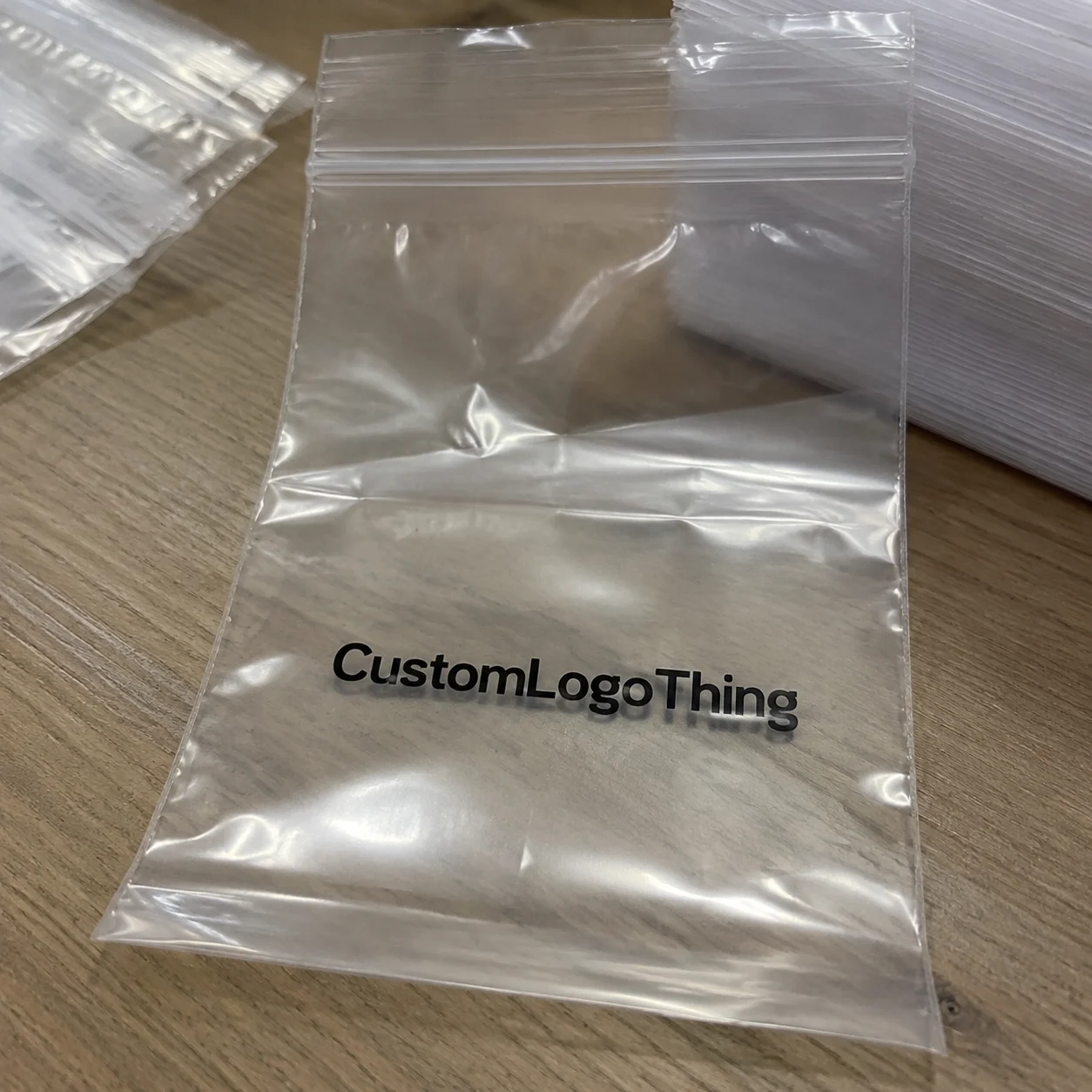
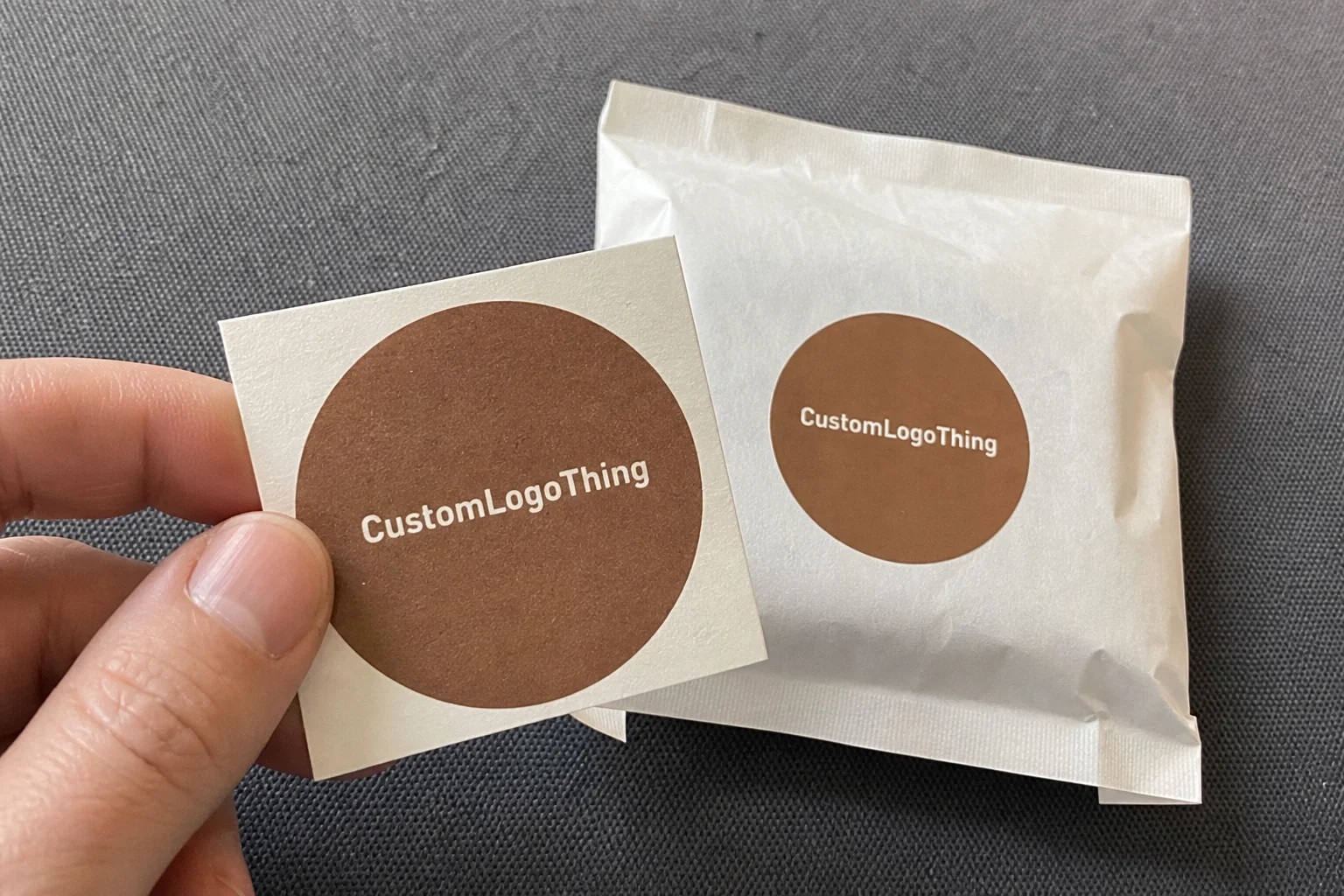
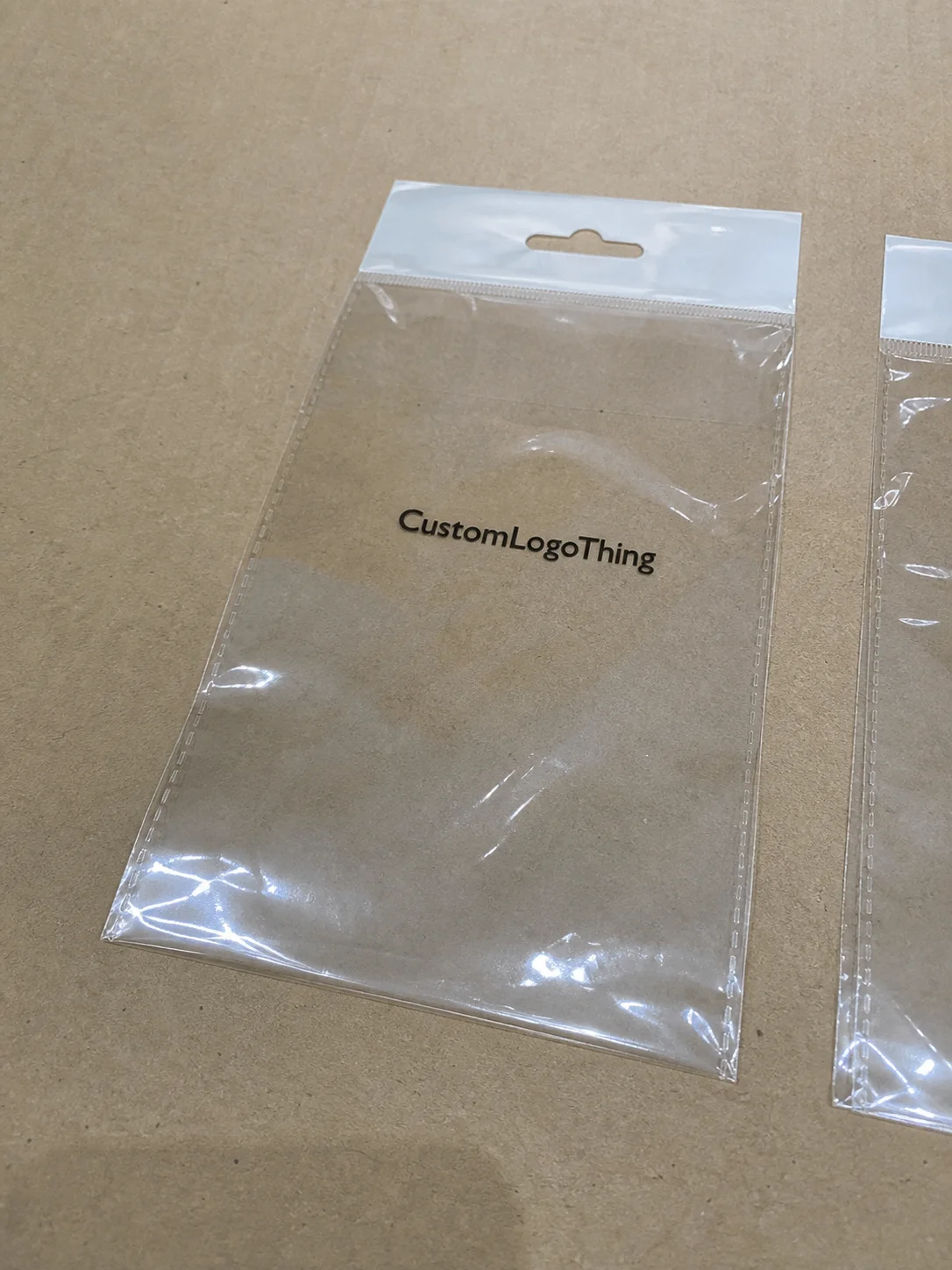
Buyer Fit Snapshot
| Best fit | Personalized Packaging for Tea Business projects where brand print, material claims, artwork control, MOQ, and repeat-order consistency need to be specified before quoting. |
|---|---|
| Quote inputs | Share finished size, material target, print colors, finish, packing count, annual reorder estimate, ship-to region, and any compliance wording. |
| Proofing check | Approve dieline scale, logo placement, barcode or warning zones, color tolerance, closure strength, and carton packing before bulk production. |
| Main risk | Vague material claims, crowded artwork, missing packing details, or unclear freight terms can make a low unit price expensive after revisions. |
Fast answer: Personalized Packaging for Tea Business: Material, Print, Proofing, and Reorder Risk should be specified like a repeatable production item. The safest quote records material, print method, finish, artwork proof, packing count, and reorder notes in one written spec.
Production checks before approval
Compare the actual filled-product size with the drawing, then confirm tolerance on folds, seals, hang holes, label areas, and retail display edges. Reserve space for logos, QR codes, warning copy, and material claims before decorative graphics fill the panel.
Quote comparison points
Review material grade, print process, finish, sampling route, tooling charges, carton quantity, and freight assumptions side by side. A quote is only useful when the supplier can repeat the same color, closure quality, and packing count on the next order.
I remember standing on a packing line in Shenzhen, Guangdong, watching two tea brands with almost identical leaf quality get judged very differently by buyers. Same kind of tea. Same general market. Totally different reaction. Why? One showed up in plain stock pouches. The other came in a printed carton with a matte finish and a tight gusseted inner bag. That contrast is exactly why Personalized Packaging for Tea business matters so much. The right package does more than hold tea; it shapes shelf appeal, protects aroma, and tells the customer, in a few square inches of printed surface, whether your tea feels everyday, artisanal, or genuinely gift-worthy. A good first run for a small brand can be just 1,000 to 3,000 units, but those units need to look like they belong on a shelf in Shanghai, Seattle, or Singapore.
I’ve spent enough time around folder-gluer lines, pouch sealers, and offset press rooms in Dongguan and Yiwu to know this: people often think packaging is just a logo on a box, but personalized packaging for tea business is really a system that blends structure, barrier performance, print finish, and fulfillment reality. When those pieces work together, tea feels more trustworthy at retail, and that trust can move a lot of units, especially for brands competing in a crowded shelf set where the customer gives you maybe three seconds. Maybe less. Shoppers are ruthless like that. A well-quoted project might start at $0.16 per unit for 5,000 pieces on a simple folding carton, then climb fast once you add foil, embossing, or a rigid structure.
Personalized Packaging for Tea Business: What It Really Means
Personalized packaging for tea business means packaging that is built around a tea brand’s identity, product format, and customer experience instead of being a generic container with a logo slapped on the front. In practical terms, that might be a folding carton sized for 20 sachets, a rigid drawer box for a premium sampler set, a stand-up pouch with a resealable zipper, or even a tin with a wrap label and an outer shipper carton. Each format speaks differently, and each one sends a specific signal about price point and quality. A 30g loose-leaf pouch in kraft paper film does not communicate the same thing as a 200g tea gift set in a 1200gsm rigid box with a soft-touch wrap.
Here’s the part many brands miss: the package itself becomes part of the product story. A loose-leaf jasmine tea in a 350gsm C1S artboard carton with foil stamping feels different from the same tea in a plain brown pouch, even if the tea was packed on the same line with the same moisture barrier liner. That is not marketing fluff; that is package branding doing real work. I’ve seen buyers pick the “more expensive” tea mostly because the packaging made the whole thing feel cared for. One importer in Hong Kong literally changed their order after touching two samples for less than 20 seconds.
Tea is especially sensitive because aroma, light, and humidity are not abstract concerns. They are the three enemies I always ask about first. If a brand is selling green tea, oolong, or herbal blends with volatile top notes, the packaging has to slow down scent loss and block light exposure, or the customer opens the pouch a week later and wonders where the freshness went. That is why personalized packaging for tea business is as much about product packaging performance as it is about visual design. For hot, humid routes through Shenzhen, Manila, or Jakarta, I push for a stronger barrier structure every time.
In the tea category, the most common personalized formats I’ve seen are:
- Folding cartons for sachets, tea bags, and retail-ready sets
- Rigid boxes for premium gifting and sampler assortments
- Stand-up pouches for loose leaf and refill packs
- Tins for premium shelf presence and reuse value
- Labels and sleeves for stock containers, jars, or jars-plus-box bundles
- Shipper cartons for wholesale, subscription, and e-commerce protection
Honestly, I think the best tea packaging is the one that makes the customer feel the brand has already thought through their experience, from the first glance to the final brew. That is what personalized packaging for tea business should do: communicate flavor, care, and consistency without overcomplicating the structure. Nobody wants to wrestle with a box that looks elegant but behaves like a stubborn drawer. A carton that opens cleanly, stacks at 50 to a case, and survives a 1.2-meter drop test is a lot more useful than a pretty mess.
How Personalized Packaging for Tea Business Works
The production flow for personalized packaging for tea business usually starts with discovery, and that first conversation matters more than people realize. I always ask about tea format, fill weight, shelf channel, shipping method, and target retail price, because a 50g loose-leaf pouch for a boutique grocer in Portland is not built the same way as a 12-count sampler box for a subscription program in London. Once the structure is clear, the factory can match the right board, film, or rigid stock to the use case. If the brief is clear, a supplier in Dongguan can usually turn a quote around in 24 to 48 hours.
The typical sequence goes like this: discovery, dieline selection, artwork setup, proofing, sampling, printing, converting, finishing, and final packing. If a tea brand is working with custom printed boxes, that workflow may include offset printing on SBS or CCNB board, followed by matte lamination, spot UV, foil stamping, die-cutting, and folding on an automatic gluer. For pouch-based projects, a converter may use metallized film or laminated kraft film, then add a zipper, tear notch, and hang hole if the retail channel demands it. A standard proof cycle usually adds 2 to 4 business days, and physical sampling can add another 3 to 5 days.
Material choice is where a lot of the real engineering happens. In a packaging plant, I’ve seen kraft board used for earthy, natural branding; SBS chosen for brighter print and sharper graphics; CCNB used when cost needs to stay tight; and rigid chipboard reserved for high-end tea gift sets where the box should feel substantial in the hand. For flexible formats, metallized film and multi-layer laminate structures help with moisture and oxygen control. That barrier can matter as much as the artwork. A 12-micron PET / 20-micron AL / 60-micron PE structure is a very different animal from plain kraft paper.
What happens before the first press run
File preparation is one of those unglamorous steps that saves a project from expensive surprises. I’ve sat in prepress rooms in Shenzhen where a client’s beautiful design file had a barcode too close to the trim, a flavor name in low-contrast gold on cream, and a bleed that stopped short by 1.5 mm. That kind of issue can delay personalized packaging for tea business by days, because the printer has to correct dieline alignment, color builds, and font outlines before any plates or platesets are approved. A tiny 1.5 mm mistake on a 60 mm panel is enough to create a very annoying email chain.
Color management matters too. If your brand uses a deep botanical green, a warm tea-bag kraft, or a soft ivory that signals calm and purity, you want print proofing to reflect the final result under controlled lighting. Most factories will give you either a digital proof or a physical sample, and for premium work I prefer a hard proof whenever the budget allows. It reduces argument later, especially if you are printing brand-critical retail packaging. A press proof checked under D50 lighting in Guangzhou is a lot more useful than staring at a laptop screen in a coffee shop.
One client meeting in Dongguan comes to mind. The buyer insisted their pale peach floral print would look “fine” on the press. On the floor, under fluorescent light, it looked dull and muddy until we shifted the paper stock from uncoated to a smoother coated board and adjusted the ink density by a small margin. That tiny correction saved the run. That is the sort of detail that separates decent personalized packaging for tea business from packaging That Actually Sells. The fix added about $0.03 per unit, which was cheaper than reprinting 8,000 cartons.
Small runs and large wholesale orders are both possible, but the method changes. Digital printing can support lower quantities with faster setup, while offset or gravure-style production makes more sense as volume climbs. If you are starting a new tea line, it is common to begin with 500 to 2,000 units for market testing, then move to 5,000, 10,000, or more once the design and demand are proven. The structure of personalized packaging for tea business should be chosen with that growth path in mind. I’ve seen brands jump straight to 20,000 units in the wrong structure and spend the next six months trying to clear inventory that nobody asked for.
For brands wanting a broader packaging lineup, it can help to review Custom Packaging Products that support cartons, sleeves, inserts, and shipper configurations under one supplier relationship. That makes color matching and structural consistency much easier across multiple SKUs.
Key Factors That Shape Tea Packaging Performance and Pricing
Pricing for personalized packaging for tea business is driven by a handful of factors that I review on every quotation: material choice, size, print complexity, finishing, quantity, and tooling. A simple kraft folding carton with one-color print is on a very different cost curve than a rigid drawer box with foil stamping, embossing, and a custom EVA insert. If you want accurate quotes, those differences need to be clear from the start. A 100 x 60 x 180 mm carton, for example, can price very differently from a 120 x 80 x 220 mm carton even when the artwork looks similar.
For example, in a recent project for a boutique tea brand in Melbourne, a 4 oz stand-up pouch with a one-color print and matte finish landed around $0.18 per unit at 5,000 pieces, while a rigid two-piece gift box with foil and an insert came in much higher, closer to $1.85 per unit at 3,000 pieces. Those numbers are only directional, because size, freight, and region change things, but they illustrate the basic truth: structure and finish drive cost quickly. Add a custom zipper, and the pouch price can move up another $0.04 to $0.08 per unit.
Setup fees also deserve attention. A packaging factory may charge for dieline adaptation, printing plates, die tools, embossing dies, or proofing. If the project uses existing stock tooling, those costs are lower. If the tea brand wants custom window shapes, magnetic closures, or special internal trays, the tooling bill rises. That is why personalized packaging for tea business should always be quoted as a full project, not just as a unit price. A die cut tool in Shenzhen can run $80 to $250 for a simple shape and much higher for a complex tray or drawer system.
Material and barrier considerations
Tea is not like a candle or a soap bar; the product can lose quality if the package does not control exposure to air and humidity. Loose leaf tea often needs an inner barrier layer, while sachets may need less protection if the tea bags themselves are already individually wrapped. If the shipment will travel through humid regions or sit in a warehouse for weeks, I would pay more attention to barrier structure, liner choice, and seal integrity. In my experience, a slightly better film or liner can save you far more than it costs by reducing customer complaints. If the package is headed to Miami in August, I’m not gambling on thin film.
Paperboard choices also affect feel and performance. SBS gives a clean, bright face for rich color; kraft board supports a more natural, organic look; CCNB often helps keep costs under control for larger retail programs; and rigid chipboard gives that solid, premium hand feel that gift buyers expect. For tea companies trying to balance sustainability messaging with protection, the final choice often ends up being a paperboard outer with a functional inner film or liner, rather than a single-material solution. A 350gsm board with a 20-micron PET liner can be a very practical combo for a mid-tier retail line.
“We stopped hearing complaints about stale aroma after we moved from a decorative-only carton to a carton plus barrier pouch,” one tea client in Taipei told me after their second production cycle. “The package finally matched the product promise.”
| Packaging Option | Typical Use | Approx. Unit Cost | Best For | Notes |
|---|---|---|---|---|
| Kraft folding carton | Sachets, tea bags, retail shelf packs | $0.16–$0.42 | Budget-conscious branded packaging | Lower setup, good for simple artwork |
| Stand-up pouch with zipper | Loose leaf, refill packs | $0.18–$0.55 | Freshness and convenience | Barrier film matters a lot |
| Rigid gift box | Premium sets, sampler kits | $1.20–$3.50 | Giftable retail packaging | Higher perceived value, heavier freight |
| Printed tin with label | Refillable premium tea | $0.85–$2.20 | Long shelf life, repeat use | Tooling and metal finish affect cost |
Brand positioning also shapes the investment. A premium gifting line can justify soft-touch lamination, embossing, and foil because the unboxing moment is part of what the customer is paying for. Everyday retail tea, by contrast, may need cleaner packaging economics and a simpler construction that still looks polished. Subscription kits sit somewhere in the middle, where the box must be visually engaging but also efficient for fulfillment and inserts. A 1,500-unit gift run in Shenzhen might carry a higher unit price than a 10,000-unit refill pouch order in Ningbo, but the perceived value can be wildly different.
If you are comparing quotes, ask suppliers to separate the numbers into per-unit cost, setup charge, proofing cost, and freight. That makes apples-to-apples comparison much easier. I’ve seen tea founders focus on a lower unit price only to discover the die charge or overseas freight erased the savings. Personalized packaging for tea business works best when the full landed cost is understood, not just the factory price. A quote that looks like $0.12 per unit can become $0.21 landed once you add testing, cartons, and ocean freight.
Step-by-Step Process for Personalized Packaging for Tea Business
Every strong personalized packaging for tea business project starts with product definition. Is the tea loose leaf, sachets, pyramid bags, a sampler set, a single gift tin, or a subscription assortment? That answer determines the dimensions, closures, and internal protection. A loose-leaf refill pouch might need a zipper and heat seal, while a tea bag assortment may need a carton with dividers or an inner tray. If the fill weight is 100g, the pouch size and gusset depth need to match it exactly, not “close enough.”
Once the product is defined, the next decision is structure. I usually ask brands to think about shelf life, handling, and unboxing in that order. If the tea is mostly sold online, the shipper carton and inner cushion become critical. If it is sold at specialty retail, the front panel and shelf visibility matter more. That is why personalized packaging for tea business cannot be designed in isolation from the sales channel. A box that looks great on Alibaba photos can fail miserably in a 12-unit e-commerce ship test.
The artwork should build a clear hierarchy. Brand first, tea type second, flavor or blend third, and brewing instructions where the customer can actually find them. I’ve reviewed plenty of tea packaging design files where the flavor name was elegant but too small, or the brewing temperature was buried on a side panel in 7-point type. Good packaging design helps the customer make a choice quickly, then confirms it was the right one after purchase. A customer should be able to spot “Jasmine Green Tea” from 4 feet away in a retail cooler or on a shelf.
Proofing, sampling, and approval
After artwork setup, the factory will create a proof, and this is the stage where details get expensive if they are ignored. Check fold lines, barcode placement, color consistency, language spelling, and legal copy. If your tea contains allergens or needs country-of-origin information, confirm the placement before production starts. A correction after plates are made can add several days and sometimes a real fee. In one case out of Guangzhou, a nutrition panel fix added 3 extra business days because the box was already scheduled for press.
I remember a sampling round for a herbal tea brand that wanted a window cutout on the front panel. On screen, it looked beautiful. On the physical sample, however, the cutout sat too close to the gusset and risked buckling during packing. We shifted the window by 6 mm, and the box suddenly packed better, stacked straighter, and looked cleaner on shelf. That is the kind of practical adjustment that only shows up once the package exists in three dimensions. Six millimeters is not sexy, but it can save a production run.
Production then moves into printing, converting, finishing, and packing. If you are ordering custom printed boxes, the line may include printed sheets, lamination, die-cutting, gluing, and carton packing. For flexible packaging, the process may include film lamination, pouch forming, zipper insertion, and seal testing. Quality inspection should check color, glue strength, seal integrity, and dimensional accuracy before the cartons leave the plant. On a good line in Dongguan, I expect a carton angle tolerance within ±1.5 mm and clean glue on every sample pull.
Typical lead times vary. A simple printed carton project can move in 12 to 15 business days from proof approval, while a rigid box with specialty finish may take 20 to 30 business days depending on tooling and production load. Add a few days if you need revised artwork or sample revisions. That is why planning personalized packaging for tea business early in the product launch cycle saves stress later. It also saves me from answering panic emails at 11 p.m., which is always nice. Ocean freight from South China to the U.S. West Coast can add another 18 to 24 days, so “production done” is not the same as “product on shelf.”
For a brand that wants to evaluate multiple formats before committing, it helps to request a prototype set using one carton, one pouch, and one shipper configuration. That side-by-side comparison often reveals which package feels best, which packs fastest, and which creates the most confidence in customer hands. I’ve watched a brand in Taipei choose a pouch over a carton simply because it shaved 8 seconds off packing time per unit.
Common Mistakes to Avoid in Tea Packaging Projects
The most common mistake I see with personalized packaging for tea business is choosing a package because it looks beautiful on a screen, then discovering it does not protect freshness or survive shipping. A delicate paper sleeve may be fine for a retail display sample, but if the tea is going into an e-commerce mailer and crossing hot warehouses, that same structure may fail. Pretty is good. Practical is better. A package that gets crushed in a 30-box master carton does nobody any favors.
Oversized packaging is another expensive habit. Tea is light, and brands sometimes put a 60g product in a box sized like it should hold 150g. That creates wasted board, higher freight, and a less efficient shelf footprint. Worse, the product can feel underfilled, which hurts perceived value. A tight, well-proportioned carton or pouch often looks more premium than a large package with empty space. If your carton has 40 percent air in it, customers notice, even if they never say it out loud.
Weak closures cause trouble too. I have seen tuck flaps pop open, resealable zippers that don’t align, and magnetic lids that feel luxurious but slow the packing line to a crawl. A tea brand should always ask how the closure works after 20 opens, not just on day one. If the customer buys a sampler and then stores it for two months, the package still has to perform. A zipper that fails at the 15th opening is not a “feature.” It’s a complaint waiting to happen.
Artwork errors can be surprisingly costly. Low-contrast barcodes cause scanning issues in retail and warehouse systems. Cluttered front panels make the tea hard to shop. Colors that look rich on a laptop may print too dark on coated board or too muted on kraft. For personalized packaging for tea business, the safest move is to proof under controlled light and test barcode readability before the full run. I always want at least one barcode scan test on the exact press board, not a guessed version from a PDF.
One thing many founders forget is fulfillment. A box that looks stunning on the counter can become a headache if it takes 11 seconds to fold, fill, and seal at the co-packer. If you are running subscription inserts or high-volume retail packing, ask how the design will behave on the actual line. I’ve seen one beautifully engineered tea gift box slow the insertion workflow by 30 percent because the inner tray was too tight for fast loading. Everyone in the room was smiling politely while the line dragged. Not ideal. A packing line in Suzhou does not care how elegant your mood board was.
Inventory risk is real as well. Ordering too few units pushes up the per-unit cost, while ordering too many before the market response is clear can trap cash in a basement full of cartons. For a first run, I usually favor a balanced quantity that supports at least 60 to 90 days of expected sales. That gives you enough data to refine the design before the next reorder. For many tea brands, 5,000 pieces is the sweet spot between testing and cost efficiency.
Expert Tips to Make Tea Packaging Feel Premium and Sell Better
If you want personalized packaging for tea business to feel premium without making the structure too fussy, tactile finishing is one of the best tools you have. Soft-touch lamination gives carton board a velvety hand feel; embossing creates a subtle raised logo or leaf motif; spot UV can draw attention to the brand mark or flavor cue. Used well, those details add perceived value without needing a massive packaging overhaul. On a 350gsm C1S carton, a little foil on the brand name can go a very long way.
Modular packaging systems are another smart move. I like to see one core structure used across multiple flavors, with color coding, variable labels, or different belly bands to distinguish products. That keeps production simpler and gives the tea line visual consistency. It also helps the brand build recognition faster, because the customer sees a family of products rather than a disconnected set of packages. That consistency strengthens package branding in retail. A 12-flavor line in the same carton size is easier to reorder and easier to warehouse than twelve one-off shapes.
Testing with real customers is underrated. A sample pack that looks beautiful in a photo may be awkward to open, hard to reseal, or confusing to read once it arrives in a kitchen drawer. I encourage brands to hand out prototypes to 10 or 15 people, then ask three questions: What did you think it cost? Was it easy to open? Would you gift it? Those answers are often more useful than a long internal debate. I’ve seen a simple answer from a single buyer in Vancouver save a company from launching the wrong lid style.
Sustainability can support the story, but only if it is communicated honestly. Recyclable paperboard, reduced ink coverage, and fewer plastic components can all help, though the best option depends on the tea’s shelf life and distribution path. I’ve worked with brands that used FSC-certified paperboard for their outer carton and a lighter inner structure for protection. That combination worked well because it balanced brand values with real-world performance. For more background on sourcing standards, the FSC site is a useful reference. A 100 percent paper structure is not always the answer if the tea needs real barrier protection.
For shipping performance and transit testing, the ISTA standards are worth knowing, especially if your tea will move through parcel networks or warehouse systems with compression and vibration. If you are building e-commerce tea packaging, a little test discipline can prevent damaged corners, broken seals, and returns that eat into margin. A basic drop test from 76 cm and compression checks on stacked master cartons can reveal problems before customers do.
Merchandising still matters more than many owners expect. Front-panel hierarchy should be readable from about 3 to 5 feet away. Your most important flavor cue should be visible fast. Your logo should not fight with decorative patterns. And if the package is meant to be giftable, the opening moment should feel deliberate, not like a grocery sack with a sticker. That is the subtle difference between ordinary product packaging and Packaging That Sells on emotion as well as function. I like a package that gives a small pause, a clean reveal, and a tidy close.
Honestly, I think the strongest personalized packaging for tea business gives the customer three things at once: confidence that the tea is fresh, clarity about what they are buying, and a little delight when they open it. If those three things happen, the package is doing its job. If not, it’s just a pretty box collecting dust. And tea deserves better than dust.
What is the best personalized packaging for tea business?
The best personalized packaging for tea business depends on the tea format, price point, and sales channel. Loose leaf often works well in stand-up pouches with barrier film, while sachets and tea bags usually perform better in printed cartons. Premium gifting lines may call for rigid boxes or tins. The right choice is the one that protects freshness, fits your fulfillment flow, and matches the brand story without overcomplicating production.
Next Steps for Personalized Packaging for Tea Business
If you are planning personalized packaging for tea business, start with a simple checklist. Define the tea format, gather exact dimensions, decide your target retail price, and collect logo files, flavor names, copy, and barcode data. When a supplier receives a clean brief, the quotation is usually faster and more accurate, and that saves back-and-forth on both sides. A complete brief can shave 2 to 3 days off the quoting stage if the factory is already busy in Shenzhen or Ningbo.
Requesting a sample kit is one of the smartest things you can do before committing to a full production order. A prototype can show you whether the finish feels right, whether the package closes properly, and whether the structure fits your fill line. If you are comparing custom printed boxes against pouches or tins, having physical samples in hand makes the decision much easier. I would rather mail three samples to a founder in Los Angeles than debate a mockup for a week.
When you compare quotes, look beyond unit price. Compare structure, finish, lead time, freight, and the number of revisions included. A quote that is $0.05 cheaper per unit can become more expensive once a custom die, extra proof cycle, or heavier shipping carton is added. That is especially true for personalized packaging for tea business, where the outer package, inner liner, and shipper often need to work together. Ask for a separate line item for tooling so you know whether the quote includes a $120 die or a $350 custom insert tool.
If you want a practical starting point, build a short packaging brief with these items:
- Tea format and fill weight
- Target audience and price point
- Retail, e-commerce, or subscription channel
- Desired finish level: basic, premium, or gift
- Monthly volume estimate
- Artwork files and legal copy
That brief helps suppliers quote accurately and suggest the right materials, whether that means kraft board, SBS, rigid chipboard, or a laminated pouch structure. If you are also building a wider branded packaging system, pairing tea cartons with matching shipper boxes and labels can keep your line visually consistent from warehouse to shelf. A consistent family of packaging also makes reordering easier at 3,000 units or 30,000 units.
For Custom Logo Things, the key is not just making personalized packaging for tea business look good in a mockup. It is making sure the package fits the tea, protects the aroma, holds up in transit, and presents the brand in a way that feels credible on day one and reorder number five. That is the kind of packaging work I respect, and it is the kind of result that keeps customers coming back. The good stuff usually starts with one honest sample, one clear quote, and one factory that knows what it is doing in Guangzhou, Dongguan, or Xiamen.
FAQs
How does personalized packaging for tea business improve freshness?
Personalized packaging for tea business improves freshness by matching the package structure to the tea’s sensitivity to light, moisture, and air. Loose leaf tea often benefits from a barrier film or lined pouch, while sachets may need a carton plus an inner wrap. The better the seal and material selection, the longer the aroma stays intact. A foil-laminate pouch with a zipper usually performs better than a plain paper sleeve for teas sold over 90 days.
What is the most cost-effective personalized packaging for tea business?
Printed folding cartons and custom labels are often the most budget-friendly starting points for personalized packaging for tea business. Costs stay lower when you use standard sizes, straightforward artwork, and larger order quantities. A simple kraft or SBS carton can look polished without pushing the budget too far. For example, a plain two-color carton at 5,000 pieces may land around $0.15 to $0.22 per unit, depending on size and board.
How long does personalized tea packaging production usually take?
Production timing for personalized packaging for tea business depends on artwork approval, sampling, and the packaging style. Simple carton projects may move in about 12 to 15 business days after proof approval, while rigid boxes or specialty finishes often take longer. Extra revisions and custom tooling can extend the schedule. If the job ships from Shenzhen or Dongguan by sea, add roughly 18 to 24 days for ocean transit to many U.S. ports.
Which materials work best for personalized packaging for tea business?
Paperboard, kraft board, rigid chipboard, and laminated film structures are all common choices for personalized packaging for tea business. The right material depends on whether the tea is a retail staple, a premium gift item, or a subscription product. Barrier needs and shelf presentation should guide the final choice. For many projects, 350gsm C1S artboard or SBS board works well for outer cartons, while a multi-layer liner handles aroma protection.
Can small tea brands afford custom packaging?
Yes, many suppliers can support smaller runs of personalized packaging for tea business using stock sizes, digital printing, labels, sleeves, or simplified carton structures. A smart approach is to start with one versatile format, test it with customers, then scale into more advanced packaging once sales data is clear. Small brands often begin with 1,000 to 2,500 pieces before moving to 5,000 or 10,000 pieces after the first sell-through.