Buyer Fit Snapshot
| Best fit | review of automated corrugated box forming machines for packaging buyers comparing material specs, print proof, MOQ, unit cost, freight, and repeat-order risk where brand print, material, artwork control, and repeat-order consistency matter. |
|---|---|
| Quote inputs | Share finished size, material target, print colors, finish, packing count, annual reorder estimate, and delivery region. |
| Proofing check | Approve dieline scale, logo placement, barcode or warning zones, color tolerance, and any recyclable or compostable wording before bulk production. |
| Main risk | Vague material claims, crowded artwork, or missing packing details can create delays even when the unit price looks attractive. |
Fast answer: Review of Automated Corrugated Box Forming Machines should be specified like a repeatable production item. The safest quote includes material, print method, finish, artwork proof, carton packing, and reorder notes in one written spec.
What to confirm before approving the packaging proof
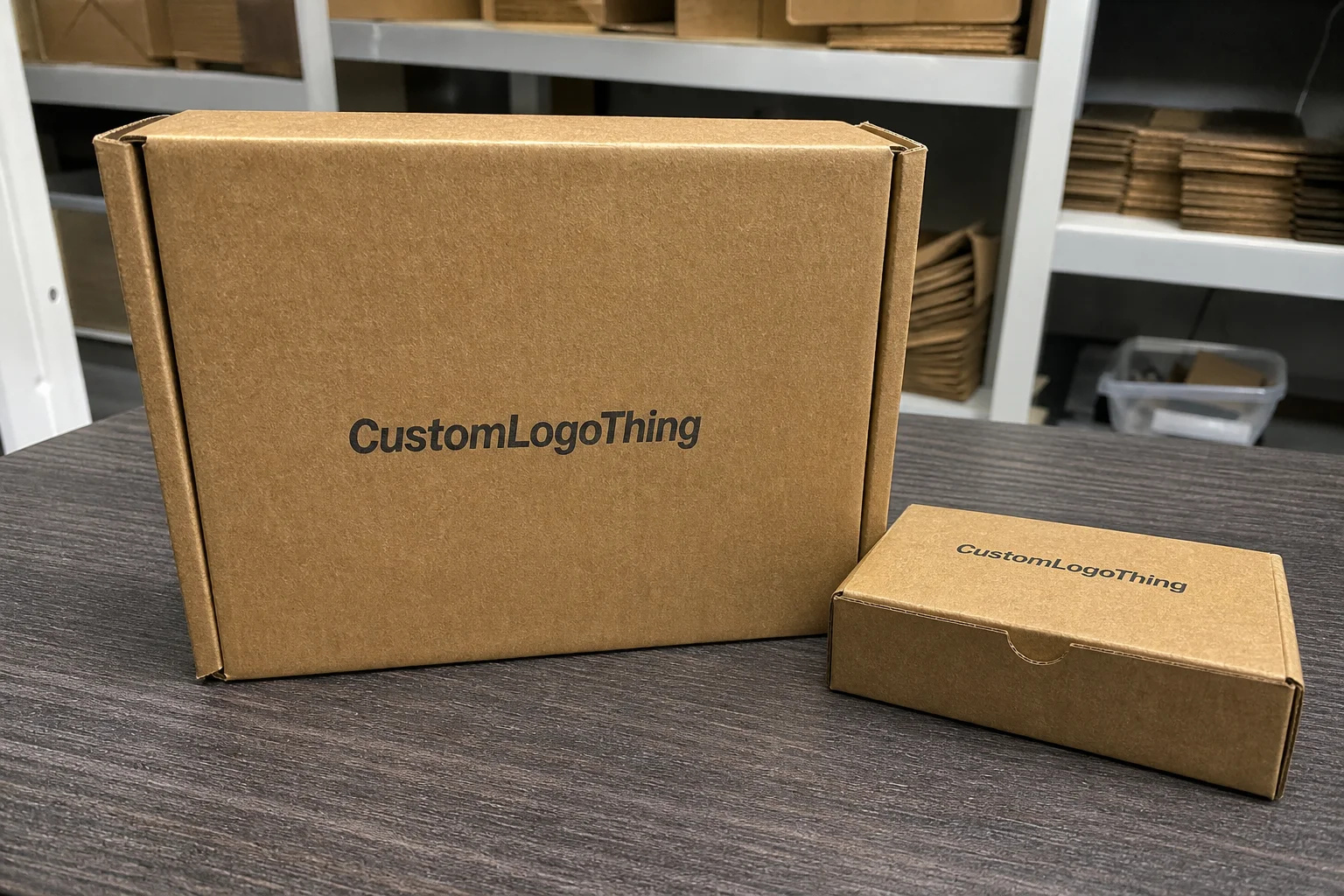
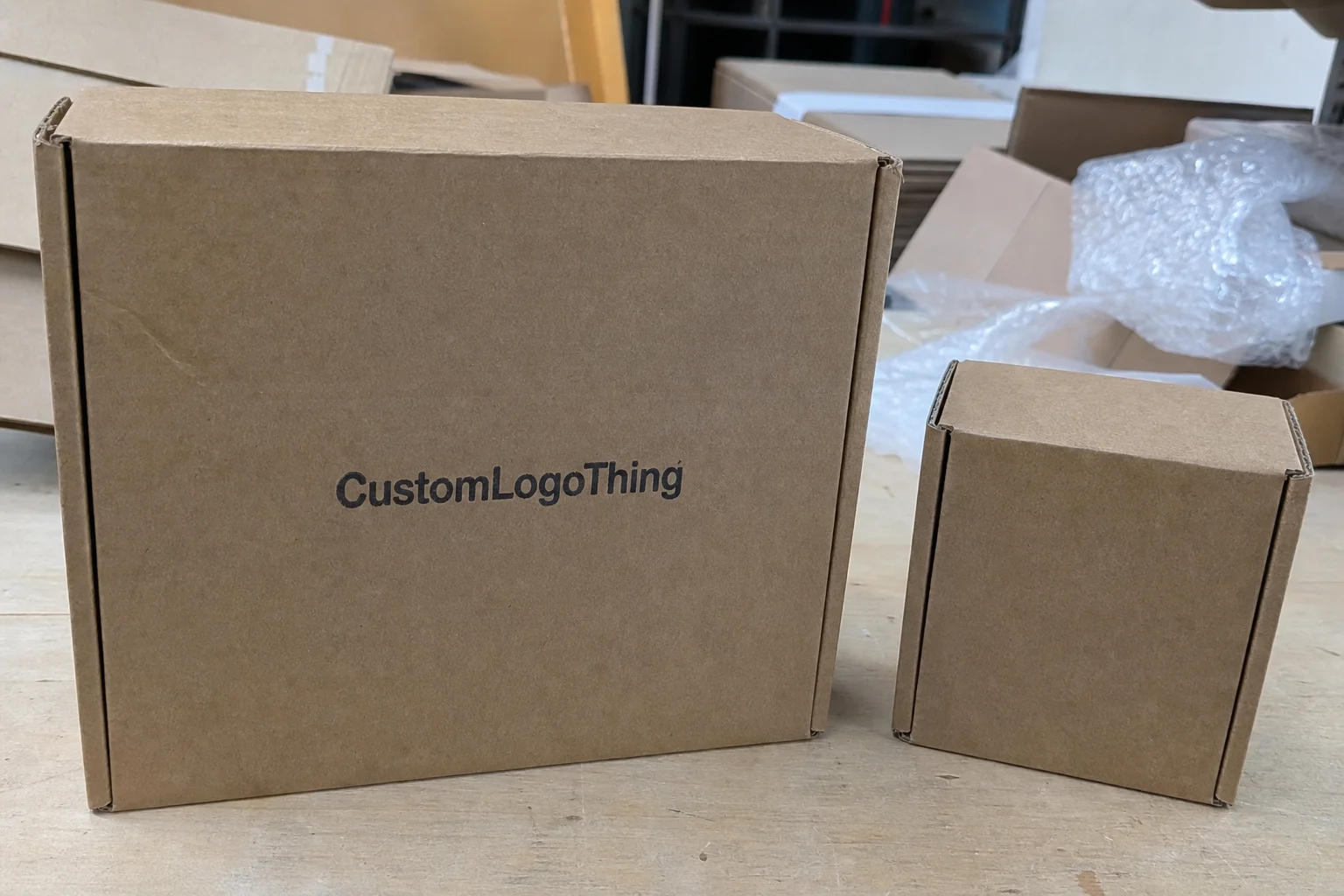
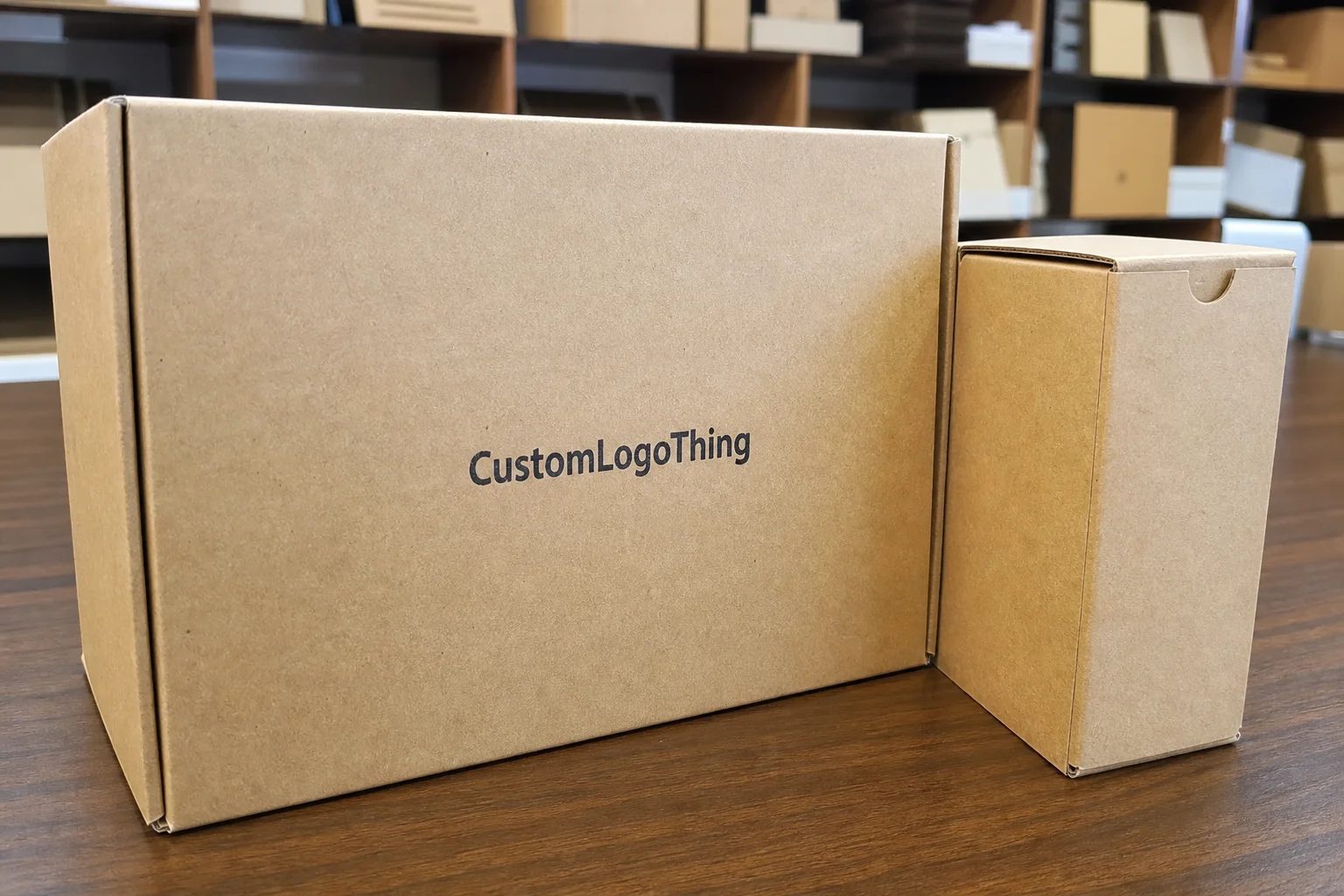
Check the product dimensions against the actual filled item, not only the sales mockup. Ask for tolerance on folds, seals, hang holes, label areas, and retail display edges. If the package carries a logo, QR code, warning copy, or legal claim, reserve that space before decorative graphics fill the panel.
How to compare quotes without losing quality
Compare board or film grade, print process, finish, sampling route, tooling charges, carton quantity, and freight assumptions side by side. A lower quote is only useful if the supplier can repeat the same color, closure quality, and packing count on the next order.
My Review of Automated Corrugated Box forming machines starts with a plain truth from the packing floor in Chicago and Grand Rapids: one well-matched machine can replace three or four manual packing steps, but that payoff only shows up when the carton program stays steady long enough to justify the changeover. I remember standing beside lines where operators folded, taped, squared, and stacked cartons by hand at 18 to 22 boxes per minute, then watching an automated former lift that pace to 35 or more while removing two labor touchpoints from the process. From the catwalk, it looks like a clean win. Down at floor level, though, the picture usually has more corners than the cartons themselves.
Honestly, the best Review of Automated corrugated box forming machines is never just about brochure speed. The real story starts after the first week, when jam recovery, adhesive cleanup, carton-size drift, and missed setup steps begin to matter more than the sales demo ever admitted. I have seen plants in Ohio and North Carolina trim 1.5 to 2.0 full-time equivalent positions on repeat runs, and I have also seen a six-figure machine sit underused because the operation shipped too many one-off carton sizes to justify keeping it busy. Same equipment class. Very different result. Same headache for the buyer, too, which is a lovely little bonus nobody mentions in the quote.
For Custom Logo Things, I am approaching this as a plant-floor review rather than a product parade. Speed, carton range, changeover time, downtime risk, operator training, and service support all deserve attention. So does the gap between lab conditions and actual production, which is usually wider than people expect. On a line running 350gsm C1S artboard inserts inside corrugated shippers, or 42 ECT single-wall boxes with hot-melt sealing, that gap changes the economics more than most spec sheets ever will.
Quick Answer: What a Real Review of Automated Corrugated Box Forming Machines Reveals
A real Review of Automated corrugated box forming machines shows that the strongest value lands in high-volume, repeatable carton programs. If your operation runs 3,000 to 15,000 identical RSCs a day, the labor math can turn favorable quickly. If the line handles a 12-box mix with three carton depths, two board grades, and frequent rush orders, automation still helps, though the buying decision becomes a control and consistency problem rather than a simple speed upgrade.
I visited a contract packing site in the Midwest, near Columbus, where one former replaced manual case erecting, bottom folding, and tape application. The manager told me labor on that cell dropped from four operators to two, but only after the team standardized on one board grade and one glue pattern. Before that, they spent more time clearing misfeeds than they saved in labor. That sort of reality rarely makes it into a glossy sales deck, because “our machine runs beautifully if your cartons behave perfectly” is not exactly a headline.
The tradeoff is easy to describe and harder to live with. Throughput rises, error rates usually fall, and carton consistency improves. The machine also asks for floor space, electrical planning, compressed air in many cases, scheduled maintenance, and people who can actually work the interface without guessing. A review of automated corrugated box forming machines that ignores those costs is not a review. It is marketing with a nicer font.
The practical bottom line is simple: these systems pay back fastest where carton formats repeat, daily volume is high, and labor is expensive or unstable. They are rarely plug-and-play. Even the easier installations tend to require 12 to 20 business days of prep, followed by several days of line tuning. On one beverage project I observed in Milwaukee, the machine arrived on time, yet the site lost two extra weeks because the conveyor elevation and glue system routing had not been finalized. The hardware was fine. The project plan was not. I was standing there thinking, well, that escalated from simple to annoying in record time.
My review framework stays grounded in the same points every time: speed, carton range, changeover time, downtime risk, operator training, and service support. If one of those areas is weak, the machine can still be the right buy. It simply needs to fit the operation in front of it, not the idealized version of the operation somebody imagined in a conference room in Atlanta or Dallas.
“The machine did what the sales demo promised, but only after we stopped trying to run every box through it.” That was the blunt line from a packaging supervisor I met during a supplier negotiation in New Jersey, and it still sums up most buying decisions better than any spec sheet I have seen.
Top Automated Corrugated Box Forming Machines Compared
This part of the review of automated corrugated box forming machines groups the common machine types by how they behave on a plant floor, not by showroom language. Brand names change, but the operating logic does not move much. What matters is whether the line needs high-speed uniformity, flexible carton handling, or a smaller footprint for a constrained layout in a facility in Phoenix, Indianapolis, or Charlotte.
| Machine type | Typical speed | Best use case | Changeover | Footprint | What usually disappoints |
|---|---|---|---|---|---|
| High-speed RSC former | 20-45 boxes/min | Repeat carton programs, e-commerce, fulfillment | 5-15 minutes | Medium to large | Less forgiving with mixed board quality |
| Servo-driven case erector | 15-35 boxes/min | Food, beverage, consumer goods | 10-20 minutes | Medium | Higher price, more maintenance points |
| Compact semi-automatic former | 8-18 boxes/min | Smaller sites, lower volume | 10-30 minutes | Small | Still depends on operator discipline |
| Multi-format carton former | 10-30 boxes/min | Contract packers, mixed SKUs | 15-40 minutes | Medium to large | Flexibility can slow output |
| Robotic box forming cell | Varies widely | Complex lines, unusual cases, integration projects | Program-dependent | Large | Integration cost and tuning time |
For e-commerce fulfillment in Jacksonville or Reno, I usually favor high-speed RSC formers when SKU patterns are stable and case dimensions stay limited. The appeal is obvious enough: a stream of standard shipping cartons keeps the packing bench from backing up. If the operation also uses Custom Shipping Boxes in predictable sizes, the line tends to behave better because the machine is not constantly adapting to odd dimensions. On a 5,000-piece run, some suppliers quote as low as $0.15 per unit for the boxes themselves when the board spec is simple and print coverage is light.
Food and beverage operations often fit servo-driven systems well because repeatability is high and line timing is strict. The downside is real. I saw a line in Wisconsin where the precision was excellent, yet a single worn suction cup caused intermittent mis-picks that took 90 minutes to trace. The production supervisor was not amused, and fairly so. I was not amused either, and I wasn’t the one stuck crawling around the machine with a flashlight and a tape measure beside a stainless steel conveyor run and a hot-melt tank in the corner.
For industrial manufacturing, a compact semi-automatic former can be the smarter buy when volume is moderate and labor pressure is manageable. The machine reduces repetitive folding strain without forcing a full automation jump. That middle ground gets overlooked often, even though it can be the rational choice for many plants in St. Louis, Tulsa, or Grand Rapids. Not every operation needs a headline speed number, despite what sales slides would have you believe.
Contract packing pushes multi-format systems for a reason. They are built for changing clients, changing carton specs, and frequent SKU shifts. I have seen these work well when the vendor provides clear setup guides and fast access to wear parts. I have also seen them become a constant nuisance when every changeover needs a technician and a service ticket. The difference usually lives in the service contract, not the brochure, and certainly not in the cheerful handout the rep leaves behind after a 20-minute pitch.
My scorecard for the review of automated corrugated box forming machines stays practical and unsentimental:
- Ease of use: Can a trained operator run it after one shift?
- Reliability: How often do jams or misfeeds interrupt the line?
- Changeover speed: Can the team switch carton sizes in under 15 minutes?
- Maintenance burden: Are wear parts accessible without a full teardown?
- Real output: Does it still perform once adhesive cure, checks, and stoppages are counted?
The last item matters more than people think. Brochure speeds are often measured under ideal conditions with new board, one format, and a trained demo technician standing beside the machine. On a live line, I generally discount published output by 15% to 30% unless the vendor can show proof from a customer that looks a lot like yours. That is not cynicism. It is arithmetic, and the math does not care how polished the booth looked at PACK EXPO in Chicago.
Detailed Reviews of Automated Corrugated Box Forming Machines
Here is the part of the review of automated corrugated box forming machines that buyers care about most: how each machine style behaves once the doors are shut and the shift starts. I am not going to pretend every model performs the same way. Some are excellent with one carton style and awkward with another, which is the sort of truth sales teams tend to smooth over with a smile and a fresh cup of coffee in Dallas or Philadelphia.
High-speed RSC formers
These are the strongest option for standard regular slotted containers. In a good installation, they can run 25 to 45 cartons per minute with clean folding, consistent squareness, and controlled glue application. I saw an e-commerce site in Atlanta use one to steady a packing lane that used to bounce between four workers and two floating backups. Their scrap from crushed corners dropped visibly, and the supervisor said carton presentation improved enough to reduce tape complaints from downstream sortation. On a 10,000-box weekly run, that kind of stability matters more than a pretty spec sheet.
The weakness is tolerance. If board thickness varies too much, or if the blanks are scored poorly, the machine gets picky. A serious review of automated corrugated box forming machines has to say that plainly: high-speed systems reward disciplined sourcing. If your corrugated supplier is inconsistent on caliper or flute recovery, your uptime will pay for it. I have watched good operators do everything right and still get punished by bad blanks from a mill in Ohio. That is the part people forget while they are admiring the cycle rate.
Servo-driven case erectors
These are the machines I tend to respect most when the operation values control over brute speed. Servo systems usually give better positioning, smoother motion, and cleaner changeovers than older mechanical designs. On a beverage project I helped review in Louisville, the plant liked the repeatability enough to accept slightly slower throughput in exchange for fewer interruptions. That choice saved them more in labor stability than a faster machine would have saved in nominal output, especially on second-shift production with a smaller maintenance crew.
Still, servo systems can be costly to maintain if the team is not trained. A sensor fault on a servo-driven former can turn a normal Tuesday into a long escalation chain. My honest view is straightforward: great machine, but only if the site has a maintenance culture that keeps up with it. Otherwise, you end up with precision equipment and a crew that feels like it needs a doctorate just to clear an alarm on the HMI.
Compact semi-automatic formers
These are underrated. They do not get the same attention as full automation, yet they can be the best fit for smaller plants or operations in transition. A compact former may run 8 to 18 cartons per minute, which is enough to cut repetitive strain and reduce packing errors without demanding a major line redesign. I saw a regional beauty products packer in Charlotte use one inside a tight 1,200-square-foot packing area because there simply was no room for a larger footprint, and the machine still reduced manual folding enough to save one part-time labor slot on the weekend shift.
In my review of automated corrugated box forming machines, this category often wins on practicality. The operator still has some involvement, but the machine takes over the most tedious part: repeat folding and squaring. If your labor pool is unstable, it can serve as a useful bridge before full automation. And frankly, a machine that makes the shift less miserable deserves a little respect, especially in facilities where the packaging bench sits beside a loading dock and a 7:00 a.m. pickup window.
Multi-format carton formers
These are built for variety. They handle more box sizes, more SKU shifts, and more package styles than a dedicated high-speed former. The tradeoff is speed and complexity. I have watched contract packers choose these because they needed to support 20 clients with different carton specs, and the decision made sense. The same machine becomes less attractive if the line actually runs one or two carton sizes most of the month, especially if those cartons use 32 ECT board one week and 44 ECT the next.
The real test is changeover. If setup takes 30 minutes and requires two people, the machine can still be valuable, but only if the production schedule is planned around that reality. No one likes saying it out loud, yet mixed-format flexibility carries a cost. It always does. The machine does not care that the day got busy; it still wants its recipe, its setup, and a patient operator with the right tooling cart and a printout of the current SKU list.
Robotic box forming cells
These solve problems that standard formers cannot. They help where carton sizes are irregular, where upstream and downstream conveyors are not fixed, or where the line needs custom packaging choreography. The downside is integration pain. I once sat in a supplier meeting in New Jersey where the robot vendor, conveyor vendor, and box supplier all blamed each other for a 7% drop in cycle performance. Nobody left that discussion feeling triumphant, and the one engineer who had to own the follow-up looked like he had aged about five years in an hour.
Robotic systems can be excellent, but they are rarely the first buy I recommend for most box-forming applications. They make sense when the cartons are unusual, the space is unusual, or the handling requirements are unusual. Otherwise, they can be more machine than the plant really needs, especially if the payload, reach, and end-of-arm tooling were designed for a different facility than the one actually paying the invoice.
Across all of these, I keep coming back to the same conclusion in my review of automated corrugated box forming machines: the best equipment is the one that fits your actual carton mix, not the one with the highest headline speed. Specs only matter when they survive contact with your board stock, your staffing pattern, and your maintenance team in places like Detroit, Nashville, or San Antonio.
For buyers comparing options, I also suggest checking compliance and test methodology. If your cartons ship long distances or face distribution stress, ask about ISTA test compatibility and whether the machine’s formed cases meet your board performance expectations. For environmental and packaging policy questions, the EPA paper and paperboard guidance is a useful reference point. If your sourcing claims matter, FSC verification can also be relevant; the FSC site is worth checking.
Price Comparison: What Automated Corrugated Box Forming Machines Really Cost
A serious review of automated corrugated box forming machines has to separate sticker price from total cost of ownership. The machine itself is only one line item. Installation, training, utility work, spare parts, preventive maintenance, software licensing, and line integration can change the budget by 15% to 40%, sometimes more, especially for sites in coastal metros where freight and service travel costs rise quickly.
Here is the price picture I typically see in the field, though it shifts by region, capacity, and option packages:
| Price tier | Typical machine price | Best fit | What you usually get | What you may still need to pay for |
|---|---|---|---|---|
| Entry-level | $38,000-$75,000 | Low-to-moderate volume, limited budget | Basic forming, simple controls, manual assist | Installation, spare parts, operator training |
| Mid-tier | $75,000-$160,000 | Repeat SKUs, growing operations | Better automation, improved jam handling, faster changeovers | Conveyor tie-ins, air supply, preventive service |
| Premium | $160,000-$320,000+ | High-volume lines, uptime-critical plants | Servo control, wider carton handling, richer diagnostics | Integration engineering, software, advanced maintenance |
Those ranges are not fantasy numbers. They line up with supplier quotes and client budget reviews I have seen firsthand from vendors in Illinois, North Carolina, and Southern California. One industrial packer I advised received a quote for $92,000 for a mid-tier former, then another $24,500 for shipping, install, conveyor adapters, and a week of training. That changed the ROI conversation quickly. The machine was still viable, but the payback moved from 18 months to closer to 28 months based on their labor rates and shift count. Procurement people sometimes react as if the extras appeared from nowhere, which is funny until they realize the extras were always there waiting patiently.
Labor replacement drives the biggest share of ROI, though that is only part of the story. A strong review of automated corrugated box forming machines also has to account for reduced misbuilds, fewer product damage claims, and lower rework. If a machine prevents one damaged shipment per 500 cases, the financial effect can matter a great deal, especially for fragile or premium goods wrapped with 350gsm C1S artboard inserts, printed sleeves, or foam dunnage. I have seen plants underestimate this because damage was tracked in a different system from labor. That is an accounting mistake, not an operational one.
Hidden costs deserve a hard look:
- Compressed air: Some systems need stable air at 80 to 100 psi.
- Power: Upgrades may require dedicated circuits or panel work.
- Floor prep: Uneven slab conditions can affect alignment and uptime.
- Integration: Conveyor transitions and sealing equipment may need rework.
- Software: Diagnostics, remote support, or licensing may be extra.
Buyers make the biggest mistake when they compare only purchase price. A $62,000 machine that jams twice a shift can cost more than a $140,000 machine that runs cleanly for 16 hours a day. That sounds obvious, yet procurement teams still miss it because the lower quote looks easier to approve. I have sat in those meetings, watched people nod at the cheap number, and then watched maintenance inherit the disaster later. Different department, same pain, usually by week three after launch.
If you want a rough payback frame, model three scenarios: conservative, realistic, and aggressive. Use actual labor rates, actual daily volumes, and actual downtime risk. Do not use “best case” unless your plant culture is unusually disciplined. In most sites, a model based on 85% of brochure output is closer to reality than 100%.
How to Choose the Right Automated Corrugated Box Forming Machine
The smartest buying process I have seen starts with the carton mix, not the machine catalog. That is the core of a proper review of automated corrugated box forming machines. You Need to Know how many sizes you run, how often they change, what grades of corrugated are used, and where the formed cases go next. If those answers are fuzzy, the machine choice will be fuzzy too, no matter whether the site is in Portland, Tampa, or Minneapolis.
Here is the decision framework I use:
- Measure the box mix: Count SKUs, carton dimensions, and weekly changeover frequency.
- Map labor pressure: Determine how many manual touches the line still depends on.
- Check growth plans: If volume may rise 20% to 30%, size the system for that, not for today only.
- Run worst-case samples: Test the most difficult cartons, not the easiest.
- Plan layout early: Allow room for access, maintenance, and spare parts staging.
- Confirm support: Ask who answers service calls, and how fast.
I learned the value of worst-case testing the hard way. On one client visit in Illinois, the vendor ran ten perfect cartons in a row, all from a clean pallet with ideal scores. Then the client produced their real production blanks, which had slightly crushed corners from upstream storage and a humidity reading above 60%. The machine struggled immediately. That saved the buyer from a very expensive mistake. If a system cannot handle everyday roughness, it is not production-ready for that site. And yes, the room got quiet fast enough to hear the conveyor humming.
Installation and ramp-up should be planned as a sequence, not a surprise event. I would budget it like this:
- Discovery and sample testing: 1 to 3 weeks
- Layout planning and utilities: 1 to 4 weeks
- Delivery and installation: 2 to 7 days
- Operator training: 1 to 3 days
- Ramp-up and tuning: 3 to 10 production days
For integration, think about what happens downstream. Does the machine feed a case sealer, a labeler, or a palletizing cell? Does it need to communicate with warehouse software? Will the box form line sit next to a custom logo print step or a shipping verification station? A machine that works alone but disrupts the rest of the line is not a win. It is a new bottleneck, just wearing nicer paint and sitting on a cleaner epoxy floor.
Support terms deserve a close read. Ask for response times, parts stock location, and whether wear items are stocked domestically or imported on demand. One packaging buyer I worked with in Pennsylvania saved themselves weeks of downtime by confirming that replacement belts were held in the vendor’s U.S. warehouse. That detail took ten minutes in a contract review and probably prevented a major shutdown later.
My rule is straightforward: if your operation changes cartons every hour, buy for flexibility. If you run one carton style for months at a time, buy for speed and uptime. If neither pattern fits cleanly, start with a semi-automated system and collect better data before going bigger. A review of automated corrugated box forming machines should not push one universal answer. The right answer depends on your boxes, your labor, and your tolerance for service calls.
Our Recommendation: Which Automated Corrugated Box Forming Machines Make the Cut
My verdict after this review of automated corrugated box forming machines is not a single winner. It is a set of winners by use case, which may sound less dramatic but ends up being far more useful. Plants are not all trying to solve the same problem, whether they sit in a warehouse district in Los Angeles or inside a food plant outside Des Moines.
Best for high-volume repetitive production: a servo-driven case erector or high-speed RSC former. If you are shipping 5,000-plus uniform cartons per shift and labor is difficult to retain, this is usually where I would start. The uptime and consistency gains can justify the higher capital cost, especially if you have a competent maintenance crew and a clean upstream board supply.
Best for mixed-SKU operations: a multi-format carton former with strong recipe control and fast changeover. If your line handles 8 to 15 box sizes each week, flexibility matters more than raw speed. I would rather see 22 cartons per minute with reliable changeovers than 35 cartons per minute with a setup headache every two hours.
Best value pick: a compact semi-automatic former. This is the category that gets overlooked too often. For smaller operations, it can cut labor strain, improve presentation, and reduce tape waste without triggering a full automation redesign. It may not be flashy, but it is often the most rational buy, especially when a site is using a 42 ECT RSC with water-activated tape and modest daily volume.
If you want the blunt final take, here it is: the best review of automated corrugated box forming machines is the one that respects operating reality. If your uptime requirement is strict, buy the machine with the strongest service backing, even if it costs more. If your box mix is chaotic, buy flexibility. If your volume is still modest, do not overbuy because a salesperson projected a future you have not reached yet.
I would also build a cost-per-box model before signing anything. Include labor, maintenance, consumables, downtime, and expected output. Then request sample testing with your actual blanks and tape or glue spec. If the vendor hesitates, that tells you something. Usually, it tells you more than the brochure ever will, especially if they cannot quote a realistic turnaround such as 12-15 business days from proof approval for related packaging components and support items.
For readers at Custom Logo Things, my practical advice is simple: use automation to strengthen a packaging program that already has enough carton discipline to support it. If your corrugated supply, box specs, and downstream handling are still inconsistent, fix those first. Then the machine earns its keep instead of fighting the line every shift. That is the difference between a smart purchase and an expensive lesson in a plant where every minute of downtime costs $85 to $120 in direct labor and missed output.
FAQ: Review of Automated Corrugated Box Forming Machines
How often do automated corrugated box forming machines need maintenance?
Most systems need daily cleaning, weekly inspections, and scheduled wear-part replacement based on cycle count, often every 250,000 to 500,000 cycles depending on adhesive use and dust levels. In practice, adhesive buildup, sensor drift, and worn belts trigger the most problems. The best machines are designed so rollers, tooling, and belts are accessible without a long teardown, which matters on second shift when the maintenance crew in the building may be only two people and one electrician.
What is the typical payback for an automated box forming machine?
Payback depends on labor rates, daily volume, and how many manual steps the machine removes. A high-volume site with repeat carton formats may recover costs much faster than a smaller mixed-SKU operation. A realistic model should include downtime savings, not just labor reduction, and for many plants that means looking at a 14- to 30-month window rather than assuming a six-month miracle.
Can one machine handle multiple corrugated box sizes?
Yes, but flexibility varies by model. Some machines handle a narrow size range with very fast changeovers, while others accept broader variation but give up some speed. If your box mix changes often, test changeover time with your real cartons before buying, ideally with three different board grades and at least one carton that is scored tighter than the rest.
How long does installation and ramp-up usually take?
On a prepared line, installation can be quick, but layout changes, power work, air supply, and conveyor integration can stretch the timeline. Operator training and trial runs often matter more than the physical install. I usually recommend planning for a short stabilization period after launch, and for most facilities that means counting on 3 to 10 production days before the line settles into its normal rhythm.
Is automation worth it for low-volume shipping operations?
Usually only if labor is scarce, errors are costly, or growth is close. For truly low-volume sites, a semi-automated or modular system may deliver better value. The right question is not speed; it is total cost per shipped box, including tape, labor, rework, and the amount of warehouse floor space you can spare in a 2,000-square-foot shipping area.
If you are comparing suppliers right now, keep the conversation grounded in data. Ask for a cycle test, a breakdown of spare-part costs, and a service response commitment in writing. I have sat through enough packaging meetings in New Jersey and Texas to know that the most expensive mistake is choosing a system because it sounded efficient, not because it proved efficient. That is why my final review of automated corrugated box forming machines always lands on the same point: choose the machine that fits your cartons, your labor reality, and your support expectations, or you will spend the next six months paying for the mismatch.