Buyer Fit Snapshot
| Best fit | Rigid Boxes Design for Better Packaging Results projects where brand print, material claims, artwork control, MOQ, and repeat-order consistency need to be specified before quoting. |
|---|---|
| Quote inputs | Share finished size, material target, print colors, finish, packing count, annual reorder estimate, ship-to region, and any compliance wording. |
| Proofing check | Approve dieline scale, logo placement, barcode or warning zones, color tolerance, closure strength, and carton packing before bulk production. |
| Main risk | Vague material claims, crowded artwork, missing packing details, or unclear freight terms can make a low unit price expensive after revisions. |
Fast answer: Rigid Boxes Design for Better Packaging Results: Board, Finish, Dieline, and Unit Cost should be specified like a repeatable production item. The safest quote records material, print method, finish, artwork proof, packing count, and reorder notes in one written spec.
Production checks before approval
Compare the actual filled-product size with the drawing, then confirm tolerance on folds, seals, hang holes, label areas, and retail display edges. Reserve space for logos, QR codes, warning copy, and material claims before decorative graphics fill the panel.
Quote comparison points
Review material grade, print process, finish, sampling route, tooling charges, carton quantity, and freight assumptions side by side. A quote is only useful when the supplier can repeat the same color, closure quality, and packing count on the next order.
Rigid Boxes Design Tips: Why Small Choices Change Everything
I still remember the first time I watched a premium gift box fail on a finishing line in Dongguan, after a 2 mm panel tolerance issue collided with a wrap stock that looked flawless on the sample board and then fought the glue at 28°C and 62% humidity as if the adhesive had insulted it personally. The foil logo was crisp, the emboss looked beautiful, and the ribbon was exactly the right shade of understated luxury, but none of that mattered because the structure itself was off by a fraction of a millimeter. That is the part people miss, and it is exactly why rigid Boxes Design Tips matter long before the artwork is final.
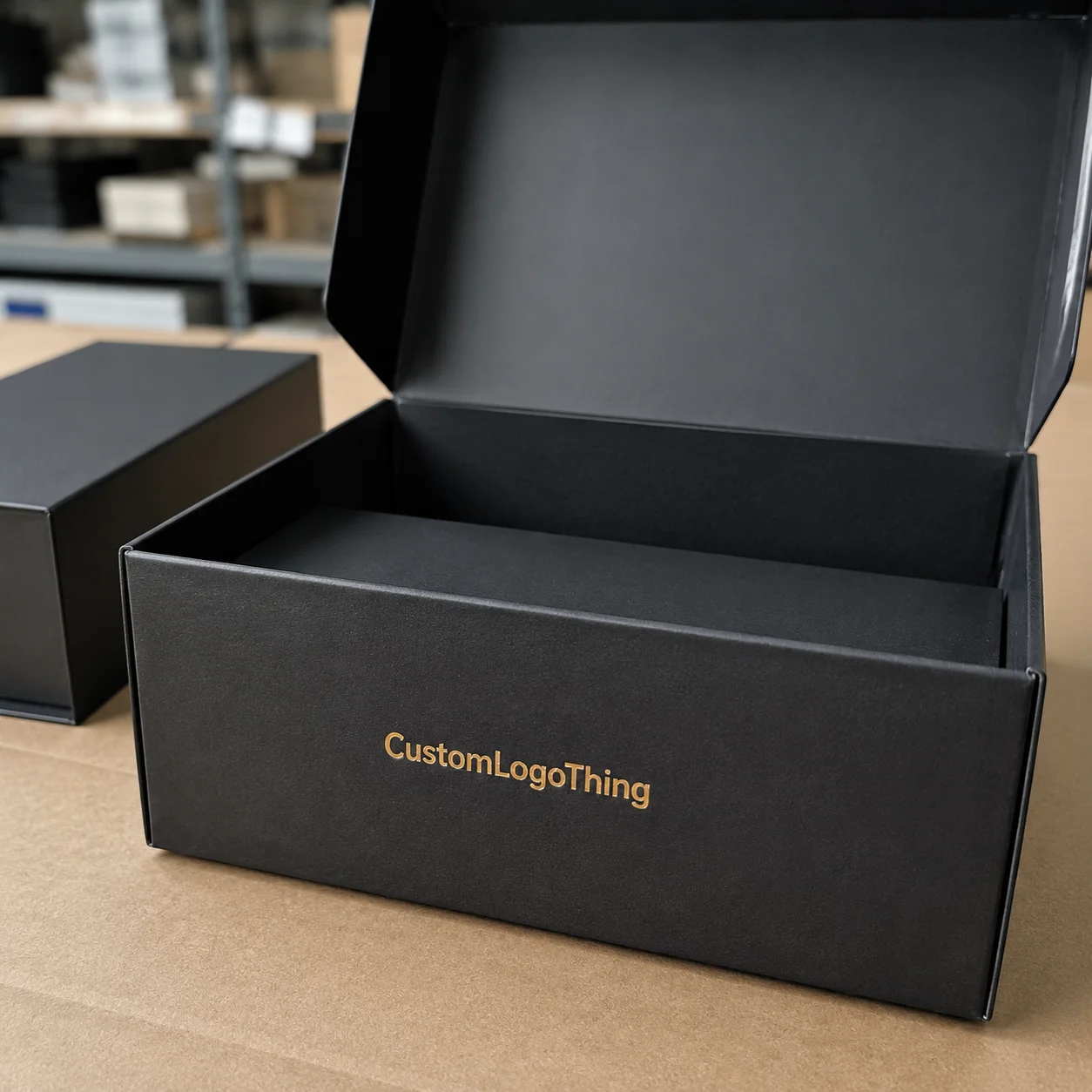
A rigid box, in plain terms, is a chipboard-based set-up box wrapped in printed paper, specialty paper, or laminated stock, often built from 2 mm grayboard, 1.5 mm E-flute, or 350gsm C1S artboard wrapped over a rigid shell for a premium presentation feel. These boxes show up everywhere I have worked: luxury retail in Hong Kong’s Kwun Tong district, cosmetics launches in New Jersey, electronics kits in Shenzhen, and subscription packaging for premium tea and fragrance brands in Los Angeles and Singapore. They look simple from the outside, but the structure underneath is doing a lot of work, and honestly, that invisible labor is where the whole package either earns its keep or quietly falls apart.
Good rigid Boxes Design Tips are not just about making a package look expensive. Structure affects product protection, stacking strength, shipping performance, and even how cleanly the box comes together on a hand-glued or semi-automated line that may output 800 to 1,500 units per shift depending on the number of corners, inserts, and foil passes. I have seen a gorgeous lid-and-base box fail because the corner wraps were too tight for the board thickness, and I have seen a plain matte black drawer box feel luxurious simply because the tolerances were clean and the pull ribbon sat exactly where the finger expected it.
Honestly, that is where most brands get tripped up. They focus on the visible surface first, then try to fit the structure around the graphic, instead of designing the box as one working system. The smartest rigid Boxes Design Tips balance branding, production efficiency, and end-use function from the start, especially if your box will be hand assembled, inserted with EVA foam cut to 30-45 Shore C density, or packed under a 12-business-day retail deadline that somehow arrives on a Friday afternoon.
Here is the roadmap I use on real projects: material selection, construction style, print and finish choices, pricing realities, timelines, and the mistakes that cost money when you are already locked into a production slot. If you are comparing packaging options, it also helps to look at our Custom Packaging Products alongside your rigid box goals so the structure and brand story stay aligned from the first dieline review, usually within 3 to 5 business days of the brief.
How Rigid Box Construction Works in the Real World
Rigid box construction starts with chipboard, usually in thicknesses such as 1.5 mm, 2 mm, 2.5 mm, or 3 mm depending on product weight and the premium feel you want; for example, a 220 g fragrance set may be fine in 1.5 mm board, while a 1.4 kg glass skincare kit or an electronics accessory box often needs 2 mm or more. The wrap layer can be printed art paper, C1S or C2S sheets, textured stock, foil paper, or specialty paper with a tactile surface like 157gsm coated art paper laminated to a soft-touch film or 128gsm kraft with a water-based varnish.
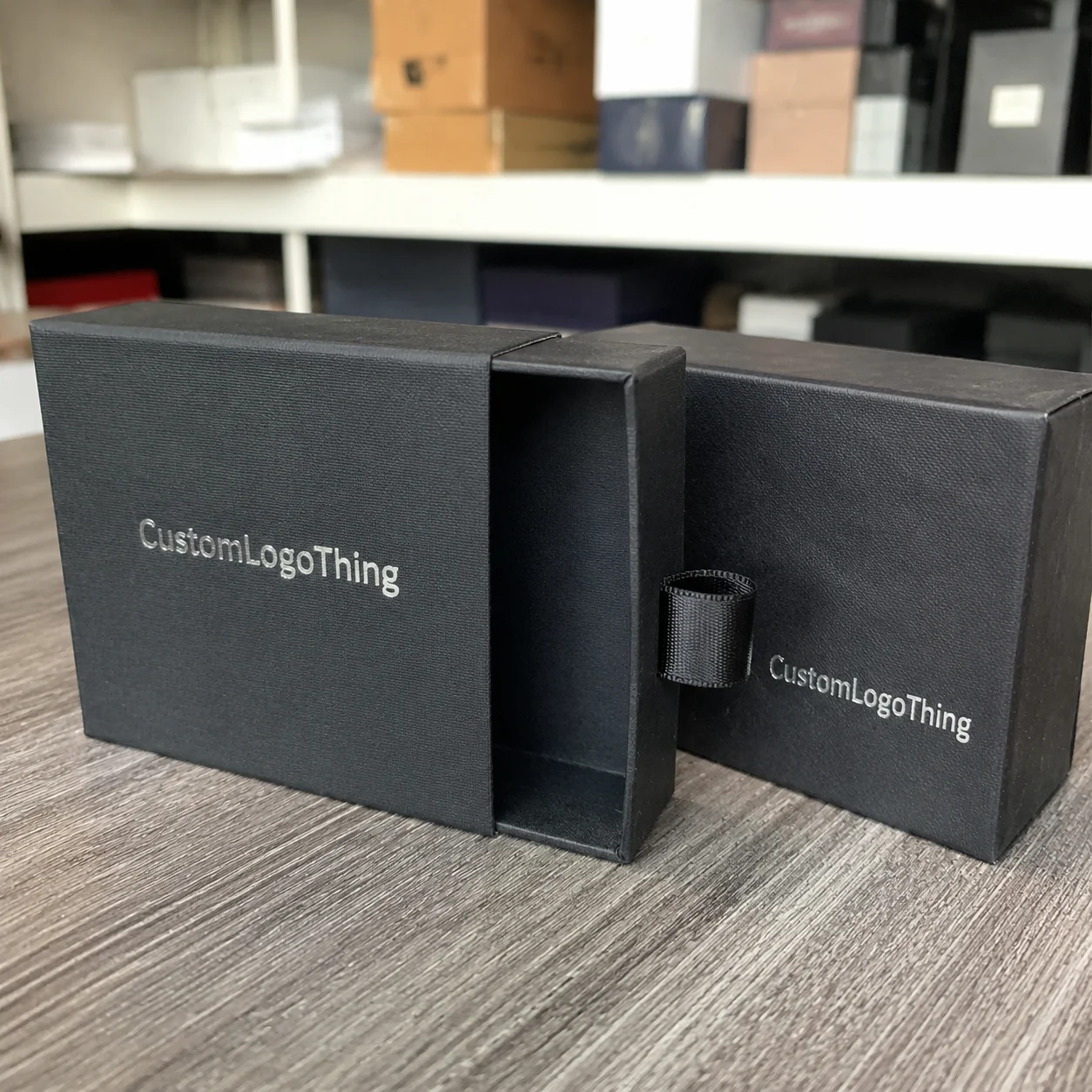
The common structures are easy to name but each behaves differently in production. A lid-and-base rigid box is the classic set-up style and is often quoted at around $0.22 to $0.38 per unit on a 5,000-piece run in Shenzhen, depending on print coverage and inserts. A shoulder box has a raised inner tray that creates a shadow line around the lid, which is one reason it feels so upscale in cosmetics and jewelry. A magnetic closure box uses embedded 10 mm x 1 mm or 15 mm x 1.5 mm magnets in the flap, and a drawer box slides along a sleeve or tray, which gives you more presentation drama but also more parts to control on a production line in Dongguan or Huizhou.
On the factory floor, the sequence matters as much as the drawing. First the chipboard is die cut or scored, then the printed sheet is prepared, wrapped, glued, and pressed in a wrapping machine that may run 600 to 900 shells per hour on straightforward jobs. Corners are formed, edges are folded in, and the box sits under pressure long enough for the adhesive to grab properly, typically 4 to 8 minutes before handling and 12 to 24 hours before full stacking. After that, QC checks usually focus on squareness, wrap alignment, corner cracking, magnetic polarity, and whether the lid opens without scraping the base. I have lost count of how many times a tiny misalignment at this stage caused a whole batch to look “slightly off,” which is packaging-speak for “everybody notices but nobody wants to say it first.”
I remember a supplier meeting in Dongguan where a client wanted a narrow shoulder box with a dense textured wrap and heavy foil on all four sides. Beautiful concept. But the grain direction on the paper, the glue coverage around the shoulder edge, and the wrap return allowance made it one of the trickiest jobs on the line, especially with a 2.5 mm board and a 1.2 mm shoulder gap. We got it done, but only after reducing the panel count and increasing the wrap allowance by 1.5 mm. That is the kind of detail rigid boxes design tips need to address early.
Finishes are usually applied after print and before final assembly, depending on the method. Foil stamping, embossing, debossing, spot UV, and soft-touch lamination all sound straightforward on paper, yet each one changes how the paper stretches, how much pressure the die needs, and how the surface resists scuffing during hand assembly. If your design relies on a perfect metallic logo edge, the die line, pressure, and board quality need to be specified up front, not guessed later. I wish I could say the factory fairy fixes those things automatically, but no such luck.
Design files meet factory reality in the margin allowances. You need room for board thickness, glue flaps, hinge stress, and insert fit, and a typical rigid box dieline will reserve 1.8 mm to 3 mm around structural edges plus an additional 0.5 mm to 1 mm for wrap wrap-back. If the product insert is EVA foam, molded pulp, or a cardboard cradle, the box dimensions must account for the actual nested depth, not just the product’s outer size. That is one of the most practical rigid boxes design tips I can give: design for how the box will be made, not only how it will be rendered on a screen.
Rigid Boxes Design Tips for Materials, Structure, and Branding
Material choice is usually where a rigid box either starts feeling premium or starts fighting the budget. For heavier products, I lean toward thicker board and a stronger base construction because sagging shows up fast on retail shelves and even faster in transit, especially after a 1.2-meter drop test or a 40 kg carton stack in a warehouse in Taoyuan or Dallas. A box carrying a 900 g candle set should not be treated the same way as a 120 g jewelry pouch, and that distinction should appear in your rigid boxes design tips from the beginning.
Wrap material changes the entire tone of the box. Art paper with high-quality print gives sharp color and good brand control, especially when paired with 350gsm C1S artboard on a printed sleeve or 157gsm CCNB for internal graphics. C1S and C2S sheets work well when the graphic needs strong registration and clean typography. Textured papers give a more tactile, boutique feel, while foil papers and specialty stocks create reflective or soft-touch experiences that immediately signal luxury. I have seen matte black art paper with soft-touch lamination outperform expensive printed graphics simply because it felt more intentional in hand. That kind of quiet confidence tends to win more often than loud decoration, which is probably why I keep coming back to it.
Choose structure based on the product, not the trend
One of the most useful rigid boxes design tips is to match the structure to the product behavior. Magnetic rigid boxes suit premium gifting, perfume, and high-end electronics because they create a controlled opening experience and usually require about 0.8 to 1.2 seconds to close with a satisfying magnetic pull. Drawer boxes are better when you want layered presentation, accessories, or a reveal sequence. Shoulder boxes make sense for jewelry, cosmetics, and collector items because the raised tray adds visual depth and helps the lid land cleanly.
There is a temptation to pick the most elaborate structure because it photographs well. I have seen that mistake in sales meetings more than once. The sample looks amazing on a white table in the conference room, but the production line loses 8 to 10 percent efficiency because the closure is too tight or the insert needs to be hand-fitted in a way that slows packing. Good rigid boxes design tips respect the actual manufacturing rhythm, whether the job is built in Shenzhen, Guangzhou, or a contract facility in Penang.
Branding should be restrained and specific
Branding decisions often have more impact than extra decoration. A strong logo placement on the lid, a disciplined color palette, and typography with enough breathing room can outperform a box loaded with visual noise. I prefer a few carefully chosen premium signals: a foil logo, a soft-touch wrap, or a subtle emboss on the brand mark. Those details feel expensive without making the box look overworked.
Here is a practical truth from the floor: if a package has five competing finishes, it usually ends up looking like a trade show sample, not a polished retail box. The strongest rigid boxes design tips usually recommend one hero finish and one supporting finish. For example, foil plus emboss can feel very refined, while soft-touch plus spot UV can create a modern cosmetic look. More than that, and the design starts to lose focus. I know that sounds blunt, but I would rather be blunt than watch a brand pay for complexity nobody asked for.
Insert choices matter as much as the shell
Inserts are where functionality and presentation finally meet. EVA foam is common for electronics and delicate items because it holds shape well and cushions against impact, and many factories in Dongguan and Zhongshan cut it in 5 mm, 10 mm, or 15 mm profiles depending on the product cavity. Molded pulp is better when sustainability and product restraint matter. Cardboard dividers work for sets, silk or satin lining suits jewelry, and vacuum-formed trays are useful when the product must sit in a very specific cavity.
The right insert depends on fragility, product finish, and how the customer will remove the item. I once worked on a fragrance box where the insert looked elegant but required two fingers and a little patience to lift the bottle. That may sound minor, yet it created customer complaints because the bottle felt trapped. The corrected version used a slightly higher thumb notch and a 0.8 mm looser fit. That is exactly the kind of adjustment that belongs in your rigid boxes design tips file.
| Structure | Best For | Typical Feel | Production Complexity |
|---|---|---|---|
| Lid-and-base | Gifts, retail, cosmetics | Classic, stable, clean | Moderate |
| Magnetic closure | Premium sets, electronics, luxury gifting | Controlled, premium, secure | Moderate to high |
| Drawer style | Jewelry, layered kits, sampler sets | Interactive, presentation-focused | High |
| Shoulder box | Perfume, skincare, premium accessories | Refined, dimensional, upscale | High |
If you want more packaging formats beyond rigid boxes, our Custom Packaging Products page is a useful starting point for comparing structural approaches before you lock in a spec sheet. That comparison often saves 2 to 4 business days later because the best box is not always the fanciest one.
Step-by-Step Rigid Boxes Design Tips Workflow
Every successful project I have seen starts with a complete product spec sheet. You need the dimensions, weight, fragility level, accessories, shipping method, and any retail display requirements before you sketch a single box. A perfume carton for a domestic launch is a different challenge from a 2.2 kg gift set that will move through warehouse handling and export freight on a route from Ningbo to Rotterdam. Strong rigid boxes design tips always begin with the product, not the decoration.
The second step is to build the box around function first. That means defining the box type, board thickness, wrap allowance, insert depth, lid clearance, and closure method before you get too deep into graphics. I have watched brands fall in love with a beautiful dieline only to discover the lid interfered with the product neck, or the drawer ribbon made the package too wide for the shelf tray. That kind of moment is equal parts preventable and irritating, which is a terrible combination for anyone trying to hit a launch date.
Once the structure is settled, the artwork should be prepared with safe zones, bleed, and fold allowances clearly marked. Prepress teams need finish callouts too: foil areas, emboss zones, spot UV, varnish, and any reversed type that needs special attention. If you leave those details vague, registration issues show up during trimming or stamping, and the blame usually lands in the wrong place. The best rigid boxes design tips make the artwork team and the factory speak the same language.
Sampling is where real savings happen. I know people think samples slow everything down, but a structural prototype often prevents larger losses later. A good sample should be checked for fit, corner integrity, lid tension, closure strength, and opening effort. I like to have someone open it with dry hands, then with slightly damp hands, because that tells you a lot about how the package behaves in retail environments and shipping rooms with humidity hovering around 55% to 70%.
Before final production, a pre-production sample should confirm color targets, finish consistency, and alignment with the original brand intent. This is the point where a brand manager, a packaging engineer, and a production lead should all sign off. If one of them is uneasy about how the magnetic flap feels or how the print reads under warm light, fix it now. That is one of the simplest rigid boxes design tips and also one of the most expensive to ignore.
Rigid Boxes Design Tips That Affect Cost and Pricing
Price is where the conversation becomes very real. The biggest cost drivers are board thickness, box size, wrap material, finish complexity, insert type, and whether the box needs manual assembly or custom tooling. If you are working with a 500-piece run, a magnetic box with foil stamping and an EVA insert can easily cost several times more than a simple printed lid-and-base box with a cardboard insert. For reference, I have seen quoted pricing around $0.62 to $1.10 per unit for 5,000 pieces on a straightforward build, while a more ornate shoulder box with embossing and multiple inserts can move well above $1.80 per unit depending on paper and labor in Guangdong or Vietnam. The numbers vary by region and season, but the pattern stays the same.
In supplier discussions, I always push clients to decide which premium features truly matter. A soft-touch wrap, for example, may improve the hand feel more than an extra emboss. A foil logo on the lid may do more for shelf presence than a printed pattern across every side panel. Good rigid boxes design tips do not tell you to buy every feature; they tell you to spend where the customer will actually notice it.
Order quantity also changes the math. Setup costs, die tooling, and press preparation get spread across larger runs, so unit price drops as volume rises. A short run of 300 units can carry a high per-box cost because the setup time is nearly the same as for 3,000 units, and in some factories the minimum line charge alone can add $150 to $300 before any materials are touched. That is one reason brands often ask for pricing tiers before approving a design. It helps them see whether a 2 mm board upgrade or a different insert material is worth the extra investment.
To make the cost differences clearer, here is a practical comparison I often share during quoting:
| Configuration | Common Use | Relative Cost | Why It Changes Pricing |
|---|---|---|---|
| Standard printed lid-and-base | Retail gifts, entry-level luxury | Lower | Fewer parts, simpler assembly, less finishing labor |
| Magnetic closure with soft-touch | Cosmetics, premium kits | Medium | Extra board work, embedded magnets, added coating step |
| Shoulder box with foil and emboss | Jewelry, perfumes, collector items | Higher | Tighter tolerances, more finishing passes, higher QC demands |
| Drawer box with custom insert and specialty wrap | Luxury sets, electronics accessories | Higher | Multiple components, more handwork, more waste risk |
For clients who want a premium look without blowing the budget, I usually recommend choosing one or two hero features. Maybe soft-touch plus foil, or textured wrap plus emboss. That gives the box a distinct identity while keeping production sane. It is one of the most practical rigid boxes design tips I share, and it tends to make the finance team much calmer. Calm finance teams are underrated, frankly.
Process, Timeline, and Production Planning for Rigid Boxes
A realistic timeline starts with the design brief, moves into dieline development, then sampling, revisions, prepress, mass production, assembly, packing, and shipping. If everything goes well, a straightforward project may move from approved brief to finished goods in 25 to 35 business days, but specialty materials and finishing can extend that by another week or two. I have seen a soft-touch magnetic box with imported textured paper hold up on procurement alone because one paper had to be matched to a very specific tone and tactile standard sourced from a mill in Taiwan.
Sampling often saves time overall because it catches sizing or fit issues before the full order is committed. A sample reveals where the board wraps too tightly, whether the magnets are aligned correctly, and whether the insert actually holds the product during movement. One client in the personal care space saved an entire reprint because the sample showed that their lotion bottle cap was hitting the lid by 3 mm. That is exactly the kind of thing you want to discover before mass production, not after the warehouse team has already started saying, “Well, that’s annoying.”
Specialty finishes can add time because they need curing, careful registration, or extra quality checks. Foil stamping and embossing may require different tooling from the print run, while soft-touch lamination needs handling time to avoid surface marks. If the box also has a window patch, ribbon, or complex insert, the schedule should include room for procurement delays and line setup. The best rigid boxes design tips always build in some breathing room, and a practical rule is to allow 12 to 15 business days from proof approval for a standard rigid box run at a partner factory in Shenzhen or Dongguan.
Planning around launch dates matters too. Retail deadlines, seasonal campaigns, and freight transit can compress a project very quickly. If a product launch is tied to a trade show or a holiday promotion, I would rather see the packaging spec frozen early and revised only for critical issues. Last-minute changes are where boxes slip from premium to problematic. A 5 mm size tweak may sound minor, but on a finished rigid box it can ripple through board cutting, wrap placement, insert fit, and carton packing.
Here is a practical timeline framework I use when discussing rigid packaging with clients:
- Brief and specification: 2 to 4 business days for product data, branding assets, and target budget.
- Dieline and structural draft: 3 to 6 business days depending on complexity.
- Sampling and revisions: 5 to 12 business days, sometimes longer for specialty finishes.
- Prepress and approval: 2 to 5 business days after sample signoff.
- Production and assembly: often 12 to 20 business days for mid-size runs, depending on finish load and labor.
- Packing and freight: variable by destination, cartons, and shipping method.
These are working estimates, not promises. They depend on stock availability, season, and how many revision rounds the artwork needs. That kind of honest planning is part of good rigid boxes design tips, because a beautiful package is not very useful if it arrives after the launch date.
For packaging sustainability guidance, I also suggest reviewing the EPA’s materials and waste resources at epa.gov, especially if your rigid box program includes fiber-based inserts or recyclable wraps. It is a useful reality check when brands want premium packaging without ignoring end-of-life concerns, and it pairs well with FSC-certified paper sourced through mills in Zhejiang or British Columbia.
Common Mistakes and Expert Rigid Boxes Design Tips
The biggest mistake I see is designing the artwork before the structure is locked. That sounds harmless until the dieline shifts and the logo lands too close to a fold, or the foil stamp crosses into a glue zone where it will never register cleanly. Good rigid boxes design tips start with structure, then artwork, not the other way around.
Another common issue is using board that is too thin for the product weight. A flimsy base may look acceptable in a mockup, but when a 1 kg item sits inside for three weeks on a retail shelf, the panel can bow and the lid starts to misalign. I once watched a premium tea box develop a subtle belly in the base after warehouse storage in humid Guangzhou, and the client was surprised because the product itself was not heavy. The issue was stacked load plus weak board selection, not the tea.
Paper grain gets ignored more often than you would think. If the grain direction runs against the fold, the wrap can crack or bubble more easily, especially on tight corners. Glue zones matter too. If there is insufficient overlap, the wrap may lift under humidity. And if the corner wraps are too tight, the edges can telegraph through the surface and create a rough feel that undermines the luxury impression.
One of my favorite rigid boxes design tips from factory experience is simple: keep critical graphics away from the edges. A beautiful logo printed too close to the lid seam may look fine in the artwork file and then get clipped by a 1 mm shift in the wrapping station. That is not a theoretical problem; I have seen it happen on a run of 8,000 units where the entire batch needed manual inspection. Expensive lesson. The sort of lesson that makes you stare at the ceiling for a minute after the phone call.
Magnetic closures need testing too. If the pull is too weak, the box feels cheap. If the pull is too strong, customers struggle to open it and may damage the flap. A closure should feel intentional, not stubborn. The same goes for inserts. The product should sit securely but not require force to remove. If the customer has to wrestle the item out, the unboxing experience turns from premium to awkward very quickly.
It also helps to review the box from the consumer’s perspective. Open it with one hand. Remove the product with the insert still in place. Check whether the box can be reused cleanly. Ask whether the tactile finish actually supports the brand story or simply adds cost. In my experience, the boxes that succeed long term are the ones that feel natural in hand and straightforward on the production line. That is the heart of smart rigid boxes design tips.
“A rigid box should impress in the first five seconds and still make sense after the fifth use. If it only looks good in a render, it is not finished.” — advice I have given more than once on a production floor
If you want to verify structural performance or shipping durability, standards bodies like ISTA are worth consulting. Their testing frameworks help brands think beyond looks and evaluate actual handling risk. You can start with ista.org for packaging test standards and shipment simulation references. For brands working with responsibly managed paper sources, the FSC site is also useful when choosing certified materials, especially if your supplier in Shenzhen or Suzhou is certifying recycled board at the mill level.
What Are the Best Rigid Boxes Design Tips for Premium Packaging?
The best rigid boxes design tips are the ones that bring structure, branding, and production reality into the same conversation before anyone approves artwork. If the box is meant to feel premium, the materials, opening experience, and finish selection should support that feeling without making assembly overly complicated or pricing unmanageable.
Start with the product itself. Weight, fragility, and how the item will be removed from the box all shape the right construction. A jewelry set, a fragrance kit, and an electronics accessory each ask for a different insert, different board thickness, and often a different closure style. That is why the smartest rigid boxes design tips focus first on use case, not trend.
From there, simplify the visual language. A restrained logo placement, one strong tactile finish, and a clean interior often create more presence than layered decoration. In many factory runs I have reviewed, one foil logo plus a soft-touch wrap delivered a more memorable result than a box with multiple print effects fighting for attention. That balance is central to practical rigid boxes design tips.
Finally, always sample before scaling. A structural prototype can reveal tolerance issues, lid tension problems, or insert fit concerns that no digital render will show. That one step often protects budget, schedule, and brand reputation all at once, which is exactly why it belongs near the top of every rigid packaging checklist.
Next Steps for Smarter Rigid Box Design
If you are starting a project now, gather the product dimensions, weight, branding assets, and target budget before you open a design file. That single step prevents a lot of wasted back-and-forth. The strongest rigid boxes design tips depend on accurate inputs, and even a few millimeters can change the fit, the cost, and the final unboxing feel.
Make a short priority list. Rank what matters most: protection, premium feel, sustainability, shelf impact, or lowest possible unit cost. You do not need every feature in every box. A clean rigid box with one thoughtful premium finish often performs better than an overdesigned package with too many surfaces competing for attention.
Ask for a structural sample and compare two or three material and finish combinations before approving full production. On a recent client project, a soft-touch black wrap lost to a textured paper version because the textured stock resisted scuffing better in distribution and looked richer under store lighting in Chicago and Manchester. The client had assumed the smoother option would feel more luxurious, but the sample told a different story. That is why I trust samples more than mood boards.
Document every approval in writing, including size, paper, finish, insert style, and color target. If a revision comes in later, there should be no confusion about which version is the active one. Production teams are usually juggling multiple jobs, and the cleanest projects are the ones with clear records. Good rigid boxes design tips are part design advice, part process discipline.
Before final signoff, revisit the full checklist: structure, board thickness, wrap stock, insert fit, print registration, finish selection, closure strength, and packing method. If those pieces hold together, the box will usually hold together too. That is the real value of rigid boxes design tips—not just making packaging prettier, but making it work better on the line, in transit, and in the customer’s hands.
FAQs
What are the most important rigid boxes design tips for beginners?
Start with product size, weight, and fragility before choosing materials or finishes. Keep the structure simple at first, then add premium details only where they improve function or presentation. Always request a sample so you can check fit, closure strength, and overall feel before mass production, ideally with a physical prototype in hand within 5 to 10 business days.
How do rigid boxes design tips change for heavy products?
Use thicker chipboard and a stronger base construction to prevent bowing or collapse. Choose inserts that lock the product in place so movement during shipping does not damage the box or the item inside. Avoid overly delicate finishes on high-touch surfaces if the box will be handled frequently, especially for products heavier than 700 g or shipments that will travel through multiple distribution centers.
Which rigid box finishes add the most premium feel?
Foil stamping, embossing, soft-touch lamination, and textured wraps typically create a stronger luxury impression. The best finish depends on the brand: cosmetic packaging may benefit from soft-touch and foil, while jewelry boxes often use subtle texture and metallic details. Too many finishes can look busy, so choose one or two that support the design instead of competing with it, and test the look under 3500K and 5000K lighting before approval.
How much do rigid boxes usually cost to make?
Cost depends on size, board thickness, wrap material, print complexity, finish options, insert type, and order quantity. A simple rigid box with standard wrap and no special finishing is usually far more economical than a magnetic box with foil, embossing, and custom inserts. Higher quantities usually lower the unit price because setup and tooling costs are spread across more boxes, and a 5,000-piece order can sometimes reduce cost by 25% to 40% compared with a 1,000-piece run.
How long does it take to produce custom rigid boxes?
Timing usually includes design, sampling, revisions, prepress, production, assembly, and shipping. Specialty materials and complex finishes can extend the schedule because they require extra procurement and quality checks. A standard project typically takes 12 to 15 business days from proof approval for production alone, while the full process from brief to shipment can run 25 to 35 business days depending on revisions, freight method, and factory location.