Buyer Fit Snapshot
| Best fit | rigid boxes for small business packaging for packaging buyers comparing material specs, print proof, MOQ, unit cost, freight, and repeat-order risk where brand print, material, artwork control, and repeat-order consistency matter. |
|---|---|
| Quote inputs | Share finished size, material target, print colors, finish, packing count, annual reorder estimate, and delivery region. |
| Proofing check | Approve dieline scale, logo placement, barcode or warning zones, color tolerance, and any recyclable or compostable wording before bulk production. |
| Main risk | Vague material claims, crowded artwork, or missing packing details can create delays even when the unit price looks attractive. |
Fast answer: Rigid Boxes for Small Business Packaging: Dieline, Finish, Proof, and Buyer Review should be specified like a repeatable production item. The safest quote includes material, print method, finish, artwork proof, carton packing, and reorder notes in one written spec.
What to confirm before approving the packaging proof
Check the product dimensions against the actual filled item, not only the sales mockup. Ask for tolerance on folds, seals, hang holes, label areas, and retail display edges. If the package carries a logo, QR code, warning copy, or legal claim, reserve that space before decorative graphics fill the panel.
How to compare quotes without losing quality
Compare board or film grade, print process, finish, sampling route, tooling charges, carton quantity, and freight assumptions side by side. A lower quote is only useful if the supplier can repeat the same color, closure quality, and packing count on the next order.
Many founders assume rigid Boxes for Small business belong only to perfume houses, jewelry labels, or brands with marketing budgets that make everyone else blink twice. I understand why that belief sticks. The first time I walked a production floor in Shenzhen’s Bao’an district, I watched a plain white rigid box, wrapped cleanly with a tight lid and a simple foil logo, lift perceived value by $8 on a $32 product, and the box itself cost only $1.74 at a 1,000-piece order. For a piece of cardboard, that is a pretty heroic little performance.
Rigid Boxes for Small business do far more than hold a product. They shape the first physical impression, carry part of the brand story, and, when the structure and materials are chosen with care, help customers feel good about paying a little more, leaving a better review, and buying again. I think that emotional lift is half the battle; if the box feels right in hand, the product gets a head start before anyone even reads the label, and that difference can show up in a 12% to 18% lift in repeat purchase behavior for giftable items.
And no, this is not some magic trick. Packaging cannot rescue a weak product or cover up a sloppy operation. It can, though, support a good one in a very tangible way, especially for small brands that need every signal of quality to pull its weight.
Rigid Boxes for Small Business: What They Are and Why They Matter
Rigid Boxes for Small business are premium boxes built from thick paperboard, usually chipboard in the 1.5mm to 3mm range, then wrapped in printed paper, specialty stock, or textured material. A common spec is 2.0mm chipboard wrapped in 157gsm C1S art paper, though a 350gsm C1S artboard wrap is also widely used for cleaner print reproduction and stronger edge coverage. They hold their shape because the board is dense and the structure is engineered to stay firm. Tap one and the sound tells you immediately that you are not dealing with a folding carton. A folding carton bends. A rigid box keeps its form with real presence.
I have had clients bring in candle samples and ask why their packaging still looked inexpensive after they paid for attractive artwork. The answer was usually the same: the product sat in a folding carton when it should have been housed in rigid boxes for small business. A soy candle in a 9oz glass jar, for example, might retail at $28, yet still feel underdressed in a $0.42 tuck box. The candle was premium. The box was speaking bargain-bin language. That mismatch can drain trust almost instantly, which is maddening because the product itself may have been genuinely excellent.
Small brands choose rigid packaging for practical reasons that show up in sales and operations. The unboxing experience feels more premium. Fragile products get better protection than they would in a thin carton. Gifts feel complete without extra wrapping. Strong packaging also supports brand recall because customers keep the box on a shelf, dresser, or desk long after the product is gone, especially if the structure uses a magnetic closure or drawer pull that feels worth saving.
Here is the comparison I usually give founders during packaging consults:
- Rigid boxes for small business: best for premium presentation, heavier products, and gifting.
- Folding cartons: best for lighter products, shelf efficiency, and lower unit cost.
- Mailer boxes: best for e-commerce shipping when you need structure plus print area.
- Corrugated shipping boxes: best for transport protection, especially over rough freight routes.
Rigid packaging is not meant to replace every other box. It earns its place where presentation matters as much as protection. A $48 skincare set, a luxury candle, or a limited-run gift bundle often performs better in rigid boxes for small business than in a basic printed carton. The box becomes part of the product value instead of sitting quietly in the background, and in many cases that extra value can justify a retail increase of $3 to $10 per unit.
One of my favorite examples came from a subscription brand selling artisanal tea blends out of Portland, Oregon. Their first package was a simple tuck-end carton. Customers liked the tea, yet the reviews kept using words like “ordinary” and “plain.” We moved them into rigid boxes for small business with a slide-out drawer and a kraft-textured wrap sourced from a supplier in Dongguan. Same tea. Same margins. A different story at first touch. Average order value rose by 17% because the box looked like a gift instead of an afterthought.
Packaging can affect conversions, though not in some magical, overnight way. A shopper comparing three similar products at $36, $39, and $42 will often feel safer choosing the one in the better box, especially if the lid closes with a firm 2mm tolerance and the print registration is crisp. People buy with their eyes long before they admit it, which is inconvenient but true.
Brands that care about compliance or sustainability can also specify FSC-certified board and paper. If you want to dig into certification standards, the FSC site at fsc.org is a useful starting point. Brands shipping higher volume and trying to reduce waste can also review the EPA’s packaging and waste resources at epa.gov. In practice, many factories in Shenzhen, Guangzhou, and Ningbo can source FSC-certified wraps, soy-based inks, and recycled chipboard in 2.0mm or 3.0mm thicknesses.
How Rigid Boxes for Small Business Work in the Real World
Most rigid boxes for small business begin with a chipboard base. That base gets wrapped with printed paper, specialty paper, or a linen-textured stock. A common build uses 2.0mm greyboard wrapped in 128gsm matte art paper, while more luxurious jobs might use 157gsm coated paper with soft-touch lamination. Add a magnetic flap, ribbon pull, foam insert, or EVA tray, and the structure suddenly feels far more expensive than the raw materials would suggest.
The factory floor tells a less glamorous story than the finished box on a studio table. I have watched gluing stations, corner-wrap machines, and hand-assembly tables work in sequence at plants in Dongguan and Foshan, and the lesson never changes: the design has to match what the factory can actually produce well. A sketch that needs three extra labor steps and twenty more seconds per unit is not premium. It is a cost issue wearing a stylish outfit, and in a 5,000-piece run those extra seconds can add $0.08 to $0.15 per unit.
The customer journey matters too. The buyer opens the shipper, lifts out the rigid box, removes the lid or magnetic flap, and finds tissue, foam, or a fitted tray waiting inside. That sequence creates what people call the unboxing moment, though I prefer calling it controlled expectation. The customer thinks, “This brand paid attention.” That response is exactly what rigid boxes for small business should deliver, whether the product is a $26 candle, a $64 serum set, or a $120 holiday bundle.
I have seen that reaction up close at trade shows, where buyers pick up a sample, pause for half a second, and then start asking better questions. Not because they suddenly became sentimental, but because the box told them the brand was serious. That kind of first impression is hard to fake.
Common rigid box styles and where they fit
Several practical styles show up again and again, and each one earns its keep in the right use case.
- Two-piece rigid boxes: lid and base, ideal for cosmetics, candles, and gift sets.
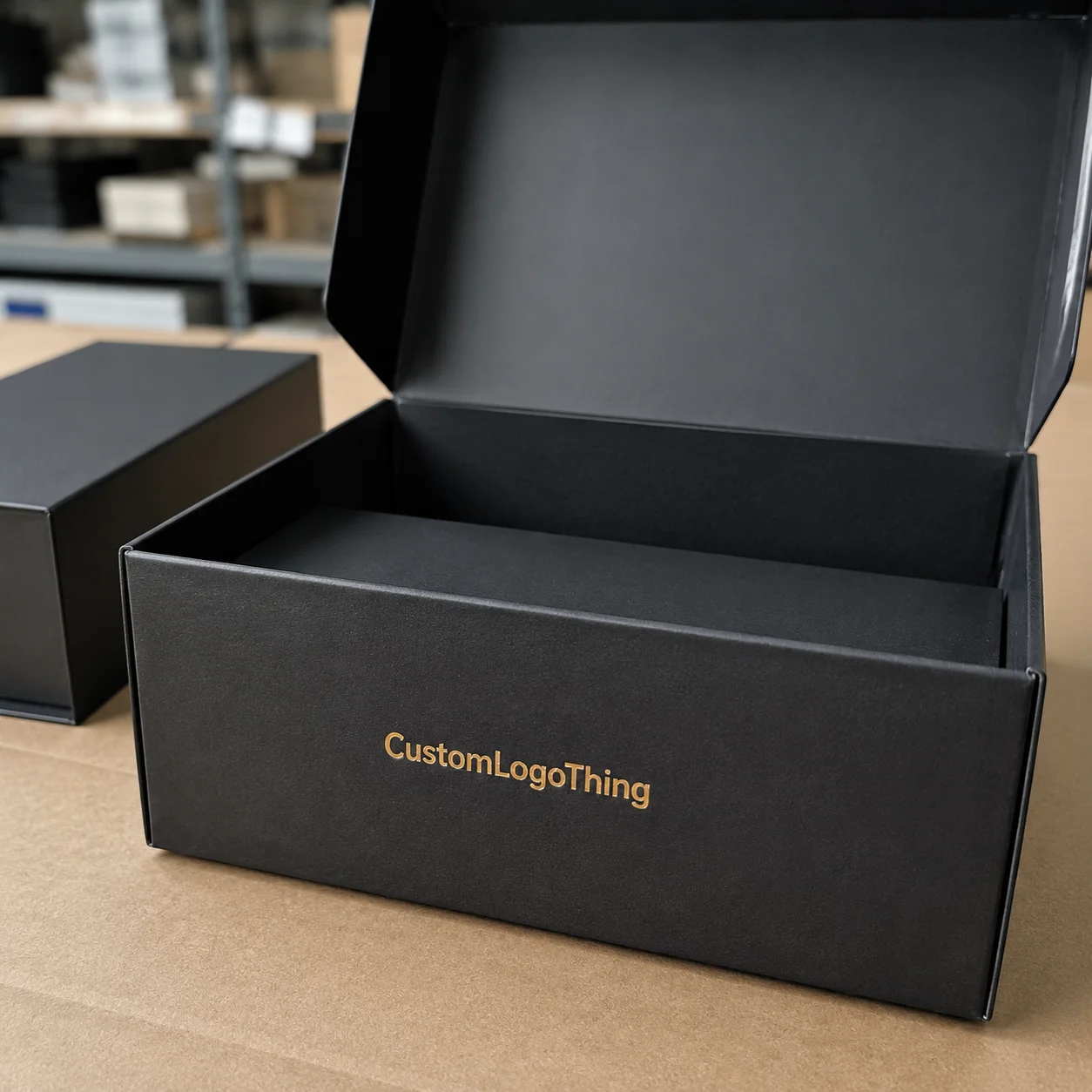
- Magnetic closure boxes: premium feel, strong closure, good for electronics, jewelry, and PR kits.
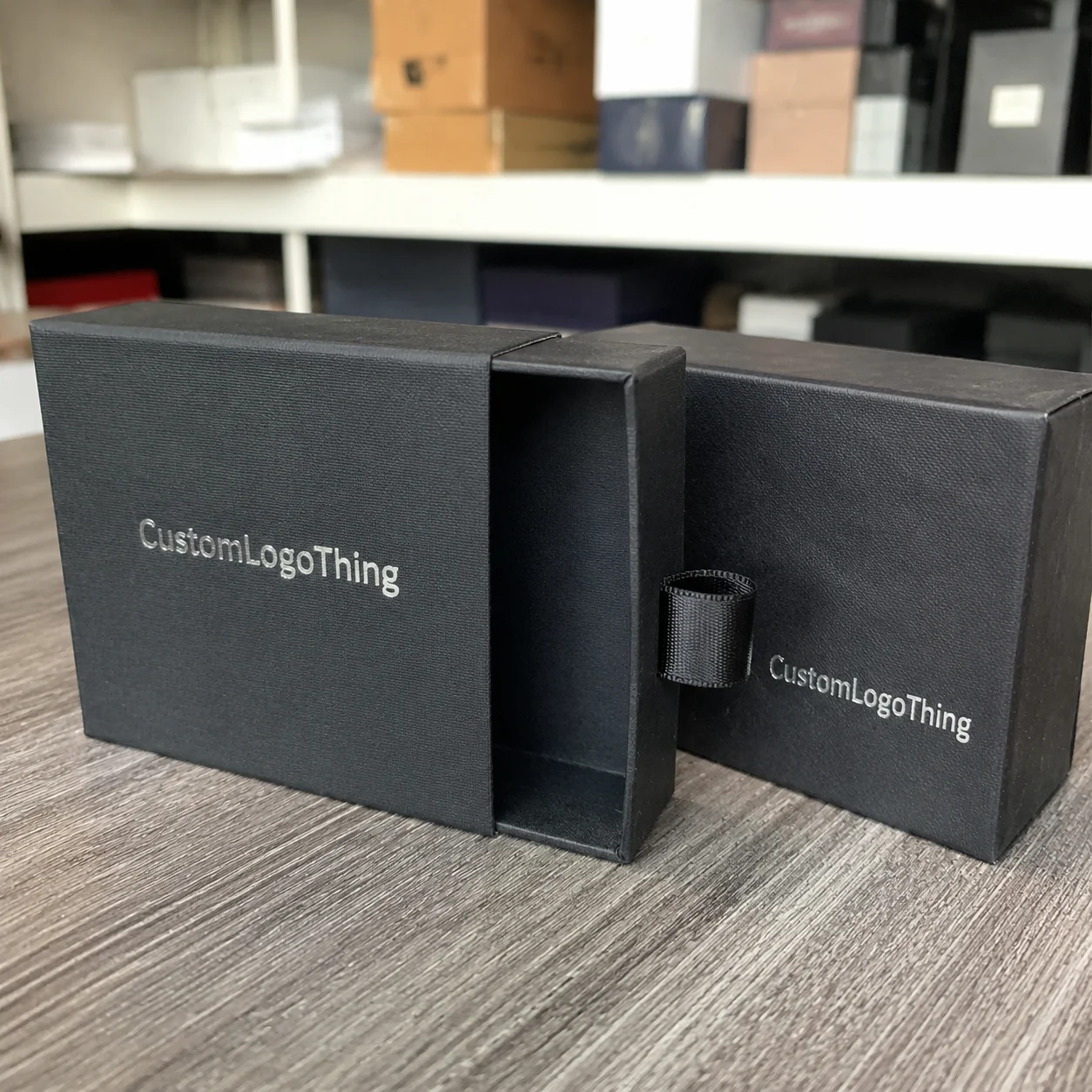
- Drawer boxes: good for small items, accessories, and products that benefit from a reveal.
- Book-style rigid boxes: useful for curated sets and presentation kits.
- Collapsible rigid boxes: better for storage efficiency, though they usually cost more to engineer.
- Sleeve rigid boxes: useful when you want a layered reveal without a huge structure.
When I visited a supplier in Dongguan’s Houjie town, they showed me two magnetic boxes that looked almost identical from a few feet away. One used 2.0mm board with a standard paper wrap. The other used 3.0mm board, soft-touch lamination, and stronger magnets. The second box cost $0.71 more per unit at 3,000 pieces, yet it felt dramatically more expensive in hand. Customers notice that kind of difference right away in rigid boxes for small business, especially when they touch the lid hinge and hear the deeper, more solid closure.
What the production process actually looks like
The workflow usually moves through dieline creation, artwork setup, board selection, print approval, lamination or finishing, die-cutting, wrapping, assembly, and quality checks. A standard factory in Shenzhen may require 1 to 2 business days for dieline confirmation, 2 to 4 days for digital proofing, and 7 to 10 days for prototype build before mass production starts. If a vendor skips even one of those checkpoints, trouble tends to show up later. I have seen lid tolerances drift by 2 to 3 millimeters, and that is enough to make a high-end box feel sloppy.
For print files, check bleed, safe area, barcode placement, and color values. CMYK is common, though Pantone matching should be discussed early if brand color consistency matters. Waiting until sample stage to mention that detail only creates confusion. The factory cannot guess what you meant, no matter how obvious it seemed in your head, and a reprint of wrap paper in Guangzhou can easily add $180 to $450 depending on sheet size and quantity.
Production time varies. A simple run of rigid boxes for small business may take 12 to 18 business days after proof approval, while special papers, foil stamping, embossing, or imported inserts can extend the timeline. In a typical Shenzhen or Dongguan plant, a clean two-piece box using 2.0mm chipboard and matte wrap often finishes in 12 to 15 business days from proof approval, while a magnetic box with foil and EVA inserts may need 18 to 22 business days. Freight adds its own layer of planning. Air is quicker and rougher on cost. Sea is slower and kinder to margin.
That is where supplier negotiations become more interesting. Minimum order quantities often start around 500 to 1,000 units for basic styles, while premium custom work can push higher. One quote I reviewed for a boutique beauty brand came back at 800 units minimum, $1.92 per box, with a $130 sample fee and an $85 freight charge for prototypes from Shenzhen to Los Angeles. Another supplier in Ningbo offered the same style at $1.74 per unit for 5,000 pieces. Not outrageous. Not cheap. Just real. Real numbers are more useful than neat spreadsheet fantasies.
Key Factors That Affect Rigid Boxes for Small Business
If you want smart rigid boxes for small business, you need a clear handle on the cost drivers. Otherwise, the mockup looks perfect and the quote lands like a punch. I have watched that exact scene play out more than once, especially when a founder sees a $0.89 estimate for a folding carton and assumes a custom rigid build will land in the same range.
Box size is the first driver. Larger boxes consume more board, more wrap paper, and more labor. Board thickness comes next. A 2.0mm board costs less than 3.0mm, though the feel difference can be dramatic. Paper stock matters too. Standard art paper is usually cheaper than specialty textured paper, metallic wrap, or soft-touch stock, and a 157gsm C2S wrap will usually print more sharply than a 120gsm uncoated sheet.
Finish choices can quietly push costs upward. Foil stamping, embossing, debossing, spot UV, and internal print all add labor. Inserts do as well. A custom EVA foam insert can get pricey, while paperboard inserts are usually gentler on the budget. When clients ask how to control pricing on rigid boxes for small business, I usually begin by trimming unnecessary finishes before touching the structure, because a single foil pass can add $0.12 to $0.35 per box depending on coverage.
| Option | Typical Use | Relative Cost | Notes |
|---|---|---|---|
| 2.0mm rigid two-piece box | Candles, skincare, gift items | Lower | Good balance of feel and price |
| 3.0mm magnetic closure box | Jewelry, PR kits, premium launches | Medium to higher | Stronger perception, more material |
| Drawer rigid box with insert | Accessories, samples, small sets | Medium | Great reveal, more assembly time |
| Collapsible rigid box | Storage-sensitive brands | Higher | Saves warehouse space, more engineering |
Branding affects the final quote as well. A clean one-color logo can look elegant if the typography is strong. A crowded layout with five colors, metallic foil, and three finishes usually feels overworked. Too many small brands confuse “premium” with “more stuff,” and that is how you end up with rigid boxes for small business that cost more without improving sales. A cleaner layout also helps production stay accurate, especially when the factory is running a 3,000-unit batch in Dongguan with only one foil station available.
Product protection is another major factor. A 300-gram candle in a rigid box may only need a paperboard insert. A glass serum bottle may need foam or molded pulp. A weighted tech accessory might need corner support. Shipping method matters too. If the box travels inside a corrugated shipper through rough parcel networks, the structure has to survive impact. ISTA testing standards exist for exactly that reason. You can read more at ista.org.
Operational fit matters just as much, though it gets overlooked often. Storage space. Assembly time. Fulfillment labor. If your team packs 700 orders a month by hand, a fancy box that adds 45 seconds of labor per order becomes expensive quickly. I have seen a client spend an extra $0.28 per order on labor because the insert had to be manually aligned. Multiply that by 5,000 units and the “pretty” packaging costs $1,400 more than the spreadsheet suggested. That kind of math has a way of ruining everyone’s cheerful mood in the meeting.
Rigid Boxes for Small Business: Cost, Pricing, and Budget Planning
Money is the part everyone wants to talk about once the inspiration slides off the table. That is true for rigid boxes for small business too, even when people begin by saying they are “just comparing options.”
Full cost includes tooling, printing, board, wrap paper, finishing, labor, sample fees, freight, and sometimes revision charges if artwork changes late in the process. Many first-time buyers focus only on unit price. That is a rookie mistake. Unit price matters, but landed cost is what actually hits the bank account, and for a shipment from Shenzhen to California the freight line alone can swing $120 to $480 depending on carton count and air versus sea.
Here is a framework I have used with founders:
- Sample/prototype: $60 to $180 depending on style and materials
- Setup or tooling: sometimes included, sometimes $75 to $300
- Unit cost at low volume: often $1.20 to $3.50 per box for custom rigid work
- Special finishes: add $0.10 to $0.60 per box depending on complexity
- Freight: can swing from $80 to several hundred dollars depending on shipment size and method
Those numbers vary, so they are not laws of physics. They are still useful. A brand ordering 1,000 rigid boxes for small business will almost always pay more per unit than a brand ordering 10,000. That is normal. Small quantity means heavier labor burden. Larger quantity brings better efficiency, and on a 5,000-piece run the same box can drop from $1.92 to $1.15 if the size, finish, and insert remain simple.
Suppliers usually quote per unit and then add sample and shipping charges separately. Some also price by size category, which is why a box that looks only an inch larger may jump by 12% or more. I have seen quotes where raising the height from 1.75 inches to 2.5 inches moved the price from $1.68 to $1.96 because paper usage increased and the cutting layout became less efficient. Packaging math can be unkind, especially when the factory in Guangzhou has to re-nest the dieline to fit a larger wrap sheet.
Budget planning should follow the sales channel. Direct-to-consumer brands can build rigid packaging into perceived unboxing value. Retail needs stronger shelf appeal and barcode placement. Subscription and gifting call for presentation. Wholesale usually leaves less margin, so the box design has to stay cleaner and the embellishments fewer. A 350gsm C1S artboard insert may be enough for a direct-to-consumer candle set, while retail beauty might need a sturdier 2.0mm chipboard insert to survive distribution.
The most useful question I ask clients is simple: Will the box help the product sell for more, get reviewed better, or reduce damage returns? If the answer is yes, rigid boxes for small business can absolutely pay for themselves. A skincare brand I advised moved from a $0.42 folding carton to a $1.74 rigid box and increased retail pricing by $8. That packaging did not cost money. It created money, and by the second production run they were ordering 3,000 units out of Shenzhen instead of 500 samples at a time.
For sourcing, many brands begin with a broad supplier catalog and narrow down by structure. If you want to compare packaging types before locking into one direction, our Custom Packaging Products page is a useful place to start. It helps you compare structures before you commit to an expensive mistake.
Step-by-Step Process for Ordering Rigid Boxes for Small Business
The easiest way to order rigid boxes for small business without wasting money is to treat the project like a specification exercise, not a mood board. Pretty is useful. Accurate is better, and a well-written spec sheet can save 7 to 10 days of back-and-forth with a factory in Dongguan or Xiamen.
Step 1: Measure the product correctly
Measure length, width, height, and weight. Add tolerance if the product is wrapped, sleeved, or paired with inserts. A candle in a jar is rarely just a candle in a jar. The lid may add 8 mm. The label may add thickness. A cosmetic set may need 3 to 5 mm of breathing room so the product does not scrape the wall during insertion. For example, a 70mm jar with a 5mm dust cover should not be packed into a 72mm cavity unless you want scuff marks and returns.
Step 2: Pick the structure that matches the use case
For a premium retail display, two-piece boxes work well. For PR mailers or influencer kits, Magnetic Closure Boxes create a stronger reveal. For accessories, drawer boxes feel elegant and help with item separation. Avoid overbuilding a box simply because you like the look. I have seen brands choose a heavyweight magnetic style for $14 accessories. That is not strategy. That is packaging vanity, and it usually shows up later as a very expensive lesson when the landed cost jumps above $2.50 per unit.
Step 3: Prepare artwork and dieline files
You need clean files. Logo vector art. Pantone references if needed. Correct barcode size if retail is involved. White space planned for regulatory copy. Review the dieline before approval too, because a centered logo can disappear behind a flap once the box closes. I once watched a brand approve artwork with the logo placed perfectly on the top panel, only to learn that the opening flap covered it when the lid closed. That mistake cost another proof round and two days on the schedule, which is the kind of tiny disaster nobody remembers until it happens to them.
Step 4: Review a sample in hand
Never approve a full run from a PDF alone. Order a prototype. Check lid tension. Check print registration. Check how the box closes after 20 openings. Check whether the insert holds the product upright. Check whether the wrap paper scuffs easily. A sample is insurance against expensive disappointment, and a prototype from a Shenzhen supplier usually takes 5 to 7 business days after artwork signoff if the structure is simple.
“The sample saved us from a 2,000-unit mistake. The lid was too loose, and the box would have looked cheap in retail.” — a founder of a boutique fragrance brand I worked with
Step 5: Confirm production and freight timing
After the sample passes, lock the production timeline. Sampling, revisions, mass production, packing, and freight all need room. If your launch depends on a trade show or holiday drop, add extra buffer. I would rather tell a client the boxes will land in 28 days and deliver in 24 than promise 18 and watch everyone sweat. For a U.S. launch, a common timeline is 12 to 15 business days from proof approval plus 5 to 10 days for air freight or 20 to 30 days for sea freight.
Keep an eye on inspection and packing methods too. Some suppliers pack in master cartons with inner dividers; others stack in bulk. The wrong method can cause corner crushes or edge dents before the boxes even leave the warehouse. That is not a design problem. That is a supplier problem, which is a very different thing, and a good factory in Ningbo or Guangzhou will show you the packing spec in writing before the order starts.
Common Mistakes With Rigid Boxes for Small Business
The biggest mistake with rigid boxes for small business is choosing the prettiest box instead of the smartest one. Beauty has a strong pull. So does foil. If the box destroys margin or slows fulfillment, though, it is the wrong box, even if it looks excellent in a studio photo shot in downtown Los Angeles.
Ignoring shipping realities causes trouble too. Rigid packaging is strong, but it is not invincible. Tall edges without outer protection can dent in transit. Loose product inside rattles. A lid fit that is too tight makes customers think the box is defective. A lid fit that is too loose makes the box feel cheap. Either way, the reviews will tell the story, especially when a 9oz candle arrives in a corrugated shipper with too much empty space around the edges.
People also overcomplicate design. They add three foil colors, two embosses, spot UV, a ribbon pull, and a custom insert shaped like a moon because it “feels elevated.” Usually, it only feels expensive. The strongest rigid boxes for small business often depend on one strong finish and one clear idea, like matte black wrap with a single copper foil logo, or a kraft exterior with a clean white interior.
Skipping sample approval is another classic disaster. A small color shift on a monitor can become a visible mismatch in hand. I once saw a teal brand approve files on a calibrated screen, then receive boxes that printed closer to blue-green. The fix required a second run of wrap paper. That mistake cost about $420 in rework and a week of lost time. Not catastrophic, just irritating and avoidable, which somehow makes it worse.
Storage and labor get ignored too. If your warehouse team has to collapse, store, assemble, or stuff boxes manually, that labor becomes part of the real packaging cost. I have had clients come in after realizing their “cheap” rigid boxes for small business were eating margin through labor alone. The box was not the problem. The process was, and in one case the extra assembly time added 38 seconds per unit in a Phoenix fulfillment center, which translated into nearly $900 a month in labor.
Another mistake is ordering one “hero” sample and assuming the production run will match it perfectly. Samples are useful, but they are not a substitute for a controlled production spec. Different paper lots, adhesive batches, and hand-assembly conditions can introduce variation, so keep written tolerances in the agreement. That little bit of discipline saves a lot of headaches later.
Expert Tips for Better Rigid Boxes for Small Business
If I were advising a founder today, I would begin with the unboxing sequence. Design for the first 10 seconds. That is the moment when a customer decides whether the product feels premium. After that, trim everything that does not add real value. Decorative extras are nice. Revenue is nicer, and a box built around a clean reveal often performs better than one packed with six competing ideas.
Test two or three structures if the budget allows it. A two-piece box and a drawer box can create very different customer reactions even when the product is identical. One feels classic. One feels more dramatic. The right answer depends on the brand, the price point, and the fulfillment setup. There is no universal winner in rigid boxes for small business, which is why many factories in Guangdong will quote multiple structures side by side if you ask for it.
Keep branding consistent across the box, insert, tissue, and outer mailer. A beautiful rigid box inside a random brown shipper feels unfinished. A coordinated system feels deliberate. That is why I like to see the logo, typography, and color family stay aligned across every layer. It makes the brand look organized, and organized brands tend to convert better, particularly when the outer mailer is a 200gsm kraft corrugated shipper with a crisp one-color logo.
When negotiating with suppliers, ask for quotes at multiple quantities: 500, 1,000, 3,000, and 5,000 if cash flow can support it. You will often see a sharp drop in per-unit price once the order size crosses a production threshold. Ask for practical substitutions too. If soft-touch lamination pushes the project outside budget, a matte laminate with a high-end paper wrap may deliver 80% of the feel at 60% of the cost. That trade is usually worth making, especially if the difference is $0.19 per unit on a 5,000-piece run.
Durability testing matters as well. Run a few drop tests from waist height, corner pressure checks, and lid open-close cycles. If the box cannot survive a few real-world bumps, it is not ready for customers. ISTA-style thinking helps because packaging has to survive handling, not only photoshoots, and a test from 30 inches onto a flat surface often reveals weak corners fast.
In one negotiation with a supplier in Ningbo, I asked them to show three paper options for the same structure: art paper, black kraft paper, and a textured linen wrap. Art paper was the least expensive, yet the black kraft matched the candle brand’s matte glass jar better, and the linen wrap made the gift set look too formal. We chose the middle option. The cost landed $0.23 lower per unit than the linen version, and the brand still looked premium. That is good packaging work: controlled, not indulgent.
If you want to build smart rigid boxes for small business, keep asking one question: does each design choice help sell, protect, or simplify? If the answer is no, cut it. A box does not need to win an art school award, and a good manufacturer in Shenzhen, Dongguan, or Ningbo will respect a founder who makes decisions with that kind of discipline.
One more practical tip: ask for a packed sample and not just a flat sample whenever possible. A box can look perfect before assembly and still sit awkwardly once the insert, product, and closure are all working together. That little extra check is worth the trouble, honestly.
What Are the Best Rigid Boxes for Small Business Buying Steps?
If you are trying to decide whether rigid boxes for small business are the right move, start by mapping the product, the customer, and the channel. A giftable candle, a skincare duo, and a limited-edition PR kit all call for different box behavior, even if the underlying structure starts from the same chipboard base. That kind of fit matters because packaging should match the selling situation, not simply the mood board.
Begin with a sample request that includes dimensions, quantity, finish preferences, insert needs, and freight destination. Ask the supplier to quote a few variants side by side. A 2.0mm two-piece box with matte wrap, a 3.0mm magnetic closure box with foil, and a drawer style with a paperboard insert can tell you a lot about where your budget can stretch and where it should stop. Comparing options this way keeps rigid boxes for small business grounded in reality.
Then look at the numbers from the customer’s point of view. If the final retail price can rise by $4 to $10 without hurting conversion, the box may have room to earn its keep. If the product is already price-sensitive and margin is thin, a cleaner structure with fewer finishes may be the smarter route. The goal is not to buy the most impressive box from the factory in Dongguan. The goal is to buy the box that helps the product sell, ship, and arrive in good shape.
Once you choose a direction, lock the artwork early and request a prototype before production. A physical sample will reveal whether the closure feels right, whether the print sits where it should, and whether the insert protects the item properly. That one step prevents a lot of expensive guessing and keeps rigid boxes for small business from turning into a costly correction halfway through the order.
Next Steps for Choosing Rigid Boxes for Small Business
Start with the product. Measure it. Weigh it. Decide whether you are packaging for retail, shipping, or gifting. Then set your budget honestly. If your target is $0.85 per unit, do not design a magnetic box with five finishes and a custom foam insert. That is not a plan. That is wishful thinking in a spreadsheet, especially if your factory quote from Shenzhen starts at $1.48 before freight.
Build a simple checklist before you request quotes for rigid boxes for small business:
- Product dimensions and weight
- Target unit cost
- Box style preference
- Need for inserts or dividers
- Logo files and brand colors
- Desired finish: matte, gloss, soft-touch, foil, embossing
- Launch timeline and freight deadline
Then collect 2 to 3 supplier quotes. Compare structure, materials, sample policy, and lead time. Do not compare price alone. A $1.52 box that arrives on time and fits properly is better than a $1.21 box that shows up dented with a loose lid. Cheap can get expensive very quickly, especially when a replacement run adds 10 more business days and another $160 in freight.
Order one prototype and test it with real products. Put the actual jar, bottle, or accessory inside. Ship it through your normal fulfillment path if possible. Open it. Close it. Shake it a little. See whether the lid shifts. See whether the insert holds. Real testing exposes problems that render files never will, and a single prototype from a factory in Guangzhou is far cheaper than 2,000 unusable boxes.
My final advice is simple: the best rigid boxes for small business fit the product, protect the shipment, and help the brand sell more. Not the one with the most glitter. Not the one with the most foil. The one that earns its keep, whether it is built from 2.0mm chipboard, wrapped in 157gsm art paper, or packed in a way your fulfillment team can handle without slowing down.
If you want a box that performs, start with clear specs, ask the difficult questions early, and keep your eyes on the full landed cost. That is how I have helped brands build rigid boxes for small business that look premium without wrecking the budget, even when the project begins in Shenzhen and ends on a boutique shelf in Chicago or Atlanta.
So the takeaway is pretty straightforward: choose the simplest rigid structure that still protects the product and matches the price point, then spend your budget on the details customers will actually feel in hand. Do that, and the box stops being an expense line and starts doing a bit of selling for you.
FAQs
Are rigid boxes for small business worth the cost?
Yes, if the packaging increases perceived value, improves unboxing, and supports your margin. They make the most sense for premium, fragile, giftable, or repeat-purchase products. If the box helps justify a higher price or better reviews, rigid boxes for small business often pay for themselves, especially when the added packaging cost is under $1.50 per unit and the retail lift is $3 to $10.
What is the usual minimum order for rigid boxes for small business?
Minimums vary by supplier, structure, and print method. Some factories will do 500 units, while others prefer 1,000 or more. Smaller custom runs are possible, but the unit price is usually higher. Ask for pricing at multiple quantities so you can see the real tradeoff, and compare quotes from at least one factory in Shenzhen, Dongguan, or Ningbo before deciding.
How long does it take to produce rigid boxes for small business?
Timeline depends on sampling, revisions, print complexity, and freight. A simple run may take 12 to 18 business days after proof approval, while more detailed projects take longer. Plan early if your packaging is tied to a launch or seasonal sales window, because foil, embossing, and custom inserts can add 5 to 7 extra business days.
Which products work best with rigid boxes for small business?
They work well for cosmetics, candles, jewelry, electronics, gourmet items, gifts, and limited-edition products. Anything fragile, premium, or presentation-driven is a strong candidate. They are less useful for low-margin items that cannot absorb higher packaging costs, especially if your target landed cost is below $0.75 and the box needs multiple finishes.
Can rigid boxes for small business be customized without overspending?
Yes. Simplify finishes, use standard sizes where possible, and keep artwork clean. A strong logo, smart structure, and good material choice usually matter more than expensive extras. The best savings usually come from design decisions made before production starts, such as choosing 2.0mm board instead of 3.0mm or switching from EVA foam to paperboard inserts.