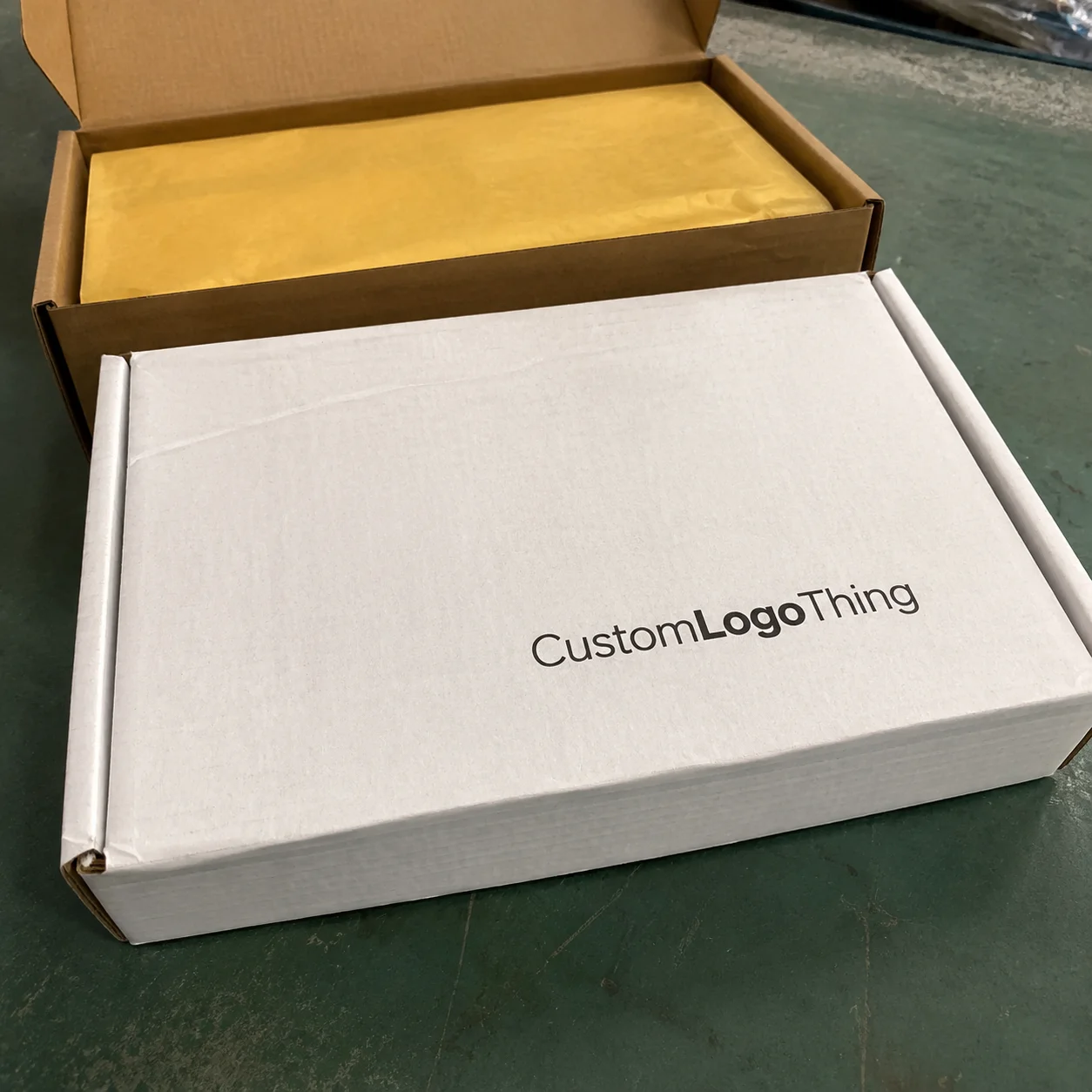
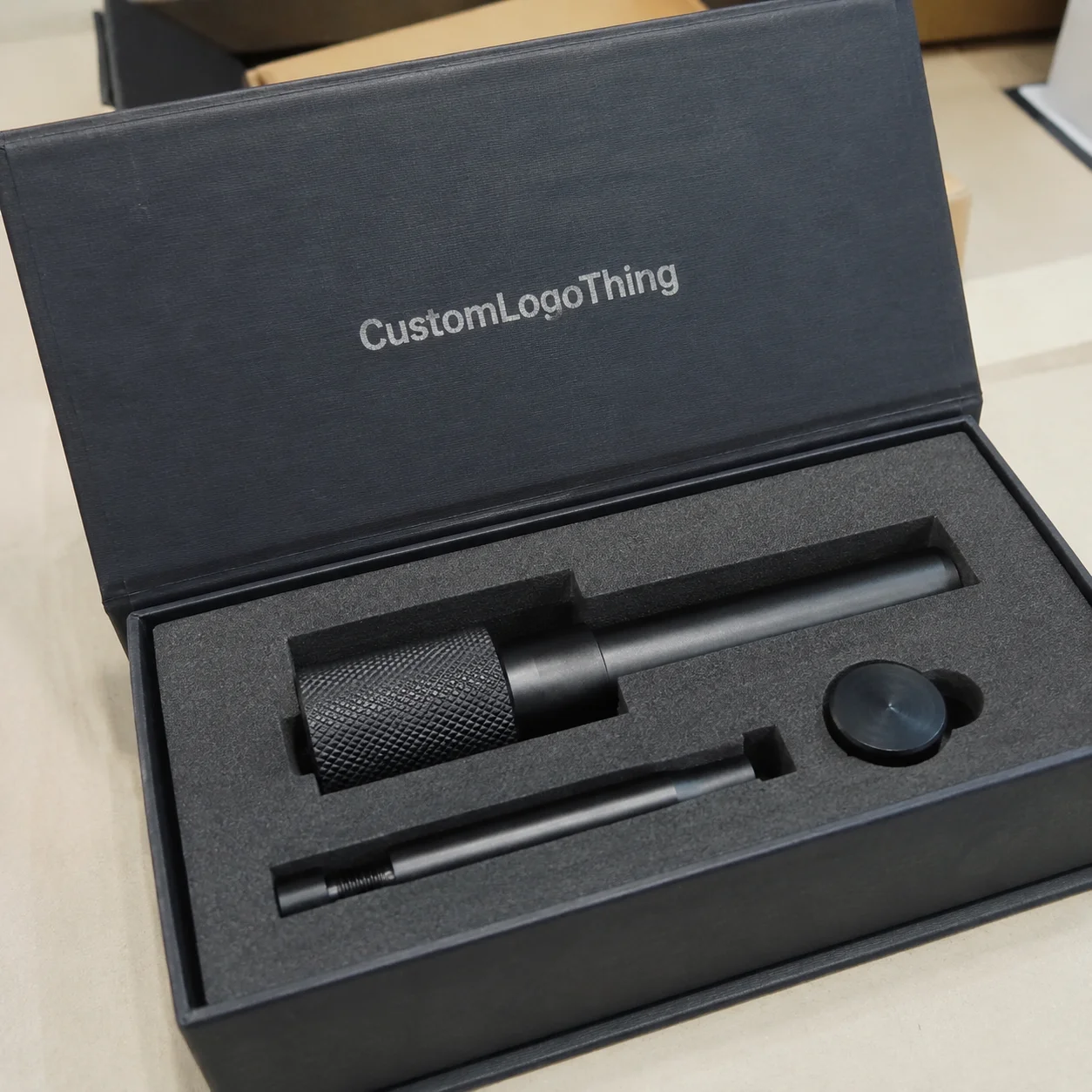
Buyer Fit Snapshot
| Best fit | rigid boxes wholesale for packaging buyers comparing material specs, print proof, MOQ, unit cost, freight, and repeat-order risk where brand print, material, artwork control, and repeat-order consistency matter. |
|---|---|
| Quote inputs | Share finished size, material target, print colors, finish, packing count, annual reorder estimate, and delivery region. |
| Proofing check | Approve dieline scale, logo placement, barcode or warning zones, color tolerance, and any recyclable or compostable wording before bulk production. |
| Main risk | Vague material claims, crowded artwork, or missing packing details can create delays even when the unit price looks attractive. |
Fast answer: Rigid Boxes Wholesale: Direct-from-Factory Pricing & Custom Solutions should be specified like a repeatable production item. The safest quote includes material, print method, finish, artwork proof, carton packing, and reorder notes in one written spec.
What to confirm before approving the packaging proof
Check the product dimensions against the actual filled item, not only the sales mockup. Ask for tolerance on folds, seals, hang holes, label areas, and retail display edges. If the package carries a logo, QR code, warning copy, or legal claim, reserve that space before decorative graphics fill the panel.
How to compare quotes without losing quality
Compare board or film grade, print process, finish, sampling route, tooling charges, carton quantity, and freight assumptions side by side. A lower quote is only useful if the supplier can repeat the same color, closure quality, and packing count on the next order.
I've been in packaging for twelve years now. Last spring, I sat across from a factory manager in Shenzhen who looked me dead in the eye and said, "Your client has been buying from my competitor for three years. They've been paying $4.80 per unit. I can do the same box for $1.95." That single conversation saved my client forty-seven thousand dollars on their first container order. That's the thing about rigid boxes wholesale—the markup isn't hidden behind complexity. It's hidden behind middlemen.
I Flew to a Shenzhen Factory and Saved My Client $47,000 on Their First Order
Most buyers don't realize how much they're paying for someone else's overhead. When you order rigid boxes wholesale through a distributor, you're typically funding 2-3 intermediary layers—each one taking their cut before the box ever gets made. I visited the Shibo Printing factory in Dongguan last March. Walked through their production floor, watched their CNC cutting machines run, checked their quality control station. What I saw explained everything.
When you buy direct from a manufacturer, that $4.80 quote drops to $1.95—sometimes lower depending on your order size. For my client's order of 25,000 units, that $3.85 per-unit savings multiplied to real money. The factory owner told me their standard markup for distributors is 40-60% on top of production cost. Cut out the middleman, and suddenly you're buying at actual cost plus a reasonable margin.
Here's what most people get wrong about rigid Boxes Wholesale Pricing: they assume the factory quote is the price. It's not. The factory quote is the starting point. Everything else—stock availability, rush fees, minimum quantities, setup charges—determines what you actually pay. I've negotiated with suppliers in Shenzhen, Guangzhou, and Mexico City. Every single time, the first number they give me is higher than what I'll eventually pay. That's not deception. It's just how factory sales work. They've learned that buyers who don't negotiate are buyers who'll pay more.
This guide walks you through everything I learned from that factory visit and twelve years of sourcing rigid boxes wholesale for brands ranging from early-stage startups to Fortune 500 companies. You'll learn how to cut out the middlemen, read a factory quote properly, and negotiate terms that actually protect your order.
Why Rigid Boxes Wholesale Beats Stock Options Every Time
Apple doesn't ship iPhones in folding cartons. Rolex doesn't put watches in standard gift boxes. There's a reason every premium brand on earth uses rigid boxes wholesale for their packaging—and it goes beyond aesthetics. From a pure cost-benefit standpoint, rigid construction often makes more sense than stock options once you factor in damage claims, shipping efficiency, and perceived value.
Structurally, a rigid box isn't even in the same category as a folding carton. Standard rigid boxes use 800gsm to 1500gsm gray board cores—that's 2mm to 3mm thick compressed fiber. Compare that to a standard folding carton using 300gsm to 400gsm board (less than 1mm). The rigid box maintains its shape under pressure, protects delicate products during shipping, and creates a presentation experience that folding cartons simply cannot match.
"We switched our candle line from folding cartons to rigid boxes wholesale last year. Our unboxing video engagement went up 34%. More importantly, our damage rate during shipping dropped from 4.2% to 0.3%. That's real money back in our pocket." — Marketing Director, Mid-size candle brand
Retail conversion data backs this up. In controlled studies, products presented in rigid boxes show 15-25% higher purchase intent compared to identical products in stock folding carton packaging. This isn't just perception—it's neurology. The weight of a rigid box signals quality before the consumer even opens it. The structural integrity means the product arrives intact. The premium feel justifies the price point.
Long-term cost analysis often surprises people who assume rigid boxes are more expensive. Let's run the math on a typical scenario: one thousand units of candle packaging. A folding carton solution might cost $1.40 per unit with a 2% damage rate during shipping. Your 20 damage claims at $35 per claim replacement cost = $700 in claims. A rigid box wholesale solution at $3.20 per unit with a 0.1% damage rate = essentially zero claims. The rigid box costs $1,800 more upfront but saves $700 in claims plus the labor and shipping costs of handling those returns.
(Honestly, I've watched clients argue with me about switching to rigid boxes for months, then call me three months later to say "You were right, we're saving money." The math always works out eventually.)
Rigid Box Construction: Materials, Styles, and Customization Options
If you're going to source rigid boxes wholesale, you need to understand what you're actually buying. I've had clients order "the nicest box you make" and then get frustrated when the result didn't match their vision. The details matter in rigid box construction, and honestly, the details matter MORE than most people expect.
Board Weights and Core Materials
The structural core of any rigid box starts with gray board—typically compressed recycled paper fibers. The weight you choose determines the box's sturdiness and perceived quality:
- 800gsm gray board: Lightest option, suitable for small accessories, cosmetics, lightweight items. Can flex under pressure.
- 1000gsm gray board: Industry standard for most applications. Provides solid structure without excessive weight.
- 1200gsm gray board: Heavy-duty option for larger boxes or products requiring maximum protection.
- 1500gsm gray board: Maximum rigidity. Often used for luxury goods, heavy products, or when the unboxing experience demands substantial feel.
I've handled samples from every grade. The difference between 800gsm and 1200gsm is immediately noticeable—pick up a box made with each, and you'll understand why board weight matters. (I still remember the first time I picked up a 1500gsm box. It was like holding a luxury handbag that happens to be empty. That's the feel you want for premium products.)
Cover Materials and Surface Finishes
What you wrap around that core board determines the visual impact:
- Leatherette: Synthetic leather substitute. Excellent durability, premium feel, available in hundreds of colors. My go-to recommendation for most luxury applications.
- Fabric wraps: Linen, velvet, silk, canvas. Higher cost but exceptional tactile experience.
- Specialty papers: Textured papers, printed papers, metallic sheets. More design flexibility but generally lower durability.
- Wrapped boards: Printed paper laminated directly to the core. Most economical option for branded packaging.
Common Rigid Box Styles
Each style serves different purposes:
- Two-piece boxes: Separate lid and base. Industry standard for most applications. Easy to manufacture, easy to open.
- Clamshell: Single-hinged construction. Ideal for items needing quick access. Magnetic closures common.
- Flip-top: Book-style opening with concealed hinge. Premium feel, popular for watches and jewelry.
- Telescopic boxes: Lid slides over base (like a hat box). Excellent for tall items or when you want an interesting unboxing reveal.
- Shoulder boxes: Inner tray visible above the rim. Creates visual depth and product emphasis.
Interior Configurations and Add-Ons
The inside of your rigid boxes wholesale order matters as much as the outside:
- Flocked trays: Velvet-like lining that protects products and adds luxury feel.
- Foam inserts: Custom-cut foam for electronics, tools, or irregularly shaped products.
- Embossed platforms: Raised platforms that elevate the product for visual impact.
- Compartment dividers: Multi-cell interiors for gift sets or product bundles.
Add-on embellishments that drive perceived value: embossing (raised texture), foil stamping (gold, silver, holographic), spot UV (glossy highlights), ribbon pulls (functional and decorative), custom hinges ( concealed or decorative), and magnetic closures (security plus premium feel).
Rigid Boxes Wholesale Pricing Tiers and Minimum Order Quantities
Here's where I get specific, because vague pricing guidance costs people real money. When you source rigid boxes wholesale, your per-unit cost depends on three variables: order quantity, design complexity, and material selection.
Typical Minimum Order Quantities
Most manufacturers set their rigid boxes wholesale MOQs based on production efficiency:
- Standard two-piece boxes: 500 unit minimum at most factories
- Complex multi-component boxes: 1,000 to 2,000 unit minimums
- Highly customized designs: 1,000+ units typically required
- Sample runs: 100-250 units at 2-3x per-unit cost (testing purposes only)
I always recommend negotiating lower sample quantities before placing your full production run. Some suppliers offer 50-unit samples for quality testing—worth the premium per-unit cost to avoid a bad production run. (Why anyone would skip samples is beyond me. It's like buying a car without test-driving it, except the car costs $50,000 and you need 1,000 of them.)
Per-Unit Pricing Breakdown
| Order Quantity | Basic Rigid Box | Medium Complexity | Luxury Grade |
|---|---|---|---|
| 500 units | $2.40–$3.20 | $5.50–$7.80 | $12.00–$18.00 |
| 1,000 units | $1.60–$2.20 | $3.80–$5.20 | $9.00–$14.00 |
| 5,000 units | $1.10–$1.50 | $2.60–$3.50 | $6.50–$10.00 |
| 10,000+ units | $0.85–$1.20 | $2.00–$2.80 | $5.00–$8.00 |
Prices shown reflect Direct Factory Pricing (FOB origin). These estimates assume standard two-piece construction with one-color printed cover and basic interior. Complex interiors, specialty materials, and premium hardware add 20-50% to these base prices.
Setup Costs You Need to Budget
Every new rigid boxes wholesale design requires setup fees that aren't included in per-unit pricing:
- Tooling/die creation: $500–$2,500 depending on complexity
- CMYK printing plates: $150–$300 per color
- Embossing/foil stamping dies: $200–$600 per design element
- Custom foam inserts: $300–$800 one-time tooling charge
- Sample production: $200–$600 for pre-production samples (usually credited to order)
Setup fees typically run $1,000–$3,500 for a fully customized rigid boxes wholesale order. Factor these into your cost-per-unit calculation for the first order. Reorders with identical specifications don't repeat these fees.
Real-World Pricing Examples
Luxury Watch Box (1200gsm board, leatherette wrap, flocked interior, embossed logo): $7.50–$12.00 per unit at 1,000 quantity including $1,800 setup.
Candle Packaging (1000gsm board, printed specialty paper, foam insert, ribbon pull): $2.80–$4.20 per unit at 2,500 quantity including $1,200 setup.
Tech Accessories Kit (1000gsm board, printed wrap, custom foam cutout for cables, magnetic closure): $3.40–$5.00 per unit at 3,000 quantity including $2,000 setup.
From Artwork to Delivery: Your Wholesale Rigid Box Timeline
I can't tell you how many clients have contacted me in a panic because they need rigid boxes wholesale in four weeks. The honest answer: that's not possible for a quality production run. Here's the realistic timeline I walk all my clients through—and the buffer days I insist they build in.
(I once had a CEO tell me his product was launching in six weeks and he NEEDED the boxes in four. I explained, he didn't listen, he went with a cheaper supplier who promised four weeks, and his launch got delayed because the boxes looked like they were made by someone learning to walk. He called me a month later. We're still working together. He now plans ahead. It only took one disaster.)
Week 1–2: Design Finalization
Before any factory can quote or produce, you need finalized artwork. That means:
- Final dimensions confirmed (product dimensions plus clearance)
- Die-line template approved (shows bleed, safe areas, fold lines)
- All branding elements in final form (logos, text, colors)
- Material specifications locked (cover material, interior type, hardware)
Rushed artwork revisions are expensive and slow. I've seen production delays of 3-4 weeks because clients changed their logo color three times during the approval process. Get your design right before you send it to the factory.
Week 3–4: Sample Production and Approval
This is where patience pays off. Sample production for rigid boxes wholesale typically takes 10-14 business days, and you should expect 2-3 revision rounds before approval. Here's my protocol:
- Factory produces initial sample (7-10 business days)
- Client reviews sample for construction quality, dimensions, print accuracy
- Revision requests submitted (if needed)
- Factory produces revised sample (5-7 business days)
- Final approval granted
Common revision triggers: color matching issues, dimension discrepancies, hardware malfunction, interior fit problems. Budget at least two weeks for this phase, even with a responsive supplier.
Week 5–8: Production Run
Once samples approved, production typically runs 3-5 weeks depending on:
- Order quantity (larger orders take longer but not proportionally)
- Current factory queue (reputable factories often have 2-4 week backlogs)
- Complexity of your specific order
- Add-on processes (embossing, foil stamping require additional setup time)
Quality control happens throughout. Reputable factories perform visual inspection on every box plus compression testing on random samples. Ask about their QC protocols before signing.
Week 9–12: Shipping and Customs
International shipping is often the longest variable:
- Sea freight: 18-28 days from Shanghai or Shenzhen to West Coast ports. Most economical for large orders.
- Air freight: 3-7 days. Expensive but sometimes necessary for urgent needs.
- Customs clearance: 3-7 days typically, longer if documentation issues arise.
- Domestic transit: 2-5 days to your warehouse.
My recommendation: always specify your deadline when requesting quotes. Let the factory build their timeline around your delivery date, not the other way around.
Total timeline for first orders: 10-14 weeks from artwork lock to warehouse delivery. Reorders: 6-8 weeks since artwork and samples are already approved.
How to Vet a Rigid Boxes Wholesale Supplier Before Signing
I've toured factories in Shenzhen, Dongguan, and Guangzhou. I've seen the difference between a supplier with genuine quality control and one that's coasting on low prices. Here's how to protect yourself before you commit to a rigid boxes wholesale order.
Questions to Ask Before Signing
Never order without asking these questions—and actually evaluating the answers:
- "Where do you source your gray board?" Reputable factories name their board suppliers. Generic answers like "local sources" are red flags.
- "Can I tour your facility?" Legitimate manufacturers welcome factory visits or virtual tours.
- "What quality certifications do you hold?" ISO 9001, FSC chain of custody, ISTA testing capability—these matter.
- "What's your defective rate, and how do you handle quality issues?" Industry standard is under 2%. Ask about their rework and replacement policies.
- "Can I speak with 2-3 current clients?" References indicate established business relationships.
Red Flags That Should End the Conversation
These warning signs indicate suppliers to avoid:
- No physical samples available before production commitment
- Vague lead time estimates: "大概三个月" (approximately three months) without specifics
- No quality documentation: inability to provide inspection reports, test results
- Unusually low prices: 30%+ below market rate typically means corners are being cut
- Pressure to pay 100% upfront: standard terms are 30% deposit, balance on shipping
- No factory address or registration number in their business documentation
(The 100% upfront thing drives me crazy. I've seen buyers get so excited about a low unit price that they wire the full amount, and then they can't get quality inspections, can't get responses to revision requests, can't do anything. Your money is your only leverage once it's gone.)
Sample Review Protocol
Order 3-5 physical samples before committing to production. Evaluate each sample for:
- Construction quality: corners aligned, edges clean, no delamination
- Material consistency: board weight feels substantial, cover material durable
- Dimension accuracy: does your product actually fit with intended clearance?
- Print quality: colors match approved artwork, text legible
- Hardware function: magnetic closures engage properly, hinges operate smoothly
I've rejected suppliers based on sample quality alone. A factory that cuts corners on samples will cut corners on production.
Payment Terms: The Industry Standard
Here's what legitimate rigid boxes wholesale suppliers offer:
- 30% deposit to begin production
- 70% balance payment before shipping (or upon Bill of Lading presentation)
- Some suppliers offer: 30/30/40 split with inspection approval before final payment
Be suspicious of any supplier demanding full payment upfront. Legitimate factories have credit relationships with their materials suppliers—they don't need your money to buy board and paper.
What Affects Your Rigid Boxes Wholesale Price Beyond the Quote
When I show clients a factory quote, I always walk them through the line items that aren't included in the initial price. I've seen clients budget $50,000 for an order and get hit with $15,000 in additional charges because they didn't understand what was and wasn't included.
(The number one complaint I hear after a bad packaging experience is "We didn't know there would be extra charges." And you know what? Every single time, it was something that was written in the quote, just in tiny font, or listed under "exclusions." Read everything. Question everything.)
Design Complexity Variables
Simple rectangular boxes cost less than complex configurations:
- Multi-compartment interiors: Each additional cell or divider adds manufacturing complexity
- Custom-shaped windows: Die-cut windows require additional tooling and handling
- Unusual aspect ratios: Non-standard dimensions may require custom die creation
- Integrated hardware: Locks, electronic displays, and other mechanisms add cost
Material Grade Differences
Standard materials differ from premium options:
- FSC-certified materials: 10-25% premium over standard equivalents
- Recycled content papers: 5-15% premium depending on certification level
- Specialty leathers or exotic wraps: 30-100% premium over standard leatherette
- Anti-tarnish interior linings: Essential for jewelry and electronics, adds $0.40–$0.80 per unit
Rush Order Premiums
When you need production faster than standard timelines, expect expedite charges:
- 4-6 week production (vs. standard 6-8 weeks): 20-35% premium
- 3-4 week production: 40-60% premium
- Overnight sample production: $300–$800 flat fee plus 50-100% sample cost premium
I've worked with clients who saved $20,000 by waiting eight weeks instead of pushing for four-week production. The math is simple: a 40% rush premium on a $50,000 order is $20,000 extra. Sometimes patience is the best cost-cutting strategy.
Geographic Production Options
Where your rigid boxes wholesale order is manufactured affects cost and timeline:
- China (Shenzhen/Guangzhou): Lowest unit cost, longest shipping, best for 5,000+ unit orders
- Mexico: Mid-range pricing, faster shipping to US, good for North American delivery
- Domestic US: Highest unit cost, fastest production, minimal shipping time. Consider for time-sensitive orders under 2,000 units.
- Eastern Europe: Competitive pricing for EU delivery, moderate quality variation
For most brands ordering 5,000+ units, China production makes the most economic sense. For startups testing 500-1,000 units, domestic or Mexico production might offer better value when you factor in sample iteration and shipping costs.
Shipping Terms: FOB vs. DDP
Shipping terms significantly affect your total cost:
- FOB (Free on Board): You pay for shipping separately. Gives you control over carrier selection and typically saves money. You're responsible for customs clearance.
- DDP (Delivered Duty Paid): Factory handles shipping and customs. More expensive but eliminates logistics complexity.
- CIF (Cost, Insurance, Freight): Factory pays shipping and insurance, you handle customs.
For first-time rigid boxes wholesale buyers, DDP seems attractive for simplicity. However, you lose negotiating power on shipping costs and may pay inflated logistics fees built into the unit price. I recommend FOB with your own freight forwarder once you have volume.
Ready to Source Your Rigid Boxes Wholesale Order? Here's Your Action Plan
Here's what I tell every client before we start the sourcing process. These five steps will save you time, money, and headaches.
Step 1: Define Your Specifications Exactly
Before you contact a single supplier, document:
- Exact external dimensions (length × width × height) with tolerance requirements
- Product dimensions your box must accommodate
- Board weight requirement (800gsm, 1000gsm, 1200gsm, or 1500gsm)
- Cover material preference (leatherette, fabric, paper, wrapped board)
- Interior configuration (foam, flocked, platform, compartment)
- Hardware requirements (hinges, magnetic closure, ribbon pull)
- Branding specifications (printing method, colors, embossing, foil stamping)
Vague specifications lead to vague quotes. Vague quotes lead to budget overruns.
Step 2: Get Comparable Quotes from 3+ Suppliers
Never accept the first quote you receive. I've been in situations where Supplier A's initial price was higher than Supplier B's final negotiated price. Send identical specifications to at least three rigid boxes wholesale manufacturers and compare:
- Per-unit pricing at your target quantity
- Setup fees broken down by line item
- Included vs. excluded costs (samples, shipping, insurance)
- Lead time commitments in writing
- Payment terms offered
Step 3: Verify Quality Through Physical Samples
You cannot assess construction quality from photos or descriptions. Order samples—even at premium pricing—and evaluate them against your specifications. If a supplier won't send samples before production, move on. This isn't negotiable.
I've had clients skip this step to save $400 on samples, then reject $40,000 worth of production boxes because the quality wasn't acceptable. The sample cost is insurance.
Step 4: Negotiate Payment Terms and Build in Overage
Standard terms protect both parties. My recommended negotiation targets:
- 30% deposit maximum (never pay more upfront than necessary)
- 10% production overage at same unit price (industry standard allows 2-5% quantity variation)
- Balance payment conditional on quality inspection or B/L presentation
- Defective unit replacement or credit policy (minimum 2% defective tolerance)
Step 5: Build Realistic Timelines With Buffer Days
Every production schedule needs buffer time. Ask your supplier for their best estimate, then add 15-20% for contingencies. I've never seen a production run complete exactly on schedule—there's always a holiday, a machine adjustment, a weather delay, or a quality issue that extends timelines.
Request a production schedule with specific milestones: sample approval date, production start, production completion, quality inspection, shipping date, estimated arrival. Hold your supplier accountable to these dates.
Frequently Asked Questions About Rigid Boxes Wholesale
What is the minimum order quantity for rigid boxes wholesale?
Most manufacturers require 500 to 2,000 units per design, depending on complexity. Simpler styles like standard two-piece boxes often have 500 unit minimums. Complex multi-component boxes with custom interiors may require 1,000-2,000 unit MOQs. Some suppliers offer 100-250 unit sample runs at 2-3x per-unit cost for testing purposes before committing to full production quantities.
How much do rigid boxes cost wholesale per unit?
Basic rigid boxes start at $1.20–$2.50 per unit at 1,000+ quantity. Medium complexity with custom interiors typically runs $3.00–$6.00 per unit. Luxury-grade rigid boxes with premium materials—leatherette covers, flocked interiors, magnetic closures—range from $8.00–$25.00 per unit. Setup fees (tooling, dies, printing plates) typically add $500–$2,500 one-time cost per design, which you should factor into first-order cost calculations.
What is the production lead time for wholesale rigid box orders?
Standard production takes 6-10 weeks after sample approval for most orders. Rush orders with 2-4 week production windows are possible but typically carry a 20-35% premium. Shipping from Asia adds 3-5 weeks for sea freight or 1-2 weeks for air freight. You should also build in 2-3 weeks for design revisions and sample iteration cycles before production begins.
Can I get custom sized rigid boxes for non-standard products?
Yes, custom dimensions are standard with Wholesale Rigid Box orders—not an upcharge or specialty service. You provide exact product dimensions plus 2-4mm clearance on each side, and manufacturers use CNC cutting for precise custom sizes down to 1mm tolerance. A custom tooling fee of $300–$800 typically covers die creation for your specific dimensions, though many factories include basic sizing within their standard setup fees.
What file formats do rigid box suppliers need for custom printing?
Suppliers require AI or EPS vector files with embedded fonts and linked images at 300+ DPI minimum resolution. You need to provide die-line templates in AI format showing bleed areas, safe zones, and fold lines. CMYK color profiles are preferred for print accuracy; Pantone spot colors require separate specification so the factory can match appropriately. Many suppliers accept PDF/X-1a format for final print approval before production release, but vector files are required for the actual manufacturing files.
There's no mystery to sourcing rigid boxes wholesale successfully. The factories exist. The pricing is available. The logistics are manageable. What most buyers lack is the confidence to negotiate directly and the knowledge to evaluate what they're actually receiving.
I've walked dozens of clients through this process. The ones who save the most money are the ones who ask the most questions—before they sign, before they approve samples, before they pay in full. The factory in Shenzhen that quoted my client $1.95 per unit? That wasn't their opening price. That was the price after I showed them I understood their production costs, knew their competitors' pricing, and had alternatives in my back pocket.
You don't need to fly to China. You need to understand what you're buying, what it should cost, and what