Buyer Fit Snapshot
| Best fit | Custom Premium Rigid Boxes with Magnet projects where brand print, material claims, artwork control, MOQ, and repeat-order consistency need to be specified before quoting. |
|---|---|
| Quote inputs | Share finished size, material target, print colors, finish, packing count, annual reorder estimate, ship-to region, and any compliance wording. |
| Proofing check | Approve dieline scale, logo placement, barcode or warning zones, color tolerance, closure strength, and carton packing before bulk production. |
| Main risk | Vague material claims, crowded artwork, missing packing details, or unclear freight terms can make a low unit price expensive after revisions. |
Fast answer: Custom Premium Rigid Boxes with Magnet: Quote Scope, Sample Proof, MOQ, and Lead Time should be specified like a repeatable production item. The safest quote records material, print method, finish, artwork proof, packing count, and reorder notes in one written spec.
Production checks before approval
Compare the actual filled-product size with the drawing, then confirm tolerance on folds, seals, hang holes, label areas, and retail display edges. Reserve space for logos, QR codes, warning copy, and material claims before decorative graphics fill the panel.
Quote comparison points
Review material grade, print process, finish, sampling route, tooling charges, carton quantity, and freight assumptions side by side. A quote is only useful when the supplier can repeat the same color, closure quality, and packing count on the next order.
A skincare founder in Los Angeles once moved from a $0.62 folding carton to a $2.48 setup box, and her finance team reacted like she’d approved arson. I remember that call clearly—three people talking over each other, one person audibly sighing into the speakerphone, and me quietly calculating retention math while staring at a cold coffee. Six months later, reorder rate was up 18%. The box stayed on vanities. The logo stayed visible. Daily exposure did what another ad campaign could not. That’s why brands buy custom premium rigid boxes with magnet: they cost more, yet they keep earning attention long after delivery day.
If you’re sorting Specs, Lead Times, pricing, and risk before issuing a PO, you need the practical version. Not theory. Real production behavior. The kind of detail you learn in Dongguan at 11:30 p.m., standing beside a setup line while a production manager checks corner-wrap tolerance with a caliper and swears the drift is “within feel.” (Honestly, “within feel” is not a measurement system I recommend putting in a contract.)
What Are Custom Premium Rigid Boxes with Magnet (And Why Brands Pay More)
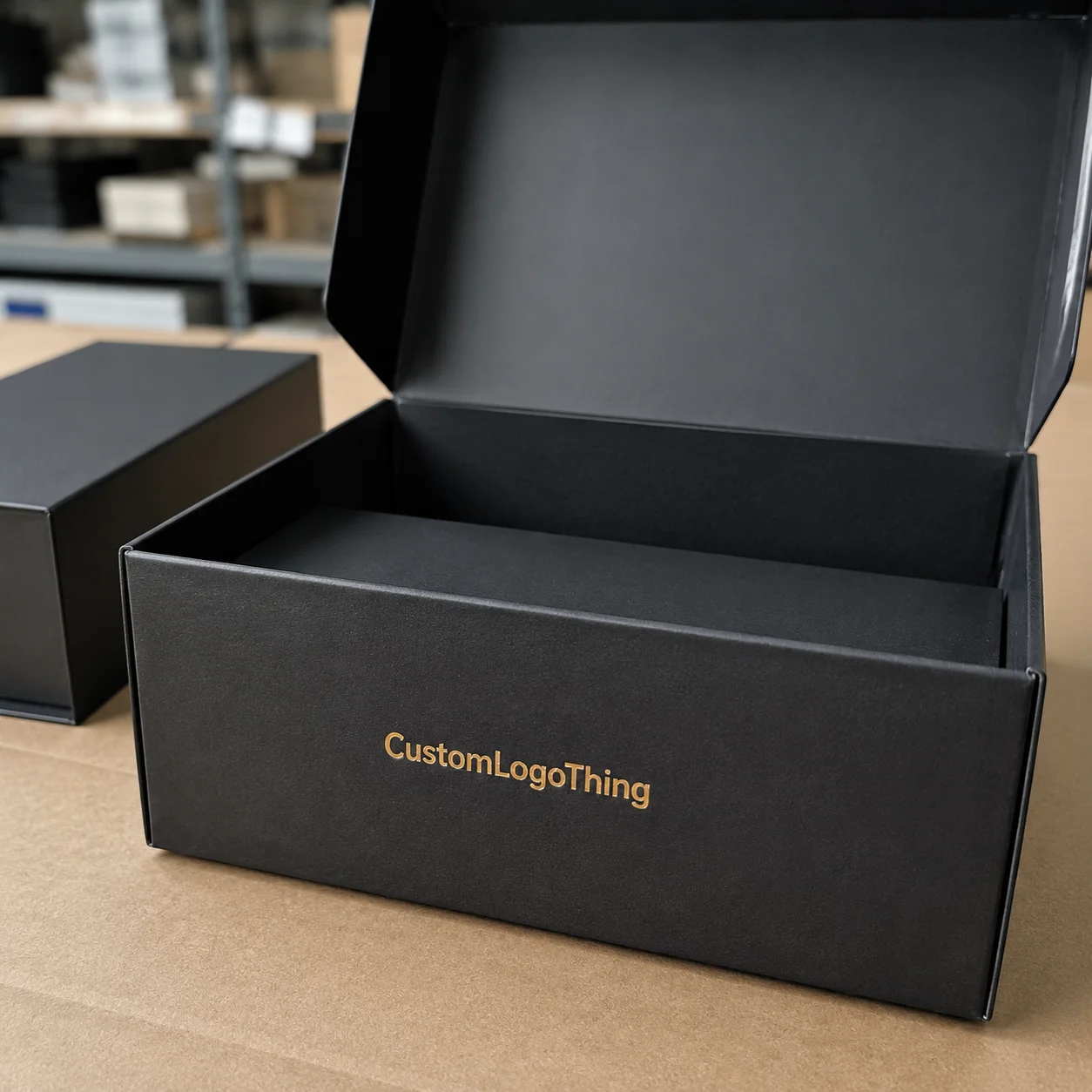
Custom premium rigid boxes with magnet are built from dense chipboard—usually 1000gsm to 1400gsm—wrapped in printed or specialty paper, then fitted with embedded magnets in the flap and body so the closure lands with a clean click. Think setup box architecture, not folding-carton behavior. Most ship pre-formed, resist compression better, and signal value before a customer even touches what’s inside.
I’ve seen this format used for cosmetics PR kits (8-piece assortments with EVA cavities), jewelry lines, earbuds and charging bundles, premium supplements, executive gifting, and eCommerce bundles in roughly the $80 to $500 range. Any brand that cares about retail packaging presence and unboxing footage usually puts custom premium rigid boxes with magnet on the table early. That click-close moment is still underrated; it’s tiny, but psychologically it tells people, “this was made with intention.”
Confusion starts when buyers compare one structure to three others that solve totally different jobs:
- Folding cartons (350gsm C1S/SBS): efficient and low cost, strong print performance, less structural authority.
- Corrugated mailers (E-flute/B-flute): excellent transport protection, weaker first-impression luxury unless dressed up heavily.
- Collapsible magnetic boxes: premium look with better storage and freight cube, different hinge feel and less “solid block” presence than fixed setup builds.
Plainly stated, custom premium rigid boxes with magnet trade freight efficiency and low unit cost for perceived value, giftability, and reuse life. The package becomes a brand object. Customers store watches, charging cables, letters, receipts, photos, even passports in these boxes. That recurring brand contact is hard to replicate with paid media.
Not every SKU should use this format. A $19 product with a $0.70 landed packaging target will struggle—margins disappear fast. AOV above about $95, presentation-sensitive conversion, and gifting behavior can make custom premium rigid boxes with magnet a smart economic decision.
For format selection, I map intent first (and I insist clients do it before they pick finishes):
- Protection first: corrugated + insert.
- Cost first: folding carton + simple insert.
- Perception first: custom premium rigid boxes with magnet + carefully chosen finishing.
Material stack matters more than many teams expect. Soft-touch lamination on 157gsm art paper over 1200gsm board feels very different from standard matte film on 128gsm. Same outer dimensions. Completely different sensory read. I’ve watched two boxes with nearly identical artwork get opposite feedback in a focus session just because one had better wrap paper and cleaner edge turns.
How Custom Premium Rigid Boxes with Magnet Closures Actually Work
A standard custom premium rigid boxes with magnet structure usually includes:
- Rigid board shell (commonly 1000gsm, 1200gsm, or 1400gsm greyboard)
- Exterior wrap paper (often 157gsm coated art paper or specialty stock)
- Interior liner (printed art paper, black card, or uncoated premium paper)
- Magnet pair (often 8x1.5mm, 10x2mm, or comparable neodymium discs)
- Hinge tape or cloth connection on book-style flaps
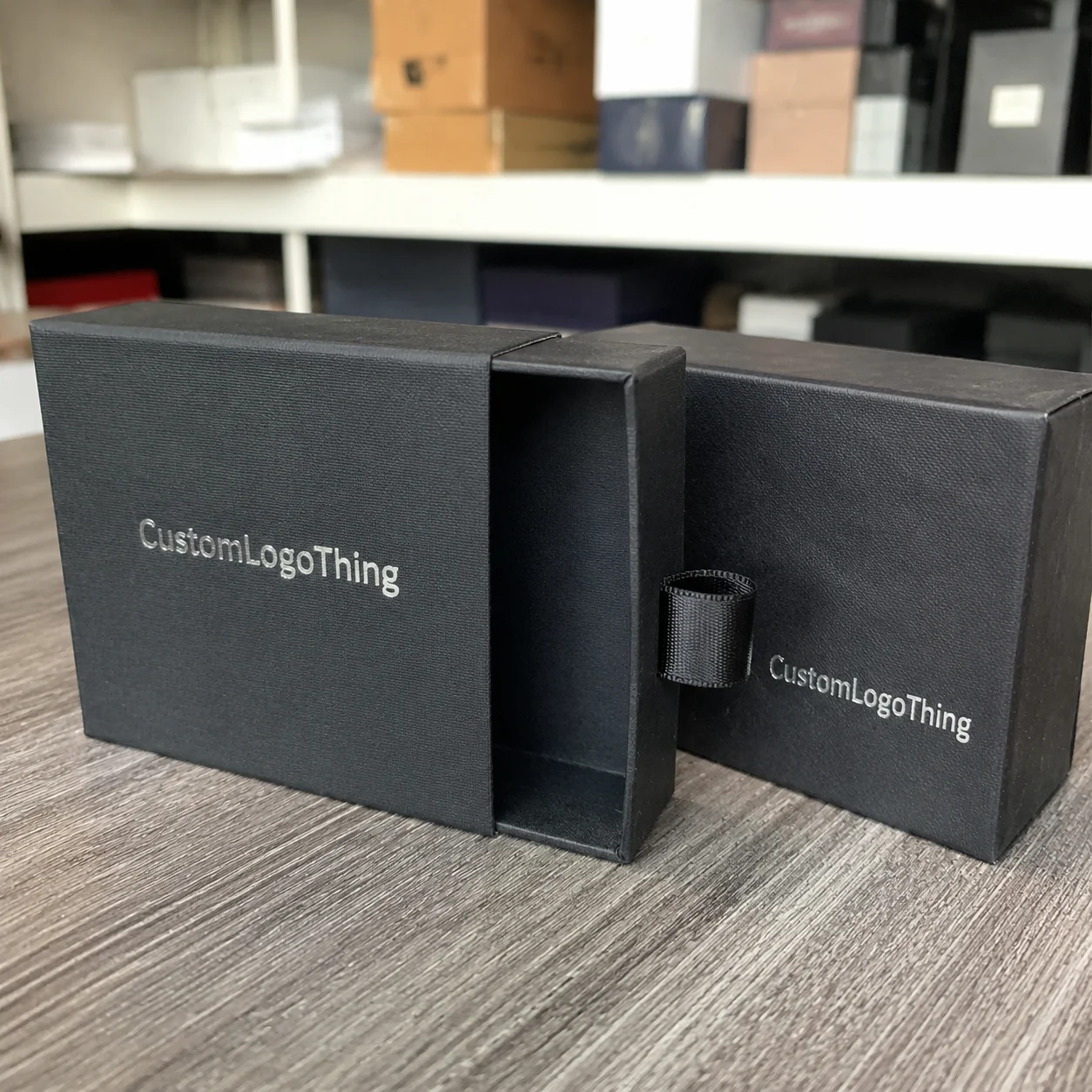
- Optional ribbon pull, EVA insert, die-cut foam, or pulp tray
Magnets look simple. They are not forgiving. Polarity has to match every time, insertion depth must stay consistent, and adhesive placement can’t creep under heat. One 6,000-unit run I audited had 14% weak closures because a jig orientation got reversed after lunch break. The fix involved rework, delay, and one very unpleasant call. I still remember the silence after I said “14%.”
Magnet pull strength should be validated by feel and by packed-weight simulation. Light products (under 300g) can work with smaller pairs. Heavier kits (700g to 1.2kg) may need stronger magnets or dual pairs. Guessing creates the same two complaints over and over: “won’t stay closed” or “too hard to open.” Neither belongs in product packaging positioned as premium.
Typical production sequence in a Guangdong setup facility:
- Die-cut rigid board panels and score or V-groove as required.
- Assemble shell by hand or semi-automatic setup line.
- Insert magnets into pre-punched cavities using directional fixtures.
- Apply wrap sheet through glue roller, then turn in edges and corners.
- Dry and set under controlled pressure.
- Add liner, insert tray, ribbons, and accessory components.
- Run QC for corner crush, panel alignment, print defects, and closure feel.
Most common structure choices:
- Book-style flap magnetic box (common for PR kits)
- Lift-off lid rigid box with magnetic assist (common in gifting)
- Collapsible magnetic rigid style (better storage and freight performance)
High-grade custom printed boxes in this category usually hold visible seam alignment around ±1.0mm to ±1.5mm, depending on structure. Drift beyond that range erodes perceived quality fast. A 2mm miss is enough to make a premium package feel off. Some founders spot that instantly; others need side-by-side comparison. Either way, customers feel it even if they can’t explain why.
Durability deserves equal attention. A well-made custom premium rigid boxes with magnet build should tolerate repeated opening cycles—50+ cycles in simple internal checks—without hinge delamination or obvious wrap cracking. We run these quick cycle tests before approving mass production whenever schedule allows. I’d rather annoy a supplier with extra prechecks than explain avoidable returns later.
Cost Breakdown: What Drives Pricing for Custom Premium Rigid Boxes with Magnet
Numbers matter here. For a mid-run of custom premium rigid boxes with magnet (around 3,000 units, 240 x 180 x 60mm, 1200gsm board, 157gsm wrap, single-color print plus matte lamination), EXW often lands around $1.55 to $2.45 per unit, depending on factory, finish stack, and insert complexity.
At 500 units, the same build can jump to $3.40 to $5.20 each. Setup and labor don’t shrink gracefully. A quote promising “luxury magnetic rigid at $0.90 for 500 pcs” usually hides major spec downgrades or a different structure entirely. My rule: if the price looks magical, inspect the spec sheet like a detective at a crime scene.
| Cost Driver | Lower-Cost Spec Example | Higher-Cost Spec Example | Typical Unit Impact (3,000 pcs) |
|---|---|---|---|
| Board Thickness | 1000gsm greyboard | 1400gsm greyboard | +$0.10 to +$0.28 |
| Magnets | 1 pair 8x1.5mm | 2 pairs 10x2mm | +$0.06 to +$0.22 |
| Wrap/Liner Paper | 128gsm standard coated | Specialty dyed paper + liner | +$0.08 to +$0.35 |
| Insert Type | Simple paper card insert | EVA foam + flocking + die-cut | +$0.20 to +$0.95 |
| Finishing | Matte lam only | Soft-touch + foil + emboss + spot UV | +$0.18 to +$0.70 |
Main price levers for custom premium rigid boxes with magnet are straightforward:
- Dimensions (larger box means more board, more wrap paper, larger freight cube)
- Board grade (1000gsm vs 1200gsm vs 1400gsm)
- Magnet count and size
- Manual labor load (complex inserts, hand assembly)
- Finish stack (foil, emboss, spot UV, edge paint, and similar extras)
One client Cut Unit Cost by $0.31 at 5,000 units by trimming height from 78mm to 66mm, replacing EVA with layered paperboard insert, and removing a redundant foil pass. Perceived quality held. Opening interaction improved. That’s the kind of optimization I like: less spend, better user experience, fewer headaches.
Hidden costs buyers skip until too late:
- White sample fee: $60 to $180
- Pre-production printed sample: $180 to $450
- Die/tooling charge: $90 to $320 depending on structure complexity
- Freight carton pack-out: nested vs assembled can shift totals significantly
- Duties/tariffs: varies by HS code and destination
- Dimensional weight shipping: painful on oversized rigid formats
For brands sourcing via Custom Packaging Products, request three pricing tiers with explicit spec deltas. “Best price” invites confusion. “Good/better/best with clear board, finish, and insert differences” gives control over economics without gutting package branding.
Sustainability requirements should include FSC chain-of-custody documentation through FSC. Shipping performance validation should reference test methods from ISTA. Credible suppliers are used to both requests. Quick disclaimer: certification scope varies by mill and converter, so ask for current certificate numbers, not old PDFs passed around in sales decks.
Step-by-Step: From Concept to Delivery Without Costly Revisions
Most failures in custom premium rigid boxes with magnet projects are baked in before production starts. Process discipline prevents expensive rework.
Step 1: Lock product dimensions and protection needs first
Use measured dimensions with tolerances, not approximations. Caliper the product, accessories, inserts, and printed pieces. A 1.5mm miss can break fit. If the box enters parcel networks, define drop-risk early. I’ve watched teams spend weeks debating foil shade while insert fit was still a guess—wrong priority, every time.
Step 2: Choose structure and opening behavior intentionally
Select book flap, lift-off lid, or collapsible style for your custom premium rigid boxes with magnet based on tactile intent and logistics profile. Each option changes labor demand, freight cube, and user experience. I ask clients one question: dramatic reveal or quick utility? You can have both sometimes, but pretending structure doesn’t affect operations is how budgets get torched.
Step 3: Approve dieline + white sample before print
Always approve an unprinted engineering sample first. A New York beauty brand skipped this to save four days and ended up reworking 8,000 inserts after bottle necks caught on cavity edges. “Time saved” cost $2,900 and eleven days. I get the pressure to move fast; rework still moves slower than everyone expects.
Step 4: Finalize artwork with production layers separated
Separate CMYK art, foil, emboss/deboss, spot UV, and cut lines clearly. Bleed is commonly 3mm minimum; safe zones often run 4–6mm from folds depending on structure. Dark panels on branded packaging should be scratch-tested with real handling, not desk-only review. Desk tests are kinda optimistic. Warehouse reality is not.
Step 5: Validate magnet and insert performance with packed goods
Test closure and extraction with full product weight inside. Empty-shell checks are misleading. Confirm snap feel, ribbon usability, and extraction comfort. If users fight the insert, premium perception collapses fast. One founder told me, “Our box looked expensive but felt like a puzzle box.” Not the compliment she thought it was.
Step 6: Approve mass production plan with QC standard
Set AQL before manufacturing starts (common baseline: Major 2.5 / Minor 4.0, category dependent). Define reject criteria in writing: corner dents above X mm, foil misregistration beyond Y mm, glue marks, magnet misalignment, and panel drift limits.
Step 7: Review final QC report and shipping marks before dispatch
Before balance payment, request lot photos, drop-test snapshots, quantity verification, and master carton labeling confirmation. With custom premium rigid boxes with magnet, outer shipper performance matters. Specify corrugated strength and corner protection where needed. I’m a broken record on this because I’ve seen beautiful boxes arrive looking like they survived a bar fight.
Client line I still remember: “We thought packaging was graphics. Turns out it’s engineering with branding on top.” Exactly right.
I’ve negotiated final inspection thresholds in Shenzhen where a supplier tried to pass 2.5mm corner scuffs on matte black wraps. We settled at 1.2mm max visible defect on front-facing panels after pulling sealed cartons from three separate pallets. Outcomes like that require explicit specs, not vague approvals.
If your team needs reference structures before kickoff, review options at Custom Packaging Products and map each style to product weight plus fulfillment path. That step prevents costly redesign midstream.
Timeline and Production Planning: How Long Custom Premium Rigid Boxes with Magnet Take
A realistic schedule for custom premium rigid boxes with magnet, from locked specs to delivered inventory, usually falls between 5 and 11 weeks depending on complexity and freight method.
- Structural design + dieline: 2–5 business days
- White sample: 3–7 business days
- Printed pre-production sample: 5–10 business days
- Mass production: 12–20 business days
- Transit: air 4–10 days, sea 22–40+ days (route dependent)
Delays usually come from four places:
- Artwork arrives late or with unresolved layer files
- Insert tolerances remain open when print starts
- Finish expectations don’t match physical samples (dark ink + soft-touch is a repeat offender)
- Magnet pull spec changes after sample approval
Speed improves when teams run parallel tracks. Prep artwork while white sample is in transit. Pre-book specialty paper for uncommon textures. Pre-approve one backup board grade and one backup lamination film in case stock shifts. That move alone has saved clients 7–12 days in tight launches. I learned this the hard way after waiting on a paper stock substitution that seemed minor and added nine days.
For launch-critical programs, split shipment is often the practical answer: 20% by air for launch kits and creator drops, 80% by sea for cost control. First-tranche landed cost rises, yes. Missing launch week usually costs more.
Backward planning from go-live date:
- T-10 weeks: lock structure and rough artwork direction.
- T-9 weeks: approve white sample fit.
- T-8 weeks: submit print-ready files.
- T-7 weeks: approve printed sample.
- T-5 weeks: start mass production.
- T-3 weeks: final inspection and packing confirmation.
- T-2 weeks: air shipment or container departure.
- T-0 week: fulfillment intake and pack-out.
Every project has its own variables, but treating custom premium rigid boxes with magnet as a last-minute print task almost guarantees delay. Packaging timelines need the same rigor as paid media calendars, because a late box can stall the whole launch.
Common Mistakes That Make Premium Boxes Look Cheap
These errors show up repeatedly in custom premium rigid boxes with magnet programs.
1) Wrong board-to-size ratio.
Large footprint plus thin board creates warp, softened corners, and alignment drift. Example: 320 x 240 x 90mm often needs 1200gsm or higher for consistent shape under normal handling. Saving $0.09 can erase the premium effect entirely.
2) Too many visual effects.
Foil, emboss, spot UV, textured paper, and edge paint all together usually reads noisy, not luxurious. The strongest packaging design outcomes in this category rely on one hero finish—two at most—with controlled typography and disciplined spacing. If everything is shouting, nothing sounds premium.
3) Insert engineering treated as late-stage work.
If product movement exists, unboxing quality dies immediately. I’ve seen beautiful shells paired with sloppy cavities that let glass containers knock during transit. Results were predictable: chips, scratches, returns, and public complaints. This one frustrates me every single time because it’s preventable.
4) Magnet strength selected by imitation.
Teams often copy magnet specs from old jobs. Geometry and packed mass change closure behavior dramatically. Test with actual loaded units.
5) No tolerance language in approvals.
Approval notes saying “looks good” invite conflict. Define print-shift limits, corner-crush thresholds, and panel-alignment ranges. Variation exists in production; control comes from written standards.
6) No outer shipper strategy.
Custom premium rigid boxes with magnet prioritize presentation, but they still travel through harsh networks. Use corrugated outers, right-size carton counts, and corner protection where needed. One DTC client cut damage claims 41% by changing master-carton stacking and adding top pad sheets.
Quick reality check: premium is not the same as indestructible. Secondary protection still needs engineering.
Expert Tips and Actionable Next Steps for Ordering the Right Box
Ready to source custom premium rigid boxes with magnet? Keep the process concrete.
Build a one-page packaging brief before requesting quotes
Include exact dimensions in mm, packed weight, target landed cost, required finishes, and compliance needs. Add a product stack-up photo. In my projects, that single page improves quote accuracy by roughly 30–50%.
Request three quote tiers with controlled spec changes
Ask for good/better/best options. Example:
- Good: 1000gsm, matte lam, paper insert
- Better: 1200gsm, soft-touch, partial foil, die-cut card insert
- Best: 1200gsm, soft-touch + emboss, EVA insert, ribbon pull
That structure forces clear trade-offs before sampling, not after.
Demand proof of performance before PO
Request magnet cycle-test clips, corner-drop photos, and insert-fit video with real product load. Supplier reluctance here is a warning sign. Ask before deposit, not after.
Run a pilot batch
First-time programs benefit from 200–500 units for photography, influencer seeding, and fulfillment validation. Pilot data catches expensive problems early. I’ve seen pilot runs expose label-rub issues that would have hit 20,000 units.
Lock operational details in writing
Before ordering custom premium rigid boxes with magnet, confirm:
- Final approved sample reference code
- AQL and defect definitions
- Incoterms (EXW, FOB, DDP, etc.)
- Carton pack-out and palletization method
- Balance payment trigger (pre-shipment inspection, photos, reports)
Use internal resources intelligently. Compare structure routes and material combinations through Custom Packaging Products so visual intent matches shipping reality.
My honest view: custom premium rigid boxes with magnet perform best when brand story benefits from keepsake-level presentation and margins can support the format. Keep design focused. Engineer insert retention properly. Test magnets under real load. Write QC specs with precision. That’s how luxury packaging moves from pretty render to premium hand-feel in the real world.
Actionable takeaway: before you request final quotes this week, build a one-page spec sheet and include five non-negotiables—board gsm, magnet size/pair count, insert material, finish stack, and defect tolerances. Then ask each supplier to quote the same sheet plus one downgrade and one upgrade option. That one move is gonna save you time, reduce quote noise, and prevent expensive surprises later.
FAQ
How much do custom premium rigid boxes with magnet closures usually cost per unit?
Pricing depends on dimensions, board thickness, magnet setup, insert complexity, and finishing. A common range for mid-size programs is about $1.55 to $2.45 per unit at 3,000 pieces EXW. Smaller 500-piece runs often land around $3.40 to $5.20. Compare landed cost, not unit cost alone—freight mode, carton pack-out, and duties can change the true number dramatically.
What is the typical MOQ for custom premium rigid boxes with magnet?
Many suppliers start around 500 to 1,000 units for rigid magnetic closure boxes. Pricing usually improves meaningfully at 2,000 to 3,000 units and above. MOQ can shift with paper availability, insert style, and finish requirements. For low-risk starts, negotiate a pilot run with simplified finishes and a standard insert.
How long does it take to produce custom premium rigid boxes with magnet from approval to delivery?
Timeline usually includes white sample, printed sample, mass production, then freight. Production alone often takes 12–20 business days after sample sign-off. Air freight is faster; sea freight is cheaper. Repeated sample loops are the biggest source of delay, so lock dimensions and insert fit early.
Are custom premium rigid boxes with magnet strong enough for eCommerce shipping?
They are presentation-first structures, not parcel shippers by themselves. eCommerce programs should pair them with protective corrugated outers and validate performance with drop testing using actual packed weight and fulfillment handling conditions.
What finishes work best on custom premium rigid boxes with magnet for a luxury look?
Soft-touch lamination paired with restrained foil or embossing tends to read more premium than piling on multiple effects. Dark palettes need tighter scratch and print control. Prototype at least two finish routes under real retail or studio lighting before final approval.