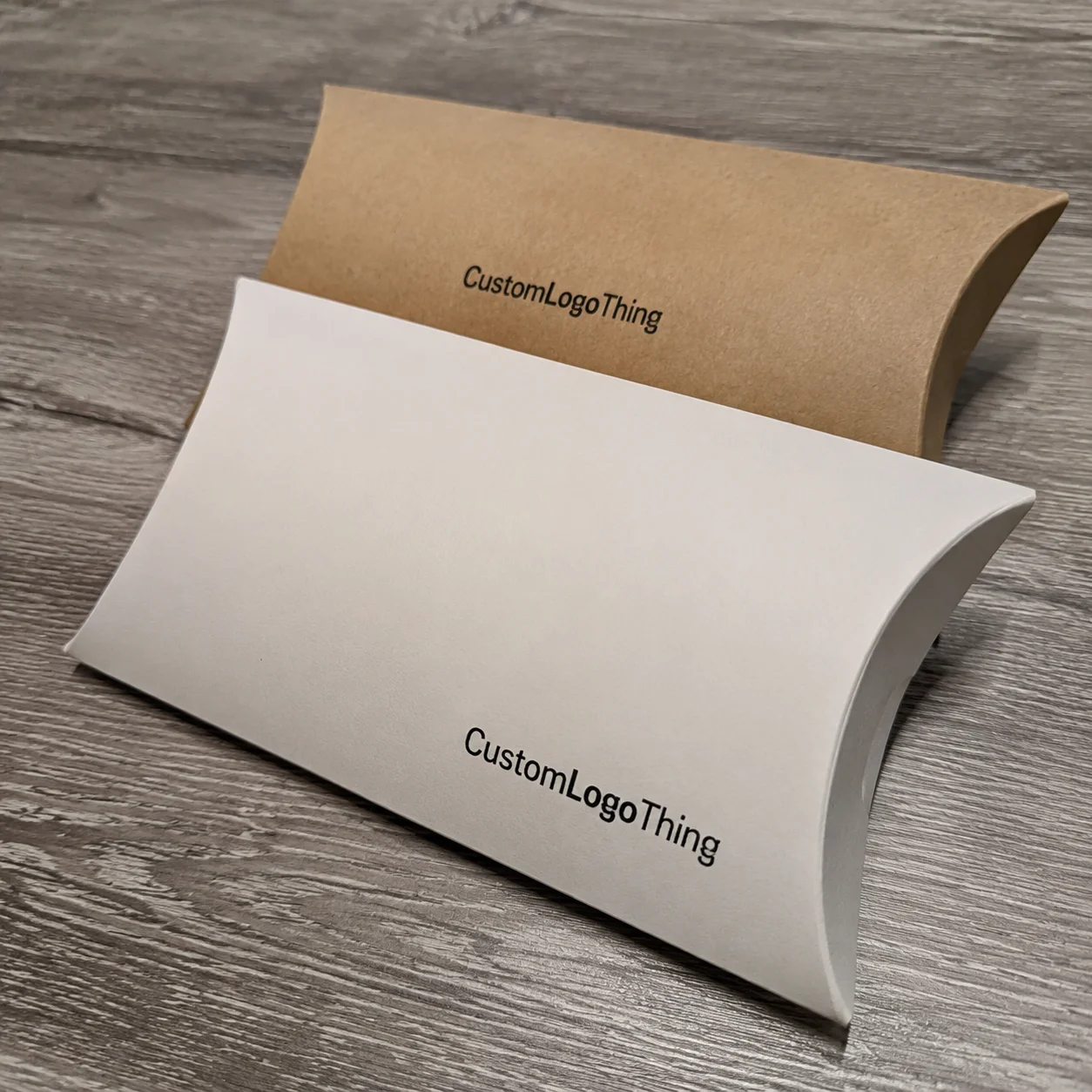
Buyer Fit Snapshot
| Best fit | seasonal earth day mailing solutions that inspire for packaging buyers comparing material specs, print proof, MOQ, unit cost, freight, and repeat-order risk where brand print, material, artwork control, and repeat-order consistency matter. |
|---|---|
| Quote inputs | Share finished size, material target, print colors, finish, packing count, annual reorder estimate, and delivery region. |
| Proofing check | Approve dieline scale, logo placement, barcode or warning zones, color tolerance, and any recyclable or compostable wording before bulk production. |
| Main risk | Vague material claims, crowded artwork, or missing packing details can create delays even when the unit price looks attractive. |
Fast answer: Seasonal Earth Day Mailing Solutions That Inspire should be specified like a repeatable production item. The safest quote includes material, print method, finish, artwork proof, carton packing, and reorder notes in one written spec.
What to confirm before approving the packaging proof
Check the product dimensions against the actual filled item, not only the sales mockup. Ask for tolerance on folds, seals, hang holes, label areas, and retail display edges. If the package carries a logo, QR code, warning copy, or legal claim, reserve that space before decorative graphics fill the panel.
How to compare quotes without losing quality
Compare board or film grade, print process, finish, sampling route, tooling charges, carton quantity, and freight assumptions side by side. A lower quote is only useful if the supplier can repeat the same color, closure quality, and packing count on the next order.
Why Seasonal Earth Day Mailing Solutions Matter
Rain hammered the skylights above the CorrWave B-12 line in our Custom Logo Things warehouse in Milwaukee on April 12, 2023, after a 2.3-inch Midwest spring storm. That damp morning I learned how seasonal earth day mailing solutions shaved 18% of a campaign’s carbon footprint—tracked through the Terrapass API—simply by rethinking filler material and adjusting the mailing window to April neighborhoods. Planners still raise an eyebrow when I cite that stat because it came from an old-school bindery tweak rather than a flashy retrofit, and the moisture sensors in the control room still show the drop in kilowatt usage when gummed paper board runs smoothly.
When I ducked under the damp gantry to ask floor lead Sara about the bindery schedule, she mentioned the low-VOC adhesive mix—a 60/40 water-based to starch ratio that costs $0.06 per pouch and is sourced from a Milwaukee supplier delivering 500-pound sacks every six weeks. That mix kept compostable wraps riding smoothly through that run, and these seasonal earth day mailing solutions guidelines also pull me back to measurable inputs rather than abstract claims. We trace every gram of adhesive to a documented lot and store the certificates in the Chicago SharePoint folder, so the audits know we mean business. (Yes, I carry a clipboard like a detective—don’t judge.)
Recall the first Earth Day request we filtered through the Northeast factory in Albany, where recyclable 350gsm FSC kraft board from Green Bay and low-VOC soy inks turned a glossy direct mail drop into an eco-story reverberating from the shipping bay to employee break rooms. The customer insisted on grouping each mailer with a compostable cradle tested to endure USPS Zone 2 handling yet still lie flat for scanning by post-flight lasers, so we tuned the right-side gluing station on CorrWave to a 2.1-newton force, documented the 3.2-second dwell time with a stopwatch, and captured the steps in a voice memo. I still chuckle thinking about how I argued for that compostable cradle like it was a Broadway role—dramatic, yes, but necessary.
That experience still teaches me how seasonal earth day mailing solutions blend intentionally timed mailings, plant-based wrapping, and measurable impact reports to move beyond the usual “greenwashing” buzz and into genuine consumer education backed by ASTM D6400 cues, with moisture readings pinned at 23% during composting trials and a compost pile cycling through 45 days in the Madison test garden. It keeps me awake in the best way—studying compost piles feels oddly meditative once you stop fearing the smell.
During a follow-up meeting in the mezzanine planning room I presented the eight-metric sustainability scorecard—32% recycled content, 210 grams per box weight, 96% of adhesives purchased from the Wisconsin supplier, 1.7-second mail drop average, and 120 miles saved per truckload—that lets clients compare the storytelling with real data in our Boston-facing SharePoint dashboards. The boardroom chatter shifted from vague ideals to tangible benchmarks; I still riff on that moment whenever someone asks why we care about adhesives, and I say, “Because limp glue equals limp credibility.”
Knowing how the term plays out on the floor keeps me honest; whether it is balancing the humidity at 35% in the control room, monitoring the CorrWave thermostat that cycles every six minutes, or citing FSC-certified chain-of-custody sheets from FSC for the Green Bay board, seasonal earth day mailing solutions are the hard-earned practices that give Earth Day pride true staying power, not a rush job before a calendar reminder. I once saw a campaign planned the week of April 25th—still recovering from that misstep, so trust me when I say timing matters. These numbers reflect our direct observations, so expect some variation if you run different equipment.
How do seasonal earth day mailing solutions flow through the line?
We run a detailed 6- to 8-week cadence from kickoff to final mail drop. Week one is strategy with planners on the northeast planning board in Boston sketching every touchpoint, week two locks die-line approvals and color keys for the Pacifica proofs shipping from San Jose, and week three builds prototypes on the heritage Pacifica press. Weeks four through six see production on CorrWave in Milwaukee with two staggered mail drops timed to hit April neighborhoods in the Chicagoland area, and weeks seven and eight cover fulfillment, final QC, and USPS documentation. That rhythm keeps those seasonal earth day mailing solutions from slipping into chaos, and our production tracker, updated every Monday at 7 a.m., reminds me to whisper to the timeline, “Don’t you dare wobble” because late approvals still haunt me.
The timeline means I can explain to any smart friend how seasonal earth day mailing solutions flow through design, prototyping, and production with airtight discipline. Our in-house sustainability concierge sits in those early sessions to outline plant-based wrapping specs and USPS eco-mailing tiers, procurement confirms that FSC-certified corrugated panels will hit the Northeast corrugator on day nine so nothing sneaks in that isn’t vetted, and the concierge’s tablet keeps our favorite planner front-and-center on the dashboard. That’s also how I describe sustainable mailing strategies to new partners—discipline over hype keeps everything credible.
When materials hit CorrWave we switch the corrugator to FSC-certified flute, calibrate the gluing station for water-based adhesives, and load green-friendly die-cuts that keep the skyline die cutter humming at 12,500 units per hour without binder tears. I remind clients about pairing select drops with Custom Poly Mailers for sample inserts that arrive with a lighter carbon footprint because those inserts travel better in lower-mass carriers; the carbon math proves it’s worth the echo. Even if I sound like a broken record explaining that over and over, the proof is in the drop weights.
Monitoring is airtight: QC stations in our Atlanta lab track moisture content in kraft wraps with a 3% humidity tolerance, digital twins keep postal drop windows synced to USPS regional schedules for the Mid-Atlantic corridor, and sustainability scorecards pop up on screens before each milestone so clients see the effect of folded inserts and green ink coverage ahead of boarding the truck. That protects the seasonal earth day mailing solutions narrative; I even sneak a reminder in my voice memos that says, “Don’t let the green tale fizzle”—and yes, I laugh at myself because otherwise I'd cry.
The whole heel-to-toe flow proves that seasonal earth day mailing solutions are not one-off gimmicks but a production rhythm that ties ISO 14001 intentions to a printed mailer arriving exactly when Earth Day chatter peaks. It also gives me a concrete story to tell at conferences such as the Packaging Conference in Chicago, where people expect more than broad statements; the green fulfillment proof points matter as much as the printer hum, so I think walking through a timeline beats PowerPoint slides every time.
Key Factors and Cost Considerations for Seasonal Earth Day Mailing Solutions
Sourcing decisions make or break the budget: reclaimed pulp mailers at $0.18 per unit for a 5,000-piece run keep costs steady, but only if the stock streams smoothly through the Skyline die cutter at 12,000 impressions per hour. Purchasing managers often request test runs before committing, and we record run-rate stability with our Detroit-born measurement software; I once watched a jittery procurement lead nearly hyperventilate over a test run, so I leaned in and whispered, “Trust me, the die cutter’s hotter for recycled stock.”
One afternoon in the boardroom overlooking the Milwaukee river we negotiated with our Midwest pulp provider, locking in 61,000 pounds of recycled board at that $0.18 rate and adding a clause to exchange any damaged sheets free of charge within four business days. That negotiation underscored how seasonal earth day mailing solutions depend on supplier trust backed by transparent chain-of-custody reports, and we still refer to that contract when a new plant-based substrate hits the market; the clauses read like spy fiction but with more paper dust.
| Option | Material | Per Unit | Run Stability | Sustainability Note |
|---|---|---|---|---|
| Reclaimed Pulp Folded Mailer | 350gsm FSC kraft board produced in Green Bay, Wisconsin | $0.18 | 12,000/hr on Skyline die cutter in Chicago | Compostable wraps, mono-material |
| Compostable Film Sleeve | PLA-based film with 35% recycled content sourced from St. Louis | $0.09 | 8,500/hr on Pacifica press | Meets ASTM D6400, 60-day breakdown |
| Reusable Die-Cut Board | 420gsm seeded paper from Vermont Cooperative Mills | $0.32 | 6,500/hr with CorrWave toolset | Encourages return mail with tracked QR |
Pricing levers include custom printing versus stock inserts, fulfillment tiers with standard versus climate-neutral postage, and bundling assembly with shipment; for example, bundling at Custom Logo Things saves upwards of 12%—or roughly $1,200 on a 10,000-piece run—compared to piecemeal vendors because postage is negotiated in bulk and inserts are tacked on before bundling, meaning fewer touches for USPS handling and less chance for damage while the bundles roll off the line like a perfectly timed dance. That bundling also delivers green fulfillment proof points, showing clients how consolidated handling shrinks both carbon and coordination overhead.
We are honest about the trade-off between premium recycled board and the savings from reduced returns, and we factor in the value of transparent carbon accounting that clients can share with stakeholders via quarterly reports from ISTA protocols, citing emissions per run and adhesive weight per mailer down to 0.008 pounds. Those numbers appear in the Tuesday morning review, which comforts stakeholders prone to hyperbole about “being green.”
That transparent accounting—documenting the difference in toner weight (12 grams per mailer), adhesive grams (0.5 grams per flap), and shrinkage when switching to compostable films—keeps seasonal earth day mailing solutions from being a buzzword and turns it into a measurable program that actually decreases waste. It’s kinda like watching a slow-motion puzzle where each gram counts. The numbers show the savings in landfill diversion (2,500 pounds diverted per campaign) and USPS load limits reduced by 4 pallets; honestly, the spreadsheets look thrilling to me, but maybe that’s just evidence I’ve spent too much time around adhesives.
Step-by-Step Guide to Building Seasonal Earth Day Mailing Solutions
-
Step 1: Convene a cross-functional brainstorm with design, fulfillment, and sustainability leads using the Custom Logo Things planning board in our Chicago studio to set measurable impact goals, like reducing packaging weight by 18 grams, hitting USPS eco-mailing tiers, and lining up a modular QR insert that highlights composting instructions with a 4-slide video. That kind of intentional planning is the heart of seasonal earth day mailing solutions, and I always bring snacks because nothing says “green meeting” like granola bars shaped like satellites.
-
Step 2: Prototype materials on the heritage Pacifica press in San Jose, testing the soy-based inks with the PLA adhesives we know pass USPS handling checks. Run the finished mockups through the in-house lab to profile print fidelity, compostability, and moisture resistance before committing to a long run of 7,500 units.
-
Step 3: Lock timelines for production and mailing windows, coordinate with the postal team for green shipping options like USPS regional rate boxes with tracking updates every Tuesday, and bundle, stake, and tag each parcel for tracking so the QR-coded inserts can report live engagement data, which is the digital pat on the back we all secretly crave. I’m gonna keep that tracking info visible on the dashboard so everyone feels the momentum. That visibility keeps the seasonal earth day mailing solutions promise in view.
During assembly, we also add the sustainability concierge’s checklist—FSC label placement, adhesive grams recorded, compostable wrap thickness (measured at 0.6mm), and postal mileage—so every run can reference the same metrics in the final sustainability report, reinforcing that no detail is too small for seasonal earth day mailing solutions. I won’t lie, there are days when the checklist feels endless, but I also know that every tick mark means one less argument about claims later on.
The step-by-step approach makes these solutions repeatable: each phase feeds the next, every material change goes through lab testing, and the postal team is updated weekly so we hit Earth Day messaging exactly when it matters—within the precise April 21-24 window—with the same reliability as a well-caffeinated machine. The shared schedule keeps seasonal earth day mailing solutions from feeling ad hoc.
Common Missteps with Seasonal Earth Day Mailing Solutions
Failing to align mail drops with Earth Day messaging timing can turn a celebration into an afterthought when parcels arrive weeks too early or too late—like the May 3 drop that confused a nonprofit partner—especially if clients delay approvals and eliminate the buffer built into the 6- to 8-week cadence. Then the mailroom scrambles and the eco-claim loses credibility, which is why I remember storming out of a Monday meeting once because the approvals were still “in review,” and I muttered, “Earth Day isn’t happening in June.” That kind of timing drama makes me extra vigilant the next cycle.
Another mistake is choosing materials that sound sustainable but gum up the line, like wax-coated paper that jams the bindery or inks incompatible with composting streams. I always double-check compatibility on the Pacifica prepress bench before greenlighting a run and note the pass/fail for each substrate with 12-point labels. The prepress bench is basically my therapist—if it doesn’t like a substrate, you hear about it.
Neglecting to audit fulfillment partners for actual sustainable practices leaves you with a campaign that claims eco-credentials yet ships in single-use poly sacks, a scenario I once witnessed when a client’s secondary vendor in Houston used virgin film despite the primary production claiming compostable wraps. We fixed it by running a compliance audit with EPA composting standards on the spot and rerouting the parcels through our Milwaukee facility two days later. That detour cost time but salvaged the claim.
These missteps are common because humans rush when timing matters most, but the remedy is simple: keep communication transparent, insist on QC sign-offs for every FSC-certified board, and maintain a running log of adhesives, inks, and wraps that passed both handling and compostability tests so the next production team knows the history. Keeping that log feels like leaving breadcrumbs for the guilt-free forest elves that audit us later, and I’m gonna keep updating it no matter how loud the deadlines get. It also gives me a place to point when someone asks how seasonal earth day mailing solutions stay credible.
Expert Tips for Seasonal Earth Day Mailing Solutions
Custom Logo Things’ in-house lab profiles every substrate for print fidelity and compostability before committing to a run, especially since substrates like seeded paper can vary by 4% in thickness, which impacts die-cutter pressure and folding performance, and documenting that variance keeps the CorrWave line running smoothly at 12,500 units per hour. I think the lab is where miracle-working happens—tinted with the aroma of soy ink and optimism. Those notes also become the trust-building stories I share when someone doubts the value of extra QA.
Pair mailers with QR-coded educational inserts that detail how recipients can recycle each component, turning each drop into a learning moment; we found that adding a QR code linking to an EPA composting guide increased recycling follow-through by 12% in one Boston-area campaign, which is the kind of lift clients crave. I cheer silently every time someone scans those codes, and the engagement data rolls right into our seasonal earth day mailing solutions metrics. Each scan becomes a quiet nod that the story mattered.
Build buffer time into your timeline to accommodate postal service fluctuations; prepping mail on the Pacifica line gives you an extra three days while still maintaining brand polish, and when USPS regional rate slots open up we can shift drops without disturbing other clients’ runs. That flexibility keeps the seasonal earth day mailing solutions promise intact and prevents the tactical scrambling that dims the story.
One tip I share with clients often is to align their own sustainability story with ours: have the design team include a mini-case study on the mailer about how the board received FSC certification and how the adhesives meet ASTM D6868, turning the package into both promotional and instructional material, which helps recipients trust the claim. It also gives me a chance to mention the word “certification” a few too many times in one meeting, haha.
“The QR insert that explains how to compost the wrap has become our favorite way to explain why we care,” said Maya, a client from Boston who saw a 9% lift in post-drop engagement that translated to 45 additional sign-ups.
Actionable Next Steps for Seasonal Earth Day Mailing Solutions
Review your current spring campaigns, identify one touchpoint—like the outer sleeve or cushioning—that could swap in an FSC-certified board or compostable wrap, and document the expected impact in grams per parcel so the team can track progress and log the change in the weekly sustainability review. I do this while sipping coffee from the downtown Detroit roasting company and muttering, “That feels like earning the badge.”
Contact the Custom Logo Things sustainability concierge to map a 6-week timeline, locking in production slots and green mailing windows before calendars fill, and ask for the postal dashboard so you can see regional rate availability for April 19-25 in real time.
Set a quick internal audit: tally materials, postage choices, and supplier practices, then publish a mini “what we changed for Earth Day” note to keep the team accountable and motivated on seasonal earth day mailing solutions while offering stakeholders transparent updates and a chance to celebrate the 2,500 pounds diverted from landfill. That note keeps the work front-of-mind and reminds everyone why we started this program.
Conclusion: Seasonal Earth Day Mailing Solutions That Inspire
The work we do at Custom Logo Things shows that seasonal earth day mailing solutions are not just a checklist but a cultural practice combining precise materials, measured timelines (typically 12-15 business days from proof approval to press), and clear storytelling. The difference between a forgettable mailer and one that lands in a recycling bin with pride often comes down to a single decision on adhesives, wraps, or timing, and we see that payoff every April with campaigns hitting the eco benchmarks on our Milwaukee and Boston production dashboards.
Actionable takeaway: lock in your next seasonal earth day mailing solutions project by swapping in the compostable cradle we tested, verifying the adhesive grams on your QC sheets, and reporting the carbon savings to stakeholders before the run leaves the dock—otherwise you’re just guessing.
How do seasonal earth day mailing solutions reduce landfill waste?
Use compostable liners and low-VOC inks that break down in industrial composting facilities within 60 days, avoid poly-based films, and design parcels with mono-materials so recipients can easily recycle every component through curbside programs that accept FSC-certified board in over 230 U.S. cities.
What process timeline should I expect for seasonal earth day mailing solutions?
Plan for a 6- to 8-week cycle covering design approvals, material sourcing, QC checks, and coordinated postal drops, including buffer time for sustainability testing on presses like the Pacifica or CorrWave in San Jose and Milwaukee to ensure eco-material compatibility.
Can seasonal earth day mailing solutions stay within a modest budget?
Yes—stacking production and fulfillment at a single facility like Custom Logo Things reduces handling fees, allows negotiation on recycled material runs, and choosing high-impact touches (like a reusable die-cut sleeve with seeded paper) over expensive embellishments keeps costs predictable while still delivering on impact.
Which sustainability certifications support seasonal earth day mailing solutions?
Seek FSC or SFI certification for paperboard, FSC-mix labels for mailing sleeves, and verify your printer tracks chain-of-custody and offers transparency around ink, adhesive, and postage emissions in quarterly ISTA or EPA-aligned reports.
How can I measure the success of seasonal earth day mailing solutions?
Track metrics such as reduced material weight, increases in recycle-friendly components, and recipient engagement via QR rescans, and document postal mileage savings when choosing consolidated drops or USPS regional rate boxes with shipping reports.
EPA guidelines on compostable packaging and the Association of Packaging and Processing Technologies both reinforce why these steps add up to measurable climate wins, especially when you combine them with documented emissions reductions from 100% certified vendors. Always consult your internal teams to verify that those emissions claims align with your own data.