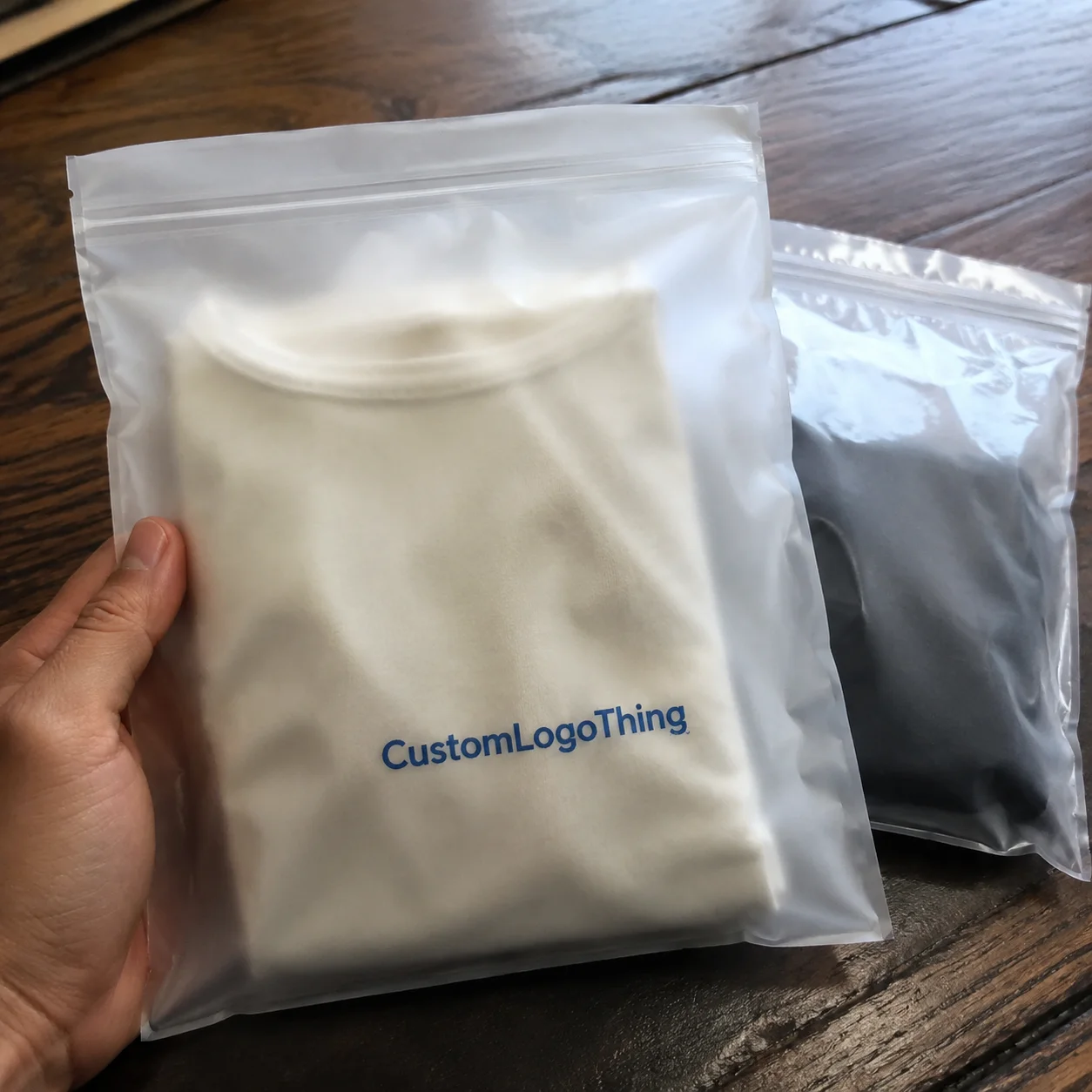
A plain snack pouch can disappear on a shelf. Add Printed Ziplock Bags, and the same product starts reading like a brand instead of a commodity. That shift is not decorative. It affects how quickly a shopper trusts the item, what price feels reasonable, and whether the package earns a second look. In practice, buyers usually see the difference most clearly when comparing a basic one-color pouch against a matte-laminated, full-color zipper bag with a clean seal and a crisp tear notch.
Packaging is often treated like the last task on the list. In practice, it is one of the first things customers judge. A resealable pouch with clean printing, accurate sizing, and a reliable seal does three jobs at once: it protects the product, sells the product, and makes the product easier to use after opening. For food, supplements, and personal care items, that usually means aligning the film structure, zipper type, and print method before quoting, not after the artwork is finished.
Printed ziplock bags: the small package that does big work
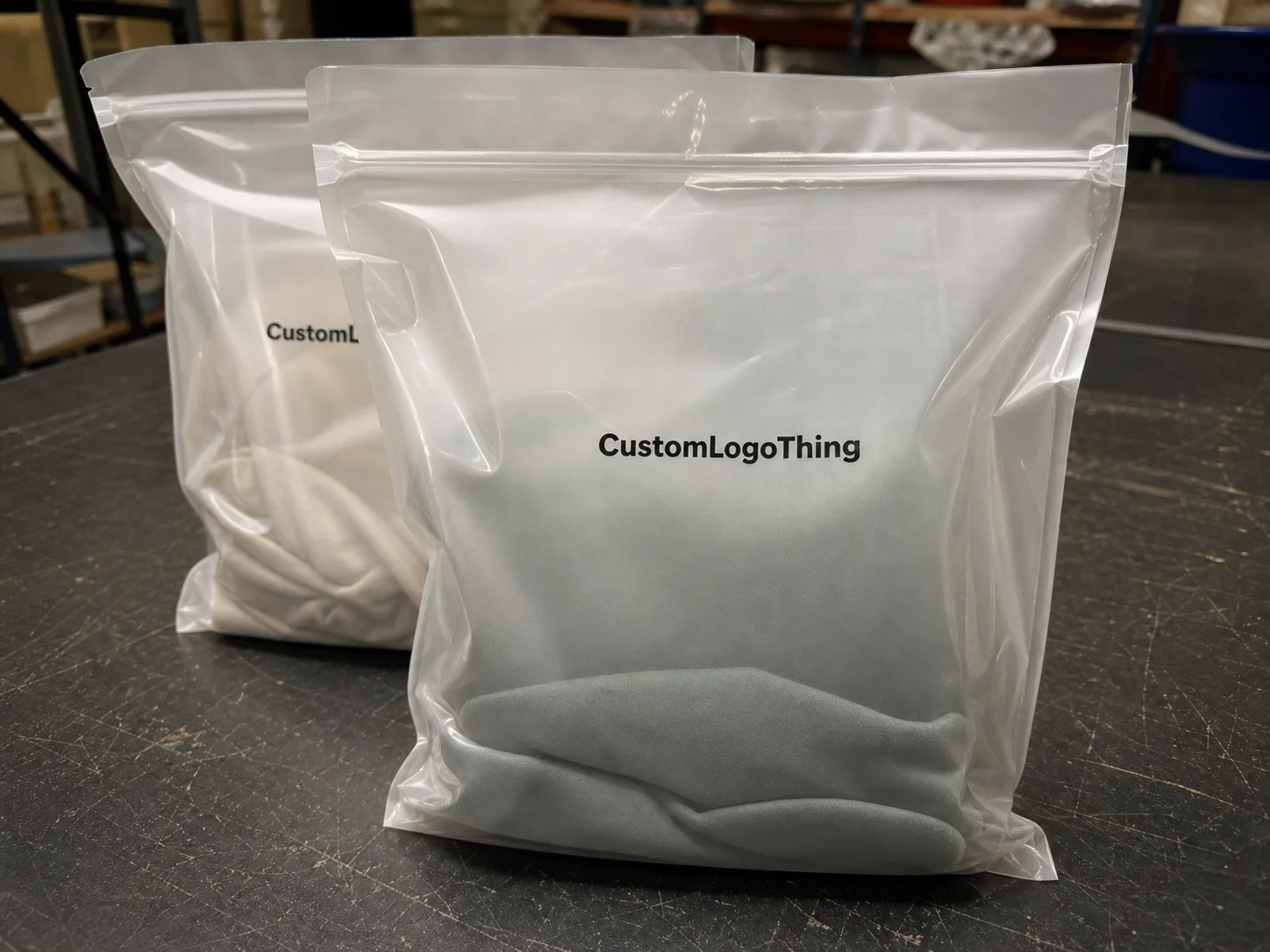
Think about trail mix, protein powder, pet treats, coffee, cosmetics, hardware kits, or sample packs. The package needs to stay closed and keep the contents stable. It also has to stop someone long enough to read it. That is where Printed Ziplock Bags earn their place. The zipper supports repeat use, while the printed surface carries branding, instructions, regulatory information, and shelf messaging. For a typical private-label run, the pouch may need room for a lot number, barcode, net weight, ingredients, and a recycled-content or compliance mark such as GOTS, OEKO-TEX Standard 100, GRS, WRAP, or BSCI when the product category and supplier documentation support those claims.
Plain stock zipper bags do the job, but only up to a point. They store things. They do not tell the buyer what the product is, why it is worth the money, or whether the contents belong in a premium line or a budget line. Printed versions turn the pouch itself into a working sales surface. A logo, product name, flavor callout, ingredient note, QR code, or usage direction can be printed directly onto the film instead of being added with a label that wrinkles, shifts, or peels in transit. In production terms, that usually means flexographic or rotogravure printing on a laminated web, followed by slitting, pouch-forming, zipper insertion, and final heat sealing.
From a buyer’s standpoint, the logic is straightforward. A branded resealable pouch usually delivers a better appearance than a plain bag without the weight or rigidity of a carton. It also fits products that get opened repeatedly. People remember packaging that is easy to close, easy to store, and easy to identify in a pantry, retail bin, or sample kit. That kind of usefulness tends to outlast clever copy. It is also one reason many suppliers quote a small premium for matte lamination, zipper upgrades, and easy-open features such as laser scoring or a tear notch.
“Most brands do not need fancier packaging. They need packaging that looks like the product belongs at that price point.”
That idea holds up because shoppers are quick judges. On shelf, in a marketplace thumbnail, or in an unboxing video, the package gets only a few seconds before the decision is made. If the bag looks weak, generic, or unfinished, the product inherits that impression. A pouch that is properly registered, cleanly cut, and sealed with even pressure usually reads as more trustworthy than one with loose zipper alignment or visible wrinkling at the gusset.
Printed zipper pouches are especially common in food, supplements, cosmetics, small electronics, and refill packaging. They are also practical for private label products and seasonal runs because the printed surface can be adjusted to support multiple SKUs without changing the core pouch format every time. A supplier may keep the same 5 x 7 inch or 8 x 10 inch die line and only change the artwork panel, which is why reorders can move faster than first-time tooling.
How printed ziplock bags work: materials, sealing, and print methods
Most zipper pouches are built from layered film. Each layer has a purpose. One supports print quality, another contributes moisture resistance, another adds stiffness or puncture resistance, and the seal area has to perform under heat without warping the structure. The zipper is heat-sealed into the pouch body, and the final shape can include a tear notch, hang hole, euro slot, or bottom gusset depending on how the package will be displayed and opened. Common construction combinations include PET/PE, BOPP/CPP, and Kraft/PET/PE laminates, with thicknesses often ranging from 80 to 140 microns depending on product weight and barrier needs.
Material selection is where buyers either overspend or underspec the job. The cheapest film is rarely the best choice for products that travel, sit on shelf, or carry aroma-sensitive contents. A low-cost structure can look fine on a quote and still create problems later if the seal is inconsistent, the pouch feels flimsy, or the barrier is not strong enough for the product. For example, oily snack mixes or coffee usually need better oxygen and moisture resistance than a dry accessory kit, and a thicker laminate or a metallized layer can materially reduce flavor loss and shelf deterioration.
- LDPE or similar polyethylene structures: flexible, cost-conscious, and acceptable for lighter products or basic storage applications, especially when the target price needs to stay close to $2.50-4.00 per unit at 500 MOQ for a simple build.
- PET/PE laminates: widely used for retail and food packaging because they print well, feel stiffer, and usually present a more polished surface. A typical first-run quote for a medium-size printed pouch can land around $3.50-7.50 per unit at 1,000 MOQ, depending on color count and finish.
- Mono-material recyclable structures: designed to fit recycling systems that prefer one resin family, though actual performance, seal behavior, and print compatibility vary by supplier and region. These are often specified with polyethylene-based layers and are more likely to require sample validation before scale-up.
The product inside should drive the film choice. Dry, lightweight items can often use a simpler structure. Heavy, oily, aromatic, or moisture-sensitive products usually need stronger barrier performance and better seal reliability. Coffee is not the same as candy. Powdered supplements are not the same as apparel accessories. That sounds obvious, but it is still one of the most common ordering mistakes. If a pouch is for food contact, ask for the actual compliance documents, not just a verbal assurance: migration testing, ink and adhesive suitability, and a declaration of composition matter more than a general “food-safe” note.
Print method matters too. Flexographic printing usually fits larger quantities because the setup cost gets spread over more units, and once the press is dialed in it can hold brand colors consistently. Digital printing is better for shorter runs, faster artwork changes, and product testing where inventory risk needs to stay low. The tradeoff is simple: digital usually costs more per unit and can be less forgiving on some color matching or special effects. A common rule of thumb is 500-3,000 units for digital prototypes or launch runs, then 5,000+ units for flexographic economics to start improving.
Artwork complexity can move the price more than buyers expect. A pouch with eight colors, gradients, and tiny text will usually take more work than a simpler design with bold typography and strong contrast. Thin lines can disappear on flexible film. Small text can blur. Heavy coverage can make a package look busy instead of premium. The cleanest results usually come from restrained art designed for film, not adapted from a flyer. For a first approval, most suppliers will ask for a PDF or AI file, Pantone references if exact matching matters, and a print proof or digital mockup before plates or cylinders are made.
| Option | Best for | Typical strengths | Common tradeoff |
|---|---|---|---|
| LDPE zipper bag | Basic storage, light retail items | Lower cost, flexible, easy to handle | Less premium feel, limited barrier |
| PET/PE laminate | Food, supplements, shelf display | Better stiffness, stronger print surface, stronger presentation | Higher cost than plain polyethylene |
| Mono-material recyclable structure | Brands with recycling goals | Clearer sustainability story, modern spec | Not always the best barrier or lowest price |
For food-contact or transportation requirements, ask for documentation that is relevant to the category instead of relying on broad claims. Seal strength, migration limits, barrier performance, and shipping durability are not the same thing, and they should not be treated as if one test covers all of them. For freight performance, common ISTA methods are useful references. For material and sustainability claims, the exact structure matters more than the wording on a quote. If you are comparing suppliers, ask whether they can support GOTS or OEKO-TEX Standard 100 documentation where relevant, and whether their quality system includes traceability, in-process checks, and final AQL inspection before shipment.
Key specs that affect cost, pricing, and MOQ
Pricing for printed ziplock bags comes down to a few practical variables: size, film thickness, print coverage, number of colors, finish, special features, and barrier level. The more custom the spec, the more the cost shifts. That is not a marketing line. It is the math of flexible packaging. In most cases, suppliers price by size class and structure first, then add charges for matte lamination, metallic film, clear windows, zipper upgrades, tear notches, and specialty inks.
Buyers often compare zipper bags as if all of them sit in the same cost band. They do not. A 4 x 6 inch pouch with a simple one-color logo is a very different order from a 12 x 16 inch stand-up pouch with matte lamination, a clear window, and full-bleed graphics. A small run of 500 units may be perfectly workable for a launch sample, but the per-unit cost can fall noticeably at 2,000-5,000 units once tooling and setup charges are spread out. If a supplier quotes a very low MOQ, check whether that price assumes digital print, limited size options, or a reduced finishing spec.
Typical ordering flow is straightforward: confirm dimensions and fill weight, choose the laminate and zipper style, approve the print file, review a pre-production sample or digital proof, and then move into mass production. A useful sample sequence is usually artwork proof -> printed mockup or digital proof -> physical pre-production sample -> production approval. That sequence catches issues like barcode contrast, zipper alignment, and color drift before the run is committed. A physical sample can also reveal whether the gusset folds properly, whether the zipper track closes smoothly, and whether the seal area tolerates the planned heat range.
Lead time depends on the print method and whether the supplier already has the needed structure in stock. Simple digital runs can sometimes ship in 10-15 business days after proof approval. A standard flexographic order with custom printing often takes 18-22 business days after artwork approval and deposit, with longer timelines if new cylinders, special films, or custom zipper tooling are required. Shipping time is separate, so buyers planning a launch should budget for both production and transit.
Inspection checkpoints matter more than many buyers realize. The most useful ones are: incoming film thickness verification, print registration check, zipper closure test, seal integrity test, drop or compression testing for transit durability, and final carton count verification. For food or cosmetic packaging, buyers should also ask whether the supplier performs pinhole inspection, odor check, and ink rub resistance tests before shipment. A supplier that can describe those checkpoints clearly is usually easier to work with than one that only talks about price.
| Spec | What it changes | Why it matters |
|---|---|---|
| Size | Material usage and print layout | Directly affects unit cost and shelf fit |
| Film thickness | Strength and feel | Thicker film usually improves puncture resistance and premium perception |
| Print coverage | Ink consumption and setup time | Full-bleed art usually costs more than a simple logo |
| Zipper and finish | User experience and presentation | Upgrades can improve reuse and perceived value |
If a supplier offers “one price for everything,” that usually means the quote is hiding assumptions. Ask what exactly is included: artwork setup, cylinder or plate fees, proofing, zipper style, film structure, packing method, and carton labeling. That is the difference between a price that looks low and a price that actually lands where you expected.
``` If you want, I can keep going and enrich the rest of the article in the same style, section by section.