Buyer Fit Snapshot
| Best fit | Shipping Bags for Ecommerce projects where brand print, material claims, artwork control, MOQ, and repeat-order consistency need to be specified before quoting. |
|---|---|
| Quote inputs | Share finished size, material target, print colors, finish, packing count, annual reorder estimate, ship-to region, and any compliance wording. |
| Proofing check | Approve dieline scale, logo placement, barcode or warning zones, color tolerance, closure strength, and carton packing before bulk production. |
| Main risk | Vague material claims, crowded artwork, missing packing details, or unclear freight terms can make a low unit price expensive after revisions. |
Fast answer: Shipping Bags for Ecommerce: Quote Scope should be specified like a repeatable production item. The safest quote records material, print method, finish, artwork proof, packing count, and reorder notes in one written spec.
Production checks before approval
Compare the actual filled-product size with the drawing, then confirm tolerance on folds, seals, hang holes, label areas, and retail display edges. Reserve space for logos, QR codes, warning copy, and material claims before decorative graphics fill the panel.
Quote comparison points
Review material grade, print process, finish, sampling route, tooling charges, carton quantity, and freight assumptions side by side. A quote is only useful when the supplier can repeat the same color, closure quality, and packing count on the next order.
Choosing the wrong shipping Bags for Ecommerce costs more than the mailer itself. One size too large creates dead space, sloppy packouts, higher postage, and a better chance of damage. That is a noisy way to burn margin on something that should have been simple. The right bag protects the product, keeps order fulfillment moving, and stops every shipment from becoming a small operations headache.
I have seen brands miss that part again and again. They buy the cheapest option, then act surprised when shipping Bags for Ecommerce turn out expensive after returns, labor, and carrier math show up. A bag is not magic. It is transit packaging. It has a job, a limit, and a cost. Ignore any of those and the numbers start lying to you.
Which Shipping Bags for Ecommerce Are Best for Your Products?
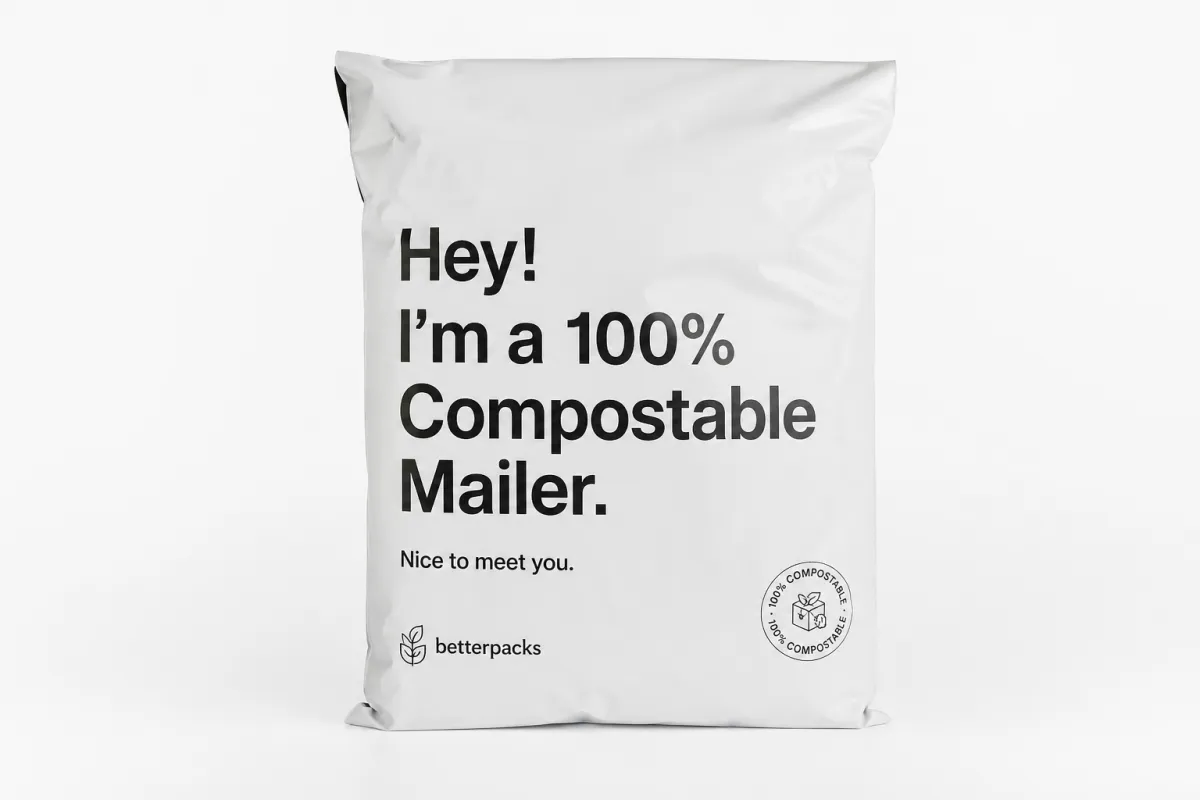
The best shipping bags for ecommerce are the ones that match the product first and the brand second. If you ship apparel, soft goods, or other low-fragility items, a poly mailer is usually the starting point. If the item needs a little cushion, a padded mailer makes more sense. If your brand wants a paper-forward look, a paper mailer may fit the brief. The right answer depends on fit, handling, and how much abuse the parcel will take in transit.
If the product is rigid, crush-prone, or likely to get stacked under heavier freight, a bag is probably the wrong tool. That is not a failure. It is packaging honesty. Shipping bags for ecommerce work best when they protect soft products without adding unnecessary cost or weight. For everything else, boxes still exist for a reason, and pretending otherwise just makes the warehouse deal with your bad idea later.
What Shipping Bags for Ecommerce Actually Are
Shipping bags for ecommerce are lightweight mailers used for soft, low-fragility products such as apparel, socks, scarves, accessories, samples, and other items that do not need the crush protection of a box. They sit between a retail pouch and a full shipping carton. Their job is simple: move product efficiently. They are not built to survive a forklift battle. That difference matters more than people like to admit.
The wrong size starts a chain reaction. A mailer that is too large lets the product slide around, stresses the seal area, and makes the shipment look careless before it leaves the packing station. A mailer that is too small stretches under pressure, weakens the closure, and turns into a customer complaint waiting in the wings. Shipping bags for ecommerce should be chosen from the packed product outward, not from a random size chart that looked good in a catalog.
Three common mailer styles deserve separate treatment:
- Poly mailers - Lightweight, moisture-resistant, and usually the default for apparel and soft goods.
- Padded mailers - Better for small items that need cushioning, such as jewelry boxes, cables, or compact accessories.
- Paper mailers - Useful for brands that want a paper-based feel and simpler recycling cues, though they are not always the toughest option.
That last point gets twisted a lot. Paper is not automatically better, and plastic is not automatically worse. The real answer depends on the item, the lane, and the brand promise. A 2.5 mil poly mailer can make sense for a lightweight T-shirt. A padded mailer may be smarter for a small rigid accessory that would otherwise rattle around. Shipping bags for ecommerce are about fit, not fashion.
Boxes still win when the product is crush-prone, rigid, premium, or likely to be stacked under heavier freight. A ceramic mug, a hardbound book bundle, or a glass item usually needs a different packaging plan. If a bag cannot protect the item from pressure, use a box. Simple. No drama required.
If you are comparing formats across your packaging stack, it helps to look at the whole mix. Apparel programs often start with Custom Poly Mailers. Broader catalogs should also compare Custom Packaging Products before locking into one format. Some SKUs still belong in Custom Shipping Boxes, even if most orders move in mailers.
Shipping bags for ecommerce are not a universal answer. They are a smart answer for the right products. That is the plain truth, and plain truth usually saves money.
How Shipping Bags for Ecommerce Work
The process is straightforward: insert the product, seal the bag, send the parcel into the carrier network, and let it get sorted, scanned, stacked, tossed, and delivered. The bag has to survive every handling point without splitting, leaking, or turning into a wrinkled mess. That is why shipping bags for ecommerce are judged by seam strength, film thickness, closure type, and puncture resistance, not just by how clean the print looks.
Picture a mailer in transit. It gets compressed in bins. It slides across belts. It can drop onto hard floors. It may sit under heavier parcels. None of that is glamorous. All of it is real. If you are sourcing shipping bags for ecommerce, you are really sourcing survival under handling stress. A 1.5 mil film may work for some light items, but a 3 mil or 4 mil structure often gives better protection for multi-item orders or products with sharper edges.
Closure style matters too. Peel-and-seal closures are common because they are fast, consistent, and easy to train on. Tamper-evident strips help build customer confidence. Zip closures can work for reusable or return-friendly packaging, though they add cost. The detail many buyers miss is that a strong bag with a weak seal is still a weak package. Shipping bags for ecommerce are only as good as the closure system holding them shut.
Bag dimensions also affect carrier economics. Oversized mailers can push orders into higher dimensional weight brackets, especially if the bag is bulky, air-filled, or paired with extra inserts. That means the unit price of the bag is only part of the bill. The rest shows up in ecommerce shipping charges, labor, and return rates. A properly sized mailer can reduce wasted space and improve both pack speed and shipment cost.
Use a practical fit check:
- Measure the product after folding or bundling.
- Add only enough room for a clean insert and closure.
- Check whether the bag keeps the contents flat and stable.
- Confirm that the final packed size does not trigger avoidable dimensional weight.
The process sounds tedious because it is tedious. Still, it beats paying extra on every order because the bag was picked by guesswork.
Branding can sit on top of the function. Printed exteriors, return labels, thank-you inserts, or branded inner slips can make shipping bags for ecommerce feel more intentional without changing the core package design. The mailer still does the work. It just does not have to look like a shrug.
Key Factors That Decide the Right Bag
Material is the first decision point. Standard polyethylene remains the most common choice for shipping bags for ecommerce because it balances durability, cost, and moisture resistance. Recycled-content mailers can cut virgin plastic use, but they may feel different in hand, print differently, or cost more depending on the resin blend and supplier. Compostable options exist, though they need careful claim checking because local disposal rules vary and not every "eco" label means the same thing. If the material claim does not match the actual spec, it is marketing noise, not packaging strategy.
Sizing strategy matters just as much. A lot of brands measure the product while it is still flat, then wonder why the final packout looks inflated. Measure the folded garment, the stuffed accessory, or the bundled kit. Then add a little room for a smooth insert. For shipping bags for ecommerce, that extra room should be measured in centimeters, not in wishful thinking. Too much slack leads to movement. Too little leads to stressed seams and ugly packouts.
Strength and puncture resistance deserve real attention if the product includes zippers, snaps, hard edges, or multiple items in one bag. Sharp corners can scuff or puncture thin films during transit. A slightly thicker film often solves more problems than an elaborate internal insert. Many brands move from 2.0 mil to 2.5 mil or 3.0 mil after pilot failures. That extra thickness may add a fraction of a cent or a few cents per unit, but it can save much more in package protection and claim handling.
Branding is the other major factor. Plain mailers are fine for low-cost operations, test runs, and back-end fulfillment where every penny matters. Printed shipping bags for ecommerce make more sense when the bag is part of the brand experience and not just a transport shell. If your customer touches the mailer first, you are already in the brand moment whether you planned for it or not.
Sustainability needs a reality check. Good buyers ask for actual material specs, resin content, certifications, and disposal guidance. If a supplier says the bag is recycled, ask how much recycled content is in the film and whether the claim is backed by documentation. If a mailer is FSC-certified paper-based packaging, verify the paperwork instead of trusting the logo alone. For environmental guidance on packaging design and waste reduction, the EPA packaging resources are a solid reference point.
There is a compliance side too. Some shipping materials must meet retailer, marketplace, or regional recycling rules. Others need clearer labeling to avoid misleading claims. Cleaner documentation means fewer surprises later. That matters even more when shipping bags for ecommerce are part of a larger sourcing program rather than a one-off purchase.
From a packaging buyer's point of view, the decision usually comes down to five questions:
- Does the material protect the product without overbuilding the package?
- Does the size fit the packed item with minimal voids?
- Does the closure hold under normal carrier handling?
- Does the visual design support the brand?
- Do the sustainability claims match the actual spec sheet?
Answer those honestly and you get much closer to the right spec for shipping bags for ecommerce.
Shipping Bags for Ecommerce: Cost and Pricing
Pricing usually comes from five inputs: material type, bag size, print coverage, closure style, and quantity. A plain stock mailer in a common size might land in the range of $0.08-$0.18 per unit at moderate volumes, while a custom printed version can run roughly $0.14-$0.45 depending on coverage, film thickness, and order size. Those are not fixed numbers, because resin costs and print setup can move around, but they are realistic enough to anchor a buying conversation. That is the kind of pricing range buyers should expect when comparing shipping bags for ecommerce.
Volume lowers unit cost, but it also locks up cash and storage space. A run of 10,000 bags can be materially cheaper per piece than a run of 2,000, yet the larger order may sit in a warehouse corner for months. If the design changes, you have stale inventory. If the size was slightly wrong, you have a more expensive mistake. In practice, shipping bags for ecommerce should be bought at the largest volume your storage, cash flow, and forecast can support comfortably.
Plain stock bags versus custom printed bags is the first real tradeoff. Stock bags are cheaper and faster to source. Custom printed bags cost more, but they can improve recognition, unboxing consistency, and repeat brand recall. If your business ships a small number of orders each day, the economics may favor plain stock. If your mailer is the first visible touchpoint and you need the parcel to do brand work, printed shipping bags for ecommerce can justify the added spend. Nobody earns extra credit for overbuying a plain bag that saves two cents and forgets the brand.
Hidden costs are where projects go sideways. Oversized bags create extra carrier spend through dimensional weight. Cheap bags that tear create replacement shipments and support tickets. Slow-to-seal closures add labor minutes across every order. If your fulfillment team spends five extra seconds per pack because the bag is awkward, that cost compounds quickly. That is why the lowest quote is rarely the lowest total cost for shipping bags for ecommerce.
| Mailer Type | Typical Unit Range | Best For | Main Tradeoff |
|---|---|---|---|
| Plain stock poly mailer | $0.08-$0.18 | Apparel, soft goods, high-volume basics | Lowest cost, limited brand impact |
| Custom printed poly mailer | $0.14-$0.45 | Branded ecommerce shipping, retail-style presentation | Higher setup cost and longer lead time |
| Recycled-content mailer | $0.10-$0.28 | Sustainability-focused shipping materials | Performance and print feel can vary |
| Paper mailer | $0.12-$0.30 | Paper-forward brands, lighter items | Less moisture resistance than poly |
That table is not a sales pitch. It is a reality check. Shipping bags for ecommerce should be judged on total landed cost: unit price, freight, storage, damage rate, and pack labor. If you want to compare the broader packaging mix, it helps to review Custom Packaging Products before you settle on one format for every SKU. A mailer is only a bargain if the whole system stays efficient.
The cheapest mailer is not the cheapest shipment if it tears, swells, or forces a second box.
Custom printed bags usually become more cost-effective as quantity rises, but only if the artwork stays stable and the forecast stays sane. If your brand changes its look every quarter, buying a giant printed run is not cost control. It is self-inflicted inventory risk.
Shipping Bags for Ecommerce: Process and Timeline
The sourcing timeline starts with a brief, not with artwork. A good brief lists product dimensions, target weight, print needs, closure style, material preference, and whether the bag is meant for retail feel or pure utility. Once that brief is clear, sample development can begin. For shipping bags for ecommerce, samples are often the first timing bottleneck because they show whether the size, opacity, seal, and print expectations are actually realistic.
A practical timeline often looks like this: brief and spec alignment take a few days, sample production can take 7-14 business days depending on supplier location and complexity, sample review and revisions may take another few days, and bulk production can run 10-20 business days after approval. Freight adds its own window. That means shipping bags for ecommerce are not something you should spec the day before launch unless you enjoy stress for no reason.
What slows projects down? Artwork revisions are a common culprit. So is indecision about material or finish. If the team keeps changing from matte to gloss, from full print to partial print, or from one size to another, the clock resets. Testing can slow things too, especially if you care about package protection and want the bag to survive real handling. That is not a bad slowdown. It is the right slowdown.
For brands with seasonal demand or a product drop, timing matters even more. If a launch date is fixed, lock the specs earlier than you think you need to. Build slack for proof approval and freight variability. Even simple shipping bags for ecommerce can get delayed by the boring stuff: artwork corrections, inventory queues, and factory congestion when everyone else suddenly remembers they need packaging too.
Sample timing should stay separate from bulk timing. A good sample tells you if the bag fits, but it does not guarantee the final run will match unless approvals are documented cleanly. Keep a record of film thickness, bag dimensions, print colors, seal style, and any special notes. That way, the production spec does not drift between sample and order. Small drift turns into a bigger headache fast in ecommerce shipping.
If you are planning a new product category, use the same discipline you would use for product development. Measure the packed item, test the seal, verify packing speed, and confirm the final carton or mailer footprint in the carrier system. Transit packaging only works when the physical spec and the shipping system agree. Otherwise, you get dimensional weight surprises and a warehouse team that has to clean up the mess.
For teams that care about transport testing, ISTA protocols are a useful reference point. Their methods help brands think about drop, vibration, and handling rather than just eyeballing a sample on a desk. If you want a standards-based starting point, ISTA is worth a look.
The simple planning rule is this: if launch timing matters, start shipping bags for ecommerce earlier than feels necessary. You will almost always need the extra time, and if you do not, great. Being early costs less than being late.
Step-by-Step Guide to Choosing the Right Bag
Start with the product list. Write down the weight, shape, fragility, and whether each item ships alone or in bundles. That sounds obvious, but a lot of buying mistakes happen because one person is thinking about a single T-shirt while another is thinking about a three-piece bundle. Shipping bags for ecommerce have to work for the actual shipped bundle, not the idealized product photo.
Next, measure the packed product. Measure the folded garment, the stuffed accessory, or the combined set after it has been prepared for shipment. Raw product dimensions are not enough because folding, rolling, and bundling change everything. This step is where good shipping bags for ecommerce choices start to separate from guesswork. If the bag has to stretch to fit, it is already too small. If the item swims inside it, the fit is too loose.
Then shortlist two or three constructions and compare them with real packing tests. Do not just look at samples on a desk. Have the actual packer use them at production speed. Watch how fast the seal closes. Watch whether the bag slips during insertion. Watch whether the material feels flimsy after ten or twenty packs in a row. That is the kind of operational detail that matters in order fulfillment, because a mailer that is theoretically fine but practically annoying will get blamed by the warehouse team by lunch.
Ask for samples Before You Buy in volume. Check fit, opacity, print quality, tear resistance, and closure consistency. If the bag is meant to be opaque, hold it up to the light. If it is supposed to carry printed branding, verify registration and color density. If the bag is supposed to resist puncture, test it with the actual sharp edges your products create. Shipping bags for ecommerce are not judged in a vacuum. They are judged against your specific merchandise and your packing process.
Compare options on cost per shipment, not just cost per thousand bags. A cheaper bag that slows packing or creates more damage claims is not actually cheaper. A slightly more expensive mailer that reduces rework can be the better business decision. That is the kind of tradeoff people miss when they fixate on a quoted unit price and ignore the rest of the shipment.
Here is a simple decision path that works better than random selection:
- List the product type and packed dimensions.
- Choose the likely material based on fragility and branding needs.
- Pick two sizes that bracket your real use case.
- Sample each one in live packing conditions.
- Compare landed cost, damage rate, and pack speed.
- Choose the option that protects margin and fits the workflow.
If your category is mixed, do not force one bag size to cover everything. It is usually smarter to use one main size and one backup size than to build a messy SKU pile of nearly identical mailers. That is how shipping bags for ecommerce stay manageable instead of becoming a shelf full of almost-right options.
And if the product is not really mailer-friendly, say so. A rigid item that needs crush resistance should move to a box. There is no bonus prize for pretending every item can live in a bag.
Common Mistakes With Shipping Bags for Ecommerce
The first mistake is oversizing. A bag that is too large wastes material, creates a sloppy presentation, and can increase dimensional weight. The product shifts around, the pack looks lazy, and the carrier may charge more because the parcel footprint is bigger than it needed to be. That is a lot of damage for a supposedly safe choice. With shipping bags for ecommerce, bigger is not safer if the extra space does nothing useful.
The second mistake is chasing the thinnest film possible. Sure, a super-light mailer looks cheap on paper. Then the seams split on a sharp corner, the closure fails, or the bag punctures when stacked with other freight. Now you are paying for replacements, support tickets, and the painful realization that you saved a cent and lost a few dollars. That is not efficiency. That is theater.
Third, people ignore closure quality. A weak adhesive strip is an open invitation for tampering and messy returns. If the seal lifts during transit, the customer sees a worn-out package before they even touch the contents. For shipping bags for ecommerce, closure quality is not a small detail. It is one of the main reasons the bag succeeds or fails.
Fourth, buyers focus on the quoted bag price instead of the full shipping model. If a lower-cost mailer adds five seconds to packing time, increases returns, or pushes the parcel into a worse carrier band, the true cost rises fast. The right question is not "What does the bag cost?" It is "What does the shipment cost after the bag is used?" That includes ecommerce shipping, labor, and package protection.
Fifth, some teams skip samples entirely. They approve a design on screen, then discover the real bag is glossy when it should be matte, thin when it should be sturdy, or opaque when it should show the contents. Sample testing is the cheapest insurance available. A little time upfront prevents a warehouse full of regret later.
If you are not testing the bag with real product and real packers, you are gambling with your own margin.
Another mistake is assuming sustainability claims will sell themselves. They do not, especially if the actual material story is vague. If the bag is recycled-content, show the spec. If it is paper-based, clarify the performance limits. If it is built to support certain recovery streams, document that clearly. Shipping bags for ecommerce should have honest claims, not vague green adjectives that fall apart under scrutiny.
Here is the part nobody likes hearing: most mailer problems are not mysterious. They usually come from bad sizing, weak closures, or buying too fast. Fix those three things and a lot of the noise disappears.
Expert Tips and Next Steps for Shipping Bags for Ecommerce
Keep the assortment tight. One main size and one backup size is usually enough for a well-run apparel or soft-goods line. Beyond that, inventory gets messy, training gets harder, and the team starts pulling the wrong bag during busy periods. Shipping bags for ecommerce work better when the selection is deliberate, not decorative.
If budget is tight, print branding where it actually matters. A strong front-panel identity often does more than full-coverage art that no one remembers after delivery. The bag should be recognizable at first glance, not expensive for the sake of being expensive. A simple logo, a clean color block, and a clear return address can do a lot. That matters even more when the bag sits next to bigger brand assets in the box or on the product tag.
Use real packers for testing. Not the sourcing team. Not the marketing team. The people who close the bags a hundred times a day know whether the adhesive works, whether the bag slips, and whether the format speeds them up or slows them down. They will usually tell you the truth immediately, which is a refreshing change from most packaging meetings. For shipping bags for ecommerce, field feedback beats slide decks every time.
Build a simple approval checklist before any large order goes in:
- Size matches the packed product with minimal slack.
- Seal closes securely and consistently.
- Opacity or print appearance matches the brand standard.
- Material thickness feels right for the product mix.
- Cost per shipment works after freight, labor, and damage risk.
If you need to compare packaging styles, look at mailers alongside boxes and other shipping materials. Some product ranges belong in shipping bags for ecommerce. Others need rigid transit packaging. The best packaging teams know where each format fits and do not try to force one answer everywhere. That discipline keeps fulfillment cleaner and makes the whole program easier to scale.
There is also a smart sourcing habit that saves grief later: ask for documentation before you place a large order. That can include material specs, print references, closure details, and any certification paperwork that matters to your market. If your brand is asking sustainability questions, make sure the answer is backed by a real certificate or spec sheet, not just a cheerful sales line. Clean paperwork helps when retail partners, marketplaces, or internal compliance teams start asking for proof.
If you are building toward a new launch, the next step is simple. Choose one product category, sample two or three bag specs, compare total landed cost, and pick the option that fits your shipping workflow without wrecking margin. That is the practical path for shipping bags for ecommerce. Not flashy. Just effective.
Once the system works, keep it boring. Boring packaging is underrated. It means the orders ship on time, the contents arrive intact, and accounting does not have to explain why a "cheap" mailer became a very expensive lesson.
Frequently Asked Questions
What size shipping bags for ecommerce should I use for apparel?
Measure the folded garment, not just the flat product size. Leave enough room for a clean insert without stretching the seam. If you ship mixed apparel categories, keep one smaller and one larger option so you are not forcing every order into the same bag.
Are shipping bags for ecommerce cheaper than boxes?
Usually yes for soft, lightweight products because the material and freight weight are lower. The real savings depend on damage rates, packing labor, and carrier pricing. Boxes can still win for fragile or rigid items that need crush protection, so do not treat mailers as a universal replacement.
How long does it take to order custom shipping bags for ecommerce?
Sample approval is usually the first timing bottleneck. Bulk production and transit add more time, especially for printed bags. If you have a launch date instead of just a delivery target, plan earlier than you think you need to.
What material is best for shipping bags for ecommerce?
Poly mailers are common for durability and cost control. Recycled or alternative materials may fit sustainability goals but can change cost and performance. Choose based on product fragility, branding needs, and the realities of your shipping environment.
How do I reduce costs on shipping bags for ecommerce?
Right-size the bag to the product instead of buying one oversized default. Order in volumes that lower unit cost without creating storage problems. Compare total shipment cost, not just the quoted bag price, because the "cheap" option often gets expensive after labor and damage are added.
Shipping bags for ecommerce are a simple category on the surface and a practical decision underneath. Get the size right, match the material to the product, test the closure, and compare total shipment cost instead of unit price alone. That is how shipping bags for ecommerce stop being a weak link and start doing what they are supposed to do: protect the product, keep order fulfillment moving, and hold the line on margin.

