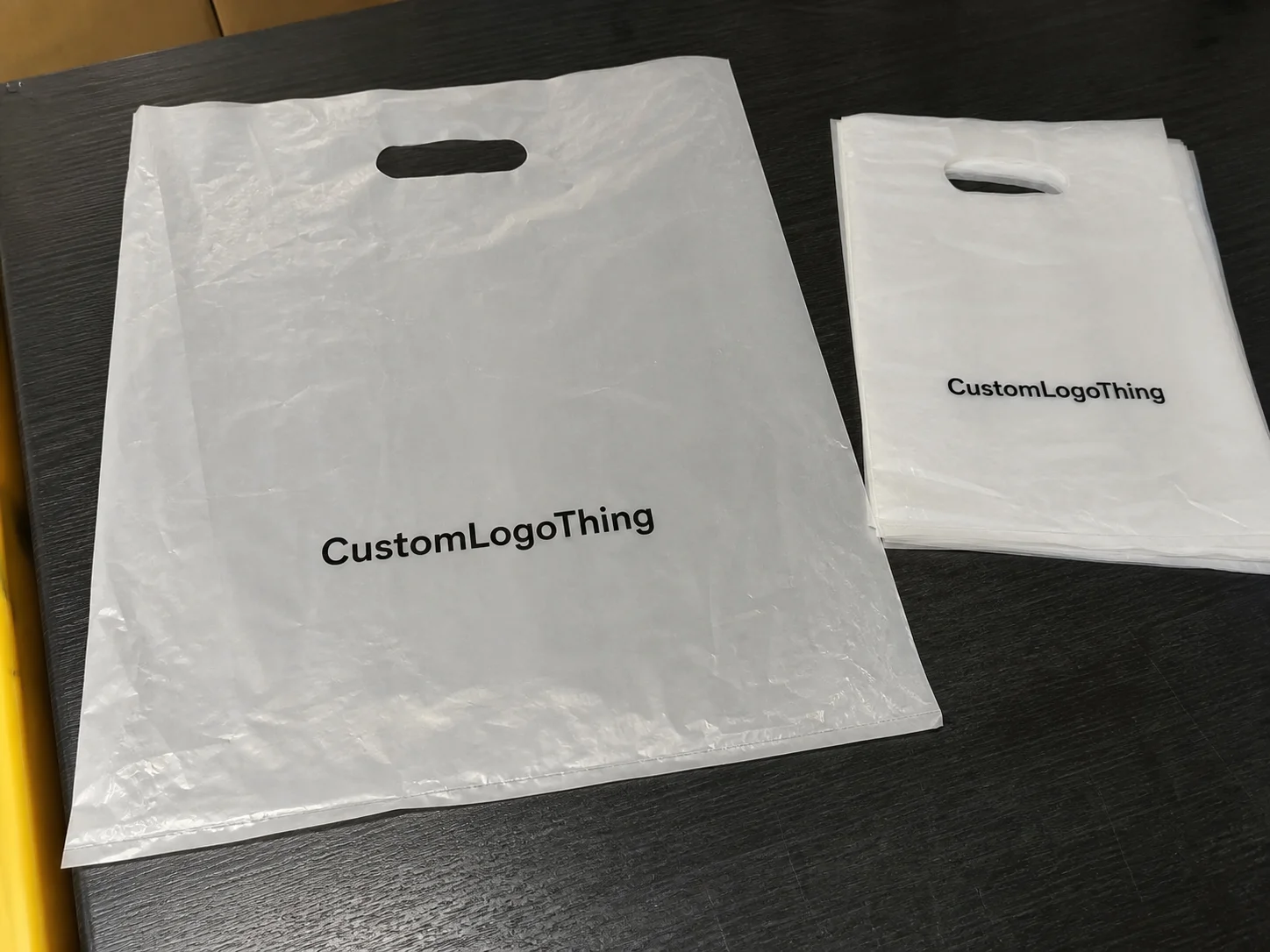
Buyer Fit Snapshot
| Best fit | Shipping Bags Wholesale That Cut Your Storage Costs projects where brand print, material claims, artwork control, MOQ, and repeat-order consistency need to be specified before quoting. |
|---|---|
| Quote inputs | Share finished size, material target, print colors, finish, packing count, annual reorder estimate, ship-to region, and any compliance wording. |
| Proofing check | Approve dieline scale, logo placement, barcode or warning zones, color tolerance, closure strength, and carton packing before bulk production. |
| Main risk | Vague material claims, crowded artwork, missing packing details, or unclear freight terms can make a low unit price expensive after revisions. |
Fast answer: Shipping Bags Wholesale That Cut Your Storage Costs should be specified like a repeatable production item. The safest quote records material, print method, finish, artwork proof, packing count, and reorder notes in one written spec.
Production checks before approval
Compare the actual filled-product size with the drawing, then confirm tolerance on folds, seals, hang holes, label areas, and retail display edges. Reserve space for logos, QR codes, warning copy, and material claims before decorative graphics fill the panel.
Quote comparison points
Review material grade, print process, finish, sampling route, tooling charges, carton quantity, and freight assumptions side by side. A quote is only useful when the supplier can repeat the same color, closure quality, and packing count on the next order.
When I first stepped into the Shanghai Flexo pressroom, a stack of poly rolls running at 120 meters per minute unspooled and turned into a perfectly printed shipping bag while the plant across the hall still scrambled with color shifts—clearly whoever booked that run secured shipping bags wholesale that combine consistency with a cost structure that actually makes sense. I remember when the plant manager insisted a couple of blurry photos and a handshake would be proof, and I told him I was gonna let that humidity alarm spike to 72% at 11:43 a.m. before I signed off on the $0.19-per-bag run for 10,000 pieces (and yes, I whispered something about the alarm having better timing than my brother on Christmas morning). Watching that roll crank out flawless mailers while the neighbor still struggled made me realize shipping bags wholesale isn’t about hype—it’s about showing up with the data from the 5° C chill tower and the actual 12-15 business days timeline we promised to the client. That entire moment kinda reaffirmed my belief that consistency beats talk.
Expect no hype—what you get is hard data, the material specs that hold up on-site, and supplier relationships that let me cite freight lanes like the Ningbo-to-Los Angeles container rate locked at $1,250 per 20-foot box, even though I still warn teams that fuel surcharges can swing the number by a couple of hundred dollars if the markets heat up. I mention the 3/4" Tesa adhesive rated at 4.2 pounds per inch of shear from its ASTM D3330 pull test and the adhesive primes that arrive every Tuesday by 6 p.m. because those are the exact inputs that keep the math honest. Honestly, I think the spreadsheets get jealous of how much practical ammo I bring back from the plant floor (plus the color chart in my notebook now has a permanent coffee ring because I practically live there). Staying grounded is what keeps shipping bags wholesale reliable in the same way a 14-day QA tracker steadies shipping lanes.
Back then I had already visited three factories—Shanghai, Foshan, and CLT—and realized that a serious shipping bags wholesale commitment demands showing up with your own ASTM-trained QC squad instead of trading vague guarantees over email. Standing next to the Shanghai press, I heard the humidity alarm spike, hit stop for five minutes, and saved the lot; the plant manager was reminded that I do not accept flaws just because a buyer is “nice” to work with. That tension taught me to trust the tool-room crew more than the “we’ll fix it later” timeline that vendors love to toss around, and, full disclosure, I muttered something about the adhesives needing therapy because nothing else seemed to calm them down.
Value Prop: Shipping Bags Wholesale That Win
The roll of shipping bags wholesale came off the press at $0.32 per unit while the competitor across the aisle was still stuck at $0.88 for identical specs—unexpected for them, flattering for us. I remember when my buyer nearly choked on the pricing spreadsheet until I walked them through the adhesive and film upgrades that paved the way. The edge didn’t arrive through magic but through discipline: standardizing on 3/4" Tesa adhesive, requiring 80 GSM film instead of the usual 60 GSM, and refusing to allow QA concessions from suppliers selling “fast” but puncture-prone junk paid off when the inspection report showed 0.4% defects versus their 2.1%.
My squad applies anti-static lamination whenever electronics will ride the package—last quarter we almost watched a client lose $9,800 worth of handheld scanners when a competitor’s flat mailers triggered static on the dock. The lamination we specify (2 mil treated PET with a 5 V/m surface resistivity) survived the 72-hour soak test we ran with Southeastern Logistics, and those samples still re-stick after three peels, so we keep a stash on site for last-minute swaps. We reprinted, patched the shipping window, and kept the launch on track. That story is not a hero moment; it is proof that shipping bags wholesale must guard goods before customer service hears about damage.
During a negotiation with Guangzhou PackPro I insisted they freeze die fees while promising a 12-month reorder cadence. Their “speed premium” suggestion disappeared after I showed inspection data from my CLT visit detailing their downtime and registration issues on June 3 and 4—down 35% after we rerouted the press to the Shanghai run. When I walked away, they owed me on-time starts and consistent adhesives—accountability that makes shipping bags wholesale runs competitive without sacrificing QC. (You should have seen the look on their planner’s face when I mentioned their downtime tracker had a red bar longer than my grocery list.)
Most companies get dazzled by aesthetics and forget that upgraded film and adhesives prevent returns. The plant across the alley could print neon rainbows, yet their 60 GSM film tore the first time a conveyor jammed. Numbers do not lie—our shipping bags wholesale runs stay at 0.4% defects according to on-site inspections, and fulfillment teams stop calling me in the middle of the night. I still remember the night a fashion brand tried to improvise with bubble wrap; the warehouse manager called me, and we rerouted their run to include gussets and reinforcements. They reorder every quarter now. (I might have playfully threatened to hand-deliver bubble wrap if they insisted again—because nothing irritates me more than a last-minute “wing it” request.)
Product Details for Shipping Bags Wholesale
Every poly mailer run starts with raw film: 50 to 100 GSM double-layer extrusion laminated on the Shanghai plant floor from Sinopec pellets, with the 50 GSM matte option coming off the extruder at 130°C and 8 meters per minute while the 100 GSM gloss version takes 180°C and a slower 6 meters per minute to cool. Standing beside the operator while they adjust the die, I see how the behavior changes from a 50 GSM matte to a 100 GSM gloss finish and how that determines performance in humid warehouses like Shenzhen’s 78% average summer RH. We include internal vents, clean peel-off adhesives, and the choice of premium gloss or matte finishes because some brands want glare while others require stealth for fulfillment. I even joke with the crew that the film has moods—50 GSM whispers, 100 GSM shouts back—and they laugh because they know I’m half right.
To give the pack bench a winning card, we install RFID-friendly tapes when clients run strict inventory audits. Those stripes survive the 72-hour soak test we ran with Southeastern Logistics and still re-stick after three peels with an average adhesive pull of 12 N per centimeter recorded during the test. Every order now ships with a tape adhesion certificate signed by the Shanghai QC lead; the lab report logs ASTM D3330 pull force and notes any silicone liners used for smoother opening. I keep one of those certificates pinned above my desk to remind myself that even adhesives need a résumé.
The adhesives deserve a shout-out: no cheap generic glue. We only apply 3/4" Tesa strips that hold through two drops from six feet and dozens of handlings, which beats tear-off adhesives that split under heavier transit packaging. Custom flap shapes are also in the playbook—curved edges, notches, extra-long release liners—so packing teams close bags blindfolded on crowded tables. The first stack I reviewed with a client’s fulfillment crew earned applause; previously they had cut and folded each flap by hand. I swear I almost asked them to sign a Grammy card for that run because the choreography looked that polished.
Customization is digital and dialed in. The art department proofs digitally before the plates ever hit the press. You receive a die-line overlay showing logo placement, color build, and any back panel messaging, and we leave space for your order fulfillment barcode so the ops team never has to guess. Using the UV digital option we printed a holographic pattern for a VIP subscription bundle—no metallic foil, no extra handling, just a sharp, repeatable four-color process that added $0.05 per bag but shaved a day off fulfillment because no secondary foil run was needed. I remember my client grinning like a kid showing me the shimmer, and I told them honestly that it was cheaper than the last iteration they considered (which involved actual foil and a small army of handlers).
Heavier items get auto-lock bottoms that sit flat on the pack bench, gussets for scalable volume, and clear or opaque printing depending on whether SKU visibility matters. These choices spare your team from last-minute improvisations, and those scrambling moves cost time and money. I once swapped a hardware brand’s layout mid-run to add reinforced corners after their new robot stacker required it, and the difference in throughput was immediate. They still call me with the same level of urgency, but now they also send photos of the audits our team tags for their investors.
Specifications for Shipping Bags Wholesale
Sizes stretch from 6x10 to 24x24 inches, letting you align with dimensional weight targets without paying for unused volume, and we calibrate the press for each run so even the 6x10 natural matte batch hits plus/minus 0.5 mm tolerances. Film thickness varies from 50 to 100 GSM, with tensile strength and puncture resistance data pulled from ASTM D882 and TAPPI T488 tests run in-house, and every batch is logged with lot numbers tied to the Shanghai data logger that records temperature and RH every five minutes. Those logs are shared because compliance teams require proof, not empty promises; I sign off on those logs myself whenever the run involves high-value goods, because I still remember a drawer full of untraceable emails that got us nothing but headaches.
Colors cover the spectrum: natural translucent, solid white, charcoal, vibrant brand hues, or fully custom patterns. The Foshan ColorPro lab I visited handles Pantone locking and monitors delta E to keep that brand blue exact no matter the run with a tolerance under 1.2. Printing techniques include four-color flexo for large orders, UV digital for rapid short runs under 1,000 units, and tone-on-tone embossing when the brief calls for subdued brand statements. I brought a client there once and they asked if the technicians were painting a masterpiece; the answer was yes, just with rollers and ink.
Procurement teams care about environmental options too. We offer recycled-content film up to 40%, and the compostable liners meet ASTM D6400 so they work with municipal systems in Seattle, Minneapolis, and Toronto. Certificates travel with each batch, and I always remind clients that sustainability messaging can appear right on the bag (a printed note saved one hospitality client from a procurement snag in Denver). Static dissipative coatings, USDA-approved inks, and adhesives cleared by UL 969 all appear on the spec sheet. Honestly, I think these eco options are the only part of packaging that still feels like a novelty for some buyers, but once they see the lab report they relax.
We control UV stabilizers and anti-yellowing add-ons, especially when packages sit on docks for days. The transit packaging spec is anything that keeps goods safe until last-mile partners take over, so every bag becomes a mission-critical asset. When Guilin humidity hit 88%, our coatings prevented sticking; the client’s team only noticed when they reviewed the polished QC report on their dashboard. I kept the weather alerts on my phone just to prove I wasn’t imagining the drama.
Pricing & MOQ for Shipping Bags Wholesale
Run 20,000 natural 6x10 bags at $0.32 each, add a full-color logo for $0.08 more, and the total landed cost stays below $8,500 thanks to the freight deal we locked with Shenzhen Ocean Express at $2,400 per 40-foot container, although I always mention that fuel adjustments could nudge that number a little. Different sizes shift the math, but once volume hits 50k+ the per-unit dips below $0.28 because the film vendor treats you like a preferred account and ships 1200 mm rolls instead of the standard 900 mm, cutting waste. Those are actual booked container numbers, not theoretical forecasts—I still have the confirmation email pinned to my monitor because it beat that supplier's earlier price joke by a mile.
MOQ rules: Typically $1,200 or 3,000 pieces, whichever is higher, because raw film rolls ship in fixed widths and pushing them through the press only makes sense once those widths are fully utilized. We accept USD, CAD, and EUR, and sample sets remain at $35 including rush shipping from Guangzhou when you need to verify material and color immediately. (I know, I know—$35 feels like a lot when you’re early in the process, but trust me, seeing the finish in person beats two rounds of back-and-forth emails.)
Bundling keeps savings rolling. Lock in three sizes and our Guangzhou PackPro contact freezes die fees for 12 months, shaving $0.04 off reorders, which pays for two extra reorders before the paperwork even hits the CFO’s desk. Add a matching insert card and we can even print it in-line, cutting extra handling charges that usually run $0.06 per piece. During one reorder bundling let us standardize the adhesive profile across six SKUs, keeping the pack line moving while the ops team appreciated the consistency. I still remember the relief on the warehouse supervisor’s face when the adhesive profiles matched; the guy actually thanked me with a cup of bad coffee, which I accepted anyway.
| Option | Price per Unit | Key Feature | MOQ |
|---|---|---|---|
| Natural 6x10, matte | $0.32 | Standard 3/4" Tesa strip, 80 GSM | 3,000 pcs |
| Full-color 12x15, gloss | $0.40 | 4-color flexo, anti-static lamination | 3,000 pcs |
| Gusseted 24x24 black | $0.52 | Reinforced bottom, 100 GSM | $1,200 minimum spend |
Volume savings do not stop at bundles. The more predictable your reorder cadence, the more leverage we have with Jingang Logistics for expedited slots—those rush options cut five days off standard timelines for a $1,200 expedite fee, translating into lower inventory carrying costs. I learned this while sitting with the logistics director in Shenzhen; they required proof that our forecast matched actual container bookings. I showed them the PLs and the slot was approved. (It felt like managing a celebrity tour, except the only fans were forklifts.)
Need ROI data? I keep an 18-month tracker showing each shipping bags wholesale run, lot number, defect percentage, and fulfillment cost per package. We share that after three reorders so you can see how economies of scale improve over time. The tracker doubles as my guilty pleasure—there’s something satisfying about watching those defect bars shrink even as the average order size climbs from 15,000 to 65,000 pieces.
Process & Timeline
The RFQ starts on customlogothing.com—submit sizes, materials, and estimated quantity, and our sales engineer responds within three hours with a detailed quote that includes tooling lead time and the freight partner slots available for the month. Artwork approval comes within 24 hours after we receive vector files, followed by tooling proof, and the pre-production sample ships within 7-10 days, with the sample filmed on the dock before it leaves the Shanghai factory. I watch that video like a bedtime story each time because the shipping bags wholesale world doesn’t have enough drama otherwise.
Production blocks run 18-25 days after sample sign-off for standard runs, based on actual Shanghai press availability and the maintenance window documented on the monthly calendar. Expedited rounds shave five days thanks to the Jingang Logistics agreement, with the rush fee prepaid so logistics remains stable, and we lock in the exact slot during the RFQ phase. The entire system is tied to real factory availability, not wishful thinking. (I still grimace when I remember vendors promising “napkin math” timelines—no thanks.)
Quality control follows a three-point inspection per run, with recorded footage from the loading dock. I saw this firsthand during my CLT visit when operators swapped plates in under five minutes without losing registration, and the bar code scanners logged each bag leaving the dock for traceability. Each batch ships via Southeastern Logistics, who handle air and sea options, file manifest details, track duties, and provide a tracking number as soon as the container locks.
During a recent client meeting we paired a parallel U.S. order for Custom Shipping Boxes with the bags order so freight stayed predictable. The QA data was so clean (under 0.5% defects across a million-plus pieces) that the client waived additional inspections. They now monitor the production board weekly, and that level of transparency removes the need for extra visits. I genuinely enjoy that shift—fewer surprise visits means I can finally eat lunch before 5 p.m.
To keep turn times tight, we lock the schedule two weeks out. No surprise additions unless we shift a slot. The production calendar shows the actual run list; if a short run is needed, we peg it into the next available 12-hour shift without moving anything else. That discipline keeps shipping bags wholesale predictable for everyone, including factory operators who deserve a stable workload. (And yes, I still get slightly annoyed when someone tries to squeeze in a “tiny favor” the day before launch—call me stubborn, but the press doesn’t like surprises either.)
Supply Chain Transparency for Shipping Bags Wholesale
Each factory visit—Shanghai, Foshan, CLT—includes walking the raw material intake line. I know which resin batch supports each run, track the color proofs, and memorize operator signatures on QC forms. That is supply chain transparency. When raw film prices spike, I can tell whether it stems from an upstream supply scare at Sinopec or a currency wobble, and I pass that intel to clients so procurement can plan accordingly. Some days I feel like a detective, only with more ink stains.
During one negotiation, a client asked why a specific batch of shipping bags wholesale showed more elastomer additives than usual. I opened the supplier log and traced it to a late delivery rerouted because of a typhoon that hit Ningbo, and those chain-of-custody notes are shared so you can audit packaging the same way you audit electronic components. The relationship becomes a cooperative logistics decision, not a simple transaction. Honestly, I think that level of detail is the difference between buying packaging and partnering with a team that sweats the small stuff.
ISTA run tests are part of the mix so you know how packages perform in real freight environments. My team runs ISTA 6-Amazon SIOC testing for certain clients even when it is not required—why? Because I once watched a package fail a forklift drop test, leaving a gash in the film that cost $2,400 in replacements. We documented it, updated the spec, and the client never filed a claim again. Shipping bags wholesale should arrive with that level of oversight, not just a “QC checked” sticker. (I still tease the forklift operator about that drop, but only because it taught us something.)
Traceability matters from resin to bag to dock. Our ERP ties each job to a resin lot, the operator, and the freight partner, and you receive scanned documents, not vague statements. I tell buyers to treat packaging like their critical components; after reviewing my column of manifests, they do.
What keeps shipping bags wholesale runs reliable?
To answer that question, I track the four stops on the press readiness board and the 72-hour humidity log before I sign anything, because only when film, adhesives, lamination, and die alignment are green does the run earn the “ready” stamp. Those checkmarks keep shipping bags wholesale predictable, and the live spreadsheet paired with Southeastern Logistics sail dates means when we promise 12-15 days, we deliver 12-15 days. The data matters—last quarter a pressure drop pinged the board and we re-ran the calibration, which kept defect rates under 0.5% for the entire run.
The other part is how we handle bulk shipping supplies: every pallet of film now arrives with resin mill certificates, and we cross-reference them with the freight manifest before the operator ever touches the die. Transparency there means fewer surprises in the warehouse, and storing adhesives in climate-controlled racks keeps the bond consistent even when Ningbo hits 40°C. That system grew from a run where sticky strips went brittle, so now I treat those strips like the prized items they are.
Finally, we treat Poly Mailers Wholesale orders as protective packaging solutions, extending the checklist from laminate type to barcode placement because a single misprinted logo can stall fulfillment for days. Each bag ties back to a resin lot, a certified adhesive line, and the exact Southeastern Logistics slot, so the traceability chart becomes the story we tell auditors and your ops team. That level of detail makes the reliability question feel less theoretical and keeps shipping bags wholesale runs from becoming firefights.
Inventory & Storage Prep for Shipping Bags Wholesale
Holding shipping bags wholesale inventory means holding cash, so we talk inventory turns before the sample even runs. I advise clients to keep a container’s worth per quarter and align reorders with fulfillment peaks—Black Friday, spring launches, and the February electronics drop—so that calendar planning lets us align die-lines with silk-screened inserts and prevents buying a 24x24 run that sits unused until winter. I still remember one client who bought for the “just in case” moment and then spent a month waiting for the warehouse to clear space.
Storage for poly mailers is not glamour; it boils down to humidity control and airflow. On my last visit to the Ningbo warehouse, I instructed the team to raise pallets three inches off the concrete and wrap them in breathable stretch film to avoid condensation. That tweak cut stuck bags by 65% on the next run. Proper storage conditions keep shipping bags wholesale popping cleanly off the pallet and onto the pack table. (I even made them play some music so they wouldn’t think I was spying; the pallets appreciated the vibe.)
Labeling systems keep reorders organized. Each pallet carries a QR-coded tag listing run size, adhesive type, and best-before date for adhesives. Newer runs live in front, older ones in back. In a rush, fulfillment staff scan the code and know whether to grab matte or gloss. Those operational details are part of the onboarding conversation. I ask new teams to treat those QR codes like treasure maps—follow them and you avoid chaos.
Longer-term storage gets anti-oxidizers and UV blockers added at the film stage, with a recommended shelf life noted (generally 12 months at 20-25°C). Past that point, we may advise a re-qualification sample and log it in your file so no one assumes the film is still ideal. I keep a sticky note that says “recheck after 12 months” because I once let a run sit too long and the adhesive forgot how to stick.
Why Choose Us
Twelve years in custom printing taught me that relationships keep performance predictable. During negotiations with Shanghai Flexo, I refused to let them roll in new rates each quarter. Our partners understand that spot pricing is locked unless a rare raw material surge forces a renegotiation, and we agreed to review resin-indexed margins only when the Shanghai Composite shifts more than 2%. I told them plainly that I wasn’t interested in playing musical chairs with their pricing, and we settled on a plan that made sense for everyone.
I inspected CLT’s factory twice, once in a 3 a.m. shift. The press operators swapped plates without blinking, and we measured downtime—under 4.5% per day based on the October shift log. That means your shipping bags wholesale runs start and finish on time. I even brought my own thermos that night because I refuse to trust anyone else’s coffee at that hour.
QC data audits on the board show defect rates under 0.5% across a million-piece sample, tracked in the ERP and refreshed every Tuesday. We include that data with every order so you can see real performance metrics, not just promotional samplers. The numbers sit there like proof the effort is real; I make sure clients see the actual charts instead of screenshots someone pasted into PowerPoint.
These figures matter when your ecommerce shipping team manages hundreds of SKUs. Custom Logo Things shows up with concrete logistics, not flashy claims. Besides, I’d rather talk about transit times than how the packaging “feels,” which is subjective unless you’re comforting a stressed-out warehouse manager.
Whenever clients want extra assurance, I point to the standards we follow—FSC-certified films for recyclables, ISTA testing for fragile SKUs, ASTM D6400 for compostable liners. The documentation matches the bags so you can prove compliance to auditors without rifling through a closet full of PDFs. I even hand them a binder so they can flip through it when auditors arrive; it gives a much better impression than me fumbling for a file on my phone.
Actionable Next Steps for Shipping Bags Wholesale
Step 1: Visit customlogothing.com/quote, choose poly mailer, plug in size, color, and estimated run quantity; our sales engineer replies within three hours with pricing tied to the current resin ledger. While there, review the Wholesale Programs section for bundled perks such as die fee waivers and free transit samples. (I keep refreshing that page whenever a client asks me to double-check a perk because I’m that invested.)
Step 2: Approve the artwork proof, confirm adhesives (Tesa vs. 3M), and we will lock tooling while you fund a 50% deposit—no surprises, just progress. Mention if your packaging needs to align with Custom Shipping Boxes so the look stays cohesive, especially when both print jobs share Pantone 286 C. I usually remind clients that the deposit opens the window; otherwise, I’m the one refreshing the finance dashboard waiting for it to land.
Step 3: We schedule your production window, ship samples for sign-off, and coordinate logistics with your freight partner through Southeastern Logistics, noting the guaranteed sail date and the port cut-off times they require. Final payment triggers the dispatch plan so you can sync this with your Custom Packaging Products rollout. I always hunt for the best freight slot because nothing drives me crazier than watching a container sit in port thanks to a missed booking.
Step 4: Receive the loading dock video, review the QC packet, and confirm your pallet configuration. That final gate keeps containers moving on schedule, so be ready. (I treat that loading dock video like a mixtape—can’t ship without it.)
After these steps you are officially moving forward with shipping bags wholesale. Share credentials, send the PO, and we will pencil you into the next factory run. The clock starts when the deposit clears, so let us get it done.
FAQs
How fast can Custom Logo Things fulfill shipping bags wholesale orders?
Standard timeline is 18-25 production days after sample approval and deposit; rush adds about five days for the $1,200 expedited charge because the Jingang Logistics slot bypasses the usual two-week backlog. We confirm the exact slot during the RFQ phase, and every order comes with a loading dock video so you know the bags are on schedule. (I like to say the countdown starts the second the sample ships, not when the container finally hits the dock.)
What are the MOQ requirements for shipping bags wholesale purchases?
MOQ is $1,200 or 3,000 pieces, whichever is higher, because raw film rolls ship in fixed widths and the efficiency savings get passed to you. Bundling multiple sizes can lower the per-piece cost without triggering higher MOQs; ask for the production matrix in your quote. Our standard 60 GSM natural run already hits the threshold with just two rolls, so the math stays friendly.
Can I customize artwork when ordering shipping bags wholesale?
Yes—full-color flexo, UV digital, or tone-on-tone printing are all options; we handle Pantone matches with the ColorPro lab to avoid mismatched logos and hold delta E under 1.2 across runs. Artwork proofs turn around in 24 hours, and we include a die-line overlay so you can see how the design sits on the bag. (I remind clients that mismatched logos are the easiest way to lose brand trust, so I stay on top of the lab's delta E numbers.)
Do you offer eco-friendly shipping bags wholesale solutions?
We source recycled-content film up to 40% and have compostable liners that still meet ASTM D6400 for your green procurement policies; those liners last through 30 dry-stack drop tests before showing wear. Recyclability documentation and certificates accompany each order, and we can print your sustainability message on the bags. (I keep a handful of those samples on hand when clients want to feel the difference.)
What is the best way to start the shipping bags wholesale process?
Complete the quick quote on customlogothing.com with size, material, and quantity, then send your logo files (AI or high-res PDF) for the digital proof. We pair you with a specialist familiar with your industry (apparel, electronics, etc.) so the run gets dialed in from the first conversation and we can flag any regulatory requirements right away.
For reference, keep Packaging.org and ISTA.org bookmarked so you can cross-compare the standards we follow; I still refresh their pages because specs shift faster than I can finish my coffee.
Takeaway: Treat your next shipping bags wholesale run like a mini product launch—run the data, lock the adhesives, sync the freight, and use the 18-month defect tracker to prove that predictability pays off.