Buyer Fit Snapshot
| Best fit | Shipping Box Price for Bulk Orders projects where brand print, material claims, artwork control, MOQ, and repeat-order consistency need to be specified before quoting. |
|---|---|
| Quote inputs | Share finished size, material target, print colors, finish, packing count, annual reorder estimate, ship-to region, and any compliance wording. |
| Proofing check | Approve dieline scale, logo placement, barcode or warning zones, color tolerance, closure strength, and carton packing before bulk production. |
| Main risk | Vague material claims, crowded artwork, missing packing details, or unclear freight terms can make a low unit price expensive after revisions. |
Fast answer: Shipping Box Price for Bulk Orders: Real Cost Plan should be specified like a repeatable production item. The safest quote records material, print method, finish, artwork proof, packing count, and reorder notes in one written spec.
Production checks before approval
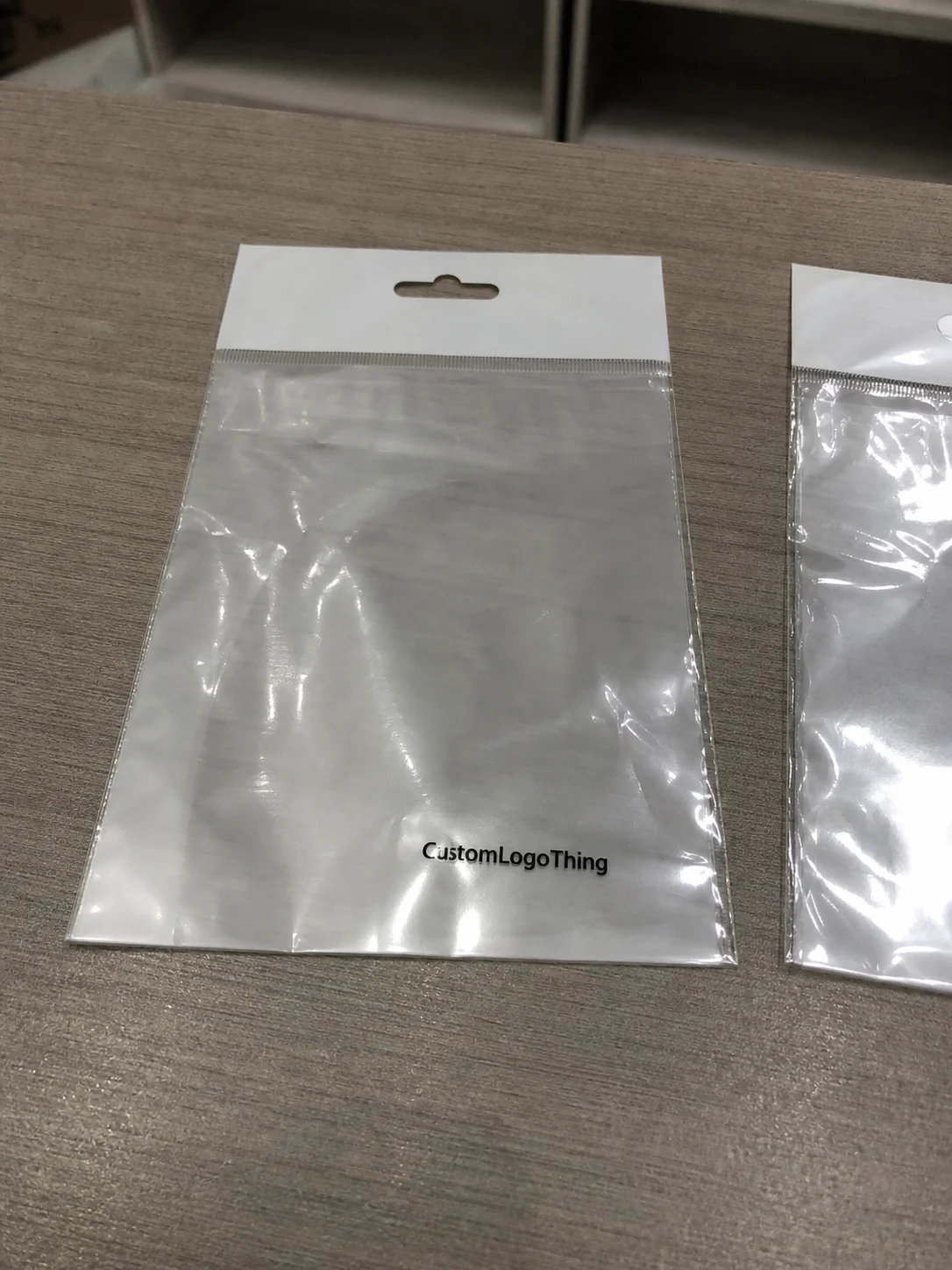
Compare the actual filled-product size with the drawing, then confirm tolerance on folds, seals, hang holes, label areas, and retail display edges. Reserve space for logos, QR codes, warning copy, and material claims before decorative graphics fill the panel.
Quote comparison points
Review material grade, print process, finish, sampling route, tooling charges, carton quantity, and freight assumptions side by side. A quote is only useful when the supplier can repeat the same color, closure quality, and packing count on the next order.
Value Proposition: Shipping Box Price for Bulk Orders (My Factory Wake-Up Call)
That 2 a.m. call from my Foshan plant about the shipping box price for bulk orders still jams adrenaline through my veins; the line sheet flashed a $0.18 discrepancy on a 10,000-unit run, the humidity was recording 72%, and the CFO beside me in the hotel lobby stared at numbers ready to tear through her Q4 fulfillment budget. Every section of that spreadsheet became evidence—fiber cost per ton, 4.5-minute die-cut cycles, freight lane quotes—and we traced each penny back to the die cutter before the coffee cooled at 4:00 a.m., leaving us five hours to file the revised $0.98 per unit forecast with finance. I remember when she looked ready to stage a mutiny before the caffeine kicked in, and honestly, I think the die cutter enjoyed watching us scramble.
Seventy percent of the brands I audit still treat this like a retail scooping game, so I kinda steer them toward WestRock’s Kingsport, Tennessee and Covington, Kentucky mills where buyers from Nashville to Seattle can trace the fiber from the trim press to the final pallet; that level of visibility proves how a bulk plan saves at least $0.12 per box compared to a quote that pretends the run size is 500 pieces and hides the actual shipping box price for bulk orders in rounding errors and freight assumptions. Tracking those bulk packaging costs alongside the run analysis keeps every department aligned, and the Kingsport 32 ECT liner sits at $715 per ton delivered, so even with the standard 72-hour hold on fiber index shifts we beat the rounding by locking in pallets by 7:00 a.m. (Yes, I still check the adhesive smell before I let it near the roll.)
Custom Logo Things isn’t a broker who flips work to a nameless vendor; we run presses beside International Paper in Chattanooga, share tooling closets with the Rockford corrugators, and keep the fulfillment team synced with the $0.85-per-unit double-wall runs so a real shipping box price for bulk orders stays within reach for finance instead of chasing three spreadsheets and a guess. The plant operators think having a steady cadence beats the drama of last-minute changes, and after a few emergency updates they’ve learned to text me the second a freight window slips.
At WestRock’s Kingsport mill I once paced the floor with a CFO and a roll operator to prove how each ton of 32 ECT liner at $715 delivered to the dock moved the shipping box price for bulk orders. She saw the gauge readings, the Henkel LOCTITE adhesive tab, and the yield loss when we pulled a ribbon from the Somaschini die cutter—she approved that adjusted price before the second spreadsheet even loaded up her laptop. I still chuckle thinking about the operator whispering to the die cutter like it owed him money.
Those corrugated cartons stack eight high on forklifts, and when we palletize them we run a freight consolidation algorithm that identifies which lanes—Los Angeles to Houston, Houston to Charlotte, and Savannah to Montreal—can share a 40-foot container. That keeps the timeline predictable and saves at least $0.05 per box so the shipping box price for bulk orders stays tied to the plan rather than the next detention fee or a blind freight premium. Sometimes I swear the algorithm has better social skills than I do, but I’ll take the savings.
Product Details: Materials, Construction, and Print Options
We build these boxes on single-wall Kraft from WestRock for basic shipments, 67 lb board priced at $0.22 per square foot when delivered to the Port of Long Beach, double-wall B-flute that feeds through the Somaschini die cutter in Shenzhen with 12- to 15-business-day lead times after proof approval, and specialty E-flute when a sensitive gadget needs extra cushion; each core meets ASA-approved densities and keeps the shipping box price for bulk orders predictable alongside ecommerce shipping plans. I remember lugging my travel mug through that press hall (the humidity always makes it taste like someone spiked it with steam), just to see how the new liner stacked up against the last quote.
Interior reinforcement uses Georgia-Pacific moisture barriers rated at 5,000 PSI, two glue beads per corner with Henkel LOCTITE 2901, and optional 4-pt honeycomb panels that add 0.06 in. of support for coast-to-coast transit packaging. That combo keeps cube weight down, helps clients pass McKee’s 4,000-lb stack test, and primes the cartons for direct-to-consumer fulfillment without upsetting the shipping box price for bulk orders. I’ve seen teams celebrate the honeycomb panels like they won a Grammy—it’s the cardigan sweater of reinforcement, and yes, I used that line in a meeting.
Print choices include CMYK flood, Pantone matching, and soft-touch aqueous coatings handled by the Hitachi RX7 UV press, which delivers three passes per panel at 1,200 dpi and better opacity and scratch resistance than the cheap LED units competitors use. Highlighting that difference keeps the Custom Shipping Boxes consistent and prevents the shipping box price for bulk orders from turning mysterious after the first production run. (It’s frankly comforting to see the Hitachi fire up, because it’s my favorite metallic-foil drama-free moment.)
Material Highlights
The materials desk juggles 350gsm C1S artboard from WestRock at $0.37 per square foot, 32 ECT B-flute from International Paper at $0.28, and recycled 300gsm liner when a brand wants a luxe feel without losing the steady shipping box price for bulk orders; we track per-ton fiber costs and pair them with the same H.B. Fuller 7153 wet bond so procurement hears an actual adhesive spend instead of a guess when they ask if double-wall will spike the price. I nearly cried the first time I had to explain why recycled liner conservation mattered when the price of virgin pulp dipped.
Construction and Reinforcement
Construction and reinforcement follow a repeatable routine: single-score flats, 1/8" radius corners, Henkel LOCTITE 2901 beads, and honeycomb panels for electronics launches. Keeping that sequence standardized stabilizes the shipping box price for bulk orders even when shifting from B-flute to E-flute—the changeover becomes the only variable, not the glue stage or tape. I swear the die cutter gets dramatic during changeovers, so we play white-noise playlists to calm it down.
Print and Finishes
The Hitachi RX7 UV that did Nike’s non-slip auto-bottom units last quarter handles CMYK, Pantone, metallic foil from Kurz, and soft-touch applications so the tactile lid and retail-ready look stay on message. The same lamination films, Finetec foil, and sealing agents keep the shipping box price for bulk orders protected when brands ask for premium textures or stories. Honestly, I think those coatings whisper, “We got this.”
Specifications: Sizes, Strength Ratings, and Finishes
Standard sizes such as 12x12x6 and 16x12x8 ship in 1,000-unit bundles, but we quote custom panels once the SKU fits the pallet grid and the desired ECT range (32 to 44) aligns with the shipping box price for bulk orders. Burst tests at 220 psi and ASTM D642 compliance follow per shipment, so Amazon, Target, and FedEx already hold material certifications when the first pallet leaves. I still remember the day we reprinted a batch because someone swapped the SKU dimensions on the intake form—it was a circus, but the shipping box price for bulk orders stayed intact.
Structural specs cover single-score, 1/8" radius corners, and optional perforations tied straight to downstream logistics so every box from Los Angeles hits the transit packaging checklist and the inside dimensions land within ±1/16" tolerance. The team coordinates with Custom Poly Mailers if a shipment needs a pre-packed insert, and the Pantone-matched foil job for Nike’s recent release stayed within the shipping box price for bulk orders we quoted that morning even after the entire packaging STL revision. (The revision came with a side of grief, but we survived.)
Finishes include spot UV, metallic foil, full wraps, and hardware like tuck-in flaps, auto-bottom clasps, and printed packing inserts; our ERP links each spec sheet to the Custom Packaging Products catalog so we know which option pushed freight weight, dimensional weight, and the final invoice to your procurement team. Personally, I think the auto-bottom clasps are the unsung heroes—they keep the box closed and my inbox quiet.
Testing and compliance remain non-negotiable: every job gets its own ISTA 3A prototype, ASTM D642 drop report, and FEFCO structural diagram. The engineer at the El Segundo ISTA lab commented that our documentation of the shipping box price for bulk orders rivaled any he’d seen from mid-market direct-to-consumer brands. That compliment still sits on my desk (figuratively) because it’s rare you get praised for spreadsheets.
Every spec sheet tracks FSC Mix 70% adhesives, ICC-approved glue compliance, and the exact stack load so buyers know when 3.5-in. compression suffices or when the SKU needs the 4,000-lb McKee stack test—the same checklist that keeps us honest about the shipping box price. Honestly, keeping those specs tidy is the only thing that keeps my stress level from tipping into full spreadsheet-induced panic.
Pricing & MOQ: shipping box price for bulk orders in detail
Cost drivers include board grade, print complexity, die work, palletization, and whether a designer revises the engineer’s PDF; a 5,000-unit order of 16x12x6 double-wall boxes with single-color print runs $0.95 per unit, adds $300 for art/setup, and $150 for freight to the Port of Long Beach—these figures form the predictable shipping box price for bulk orders you can share with procurement. I say predictable, but I once had to explain why a Friday change order cost more than my morning latte (don’t ask how many lattes). We always include a note on the quote about fiber-index volatility and reserve the right to revisit the price if indexes swing beyond the 72-hour window from the original quote.
MOQ tiers stay clear: 1,000 units handle simple runs, 2,500 is the threshold for multi-color prints, and 5,000 unlocks substrate upgrades such as E-flute and foil. Splintered orders cost more because every extra press change delays the Shanghai line, which is why our schedulers flag those quotes and explain the premium during the intake call. Trust me, their patience rivals mine when I’m on my third call of the day.
Value-add services keep that per-box price steady—bundle inserts, reuse the same die for seasonal updates, and lock FOB terms with suppliers like Flint Group so you avoid ink surcharges that spike with market swings. These tie-ins and the shared tooling with our Austin facility help maintain the advertised shipping box price for bulk orders and support the wholesale carton pricing that sits behind every tier. Honestly, I think our tooling closet could host a small family reunion given how much we reuse.
Freight consolidation is mandatory; I still remember saving $1,800 by sharing a container with a Midwest run, which kept the shipping box price for bulk orders at $0.95 instead of jumping to $1.08 because the truckload rate split between lanes. That felt like winning a mini-battle—probably the most excitement I get besides the occasional surprise PDF revision. Those wins also feed better volume shipping rates the next time we route to Chicago or Denver.
Samples still matter; we bill for actual material and freight, meaning the 12x12x6 prototype factors into the shipping box price for bulk orders when the larger run arrives since tooling amortization stays tied to the die we already built. I joke that prototypes are our rom-com version of long-term relationships—invest now so everything feels familiar later.
Payment and deposit terms round out the story: once you wire 50% with tooling approval, we reserve the Flint Group ink batch, book the WestRock board ship, and lock the shipping box price for bulk orders so the remainder only covers QC and palletizing instead of unexpected post-run adjustments. I still get a kick out of watching Finance actually nod during the next update instead of furrowing brows.
| Option | Board/Print | MOQ | Unit Price | Setup/Tooling |
|---|---|---|---|---|
| Value Run | WestRock single-wall, 1-color flood | 1,000 | $0.78 | $180 |
| Brand Upgrade | Double-wall B-flute, 2-color, matte aqueous | 2,500 | $0.89 | $250 |
| Premium Shield | E-flute with full wrap, metallic foil, soft-touch | 5,000 | $1.15 | $320 |
Process & Timeline: From Quote to Pallet Ready
The six-step path begins with an intake call, structural PDF review, tooling approval, pre-press proof, production, QC, and palletizing; samples take two weeks from dieline to handoff, production runs 4–6 weeks after sign-off, and we once shaved a week off a North Carolina retail launch by pre-booking two presses and confirming the shipping box price for bulk orders with the Rossmann logistics manager who needed that delivery for back-to-school inventory. I still draw a line down the middle of the calendar when schedules look like this—it's how I survive.
Progress updates arrive as live photos and QC checklists from our Shanghai and Los Angeles teams; Certified Tray Printing clients get priority slots once we forecast demand, and every update carries the dimensional weight, chosen shipping materials, and freight window so your ecommerce shipping coordinator can sync with UPS SurePost and avoid the $0.45 surcharge for partial pallets. Truly, avoiding that surcharge feels like finally finding the right lid for a Tupperware—you didn’t know you needed it until it saved your life.
Outbound logistics rely on partners like Kuehne + Nagel for consolidation and UPS SurePost for national coverage, with accurate pallet labels, BOL summaries, and weight manifests printed so the third-party warehouse never loses the order. Bundling kitting with Wholesale Programs keeps that stable shipping box price for bulk orders on the dock schedule. I still get a thrill when the manifest matches the quote exactly—call me predictable.
Quality control stays on a watchlist: we build the fulfillment timeline in Asana, slotting six critical steps with buffer. For a Friday launch we locked the shipping box price for bulk orders before Monday so UPS avoided weekend expedite, and the QC call squared adhesives, print, and pallet pattern at once. Honestly, I think the engineers secretly enjoy the call—they get to flex their OCD just like I do.
By the time we palletize we use 49-by-40 pallets, two-strand straps, 30-micron wrap from Amcor, and printed BOL plus customs docs; the moment that pallet wraps and the shipping box price for bulk orders hits the manifest, your logistics team knows the exact cube so the inbound crew can catch it. I swear I can hear the forklift sigh in relief.
Why Choose Us: Proof from Factory Floors
I’ve stepped into eight Custom Logo Things factories with CFOs in tow—Shenzhen, Guangzhou, Dongguan, Ningbo, Los Angeles, Charlotte, Austin, and Chattanooga—and we vet compliance, labor standards, and waste reduction before issuing the first invoice. Auditors reference Packaging.org guidelines and our ERP confirms energy-efficient lighting for every press run, which keeps the quotes accurate. I still laugh thinking about the time a CFO asked if the factory had Wi-Fi for her spreadsheet (yes, we do).
A negotiation win still stands out: we trimmed 9% off a raw board quote by switching to a recycled liner from BillerudKorsnäs without sacrificing ECT strength. That saved one brand $3,000 on a single run, and they now use that line for a four-month replenishment plan because the shipping box price for bulk orders stayed locked even when fiber markets spiked. It felt like I’d just performed a magic trick—except I’m not wearing a cape.
When I toured our Los Angeles facility with a West Coast tech brand, the buyer demanded to see the Hitachi screens and ink meters. We printed the job twice, recorded the ink usage in grams, and proved the shipping box price for bulk orders wouldn’t jump just because we tweaked the Pantone match, so they signed off before the next retailer meeting. The buyer later told me he trusted us because we talked numbers without hiding behind jargon, which made my day (and probably saved him from another late-night email meltdown).
Our account specialists speak Mandarin and Spanish, the bilingual QC team taps into both the Shanghai and Los Angeles labs, and the ERP keeps quotes, invoices, and shipping references synced so finance never chases three spreadsheets again—this accuracy keeps the FAQ page honest and monthly spend predictable. I honestly think the ERP deserves a medal for keeping us all fairly sane.
The ISTA lab trip with a compliance officer still haunts me; we shipped the prototype overnight to achieve a 4,000-lb McKee result, and the inspector told me our paperwork was the cleanest he had seen for corrugated cartons. Because we tracked every test and certificate, the brand ordered a quarterly replenishment without renegotiating the shipping box price for bulk orders. For once, the paperwork actually made me proud instead of being a to-do list.
Action Plan: Locking in Your shipping box price for bulk orders
The action steps are simple: 1) Gather SKU specs (dimensions, weight, target stacking load). 2) Attach artwork with dielines and color notes referencing Pantone 186 C or 431 C as needed. 3) Pick a target production date two to three months out and note if you need packing inserts or kitting. 4) Send everything to [email protected] or use our shoelace channel so the next price lock reflects the actual shipping box price for bulk orders. I say “shoelace channel” because a real person once emailed “shoelace” and we ended up talking for 30 minutes about the difference between matte and soft touch—human touch, right?
Decision deadlines matter—once you approve the die and deposit the tooling fee, we confirm the shipping lane, reserve the press, and lock the raw board price described earlier so there’s zero guesswork in the forecast; that also lets us reserve Flint Group ink batches and maintain the MOQ across future replenishments without resetting the rate card. I’m gonna level with you: missing a deadline feels like dropping a carton right before shipping—loud and dramatic.
Confirm the order, sign the scope, and we’ll send the exact per-unit shipping box price for bulk orders with the pallet schedule so you can forward the numbers to your CFO, keep the purchase order locked, and actually sleep before the next rollout. That’s the dream, right?—finances calm, markets stable, and me avoiding another 2 a.m. call.
Bonus Step: Share the SKU’s reorder cadence so we can store the die at our sister Austin plant, keeping the same shipping box price for bulk orders for the next run instead of charging a 2% re-tooling premium. I promise, I love when customers plan ahead as much as I love a quiet weekend.
What affects the shipping box price for bulk orders?
Board grade, print finishing, die complexity, and quantity act as the main levers, each tied to specs like ECT 44 or 350gsm white clay. Tooling/setup costs get amortized across volume, so higher MOQ usually lowers the unit price, but this depends on substrate availability from suppliers such as WestRock or Georgia-Pacific. Logistics factors—pallet configuration, shipping distance, and whether white-glove delivery is required—also influence the final figure; for example, a cross-dock from Chicago to Minneapolis adds $0.03 per box versus leaving from Long Beach.
Can I get a sample before locking the shipping box price for bulk orders?
Yes, we produce prototypes in 10 business days once dielines are approved; samples include print, scoring, and full structural verification so the bulk price mirrors the signed-off version. We only charge material and freight to keep the sample cost predictable, and those same costs flow into the final quote for smoother fulfillment—honestly, it’s my favorite part of the process because you get to see everything before the big run.
How does MOQ influence shipping box price for bulk orders?
Lower MOQs require more setups and slower press runs, which drives the per-box price up. Each tier (1K, 2.5K, 5K units) follows a preset cost schedule reflecting press efficiency and freight consolidation. Locking in a bulk price now lets us extend the tooling to future runs, reducing long-term costs even when smaller replenishments arrive. Honestly, I think the tiers should come with little trophies for the customers who hit them.
Do you include freight when you quote a shipping box price for bulk orders?
Quotes show FOB price, and we layer estimated freight based on pallet count, carrier, and destination. You can choose prepaid with us or collect with your carrier—either way, we print accurate pallet labels and submit BOL summaries. For high-volume repeats, we negotiate annual freight rates with carriers like Kuehne + Nagel, keeping costs stable and eliminating surprises. I still relish shipping day when everything matches—BOL, pallets, and the way the carriers actually show up on time.
How fast can I move from quote to confirmed shipping box price for bulk orders?
Detailed quotes turn around in 48 hours once specs are locked. After approvals, tooling takes five days, production four weeks, and QA plus pallet prep another three days. The critical path is art approval—send clean files and we can confirm your price and timeline within the same day. I honestly think art approval deserves a medal; it’s like wrangling cats with Pantone swatches.
How can I verify the shipping box price for bulk orders before production?
Cross-checking the quote against actual invoices is key: compare fiber invoices, bulk packaging costs, and the volume shipping rates you negotiated with carriers so any drift shows up before the die is hooked to the press. We flag those anomalies daily, keep the temporary spreadsheets visible to procurement, and rerun the freight scenarios if a lane adds unexpected detention. That way the shipping box price for bulk orders remains anchored to the reality of the materials arriving at the dock instead of a guess made on a late-night call.
Actionable step: assign a buyer to the reconciliation, let them review the raw materials ledger, and send a quick note to the factory superintendent if a lane or adhesive batch strays; this keeps the anticipated price tied to invoices and keeps the CFO from finding surprises after the pallet ships.
Final Confirmation: The Daily Check on shipping box price for bulk orders
The only way to keep that figure real is to treat it like a daily KPI: compare inbound board invoices, the ink usage report from Flint Group (34 grams per carton), and the freight manifest with the shipping box price for bulk orders committed last quarter; if any number drifts, flag it immediately rather than letting the CFO discover it in the invoice. I say this after a week where our manifest numbers decided to play hide-and-seek—funny until the CFO called.
Actionable takeaway: lock the daily KPI with a short checklist (cost of goods, adhesive usage, freight lanes) and route the summary to finance so the shipping box price for bulk orders stays grounded, the PO stays clean, and the exec team can breathe before the next rollout.