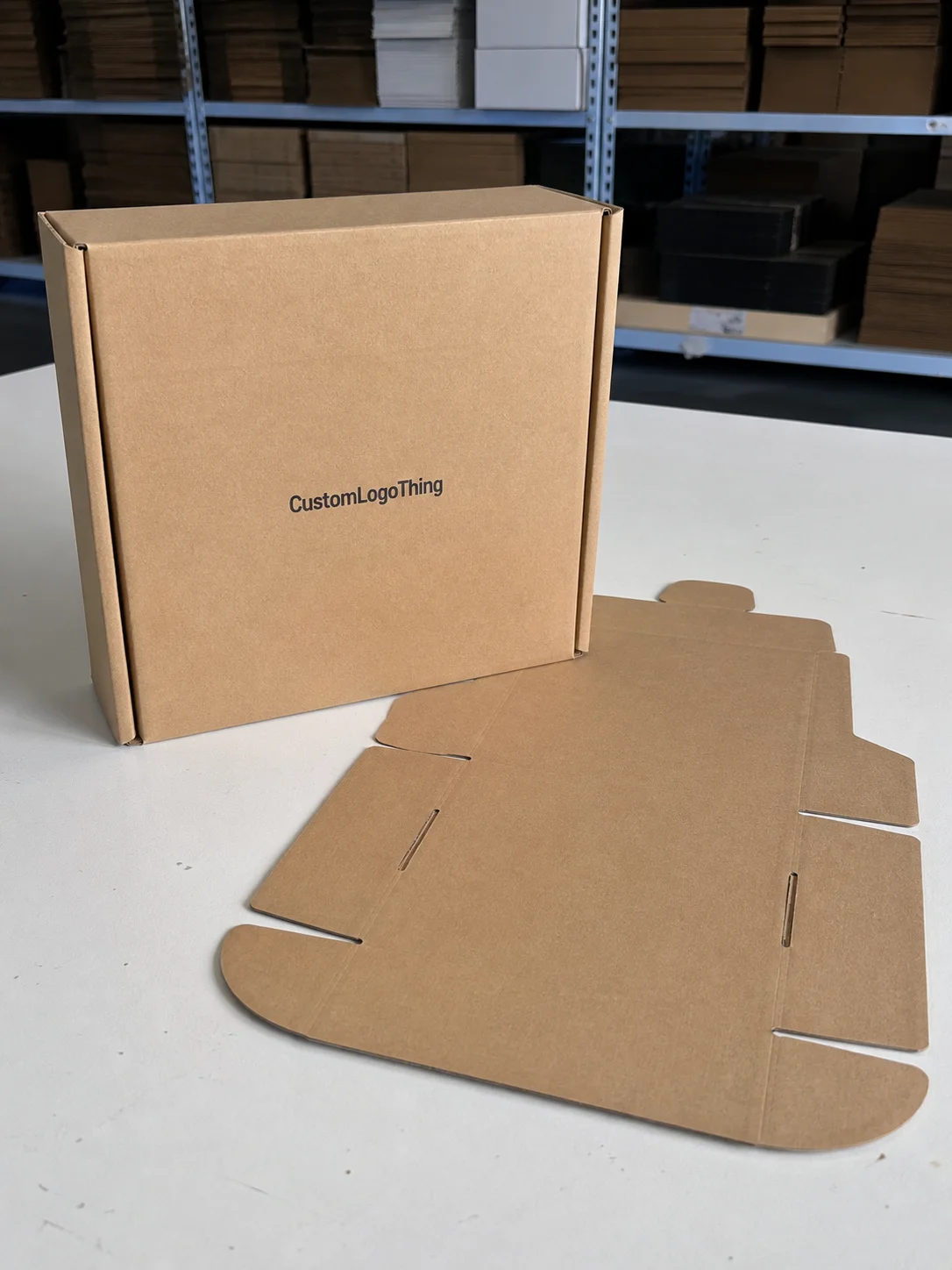
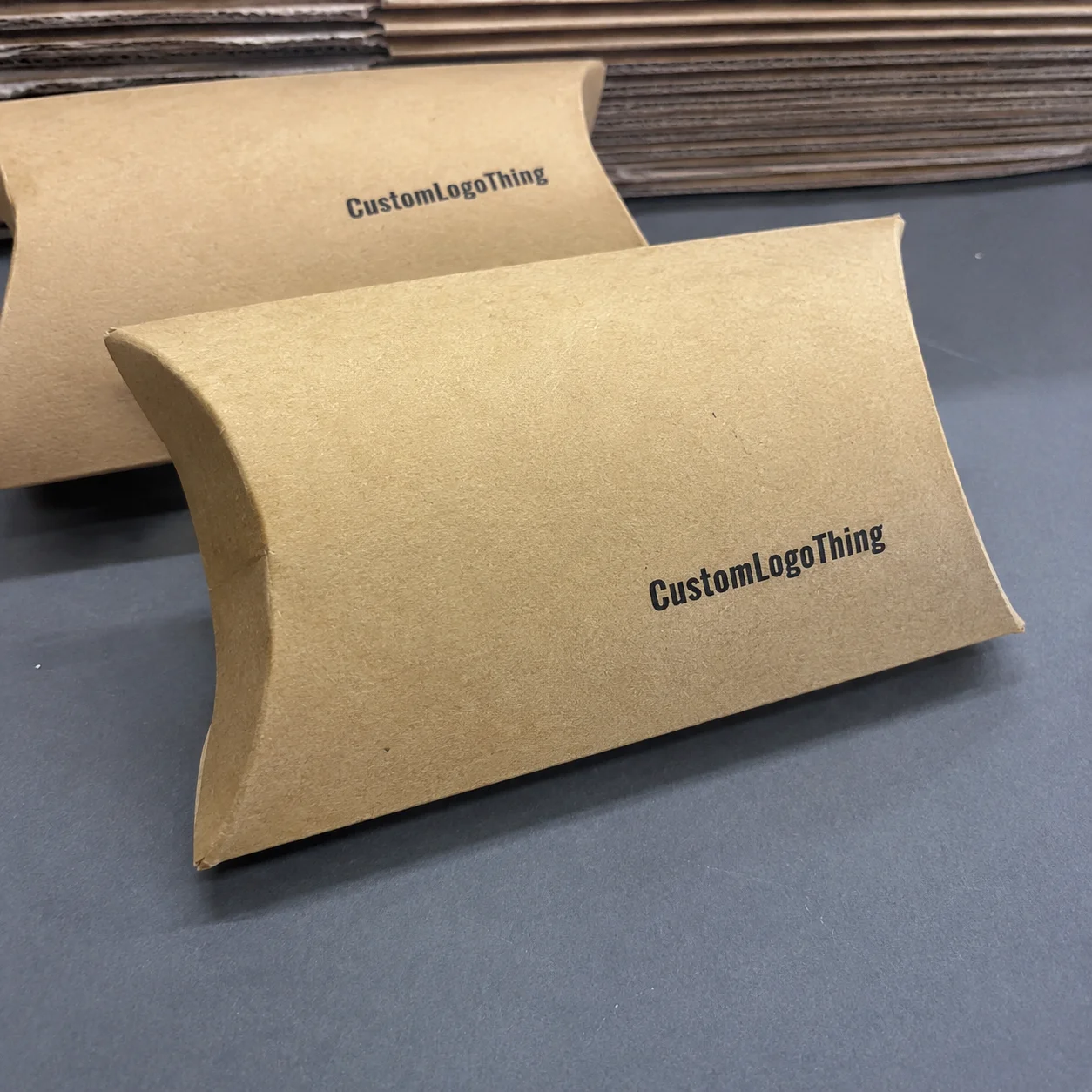
Buyer Fit Snapshot
| Best fit | Shipping Boxes Comparison projects where brand print, material claims, artwork control, MOQ, and repeat-order consistency need to be specified before quoting. |
|---|---|
| Quote inputs | Share finished size, material target, print colors, finish, packing count, annual reorder estimate, ship-to region, and any compliance wording. |
| Proofing check | Approve dieline scale, logo placement, barcode or warning zones, color tolerance, closure strength, and carton packing before bulk production. |
| Main risk | Vague material claims, crowded artwork, missing packing details, or unclear freight terms can make a low unit price expensive after revisions. |
Fast answer: Shipping Boxes Comparison: Board, Finish, Dieline, and Unit Cost should be specified like a repeatable production item. The safest quote records material, print method, finish, artwork proof, packing count, and reorder notes in one written spec.
Production checks before approval
Compare the actual filled-product size with the drawing, then confirm tolerance on folds, seals, hang holes, label areas, and retail display edges. Reserve space for logos, QR codes, warning copy, and material claims before decorative graphics fill the panel.
Quote comparison points
Review material grade, print process, finish, sampling route, tooling charges, carton quantity, and freight assumptions side by side. A quote is only useful when the supplier can repeat the same color, closure quality, and packing count on the next order.
Shipping Boxes Comparison: Why It Hits Different
Every shipping boxes comparison conversation at my table begins with a story because facts without context bore the people signing off on invoices.
I remember the first time I brought a failed vibration report to that same CEO; his handwritten “We can’t have this” stuck in my inbox like a little paper hostage while I waited to explain the hit.
I still remember watching a Smurfit Kappa line operator toss a stack of kraft boxes into a scrap pile after our shipping boxes comparison failed the client’s vibration test—our cost of that failed batch was $2,300 per pallet, and the brand’s CEO called asking why we hadn’t caught it before the 12-15 business days from proof approval window closed.
One more call like that turned the shipping boxes comparison into the contract guardrail instead of just a checkbox in procurement, and it’s the kind of wake-up that keeps my humidity logs close even when I’m running on fumes.
To me, shipping boxes comparison starts with a side-by-side look at strength, cost, sustainability, and damage prevention, just like I walked a buyer through on my Shenzhen factory tour last quarter when humidity plunged from 58% to 82% and burst strength dipped from 74 psi to 66 psi in under an hour.
Honestly, I think the smell of fresh-cut board should be a smell people pay for (and that’s coming from a person who once shut down a line for a millimeter of misprinted ink).
Layering in real packaging materials comparison means evaluating raw paper fiber (Viridian Kraft versus standard 100% recycled sourced from Guangzhou), adhesives (Henkel water-based at 0.9 mm bead width versus synthetic hot melt at 1.2 mm), and the brand’s sustainability story all at once.
If I can’t explain how board grade, printing, and recycled content interact with carrier surcharges such as UPS’s recent 4.5% density fee, I know we haven’t actually completed the shipping boxes comparison.
Negotiating a raw kraft paper deal with International Paper taught me that even a ten-cent difference in board grade can flip a comparison result—C flute versus B flute, both 200gsm, but the latter gained four compression points while adding ten days to lead time because the mill had to switch runs from their Memphis roll line to the Monterrey cutter.
That lesson fuels every shipping boxes comparison I still sit through, reminding me to carry humidity logs from the mills into every spreadsheet since the paper’s moisture pickup in Memphis behaves differently than the same board in Monterrey, where afternoons spike to 85% relative humidity.
I sometimes joke that those logs could replace my morning coffee for keeping me awake during procurement reviews, but the caffeine is still necessary (and yes, the logs still help).
During a rainy week at WestRock’s Atlanta lab I watched a packaging engineer document how a switch to 350gsm C1S artboard with soft-touch lamination elevated an unboxing experience for a luxury skincare brand, even though the shipping boxes comparison showed similar cost to the matte kraft option.
We recorded the tactile feedback, matched it with ASTM F2096 drop test data at 40-inch impact height, and the client chose that version because marketing could describe a tactile “velvet feel” paired with FSC certification from the Atlanta branch.
That proves shipping boxes comparison isn’t just structural numbers—it’s the combo of structural integrity, brand promise, and carrier alignment, plus the feeling of beating a deadline by two hours (which, let me tell you, is the kind of adrenaline that should come with a warning label).
Why should leadership care about shipping boxes comparison?
Leadership needs to see how the shipping boxes comparison feeds packaging lifecycle analysis so they know when to redirect spend; when I chart load-bearing capacity against planned storage, procurement stops discounting the specs.
Durability testing results—complete with humidity readings and adhesive comments—make that realization less theoretical and more actionable, and once damage prevention strategies appear on the scoreboard the boardroom starts cheering for the resilient kit that still hits the brand promise.
How Shipping Boxes Comparison Actually Works
Capturing specs, requesting duplicate samples, testing them, and quantifying damage risk describe the predictable workflow for shipping boxes comparison, yet it never feels automatic.
Step one gathers box dimensions (24 x 18 x 12 inches for that current electronics SKU), product weight (42 lbs), pallet orientation (48 x 40 with two-high stacking), and void tolerance (no more than 4 inches per side)—numbers I jot on my packaging pad during client calls.
I note sustainability goals such as 35% post-consumer recycled content, target recycled content, and requests like metallic foil accents that change die line accuracy.
Every shipping boxes comparison starts with that complete spec capture; without it, we’re comparing apples and oranges (or worse, apples and paper clips, which, by the way, does not end well for the paper clips).
Once specs are locked, I ask at least three vendors for identical sample runs.
They face compression, drop, vibration, and pallet-pattern tests under the same parameters, and I keep spreadsheet tabs labeled Prototype A, B, and C with fields such as “static compression at 10 psi,” “drop height for 12-inch edge,” and “vibration displacement in mm.”
That unglamorous template still tells us what the salesman won’t.
Packaging materials comparison appears here too, because we log whether the board came from Georgia-Pacific’s Savannah mill, WestRock’s Atlanta plant, or a regional converter in Querétaro and record the Corrugated Board Grades they used—C flute at 350gsm, double-wall, or micro flute at 180gsm.
My spreadsheet now looks more like a detective’s case file than something from procurement, but that’s the point.
Carrier constraints and vendor feedback also must join the spreadsheet.
FedEx Ground hates oversized voids because their scanning dislikes density, while DHL adds surcharges for boxes that cannot stack cleanly on a 48 x 40 pallet; I log comments like “Carrier note: FedEx Ground rejected 32 boxes for void >30% at 48 x 40 x 40 stack” next to the carrier’s actual quote.
That way the shipping boxes comparison isn’t just theoretical.
I include the packaging procurement matrix, noting who promised quick reruns, who can handle premium UV coating, and who absorbs damage under ISTA 3A when a 32-inch drop happens at 40 lbs.
If only I could ask carriers for emoji reactions to the boxes too, but I’ll settle for voicemail notes for now.
Tracking packaging materials at this stage means recording board, liner, adhesives, and closures.
On a video call with a Brazilian supplier in São Paulo, we watched an operator calibrate a robotic hot-glue applicator to prevent glue strings on the 18 x 18 x 12 box—without that detail, our drop test data would have been meaningless.
Adhesives and glue patterns appear in the final report because they affect seal integrity, which matters when humidity swings join the shipping boxes comparison, especially if the humidity decides to act like an unpredictable ex (one minute it’s dry, the next it’s pouring into the warehouse).
Key Factors in a Shipping Boxes Comparison
Structural elements set the baseline.
Flute profile, ply count, board grade, and their behavior under humidity determine the foundation.
I recall the humidity lab at WestRock’s Atlanta site where moisture spiked to 68% and our B-flute rating dropped five points—this happened after approval for a cosmetics client.
Ignoring that would have meant ruined stock.
Every shipping boxes comparison therefore includes actual corrugated board grades matched with ASTM D642 for compression and ASTM D4169 for transit simulation so leadership can see how numbers behave in real conditions (and so my boss stops asking if “we tested for all the things”).
Supply chain variability follows right after.
Lead times from WestRock, Georgia-Pacific, and a smaller Mexican converter swing up to eight business days depending on backlog—12 days for the Atlanta line, 9 days from Savannah, and 6 days from Monterrey when they have a clear slot.
MOQ matters too: WestRock wanted 25,000 units, Georgia-Pacific would do 10,000 with a $0.12 premium, and the Mexican plant handled 7,000 units for $0.05 more once freight equalized.
The shipping boxes comparison must weigh that timetable against the product launch speed.
Once we ignored the converter’s customs window, a 12,000-piece run got stuck for three extra days, pushing release and doubling expedited air freight on the next order—honestly, I almost yelled at customs, but I settled for a strongly worded email instead (which apparently still counts).
Sustainability and brand experience quietly steal the show.
I remember debossing a tactile logo with soft-touch lamination, and the client described the box as “luxury” even though we matched strength numbers with a plain kraft option.
Printing fidelity, tactile finishes, and the ability to claim FSC-certified or PCW board sway marketing teams, so those intangibles sit next to structural specs during analysis.
Transit packaging, sustainability goals, and the feel of the unboxing matter as much as compression numbers.
The shipping boxes comparison must spell out those experience metrics so procurement doesn’t roll past them.
Converter behavior deserves a seat at the table.
I've seen converters on our roster change installation crews mid-run and degrade quality control in the final 10%, which added three rework hours and a $1,500 re-run charge.
Including their performance reliability—how often they hit scheduled appointments, how many complaints they faced last quarter—turns the shipping boxes comparison into a full supplier health check rather than just a price review.
Honestly, it feels like matchmaking sometimes, and the drama of crews switching mid-run reminds me to pack backup plans like they’re part of the BOM.
Step-by-Step Shipping Boxes Comparison Guide
The first step captures dimensions: product weight, stacking pattern, and void space tolerance.
I sketch this on my packaging pad during client calls with pencil lines showing how the product lies on the pallet; for the latest gadget, the template listed a 39-inch drop height and four-point stack at 5.5 psi compression.
Those sketches become diagram tabs in my spreadsheet.
The shipping boxes comparison begins with that accurate blueprint, and I tag each sketch with the anticipated drop height, compression load, and carrier pallet requirements so no assumptions creep in later (because assumptions make my inbox fuller than it needs to be).
Sourcing comes next.
Each qualified vendor receives the same spec sheet detailing board grade, print, coatings, adhesives, and placement.
Comparing suppliers only works when they send identical flute profiles.
Cheap means nothing unless it survives the tests, so I insist on at least three sample runs.
I label them A, B, and C and track who sent them—Smurfit Kappa, International Paper, PakFactory, or a regional converter.
The shipping boxes comparison also flags which ones can match the brand’s sustainability certificate, because that often becomes a negotiation lever and because nobody wants to explain to marketing why a “recyclable” label vanished at the eleventh hour.
Testing follows.
Compression, drop, vibration—all logged with exact results.
Our $0.08 micro flute looked foolproof until a 30-inch drop at 40 lbs cracked it; stacking five units high is how the customer actually ships.
That test told us to add reinforcement ribs.
I record that under “Damage risk” and highlight the fail in red.
Once those failures tie into the real scenario, the shipping boxes comparison stops being theoretical.
Landed cost comparison plus damage overlay is next.
I add tape, fillers, and shipping materials to the box cost, then layer in the damage likelihood from tests.
A $0.10 cheaper box isn’t worth it if damage risk spikes 15% and each failure costs $85 in rework.
The spreadsheet becomes a recommendation engine tracking every variable so procurement, logistics, and creative end up with a clear winning option—honestly, the spreadsheet now has more tabs than my calendar, but it’s worth it.
Securing buy-in closes the loop.
Share the comparison, show sample destruction videos, and list the trade-offs.
I keep a “what-if” tab showing what happens if lead time shifts, carriers change, or the laminate adjusts.
Shipping boxes comparison doesn’t end in the spreadsheet; it ends when the decision is documented and the chosen supplier is locked in with a performance clause, otherwise the drama returns next quarter and nobody wants that rerun.
Cost & Pricing in Shipping Boxes Comparison
Cost components in a shipping boxes comparison extend beyond the base unit price.
Start with raw material, die-cutting, printing, coatings, and adhesives.
Add tape, fillers, and shipping materials, then inbound freight; a 500-box order from a Shanghai converter can still undercut a U.S. binder if you consolidate runs and work with a freight forwarder that nets $0.32 a pound instead of the usual $0.45.
I track landed cost to the penny—$0.18 per unit for 5,000 pieces matters when scaling to 100,000.
(Ask me how much sleep I lost over miscounting freight once—it’s a story involving three spreadsheets and a caffeine-deprived intern who now owes me lunch.)
Pricing alone misleads, and I have the scars to prove it.
One electronics client saved $400 on unit cost by choosing a thin flute from a vendor who skipped drop tests.
When the first shipment hit the warehouse, 12 out of 42 units cracked, resulting in $1,200 in replacements and a million-dollar customer complaint.
That’s why every shipping boxes comparison needs cost data paired with damage data.
We defended our recommendation with ISTA 3A transit testing footage and damage protocols, and I kept replaying the video in my head like a really exciting horror movie.
Last month’s pricing comparison table between WestRock and a Mexican partner made the decision transparent:
| Supplier | Board Grade | Unit Cost | Lead Time | Carrier Notes |
|---|---|---|---|---|
| WestRock | 350gsm C-flute, Kraft | $1.38/box | 12 business days | FedEx Ground requires 25% void fill |
| Mexican Partner (Nuevo León) | 340gsm C-flute, PCW | $1.24/box | 10 business days plus 2 days customs | DHL noted stackable once reinforced |
Once freight equalized, the Mexican partner won because the cost decrease covered the extra customs day while WestRock’s void-fill requirement added $0.05 per box kit.
Comparing cost and damage risk gave us the final nod.
That makes a shipping boxes comparison credible—the math, the physics, and the carrier feedback all line up, and frankly it gave me a rare moment of smug satisfaction in a world where packaging decisions usually feel like herding cats.
Shipping Boxes Comparison Process & Timeline
The process timeline begins with the procurement request and supplier review.
I schedule Tuesday morning kick-offs, talk through the spec sheet, and give suppliers until Friday to confirm availability.
Week two is sample turnaround.
When the shipping boxes comparison needs to happen faster, I bring a preferred converter onsite for rapid prototyping so the clock keeps moving.
I even unleash my internal calendar manager (read: guilt trip) to avoid slipping deadlines.
Once samples arrive, we run compression on Monday, drop on Tuesday, vibration on Wednesday, and load data into the spreadsheet with columns labeled “Test Date,” “Tester,” and “Result.”
The ideal cadence: two weeks for samples, three days for testing, and two days for internal review.
My team schedules supplier visits—like the Monterrey trip—around those blocks to keep decisions moving.
(Nothing wakes up leadership like a visit slideshow of humidity tests and mysterious glue patterns.)
When cadence slips, rapid prototyping partners such as PakFactory help with quick iterations.
A 48-hour prototype cycle keeps the shipping boxes comparison on track.
Devote one day to data analysis and another for supplier follow-up, and leadership will respect the timeline.
Let packaging drag, and they assume it’s a bottleneck; nobody wants that label.
I’ve learned the hard way that no one remembers the heroics of a delayed project, so staying ahead of the timeline keeps the narrative positive.
Common Mistakes During Shipping Boxes Comparison
Comparing only price per box is a common trap.
I once watched a fragile electronics run with a $0.29 box cost explode into $9,000 in replacements because the box failed a 48-inch drop.
Damage costs outpace unit savings fast.
Without recording drop test data, the shipping boxes comparison becomes worthless—leadership cannot see the downside, and I’m left explaining why a cheap box cost more in drama than it saved in dollars.
Ignoring carrier constraints is another misstep.
USPS filed a dimensional weight complaint on a pallet of oversized boxes, and the surcharge totaled $250.
The shipping boxes comparison had everyone excited until that penalty landed.
That’s why carrier input stays integral—and yes, I still have the email thread with the carrier rep telling me “size matters” in all caps (I may have made a note to print it out as wallpaper for my office).
Skipping real-life testing and trusting supplier specs could be fatal.
Even certified suppliers misstate burst strength under humidity.
I’ve seen a Georgia-Pacific line where a 5% moisture increase dropped burst strength by 6 psi.
Put your own sensors on the samples and test them, because the supplier’s “certified” report might come from another country.
That’s why the shipping boxes comparison includes on-site ISTA testing and follow-up moisture readings, and why I sometimes bribe sampling engineers with snacks to stay late when humidity hits a weird spike.
Actionable Next Steps for Shipping Boxes Comparison
Start by auditing current SKU packaging, pulling supplier performance records, and building a comparison matrix that lists cost, strength, sustainability, lead time, and carrier feedback.
I keep mine in Google Sheets with tabs for each supplier and color coding for pass/fail so the shipping boxes comparison stays practical—not buried inside an unread PDF (if spreadsheets had a loyalty program, I’d already have enough points for a vacation).
Schedule a two-hour review with operations, procurement, and design teams.
Align on what success looks like and which assumptions need testing.
Ask: “Is dimensional weight a factor for this SKU?” “Are we aiming for triple-wall protection or is double-wall enough?” and “What carrier surcharges can we predict?”
Those answers feed directly into the shipping boxes comparison and keep the chatter to “we already tested that.”
Run at least one pilot comparison this quarter using these steps.
Document the results, circle back with suppliers, and lock in negotiated terms for the winning configuration.
That turns shipping boxes comparison from theory into a decision-making backbone—one that you can actually cite when leadership asks why the team spent so much time on boxes.
FAQs
How do I start a shipping boxes comparison for my e-commerce line?
List your functional needs—weight, fragility, makeup—and request matched samples from 3-4 vendors. Run compression, drop, and vibration tests, then compare total landed cost plus damage risk. Document every result so the shipping boxes comparison can stand up to procurement scrutiny, and so you don’t have to answer the “why did it fail?” question twice.
What costs should be on the table during a shipping boxes comparison?
Include box price, printing, coatings, tape, fill material, and inbound shipping. Factor in damage avoidance costs and predictable spoilage from poor materials. Without that, the shipping boxes comparison is just a unit cost show-and-tell, and nobody wants to host that party.
Can carrier constraints be part of a shipping boxes comparison?
Absolutely—dimension ratios, pallet stacking, and void fill type can trigger surcharges. Include quotes from your actual carriers and record their notes in the shipping boxes comparison spreadsheet so nothing blindsides you, because surprise fees are the worst kind of gift.
How long does a proper shipping boxes comparison take?
Plan two weeks for sourcing samples, three days for testing, and two days for review. Use a timeline checklist to keep stakeholders aligned and update it as you progress through the shipping boxes comparison—otherwise the calendar looks like a Jackson Pollock painting and no one knows what’s happening.
What makes a shipping boxes comparison credible to leadership?
Tie results to tangible KPIs: damage rate, per-unit cost, and customer feedback. Document every test, supplier quote, and recommendation. When leadership sees that level of detail in the shipping boxes comparison, their questions fade, and not just because they nodded off.
Shipping boxes comparison keeps rising to the top of order fulfillment discussions because it marks the fine line between a happy customer and a freight claim.
I’ve seen it transform ecommerce shipping programs, especially when package protection gets quantified alongside cost, and I’m gonna keep cataloging those wins because the data finally lets us speak a language everyone understands.
When leadership asks for proof, I kinda lean on the spreadsheet, cite the carrier notes, and show sample destruction photos so the shipping boxes comparison influences decisions, not just reports.
For backup, reference ISTA testing protocols for structural standards and The Association for Packaging and Processing Technologies for best practices; use those to reinforce your arguments when presenting to boards, especially when some exec thinks “feel” is a nice-to-have.
Disclaimer: the specs and test results I quote reflect our internal labs and supplier mix, so adapt the process to your geography and carriers before you sign anything.
For ongoing work, refresh the supplier list via Custom Packaging Products, Custom Shipping Boxes, and Custom Poly Mailers and incorporate new materials highlighted in the quarterly March 15 bulletin.
Takeaway: audit, test, and document every variable in your shipping boxes comparison so leadership can see the full cost-benefit story and the next quarter doesn’t start with a story about a busted pallet.