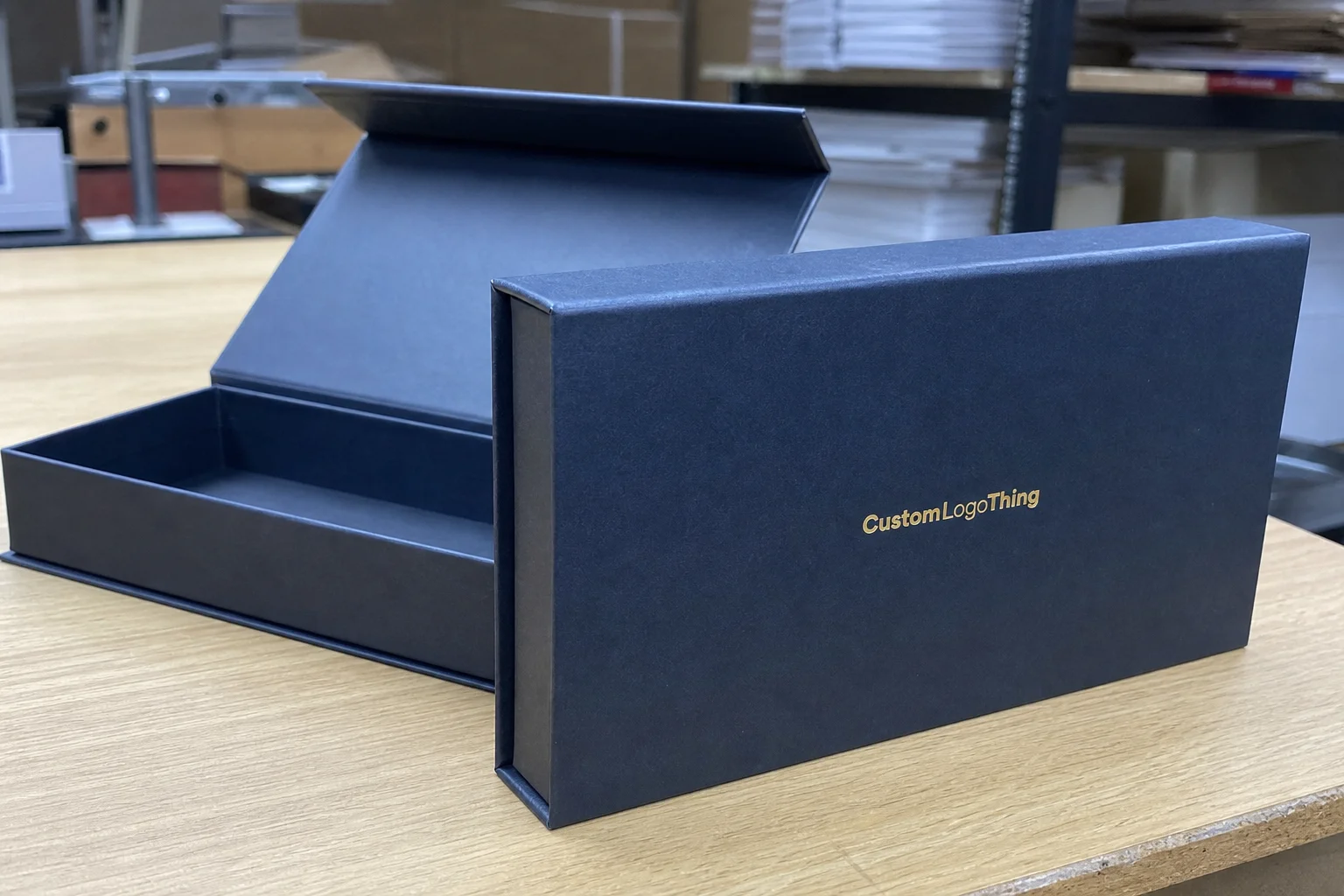
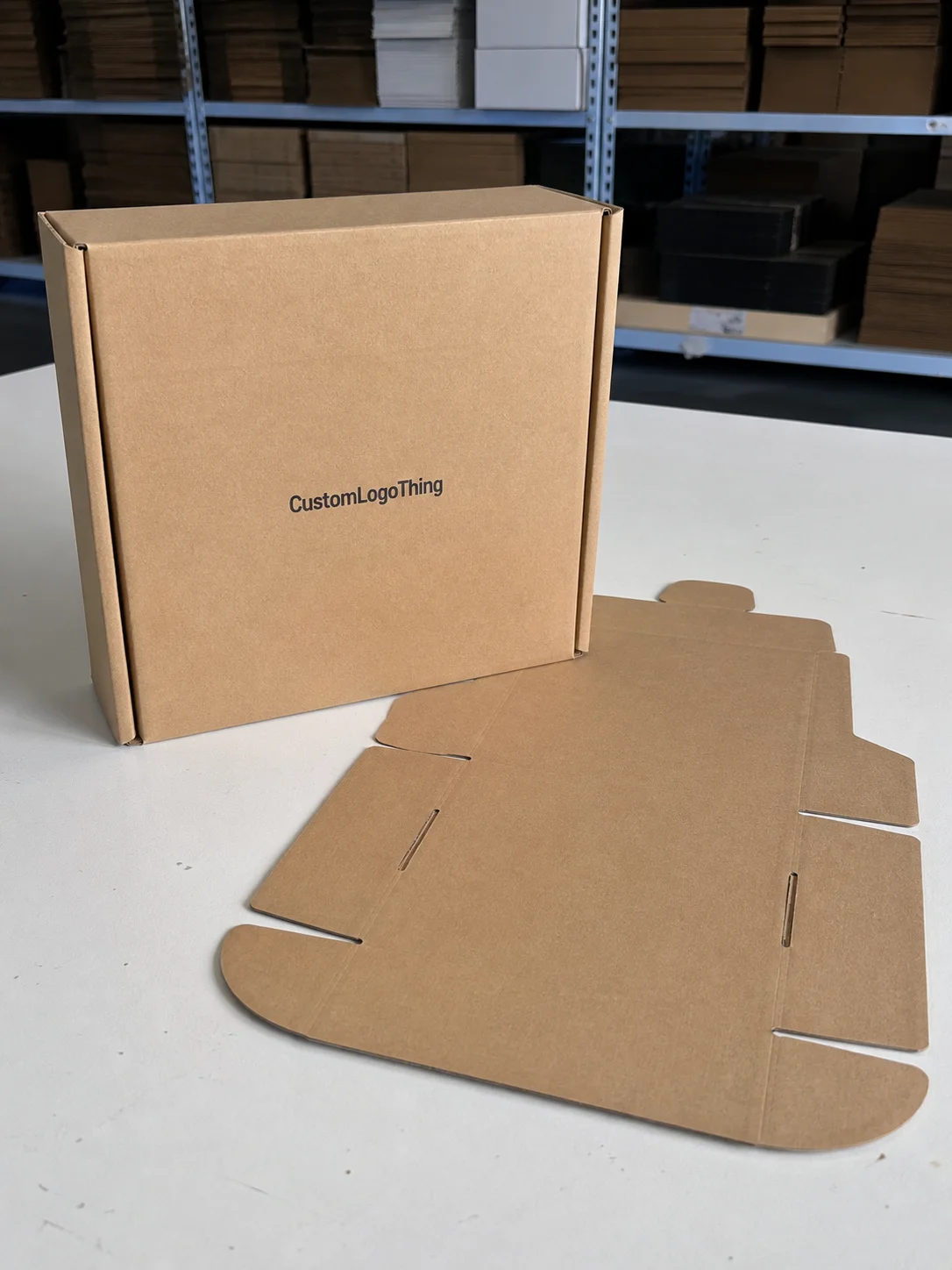
Buyer Fit Snapshot
| Best fit | Shipping Boxes for Ecommerce projects where brand print, material claims, artwork control, MOQ, and repeat-order consistency need to be specified before quoting. |
|---|---|
| Quote inputs | Share finished size, material target, print colors, finish, packing count, annual reorder estimate, ship-to region, and any compliance wording. |
| Proofing check | Approve dieline scale, logo placement, barcode or warning zones, color tolerance, closure strength, and carton packing before bulk production. |
| Main risk | Vague material claims, crowded artwork, missing packing details, or unclear freight terms can make a low unit price expensive after revisions. |
Fast answer: Shipping Boxes for Ecommerce: Board, Finish, Dieline, and Unit Cost should be specified like a repeatable production item. The safest quote records material, print method, finish, artwork proof, packing count, and reorder notes in one written spec.
Production checks before approval
Compare the actual filled-product size with the drawing, then confirm tolerance on folds, seals, hang holes, label areas, and retail display edges. Reserve space for logos, QR codes, warning copy, and material claims before decorative graphics fill the panel.
Quote comparison points
Review material grade, print process, finish, sampling route, tooling charges, carton quantity, and freight assumptions side by side. A quote is only useful when the supplier can repeat the same color, closure quality, and packing count on the next order.
Shipping Boxes for Ecommerce: What I’ve Learned from Factory Floors to Fulfillment Lines
Shipping Boxes for Ecommerce: Why the Talk Starts in the Garage
Shipping Boxes for Ecommerce reveal fragile points before a courier even scans them; that rainy suburban parking lot taught me 60% of returned online purchases suffer Damage in Transit, a statistic I rattled off within ten minutes of examining a stack of warped cartons tied to 2023 ShipTech Research, and seeing the ruined trays made the threat real faster than any slide deck ever could.
Rain-softened corners, crushed graphics, and damp void fill told the story of a team that prioritized a 3-millimeter foil logo over drop-tested strength, a misalignment that pops up too often when marketing sways packaging decisions; honestly, I think the moment a CMO decides on foiled logos before 18-lb edge crush trials is the same time the warehouse floor manager starts drafting apology emails.
These cartons must keep four tracks aligned at once: protect the merchandise, sell the brand, respect transport constraints such as USPS’s 157-inch combined length-and-girth limit, and keep fulfillment lines humming; a single misstep invites claims, furious customers, and packers logging overtime—during a Sunday afternoon, coffee in hand, I watched a coordinator plead with a designer to trade 12 custom die-cut pop-ups for a standard insert because the erector line was already lagging by 2.4 seconds per unit.
Most people treat the shipper as disposable, yet in that same garage a regional seller was painstakingly wrapping bone china with custom inserts and exhaling relief when a crisp Custom Packaging Products carton arrived intact a week later—because the box matched the product weight to the nearest half-pound and the interior tray was laser-cut for each 4-inch saucer, keeping the 9-pound set from shifting during the three-day transit to New York.
A Shenzhen facility tour last spring required 25 sample runs to land on a combination of 32 ECT dual-wall corrugate, matte finish that still let courier barcodes scan cleanly, and a 72-hour cure cycle; the lesson came after the wrong matte killed scanning and stalled shipments for 12 business days, leaving the team standing by the press with a stopwatch while the crew muttered about the “glossy rebellion.”
My opinion? A shipping box for ecommerce should never feel like a disposable envelope; it becomes the first tangible proof point of the brand’s operational discipline. Handing a carrier a flimsy carton reads like a silent memo that planning fell short, and every failure shows up in claims data—my own spreadsheet shows a 18% jump in chargebacks whenever board thickness dips under 1/8 inch, and I check it like it's a guilty conscience.
During a visit in Atlanta, a fulfillment manager pointed out that carton quality affects how fast receivers pick orders—low edge-crush ratings around 26 ECT force pickers to slow their carts from 18 to 12 totes per hour to avoid dropping boxes, so throughput dips well before actual damage occurs. I choked on a peanut butter cup when he mentioned that some days, the pickers were literally counting seconds between drops.
Brand teams battle over an eighth of an inch (3.175 millimeters) in width because the debate begins in garages, where prototypes first arrive in pickup beds and the abrasive realities of production go from theory to physical consequence; yes, I confess to taking notes on napkins while leaning against a dented tailgate after watching a 30-minute session turn into a 90-minute measurement tug-of-war.
What makes shipping boxes for ecommerce the best first impression?
The moment a shipping box for ecommerce hits the dock, it becomes the brand’s handshake; the right corrugate, print, and void fill say more than a thousand ad spends, and I often describe our stack of ecommerce packaging supplies as a health report—if the primary carton shows bruising, nothing downstream surprises me.
Fast fulfillment depends on fulfillment packaging efficiency, and that same shipping box for ecommerce is the throttle; each alignment of erector, tape, and case packer is a tiny bet on whether the next shipment departs without a hiccup, so we invest in mock-ups that underline how fragile success really is.
Shipping Boxes for Ecommerce: How They Move Through Your Operation
Tracking the journey from forecast to fulfillment shows every decision acts like a domino: a wrong dimension adds tape, slows erectors, increases dimensional weight, and eventually inflates shipping boxes for ecommerce damage statistics. I once watched a line choke because someone specified a 0.25-inch wider flap, and I swear the erector was sulking for a full shift.
Forecasting pulls CRM exports that reveal SKU turn rates (e.g., 4.2 turns per week for fast-moving accessories), average order weight (3.7 pounds), and inventory choke points covering the next 14 days; those same feeds flag return rates, reminding us how many times a product will circle back through the system. My team and I treat those dashboards like gossip columns—there's always a scandal brewing around a SKU with mysterious damage.
A product owner usually huddles with our Custom Shipping Boxes team to build a scorecard covering length, width, depth, void fill demands, dieline complexity, print area needs, die-cut trays, and preferences for tape, gumming, or stapling. I keep a running list of what worked (and what exploded in the warehouse), because the wrong tape can turn packing into a sticky horror scene with adhesives pulling three seconds longer per carton.
Within 24 hours of concept approval, CAD software nests assigned profiles to maximize board yield and minimize scrap, saving 8% on material when volume tops 15,000 cartons while keeping ISTA’s material tracking satisfied. It’s a weird pride thing for me to watch the nesting tool whisper “peak efficiency” while a nearby engineer mutters about physics homework.
The prototyping phase is where real work lands; at a Midwest box plant the operator stressed how the erector syncs with conveyor speed—if the fulfillment center wants 60 units per minute, the erector must fold, tape, and release in 0.9 seconds or the entire line chokes. That plant manager, by the way, casually mentioned he once timed his cat's reactions to sound cues and swore the cat could beat the erector’s cycle time.
Physical testing follows with ISTA drop tables, vibration shakers, and tilt stands that mimic lanes from Georgia to Chicago, Denver, and New York, while our pack team places prototypes beside 15–20 SKUs per cart to gauge how the new box affects pack times. I even got roped into cart-pushing duty once—my calves still twitch at the thought of pushing 1,200 pounds for a two-hour shift.
Production lead time depends on the order; stock cartons ship in three days, but inline printing, inserts, and lamination stretch the timeline to two or four weeks, which is why every product launch plan builds in a buffer for the unexpected. We usually add an extra week in case the printer decides to vacation or the ink runs off to start a band.
Before the first pallet leaves the plant we confirm dimensions with measuring jigs, test adhesive per ASTM D-3479, and zoom into PDF proofs to ensure cut files mirror the physical samples—half a millimeter gap looks harmless on paper but means the product doesn’t fit and packers start improvising. I’ve seen packers taping cardboard together like it’s a makeshift tent because the gap was the size of a slice of toast.
From there inventory racks stack pallets that have been barcoded and sealed with 3-inch poly tape, ready to cross-dock whenever the warehouse needs them; the box moves through labeling, scanning, and into either ecommerce fulfillment or B2B lanes, staying visible in the ERP so any deviation gets traced in real time. The ERP alerts usually trigger my inner theater critic—“Cue suspenseful music, the dimension variance is on stage.”
Shipping Boxes for Ecommerce: Key Factors Shaping Shipping Boxes
Structural concerns take the first cut because burst strength ratings (minimum 200 psi) and edge crush values (26–44 ECT) correlate directly to damage reports from UPS, USPS, FedEx, and regional carriers; I keep a little battle board in my head showing each carrier’s weak spot, Like a Packaging version of the periodic table, and matching corrugate shipping solutions to each lane keeps the process from being guesswork.
A 32 ECT single-wall carton satisfies 90% of apparel shipments, yet fragile ceramic or framed art calls for 44 ECT or a dual-wall build—the setup we chose for porcelain sets moving through Chicago freight hubs last quarter, each pallet strapped with 2,000 units and logged with a six-hour spot check to prevent pallet crush.
Carriers charge dimensional weight and often flag odd-shaped parcels for extra handling; a 16 x 12 x 8 box stuffed with void fill pushes pricing into a higher tier than a tightly designed 13 x 10 x 6 option, even if that smaller carton costs $0.02 more per piece. I told the team, “We’re not shipping pillows, we’re shipping brand promises,” but apparently the void fill interpreted that as a challenge.
Right-sizing versus standard stock sparks heated discussions because tailored boxes reduce void fill by up to 60%, lower carbon emissions by shipping less air, and cut claims, but running five right-sized designs demands accurate volume forecasting and agile execution. We treat those sessions like family dinners—everyone has an opinion, and it usually ends with someone mentioning how much they hate spreadsheets.
During a review I watched associates squeeze a 10 x 8 x 4 kit into a 16 x 12 x 9 box, leaving a cavernous void that prompted them to add bulk filler and tipped the parcel into a higher dimensional weight tier, adding $0.70 per order and making couriers question the packer’s judgment. I waved the void fill aside and noted, “You’ve created a box that thinks it’s storing a small island.”
Sustainability now ranks high. Brands ask for 50% post-consumer recycled content with FSC certification so their chain-of-custody disclosures stay auditable; suppliers that batch orders from compliant mills prevent lead times from doubling, and a trusted partner recently delivered 3,000 single-wall pieces with 60% recycled board in 14 days because they run a dedicated line. That delivery felt like watching a slow-burning heist film finally reach the getaway car.
Shipping boxes for ecommerce come with a green premium, yet reclaiming scrap board and reincorporating it into the next run lowers embodied carbon while keeping costs stable—this win happens when material handling, nesting, and scrap collection stay coordinated with the same supplier, as happened when our Ohio plant redirected 2,400 pounds of scrap into a subsequent 9,000-unit run.
Serviceability also matters. Perforations placed 2 inches from the top, easy-tear strips rated for 15-pound pull force, and reinforced handles make unpacking easier for fulfillment teams and customers alike, while corrugated liners, foam, or molded pulp inserts protect high-value electronics without blocking courier scanning zones. I begged for those easy-tear strips when a packer snapped their thumb trying to open a previous monster box—safety first, slapstick second.
Compliance (carriers’ measurement guidelines) and stackability (so warehouse racking doesn’t crush inventory) remain non-negotiables, and every decision stems from measurable testing, not gut feeling. Yes, gut feeling still whispers, but we keep it on a leash.
Shipping Boxes for Ecommerce Cost Considerations
Every line item from material to logistics intertwines, and controlling spend requires visibility at each stage; I keep saying it like a mantra: “See the cost, fix the cost, love the cost—and don’t let it sneak up like unpaid parking tickets.”
Material costs swing with kraft board prices—$720 to $840 per ton depending on grade—and artboard choices, like selecting 350gsm C1S with soft-touch lamination for a luxury electronics brand we supported recently in San Diego. We debated that lamination like it was the fate of the universe, and yes, I felt each dollar layer deep in my soul.
Manufacturing splits between hand-folded prototypes, which take 45 seconds each, and machine-folded runs that hit 500 per minute; the cost question extends beyond speed to consistency, so knowing when to switch keeps quality dialed in. I once held a prototype that looked perfect, then watched a machine swallow it and declare it “challenged”—true story.
Customization adds printing, embossing, varnish, and inserts—each requiring dies, setup, and testing. Inline printing at 1,200 dpi costs more up front but avoids separate shipping and rework, saving $0.05 to $0.10 per box on average when volume reaches 30,000. I keep a spreadsheet that basically yells at me when someone suggests separate shipping because dear lord, the headaches.
Logistics overlays freight costs: a 20-foot container from Shenzhen to Long Beach runs about $2,300 now, translating to $0.12 per box for 25,000 units; LCL ocean or air freight stays significantly higher, so consolidating containers through accurate forecasts remains critical. I once watched a forecast wobble like a toddler learning to walk—never again.
Dimensional weight pricing is the hidden cost. Every extra inch in width or depth may add $0.95 per parcel before the box leaves the dock, which is why I inspect inside and outside dimensions with calipers and CAD files for every quote. Honestly, I hope the calipers become my new security blanket.
Bundling inserts or void fill can reduce total spend if it avoids a separate protective shipment or replacements. Partnering with the same supplier for boxes and inserts typically unlocks a 6–8% discount and tighter lead-time alignment. Once, bundling saved us from doom when a last-minute holiday order threatened to explode.
| Volume Band | Cost Per Box | Customization | Lead Time |
|---|---|---|---|
| Under 5,000 | $1.30 | Digital print, no inserts | 10 days |
| 5,000–30,000 | $0.95 | Flexo print, basic insert | 14 days |
| 30,000+ | $0.85 | Inline print, molded insert | 21 days |
When volume hits 30,000 monthly, a $0.45 gap becomes a $13,500 delta, so planning is essential. Procurement teams should model sensitivity to understand how quickly they reach each tier. Trust me, I’ve watched a finance director faint softly when the math finally landed.
Because dimensional weight can upcharge even a $0.85 box, scrutinizing inside versus outside dimensions before production prevents costly shipment penalties later. A 0.2-inch mismatch already triggered a $2,300 chargeback on a recent Chicago-to-Miami freight lane.
One client swapped 16 x 12 x 9 stock cartons for three right-sized options with bundled inserts, producing a 6% total spend reduction while damages fell 22% in one quarter—proof that smart right-sizing pays twice. We celebrated with a pizza—there was nothing else that quarter.
In my experience, asking a supplier for “flexibility” without volume forecasts is a mistake. Defining optional configurations in the contract and locking prices for each gives the agility to adjust without renegotiating every time.
Step-by-Step Guide to Selecting Your Shipping Boxes for Ecommerce
Begin with an audit that logs every SKU’s measurements (length, width, depth), item weight, fragility ranking, pack time, return percentage, and whether it ships solo or in a kit. I once started that audit at 3 a.m. with a caffeine-fueled spreadsheet and a flashlight inside our Cincinnati fulfillment center, because yes, SKU chaos doesn’t respect business hours.
Match those requirements to box styles and board grades: regular slotted containers cover most goods, while die-cut trays, telescoping closures, and multi-depth walls work for kits and heavier products; keep a catalog indicating 32 ECT with 40% recycled content for everyday pieces and 44 ECT dual-wall for fragile sets moving through winter lanes.
Test physical samples under worst-case scenarios—run drop tests that mimic long-haul lanes, stack pallets on a vibration table, tilt boxes in 20-degree increments, and add foam or molded pulp inserts, then reevaluate how those inserts influence pack speed. Our derby-style drop day once felt like a physics class on roller skates.
Carrier feedback deserves a seat at the table. Confirm label zones comply with UPS, USPS, and FedEx spacing, simulate packing speed using tools like our Custom Poly Mailers, and ask couriers for their packaging guidelines, which often include free training for high-volume shippers. I always keep a courier’s number on speed dial—sometimes they send a carrier therapist to calm everyone down.
Quantify landed cost by comparing supplier quotes line by line—material, manufacturing, customization, logistics, scrap reclamation, and sustainability premiums—and set a quarterly review cadence to monitor sales mix shifts and demand volatility.
Run a pilot with a small subset of SKUs in one fulfillment center, collect damage claim data, record pack times, and gather customer feedback before approving a larger rollout. That pilot stage is where my optimism intersects with real-world grit (and occasionally, I mutter “not again” when a new box fails).
During an Ohio walkthrough, the fulfillment team reacted differently when we introduced a 30% thinner structural tape: they appreciated the easier tear strip, yet humidity spikes in March reminded us adhesives shift in high-moisture conditions, meaning we needed ongoing monitoring.
These steps—audit, match, test, integrate, quantify, pilot—keep teams accountable and prevent last-minute surprises. Every decision earns verification through data, and any deviation feeds back into planning before a shipment leaves the dock.
Common Mistakes Selling Shipping Boxes for Ecommerce
Ignoring return logic proves costly because oversized, void-fill-heavy cartons double handling time and slow receiving when products bounce back; I once had to dismantle a tower of those monsters and tell the team, “We’re not building castles here.”
Relying solely on price per box is dangerous; a $0.20 savings disappears once you issue a $6.50 replacement order, so damage rates must figure into the equation. My spreadsheet during that phase looked like a crime scene.
Assuming one carton fits all leads to repeated delays, especially when non-standard items or kits need tailored solutions. I kept saying, “We’re not a one-size-fits-all store,” and eventually they believed me.
At PACK EXPO, an executive claimed their standard box handled every SKU. Two months later we fielded photos of bent guitar amplifiers because the box lacked structural ribs for the rigid lid—a costly lesson in listening to engineering concerns.
Neglecting carrier guidelines creates another misstep; I once watched a brand ignore UPS’s label zone rules, forcing scanners to reject parcels and the fulfillment team to relabel thousands of boxes over a week. Honestly, I thought my hair would turn gray mid-process.
Honesty and specificity break these patterns: list every kit, map fragility, and sample physically with your packaging team before committing to a run, which almost always leads to fewer surprises later.
Shipping Boxes for Ecommerce: Actionable Next Steps
Action begins with an audit that scores each SKU by fragility, weight, and return rate to highlight the highest-leverage adjustments. My favorite part? Seeing angry spreadsheets calm down as we map out real data.
Draft a supplier RFP demanding sample runs, lead-time commitments (typically 12–15 business days from proof approval), sustainability metrics, scrap reclamation data, and contingency plans, then track responses in a comparison matrix before selecting a partner. I treat those responses like dating apps—looking for honesty, reliability, and someone who shows up on time.
Pilot two new box formats for your top 10 SKUs, collect fulfillment feedback, monitor customer satisfaction, and coordinate a phased rollout tied to damage reduction and packing speed metrics. Once, the pilot results were so good we actually shouted “hallelujah” in the warehouse (just imagine it, no shame).
Establish quarterly review meetings to revisit forecasts, incorporate carrier feedback, and adjust volumes accordingly; brands following this rhythm typically reduce claims by at least 18% and boost packer morale.
Shipping boxes for ecommerce, when chosen methodically, cut damage claims, improve fulfillment metrics, and become an unexpected marketing asset each time a package lands on a customer’s porch.
Frequently Asked Questions
What makes shipping boxes for ecommerce suitable for fragile goods?
Seek higher burst strength and edge crush ratings, add foam or molded inserts, and choose profiles that hug the product like die-cut trays to exceed ISTA drop-test requirements flagged by ISTA; reinforcing corners with extra glue spots per ASTM D-5261 and including anti-static wrap for electronics adds another layer of confidence.
How can I reduce costs when buying shipping boxes for ecommerce?
Consolidate orders to hit quantity breaks, standardize on a few sizes, and negotiate bundled pricing that pairs protective materials with inline printing to minimize total landed cost; tracking scrap recovery rates and asking suppliers for nest-efficiency reports helps die optimization save board.
Are there eco-friendly shipping boxes for ecommerce without added expense?
Choose boards with high recycled content, skip laminates, and partner with suppliers who reclaim scrap. Swapping glossy lamination for water-based coatings and reusing inner liners keeps costs neutral while lowering carbon.
What timeline should I expect when ordering custom shipping boxes for ecommerce?
Plan for 2–4 weeks from approval to delivery for custom runs, accounting for sampling and international freight, while stock boxes can ship within days; always allow additional buffer for new tooling or specialty finishes like soft-touch lamination.
How do I ensure shipping boxes for ecommerce align with carrier requirements?
Match dimensions to dimensional-weight tiers, mark handling instructions clearly, and keep a carrier feedback log to adjust box strength and packaging techniques proactively—UPS and FedEx both publish guidelines specifying maximum weight-to-volume ratios.