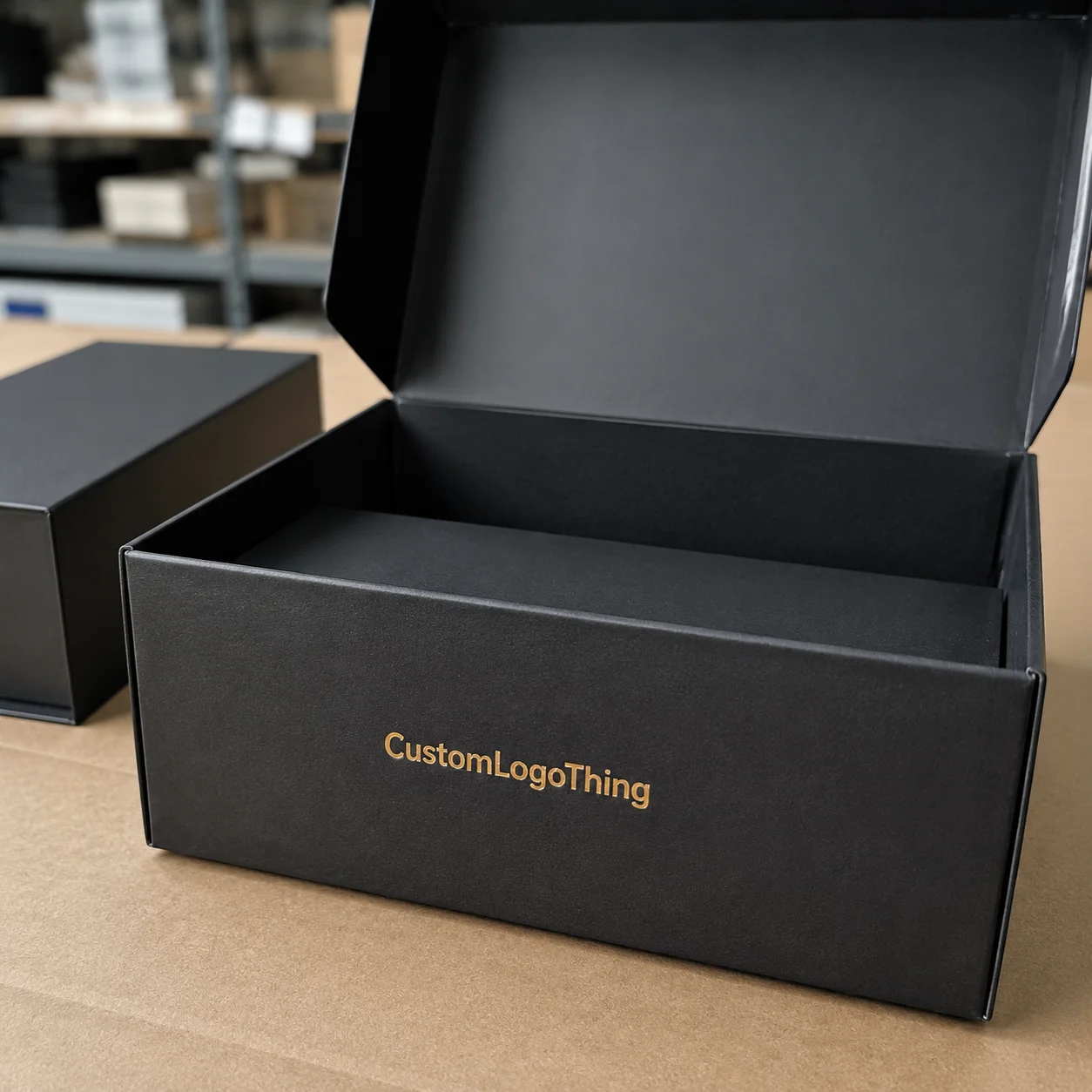
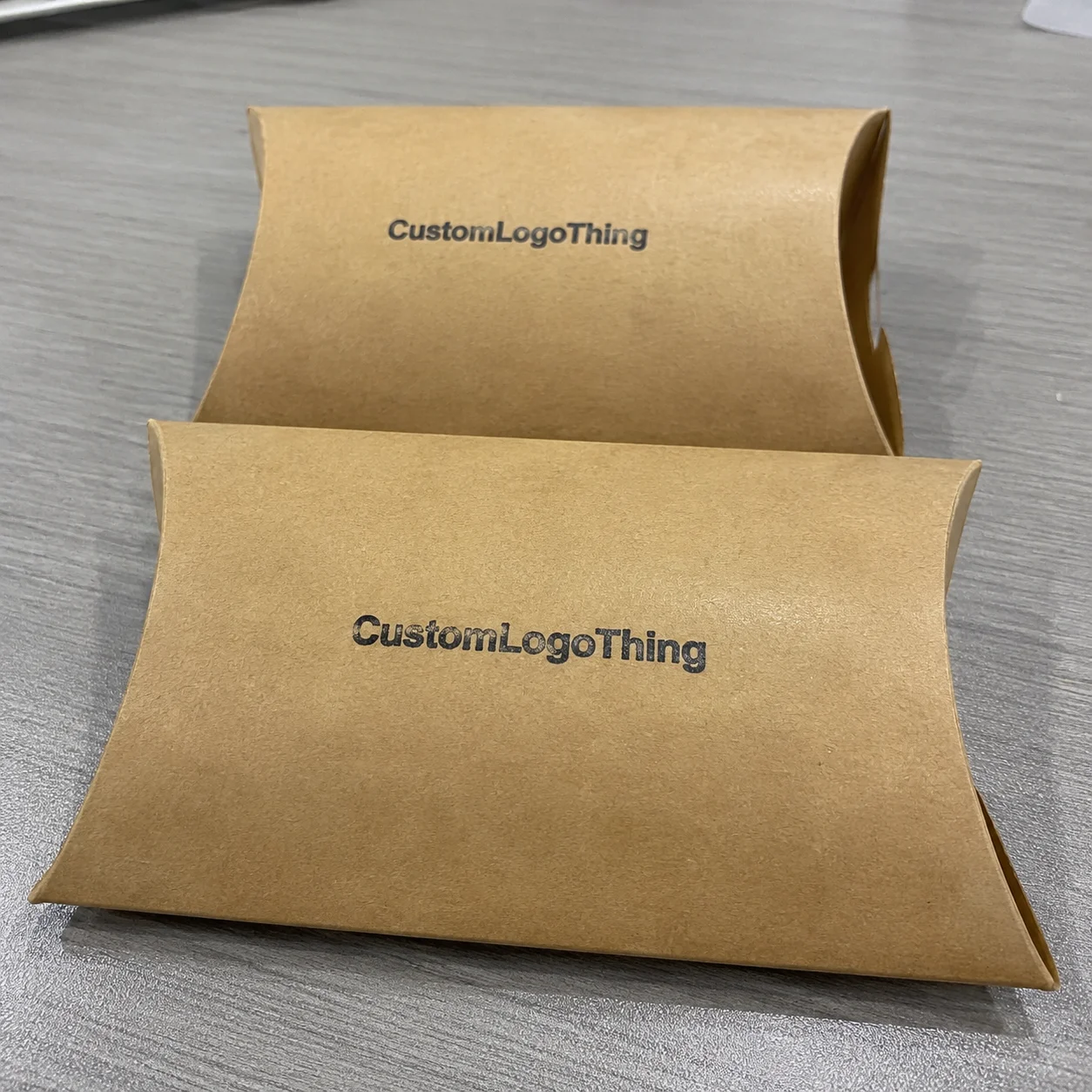
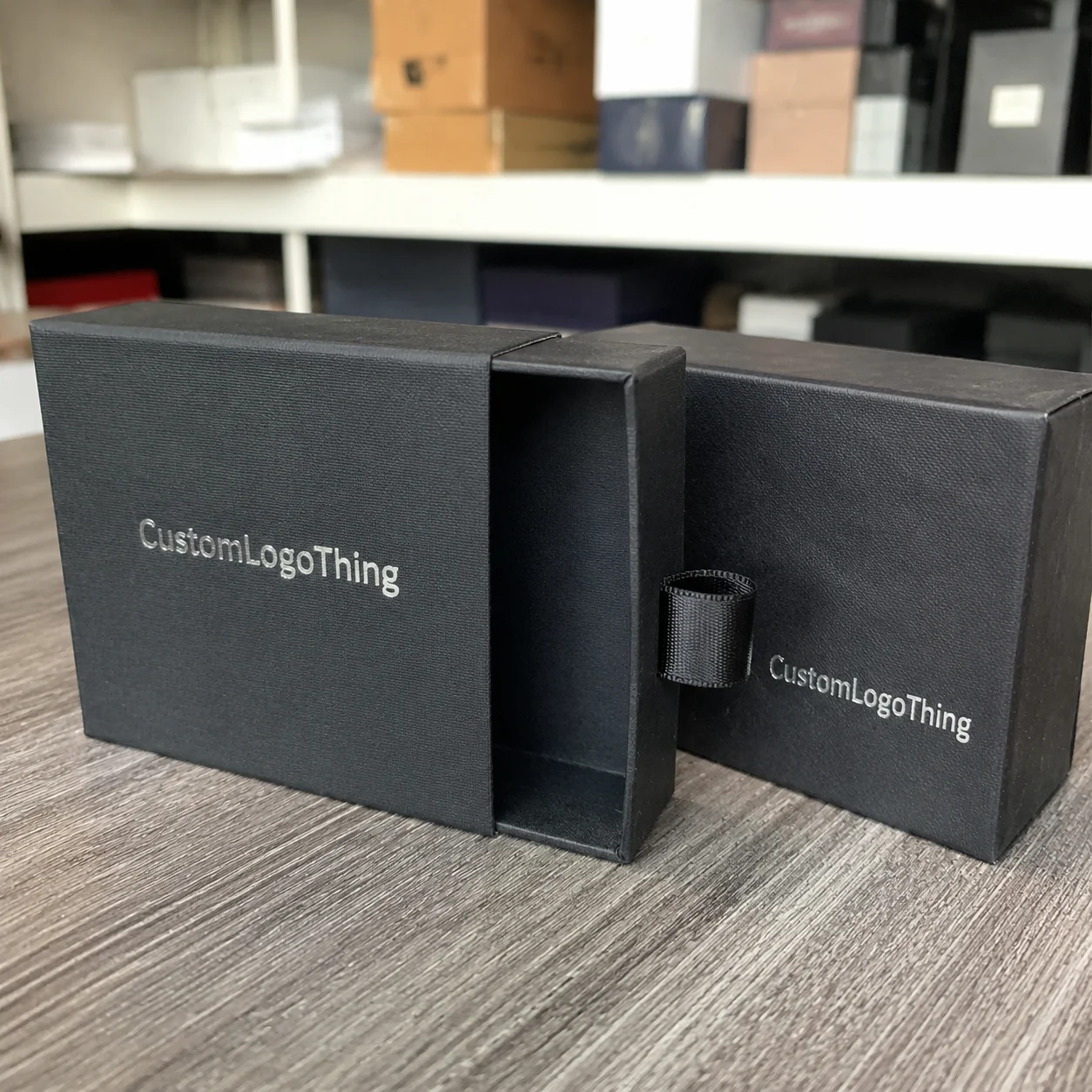
Buyer Fit Snapshot
| Best fit | Shipping Boxes for Small Business projects where brand print, material claims, artwork control, MOQ, and repeat-order consistency need to be specified before quoting. |
|---|---|
| Quote inputs | Share finished size, material target, print colors, finish, packing count, annual reorder estimate, ship-to region, and any compliance wording. |
| Proofing check | Approve dieline scale, logo placement, barcode or warning zones, color tolerance, closure strength, and carton packing before bulk production. |
| Main risk | Vague material claims, crowded artwork, missing packing details, or unclear freight terms can make a low unit price expensive after revisions. |
Fast answer: Shipping Boxes for Small Business: Production Spec, Color Control, and Delivery Risk should be specified like a repeatable production item. The safest quote records material, print method, finish, artwork proof, packing count, and reorder notes in one written spec.
Production checks before approval
Compare the actual filled-product size with the drawing, then confirm tolerance on folds, seals, hang holes, label areas, and retail display edges. Reserve space for logos, QR codes, warning copy, and material claims before decorative graphics fill the panel.
Quote comparison points
Review material grade, print process, finish, sampling route, tooling charges, carton quantity, and freight assumptions side by side. A quote is only useful when the supplier can repeat the same color, closure quality, and packing count on the next order.
A small artisan candle company in Portland lost $12,000 in a single quarter—not from poor sales or bad marketing, but from boxes that arrived crushed like accordions at customers' doorsteps. Their products were exceptional. Their packaging was a disaster. I visited their fulfillment warehouse and watched them repack shattered glass candles destined for angry returns. That supplier was the silent profit killer most small business owners never think to audit. I've been deep in the packaging industry ever since, and I can tell you: what goes in those boxes matters, but what holds everything in transit matters just as much.
Of the small e-commerce operations I've talked to over the years, 53% report damaged goods during shipping as their single biggest headache—yet most have never changed their box supplier in five years of business. They're paying for replacements, losing customers, and filing carrier claims that eat into margins. The shipping box isn't glamorous. Nobody posts unboxing videos of plain brown cardboard on social media (unless you've done something clever with custom printing). But it's the first physical touchpoint between your brand and your customer, and getting it wrong means no amount of product excellence can save your reputation from one-star reviews featuring photos of crushed boxes.
Why Shipping Boxes for Small Business Operations Could Make or Break Your Enterprise
Consider the journey your package takes. From your warehouse shelf to the customer's hands, a shipping box might be handled twenty times or more—loaded onto conveyors, stacked in trucks, tossed by workers who see it as just another cardboard box, not someone's eagerly anticipated purchase. That handling places enormous stress on packaging that most buyers never consider until damage occurs.
A third-party logistics provider in Memphis showed me their "damage wall"—a corner of the warehouse where returned shipments accumulated. He pointed to a pattern: three brands selling similar ceramics, but one had damage rates of 8% while another held steady at 1.2%. The difference? The lower-damage brand used double-wall corrugated construction for their 8-inch product boxes. The higher-damage company was using single-wall boxes from a bulk discount supplier to save $0.08 per unit. Their "savings" were costing them hundreds in replacement product, return shipping, and customer churn each month.
Shipping boxes function as both container and protector. For products that shatter, leak, or deform under pressure, your box is the difference between a customer receiving something worth opening and receiving a return authorization. Beyond protection, though, your custom packaging communicates brand value. A skincare startup I worked with upgraded from generic kraft boxes to custom-printed versions featuring their logo and a satisfying magnetic closure—and their repeat purchase rate climbed 23% within six months. Customers remember the unboxing experience. That experience starts with Shipping Boxes for Small business operations.
Package protection extends beyond just your product. There's also liability exposure to consider. Most carrier insurance covers up to a certain amount per package, but proving damage occurred in transit requires documentation. A well-designed shipping box with proper cushioning tells a story: this product was protected, this company cares. A crushed box tells a different story—and that story ends up on Twitter, where it lives forever.
Understanding Shipping Box Basics: Materials, Sizes, and Styles
Corrugated cardboard isn't just cardboard—it's an engineered material with specific performance characteristics. When you're evaluating shipping boxes for small business needs, understanding the flute profile matters more than most buyers realize. Single-wall corrugated has three layers: two flat liners and one corrugated medium sandwiched between them. The flute size—designated as A, B, C, D, E, or F—determines compression strength and cushioning properties. A-flute (1/4-inch thick) provides excellent compression resistance and cushioning. E-flute (1/16-inch) offers good crush resistance with a smoother surface ideal for printing. F-flute (1/8-inch) is even thinner, suitable for retail packaging but generally too weak for heavy shipping applications.
Industry standards measure box strength through two critical tests: Edge Crush Test (ECT) and Box Compression Test (BCT). ECT ratings tell you how much force the corrugated can withstand before edge crushing—ECT-32 means the board can handle 32 pounds per linear inch of edge before failing. BCT measures the total compressive load a box can endure before collapsing under top pressure (stacking weight). These numbers aren't marketing fluff; they're the specifications that determine whether your boxes survive the supply chain.
Small businesses frequently make costly errors at this stage. When comparing suppliers, some advertise "32 ECT" while others might sell "32# test"—these aren't the same measurement. ECT measures compression performance; Mullen Burst (or "32# test") measures resistance to rupture under pressure. For shipping purposes, ECT is the more relevant metric because boxes rarely burst but frequently encounter edge loads during handling. Always verify you're comparing identical specifications when getting quotes. (I learned this the hard way with a client who thought they were getting premium boxes and ended up with the wrong specification entirely—it took three months to untangle.)
Mailers versus shipping boxes represents another decision axis. Poly mailers cost $0.15-0.30 per unit and work beautifully for soft goods like clothing, linens, and non-fragile accessories. They're lightweight, water-resistant, and space-efficient. However, they offer zero structural protection for anything that could compress, puncture, or shift during transit. A boutique clothing company transitioned to poly mailers to save on shipping costs—only to discover their return rate spiked 40% because customers complained about crushed garment boxes and dented accessories shipped in the same envelope as their order. For hard goods or anything that requires cushioning, rigid shipping boxes remain necessary despite their higher cost.
Custom sizing versus standard sizes deserves serious analysis. Standard box sizes exist for a reason—they fit efficiently on manufacturing equipment and in carrier sortation systems. Custom sizes require setup fees ranging from $200-800 per size and typically require 1,000-unit minimums from most manufacturers. However, "close-fit" packaging—boxes with only 1-2 inches of void space around your product—reduces filler material costs, minimizes product shifting (which causes 67% of shipping damage according to ISTA research), and can lower your overall per-unit cost when dimensional weight charges are factored in. A well-sized box for your product often beats a cheap box with excessive internal packaging.
How to Choose the Right Shipping Box for Your Products
The weight-to-size ratio formula determines most of your shipping cost. Carriers like UPS and FedEx use dimensional weight (DIM weight) pricing, calculating charges based on whichever is greater—actual weight or volumetric weight calculated as (length × width × height) ÷ dimensional factor. Current DIM factors are 139 for domestic ground shipments. This means a 12×12×12 inch box containing a 2-pound product calculates as 2.98 pounds for billing weight, but charges based on 10.4 pounds.
A ceramics studio in Austin recalculated their packaging and discovered they were shipping 6×6×8 inch products in 14×14×10 inch boxes. The dimensional weight difference alone was costing them $4.20 per shipment in overage charges compared to what they could have paid with a 10×10×9 box. Over 500 monthly shipments, that's $2,100 in avoidable charges—money that went straight to the carrier instead of their growth fund. Honestly, I get a little angry thinking about how much money carriers quietly extract from businesses that haven't done this math.
Product fragility classification requires honest assessment. Fragile doesn't mean "breaks easily"—it means "how much acceleration force can this withstand before damage occurs?" Glass ceramics might need 2-3 inches of foam cushioning on all sides with no-rattle blocking. T-Shirts need almost nothing. Electronics need anti-static protection in addition to shock absorption. When evaluating shipping boxes for small business inventory, map your cushioning system to product vulnerability before optimizing box costs.
Environmental factors influence box selection more than most buyers realize. If your products ship from a humid warehouse in Atlanta to a freezing buyer in Minneapolis, that cardboard box experiences temperature swings from 85°F with 80% humidity to 20°F with dry air. Moisture degrades corrugated strength—tests show ECT ratings can drop 30-40% in sustained high-humidity environments. For products destined for Florida summers, consider water-resistant coatings or double-wall construction even if the product weight doesn't technically require it. A candle company I audited saw their summer damage rates double compared to winter months—adding desiccant packets and switching to water-resistant coated boxes eliminated the seasonal spike.
Your shipping box also functions as brand ambassador. In an era where unboxing videos generate millions of views and social sharing drives customer acquisition, the exterior of your shipping box is prime real estate. Custom printing starts at $500-1,500 for setup plus $0.10-0.40 per box depending on complexity—but the brand impression and social media exposure often justify the investment for businesses with identity-driven products. Small batch producers have used custom tape and printed inserts to achieve brand impact without full Custom Box Printing, which brings the cost down significantly.
Understanding Shipping Box Costs and Where to Source Them
Pricing tiers in the shipping boxes for small business market follow predictable volume curves. Here's what I've observed across hundreds of supplier quotes:
| Order Quantity | Typical Price Range (12x12x12 single-wall ECT-32) | Savings vs. Single-Unit Price |
|---|---|---|
| 50-99 units | $1.40 - $2.20 per box | Baseline |
| 100-499 units | $0.90 - $1.50 per box | 25-35% savings |
| 500-1,999 units | $0.55 - $0.95 per box | 45-60% savings |
| 2,000-9,999 units | $0.35 - $0.65 per box | 65-75% savings |
| 10,000+ units | $0.25 - $0.45 per box | 75-85% savings |
The supplier landscape splits into three primary categories. Packaging distributors like Uline, Global Industrial, and Boxed Out offer broad stock inventory with fast shipping (often same-day or next-day) and No Minimum Order requirements for most items. Their prices run 15-25% higher than manufacturer direct, but the convenience works for businesses shipping 50-200 boxes monthly who don't want warehouse storage space dedicated to packaging inventory.
Manufacturer direct ordering suits businesses with predictable volumes and specific size requirements. Companies like International Paper, WestRock, or regional sheet feeders will quote custom sizes but typically require 500+ unit minimums per size and lead times of 10-15 business days. The quality control improves dramatically—factory production means consistent specs rather than warehouse-picked inventory of varying age and condition. I negotiate these relationships for clients and typically see 20-35% cost reductions versus distributor pricing when volume warrants direct ordering.
Local box manufacturers offer middle-ground advantages: customization flexibility, often 250-unit minimums, and better customer service when problems arise. Lead times run 5-10 business days typically. The relationship value shouldn't be underestimated—during the 2021 cardboard shortage, clients with established local supplier relationships got allocated inventory while businesses relying on big-box distributors waited six weeks for backordered boxes. Maintain at least two qualified suppliers regardless of where you source primary orders.
Hidden costs catch small businesses off-guard repeatedly. Setup fees ($150-500 per unique size/print configuration) often aren't visible until the quote arrives. Shipping charges can add 8-15% to distributor orders, especially for heavy corrugated shipments. Storage requirements increase when you order volume for savings—losing $0.15 per box in damage rate means nothing if your storage costs exceed the savings. And quality verification before bulk commitment matters enormously: I once saw a client's first bulk order arrive with improper glue seams on 30% of boxes because they ordered from a new supplier without requesting samples first. (To say they were unhappy would be an understatement—I received a very colorful voicemail about that experience.)
Most operations pay $0.45-$2.80 per shipping box depending on size, quality tier, and order volume. Businesses shipping 200 packages monthly typically spend $90-560 monthly on boxes alone—excluding cushioning materials, tape, and labels. Optimizing that spend frequently yields 20-40% reduction without sacrificing product protection.
The Step-by-Step Process: From Selection to Shipment
The process I've refined across dozens of packaging optimization projects starts with auditing your actual product dimensions. Physically measure everything with products packaged for shipment—not just what the product specs say. Products vary from batch to batch. Packaging materials add thickness. You're not optimizing shipping boxes for small business operations based on ideal numbers; you're optimizing for reality. Write down three measurements per dimension: bare product, minimum acceptable packaging, and maximum expected variation. Your box needs to accommodate the maximum comfortably.
Calculate dimensional weight for your current carrier relationships next. If you ship via UPS, FedEx, or USPS Priority Mail, DIM weight applies above certain threshold volumes. Plug your current box dimensions into the formula: (L × W × H) ÷ 139 for domestic ground. Compare calculated DIM weight to actual weight. If DIM exceeds actual by more than 50%, you're likely overpaying for shipping—and a better-sized box could reduce that gap.
Step three involves matching requirements to carrier specifications. Each carrier has dimension and weight limits for various service levels. USPS Priority Mail has 108-inch length-plus-girth maximum. UPS Ground allows up to 165 inches length-plus-girth. Understanding these limits prevents expensive surprises when you've committed to custom boxes that exceed carrier tolerances. For multi-carrier shipping strategies, design for your most common carrier to avoid operational complications.
Step four: obtain and test samples. This step costs $15-50 in samples but prevents thousands in potential damage claims. I recommend obtaining 5-10 sample boxes and conducting what I call "hostile handling simulation." Drop test your packaged products from 3 feet onto concrete. Stack boxes under 200 pounds of weight for 24 hours. Expose to simulated humidity by placing in a steamy bathroom for 8 hours. If your product survives these tests inside that box construction, you have a winner. If damage occurs, iterate on cushioning or upgrade box construction before committing.
Step five involves placing a trial order of 100-250 units from your selected supplier. Track damage rates meticulously during this period. Document any quality issues: mis-sized boxes, printing alignment problems, seam failures under light compression. If damage rates hold below 0.5% for this trial batch and quality meets your standards, scale up. If problems appear, work with the supplier to resolve them or return to step three and evaluate alternatives.
Step six: establish reorder triggers and backup relationships. Calculate your consumption rate (boxes per month) and set automatic reorder at 2-3 weeks of inventory remaining. Calculate safety stock requirements based on supplier lead times—if a supplier takes 12 business days to deliver, you need 3-4 weeks of supply as buffer when lead times lengthen unexpectedly. Maintain active accounts with at least one backup supplier even if primary supplier performs well. Shortages happen, and having a relationship with a second source means you're not scrambling during supply disruptions. Trust me, I've seen businesses shut down shipping for a week because they put all their eggs in one supplier basket—it's not a fun phone call to explain to customers why their orders are delayed.
Common Shipping Box Mistakes Small Businesses Make
Unit price obsession ranks as the most expensive mistake in shipping box procurement. Business owners celebrate saving $0.12 per box only to absorb $0.40 per box in increased damage rates when they switched to thinner construction. Total cost of ownership includes product replacement costs, return shipping expenses, customer service time, and potential reputation damage—not just the price on the invoice. When evaluating shipping boxes for small business needs, calculate your damage rate by box type and compare against the price difference. If a $0.08 upgrade reduces damage claims by 2%, your break-even volume depends on average product cost—but for products priced above $20, the upgrade typically pays for itself pretty quickly.
Underestimating void space creates dual problems: excessive filler material costs money while insufficient blocking allows product movement that causes damage. The physics are straightforward—products shift during transit acceleration forces. If your cushioning system doesn't hold the product stable relative to box walls, every corner becomes an impact point. Minimizing void space through right-sized boxes reduces filler requirements, stabilizes product position, and cuts material costs simultaneously.
Ignoring carrier dimension limits creates some of the most painful lessons I witness. Learning that your custom-printed 24×18×14 inch boxes exceed UPS Ground maximum dimensions (108 inches length-plus-girth) after you've printed 5,000 with your logo is financially devastating. The boxes become useless for their intended purpose, you've paid setup fees plus shipping for unusable inventory, and your brand is now associated with shipping delays while you source emergency replacement boxes. Verify dimensional compliance before committing to custom production runs. This mistake happens more often than you'd think, and I always cringe when I hear about it because it's so preventable.
Humidity sensitivity catches seasonal businesses particularly off-guard. Boxes stored in climate-controlled warehouses during winter months may perform differently when summer humidity spikes in coastal regions. A client in South Carolina saw their July damage rates consistently run 3-4x higher than January—after investigation, we discovered their warehouse lacked climate control and morning humidity readings regularly exceeded 75%. Switching to water-resistant coated boxes plus moisture-barrier inner liners resolved the seasonal pattern completely.
Failing to test with realistic conditions means you're guessing instead of knowing. Professional packaging engineers use ASTM D4169 testing standards for simulation—these protocols simulate real-world handling including drops, vibrations, compression, and environmental exposure. While full ASTM testing costs $2,000-5,000 per configuration, the insights are valuable for high-volume products. Even a simplified version—drop tests, stacking compression, humidity exposure—catches 80% of potential failure modes before they become expensive customer experiences.
Supplier relationship neglect proves costly during supply chain disruptions. The businesses that maintained relationships with multiple suppliers during the 2020-2022 cardboard shortage continued shipping while competitors suspended operations waiting for inventory. Being a reliable, paying customer who communicates proactively means your orders get priority when supply tightens. Treat suppliers as strategic partners, not just vendors, and they'll treat you as a preferred customer when things get difficult. I've built some genuine friendships with supplier reps over the years—and those relationships have literally saved businesses when supply got tight.
Expert Tips for Optimizing Your Shipping Box Strategy
Right-sizing automation is where the largest shipping cost reductions occur. Businesses transitioning from oversized to close-fit boxes consistently report 15-25% shipping cost reductions in my experience. The mechanism is straightforward: smaller boxes mean lower DIM weights, lower carrier charges, and less cushioning material required. For high-volume SKUs, even 2 inches of reduction per dimension compounds to massive savings across thousands of shipments. A supplement company shipping 12,000 monthly packages saved $18,000 annually simply by redesigning their primary shipping box to eliminate 1.5 inches of unnecessary height.
Strategic stock layering balances cash flow and availability. Keep your highest-volume, year-round SKUs in full stock with buffer inventory covering 4-6 weeks of consumption plus safety stock for supply disruptions. Use just-in-time ordering for seasonal items, test products, or new launches where demand is uncertain. This approach reduces warehouse storage costs while maintaining service levels for your core products. Small businesses tie up thousands in packaging inventory for products discontinued six months later—investing that capital in marketing would have generated better returns.
Sustainability presents cost opportunities that Most Buyers Miss. Recycled-content corrugated boxes frequently cost 5-10% less than equivalent virgin-material boxes because recycled fibers command lower commodity prices. Beyond cost, eco-friendly positioning attracts environmentally-conscious consumers willing to pay premium prices or choose sustainable options over competitors. Several major carriers offer carbon-offset shipping programs that align with recycled packaging use. And for B2B customers with corporate sustainability commitments, recycled shipping boxes can influence vendor selection decisions. Honestly, the economics of recycled boxes are compelling enough on their own—the marketing upside is just bonus.
Supplier diversification prevents business interruption more reliably than any other strategy. Maintain active pricing and relationships with at least two qualified box suppliers regardless of your current satisfaction level. During supply disruptions, your relationship and order history matter—suppliers allocate to established customers first. During normal times, competition between suppliers keeps pricing honest. I recommend quarterly price comparison exercises with backup suppliers even when primary supply runs smoothly.
Documentation discipline reveals patterns before they become expensive lessons. Track damage claims by box type, by supplier, by product category, and by shipping route. After 6-12 months of data, patterns emerge: maybe specific box constructions fail on specific routes, or certain suppliers deliver inconsistent quality in specific months. Without this data, you're guessing about what works. With it, you can negotiate supplier improvements, adjust specifications, or switch sources before problems compound. I've turned this data into negotiation leverage repeatedly—showing a supplier their damage rate exceeded competitors by 2.3% resulted in a 15% price reduction in exchange for quality improvement commitments. That conversation never fails to feel satisfying.
Your Shipping Box Action Plan: Next Steps to Implement Today
What I want you to do right now, organized by timeline so the actions feel achievable instead of overwhelming.
This week: Audit your three most-shipped products. Pull three units of each from inventory, measure the actual packaged dimensions including cushioning, and compare against the shipping boxes you're currently using. Calculate the dimensional weight for your current box and for a properly sized alternative. Most businesses discover 15-30% unnecessary volume in their primary boxes. This isn't complicated work—grab a tape measure, a calculator, and 30 minutes of focus time. You'll thank yourself when you see the numbers.
This month: Request samples from two alternative suppliers different from your current source. Yes, even if you're happy with your current supplier—having backup options matters for negotiation and supply security. Conduct drop tests with real products inside these sample boxes. If you don't have standardized testing protocols, this is the time to create them: document your test conditions (drop height, surface type, stacking weight, humidity exposure) and results so comparisons are consistent over time.
This quarter: Calculate your damage claim rate by box type and supplier. If you don't have this data, start tracking it now—every damage claim represents lost product, shipping costs, and potential customer lifetime value. Project savings from switching to better-sized or higher-quality boxes based on the damage reduction evidence from your sample testing. Calculate ROI on any proposed box upgrade and create a business case for the change. If the numbers support it, make the switch. If they don't, document why and revisit in six months.
Bookmark this comparison: When you're ready to place orders, having supplier quotes ready prevents decision fatigue from delaying action. Maintain a spreadsheet with current pricing, alternative supplier quotes, and calculated savings potential. Update quarterly. Review before each major reorder. This documentation habit separates businesses that slowly optimize their packaging spend from businesses that stick with the status quo for years.
Start with your highest-volume SKU: Every optimization project delivers the fastest ROI when focused on your most-shipped item. If you ship 500 units monthly of SKU A and 50 units monthly of SKU B, optimizing SKU A's box delivers 10x the absolute savings impact. Get the methodology right on your highest-volume product, document your findings and process, then apply the same approach to other SKUs systematically.
Whether you're shipping 50 packages monthly or 5,000, the principles remain constant: protect your products, optimize your costs, and treat your packaging supply chain with the same strategic attention you'd give any other major business expense. The shipping boxes for small business operations represent one of your most controllable costs—small improvements compound across months and years into meaningful profit margin changes. Start measuring. Start testing. Start saving.
If you're ready to explore custom options for your shipping boxes, take a look at our custom shipping box offerings or reach out to discuss your specific requirements. Every product has an optimal packaging solution—finding it just takes systematic investigation and willingness to challenge your existing assumptions.
What is the average cost of shipping boxes for small business orders?
Small business pricing typically ranges from $0.45 to $1.20 per box for standard sizes ordered in quantities of 50-200 units. Volume orders of 500+ units can reduce costs to $0.25-$0.60 per box depending on size and material grade. Custom-printed or sized boxes run 30-60% higher than standard equivalents but often offset costs through reduced dimensional weight charges and improved brand presentation.
How do I calculate what size shipping box I need?
Measure your product dimensions, then add 2-3 inches of internal clearance on each dimension for cushioning material. Consider the product's orientation during shipping—if it must face a certain direction, factor in any internal blocking requirements. For multiple products in one box, calculate the nesting arrangement that minimizes total volume while preventing contact between items.
What ECT rating do I need for shipping boxes?
Lightweight products under 5 pounds typically need ECT-32 or ECT-32B rated boxes. Products between 5-15 pounds generally require ECT-44 or ECT-48 rated corrugated. Heavy items over 15 pounds should use ECT-55 or higher ratings, or consider double-wall construction. If stacking boxes during storage or transit, increase your ECT rating by one tier to account for compressive loads.
Where should small businesses buy shipping boxes?
Packaging distributors like Uline, Global Industrial, or Boxed Out offer broad selection and fast shipping for small quantities. Manufacturer direct ordering suits businesses with predictable volumes—typically requires 500+ unit minimums but offers 20-35% savings. Local box manufacturers provide customization flexibility and often better customer service, though with longer lead times. Marketplace options work well for initial testing before committing to larger supplier relationships.
Can shipping boxes be reused or recycled?
Yes, most corrugated cardboard shipping boxes are 100% recyclable—verify with your local recycling provider regarding flattening requirements. Reuse is viable if boxes maintain structural integrity; inspect for crushing, moisture damage, or compromised seams before reusing. Businesses can reduce costs by offering customer incentives for returning boxes in good condition. Eco-friendly recycled-content boxes are available from most suppliers at marginal price premiums and often attract environmentally-conscious customers.