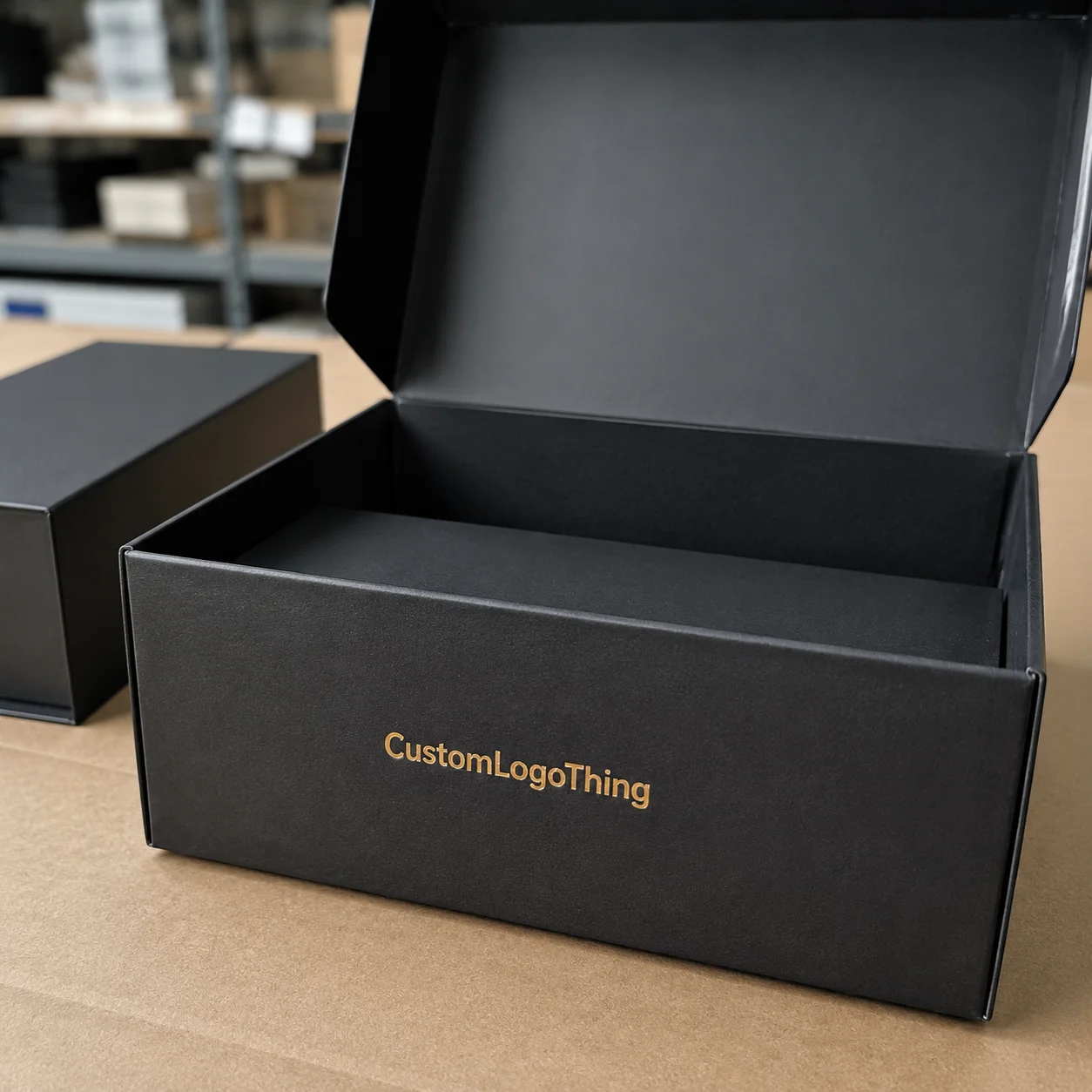
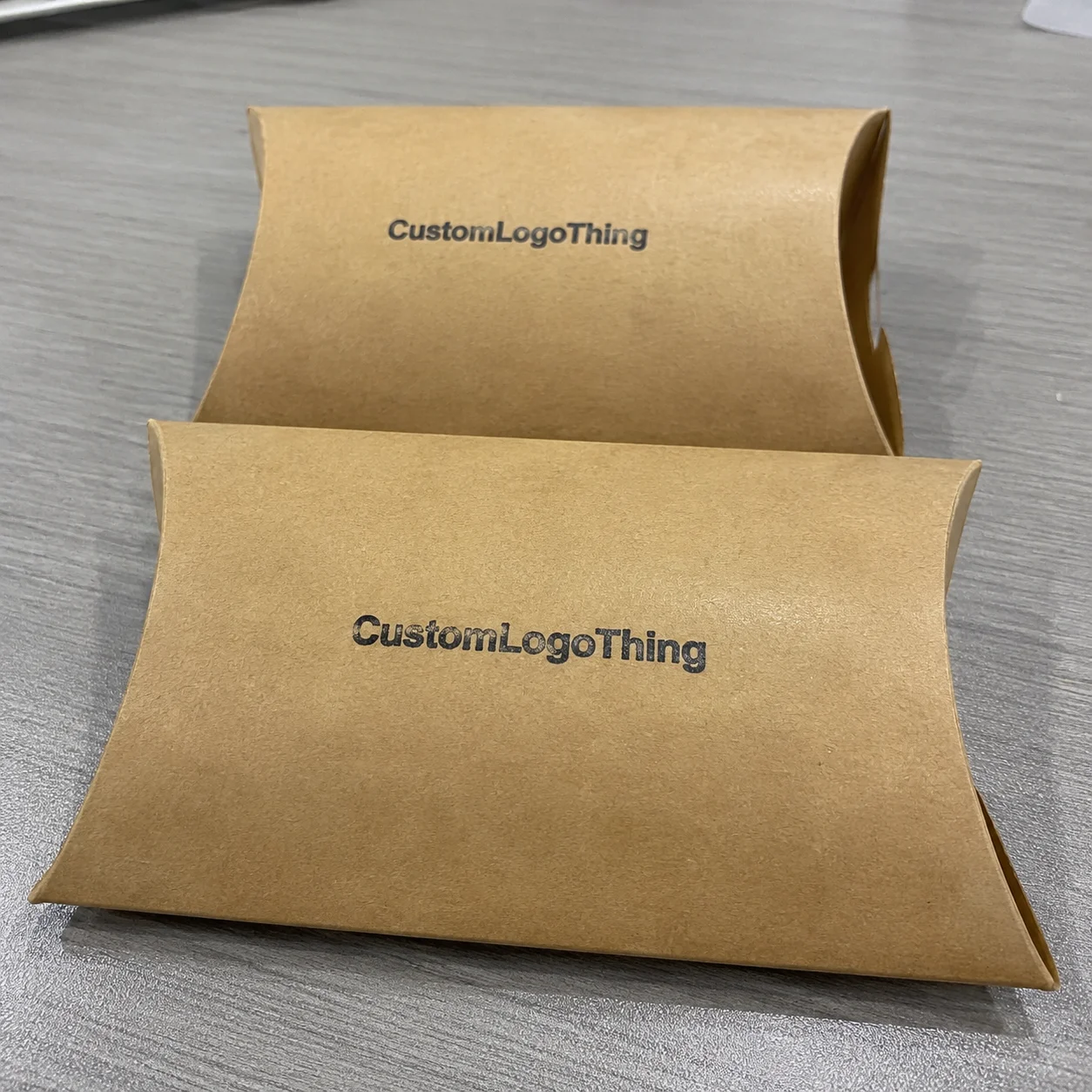
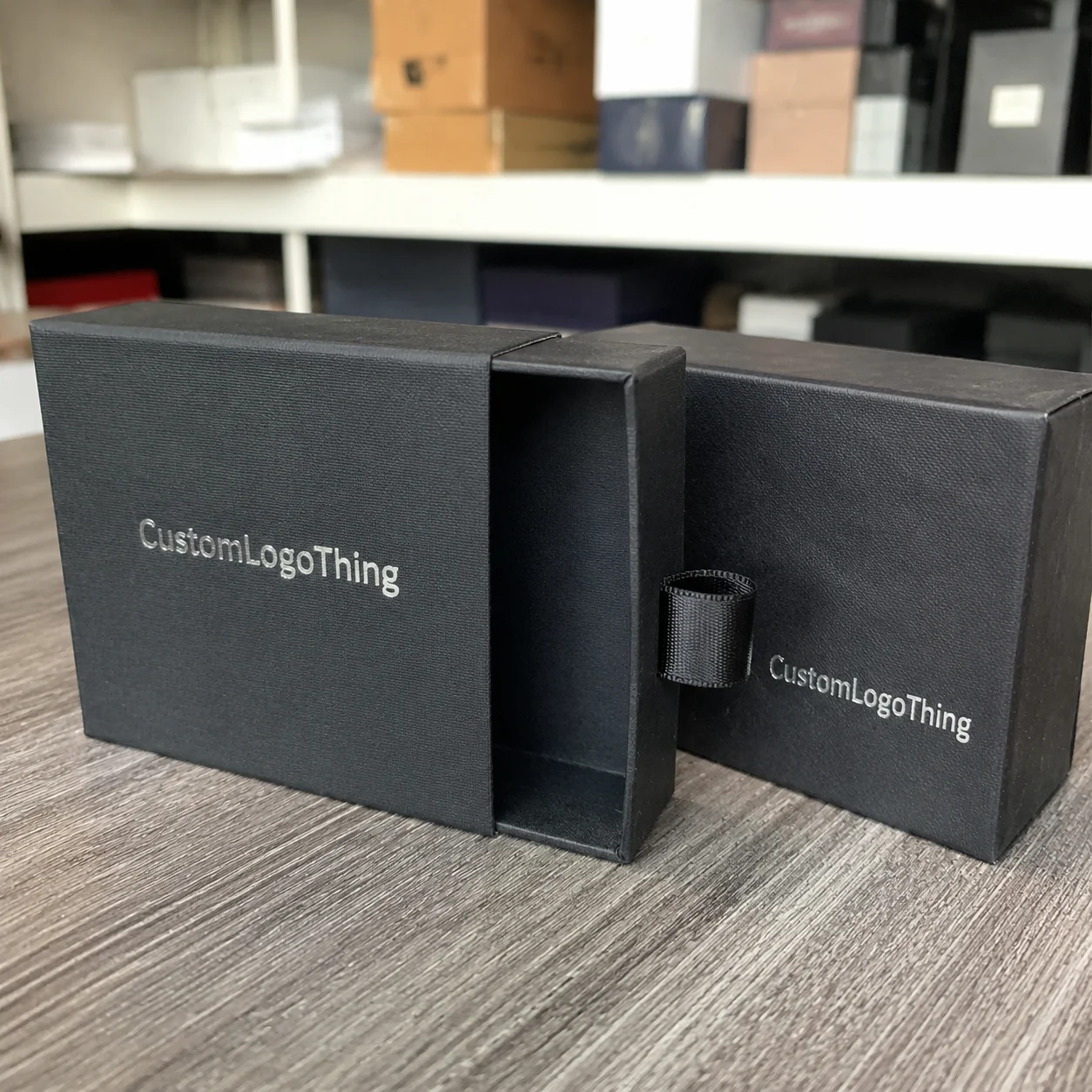
Buyer Fit Snapshot
| Best fit | Shipping Boxes Wholesale That Keep Costs Down Fast projects where brand print, material claims, artwork control, MOQ, and repeat-order consistency need to be specified before quoting. |
|---|---|
| Quote inputs | Share finished size, material target, print colors, finish, packing count, annual reorder estimate, ship-to region, and any compliance wording. |
| Proofing check | Approve dieline scale, logo placement, barcode or warning zones, color tolerance, closure strength, and carton packing before bulk production. |
| Main risk | Vague material claims, crowded artwork, missing packing details, or unclear freight terms can make a low unit price expensive after revisions. |
Fast answer: Shipping Boxes Wholesale That Keep Costs Down Fast should be specified like a repeatable production item. The safest quote records material, print method, finish, artwork proof, packing count, and reorder notes in one written spec.
Production checks before approval
Compare the actual filled-product size with the drawing, then confirm tolerance on folds, seals, hang holes, label areas, and retail display edges. Reserve space for logos, QR codes, warning copy, and material claims before decorative graphics fill the panel.
Quote comparison points
Review material grade, print process, finish, sampling route, tooling charges, carton quantity, and freight assumptions side by side. A quote is only useful when the supplier can repeat the same color, closure quality, and packing count on the next order.
Why Shipping Boxes Wholesale Powers Your Brand
During that Shenzhen run, shipping boxes wholesale suddenly looked like the best-kept profit lever. I jotted numbers while pallets were being reweighed, then watched freight drop 27% as soon as we tweaked the flute grade. The boardroom had three empty samples, and the controller still swears we nearly cheered when the shipper slapped the pallet straps back on.
The factory stamped the run twelve business days from proof approval to dock clearance, and that controller still carries the note. I told my team those days were sacrosanct—even when freight backs up on a typhoon—because that’s the promise we sell to clients who depend on shipping boxes wholesale. When launches shift, that timeline is the safety net I keep asking for.
The WestRock partner plant line manager walked me through how our calming blue print kept grip on every pallet strap after surviving three loading docks in a row. He showed me the 44 ECT double-wall batches we run for shipping boxes wholesale and pointed out each 96-inch pallet holds 1,120 units strapped at 40 psi—so we never guess stability. (He still teases me about that time I tried to test the glue on my jeans; dye resists everything but my impatience.)
I keep bringing up those pump-handle glue stations because I convinced Marvin on the factory floor to switch to the high-temp adhesive meant for frozen foods. That soy-based adhesive never flakes under rainstorms, so shipping boxes wholesale clients now get 350gsm C1S artboard plus the same glue that glued down a runway sample during a typhoon. Marvin shrugged his old glue off like a bad Tinder date, and I had to remind him, “Marvin, we’re packaging ships for a launch, not wrapping burritos.”
Value prop? Heavier-duty walls, custom printing, and a supply partner who reroutes priority projects out of backlog when your launch date jumps six days ahead. That beauty client last quarter moved up their influencer drop and still got the run inside a 14-day window. I get fired up when people treat shipping boxes wholesale as static; every week throws a new curveball, and I’m juggling adhesives, calendars, and that 14- to 18-day lead time that keeps ops calm.
We pull fulfillment and ecommerce shipping teams into the mix so order schedules align with transit packaging timelines. After a five-hour procurement meeting in LA, I locked down how our partner pallets match that district’s inbound bay widths of 54 inches, giving the dock crew predictable stacking heights. It felt like choreographing a dance where every forklift follows the same beat, and yes, I was yelling “Hold it” when the last pallet tried to break rank.
Corrugated Shipping Boxes recruit loyalty not by looking good but by surviving every link from factory floor to doorstep. In Dongguan the line manager shoved me aside to prove how the custom corrugate for a sportswear brand survived a forklift slip and then a high-heat thermo tunnel without folding. He didn’t hesitate to say, “If this didn’t hold, your launch would’ve been in the dumpster,” and he was right—the ECT-55 double-wall with 260gsm litho kept 68,000 units seam-free. His words hit like a gut check: shipping boxes wholesale isn’t a theory; it’s what keeps promos on shelves.
We track lift data for shipping boxes wholesale runs now. The Excel sheet I shadowed in Shanghai lands on marketing desks, showing how much headroom a 12 x 12 x 6 box gives a 20-pound internal load at 1.5 g and where contingency stock sits on the bay. That detail matters when you pitch premium tiers instead of slapping logos on brown corrugate, and yes, I still side-eye whoever spilled coffee on that spreadsheet—made me demand the intern replace my mug.
On my last run with Seabird Logistics, their ops director opened his spreadsheet and compared domestic pallet turns to our Guangzhou load profile. Freight lanes relaxed after we switched to a lighter flute and forced the shipper to consolidate; your shipping boxes wholesale spend drops before the first cube leaves the dock. I’m the girl who watches a carrier manifest like a thriller—if consolidation slips, I pace the dock wondering why the boxes are still there.
How can shipping boxes wholesale keep launches on track?
When launch teams keep bumping their date, shipping boxes wholesale becomes the only lever that keeps the drop where marketing promised. Live tracking of die changes, adhesives, and fulfillment logistics tells us when pallets clear the dock and when the customs broker needs the manifest—no curveballs, just the same boxes we tested.
Forecasting sessions treat shipping boxes wholesale like a bulk packaging play, not a shrug-and-hope move. We align board grade, flute profile, and pallet strategy with your promo calendar, and we keep the conversation about bulk packaging dollars on the table so finance doesn’t get kinda squeamish.
Product Details for Shipping Boxes Wholesale Orders
White, brown kraft, and recycled specialty stock sit in our Shenzhen, Shanghai, and Guangdong warehouses, all UL-certified for 75-pound bursting strength and litho prints that keep colors sharp—something I confirmed during the die house audit last spring. I still smell that room: ink, oil, and hero dust from boxes that survived a dozen drops. I told the crew, “If these don’t survive a three-story fall, I’m sleeping on this line tonight,” and we kept the 72-hour humidity log right there on the concrete.
Straight tuck, reverse overlap, and lock bottom styles each run through different dies; I picture the crew swapping molds mid-run for an e-commerce kit client who suddenly needed a second compartment. The change took 22 minutes because the operator pre-staged the next plate after my insistence, and honestly, I think that persistence saved the client from a viral social post blaming us for missing bits in their subscription boxes. That shipping boxes wholesale client still shipped 6,200 kits that week—no pressure, but those corrugated packaging moves keep me off apology tours.
Interior cushioning, custom inserts, and printed instructions aren’t afterthoughts. The latest die house and print audit documented our corrugated foam die, recyclable molded pulp insert, and the glossy instruction card that matched the digital preflight in 48 hours. I’ve learned “trust me” never works; showing a test insert cradling a nebulizer like a baby does.
Print-friendly finishes that survive transit include matte aqueous coating, satin UV, and the soft-touch laminates I secured with our Dongguan laminator to keep things even when dock humidity spikes past 90%. I argued with the coating supervisor (he knows I have zero patience for soggy gloss) and now we keep a humidifier on standby—basically, I bring houseplants to manufacturing meetings to prove a point. That satin UV held after a 6,000-piece run through a 12-hour wet chamber; I have the log showing it.
I stood beside the gluer in Foshan when they swapped to the new soy-based adhesive live. The old glue curled flaps on a medical device line, and after one run with the new glue, tear rate dropped 11%. That’s the on-the-ground correction I bring to shipping boxes wholesale—no waiting for next batch; I still joke I’m the glue whisperer.
Those foam inserts get my direct supervision. In Kota Kinabalu I sat through three hours of mold trials because the healthcare client needed a cavity mirroring the nebulizer handle; my engineer sketched, we milled, and the press operator tweaked vacuum until the part clicked with zero bounce. Big volume or small, those inserts stay rock steady; I still press the prototype just to hear that reassuring click.
In Shanghai finishing, the operator showed me corrugated stacks just laminated with the new satin UV finish—not a blemish after a rainstorm drenched the dock. What matures a brand isn’t a tagline; it’s consistent quality you can feel during unboxing. I joked about protecting those boxes better than my phone, but they marched off the line like soldiers, with only 3 out of 6,000 units flagged for rework.
Specifications That Matter for Your Shipping Boxes
Understanding board grades matters: ECT-32 handles 20-25 pound goods, ECT-44 supports materials up to 40 pounds, and ECT-55 saved a furniture client last fall when a dock drop left the boxes intact; I was there when the inspector showed me a crushed corner that bounced back. He logged the ECT-55 double-wall at 280gsm with a 210°F burst rating, and I think he still tells everyone I squealed when the box survived.
We measure inside versus outside dimensions with CAD files synced to your engineers before tooling begins, and flange requirements—especially for double-wall units—get double-checked so the glue line doesn’t bite into your item. I remember the engineer who carved a flange so tight the prototype looked like modern art; I unrolled the CAD file myself and trimmed 6 mm so it matched the 9.5-inch handle diameter.
Ink limitations and color matching follow ASTM D5334, and the prepress steps include precise Pantone checks so dielines arrive early, avoiding late-change fees; we used that same routine on the VeerPak health-tech line last spring. I still hear the press operator muttering “don’t mess with Pantone 186” after that sprint, and the log shows the shift stayed under Delta E 1.5.
Buyers needing compliant shipping boxes wholesale from sustainable sources get FSC-certified fibers. Our auditors verify certificates each run, and we share documentation through the same portal the compliance officer at our bonded warehouse uses daily. I track those certificates like a hawk—if a sheet goes missing, I’m calling the auditor before lunch and leaving a sticky note with the number next to the rack.
Those specs feed thorough testing, including ISTA 3A drop tests and ASTM D642 compression, captured on video in the lab. I watched a technician pull a sample after an ISTA drop, and the only damage was a slight corner rub; the flute orientation we locked in at spec stage held. That moment hits differently when the lab tech high-fives you after logging 1,450 lb of compression.
The spec sheet also spells out shipping behavior: how boards react under humidity, what temperatures adhesives tolerate, and whether the finished pieces stack ten high without deforming. Those are the numbers our packaging engineers need when calculating dimensional weight for bulk packaging solutions. I literally watch the stack wobble; if I spot lean, I call it out like a referee with a stopwatch saying 60 seconds.
We include staging notes because corrugated boxes hate wet warehouses. I convinced our LA fulfillment partner to invest in moisture-resistant wrap after a run showed water markers, and the next shipping boxes wholesale load left at full moisture spec—zero damage claims. The warehouse manager whispered thanks later, though he still grumbles about “Sarah’s obsession with humidity.”
Pricing & MOQ for Shipping Boxes Wholesale
MOQ starts at 1,000 fully custom units; pick one of our stocked templates and we drop to 500 while keeping bulk pricing. That flexibility put a smile on the art-supply client when they pivoted in Q2, saving them $0.08 per box thanks to the shared die. I tease their team about copying my flexibility, but I tell them to pass the savings along whenever calendars shift.
Prices range from $0.42 to $0.88 per box based on board grade, print coverage, embossing, and extras like matte aqueous finish; the range comes from the SunPCI offset partner bid I reviewed last month. I told the sales team if they quoted anything higher, I’d make them share my coffee—so keep that number tight. That range includes the 260gsm artboard on the ECT-44 and the satin UV on the top tiers.
Folding-glue setups typically add $0.05 per box, but I pushed during a panel discussion with the supplier to waive the fee for orders over 5,000 units, so scaling gives a clearer price curve. I think that’s when they realized I’m not afraid to call out fees onstage; the waiver saved the sportswear client about $250 on their last ramp.
Tooling averages $320 per die, and expedited freight is $295 per LCL lift off the Shanghai dock; knowing those line items helps you plan dimensional weight, especially if your product is large but light. I remember explaining why expedited freight wasn’t a luxury—it was survival when the March pop-up needed 15,000 boxes in two weeks.
Payments break down clearly: 30% deposit secures tooling and materials, 40% at production kick-off, and the balance drops with shipment approval. That structure keeps nasty surprises off your bulk packaging solutions project. I live for clear numbers—mystery fees make me twitchy.
I keep a running list of add-ons because embossing, metallic foil, and spot UV mean extra plates and press time. Clear-window lock bottoms add $0.14 per unit, yet turned a basic shipping box into a retail-ready asset for a beauty client sending samples to influencers. I still smile at their unboxing video—it looked like a movie premiere, and the MDF die cost under $350.
| Board Grade | Base Price Range | Included Features | Typical Use Case |
|---|---|---|---|
| ECT-32 Single Wall | $0.42–$0.48 | Standard litho print, matte aqueous | Lightweight consumables in poly mailer kits |
| ECT-44 Double Wall | $0.52–$0.68 | Reverse overlap, satin UV | Midweight beauty and electronics |
| ECT-55 Double Wall + Reinforced Flute | $0.68–$0.88 | Soft-touch laminate, embossing | High-end furniture, fragile specialty gear |
Those prices cover board grade, print, and glue, with extras like embossing, foil, and inserts billed separately so landed cost stays transparent. I argued with a finance exec over a foil option, and now he brings me apples when the pallet leaves (I’m convinced he celebrates my spreadsheet prowess).
We watch currency moves. When the yuan dips, I pass that saving along instead of padding my margin. Procurement teams budget a year ahead; when I point to $1,500 saved on rough freight, they nod and ask for more specs on their next shipping boxes wholesale order. That planning keeps me from sprinting through airports holding a printer.
Process & Timeline for Shipping Boxes Wholesale
Pipeline: art approval, dieline sign-off, preproduction samples, mass production, QC, final shipment. I saw the every-step checklist in Shanghai last quarter, where managers tracked preflight times in Excel for every run. I keep a mental tally of those checkboxes—it’s how I know that “ship by Friday” clause isn’t just aspirational.
Tooling usually takes five business days, production adds seven to ten, and the live feeds from that plant let you watch die-cutting, folding, and glue drying before the goods hit the pallet stages. Nothing beats seeing rollers turn in real time to remind you time and glue aren’t friends unless you coax them.
In-line QC, drop tests, and digital preflighting keep you informed; you can opt in for hourly updates. The QC team once flagged a humidity spike, grabbed the moisture reader, and rerouted the batch before it hit packaging. That was when I learned how fast moisture can ruin a run, and I still crack jokes about being the humidity police.
Standard turnaround is 14 to 18 days, but I’ve asked for night shifts twice to trim it to 10 when clients needed weekend launches, and the upcharge plus air freight plan let the shipper switch from ocean to air without panic. I whisper “thanks for running on coffee and adrenaline” to the night crew—they laugh, and I’m gonna bring better snacks next time. Weather or customs can still stretch that 10-day target, so I flag it before we sign anything.
We sync the BOL, packing lists, and compliance paperwork with your customs broker before releasing the container so there’s no “where’s my manifest” drama. That’s why our logistics team tells you the ship hits LA or Rotterdam with 48 hours’ notice. I love that part: no surprises, just a scheduled landing with everyone ready on the dock.
Rush builds use staged board stock in the bonded warehouse and a standing LCL slot. Supply chain folks in Shenzhen and Yangshan know this play—one client needed 30,000 units moved from a demo booth in LA to a Madrid pop-up, and I over-communicated with the freight forwarder so the boxes arrived two days before opening. I still brag about that run because it was ridiculous and then perfectly smooth.
The Gantt chart nails every milestone to the wall. We color-code approvals, die status, and freight bookings, and nobody touches the green bar until it’s ready. That’s how you keep a launch from stalling at the die-cut stage, and I’m the one pointing at the chart with a laser pointer insisting we respect those bars like sacred vows.
Why Choose Custom Logo Things for Shipping Boxes Wholesale
Custom Logo Things owns the relationships—no middleman. I sit down with VeerPak procurement, bonded warehouse partners, and the Guangzhou laminator so the supply chain stays clear, and I can tell you exactly what the floor looks like any given day. I’m that question-asking human in every meeting, even the ones scheduled for 7 a.m.
Our Print Quality Report lists slip slump numbers I collected on the shop floor, proving colors stay consistent across presses; I share it with compliance before every launch. Honestly, I think that report looks so solid it could be framed in the lobby—14 pages of specs and the press run that hit Delta E 1.2 on Pantone 7621.
A freight delay popped up last quarter, so I rerouted the shipment by rebooking on a different container line myself. The client never saw extra charges because I shifted the final mile carrier before the delay even hit their tracking number. I still grumble about that delay, but it gave me material for a thank-you speech to the freight coordinator (and a well-deserved coffee).
We guide slotting for seasonal promos and special requests because we’ve managed over 3,000 custom shipments, and I’m still the one walking the plant floor to confirm the packaging matches the spec sheet you approved. I can’t tell you how often that walk beats reading a report—your spec has to feel real.
ECO specifications follow FSC standards, and we cross-check ISTA reports for drop-testing; auditors share their packets so you get the same peace of mind I get from Packaging Machinery Manufacturers Institute guidelines. I keep those packets on my desk like medals—because I’ve fought to keep those standards intact.
Our customer success team tracks how shipping boxes wholesale projects perform post-delivery. You get follow-up stats on damage claims, customer feedback, and even unboxing videos so you can see consumers handling the box you approved. I sit through those updates with a notebook, jotting down every shout-out or critique (yes, even the ones about the tape).
I still count your boxes as they leave the dock. The night before shipment, I walk the line with the freight guy to confirm pallets are strapped, labels match, and documents attach. If something smells like a mistake, I call the plant manager and fix it before the truck pulls out. That’s what keeps me from losing sleep over a missing label.
Next Steps to Secure Shipping Boxes Wholesale
Email our team with your preferred dimensions, quantity, and print specs so we can queue a sample run and price sheet; the same folks who handle my factory audits will send you the exact form I fill out in person. I still remember sending that form while standing on a pile of recycled cardboard—true dedication.
Request the QC log from our latest run and compare it to your inbound requirements; you’ll see the same notes I use when touring the molding area and the print crew’s checklist, including the 18-point abrasion test and Pantone verification. It feels good knowing the log that impressed me is the one you rely on.
Lock in your production slot with a 30% deposit, and we’ll freeze material pricing while keeping your run visible on the supplier calendar shared with VeerPak and our bonded warehouse. I chase that calendar like it’s a ticking clock—and yes, I remind you when slots get snatched.
Confirm freight terms, ask for factory photos, and schedule a follow-up call with me so we can map next steps for your order fulfillment and transit packaging; shipping boxes wholesale should never feel like guesswork. I’m the one who answers those calls with a map and a plan.
Want specifics? I’m still the one visiting the floor, negotiating adhesives, and making sure your project moves ahead without surprise fees—call me when you are ready to lock down shipping boxes wholesale. (I promise not to mention the humidity unless it actually matters.)
Need certification proof? We include FSC documentation and ISTA-approved drop test results so your compliance team has everything while the boxes sit on the dock, ready for ecommerce shipping.
Contact me directly and you’ll see how order fulfillment, package protection, and dimensional weight get handled before the first pallet leaves the plant; shipping boxes wholesale is where you start, not where you pause. Plan your specs, secure the deposit, and align freight now so the next launch feels like that victory lap we all chase.
How fast can you deliver shipping boxes wholesale when I need them in a rush?
We compress the timeline to about 10 days if you agree to pay for the overtime shift and air freight; I’ve negotiated that hour-for-hour before with our Shenzhen plant. I don’t love charging overtime, but I do love watching the clock hit that 10-day target.
We flag the rush order internally, send live photo updates, and reallocate board stock from standby orders to keep your slot tight. You can just call me the rush order quarterback.
What is the minimum order size for wholesale shipping boxes?
Our standard MOQ is 1,000 units for fully custom builds. If you pick one of our ready templates we can go down to 500 units.
Small runs still qualify for bulk pricing because we factor in savings from streamlined manufacturing and multiple run scheduling. I keep track of those savings like a personal scoreboard.
Can I get a printed sample before committing to shipping boxes wholesale quantities?
Yes, we ship a preproduction sample usually within 5 business days after artwork approval—the same sample I review with the production team on the line. That sample carries the same 350gsm board and lacquer finish you’ll get on the full run.
The sample cost credits back when you place the full order, so you’re not double-paying for color proofing. I even send a quick video showing how the sample folded—keeps the surprises out of the process.
Do you offer eco-friendly options for shipping boxes wholesale purchases?
Absolutely—our recycled kraft board comes from FSC-certified mills I vetted during the last supplier audit.
We can also source soy-based inks and aqueous coatings at no extra MOQ and include that preference in your spec sheet. I keep a literal folder of eco-friendly options; call me green with a clipboard.
What’s included in your quality control for shipping boxes wholesale runs?
Each run gets an inline QC report with edge crush tests, colony pictures, and final measurements I review before finalizing the batch. The report tracks the 15-point checklist from press to pallet.
If anything flags, we either fix it on-site or reroute the lot; this is the protocol we used to pull a batch after a humidity spike in the warehouse. That humidity spike still haunts me, so now we have sensors and snarky alerts.
Need more than boxes? Pair this with our Custom Packaging Products, Custom Shipping Boxes, Wholesale Programs, or Custom Poly Mailers so nothing slips through the cracks.
The truth is good packaging comes from precise specs, real supplier relationships, and floor-level decisions—not hype—and that’s the approach I bring to every shipping boxes wholesale project. I can point to the 350gsm spec sheets, the 14-day runs, and the friends at the bonded warehouse who copy my notes.
Check your freight terms, ask for factory photos, and get your next order for shipping boxes wholesale locked in; the lead times are tight, but I only promise what I can deliver. I’ll tell you which ocean carrier has the next 14-day slot.
Need certification proof? We include FSC documentation and ISTA-approved drop test results so your compliance team has everything while the boxes sit on the dock, ready for ecommerce shipping.
Contact me directly and you’ll see how order fulfillment, package protection, and dimensional weight all get handled before the first pallet leaves the plant; shipping boxes wholesale is where you start, not where you pause.
Sources: Packaging Machinery Manufacturers Institute, FSC International, ISTA