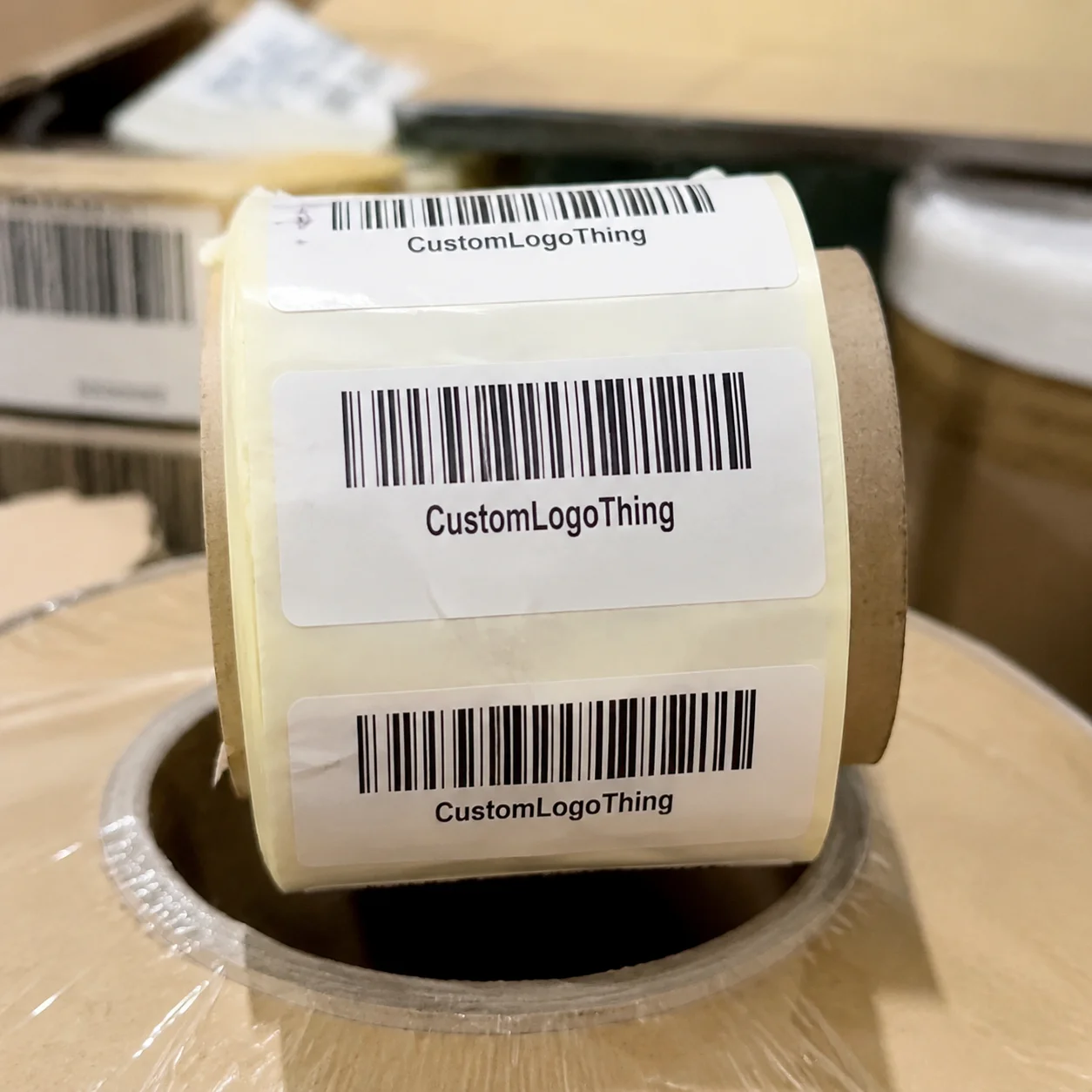
Buyer Fit Snapshot
| Best fit | Shipping Supplies for Small Business projects where brand print, material claims, artwork control, MOQ, and repeat-order consistency need to be specified before quoting. |
|---|---|
| Quote inputs | Share finished size, material target, print colors, finish, packing count, annual reorder estimate, ship-to region, and any compliance wording. |
| Proofing check | Approve dieline scale, logo placement, barcode or warning zones, color tolerance, closure strength, and carton packing before bulk production. |
| Main risk | Vague material claims, crowded artwork, missing packing details, or unclear freight terms can make a low unit price expensive after revisions. |
Fast answer: Shipping Supplies for Small Business: Quote Scope, Sample Proof, MOQ, and Lead Time should be specified like a repeatable production item. The safest quote records material, print method, finish, artwork proof, packing count, and reorder notes in one written spec.
Production checks before approval
Compare the actual filled-product size with the drawing, then confirm tolerance on folds, seals, hang holes, label areas, and retail display edges. Reserve space for logos, QR codes, warning copy, and material claims before decorative graphics fill the panel.
Quote comparison points
Review material grade, print process, finish, sampling route, tooling charges, carton quantity, and freight assumptions side by side. A quote is only useful when the supplier can repeat the same color, closure quality, and packing count on the next order.
What Shipping Supplies for Small Business Really Include
On a noisy packing floor in Edison, New Jersey, I watched a founder spend more on shipping supplies for small business than she needed to, not because she bought too many pieces, but because she bought the wrong mix: oversized cartons, three kinds of filler, and tape thick enough for industrial machinery. The order was for 12-ounce candles in simple glass jars, and the real fix was a tighter 9 x 9 x 6 corrugated box, one void fill choice, and a better sealing routine. I remember thinking, well, that box could have survived a minor earthquake, but the candle inside was just rattling around like it was on vacation. That pattern shows up constantly, and it is one of the most expensive mistakes I see in ecommerce shipping, especially when a parcel goes from a local New Jersey hub to a zone 8 address in California.
Shipping supplies for small business are the materials that keep an order safe, scannable, and presentable between the packing table and the customer’s doorstep. That usually includes corrugated boxes, poly mailers, padded mailers, carton-sealing tape, labels, void fill, stretch wrap, tissue, insert cards, and protective materials such as bubble wrap or paper cushion. In some operations, I also count custom logo mailers and printed inserts as part of the core kit because they affect both package protection and customer perception. A 350gsm C1S artboard insert card, for example, can feel far more polished than a flimsy 250gsm stock card, and the difference is obvious the moment the customer opens the box.
Basic shipping materials and branded custom packaging are not the same thing, even though they often sit on the same shelf. Plain materials are the workhorses: kraft boxes, stock poly mailers, and standard tape that gets the parcel closed and moving. Branded custom packaging adds printed boxes, logo mailers, tissue, and inserts that turn transit packaging into part of the brand story. For a small business shipping 30 orders a day, plain materials may be the smartest starting point. For a brand selling skincare, candles, apparel, or subscription items, custom pieces can pay for themselves if repeat purchase rate and unboxing matter, especially when the print run reaches 3,000 to 5,000 units and the per-unit cost drops to around $0.18 to $0.32 for simple one-color work.
I tell clients to think in terms of product fit, not shopping lists. A heavy ceramic mug needs different shipping supplies for small business than a folded T-shirt or a set of acrylic coasters. Fragility, weight, surface finish, and shipping distance decide the core kit. If a product scratches easily, it may need tissue and sleeve protection. If it arrives dented, corrugation strength and corner support matter more. If it ships coast to coast, package protection and seal integrity become far more important than saving a penny on filler. A product moving from a warehouse in Charlotte, North Carolina, to a customer in Phoenix will face far more handling touches than a local delivery within Atlanta.
The best setup is not a random pile of shipping materials stacked in the back room. It is a system with a job for each item. In my experience, the businesses that pack fastest are the ones that choose shipping supplies for small business around the product, then standardize that choice so every packer follows the same sequence. That is how a three-person fulfillment team starts acting like a real operation, and it is usually the difference between a 45-second pack cycle and a 22-second one during a busy holiday week.
How Shipping Supplies Work in the Order Fulfillment Process
Order fulfillment sounds simple on paper: pick the item, pack it, label it, ship it. On the floor, though, every supply has a role, and the wrong choice creates drag at each step. I have stood beside a belt line in Chicago where workers were packing 400 orders a day, and the difference between a 16-second pack cycle and a 27-second pack cycle came down to whether the packaging was pre-sized correctly. That gap adds up fast when you are managing shipping supplies for small business, especially if labor is running $18 to $24 per hour and every extra 10 seconds shows up on the payroll line.
Here is the basic flow. First, the picker retrieves the product from inventory. Next, the packer selects the right box or mailer, adds protective materials if needed, closes the package, and applies the label. After that, the parcel is scanned, sorted, and handed to the carrier. Each supply supports a specific stage: boxes protect structure, fillers stop movement, tape secures seams, and labels keep scan accuracy high. If any one of those steps is weak, the whole package becomes more expensive to ship and more likely to fail in transit. A poor seal on a 14 x 10 x 4 carton can mean a return from Denver that costs $12.40 to reship before the replacement even leaves the dock.
Boxes matter because they create the structural shell. Corrugated board, especially B-flute or E-flute for lighter items and stronger double-wall for heavier or crush-prone goods, gives the package a backbone. Poly mailers work well for soft goods like apparel because they are light and flexible, which reduces dimensional weight. Padded mailers are useful for smaller items with modest surface sensitivity. When the wrong format is chosen, shipping supplies for small business can quietly increase postage by 15% to 40% simply because the parcel takes up more cubic space than it should. That difference is easy to miss on a single order, but on 1,200 shipments a month it can become a four-figure expense.
Void fill has a very specific job: stop movement. Kraft paper, crinkle paper, bubble wrap, air pillows, and molded paper pulp all do this differently. A fragile item that rattles inside a carton is asking for a return. A well-packed box should pass a simple shake test with no internal movement. Tape keeps seams from opening under pressure and humidity, and I prefer pressure-sensitive tape with enough tack for the actual carton grade being used. A 2.7 mil acrylic tape may be fine for a lightweight mailer, but a heavier 32 ECT carton with a 6-pound item inside usually deserves stronger closure. Labels, meanwhile, need a clean, flat placement so scanners can read them quickly at the carrier hub. One crooked label can delay a parcel for a day if the barcode gets damaged or buried under a fold.
There is a repeatable timeline that small businesses can use without overcomplicating things:
- Receive inventory and verify counts against the packing list.
- Group products by pack format: mailer, single-wall box, or reinforced carton.
- Stage the right shipping supplies for small business at the packing bench.
- Pack the item, using inserts or filler only where product movement or presentation requires it.
- Seal seams, apply the shipping label, and perform a quick scan check.
- Set the parcel in the outbound lane for pickup or drop-off.
Once a company moves beyond off-the-shelf materials, suppliers and packaging factories start coordinating more closely. That means reviewing dieline specs, confirming print plates, approving proofs, and setting lead times for Custom Shipping Boxes or poly mailers. I have seen teams lose two full weeks because they assumed artwork approval and production could happen on the same day. It rarely works like that. If a factory in Dongguan, Guangdong, quotes 12 to 15 business days from proof approval, that schedule should be treated as real, not aspirational. Shipping supplies for small business are easy to buy off the shelf, but custom packaging needs planning, especially if the goal is a box that fits the product tightly and prints cleanly.
“We stopped treating packaging as an afterthought and our breakage rate dropped from 4.8% to under 1%,” a jewelry brand owner told me after we redesigned her mailer structure and removed one layer of unnecessary filler. “The savings showed up in returns first, then in labor.”
That is the practical lesson: shipping supplies for small business are not just materials, they are a workflow decision. If the packout is smoother, labor drops. If the box fits better, dimensional weight drops. If the label scans cleanly, mistakes drop. If customers open a parcel that looks deliberate instead of improvised, repeat orders tend to improve. On a 5,000-order month, even a 6-second improvement per pack can save more than eight labor hours.
What Shipping Supplies for Small Business Do You Actually Need?
The short answer is: the supplies that fit your product, your shipping method, and your pack station. A lot of owners start by buying whatever looks useful, then discover they have a shelf full of materials that do not match their actual order mix. Shipping supplies for small business work best when they are selected from the product outward, not from a catalog inward. That means choosing the outer carton or mailer first, then the tape, then the filler, then the finishing materials like tissue or inserts only if they help the customer or protect the item.
If you sell soft goods, a stock poly mailer may be enough for most of your orders, with a padded mailer reserved for items that need a little more surface protection. If you sell glass, ceramic, or electronics, you will likely need corrugated boxes, protective wrap, and a stricter sealing method. If you sell giftable items, you may want custom packaging pieces that improve the first impression without adding much weight. A small business shipping 80 apparel orders a week and 20 fragile gift sets a week does not need one universal solution; it needs two or three well-defined pack formats that the team can execute quickly.
A useful rule is to keep the list short at first. One box size, one mailer size, one filler material, and one tape grade often cover far more orders than owners expect. Over time, you can add a second carton or a printed insert if the data supports it. The moment the supply list starts getting longer than the product list, packing speed usually suffers. For most growing brands, shipping supplies for small business should make the operation easier to repeat, not harder to memorize.
Key Factors That Decide Which Supplies You Need
The right shipping supplies for small business start with measurement, not guesswork. I have visited more than one startup where the owner measured the product itself but forgot to account for tissue, inserts, inner trays, or a pouch. That extra half-inch can change the entire package structure. Measure length, width, height, and weight, then note whether the product has corners, glass surfaces, liquids, moving parts, or finishes that scratch easily. I once watched a team discover that their “perfect fit” box was only perfect if nobody remembered the foam insert, which, to be fair, is a pretty important detail when the insert is 1/4 inch EVA foam cut to hold the item upright.
Fragility is the biggest decision point. A ceramic tumbler and a cotton hoodie may both fit inside a similar-sized carton, but their risk profiles are not even close. The tumbler needs cushion, separation, and a stronger outer shell. The hoodie may only need a poly mailer or a slim carton if branding calls for it. Surface finish also matters. Matte-coated boxes, soft-touch sleeves, and printed surfaces can rub during transit, so the right shipping supplies for small business should protect the finish as much as the structure. A satin UV print on a rigid mailer can scuff if it rubs against an unlined carton wall for 1,500 miles.
Shipping method matters too. USPS, UPS, FedEx, and local delivery services each create different pressure points. USPS can be economical for compact lightweight items, while UPS and FedEx are often better for heavier cartons or volume contracts. A package with high dimensional weight may cost more because of its size than because of its actual mass. I have seen a client move from a 12 x 12 x 8 carton to a 10 x 8 x 6 box and save $1.36 per shipment on average, with no increase in damage, just because the package got tighter and smarter. Across 2,000 shipments, that is $2,720 in monthly savings, which is hard to ignore.
Branding is another factor, and this is where many owners get stuck between plain kraft and custom printed packaging. Plain boxes are simpler, cheaper, and usually easier to source. Custom Shipping Boxes, branded poly mailers, tissue, and inserts create a more memorable unboxing moment. For businesses with repeat customers or visual products, that can matter a lot. For commodity goods or thin-margin items, I usually recommend making the packaging functional first, then adding brand touches where they have the biggest impact. If you want to compare formats, the range at Custom Packaging Products is a helpful place to start.
Storage space can be a hidden constraint. A company with 180 square feet behind the retail counter cannot stack fifty different box SKUs and expect speed. That is not a packaging problem; it is a floor-layout problem. I worked with a subscription brand in Atlanta that reduced its ship station footprint by 30% simply by cutting five redundant box sizes and standardizing on two mailers and three cartons. The packing table got cleaner, and the team stopped wasting time hunting for inventory. Good shipping supplies for small business should fit the room you actually have, whether that room is a 120-square-foot back office in Austin or a 400-square-foot mezzanine in Nashville.
SKU count also changes the equation. If you sell three products, you can probably keep a narrow packaging range. If you sell thirty-seven products in multiple sizes, then your shipping materials need to be organized by family, not by individual item. That might mean one mailer size for soft goods, one small carton for accessories, and one reinforced box for heavier items. The goal is to reduce decision fatigue at the packing bench. The fewer choices a packer has to make, the faster order fulfillment runs, especially during a Friday-to-Monday promo cycle.
Here is a simple way to think about the decision tree:
- Low fragility + low weight: poly mailer, light paper label, minimal filler.
- Moderate fragility: padded mailer or single-wall box with kraft paper or bubble wrap.
- High fragility or high value: corrugated box, inner wrap, void fill, stronger tape, and a clean insert.
- Brand-sensitive goods: add custom printed mailers, tissue, or insert cards where the customer sees them first.
Those categories are not perfect, and they should not be treated like law. Some products need unusual setups because of temperature sensitivity, oil leakage risk, or return rates tied to fit issues. Still, this framework helps small businesses narrow shipping supplies for small business to a manageable list instead of buying everything in sight. A lip balm set, for instance, may need a foil barrier pouch in July shipping from Miami, while a winter scarf might only need a slim poly mailer and a branded card.
Shipping Supply Costs: What Small Businesses Should Budget
Pricing for shipping supplies for small business is usually built around unit cost, but that is only part of the story. A stock mailer might cost $0.18 each at 5,000 units, while a custom printed version could run $0.42 to $0.68 depending on size, colors, and finish. Corrugated boxes may range from $0.35 for a simple mailer-style carton to more than $1.20 for larger or double-wall constructions. Tape, labels, and filler look cheap on their own, yet they shape labor time, freight, and damage rates in ways that are easy to miss. A 2-inch x 110-yard roll of carton-sealing tape at $2.95 might look harmless until you need 48 rolls a month and start paying for the tape applicator refills as well.
Freight matters because packaging is bulky. If you buy 2,000 shipping boxes and pay separate LTL charges, the shipping cost can add a surprising amount to the landed price. I have seen businesses focus on a carton priced at $0.29 and forget that freight pushed it to $0.41 before a single box was used. Storage costs matter too. If shipping supplies for small business occupy a pallet position for six months, that space has value. So does waste. A box that is too large may need extra filler, and that filler costs money even if it looks harmless on the floor. At a warehouse in Los Angeles, a pallet of oversized cartons once sat so long that the “cheap” boxes ended up costing more per shipped order than a better-fitting alternative sourced from a plant in Ohio.
There is also the hidden cost of overpacking. One candle brand I worked with used six air pillows in every box because they felt safer. In practice, their damage rate was already low, and the extra pillows increased carton size enough to push several orders into a higher shipping bracket. After we tested a smaller box with kraft paper wrap, their annual packaging spend dropped by roughly 11% on a 9,000-order run. The key lesson was not “buy the cheapest thing.” It was “buy the right thing once.”
Custom packaging changes the cost structure again because tooling, print plates, and minimum order quantities can affect cash flow. A small business sourcing from a packaging manufacturer may need to order 1,000 or 2,500 units at a time, and that inventory sits until it ships. If a custom mailer includes a print plate fee of $150 to $300, that is not just a production line item; it is part of the decision to make the packaging part of the brand system. With Custom Poly Mailers, for example, the sweet spot depends on design complexity, material thickness, and how much visual impact the brand needs. A 200-micron poly mailer with one-color printing is a very different cost profile than a 70gsm kraft mailer with full-coverage graphics.
Budgeting works best when it is tied to order economics. I usually ask owners to calculate packaging as a percentage of average order value or gross margin, then compare that number against expected damage and return costs. For low-margin products, packaging might need to stay near 3% to 6% of revenue. For premium goods, 8% to 12% may be acceptable if the box experience supports repeat purchases. There is no universal formula, and I would be cautious of anyone who claims there is. A $28 order shipping from Indianapolis may need a very different packaging ratio than a $140 order leaving a boutique in Seattle.
A simple budgeting framework for shipping supplies for small business looks like this:
- Base materials: boxes, mailers, tape, labels, filler.
- Freight and receiving: inbound shipping or pallet delivery costs.
- Labor impact: extra seconds per pack multiplied by daily orders.
- Damage allowance: returns, replacements, and reshipment costs.
- Brand value: custom print, insert cards, tissue, and perceived quality.
From a supplier side, I have negotiated enough carton pricing to know that volume breaks can look attractive but still be wrong for a small operation. Buying 10,000 units at a great price is not helpful if your monthly volume is 800 and your storage is a spare closet. Shipping supplies for small business should support cash flow, not trap it. A tighter 90-day buying plan often beats a “best price” purchase that ties up $4,800 in inventory.
Step-by-Step: Building the Right Shipping Supplies Kit
The cleanest way to build shipping supplies for small business is to start with a product audit. Measure every SKU, weigh it, note the finish, and mark whether it can scratch, crush, bend, leak, or break. I like to sort items into shipping families, because that is how the packing floor actually thinks. A product that ships in a padded mailer goes into one family, while a fragile ceramic or glass item belongs in a box family with higher package protection requirements. If a product is 6.2 ounces and 4.5 inches tall, that number belongs in the spec sheet, not in someone’s memory.
Once the audit is done, choose a primary mailer or box size range. I usually recommend one or two primary formats before adding specialty items. A lot of small businesses make packing harder by purchasing six box sizes for five products. That sounds organized, but it creates clutter and slows down the whole station. Shipping supplies for small business work best when the range is tight and predictable. If a product fits in a 9 x 6 x 2 mailer with a sleeve, keep that as the standard unless the product changes. In many cases, the difference between a 9 x 6 x 2 and a 10 x 8 x 3 box is not protection; it is just more air.
Then add the protective materials. Kraft paper is great for filling dead space without adding much weight. Bubble wrap is still useful for impact-sensitive items, especially where corners need to survive drops. Tissue can protect finishes and improve presentation for apparel, beauty, or gift items. Insert cards can explain assembly, returns, or care instructions. If you are considering a box format, Custom Shipping Boxes are often worth pricing alongside stock cartons, especially if your products have a repeatable footprint. A 350gsm C1S artboard insert printed in one Pantone color can elevate a simple box without adding much weight, and in many factories the marginal cost is only a few cents per set at scale.
Next comes the test pack. This is where real experience saves money. I always tell clients to pack ten real orders, not one ideal sample. Time the process. Measure the seal quality. Shake the carton. Drop it from about 30 inches if the product is appropriate for a simple handling test, and inspect the seams. For more formal testing, standards from ISTA can guide how packages are evaluated, especially if you are shipping fragile or high-value items; the International Safe Transit Association publishes useful resources at ista.org. If your operation is more packaging-spec focused, the trade association at packaging.org is a solid reference point too. If a sample order survives a 24-inch drop on each face, edge, and corner, you know more than a catalog page can tell you.
After the test, adjust the supply mix. Maybe the box is right but the tape is weak. Maybe the mailer is great but the label area is too small. Maybe the insert card needs to sit on top instead of beneath the product. I have seen packing lines improve dramatically after just one round of test packs. One apparel client in Dallas cut pack time from 52 seconds to 34 seconds per order by swapping loose tissue for pre-folded sheets and standardizing the way they staged their supplies. And yes, there was a brief moment where everyone complained that the old way was “fine,” which is usually the last thing people say before the numbers prove otherwise.
Finally, set a reorder system with par levels. That means deciding the minimum quantity you want on hand before you reorder. A common mistake is to wait until the last case is open. That is how stockouts happen on a Friday afternoon. For shipping supplies for small business, I like a reorder trigger that leaves at least two weeks of buffer, or longer if the item has a custom lead time. If your supplier needs 12 to 15 business days after proof approval, plan around that reality. Good operations are built on calendars, not hope, and custom packaging from factories in Shenzhen, Dongguan, or Xiamen should be scheduled with freight, customs clearance, and domestic receiving time already baked in.
Here is a practical starter kit for many small businesses:
- One or two box sizes, or one mailer size if the product allows it.
- Carton-sealing tape with a dispenser that cuts cleanly.
- Shipping labels sized to your printer and carrier software.
- Kraft paper, bubble wrap, or another protective filler.
- Insert cards or tissue only if they add value to the customer experience.
That kit is enough for many first-stage operations. As volume grows, shipping supplies for small business should evolve with the product mix, not ahead of it. Too many companies buy for the fantasy version of their business instead of the one that is actually shipping 120 orders this week. A business shipping 120 orders from Portland needs a different inventory rhythm than one shipping 20,000 monthly from a 3PL in Dallas.
Common Mistakes Small Businesses Make with Shipping Supplies
The first mistake is using too many package sizes. I worked with a small skincare brand that had eleven carton SKUs for seventeen products. The warehouse looked organized to the owner, but the packers were slowing down because every order required a fresh size decision. We cut the system down to four formats and shaved measurable time off every shift. Shipping supplies for small business should reduce choices, not multiply them, especially if your team is trying to ship before a 4 p.m. carrier cutoff.
The second mistake is oversizing boxes. Bigger is not safer by default. A larger carton means more void fill, more tape, more storage, and often higher postage because of dimensional weight. I have seen a 10-ounce product ship in a box that weighed the carrier as if it were a 3-pound parcel because the dimensions were so generous. If you want lower shipping costs, right-sizing is usually the quickest win. A move from a 12 x 9 x 4 box to a 10 x 7 x 3 carton can cut both air space and filler cost in one decision.
Low-grade tape is another problem. I have heard the phrase “good enough tape” more times than I can count, and it usually ends with a split seam on a wet dock or a package that opens during sortation. Tape should match the board grade and the package weight. A 200-pound burst-strength carton with a heavy item inside needs better closure than a single lightweight mailer. If you are using shipping supplies for small business to save time, do not save pennies in the one place that keeps the box closed. A roll that costs $1.80 instead of $1.15 can prevent a $19.50 reshipment.
Another common mistake is skipping fit tests and trusting catalog dimensions blindly. A box listed as 8 x 6 x 4 may not actually suit your product once an insert, bag, sleeve, or protective wrap is included. I have seen owners order 1,000 boxes and discover the item fits only if the flap is bent or the lid bulges. That is an expensive lesson. Test with real product, real inserts, and real packers before you commit. If the packaging is meant for a 7.75-inch candle but the candle plus insert card comes to 8.1 inches, that quarter-inch becomes a costly problem.
Buying based only on low upfront price is the last big error. A cheaper carton can cost more after freight, damage, labor, and customer complaints are added in. I call that the landmine effect: the price looks small on the invoice, then the hidden costs explode later. The smartest shipping supplies for small business are the ones that lower total landed cost, protect the product, and keep the brand presentation intact. A box at $0.31 that ships well is usually better than a box at $0.24 that triggers a $7.95 replacement shipment.
There is also an environmental angle. The U.S. Environmental Protection Agency has practical guidance around waste reduction and materials management at epa.gov, and that matters because excessive filler, oversized cartons, and unnecessary mixed materials create avoidable waste. I am not saying every business needs fancy green claims. I am saying a tighter packout often reduces waste naturally, without making the operation more complicated. In many cases, switching from plastic air pillows to recycled kraft paper can cut mixed-material disposal headaches in half.
Expert Tips for Faster Packing, Lower Damage, and Better Presentation
One of the simplest ways to speed up packing is to standardize the station. Pre-sort shipping supplies for small business by job: one bin for labels, one for tape, one for filler, one for inserts, and one for the primary mailer or box. I learned this on a fulfillment line where a small cosmetics brand cut pick-and-pack motion by nearly a third just by changing how supplies were staged. Less reaching means less fatigue, and less fatigue means fewer mistakes. If the label printer is within one arm’s length and the tape gun hangs at hip height, your packers will feel the difference by the end of a 6-hour shift.
Keep the packaging range tight. A few proven formats beat a long list of barely-used sizes. If one mailer handles 60% of your orders, make that the hero size. If one carton handles another 25%, protect that format and build the rest of the kit around it. Shipping supplies for small business perform best when the operation is designed around the most common order, not the outlier. A business shipping 80 units of one SKU and 12 units of another should not build its whole system around the 12.
Add branded touches where the customer will notice them first. For some brands, that means an insert card with a care message and a return reminder. For others, it means tissue paper, a logo sticker, or a printed outer mailer. I would not brand everything by default. That often turns into waste. Instead, choose one or two high-visibility items and let the rest stay functional. If the customer sees a custom surface, a clean fold, and a tidy seal, the package already feels considered. A logo sticker printed in one spot color on a 1.5-inch circle can do more for perception than a full-color box if the rest of the packout is neat.
Sample kits are worth the time. I ask suppliers for sample runs before anyone orders at scale, especially if the project involves Custom Shipping Boxes or logo mailers. Test the board strength, print alignment, seam integrity, and how the package behaves after a short drop test. If the board feels too soft or the print scuffs easily, fix it before production. That is much easier than explaining a bad packout after 5,000 units are already in the building. A factory in Ningbo can often revise a sample within 3 to 5 business days, but only if the feedback is specific and measured.
Work with a packaging partner that can translate product specs into a factory-ready structure. That means giving them dimensions, weight, product photos, packing goals, and shipping method details. A good supplier will not just sell you shipping supplies for small business; they will help you decide whether the product belongs in a mailer, carton, tray, or custom insert system. In my experience, that consultative step is what saves the most money over time. The right partner may suggest a 1.8mm gray board rigid box instead of a heavier corrugated carton if the product is premium but not crush-sensitive.
There is one more tip I share often: treat the unboxing sequence like a small ritual. A customer should not have to rip through three layers to get to the product. A neat opening experience can still be practical. A well-placed insert card, a paper wrap, and a tight seal create a premium feel without creating a labor nightmare. If you want the package to carry the brand, the structure has to be clean before the graphics ever matter. A packout that opens in under 10 seconds feels thoughtful; one that requires scissors and frustration does not.
For brands that want a tighter fit and a cleaner front-end presentation, a smart mix of shipping supplies for small business and custom pieces can strike the balance. The right blend is rarely the cheapest box on the shelf. It is the one that packs quickly, arrives intact, and gives the customer a reason to remember the order. A carton from a manufacturer in Guangzhou with a 300gsm printed sleeve may cost a bit more, but if it cuts damage and improves repeat purchase rate, the math usually works out.
Shipping Supplies for Small Business: decision table
| Decision area | Best fit | What to verify | Risk if skipped |
|---|---|---|---|
| Board or flute choice | Product protection, stacking strength, and shipping distance | Caliper/flute, crush resistance, and sample fit | Weak structure or oversized cartons increase damage and freight cost |
| Print and finish | Retail presentation, unboxing, and shelf recognition | Color proof, coating, scuff resistance, and logo placement | A good dieline can still look cheap if finish and color drift |
| Packing method | Hand packing, ecommerce fulfillment, or retail-ready cartons | Inner count, master carton, label position, and warehouse handling | Good packaging slows operations if pack-out is ignored |
FAQs
What shipping supplies for small business do I need first?
Start with one or two box or mailer sizes, shipping tape, labels, and basic protective materials like paper fill or bubble wrap. Add specialty supplies only after reviewing your product sizes, fragility, and shipping method. For many small shops, that starter set is enough to handle the first few hundred orders without overcomplicating the bench. If you are shipping 200 orders a month from a kitchen-table operation, a 10 x 13 poly mailer and a 12 x 8 x 4 carton may cover most of your needs.
How do I know which shipping supplies for small business are cheapest overall?
Compare not just unit price but also freight, storage space, packing time, and damage rates. A slightly more expensive box can cost less overall if it reduces void fill and lowers shipping charges. I have seen a $0.11 difference in box price disappear completely once postage and labor were accounted for. If one carton saves 18 seconds per order and you ship 1,500 orders a month, the labor savings alone can outweigh the unit price difference.
Should I use custom packaging or standard shipping supplies for small business orders?
Use standard supplies for low-margin, low-visibility shipments where function matters most. Choose Custom Packaging when branding, repeat purchases, or unboxing experience can influence customer retention. If your product sells on appearance or gift appeal, custom often earns its keep sooner than people expect. A simple one-color logo on a stock mailer can be enough if the rest of the packout is clean and the product arrives undamaged.
How long does it take to switch shipping supplies for small business operations?
Simple stock-supply changes can happen quickly once sizes are confirmed and inventory is on hand. Custom packaging typically takes longer because sampling, approvals, and production must be completed before full rollout. Depending on art approval and factory scheduling, custom projects can take several weeks from first proof to delivery. A typical factory schedule might be 12 to 15 business days from proof approval, plus 5 to 10 business days for ocean or domestic freight depending on the origin and destination.
What is the most common mistake with shipping supplies for small business?
The biggest mistake is buying packaging before measuring the product and testing a real packout. That usually leads to oversized boxes, wasted filler, slower packing, and unnecessary shipping costs. In plain terms, the box should fit the product and the workflow, not the other way around. If the finished pack weighs 14 ounces but the carton and filler push it to 1.2 pounds, the shipping bill will tell you quickly that the system is wrong.
If you are building out shipping supplies for small business and want a practical starting point, begin with your actual order mix, not a catalog fantasy. Measure the products, choose the smallest packaging that protects them, and test the packout before buying in volume. That is the same method I have used on factory floors from Shenzhen to Ohio, and it holds up because it respects both the product and the people packing it. Whether the supply comes from a warehouse in Columbus or a converting plant in Guangdong, the principle stays the same: fit comes first.
When the system is right, shipping supplies for small business stop feeling like an expense pile and start functioning like an operations tool. Orders go out faster, cartons fit better, and customers receive packages that arrive intact and look intentional. That is the kind of result most owners want, even if they never say it that directly. A well-tuned pack station can save 2 to 5 minutes per ten orders, which adds up quickly over a month.
For brands ready to move past guesswork, a thoughtful mix of shipping supplies for small business, order fulfillment discipline, and the right custom packaging choices can make the whole shipping lane calmer, cleaner, and more profitable. Start with the product, test the packout, and standardize the materials that actually earn their place on the bench. That approach keeps costs grounded and the work a whole lot easier to manage.