Stationery Refill Plastic Bags Carton Quote Worksheet
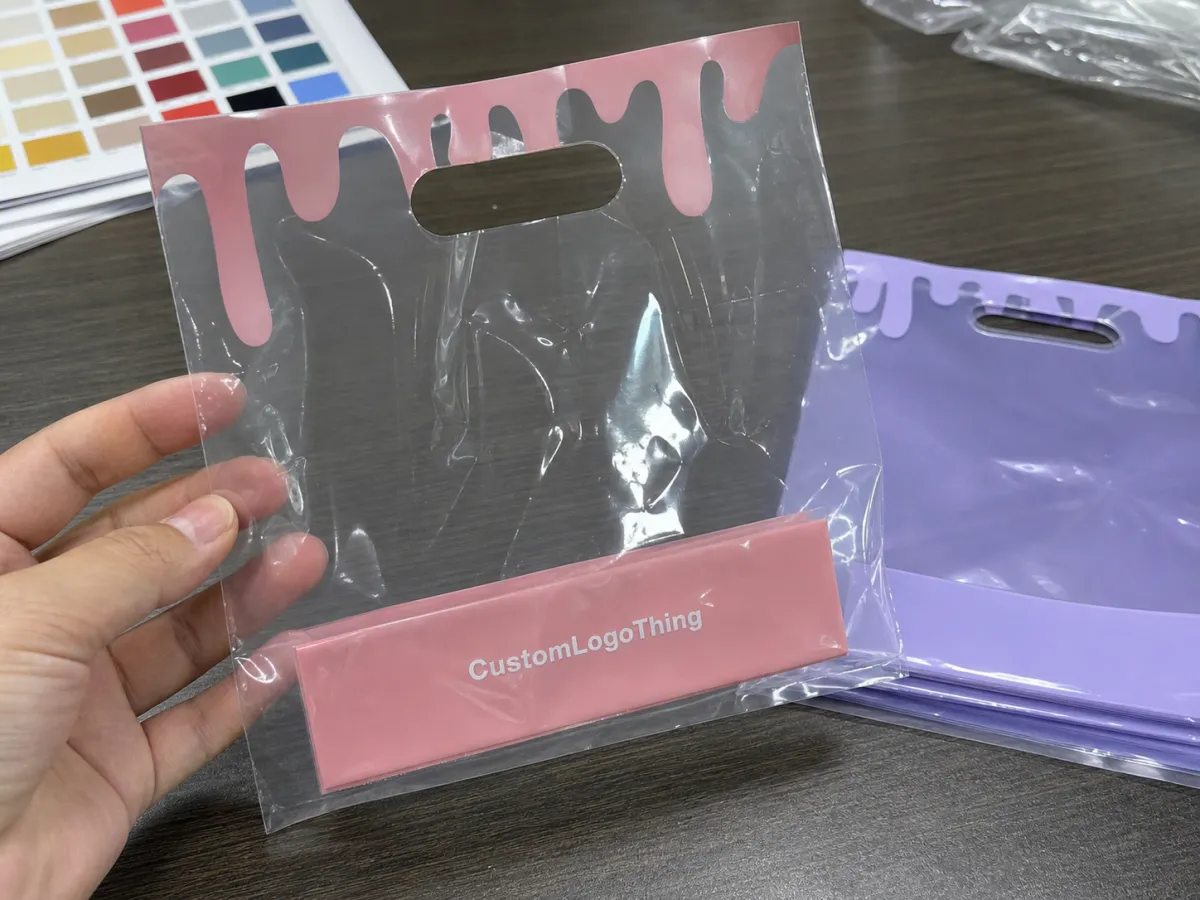
Stationery refills look simple on a packing table. They are usually light, flat, and orderly. Yet one small miss in bag gauge, seal width, or carton count can lead to crushed paper corners, loose movement inside the carton, slow loading, or freight cost that rises faster than the product value. A stationery Refill Plastic Bags Carton quote worksheet turns a vague inquiry into a usable specification sheet, so the buyer, printer, converter, and packing team are all quoting the same item.
Speed comes from precision. If the bag size, film structure, print colors, order quantity, closure type, pack count, carton limit, and delivery details are known early, the quote can be built on real production assumptions instead of guesswork. Samples also come back closer to the final bag because the basic decisions have already been made.
Many stationery packaging problems start with the same mistake: the bag is treated as a final afterthought. The product team knows the refill itself. The packaging team still has to translate that refill into film, seal, print, carton, and handling language. That translation is where most delays and cost surprises begin.
The value of a stationery refill plastic Bags Carton Quote worksheet is simple. It captures the details that make a bag printable, packable, shippable, and repeatable. “Clear bag with logo” is not enough. Packed thickness, adhesive flap position, barcode area, carton weight target, and inner pack method can all change the quote.
Packaging floor rule: a refill bag should load cleanly, protect the product through carton handling, scan properly if barcoded, and present the brand without making the pack harder or more expensive to run.
What the Bag Must Protect Before It Can Promote
A stationery refill bag usually has two jobs. First, it keeps the refill set clean, counted, and organized. Second, it presents the brand clearly at retail, in a subscription kit, through e-commerce fulfillment, or inside a master carton. If the first job fails, the second one does not matter much.
Different refill products stress the bag in different ways. Pencil leads are thin and brittle, so puncture awareness and corner pressure matter. Ink refills need rub resistance and leak awareness, especially if caps can shift during transit. Erasers can transfer odor into low-grade film. Paper refills need moisture protection, flatness, and corner protection because even a slight curl can make the pack look cheap.
Measure the actual packed stack, not only the catalog size. A 100 mm item with a 6 mm packed thickness does not behave like a flat card. For manual loading, buyers often need 3-8 mm of width tolerance and 5-12 mm of length tolerance depending on stiffness, operator speed, and closure type. Too tight, and workers fight the opening. Too loose, and the bag wrinkles, shifts in the carton, and looks oversized on the shelf.
Common formats include bottom seal bags, side seal bags, flap bags with adhesive strip, resealable zipper bags, wicketed bags for faster hand or semi-automatic loading, and header bags for peg display. A bottom seal bag can be economical for simple refills. A zipper bag adds reuse value but also adds material and converting cost. A header bag gives retail display space, though it needs a stronger seal and a confirmed hang-hole position.
Film appearance changes the message. Clear film shows the refill immediately. Frosted film softens the look and hides minor scuffing. White film gives stronger logo contrast. Fully printed film can carry brand color, compliance text, and a barcode area, but it needs tighter artwork control. A quote worksheet should state whether the bag is meant for visibility, privacy, brand impact, warehouse handling, or some mix of those goals.
Material, Film Gauge, Printing, and Carton Specifications
Material selection should match the refill, the sales channel, and the packing method. LDPE is common for softer bags that open easily and tolerate handling. HDPE has a crisper, more economical feel, though it can sound louder and crease differently. CPP and OPP are useful where high clarity and a cleaner retail face matter. Laminated structures, such as PET/PE or OPP/CPP, add stiffness, print quality, and sometimes barrier performance, but they are not necessary for every refill order.
Gauge selection needs practical judgment. Lightweight flat paper refills may work in thinner films around 30-45 microns, depending on size and carton compression. Mixed kits with clips, sharp corners, metal parts, or repeated handling may need 50-80 microns or a laminated structure. Very small bags can feel stiff at a gauge that works nicely on a larger pouch, so the same material should not be copied blindly across every SKU.
Printing is another place where a stationery Refill Plastic Bags carton quote worksheet saves time. Buyers should prepare editable vector artwork when possible, plus logo file format, number of colors, print coverage, front-only or two-sided print, barcode area, warning text, recycling mark, country-of-origin statement, and any retailer compliance copy. If the pack needs a UPC or EAN barcode, the quiet zone and print contrast should be protected; shrinking the barcode to “make it fit” can create scan failures later.
For carton specifications, the quote should state inner pack quantity, bags per bundle, bundles per carton, estimated gross weight, carton dimensions, shipping marks, and whether cartons must be plain, printed, or matched to warehouse labels. For light stationery refills, carton volume often matters more than weight. A carton that is half empty because the bag is oversized can raise freight cost quickly.
| Bag Structure | Best Use | Typical Gauge Range | Cost Notes |
|---|---|---|---|
| LDPE flap bag | Warehouse refills, paper inserts, basic sets | 30-60 microns | Often economical; adhesive strip and flap length affect price |
| OPP or CPP clear bag | Retail-facing refills with strong product visibility | 25-50 microns | High clarity; may need careful sizing to avoid cracking or tearing |
| Resealable zipper bag | Multi-use refill kits, small parts, premium stationery sets | 50-90 microns | Higher converting cost; useful where reuse is part of the value |
| Laminated printed pouch | Premium retail, stronger print coverage, added stiffness | 60-100 microns total | May require plate or cylinder charges and higher MOQ |
Before bulk approval, test fit, seal strength, ink rub, product insertion speed, and carton compression. ASTM packaging test methods and ISTA distribution guidance, including resources from ISTA, are useful references when refills move through parcel or mixed distribution channels. Not every stationery refill needs formal lab testing, but the thinking behind those standards helps buyers ask better questions.
Pricing, MOQ, and Unit Cost Factors Buyers Should Expect
Bag pricing is not a single square-inch calculation. Film type, bag size, gauge, print colors, ink coverage, closure style, packing method, order quantity, scrap allowance, and carton requirements all move the number. A plain clear LDPE bag for 10,000 pieces may sit in a very different range from a two-color printed zipper bag at the same size.
As a planning reference, simple custom-sized clear bags may price around $0.03-$0.08 per unit at mid-volume, while printed retail refill bags can range from about $0.08-$0.22 per unit depending on size, color count, gauge, closure, and packing. Small premium laminated pouches may run higher, especially at lower quantities. These are working ranges, not promises. Resin price, order size, artwork, and freight terms all change the final quote.
MOQ depends on material roll width, print setup, ink changes, tooling, and whether the bag is stock-style, custom sized, or fully printed. Plain bags sometimes allow lower quantities. Printed custom refill bags usually need enough volume to justify setup and keep waste under control. A stationery Refill Plastic Bags Carton quote worksheet should ask for at least two or three quantity tiers, such as 5,000, 10,000, and 25,000 pieces, so purchasing can compare cash flow against per-bag savings.
One-time charges may include plates, cylinders, special tooling, sample fees, or artwork adjustment. Variable costs include film, printing, converting, adhesive strips, zipper profile, labor, carton packing, and freight. For repeat refill programs, the setup burden drops once the artwork, bag structure, and carton pack are stable.
Carton packing can quietly change the delivered unit cost. A lower bag price can be offset by oversized cartons, low carton counts, too many inner bags, or inefficient pallet loading. For example, 500 bags per carton may be easy to count but may waste air if the refill pack is small. 1,000 or 2,000 per carton can reduce carton and freight cost, as long as weight, compression, and warehouse handling remain acceptable.
Use the worksheet to capture assumptions behind each quote. That makes comparison honest. If one supplier quotes 40-micron LDPE, 1-color print, 1,000 per carton, and no inner packs, while another quotes 60-micron LDPE, 2-color print, 500 per carton, and export cartons, the headline unit price is not comparing the same thing.
Production Steps, Lead Time, and Approval Timeline
The normal path runs in a clear sequence: worksheet review, specification confirmation, artwork check, price quote, sample or digital proof, production approval, film extrusion or sourcing, printing, converting, quality inspection, carton packing, and dispatch. If any early detail is missing, the schedule does not really start; it pauses while the team fills gaps.
Lead time depends on customization level. Plain or lightly customized bags can move faster, sometimes around 7-12 business days after approval if material is available and the size is straightforward. Printed, laminated, zipper, header, or specially sized bags often need 15-25 business days after proof approval. Larger orders, special films, or retailer compliance reviews can add time.
Several delays are preventable. Missing dielines, unclear barcode size, undecided carton quantity, last-minute copy changes, and late product samples all create friction. A bag can be priced from dimensions, but a physical product sample is better when the refill is sharp, fragile, premium, or difficult to load.
Approve each detail deliberately: dimensions, material, gauge, print position, color reference, seal type, closure function, pack count, carton mark, and shipping address. For color, use Pantone or a defined CMYK target where possible, and remember that ink on clear or frosted film does not read exactly like ink on white paper.
A stationery refill Plastic Bags Carton quote worksheet shortens the timeline because engineering, costing, printing, and packing decisions are aligned before production starts. That does not remove every risk. It removes the avoidable ones.
- Measure the product stack and confirm loading tolerance.
- Choose the bag format, film, gauge, and closure.
- Check artwork, barcode, warning copy, and print colors.
- Set carton count, carton size target, and shipping marks.
- Approve proof or sample before bulk production begins.
Quality Checks That Prevent Refill Bag Problems
Quality starts with measurable checks. For stationery refill plastic bags, the key checkpoints are film thickness consistency, seal strength, bag opening ease, print registration, ink adhesion, odor, clarity, carton count accuracy, and barcode scan quality. None of these are glamorous. They are the checks that keep packing lines and receiving teams from losing time.
Common failure points are easy to picture if you have watched a packing table for even ten minutes. Bags that are too tight slow manual loading. Adhesive flaps can catch on paper inserts. Weak seals can split around sharp refills. Printed areas may scuff during carton transit if ink adhesion or slip level is not suitable. Zipper bags can look good but feel poor if the track is too hard for the end user to close.
Tolerances should be confirmed before approval. Plastic film and heat sealing have allowable variation, and a fair quote should define acceptable dimensional range, gauge tolerance, print position tolerance, and carton count method. For many flexible bags, a small size variation is normal; the question is whether that variation still protects the refill and works with the packing process.
Test the packed bag inside the intended carton. A bag may pass visual inspection on a bench and still crease, bow, or shift when stacked in retail-ready quantities. For paper refills and notebook inserts, carton compression and edge pressure are especially important because the product may be light but visually unforgiving.
Compliance and labeling requirements depend on market and sales channel. Suffocation warnings, recycling symbols, material identification, country-of-origin copy, and retail barcode space should be confirmed with the buyer's compliance team or retailer guide. The U.S. Environmental Protection Agency offers useful background on packaging and recycling topics at epa.gov/recycle, but local rules and retailer requirements still need direct confirmation.
The practical benefit of a stationery refill plastic bags carton quote worksheet is that quality is designed into the order instead of being inspected after thousands of bags have already been made.
Information to Prepare Before Requesting a Quote
Gather the basics before asking for price. Product dimensions, packed product thickness, target bag size, material preference, gauge, closure type, print requirements, order quantity, and ship-to location should all be included. If you are not sure about film or gauge, say so. A manufacturer can recommend options faster when the product and handling requirements are clear.
Photos help. Current packaging helps even more. If the order is a reorder or a replacement for an existing refill pouch, send front, back, seal, opening, and carton photos. A physical sample is better because the production team can feel the film, check seal placement, see the opening style, and understand the carton pack method.
Artwork should be supplied in editable vector format such as AI, EPS, or PDF when possible. Include brand colors, barcode files, warning copy, recycling marks, and country-of-origin text as separate, editable elements. A flattened low-resolution image can help as a reference, but it is not enough for clean printed production.
Decide whether the quote should include cartons, inner packing, palletization notes, or export packing. These details affect both pricing and logistics. If the receiving warehouse requires carton labels on two sides, maximum carton weight under 15 kg, or a specific carton count, put it into the worksheet instead of adding it after the price is issued.
Also share the intended packing method: hand loading, semi-automatic packing, line-fed loading, or kitting at a fulfillment center. The best bag format changes with speed. A flap bag that works nicely for slow hand loading may not be ideal for an operator loading hundreds per hour. A wicketed bag may cost more per piece but save labor in the right setting.
For a quote-ready handoff, send the completed worksheet with photos, target quantity, and artwork files to the Packaging Supplier That will run the job. The more complete the inputs, the more exact the price, sample plan, and production schedule will be.
Next Steps for Turning the Worksheet Into an Order
Start with measurement. Measure the refill product length, width, and packed thickness, then choose the preferred bag format. Confirm the print area, decide the carton count, and select two or three quantity tiers for pricing. That gives purchasing a clean view of unit cost at different volumes.
Send the worksheet with product photos, current packaging if available, editable artwork, barcode files, and any retailer or warehouse packing rules. If you already know the required carton mark, inner pack count, pallet height limit, or ship-to destination, include those details as well. Good quotes are built on facts, not assumptions.
The supplier should respond with material recommendations, cost drivers, sample options, MOQ guidance, and carton packing suggestions based on the worksheet. Sometimes the right answer is a simpler bag than expected. Sometimes a slightly heavier gauge or better carton plan prevents more cost than it adds.
Review the quote line by line before approving samples or production. Check material, gauge, size, print colors, closure style, carton quantity, lead time, shipping terms, and any one-time charges. If two quote options are presented, compare the full specification, not only the lowest unit price.
Send the details only after the worksheet is complete. A finished stationery refill plastic bags carton quote worksheet gives purchasing and production the same reference point, which makes the order easier to price, sample, approve, and repeat.
FAQ
What should I include in a stationery refill plastic bag quote request?
Include product dimensions, packed thickness, target bag size, material, gauge, closure style, print colors, order quantity, carton count, shipping destination, and whether you need samples before production. Add photos, current packaging, or a physical sample when possible so the bag structure and carton packing can be matched more accurately.
How does carton quantity affect the price of stationery refill bags?
Carton quantity affects labor, carton size, freight efficiency, and warehouse handling, so it can change the delivered unit cost even when the bag itself stays the same. A quote should state bags per inner pack, inner packs per carton, carton dimensions, estimated carton weight, and carton marking requirements.
What MOQ should I expect for custom printed stationery refill plastic bags?
MOQ depends on bag size, film type, print method, number of colors, and whether the bag uses a standard or custom structure. Plain or simple bags may allow lower quantities, while fully printed custom sizes generally need higher volume to cover setup, material efficiency, ink preparation, and converting waste.
Can I use one worksheet for several stationery refill bag sizes?
Yes, but each size should have its own line with exact dimensions, gauge, print differences, closure type, and carton pack count. Keeping the versions separate prevents pricing errors and helps production avoid mixing similar but non-interchangeable bags during sampling and bulk packing.
How long does it take to get a carton quote for refill plastic bags?
A quote can usually be prepared faster when the worksheet includes complete dimensions, artwork details, order quantity, carton requirements, and shipping location. Samples, printed proofs, special film structures, or missing artwork can extend the timeline because those items require technical review before production approval.

