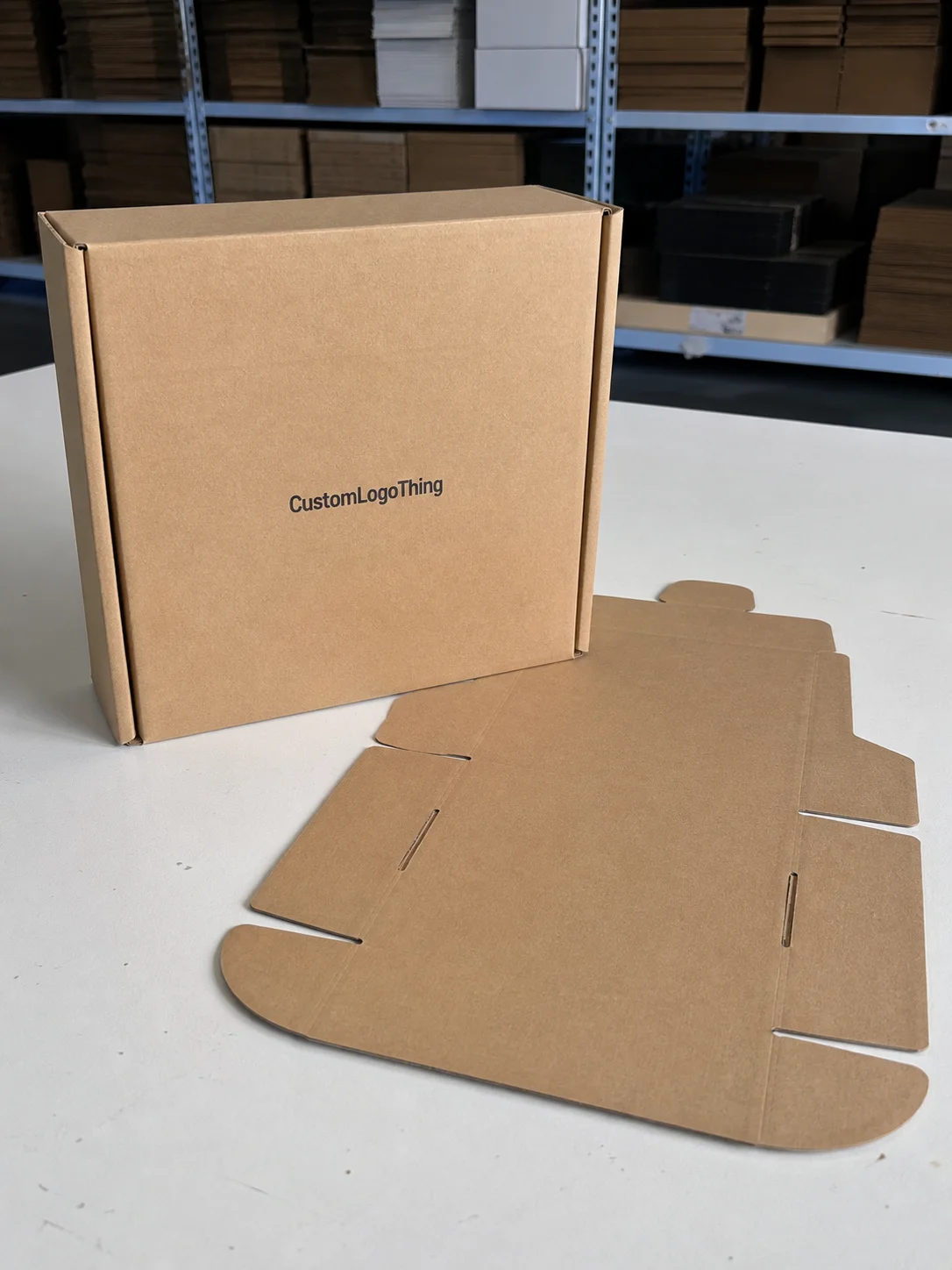
Buyer Fit Snapshot
| Best fit | Shipping Supplies Supplier projects where brand print, material claims, artwork control, MOQ, and repeat-order consistency need to be specified before quoting. |
|---|---|
| Quote inputs | Share finished size, material target, print colors, finish, packing count, annual reorder estimate, ship-to region, and any compliance wording. |
| Proofing check | Approve dieline scale, logo placement, barcode or warning zones, color tolerance, closure strength, and carton packing before bulk production. |
| Main risk | Vague material claims, crowded artwork, missing packing details, or unclear freight terms can make a low unit price expensive after revisions. |
Fast answer: Shipping Supplies Supplier: Material, Print, Proofing, and Reorder Risk should be specified like a repeatable production item. The safest quote records material, print method, finish, artwork proof, packing count, and reorder notes in one written spec.
Production checks before approval
Compare the actual filled-product size with the drawing, then confirm tolerance on folds, seals, hang holes, label areas, and retail display edges. Reserve space for logos, QR codes, warning copy, and material claims before decorative graphics fill the panel.
Quote comparison points
Review material grade, print process, finish, sampling route, tooling charges, carton quantity, and freight assumptions side by side. A quote is only useful when the supplier can repeat the same color, closure quality, and packing count on the next order.
Most businesses think they have a shipping problem, but what they really have is a packaging decision problem. I’ve watched a 10-cent carton change the entire damage rate in a warehouse, and I’ve seen the wrong tape grade turn a smooth order fulfillment line into a pile of repacks, apologies, and re-shipments. That’s why this shipping supplies supplier guide matters so much for any team trying to ship smarter without inflating costs.
At Custom Logo Things, the goal is not just to buy boxes and tape. It is to understand how shipping materials behave in real transit packaging conditions, how they affect dimensional weight, and how a supplier fits into your operating rhythm. I’ve worked with brands that needed 200 cartons a week and manufacturers that burned through 20,000 poly mailers before lunch; the same supplier rules do not always apply, but the decision framework does.
There’s a reason seasoned procurement teams get a little picky about packaging specs. A box that looks fine on paper can still fail once it meets the realities of a conveyor line, a drop from a dock plate, or a damp trailer in peak season. That gap between “looks right” and “works right” is where costs hide.
What a Shipping Supplies Supplier Actually Does
A shipping supplies supplier provides the packaging items that hold, protect, seal, label, cushion, and secure products while they move through the supply chain. That can include corrugated cartons, mailers, poly bags, labels, tape, stretch film, corner protectors, foam inserts, void fill, strapping, pallet wrap, and even accessories like carton seals and dunnage bags. In a practical sense, a strong shipping supplies supplier guide should help you see that the box is only one part of the system.
I once visited a cosmetics fulfillment line in New Jersey where the team was losing money on damages, and the issue was not the product itself. The box was three inches too wide, so the inserts shifted, the lip balm cartons rattled, and the warehouse kept adding extra void fill to compensate. That tiny mismatch drove up package protection cost, labor time, and freight because the parcel crossed a dimensional threshold. Honestly, I think that is one of the most common mistakes businesses make.
There is also a real difference between a reseller, a distributor, and a manufacturer-direct supplier. A reseller may offer convenience and a broad catalog, but pricing can be less flexible and quality control may depend on a third party. A distributor often has strong access to stock items and regional inventory, while a manufacturer-direct supplier can usually offer tighter control over specs, printing, and lead times. In my shipping supplies supplier guide conversations with clients, I always ask which model they are dealing with before discussing price.
Who needs this guidance most? E-commerce brands shipping daily parcels, 3PLs managing mixed client SKUs, retail shippers with seasonal spikes, and manufacturers shipping fragile parts or high-volume cases all need a clear sourcing strategy. If your team relies on shipping materials every day, the supplier relationship affects speed, order accuracy, and customer experience in ways that are easy to miss until something breaks.
For teams that need branding along with protection, I often point them to Custom Packaging Products as a starting point, then narrow the choice based on product fragility, warehouse flow, and print needs. That is the real lesson in any shipping supplies supplier guide: price matters, but performance and consistency matter more.
How Shipping Supplies Sourcing Works
The sourcing process usually starts with product identification. A buyer lists what ships, how often it ships, and what the package has to survive, whether that is a 36-inch conveyor drop, a parcel sortation system, or a long-haul pallet move. From there, specs get defined: carton dimensions, board grade, closure method, print coverage, insert style, and any special requirements tied to ecommerce shipping or retail presentation.
In one factory I toured in Shenzhen, the die cutting line was running single-wall corrugate for standard mailers while a separate converting area handled double-wall boxes for industrial parts. That separation matters because different materials behave differently under pressure. The same shipping supplies supplier guide logic applies whether you are ordering poly mailers, water-activated tape, or protective inserts; the material has to match the load and the route.
Suppliers source packaging through a chain of production steps. Corrugated sheets are converted into cartons by die cutting and slotting, then folded and glued or shipped flat. Printed cartons often use flexographic printing, while labels may be produced through thermal transfer or direct thermal systems. Poly mailers are typically extruded, slit, and sealed. Stretch film is made through blown or cast processes, and kitting operations bundle multiple components into one ship-ready package.
Inventory management is just as important as the product itself. Many suppliers set minimum order quantities because setup costs and material runs need volume to stay efficient. High-volume shippers often use safety stock, release schedules, or blanket orders with scheduled deliveries so the warehouse is not flooded with pallets at once. A solid shipping supplies supplier guide should always mention that replenishment planning is part of sourcing, not an afterthought.
Timeline depends on what you buy. Stock cartons or generic tape can ship in a few business days if inventory is available. Printed cartons, custom inserts, or specialty packaging usually take longer because of artwork approval, tooling, color matching, and production scheduling. A supplier who tells you “fast” without naming milestones is not giving you much to work with.
And if you are dealing with multiple warehouses, you’ll want to ask about fulfillment from more than one location. I’ve seen a Midwest distribution center save itself a lot of panic by splitting replenishment between two regional stock points instead of relying on a single outbound dock. That kind of planning sounds boring until a snowstorm closes a lane and your cartons are stuck three states away.
Key Factors to Compare Before You Buy
Material quality is the first thing I check, and I mean the real quality, not the sales language on a quote. For cartons, that means board grade, flute type, and stacking strength. For tape, it means adhesion, tensile strength, and how it behaves in a dusty warehouse at 55 degrees Fahrenheit. For cushioning, it means crush recovery and whether the material can absorb impact without collapsing halfway through transit packaging.
During a supplier audit in Texas, I watched a fulfillment supervisor compare two nearly identical cartons. One looked fine on the pallet, but when we ran a simple compression test, it started bowing at 24 hours under load. The other held shape through the same stack test. That difference was worth more than the 4-cent price gap because the cheaper box would have increased returns and repacking labor across the whole shipment run.
Pricing needs a full landed-cost view. A low unit price can hide freight charges, setup fees, storage costs, and the labor needed to assemble or modify the packaging. It can also hide the cost of poor fit. If a carton is too large, you may pay more in dimensional weight; if it is too small, corners crush and product damage rises. A good shipping supplies supplier guide should make this point bluntly: the cheapest item on the quote is not always the cheapest item in your operation.
Customization is another major variable. Printed branding, tamper-evident closures, special coatings, and custom inserts can improve presentation and security, but they can also add setup time and production complexity. For brands shipping apparel or subscription kits, I often suggest starting with a known standard size and then adapting print or inserts after performance is proven. If you need branded protection options, Custom Poly Mailers are a practical place to compare print quality and material thickness.
Supplier reliability should never be treated as a soft metric. I look at fill rate, sample turnaround, communication speed, and the supplier’s ability to support peak season. If a supplier takes 10 business days just to answer a simple spec question, that will show up later in replenishment pain. I have sat in client meetings where the difference between an on-time launch and a missed promo window came down to whether a supplier could confirm a revised carton drawing in 24 hours instead of 72.
If you need examples of box formats and construction styles, Custom Shipping Boxes can help you compare structural options against your product dimensions and shipping method. That kind of comparison belongs in every shipping supplies supplier guide because fit is one of the easiest ways to control cost and damage at the same time.
For teams that want a broader industry reference point, the Packaging School and PMMI packaging resources can be useful for terminology and standards language, while the EPA’s packaging and waste reduction guidance at epa.gov is helpful when sustainability claims need to be backed by actual material choices. I have seen procurement teams appreciate that kind of reference more than a glossy brochure.
Step-by-Step Process to Choose the Right Supplier
Start with a needs audit. List every shipping item you use, the product weight, the shipment method, the monthly volume, and the top three problems you are trying to fix. If a box is failing, write down whether the issue is crush damage, overpacking, seal failure, or labor inefficiency. A shipping supplies supplier guide works best when it begins with facts, not assumptions.
- Document your current packaging specs, including dimensions, board grade, print requirements, and closure type.
- Request samples that match your real products, not just generic samples from a catalog.
- Run real-world tests in your warehouse or packing line, including drop tests, seal checks, and stack tests.
- Compare quotations using the same assumptions for freight, setup, and storage.
- Launch a trial order and measure damage, labor time, and replenishment accuracy.
I recommend testing samples under real warehouse conditions, not just at a desk. That means an actual packout with tape guns, a conveyor if you have one, and a drop from the same height your parcels experience during sortation. If you can reference formal methods, ISTA protocols are worth reviewing; the International Safe Transit Association at ista.org publishes testing standards many brands use to validate package performance.
Quotes should be compared with a scorecard, because apples-to-apples pricing rarely happens naturally. A useful scorecard includes unit price, freight, lead time, sample quality, communication, replenishment flexibility, and any required setup fees. I have seen buyers save 8% on unit cost and lose 14% in total cost because the “cheaper” supplier had a 2-week delay and a lower fill rate. That is exactly the kind of mistake this shipping supplies supplier guide is meant to prevent.
Before you commit, verify what the supplier can actually do. Can they print, kit, warehouse, and ship from multiple locations? Can they support private label, SKU consolidation, or mixed pallet buildouts? Those questions matter because a supplier who only sells stock product may not be the right fit for a growing operation with multiple channels and a complicated order fulfillment workflow.
One practical trick I’ve used with clients is to compare two candidate suppliers against the same “bad day” scenario. Ask who can handle a rush reorder, who can replace a damaged pallet, and who actually answers the phone after 4 p.m. That tends to expose the difference between a pleasant quote and a supplier you can count on.
Process, Timeline, and Reorder Planning
Realistic timelines depend on whether the item is stock or custom. Stock items can move fast if the supplier has inventory on hand, while printed cartons, specialty inserts, and branded mailers often need artwork approval, setup, and production time. If you are planning a seasonal rollout, give yourself enough runway to absorb delays in raw material availability, freight scheduling, and proof revisions.
The usual sequence is simple on paper: discovery, quote, sample approval, production, quality control, shipping, and receiving. In practice, each step can slow down if a spec is vague. I once worked with a food brand that kept saying “standard box” in emails, and that phrase caused two rounds of incorrect samples because the supplier had no way to know whether they meant 32 ECT, 44 ECT, or something else entirely. A shipping supplies supplier guide should never gloss over spec discipline.
Reorder planning is where good suppliers earn their keep. Build buffer stock for peak periods, set reorder triggers by SKU, and align deliveries with dock space and labor availability. If your warehouse receives 12 pallets of cartons every Friday, but the receiving team is already buried with inbound product, then the supply plan is creating its own bottleneck. That is not a supply issue; it is a planning issue.
Good suppliers communicate milestones clearly. They should tell you when artwork is approved, when production starts, when QC is complete, and when freight departs. A vague ship date is not enough, especially when your operation depends on packaging arriving before a promo launch or retailer compliance deadline. In my experience, the strongest shipping supplies supplier guide advice is simple: manage the supplier like a partner, not a vending machine.
For custom programs, ask for a lead-time calendar that includes proofing, print plates or cutting dies, and transit time. I’ve seen projects slip by a full week because a customer assumed the sample approval clock started after the art file was “basically ready.” That little assumption can snowball quickly. A supplier should be able to spell out where the long poles are, and if they can’t, you may be about to learn the hard way.
Common Mistakes That Cost Time and Money
The biggest mistake is buying by unit price alone. I have seen teams choose a lower-cost carton only to spend more on freight, repacking labor, and damage claims within a single quarter. The second mistake is skipping samples. A supplier may have a carton that looks close on paper, but if the product shifts even half an inch, you can end up with crushed corners or poor shelf presentation.
Over-customizing too early is another trap. It is tempting to lock in a special coating, a unique print layout, and a custom insert system all at once, but that can freeze a business into an expensive spec before the packaging is proven. I usually advise clients to validate function first, then layer in branding once performance is stable. That approach saves money and keeps the shipping supplies supplier guide process grounded in reality.
Inventory mistakes are just as costly. Ordering too little safety stock can stall order fulfillment, while using inconsistent SKUs can make reordering a mess. Promotional spikes, holiday demand, and retail launches should all be forecast into the packaging plan. If a supplier does not help you think through those spikes, you are carrying more of the risk than you should.
Poor communication creates its own expense. Vague dimensions, missing artwork files, unclear carton strength requirements, and no named contact person usually end in delays or incorrect product. I have seen a 48-hour approval process turn into a two-week back-and-forth because nobody agreed on the spec sheet. That is why a shipping supplies supplier guide must stress clear documentation as much as pricing.
Another easy-to-miss mistake is assuming sustainability claims are the same as verified materials. Recycled content, recyclable design, and compostable claims all mean different things, and local disposal rules can change the picture fast. If your brand is trying to make environmental claims, ask for documentation and clarify what can be substantiated in your specific market. That honesty builds trust with buyers and keeps marketing from outrunning reality.
Expert Tips for Building a Better Supplier Relationship
Keep a packaging spec sheet for every item you ship. Include dimensions, board grade, closure type, print method, label placement, and any handling instructions. I like this approach because it turns conversations into decisions, and decisions into repeatable results. The best shipping supplies supplier guide advice is often the simplest: write it down once, then stop reinventing the spec every time someone new joins the team.
Ask suppliers about test methods, sustainability options, and alternate materials before shortages force the question. If you need certified fiber content or responsible sourcing documentation, the Forest Stewardship Council at fsc.org is a solid reference point for paper-based materials and chain-of-custody claims. That matters if your brand wants packaging choices to support environmental messaging with real documentation behind them.
Quarterly reviews are worth the time. Look at damage rates, packaging labor, fill rates, and reorder performance every 90 days, not just once a year. I once helped a client cut packing labor by nearly 11% simply by standardizing two box sizes and one insert system across a product family. No dramatic technology upgrade, just better packaging discipline. That is the kind of practical improvement a smart shipping supplies supplier guide should encourage.
Frankly, I think the best suppliers act like operations partners. They should help you reduce waste, improve packaging efficiency, and keep your shipping line moving, not just send invoices. If your supplier is willing to recommend a lower-cost material, a better carton footprint, or a stronger seal system based on your actual shipping data, you have found someone worth keeping.
“The right supplier doesn’t just ship boxes. They help you ship fewer problems.”
If you remember nothing else from this shipping supplies supplier guide, remember this: packaging is part of the product experience. The carton, mailer, tape, insert, and label all speak for your brand before the customer ever opens the package. That is true whether you are shipping 50 orders a week or 50,000.
Frequently Asked Questions
What should I ask a shipping supplies supplier before ordering?
Ask about minimum order quantities, lead times, sample availability, freight terms, and whether they can support reorders at the same specs. Confirm if they manufacture, distribute, or resell, because that affects pricing and control over quality.
How do I compare shipping supplies supplier pricing fairly?
Compare the full landed cost, not just unit price, including freight, storage, setup fees, and labor impact. Also compare damage reduction and packaging efficiency, since the cheapest supply can become expensive if it fails in transit.
What is the normal process for custom shipping supplies?
Typical steps include discovery, spec review, sample or prototype approval, production, quality checks, and shipping. Printed or specialty items usually need more lead time than stock packaging because of setup and approval stages.
How can I tell if a supplier is reliable for ongoing shipping needs?
Look for consistent communication, on-time deliveries, accurate samples, and stable replenishment performance. Reliable suppliers can also explain contingency plans for material shortages or demand spikes.
What mistakes do businesses make when choosing shipping supplies?
Common mistakes include ordering by price alone, skipping product testing, and failing to forecast future volume. Another big mistake is using packaging that is not matched to the product’s weight, fragility, or shipping method.
Choosing packaging is not glamorous, but it has a direct effect on cost, speed, and customer satisfaction. I have seen warehouses transform their results with a better box fit, stronger tape, or cleaner reorder planning, and I have also seen companies lose money for months because they treated supplies as an afterthought. That is why this shipping supplies supplier guide exists: to help you choose a supplier with your real operating needs in mind.
The most practical next step is straightforward: document your specs, test samples in the warehouse, and confirm the supplier’s lead times, replenishment plan, and escalation process before you place a full order. If those answers are clear, you’re probably on solid ground; if they’re fuzzy, keep digging until they aren’t. That small bit of discipline can save a lot of grief later on.